The Premise: Britannia, Rebellion, and One Teenager With Too Much Power
Let’s get one thing straight before we dive into this Code Geass review — this show is not subtle. It throws a supernatural power, a chess-obsessed exiled prince, giant robots, school drama, and a geopolitical conspiracy into a blender and somehow produces something that tastes extraordinary. Code Geass: Lelouch of the Rebellion aired in 2006 and promptly broke brains across the anime fandom. Two decades later, it still does.
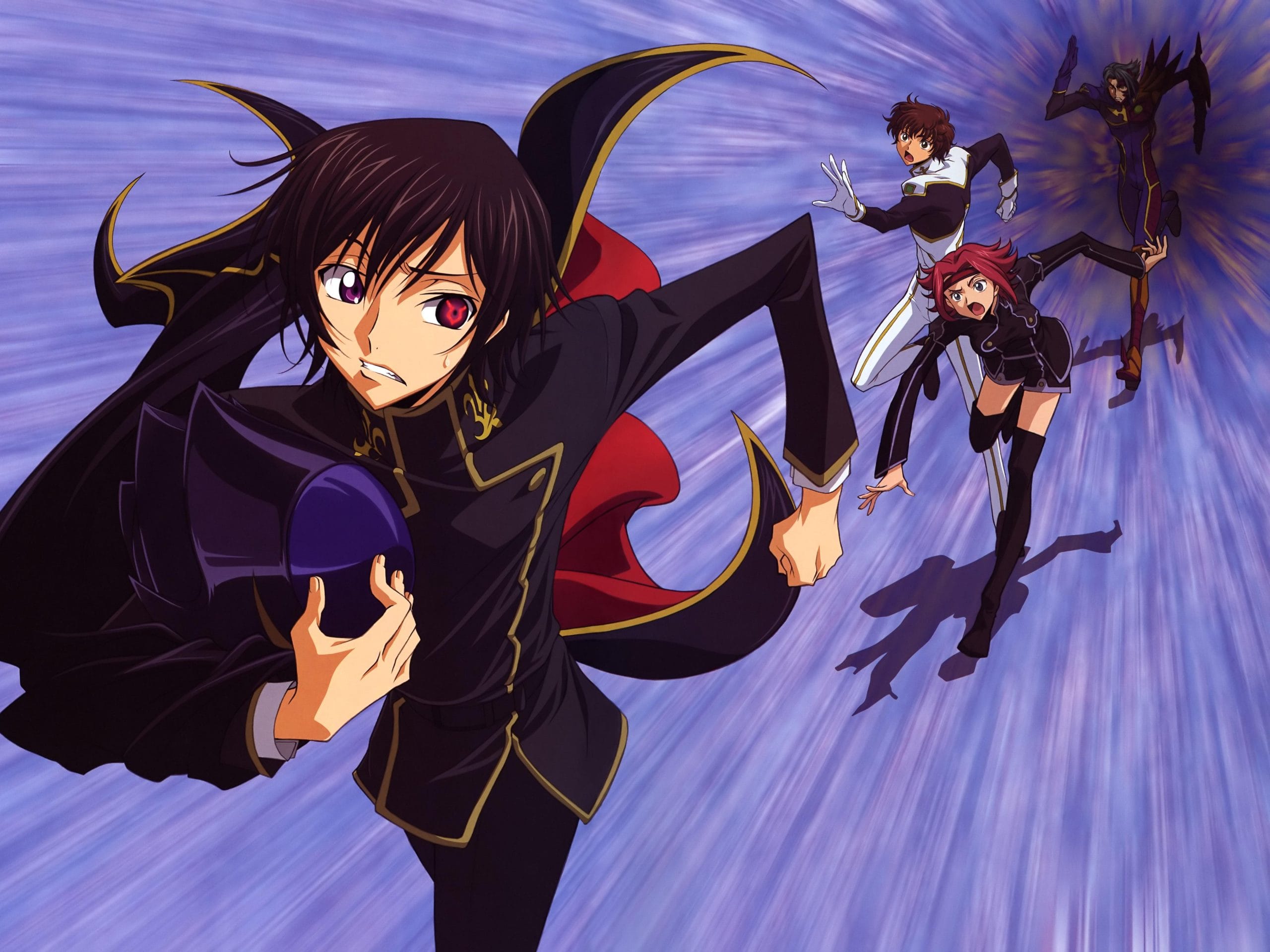
The world of Code Geass is an alternate history where the Holy Britannian Empire has conquered much of the globe, including Japan — rebranded Area 11 and its people stripped of their name and identity, reduced to “Elevens.” Into this powder keg steps Lelouch vi Britannia, a discarded royal prince living in disguise at a Japanese high school. When a chance encounter grants him the Geass — an absolute power of compulsion he can exert over any person — Lelouch reinvents himself as the masked revolutionary Zero and begins dismantling the empire that destroyed his family.
That pitch alone would sustain a decent action series. Code Geass uses it as a foundation for something far more ambitious: a story about power, identity, sacrifice, and whether a single brilliant, broken person can change the world — and what it costs them if they try.
The series runs across two seasons (Code Geass: Lelouch of the Rebellion and Code Geass R2), totalling 50 episodes. Every one of them earns its runtime. This isn’t a show that idles. It sprints, occasionally trips, picks itself back up, and then sticks a landing so perfect it makes the stumbles feel irrelevant.
Lelouch vi Britannia: The Most Compelling Antihero in Mecha Anime
Great anime lives or dies on its protagonist. Lelouch Lamperouge — born Lelouch vi Britannia — is one of the finest protagonist constructions in the history of the medium, and that’s not hyperbole. He occupies a rare space: simultaneously the most heroic and most morally compromised character in his own story.
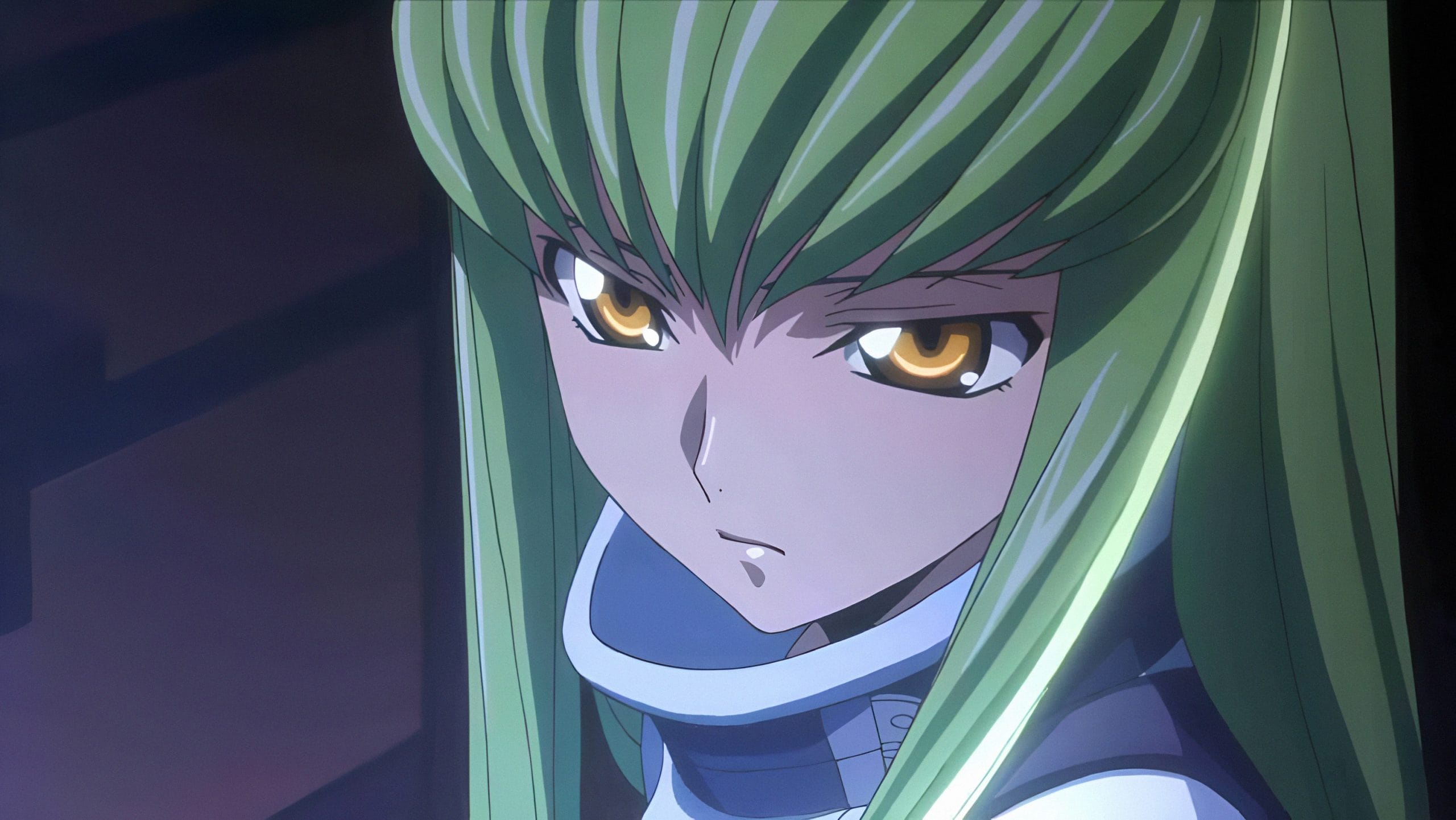
He is, functionally, a villain by most conventional measures. He manipulates people without hesitation. He sacrifices individuals for the greater strategic goal. He lies constantly — to his friends, his allies, occasionally himself. The Geass makes this literal: he can look someone in the eye and rewrite their will. He does this repeatedly, and the show never lets him off the hook for it.
And yet you root for him. Desperately. Because Lelouch’s motivations are crystalline. He wants to build a gentle world for his blind, crippled sister Nunnally. He wants to punish the father — Emperor Charles zi Britannia — who threw him and his mother away like garbage. And somewhere underneath the tactical genius and the theatrical mask, he genuinely wants a world where people like the Elevens aren’t ground to nothing by imperial boots.
The genius of his character writing is the constant tension between his stated ideals and his actual methods. Lelouch wants to create something beautiful and keeps building it out of ugly material. He knows this. The show knows this. The audience knows this. That shared, uncomfortable awareness is what makes every major plot turn hit so hard.
Compare him to Light Yagami from Death Note — another chess-playing antihero who believes he’s building a better world. Light corrodes into pure narcissism as the series progresses. Lelouch goes the opposite direction. He starts arrogant and ends humble. He starts using people and ends willing to be used. That inversion is everything.
Chess in Motion: How Code Geass Plots Like a Grandmaster
Strategic anime lives in a fairly crowded genre — Death Note, Legend of the Galactic Heroes, Spice and Wolf, Overlord all trade in clever protagonists outthinking their opponents. Code Geass stands apart because its strategy isn’t just intellectual set-dressing. The chess metaphor runs bone-deep into the show’s structure.
Lelouch is introduced as a chess prodigy hustling nobles for money in the Britannian settlement. This isn’t incidental. His tactical mind is established immediately and consistently. When he takes the battlefield as Zero, you see the same patterns: sacrificial gambits, positional play, thinking three moves ahead while everyone else reacts to the present move.
What separates Code Geass from lesser strategic anime is that Lelouch’s plans fail. Regularly. Spectacularly. And when they fail, it’s never because the show needs cheap tension — it’s because his opponents are genuinely smart, because his emotional blind spots betray him, or because he overloaded a plan with too many variables. The failures are as well-constructed as the victories.
Season one’s Narita mountain battle. The Battle of Narita is a jaw-dropping sequence where Lelouch masterfully exploits terrain and weather to set up an ambush — and then a single unexpected appearance by Suzaku Kururugi in his Lancelot unravels the entire operation. It’s a reminder that in warfare as in chess, one piece you didn’t account for can overturn a dominant position.
The show stacks these reversals with precision. Each victory raises the stakes. Each defeat raises Lelouch’s desperation. By the time R2 arrives, you’re watching a player who’s been forced to gamble the whole board on a single sequence — and the tension is almost unbearable because you’ve watched him earn and lose so much to get there.
The supporting cast amplifies this. Suzaku Kururugi — Lelouch’s childhood friend and his most persistent foil — is the anti-Lelouch. Where Lelouch seeks results through any means necessary, Suzaku insists on operating within the system, changing it from the inside. Their philosophical clash isn’t a debate the show settles cheaply. Both are right. Both are catastrophically wrong. Their collision drives the whole narrative engine.
The Knightmare Frames: Mecha Done Right
Code Geass is technically a mecha anime, and it’s worth addressing how it handles that genre element — because mecha anime carries significant baggage. The field runs from transcendent (Neon Genesis Evangelion, Gurren Lagann) to forgettable (a lot of things), and the challenge is always integrating the giant robots into the story rather than making the story a delivery mechanism for robot fights.

Code Geass solves this cleanly by making the Knightmare Frames tactical tools rather than expressions of willpower or emotional states (though the latter shows up occasionally, particularly with Suzaku). They move on landspinners, use slash harkens as grapple weapons, and operate within comprehensible physical logic. The battles are readable. You can follow who’s winning and why, which matters enormously when the outcome of each battle connects to the strategic plot threads.
The Lancelot — Suzaku’s white Knightmare — is particularly well-conceived as a dramatic device. It’s the single most powerful unit on the battlefield throughout most of season one, and it consistently belongs to the person whose goals most directly oppose Lelouch. Every time Lelouch has a plan, there’s a chance the Lancelot walks into it and ruins everything. That creates genuine dread. No other mecha anime in recent memory has made a single enemy unit feel so narratively threatening.
The mecha designs themselves, handled by CLAMP (responsible for the character designs) and Ichiro Okouchi’s production team, thread a needle between the sleek and the functional. They look cool without looking impractical. They look dangerous without looking invincible — except when the plot needs them to, and even then the show earns it.
Sunrise, the studio behind Gundam, knows mecha. Code Geass benefits from that institutional knowledge while doing something distinctly its own with it. The robots serve the story. That’s the whole job, and they do it without complaint.
R2’s Wild Ride: When the Show Breaks Every Rule and Wins Anyway
Season two — Code Geass R2 — is where things get genuinely deranged, and that’s meant as a compliment with reservations.
R2 begins with Lelouch having had his memory wiped and reinstalled in a fake life. Within a few episodes, he’s back as Zero, now leading the Black Knights while also being crowned Emperor of Britannia through a coup that involves him using his Geass on essentially the entire Britannian court. This is not a show conserving its ideas.
The pace is relentless. Characters die. Characters come back. Alliances form and shatter. Lelouch fights his father in a metaphysical battle inside a subconscious realm. Charles attempts to kill God. Lelouch stops him. A flying fortress shows up. The Black Knights betray Zero based on manipulated intelligence. Lelouch loses Nunnally. He loses Rolo. He appears to lose everything.
This sounds like narrative chaos, and at moments it is. R2 has real structural problems — the Geass lore gets murky, certain character deaths hit awkwardly, and the middle section sags under the weight of its own escalation. If you’re watching it for the first time, there are episodes where you’ll wonder if the show lost the plot.
It hasn’t. That’s the thing about R2: in retrospect, almost everything serves the ending. The apparent chaos is load-bearing. The betrayal by the Black Knights is necessary. Lelouch losing everything he built is necessary. Even the most excessive plot moves — and there are several — are advancing a character toward a specific psychological state that makes the finale work. R2 is a 25-episode argument for the finale, and it wins that argument by a mile.
Zero Requiem: The Most Perfect Ending in Anime
We need to talk about the ending. If you haven’t seen Code Geass yet, this section discusses it in full. You should probably watch it first. Seriously. Watch it, come back, and we’ll talk about why it’s extraordinary.
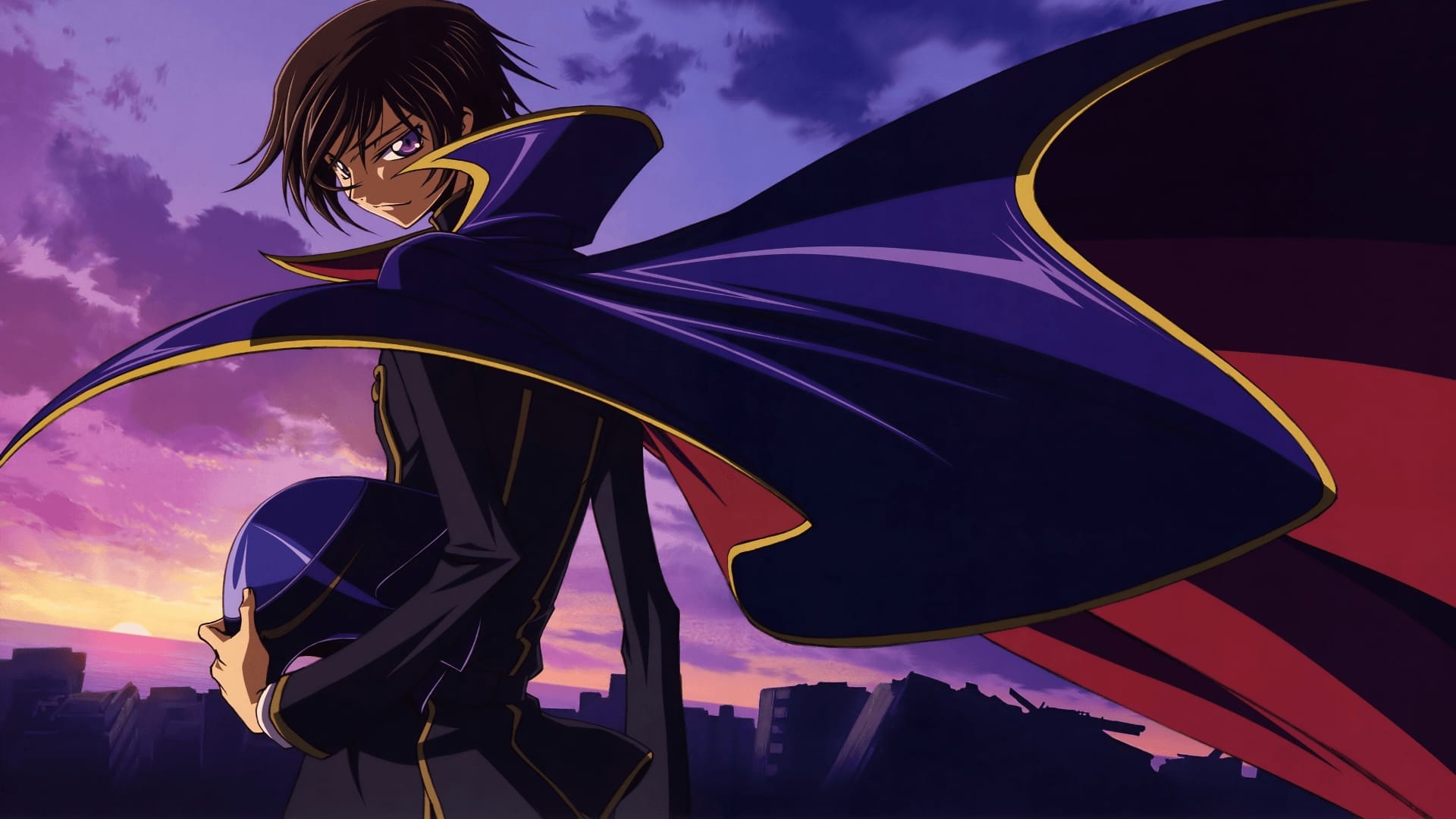
The Zero Requiem is, at its core, a plan Lelouch and Suzaku designed together. Lelouch becomes Emperor of the world — legitimately, through conquest and Geass — consolidates every faction’s hatred onto himself, and then allows Zero (Suzaku in disguise) to assassinate him publicly. By killing the most hated man on Earth, Zero becomes the symbol of hope that unites the world. Nunnally inherits a world without war. The cycle of imperial violence ends, in theory, because Lelouch absorbed every ounce of it into himself and took it to the grave.
This is a perfect ending because it’s earned on every level the series has been building.
Emotionally: Lelouch’s arc has always been about a man using terrible means toward a genuinely good end. The Zero Requiem is the logical terminus of that arc. He doesn’t redeem himself by becoming a better person — he redeems himself by becoming the worst possible version of himself as a final act of love. He plays the villain so completely that his death cleanses the board. It’s heartbreaking and completely right.
Thematically: The chess metaphor pays off in full. Lelouch sacrifices his king. In chess, that’s the end of the game. Except the game is real and the king has been his own piece all along — and in sacrificing himself, he wins the match no one else knew they were playing.
Narratively: Every major character gets a meaningful resolution. Suzaku, who wanted to change the world from the inside, gets to do exactly that — permanently — as Zero, forever sacrificing his identity and happiness for Lelouch’s vision. Kallen, who loved Zero but not Lelouch, gets to live in the world they died for. Nunnally, who Lelouch told everything to in the final moments (watch her expression change when she holds his hand), understands what her brother did and why.
The final scene — Lelouch’s eyes going still, Nunnally screaming his name, a wandering cart driver smiling in a peaceful countryside that might or might not be Lelouch — is one of the most discussed endings in anime history. The “C.C. talks to someone” ambiguity is deliberate and correct. The show doesn’t confirm whether Lelouch survived via the Code. It doesn’t need to. Whether he lived or died, the story is over. Zero Requiem succeeded. The world Lelouch wanted exists. That’s the point.
It’s worth noting what the ending refuses to do, because restraint is half of what makes it work. It refuses to let Lelouch take a bow. He doesn’t get a final speech explaining his genius. He doesn’t get recognition in his real name — the world mourns Zero’s death, not Lelouch’s. His sacrifice is anonymous to history. Only a handful of people who loved him know what he truly did, and most of them are devastated by it. That’s not a triumphant hero’s death. That’s a man settling an account, quietly, on his own terms. The show has enough respect for Lelouch — and for the audience — to not undercut that with sentimentality.
Anime endings fail for two reasons: they’re either too tidy (everything works out, consequences are soft-pedaled) or too bleak (misery for its own sake). Code Geass threads the needle. It’s devastating and triumphant simultaneously. It makes you feel the weight of everything Lelouch sacrificed while also leaving you with the sense that it meant something. That the world in the final frame is genuinely better than the one in episode one.
That balance is extraordinarily hard to achieve. Most stories that attempt it fail. Code Geass nails it so thoroughly that it reframes every episode that came before — watching the series again with knowledge of the ending is a fundamentally different experience. Scenes that seemed like character moments reveal themselves as setup. Conversations that seemed incidental are goodbyes Lelouch was saying without anyone knowing it.
That’s the mark of a truly constructed finale. Not just an ending, but an ending that turns the whole story retroactively into something richer.
The Verdict: Should You Watch Code Geass?
Yes. Obviously yes. But here’s the more useful answer: Code Geass is worth watching even with its flaws clearly visible.
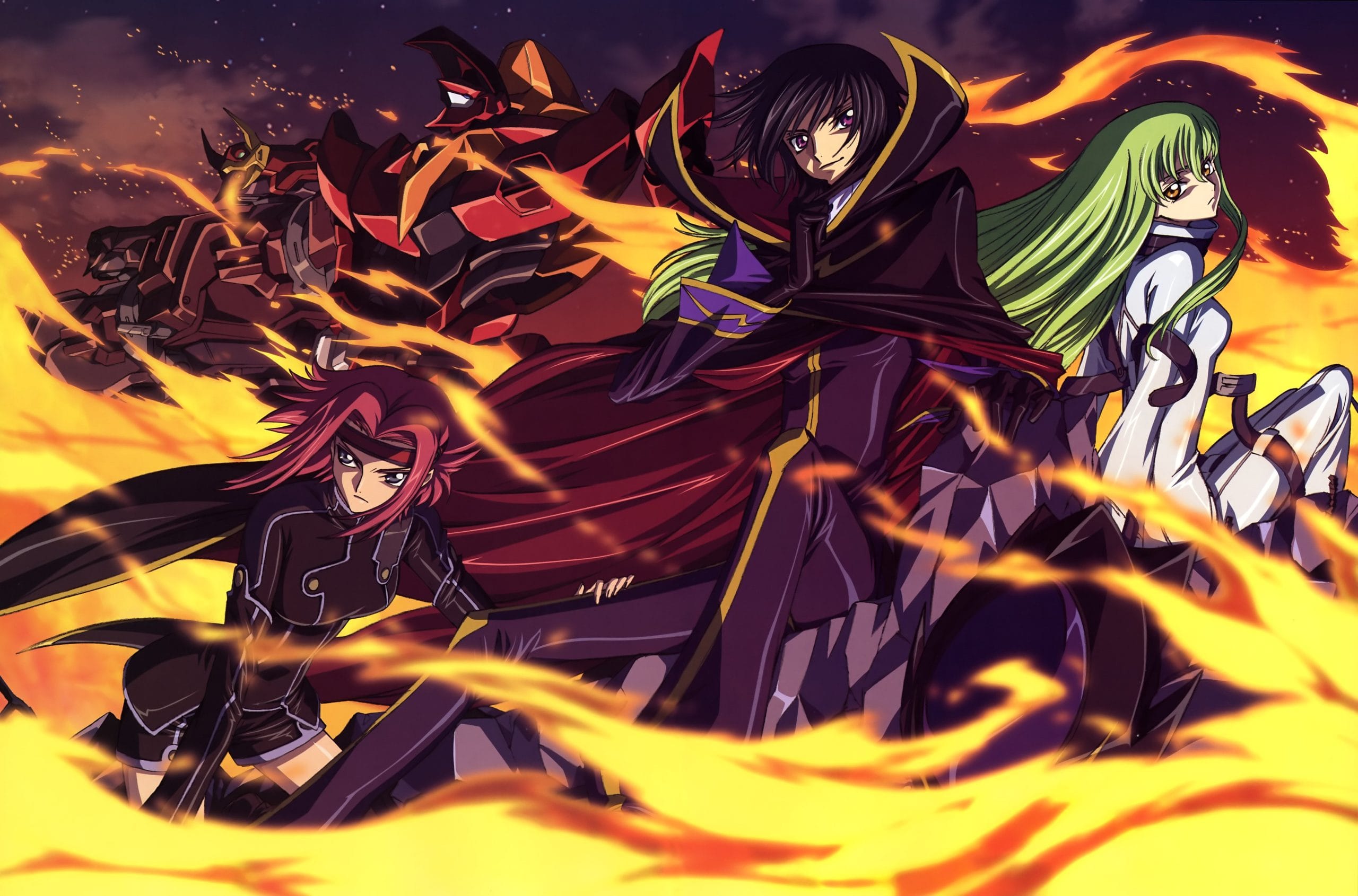
It has flaws. The fan service exists and is largely pointless. Some characters — particularly several of the Black Knights — are underdeveloped. The school comedy sequences in season one create tonal whiplash. R2’s middle section is genuinely shaky. The Code/Geass mythology could have been tighter.
None of that matters. Code Geass is the rare show where the sum is so much greater than its parts that criticizing the parts feels beside the point. It delivers on its core promise — a brilliant, morally compromised protagonist playing a game of strategy against impossible odds — with more consistency and craft than almost anything else in the genre.
As a Code Geass review, the honest verdict is this: it’s a masterpiece with rough edges, and the rough edges are the price of admission for something that dares this big. The chess-game plotting, Lelouch as a protagonist, the mecha combat serving narrative rather than spectacle, and above all that ending — these aren’t just things Code Geass does well. They’re things it does better than almost anyone.
If you’re new to anime and want to understand what the medium can do, Code Geass is one of maybe ten shows you should watch before anything else. If you’re a veteran who somehow hasn’t gotten around to it, stop having reasons and start episode one tonight.
The world Lelouch built deserves visitors. Go see it.
You Might Also Enjoy
- Death Note Review: The Ultimate Battle of Wits
- Gurren Lagann Review: The Anime That Makes You Believe in Impossible Things
- Attack on Titan Final Season Review: The Weight of Freedom
- Fullmetal Alchemist: Brotherhood Review: Why It Tops Every List
- Legend of the Galactic Heroes Review: The Strategic Anime That Changed Everything