Tokyo Ghoul: What You’re Actually Getting Into
If you’ve spent any time in anime circles, you’ve heard about Tokyo Ghoul. This Tokyo Ghoul review isn’t here to hype you up or talk you out of watching it — it’s here to tell you exactly what the anime does right, where it falls apart, and why the manga is a completely different (and better) experience. Because the gap between what this story is in Sui Ishida’s original manga and what the anime adaptation delivers is one of the most frustrating divides in modern anime history.
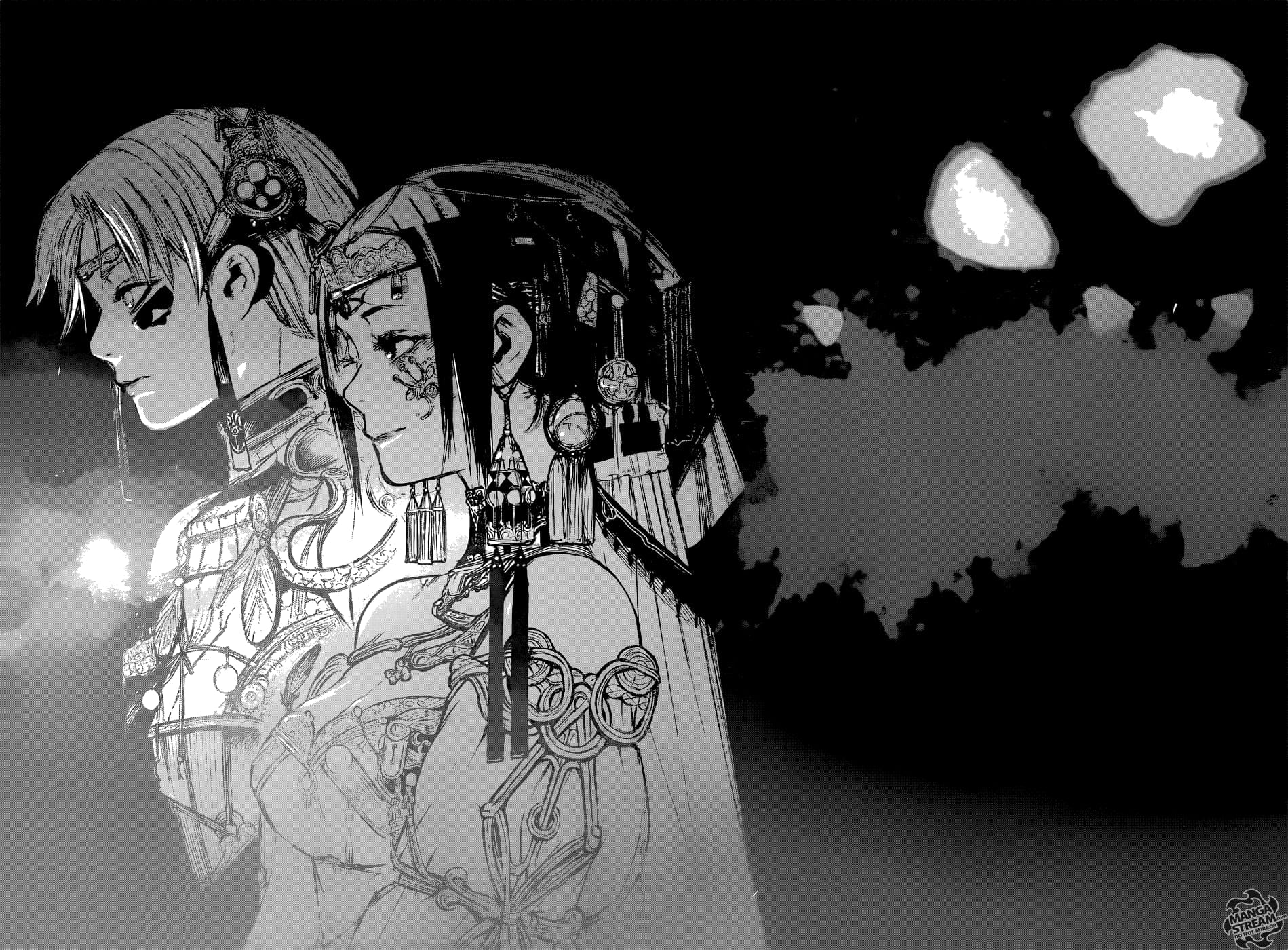
The premise is deceptively simple. Ken Kaneki is a shy, bookish college student in Tokyo who goes on a date with a girl named Rize — and nearly gets eaten alive. She’s a ghoul, one of many predatory creatures who look human but must consume human flesh to survive. A freak accident kills Rize and leaves Kaneki on death’s door. The surgeons transplant Rize’s organs into Kaneki to save him, and he wakes up as something new: a half-ghoul who can’t eat human food anymore, can’t quite stomach what he’s become, and is caught between two worlds that each want him dead or useful.
That central tension — identity, belonging, what it costs to survive — is the engine of everything that makes Tokyo Ghoul worth your time. When the anime honors it, it soars. When it abandons it to chase spectacle, it crashes.
Season 1: Dark Anime Done Right (Mostly)
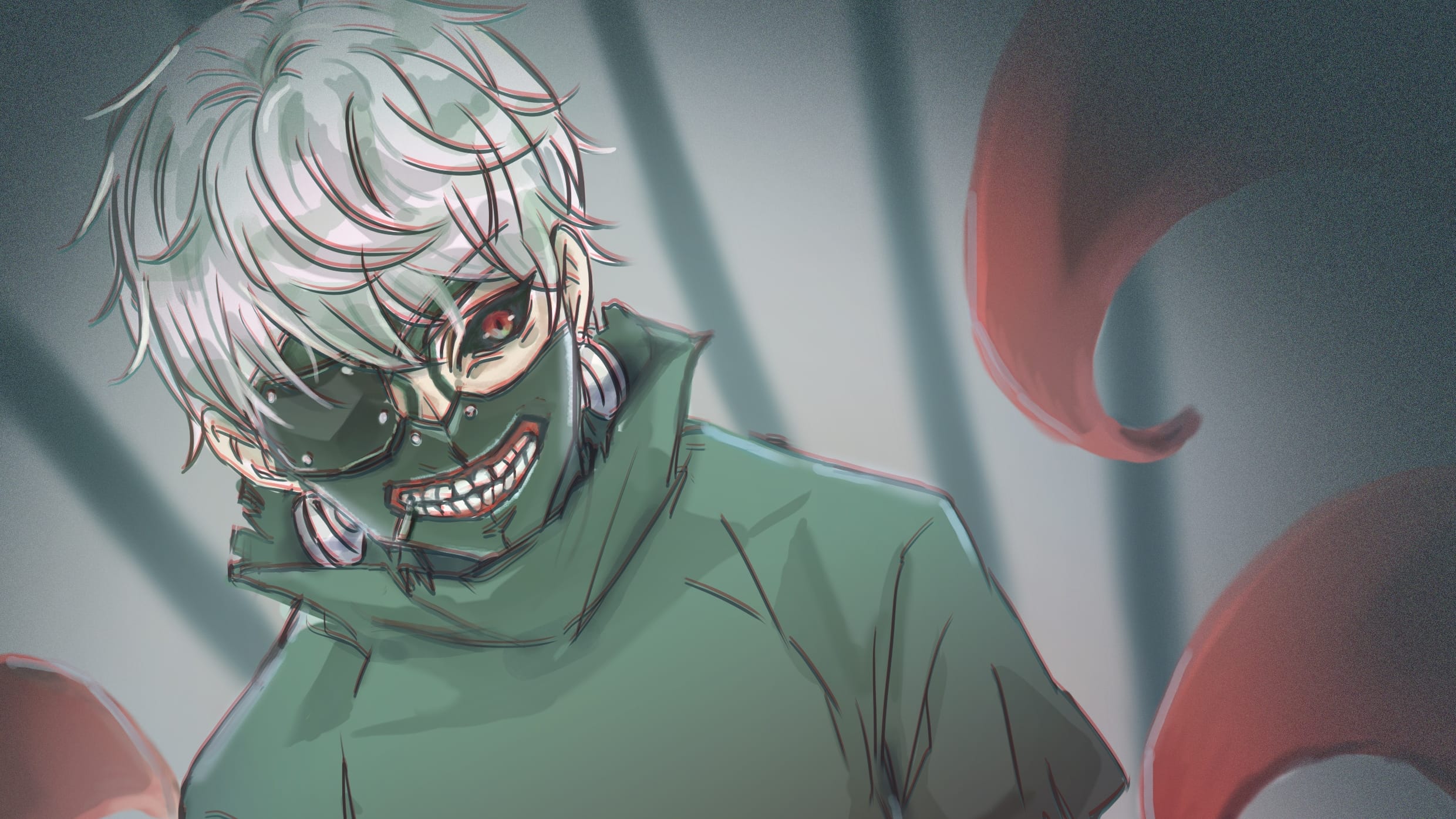
The first season of the Tokyo Ghoul anime is genuinely good television. Studio Pierrot took Ishida’s opening arc and adapted it with real care — the horror elements land, the character work breathes, and the world-building feels earned rather than dumped. Watching Kaneki navigate his new reality is uncomfortable in the best way. He doesn’t want to hurt anyone. He doesn’t want to be a monster. And the show makes you feel every inch of that internal war.
The supporting cast gets enough screen time to feel real. Touka Kirishima — fierce, guarded, quietly tragic — is one of the stronger female leads in any dark anime from this era. The Anteiku crew, the café ghouls who try to live peacefully, give the show a moral center. They’re not villains. They’re people trying to survive in a city that would execute them on sight. The CCG investigators hunting ghouls are doing their jobs, and some of them are even sympathetic. That moral ambiguity is Tokyo Ghoul at its best.
The animation is clean without being spectacular, but Pierrot uses shadow and color effectively — the shift between Kaneki’s warm human life and the cold, wet, violent world of ghouls is handled well visually. The soundtrack, particularly Österreich and Unravel, became iconic for good reason. Unravel specifically is still one of the most emotionally loaded anime OPs ever made, and it perfectly captures Kaneki’s fracturing sense of self.
Where season 1 stumbles is mostly in pacing — some middle episodes drag — and in the finale. The Aogiri Tree arc and Jason’s torture sequence are heavy, transformative, genuinely brutal. But the way the anime handles the aftermath of that torture, the moment Kaneki finally breaks and then resurges, is rushed and under-explained. Manga readers knew what was happening. Anime-only viewers were left piecing it together. It’s the first sign that the adaptation was willing to skip the interior work to get to the cool image.
Root A: Where the Anime Left the Manga Behind
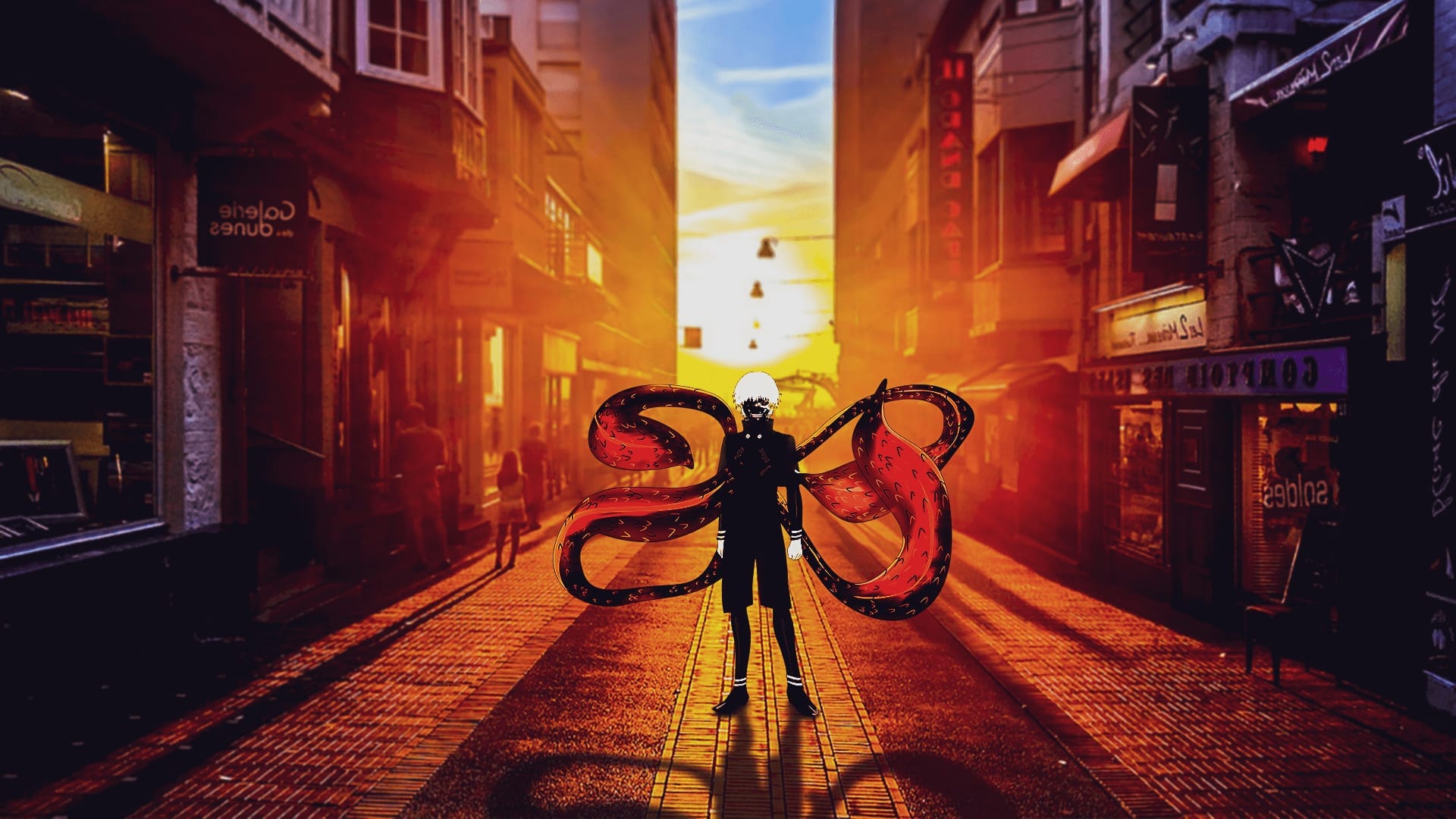
Season 2, titled Tokyo Ghoul √A (Root A), is where the adaptation makes its most consequential decision — and most divisive one. Director Shuhei Morita chose not to adapt the manga’s second arc. Instead, he worked with Ishida to create an original story: Kaneki voluntarily joins Aogiri Tree, the ghoul terrorist organization, rather than fighting against them. It’s a bold creative swing. It is also, largely, a swing and a miss.
The problem isn’t the concept itself. Kaneki infiltrating Aogiri to protect the people he cares about is a defensible character choice. The problem is that Root A doesn’t do the work to make that choice feel real. We don’t get inside Kaneki’s head. We don’t understand his plan, his emotional state, or his evolution during this arc. He becomes a side character in his own story — appearing in cool action sequences, looking brooding, then vanishing for episodes at a time. The Ken Kaneki who made season 1 compelling needed interiority. Root A gave him a black trench coat and called it characterization.
The original manga’s second arc — which runs through the Raid on Cochlea and into the Owl Suppression Operation — is dense, emotionally brutal, and pays off character threads that season 1 set up meticulously. It deepens Touka’s story. It gives Hide meaningful screen time. It contextualizes the CCG investigators as fully realized people with their own losses and loyalties. Root A skips almost all of that in favor of action set pieces that look good but feel hollow.
The season finale compounds the problem. The scene where Kaneki carries Hide through the streets of Tokyo is emotionally devastating — or it would be, if the anime had done the work to earn it. For manga readers, that moment hits like a freight train because you understand exactly what it cost both of them. For anime-only viewers, it’s a sad image without sufficient context. That’s the core failure of Root A: it understood what the emotional beats should look like, but skipped the scaffolding that makes them meaningful.
Tokyo Ghoul:Re — Ambition That Outran Its Execution
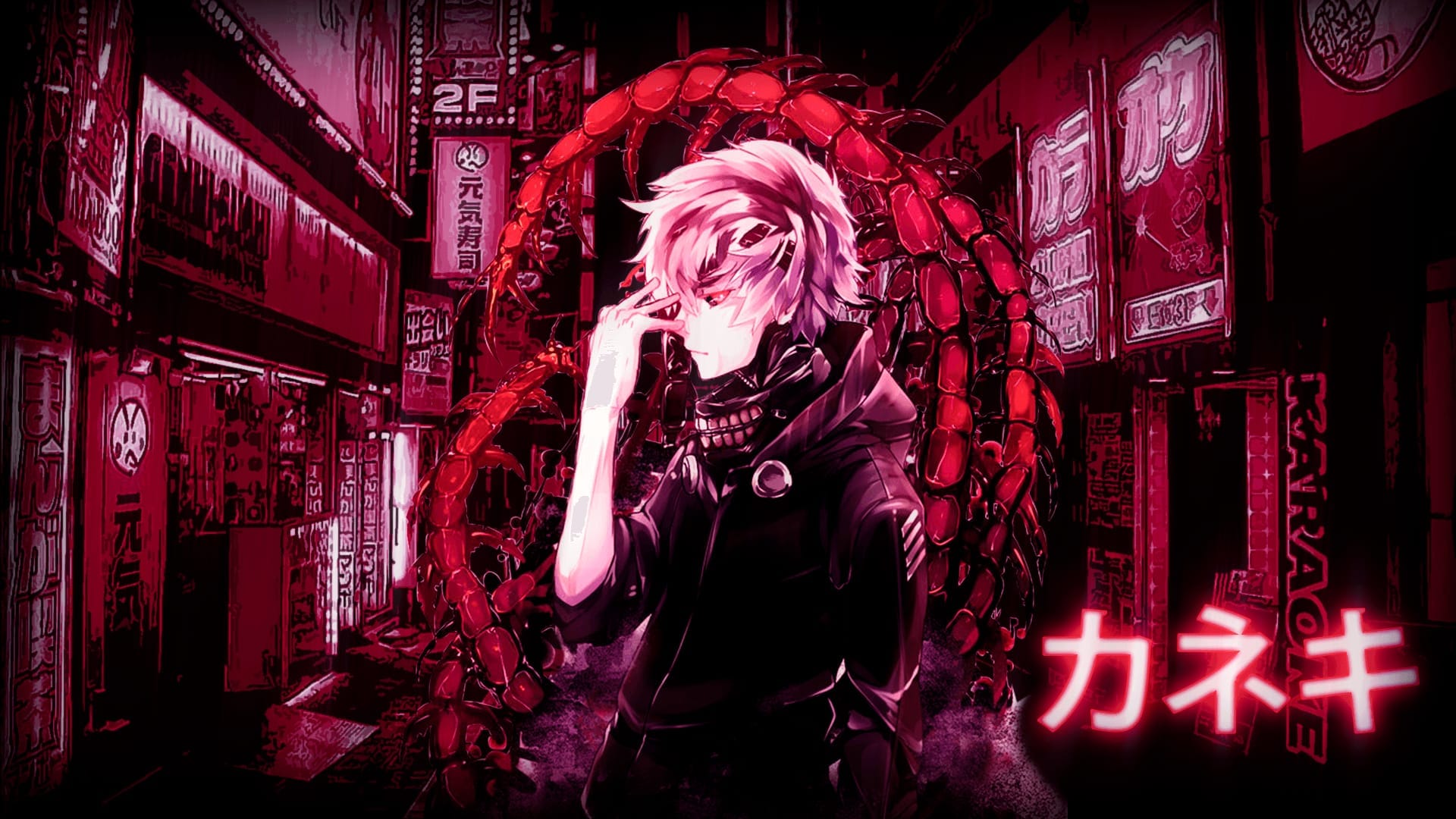
Tokyo Ghoul:re is based on the sequel manga that Ishida wrote, and on paper it’s fascinating material. Kaneki — now amnesiac and operating as CCG investigator Haise Sasaki — leads a squad of artificial half-ghouls while his old memories slowly surface. The sequel manga is widely considered Ishida’s most ambitious work: a labyrinthine conspiracy thriller with dozens of moving pieces, years-long character arcs, and an ending that recontextualizes everything before it.
The anime adaptation has 24 episodes to cover what took Ishida years and hundreds of chapters to tell. The math doesn’t work, and it shows. Re is the most pacing-damaged season of the entire Tokyo Ghoul anime run. Characters appear and disappear without introduction. Relationships that took chapters to build are assumed rather than shown. Plot revelations that should land as gut-punches land as confusion because the groundwork was never laid.
The Tsukiyama Family Extermination arc, the Rushima Landing, the Dragon arc — each of these is a massive narrative event in the manga. In the anime, they’re compressed to the point of incoherence. New characters like Mutsuki Tooru and Urie Kuki, who have rich, psychologically complex arcs in the manga, are reduced to archetypes. The Clown arc’s twists rely on backstory the anime never established. By the time the finale arrives, it feels less like a conclusion and more like a greatest-hits reel for people who already read the source material.
There are still flashes of what could have been. The animation quality improves in key moments. The music remains strong. And when Re does slow down — usually in its first cour — the Haise Sasaki material is genuinely compelling. Watching Kaneki not-quite-remember who he was, building a new life he’ll eventually have to leave behind, is exactly the kind of quiet tragedy the series does best. The problem is that quietness is rare in a season that’s perpetually sprinting.
Manga vs. Anime: The Honest Comparison
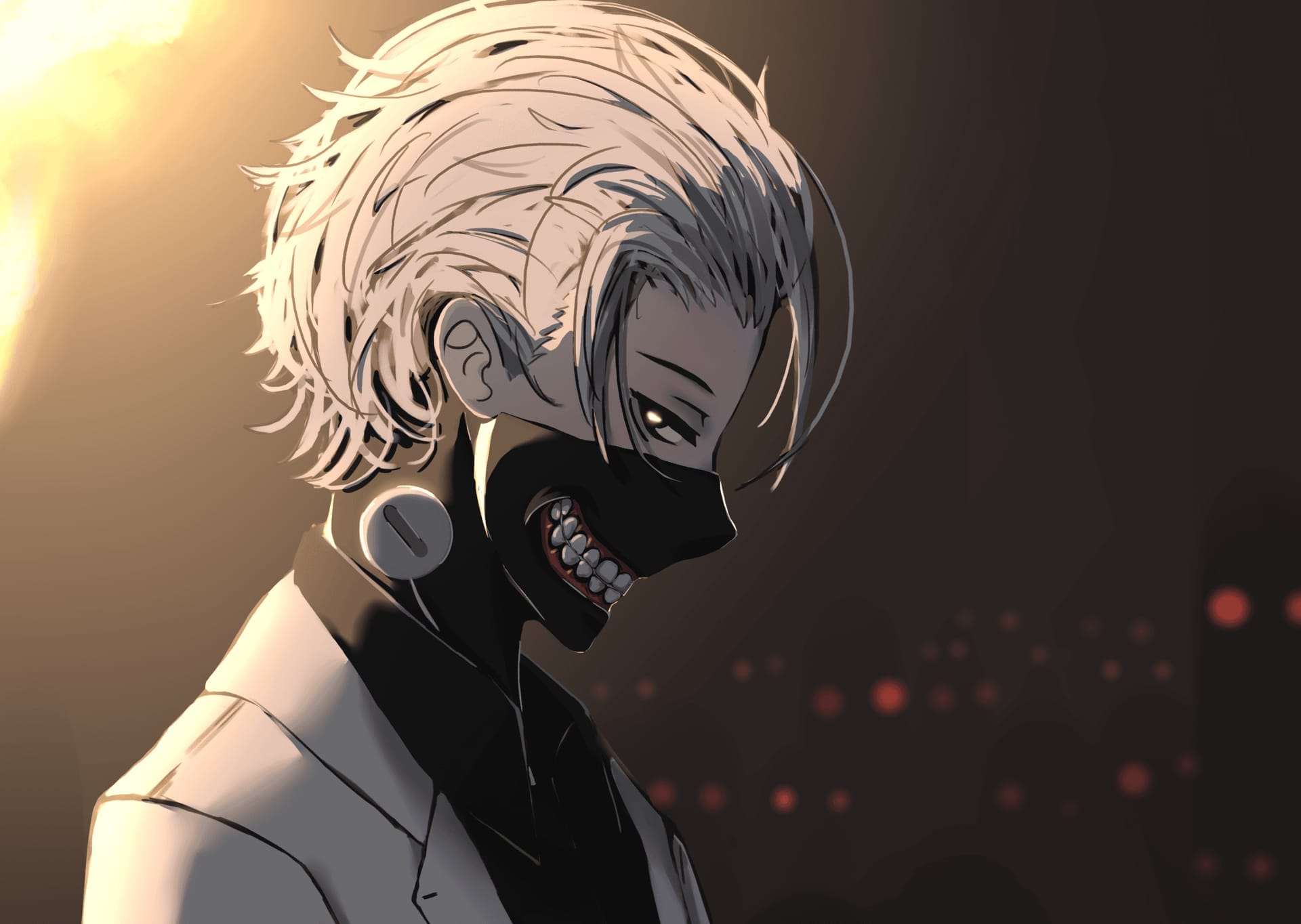
Let’s be direct: the Tokyo Ghoul manga is significantly better than any season of the anime. That’s not a knock on the adaptation as an entry point — plenty of people discovered Ishida’s work through the anime and that’s a completely valid path. But if you want the full story, the complete emotional experience, the character arcs that actually pay off — you need the manga.
Ishida’s art is extraordinary. He has a distinctive style that blends body horror with delicate emotional expressiveness in a way that anime hasn’t been able to replicate. The kagune (ghoul organs used as weapons) have texture and weight on the page. The fight sequences are spatially coherent. And crucially, the manga lives inside Kaneki’s head in a way that the anime — especially Root A and Re — simply doesn’t. You understand not just what he does but why, in real time, down to the contradictions and self-deceptions.
The manga also sticks the landing. The ending of Tokyo Ghoul:re is divisive among readers, but it’s a coherent divisive ending — one that makes a genuine argument about cycles of violence, identity, and the cost of surviving in a world that wants you gone. The anime’s finale, by contrast, resolves its compressed story with imagery and feeling but not much logic. It’s an emotional impression of an ending rather than an ending.
If you’ve only watched the anime and feel vaguely dissatisfied, that dissatisfaction is correct and it has a source: there’s a richer version of this story that exists, and it’s in print. The anime is the highlight reel. The manga is the film.
What Still Works: The Case for Watching Anyway
None of this means the Tokyo Ghoul anime isn’t worth watching. Season 1 remains a strong entry point into dark anime, and there’s genuine craft in how it handles its central metaphor. The story of a person who becomes something society considers a monster — and has to decide whether that makes them monstrous — is timeless material. The anime communicates that theme clearly enough that it hit wide audiences in a way manga-first properties often don’t.
The music across all four seasons is exceptional. Yutaka Yamada’s score work for :re particularly stands out — haunting and orchestral where the earlier seasons leaned electronic. Unravel (season 1 OP) and Katharsis (:re second cour OP) are both genuine standouts in anime music. If you want context for why those songs hit the way they do, the anime gives you that context even when it fumbles the storytelling around them.
The ghoul world is also genuinely inventive. The classification systems, the CCG’s internal politics, the different ghoul factions with their competing philosophies — the anime, even at its worst, communicates that this is a world someone thought carefully about. The Clowns as chaos agents, Aogiri as extremists, Anteiku as peaceful pragmatists: the ideological range of ghoul society adds texture that most dark anime skip entirely.
Ken Kaneki himself, whatever the anime’s failures around him, is one of the more interesting protagonists in the genre. His journey from passive victim to active agent, the white hair transformation that became the series’ signature image, the way his character arc keeps interrogating what strength actually means and costs — those ideas are present in the anime even if they’re executed better on the page. He’s worth following. The adaptation just doesn’t always deserve him.
The Verdict: Watch Season 1, Read the Rest
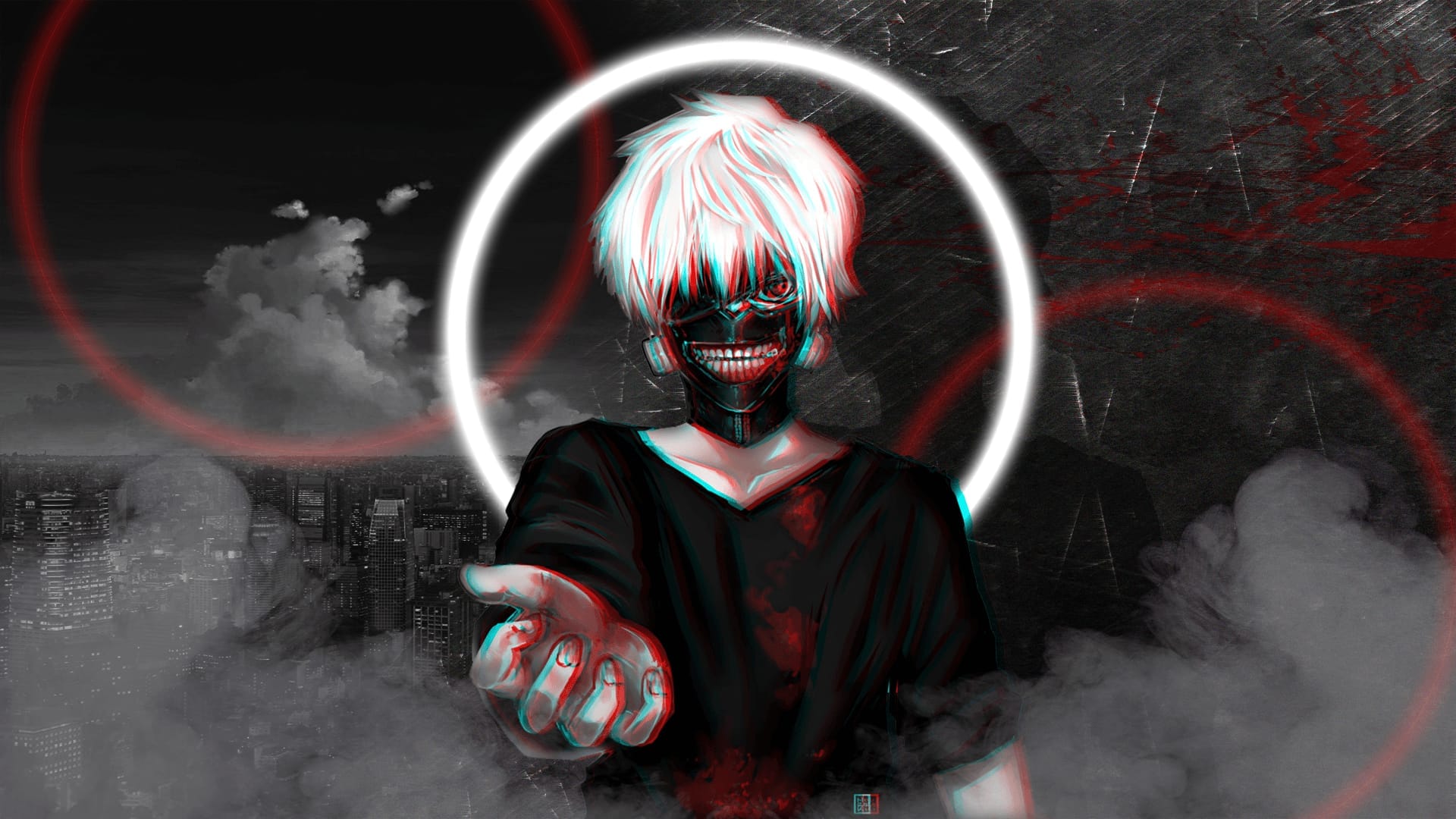
Here’s the honest recommendation after a full Tokyo Ghoul review: watch season 1, then switch to the manga. Season 1 is a confident, effective adaptation that earns its reputation as one of the better dark anime of the 2010s. It has real emotional weight, a memorable protagonist, and enough craft in its execution to justify the 12 episodes it asks for. If you stop after season 1, you’ll have had a complete enough experience to understand why Tokyo Ghoul matters.
If you want more — and you probably will — pick up the manga from chapter 1. You can read through the first manga series, then move directly into :re. You’ll get the full Cochlea raid, the complete Touka and Kaneki relationship arc, the actual payoff of characters like Arima and Eto, and an ending that earns its emotional resolution. Everything Root A offers (the original story, the alternate Kaneki choices) is interesting as a curiosity but not as a substitute.
If you’re determined to watch the whole anime run: go in with adjusted expectations. Root A is a flawed experiment with some effective imagery. :re is a compressed adaptation that moves too fast and assumes too much. Neither is a disaster — they’re disappointing precisely because the source material is so rich that anything less than full commitment to adapting it feels like a waste.
The Tokyo Ghoul story, in full, is about what happens when the systems we build to protect ourselves become the things that destroy us — and whether there’s any version of survival that doesn’t require becoming the monster you were running from. That’s a question worth sitting with. The manga asks it and answers it. The anime asks it and then gets distracted by the cool fight sequences. Both things can be true, and both things matter when you’re deciding how to spend your time with this story.
Season 1: 8.5/10 — Dark anime done right. Watch it.
Root A: 5.5/10 — Interesting failures. Skip it, read the manga arc instead.
Tokyo Ghoul:re: 5/10 — Ambitious beyond its episode count. Read the manga.
Manga (full series): 9/10 — The real thing. Worth every chapter.
The Music and Art Direction: A Consistent Highlight
One area where the anime consistently earns its keep — across all seasons — is sound design and art direction. It’s worth naming this separately because it’s genuinely excellent work that survives the writing failures around it. Yutaka Yamada’s score runs the full emotional range the story demands: quiet and melancholic when Kaneki is at Anteiku, harsh and percussive when ghouls clash in back alleys. The music never feels generic or interchangeable with a dozen other dark anime soundtracks.
The opening and ending sequences are miniature masterpieces in their own right. Unravel by TK from Ling Tosite Sigure isn’t just a catchy song — it’s a character study. The lyrics track Kaneki’s psychological disintegration, and the fragmented, urgent musical style matches his fractured sense of self. The visual direction of that opening, with Kaneki literally coming apart and reassembling, is the most purely artistic thing the anime ever does. Even when the episodes themselves disappoint, that OP earns a revisit.
Later seasons maintain the musical quality even as the narrative quality drops. Katharsis from :re’s second cour has a raw, almost punk energy that suits the arc’s escalating chaos. The ending themes trend quieter and sadder — which is the right emotional note for a story that keeps asking whether any of this suffering was avoidable. If you want to experience the emotional core of Tokyo Ghoul without committing to all four anime seasons, honestly, the OP/ED collection tells you most of what you need to know.
The kakune (ghoul organ) designs are also worth a specific note. Each ghoul has a distinctive kagune with a distinct visual language — Touka’s wing-type, Kaneki’s centipede-type, Rize’s deadly tendrils. In season 1, the animation team renders these with real care, making each fight feel distinct rather than interchangeable. That specificity erodes in later seasons as the budget and time pressure mount, but the conceptual design work underneath remains strong throughout. Ishida’s character and creature designs translate cleanly to animation even when the animation itself is inconsistent.
Understanding the Ghoul World: World-Building That Rewards Attention
The Tokyo Ghoul universe is more carefully constructed than it first appears, and the anime — even at its sloppiest — communicates enough of that architecture to make the world feel real. Ghouls are classified by the threat level of their kagune. The CCG (Commission of Counter Ghoul) operates like a paramilitary law enforcement agency with its own internal politics, promotion system, and generational trauma. Quinques — the weapons CCG investigators use, made from harvested ghoul organs — are a quietly disturbing detail that keeps the moral ambiguity front and center. The humans fighting ghouls are literally wielding pieces of the creatures they’ve killed. Nobody’s hands are clean.
The different ghoul factions reflect genuine ideological splits rather than simple good vs. evil. Anteiku’s model — ghouls living quietly among humans, sourcing food from the already-dead — is peaceful but precarious. Aogiri Tree’s approach (dominance, violence, ghoul supremacy) is monstrous but emerges from real grievance. The Clowns are the most interesting faction ideologically: they find the whole situation cosmically absurd and act accordingly. That three-way tension gives the story moral texture that most ghoul anime or monster-of-the-week shows skip entirely.
The CCG investigator hierarchy also does real work for the story. Characters like Kishou Arima and Akira Mado aren’t just obstacles — they have their own losses, their own reasons for doing what they do, their own relationships with the impossible situation they’re embedded in. The anime introduces them and gives them screen time; the manga fills in their full weight. But even the truncated anime version of characters like Juuzou Suzuya communicates something true about what a lifetime of trauma and violence does to a person, and how institutions absorb and weaponize that damage.
You Might Also Enjoy
- Parasyte: The Maxim Review — Another Human-Monster Hybrid Done Right
- Vinland Saga Complete Series Review — Violence With a Purpose
- Demon Slayer vs. Jujutsu Kaisen: Which Dark Shonen Wins?
- Attack on Titan: Why the Final Season Polarized Everyone
- Chainsaw Man Review — Chaos, Heart, and Fujimoto’s Vision