There’s a specific type of anime protagonist that doesn’t get enough credit — the one who insists he’s broken while proving, repeatedly and violently, that he isn’t. Gabimaru is that character, and the Gabimaru character analysis rabbit hole goes deeper than most fans initially expect. He shows up in chains, announces he can’t die, claims he has no emotions worth keeping, and then spends an entire series quietly demolishing every one of those claims. That’s not a contradiction. That’s a portrait of trauma so precise it almost hurts to watch.
Hell’s Paradise: Jigokuraku is dense with fascinating characters — Sagiri, Yuzuriha, Tenza, Shion — but Gabimaru is the gravitational center around which every major theme orbits. Identity, humanity, the difference between surviving and living. This analysis breaks all of it down.
The Iwagakure Ninja: Where Gabimaru Comes From
Before you can understand what Gabimaru became, you have to understand what Iwagakure made him. The Hidden Stone Village isn’t framed as some noble shinobi clan with a code of honor — it’s a machinery of violence that treats human beings as instruments. Children are inducted into assassination training before they have the vocabulary to refuse. Emotional attachment is treated not just as weakness but as a liability that gets people killed. The village’s survival depends on producing killers who feel nothing, and it is very, very good at its job.

Gabimaru didn’t just go through this system. He was its flagship product. Trained from childhood to kill without hesitation, he became so effective that the village awarded him a title that reads more like a verdict than a name: the Hollow. Among Iwagakure’s elite, that meant something specific. It meant the best. It meant the one who had most completely shed human feeling in service of the mission. In context, it was high praise.
Outside that context, it’s a diagnosis. The village named him after what they’d carved out of him.
What makes Gabimaru’s origin story remarkable — and what elevates any serious Gabimaru character analysis — is that the series refuses to let Iwagakure be simply evil. The ninja code is brutal, yes, but it exists within a logic the characters understand. Gabimaru doesn’t resent the village the way a simpler story would demand. He’s more complicated than that. He was shaped by it, is partially proud of what he became, and still carries its lessons in his body. The tension between that formation and the person he’s becoming is the engine of his entire arc.
What “The Hollow” Actually Means — And Why It’s Wrong
The name Hollow (虚ろ, Utsuro) is doing a lot of work in this series. On the surface it’s a descriptor: a person emptied of feeling, running purely on kill-efficiency. That’s how Iwagakure uses it. That’s how Gabimaru uses it when he’s explaining himself to Sagiri in those early episodes — almost like he’s reciting a file entry on himself rather than describing a lived reality.
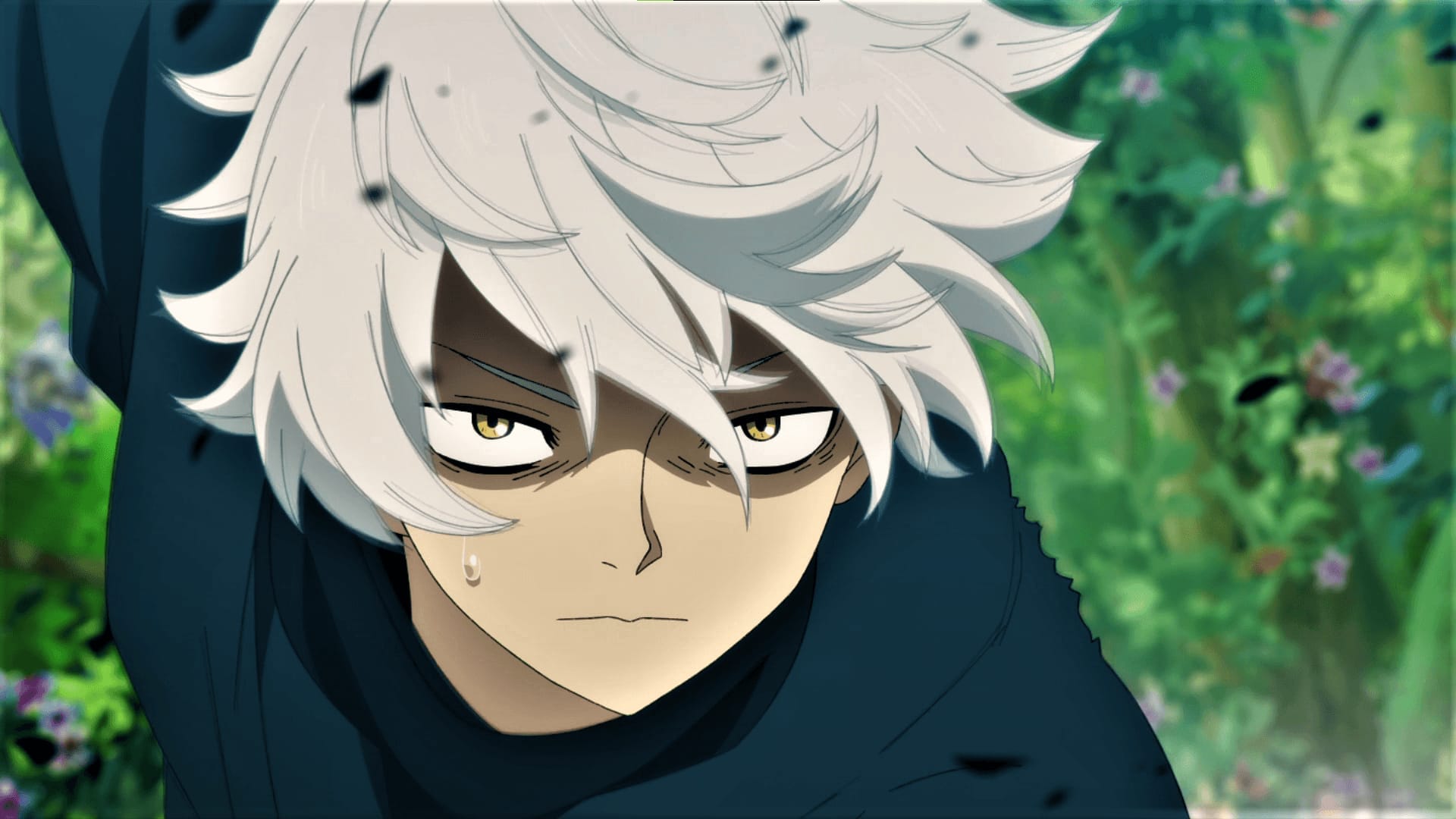
But Gabimaru is the most unreliable narrator of his own inner life you’ll find in recent anime. Every time he declares himself hollow — incapable of love, indifferent to death, beyond the reach of ordinary human motivation — the narrative immediately shows you the opposite. He remembers Yui’s face at the worst moments. His body refuses to die not through supernatural durability but because some part of him, below the level of conscious intention, is choosing not to. That’s not hollowness. That’s a man in active denial about the fullness of his own interior life.
The genius of this framing is that it makes Gabimaru’s journey feel like excavation rather than transformation. He isn’t being changed by Shinsenkyo. He’s being forced to acknowledge what was always there. The Hollow was always a lie — one he needed to believe because acknowledging his capacity for love inside Iwagakure would have been genuinely dangerous. The problem is he never stopped believing it after the danger passed.
This is where Gabimaru separates from most dark anime protagonists and why a Gabimaru character analysis can’t lean on the usual frameworks. He’s not a tragic hero destroyed by his gifts. He’s a person who was taught a false story about himself and has been slowly, painfully unlearning it.
Yui and the Architecture of His Will to Live
Let’s talk about Yui, because you can’t do a Gabimaru character analysis without spending serious time here.
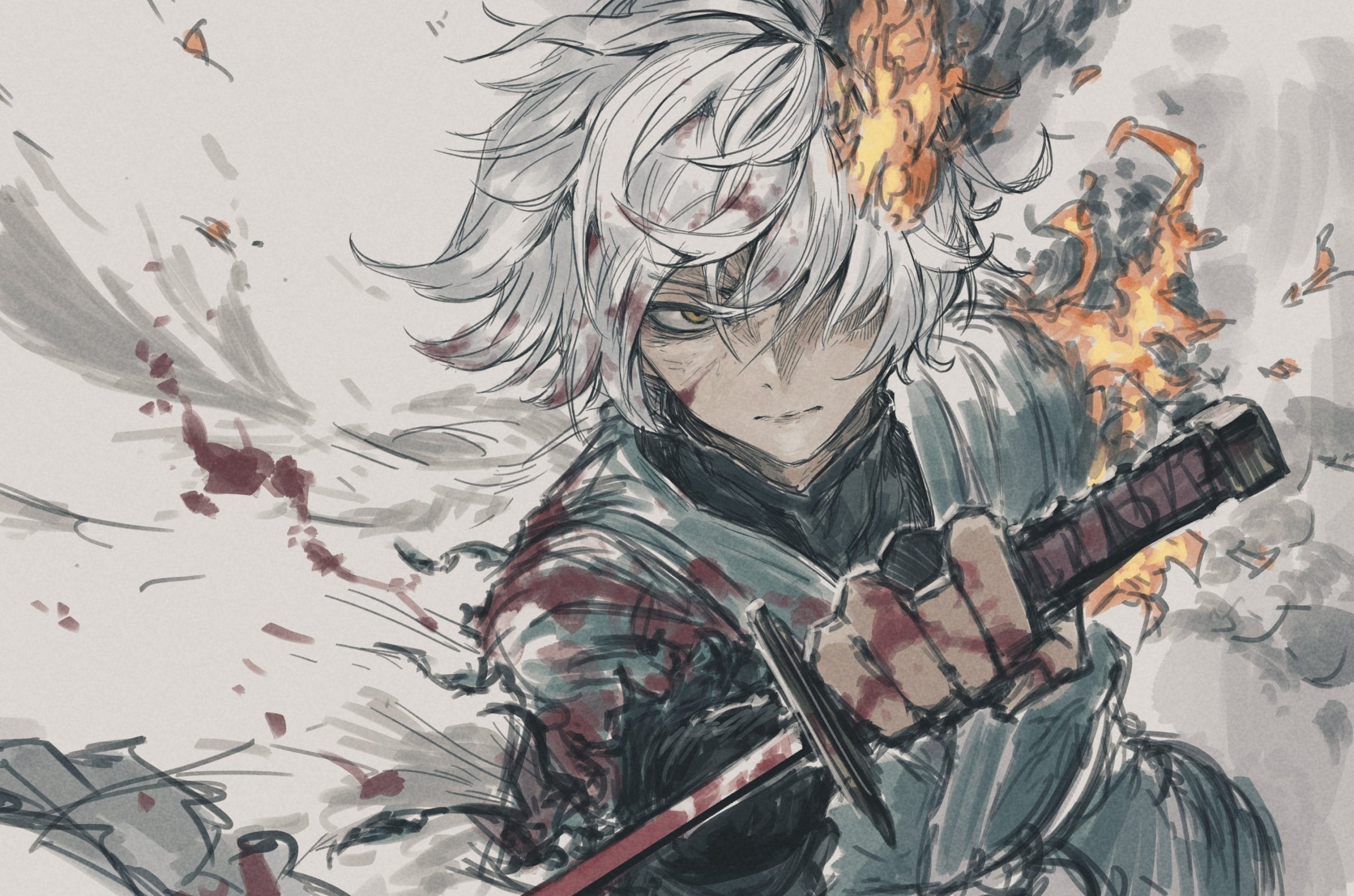
Yui is the chief’s daughter, which means she grew up adjacent to everything Iwagakure represents — the violence, the hierarchy, the dehumanization. And somehow she looked at Gabimaru, the village’s most accomplished killing machine, and saw a person. Not a weapon. Not an asset. A person. The effect on Gabimaru is seismic and the series earns every moment of it.
What makes their relationship narratively powerful isn’t that Yui “softened” Gabimaru in some reductive sense. It’s that she gave him a reference point for his own humanity that Iwagakure had deliberately denied him. She didn’t teach him how to feel — the capacity was always there, suppressed and mislabeled. She just showed him that what he felt was real and worth protecting. That’s a different thing entirely, and it’s why her memory functions the way it does throughout the series.
On Shinsenkyo, Gabimaru’s stated motivation is contractually simple: complete the mission, get the elixir, go home to Yui. But watch how that motivation operates under pressure. When Gabimaru is losing — when his Tao is depleted, when his body is at its absolute limit — it’s not tactical calculation that keeps him moving. It’s Yui’s face. Her specific laugh. A domestic detail that the ruthless ninja brain would classify as irrelevant. The Hollow doesn’t have domestic details that keep him alive. Gabimaru does.
There’s a case to be made — and it’s worth making in any thorough Gabimaru character analysis — that Yui functions not just as a character motivation but as a narrative thesis. Hell’s Paradise is fundamentally asking: what makes a life worth living? What makes a person human? And Gabimaru’s answer, worked out through blood and Tao and impossible monsters, is embarrassingly tender: he wants to go home. He wants to sit next to someone who sees him clearly. That’s it.
The Assassin Who Wants to Go Home: Unpacking the Central Contradiction
Here’s what makes Gabimaru genuinely interesting to analyze rather than just cool to watch: his core contradiction isn’t resolved by the end of season one. It deepens.
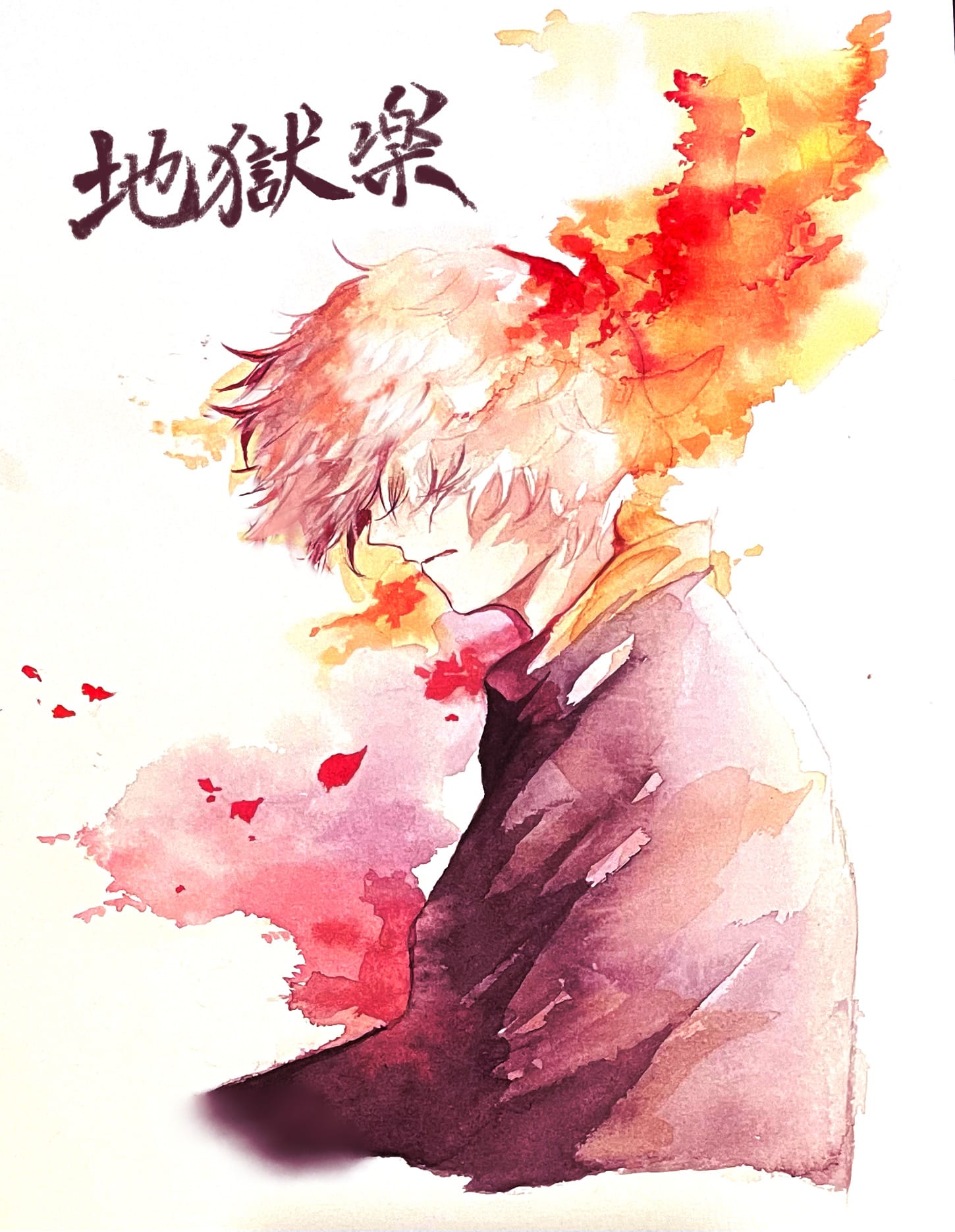
He is, by any objective measure, a mass murderer. Iwagakure’s bodycount attributed to Gabimaru is staggering. He killed without hesitation, without remorse, because the village’s conditioning worked. He is also, simultaneously, a man whose entire existence on Shinsenkyo is organized around a love so straightforward and domestic that it almost reads as comedic against the backdrop of the island’s horrors. I want to go home and be with my wife. That’s the whole thing.
Anime handles contradictions like this in a few ways. The easy way is to retcon the darkness — Gabimaru was secretly reluctant all along, or only killed bad people, or is going to atone so thoroughly that the past stops mattering. Hell’s Paradise doesn’t do any of that. Gabimaru’s past is real. The people he killed are dead. The series holds both truths simultaneously and refuses to resolve the tension into something tidier.
What it offers instead is Sagiri’s perspective — an executioner herself, someone who has watched death up close and is working through what that means — as a kind of mirror. Sagiri’s arc runs parallel to Gabimaru’s in important ways. Both are defined by their relationship to killing. Both are trying to figure out what kind of people they want to be. The dynamic between them works because it’s built on that shared weight rather than the usual mentor-student or antagonist-alliance template.
Fans who’ve been following the manga already know where Gabimaru’s arc goes — and if you want the full picture, including what’s coming in the next animated chapter, check out our Hell’s Paradise Season 2 complete guide for everything confirmed so far. The contradictions don’t get cheaper. They get heavier.
Tao Mastery and What It Reveals About Gabimaru’s Identity
The Tao system in Hell’s Paradise is genuinely clever worldbuilding, and how Gabimaru interacts with it tells you something important about his character that pure plot analysis can miss.
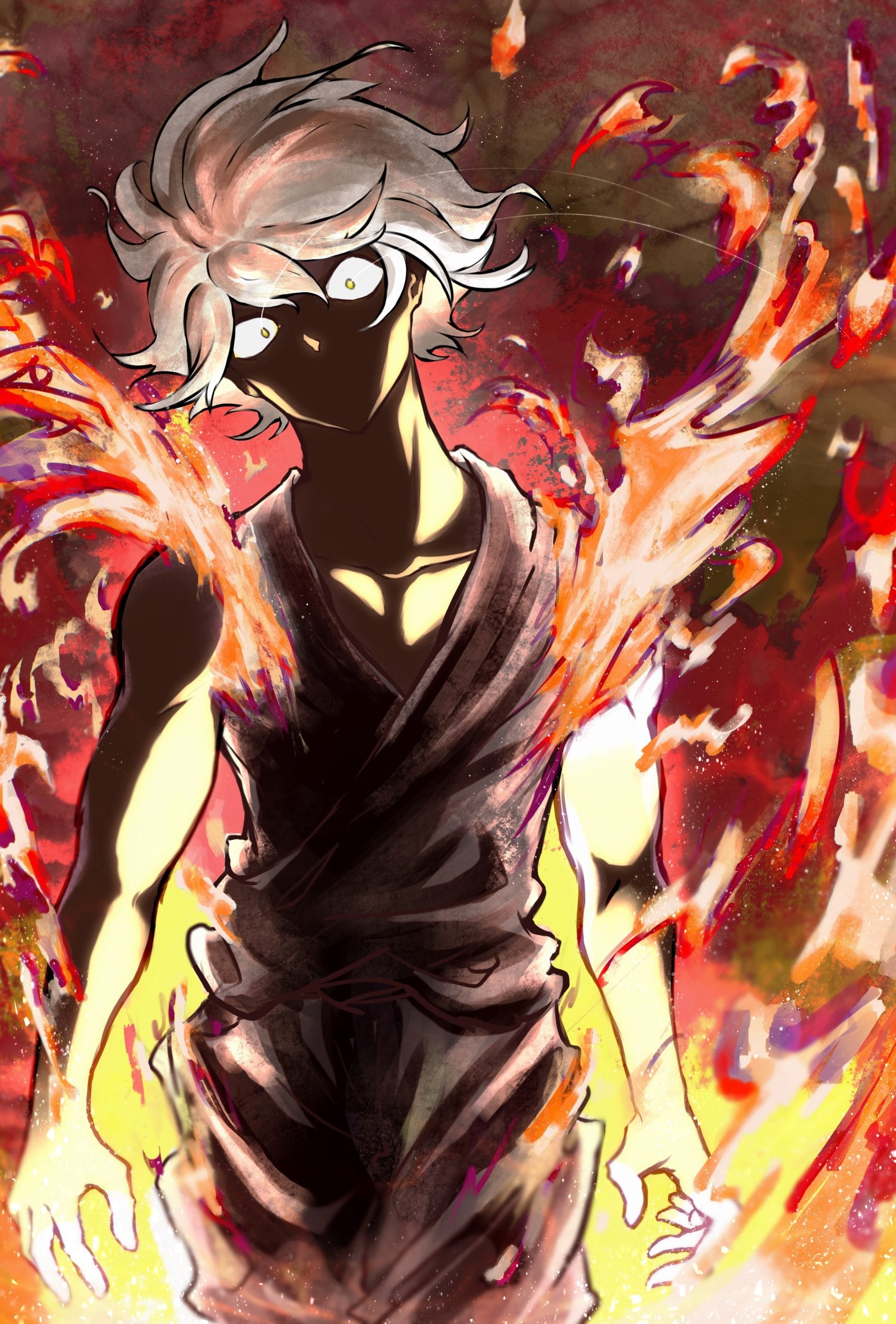
Tao, as the series presents it, is essentially life force — the energy that flows through all living things, manipulable by those who can perceive and control it. On Shinsenkyo, where the island’s own Tao is overwhelming and alien, conventional strength means very little. The Sennin who rule the island have cultivated Tao for centuries. By normal combat metrics, they shouldn’t be beatable.
Gabimaru’s path to Tao mastery is distinctly his own and it maps onto his character arc in ways that feel intentional. He doesn’t access his full Tao potential through discipline or training in the traditional sense — he accesses it through emotional extremity. When Gabimaru’s will to survive is connected to something real, something he actually cares about rather than the abstract survival instinct his conditioning produced, his Tao output becomes something else entirely. The heat-based techniques he develops — Ninpō: Ascetic Blaze and its escalations — aren’t just visually spectacular. They’re the externalization of an interior that the Hollow supposedly didn’t have.
This is the series showing rather than telling. Gabimaru’s power isn’t hollow. His fire isn’t cold. Every time he reveals a new level of Tao capability, it’s because he’s allowed himself to feel something more fully than before. The emotional and the physical are explicitly connected, which means every power-up is also a character beat. For shonen, that’s sophisticated construction.
His fighting style deserves mention here too — the combination of Iwagakure ninjutsu’s efficiency with the chaos-absorbing adaptability his Tao awakening enables makes Gabimaru one of the more tactically interesting fighters in recent anime. He doesn’t fight clean. He survives ugly, then pivots to lethal. It’s the style of someone who was taught that survival is the only metric that matters, now learning that there are things worth risking survival for.
Gabimaru Among the Dark Protagonists: Where He Actually Fits
The dark-protagonist space in anime is crowded. Guts from Berserk. Gojo from Jujutsu Kaisen. Denji from Chainsaw Man. Thorfinn from Vinland Saga. If you’re going to place Gabimaru in that company — and any serious Gabimaru character analysis should try — you have to be precise about what makes each of these characters operate differently.
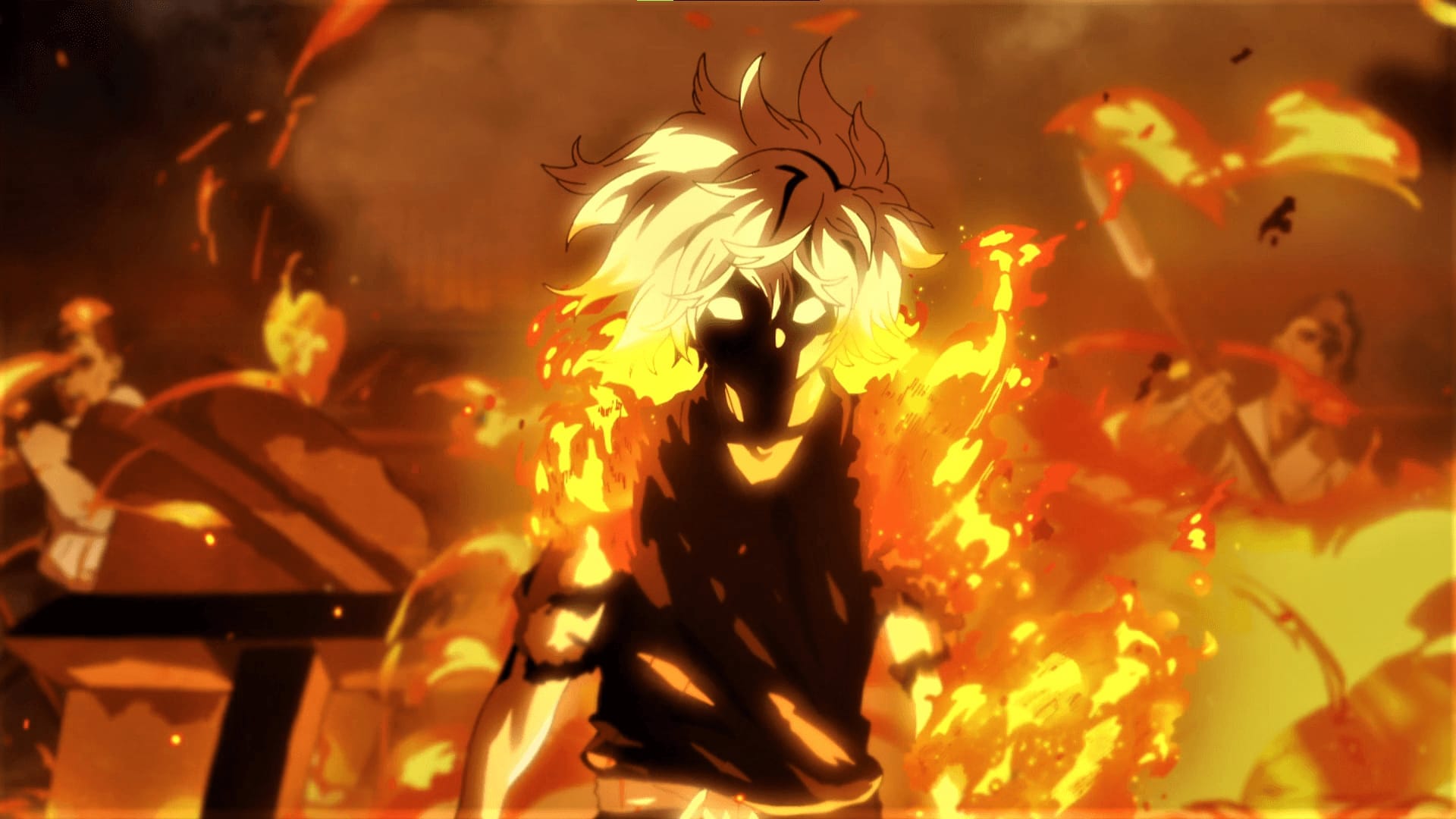
Guts is defined by endurance. His darkness is geological — the result of accumulation, of being broken down and forced to rebuild, repeatedly, without adequate time to process any of it. The wound is the man. Gabimaru’s relationship with his past is more active than that; he isn’t still being broken. He’s already broken and choosing what to rebuild toward.
Thorfinn is probably the closest analogue — another killer trained from youth who has to figure out who he is after the purpose that shaped him is gone. But Thorfinn’s arc is explicitly about renouncing violence, which Vinland Saga earns brilliantly. Gabimaru’s arc doesn’t demand renunciation. He kills constantly throughout the series, and the series doesn’t treat that killing as something requiring moral resolution so much as a condition of the world he’s in. The question isn’t whether Gabimaru will stop killing. It’s whether he can kill and still be fully human.
Denji is interesting as a contrast because Denji is relentlessly, deliberately un-deep — his desires are simple and stated plainly and the series mines pathos from how poorly the world accommodates even those simple wants. Gabimaru’s complexity runs the other direction: he presents as simple (hollow, wants to go home) while concealing enormous depth. The reader/viewer has to do work to see Gabimaru clearly. Denji practically hands you his interiority.
Where Gabimaru is genuinely unique among this cohort is in the specific register of his motivation. Most dark protagonists want power, or revenge, or survival, or peace in some abstract sense. Gabimaru wants something embarrassingly specific and domestic. He wants to go home to a particular person and live quietly. In the context of shonen anime especially, that’s almost transgressive — the most dangerous man on an island full of immortal monsters, and his end goal is basically a cottage and a wife. It’s what makes him feel real in a way that characters defined by ambition or rage don’t always manage.
For a broader look at how the genre has built villains and anti-heroes with this level of complexity, our best anime villains of all time piece draws a lot of the same threads through the genre’s history.
The Hollow Isn’t Empty: What Gabimaru’s Arc Is Really About
Pull back far enough and the Gabimaru character analysis becomes a story about self-knowledge — specifically about the gap between the story we tell about ourselves and what we actually are.
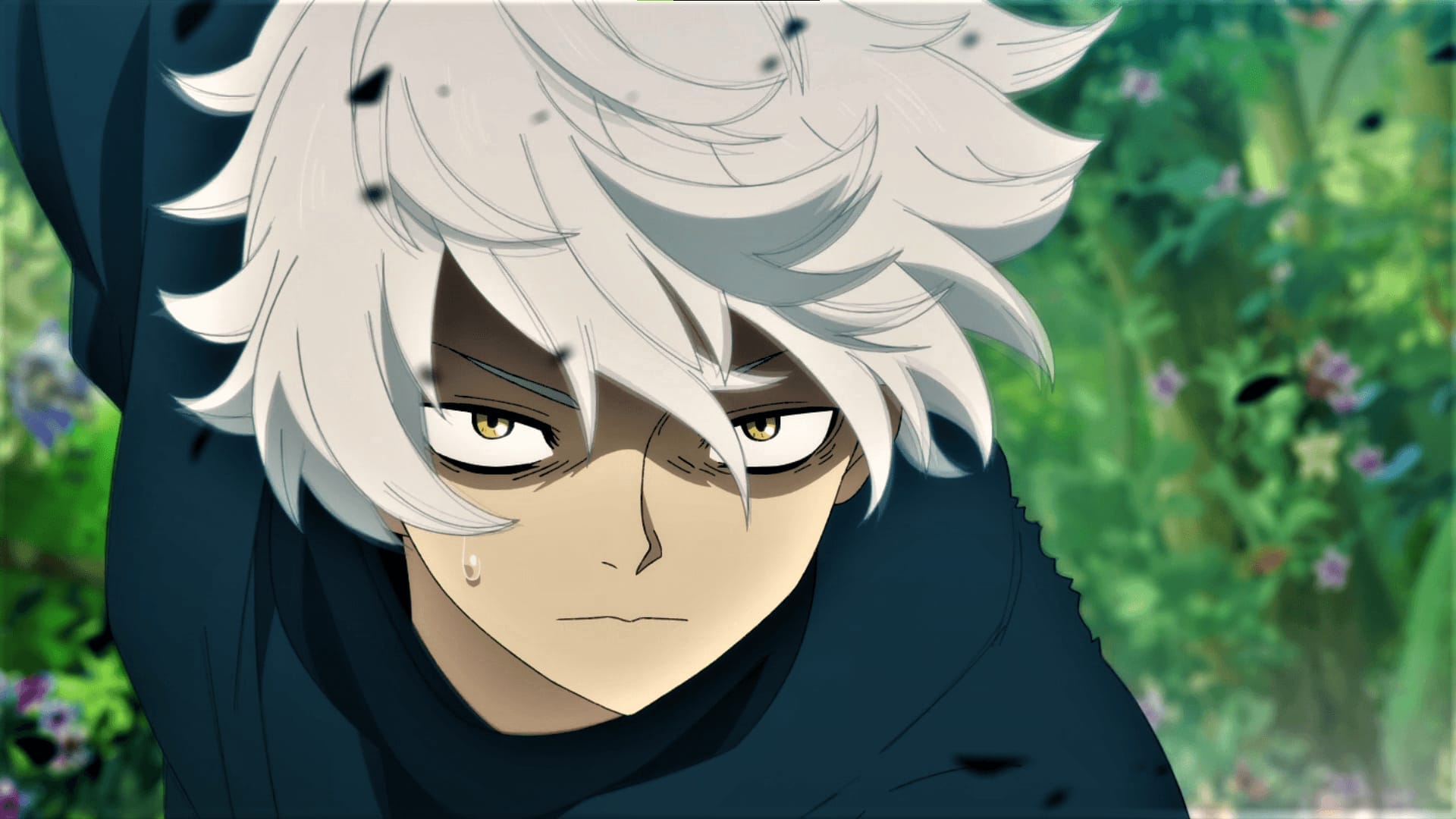
Gabimaru has told himself he’s hollow for so long that he genuinely believes it, even as every action he takes disproves it. The cognitive dissonance is so sustained that it reads as a coping mechanism, which is probably what it is. If you’re a weapon — if that’s all you are, all you’ve ever been allowed to be — then acknowledging that you’re also a person who loves someone and wants to live quietly is destabilizing in ways that could get you killed. The armor of the Hollow identity is functional. It’s just that the war it was built for is over, and Gabimaru is still wearing it.
What Shinsenkyo does, as a narrative space, is strip all the functional defenses away. His ninjutsu is insufficient against the island’s monsters. His Iwagakure conditioning doesn’t map onto the rules of this place. He has to improvise, adapt, and in doing so he has to access the parts of himself that Iwagakure never trained — the parts that feel, that fear, that love, that have something to lose. The island is catastrophic for his armor. It’s revelatory for the person underneath.
This is why Gabimaru lands differently from most shonen protagonists in the “I’m actually a monster” camp. He isn’t discovering darkness in himself. He’s discovering light — which, in his specific context, after his specific formation, is the harder and more dangerous thing to find.
As the series moves into its later arcs (and with season two confirmed, the animated adaptation is going to have to start grappling with some of those heavier chapters), the question becomes whether Gabimaru can fully reconcile the killer and the husband. The manga’s answer is complex enough that it resists clean summary. What it doesn’t do is let him off easily. The hollowness was always a lie, but that doesn’t mean it left no damage.
For context on where Hell’s Paradise fits in the current anime scene, it’s worth noting that the spring 2026 season is stacked — see the full spring 2026 anime season guide for what’s coming — but few characters in the pipeline have the conceptual richness that Gabimaru brought to the 2023 season.
The external evidence for why this kind of character resonates is worth noting: psychological research consistently shows that narratives about identity reconstruction — characters rebuilding self-concept after traumatic formation — are among the most compelling story structures across cultures. The American Psychological Association’s work on resilience maps almost exactly to what makes Gabimaru’s arc feel true: recovery isn’t a return to a prior self but the construction of something new that integrates the damage.
That’s Gabimaru in one line: not recovering who he was before Iwagakure — he was a child, there’s nothing to go back to — but building, for the first time, an identity he chose. An identity that includes Yui, includes his past, includes all the blood, and somehow still finds room for something worth calling a life.
Final Verdict: Why Gabimaru Deserves Your Full Attention
The Gabimaru character analysis keeps paying out because the character is built with unusual structural integrity. Every layer you pull back reveals another layer that was always there — the conditioning under the combat skills, the love under the conditioning, the uncertainty under the love. He isn’t a mystery that gets solved. He’s a person who gets more real the longer you look.
In an era of anime protagonists who are defined by how loud they can announce their determination, Gabimaru is refreshing for the opposite reason. He’s quiet about what matters. He lies to himself constantly, loudly, and the lies are so transparently false that the series trusts you to see through them without a narrator pointing it out. That trust is rare, and it’s earned by how meticulously the writing sets up everything Gabimaru refuses to admit about himself.
The Hollow is the most dishonest name in the series. The man it belongs to is full to the edges — with violence, with love, with history, with the slow and painful work of becoming something more than what he was made to be. That’s worth paying attention to. That’s worth analyzing.
And honestly? It’s worth watching twice.