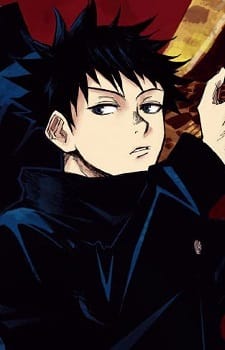
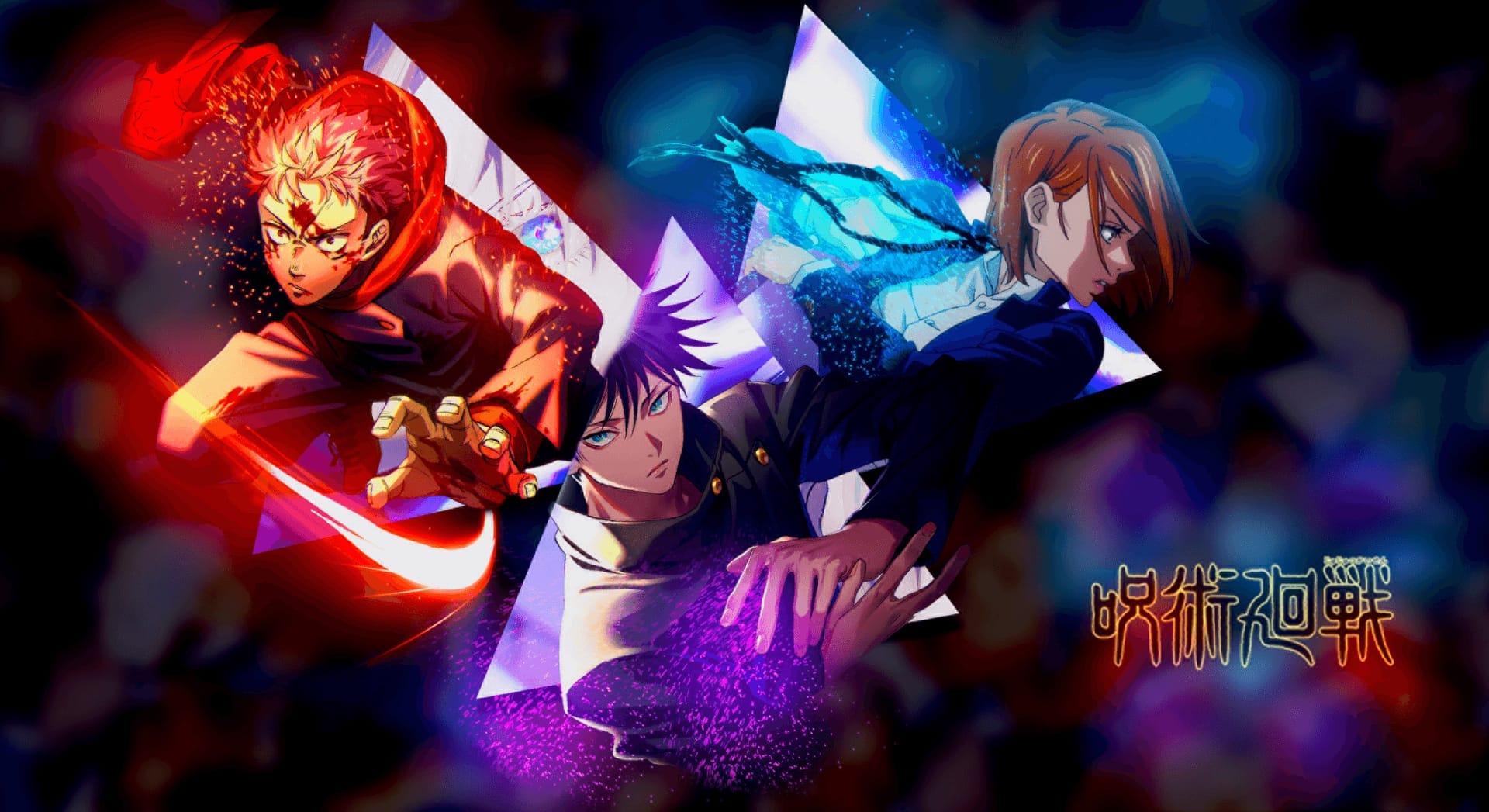
Megumi Fushiguro stands as Jujutsu Kaisen’s most intriguing protagonist—a sorcerer whose potential rivals even Gojo Satoru’s, yet who struggles constantly with questions of worthiness and purpose. While Yuji Itadori brings heart and Nobara Kugisaki brings fire, Megumi provides the depth that elevates JJK beyond standard shonen fare. Here’s the complete analysis of this rising star.
The Ten Shadows Technique: Inherited Power

Megumi inherited the Ten Shadows Technique from the Zenin clan—one of jujutsu’s most prestigious cursed techniques. This ability allows him to summon shikigami using shadows, with ten total familiars available for subjugation. Each shikigami must be defeated before joining Megumi’s arsenal, making power acquisition a gradual, dangerous process.
His primary summons include Divine Dog, Nue (the owl-like creature), Toad, and the combined Great Serpent. But the technique’s true potential lies in Mahoraga—the eight-handled sword wheel shikigami that no Ten Shadows user has ever successfully tamed. This creature represents both Megumi’s ceiling and his greatest challenge.
The historical significance of Ten Shadows cannot be overstated. A previous Zenin clan user fought a Gojo clan ancestor with Six Eyes and Limitless to mutual destruction. This establishes Ten Shadows as potentially equivalent to jujutsu’s most broken abilities—a detail that becomes crucial later in the series.
The Zenin Rejection: Choosing His Own Path
Despite being born into the Zenin clan through his father Toji, Megumi rejected his heritage entirely. He kept the Fushiguro name—his mother’s surname—as deliberate separation from a family he despises. The Zenin clan’s treatment of his step-sister Tsumiki, viewing her as worthless for lacking cursed energy, cemented this rejection.
This choice reflects Megumi’s core philosophy: worth isn’t determined by power or birth. He judges people by their character and actions, not their abilities. Ironically, this makes him antithetical to traditional jujutsu society, where strength determines everything. Megumi exists as constant critique of his own world’s values.
The “Selfish” Philosophy

Megumi openly admits he doesn’t care about saving everyone equally. Unlike typical shonen protagonists who protect all lives, Megumi prioritizes people he personally values over strangers. During the Juvenile Detention Center arc, he states plainly that he’d save a good person over a criminal without hesitation—a morally gray stance the series never condemns.
This philosophy stems from practical experience. Megumi watched his father’s violence, saw the jujutsu world’s corruption, and concluded that universal salvation is impossible. Instead, he channels his power toward protecting those who deserve it—by his personal judgment. It’s a utilitarian approach wrapped in emotional attachment.
Compare this to Yuji’s desperate desire to give everyone proper deaths. The two protagonists represent competing ethical frameworks—deontological duty versus consequentialist selection. Neither is presented as wrong, creating genuine philosophical tension throughout JJK.
Gojo’s Investment: Recognizing Potential

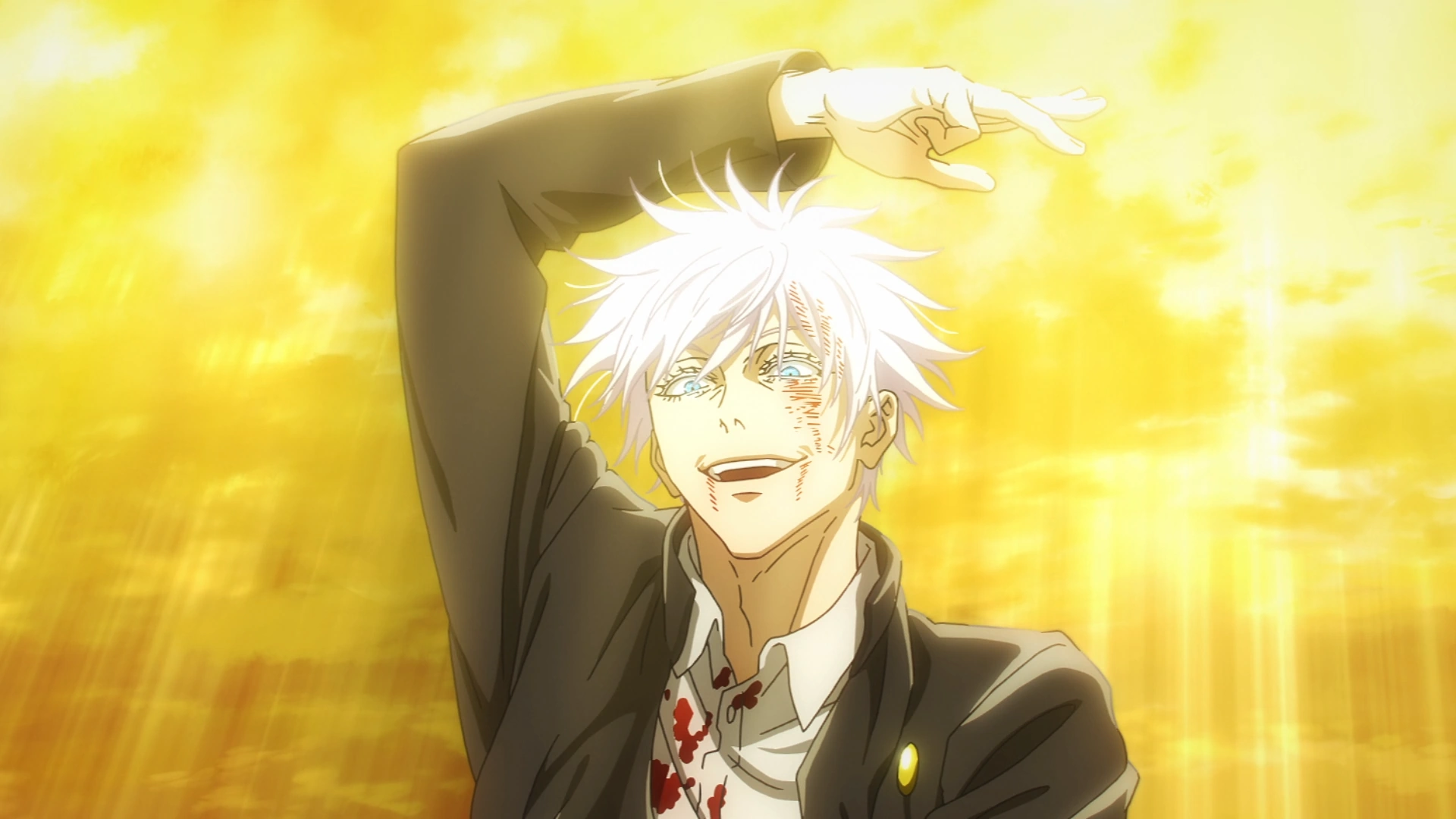
Satoru Gojo intervened to save Megumi and Tsumiki for specific reasons beyond simple kindness. He recognized Megumi’s potential—someone who could potentially master Mahoraga and reach heights comparable to Gojo himself. This makes Megumi’s development a personal project for the strongest sorcerer.
Watch Gojo’s interactions with Megumi throughout Season 1. He pushes the student harder than others, challenges his limitations, and explicitly states Megumi could surpass him someday. This isn’t empty encouragement—Gojo has seen what Ten Shadows can do and believes Megumi specifically could unlock its full potential.
The Shibuya Incident’s consequences make this investment even more significant. With Gojo sealed, Megumi’s growth becomes essential to jujutsu society’s survival. The teacher’s faith in his student gets tested by necessity rather than choice.
Domain Expansion: Chimera Shadow Garden

Megumi’s Domain Expansion—Chimera Shadow Garden—represents a crucial milestone. Unlike complete domains that guarantee hits, Megumi’s incomplete version floods the area with shadows, empowering all his shikigami simultaneously. It’s a domain focused on environmental advantage rather than automatic success.
The incomplete nature actually provides flexibility. Megumi can use his domain without the massive cursed energy drain of finished domains, deploying it tactically rather than as a finisher. Episode 23’s fight against the finger bearer demonstrates this perfectly—he loses the domain clash but survives because incompleteness allowed escape.
Tsumiki: The Motivation
Everything Megumi does connects back to his step-sister Tsumiki, who fell into a cursed coma during the Hidden Inventory incident. His recruitment into jujutsu sorcery, his dedication to becoming stronger, his tolerance of jujutsu society’s corruption—all serve the goal of eventually saving her.
Tsumiki represents Megumi’s emotional vulnerability, the person he’d break his own principles to protect. Her eventual awakening and the culling games arc test this devotion extensively. No spoilers here, but Tsumiki’s fate becomes central to Megumi’s character trajectory.
Combat Intelligence: Fighting Smart
Megumi fights intelligently rather than powerfully. He analyzes opponents, identifies weaknesses, and constructs strategies mid-battle. The finger bearer fight showcases this—he correctly identified the cursed spirit’s attack pattern, used environmental factors, and sacrificed shikigami tactically to create openings.
This analytical approach compensates for raw power deficits. Megumi can’t overpower enemies like Gojo or Yuji with Sukuna’s strength. Instead, he outthinks them, using shikigami combinations and shadow manipulation to create advantages. His ceiling isn’t power—it’s tactical creativity.
Why Megumi Matters
Megumi Fushiguro represents JJK’s rejection of simple heroism. He’s not fighting for justice or love or duty—he’s fighting for specific people he’s chosen to value. This selfishness, paradoxically, makes him more relatable than selfless heroes. We all prioritize loved ones over strangers; Megumi just admits it.
His character arc through Shibuya and beyond challenges everything established in Season 1. For those watching anime-only, prepare for Megumi’s importance to escalate dramatically. The Ten Shadows technique’s full potential and Megumi’s choices under pressure define JJK’s later arcs.
Among JJK’s excellent cast, Megumi provides necessary balance—the calculated response to Yuji’s emotion, the moral gray to Nobara’s certainty. His rising star trajectory makes him essential viewing for any JJK fan seeking deeper character analysis.
You Might Also Like
- What is Gojo’s Domain Expansion? The Strongest Jujutsu Power
- What is Sukuna’s Domain Expansion? Its Strength Explained
- Who is Stronger: Kurama or Sukuna? A Battle of Demons