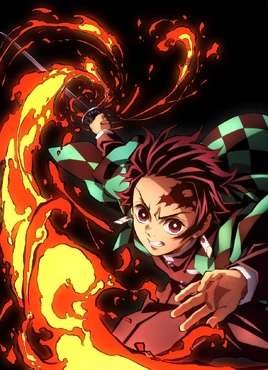
Breathing Styles are the heart of Demon Slayer’s combat system. These martial arts techniques, developed from Total Concentration Breathing, allow humans to fight demons by dramatically enhancing physical abilities. Each style has a unique philosophy, distinct techniques, and varying effectiveness against different threats.
From the original Sun Breathing passed down through generations to specialized derivatives like Love and Serpent, the 14 known styles create the tactical diversity that makes Demon Slayer battles so visually spectacular and strategically interesting. This guide ranks every breathing style by combat effectiveness, versatility, and demonstrated feats.
How Breathing Styles Work
The Foundation: Total Concentration Breathing
All Breathing Styles share the same foundation:
The visuals aren’t real elements—they’re manifestations of the user’s breathing technique made visible through artistic representation.
The Hierarchy
Sun Breathing is the original, created by Yoriichi Tsugikuni. All other styles derive from it:
- Direct Derivatives: Flame, Water, Wind, Stone, Thunder (the five core styles)
- Sub-Derivatives: Moon (from Sun), Mist (from Wind), Serpent (from Water), Love (from Flame), Insect (from Flower), Flower (from Water), Sound (from Thunder), Beast (self-taught variant)
S-Tier: The Ultimate Styles
1. Sun Breathing (日の呼吸 – Hinokami Kagura)
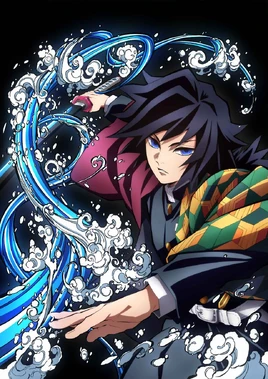
Origin: Created by Yoriichi Tsugikuni
Known Users: Yoriichi, Tanjiro Kamado (partially), Sumiyoshi’s descendants
Forms: 13 (12 techniques forming a continuous loop)
Why It’s #1:
Sun Breathing is canonically the strongest style—it’s the origin of everything else. Yoriichi, its creator, was so powerful that Muzan still has PTSD centuries later. The style incorporates aspects of all other breathings and was nearly lost to history.
Key Techniques:
- Dance: Basic circular slash
- Clear Blue Sky: Vertical spinning slash
- Fake Rainbow: Afterimage technique for evasion
- Fire Wheel: Flipping vertical slash
- Thirteenth Form: All twelve techniques performed continuously
The thirteenth form is specifically designed to counter Muzan’s multiple organs—only continuous attack can prevent his regeneration.
2. Moon Breathing (月の呼吸)
Origin: Created by Kokushibo (Michikatsu Tsugikuni)
Known Users: Kokushibo only
Forms: 16+ (includes self-created forms)
Why It’s Here:
Moon Breathing is the strongest derivative, created by Yoriichi’s twin brother who became Upper Moon One. While inferior to Sun Breathing, Kokushibo added forms over 400 years, making it absurdly developed. His techniques create crescent-shaped blades that multiply unpredictably.
The only reason it’s not #1: Moon Breathing is explicitly an incomplete copy of Sun Breathing by someone who couldn’t fully replicate his brother’s genius.
A-Tier: Pillar-Level Effectiveness
3. Stone Breathing (岩の呼吸)
Origin: Derived from Sun Breathing
Notable User: Gyomei Himejima
Forms: 5
Why It’s Here:
Gyomei Himejima is canonically the strongest living Hashira, and Stone Breathing’s defensive and offensive power are unmatched among standard styles. The style uses a flail-and-axe combination requiring immense strength.
Key Techniques:
- Serpentinite Bipolar: Massive double swing
- Volcanic Rock, Rapid Conquest: Chain attack with explosive impact
- Arcs of Justice: Defensive barrier of spinning weapons
4. Flame Breathing (炎の呼吸)
Origin: One of the five core styles
Notable Users: Kyojuro Rengoku, Shinjuro Rengoku
Forms: 9
Why It’s Here:
Flame Breathing emphasizes overwhelming offense with continuous advancing techniques. Rengoku held Akaza—Upper Moon Three—to a stalemate and nearly killed him at the cost of his life.
Key Techniques:
- Unknowing Fire: Straight-line charge
- Rising Scorching Sun: Upward arc slash
- Rengoku (Ninth Form): Ultimate attack concentrating all power
5. Water Breathing (水の呼吸)
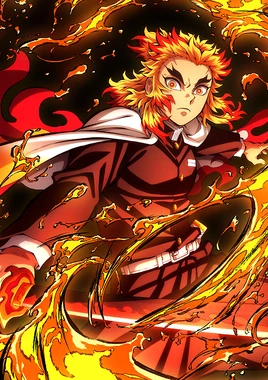
Origin: One of the five core styles
Notable Users: Giyu Tomioka, Tanjiro Kamado, Sakonji Urokodaki
Forms: 11 (including Giyu’s original eleventh form)
Why It’s Here:
Water Breathing is the most versatile and beginner-friendly style, with techniques for every situation. Its fluidity allows adaptation to any opponent. Giyu’s self-created Eleventh Form demonstrates the style’s flexibility.
Key Techniques:
- Water Surface Slash: Basic horizontal cut
- Water Wheel: Spinning vertical slash
- Striking Tide: Multiple slashes in flowing sequence
- Dead Calm (Eleventh Form): Complete defensive technique negating all attacks
6. Wind Breathing (風の呼吸)
Origin: One of the five core styles
Notable User: Sanemi Shinazugawa
Forms: 9
Why It’s Here:
Wind Breathing’s chaotic, aggressive style creates unpredictable attack patterns. Sanemi Shinazugawa’s rare blood type (marechi) makes him especially effective—demons lose focus from his scent.
Key Techniques:
- Dust Whirlwind Cutter: Spiraling slash
- Gale, Sudden Gusts: Furious multi-slash
- Idaten Typhoon: Overwhelming offensive barrage
B-Tier: Specialized Excellence
7. Thunder Breathing (雷の呼吸)
Origin: One of the five core styles
Notable Users: Zenitsu Agatsuma, Kaigaku
Forms: 7 (Zenitsu created the seventh)
Why It’s Here:
Thunder Breathing emphasizes speed above all else—specifically the first form, Thunderclap and Flash, which is among the fastest techniques in the series. Zenitsu mastered only this one form but pushed it to godly levels.
Key Techniques:
- Thunderclap and Flash: Lightning-speed dash and slash
- God Speed: Enhanced version pushing physical limits
- Flaming Thunder God (Seventh Form): Zenitsu’s original creation
8. Mist Breathing (霞の呼吸)
Origin: Derived from Wind Breathing
Notable User: Muichiro Tokito
Forms: 7 (including Muichiro’s original seventh)
Why It’s Here:
Mist Breathing’s deceptive movements obscure attacks from view. Muichiro Tokito became a Hashira in just two months—the fastest in Demon Slayer Corps history—and defeated Upper Moon Five alone.
Key Techniques:
- Obscuring Clouds: Continuous attack from concealed positions
- Obsuring Cloud (Seventh Form): Muichiro’s original ultimate technique
9. Sound Breathing (音の呼吸)
Origin: Derived from Thunder Breathing
Notable User: Tengen Uzui
Forms: 5
Why It’s Here:
Sound Breathing uses explosives and anti-demon bombs alongside blade techniques. Tengen’s “Score” technique reads enemy attack patterns like music, predicting their movements.
Key Techniques:
- Roar: Explosive slash with bomb deployment
- Constant Resounding Slashes: Rapid combination attack
- String Performance: Musical Score reading technique
10. Love Breathing (恋の呼吸)
Origin: Derived from Flame Breathing
Notable User: Mitsuri Kanroji
Forms: 6
Why It’s Here:
Love Breathing leverages Mitsuri’s unique physiology—her muscles are eight times denser than normal, giving her extraordinary flexibility. Her whip-like blade creates unpredictable attack patterns.
Key Techniques:
- Cat-Legged Winds of Love: Fast approach technique
- Swaying Love, Wildclaw: Multi-directional slash
- Catlove Shower: Defensive rapid attacks
C-Tier: Niche Applications
11. Serpent Breathing (蛇の呼吸)
Origin: Derived from Water Breathing
Notable User: Obanai Iguro
Forms: 5
Why It’s Here:
Serpent Breathing’s winding, unpredictable slashes flow around defenses. Obanai’s techniques curve impossibly, attacking from angles that seem physically impossible.
12. Insect Breathing (蟲の呼吸)
Origin: Derived from Flower Breathing
Notable User: Shinobu Kocho
Forms: 4
Why It’s Here:
Created because Shinobu lacks the strength to decapitate demons, Insect Breathing focuses on piercing attacks that inject wisteria poison. It’s incredibly specialized but effective for its purpose.
Key Techniques:
- Butterfly Dance: Caprice: Rapid piercing attacks
- Bee Sting Dance: True Flutter: Concentrated poison injection
13. Flower Breathing (花の呼吸)
Origin: Derived from Water Breathing
Notable Users: Kanae Kocho, Kanao Tsuyuri
Forms: 7 (including the dangerous seventh)
Why It’s Here:
Flower Breathing combines Water’s fluidity with graceful, dance-like movements. The Final Form enhances dynamic vision to see opponents in slow motion—but causes blindness with extended use.
14. Beast Breathing (獣の呼吸)
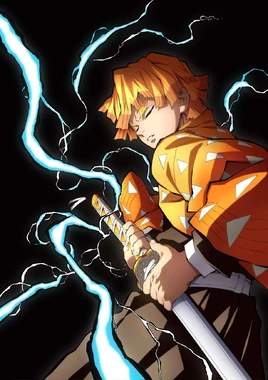
Origin: Self-created by Inosuke Hashibira
Notable User: Inosuke only
Forms: 11 (including incomplete original forms)
Why It’s Here:
Beast Breathing is the only style not derived from Sun Breathing—Inosuke created it entirely alone through survival instinct. It’s rough and unpolished but demonstrates incredible natural talent.
Key Techniques:
- Slice ‘n’ Dice: Dual-blade shredding attack
- Spatial Awareness: Enhanced sense detecting surroundings
- Sudden Throwing Strike: Sword-throwing technique
Style Compatibility Guide
| If You Value… | Best Style |
| Versatility | Water Breathing |
| Raw Offense | Flame/Stone Breathing |
| Speed | Thunder Breathing |
| Deception | Mist Breathing |
| Defense | Water Breathing (Dead Calm) |
| Unique Weapons | Sound/Stone Breathing |
FAQ
Q: Can someone learn multiple breathing styles?
A: Yes—Tanjiro uses both Water and Sun Breathing. However, mastering one style completely is generally more effective than splitting focus.
Q: Why couldn’t anyone recreate Sun Breathing?
A: Yoriichi’s natural abilities were superhuman even before breathing techniques. Others couldn’t handle Sun Breathing’s demands, so they adapted it into derivative styles matching their capabilities.
Q: Is Beast Breathing actually effective?
A: Against most demons, yes. Inosuke’s instinct-driven style is unpredictable. However, its lack of proper training shows against Upper Moons.
Q: Which Hashira is strongest?
A: Gyomei Himejima (Stone) is explicitly stated as the strongest living Hashira. However, combat effectiveness varies by matchup.
Q: Can breathing styles harm Muzan?
A: Only Sun Breathing can truly damage Muzan due to its connection to the original technique that nearly killed him. Other styles can injure him but not prevent regeneration.
Conclusion
Demon Slayer’s breathing styles succeed by tying combat ability to character personality. Zenitsu’s Thunder Breathing—one perfect technique rather than many mediocre ones—reflects his character arc. Shinobu’s poison-based Insect Breathing shows how she turned weakness into strength. Tanjiro’s mastery of both Water and Sun Breathing represents his growth and heritage.
The ranked list isn’t just about power—it’s about how each style fits its user. Stone Breathing isn’t objectively “better” than Insect Breathing; it’s better for Gyomei’s strengths while Insect Breathing is perfect for Shinobu’s limitations. Understanding this makes Demon Slayer’s battles more than just spectacle—they’re character expression through combat.
Related: Tanjiro Kamado Character Analysis
| Upper Moon Rankings Explained |
Best Demon Slayer Fights Ranked
You Might Also Like
- Demon Slayer Corps Power Ranking 2026: Every Hashira and Slayer Ranked
- Demon Slayer Corps Power Ranking 2026: Every Hashira and Slayer Ranked
- Best Anime of Winter 2026: Complete Guide and Rankings