
Marvel delivers big-budget action with cutting-edge effects. Anime delivers hand-drawn spectacle with decades of refinement. Comparing them reveals why anime fights often surpass Marvel’s despite fraction of the budget—and what that reveals about storytelling priorities.

The Core Differences
Medium Advantages
Animation is not bound by physics, practical effects, or actor safety. Anime can depict impossible movements, impossible speeds, impossible scales without CGI compromise. The medium enables creative freedom live-action cannot match.
Marvel fights must balance spectacle with what cameras can capture, what CGI can render convincingly, and what audiences accept as real within their universe. These constraints shape what’s possible.
Visual Language
Anime developed sophisticated visual language for combat over decades. Impact frames, speed lines, dynamic camera movements, deformation for emphasis—these techniques communicate power and motion effectively within animation’s strengths.
Marvel’s visual language adapts film conventions to superhero combat. The approach works but does not have anime’s specialized vocabulary for depicting impossible action.
Stakes and Consequences
Anime characters can die, lose limbs, face permanent consequences. This possibility makes fights meaningful. Marvel’s contractual obligations and franchise planning limit genuine stakes; audiences know most heroes survive.
When Netero versus Meruem can end either way, tension is real. When Thor versus anyone occurs, outcome is structurally predetermined.
What Anime Does Better
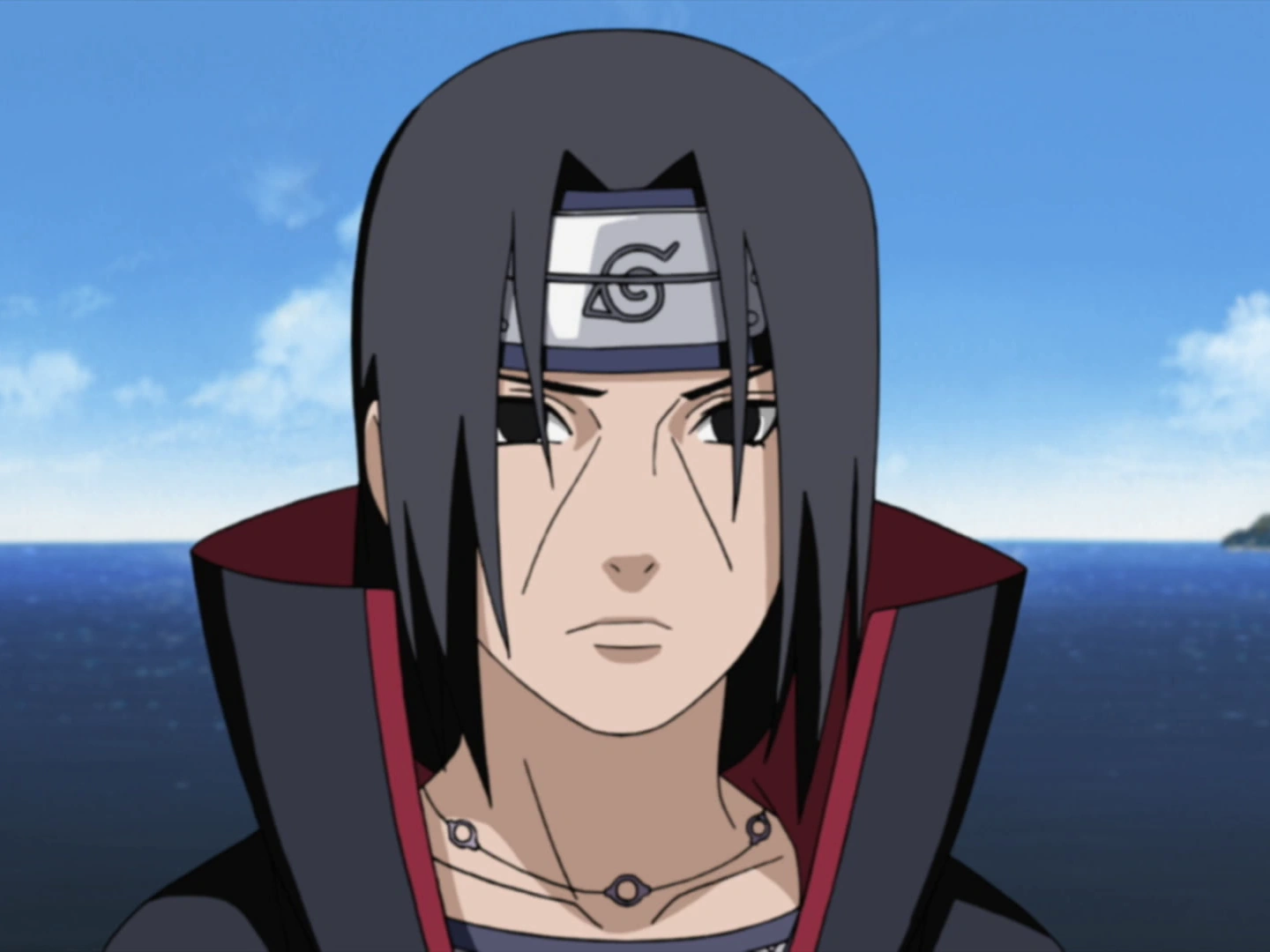
Choreography
Anime fight choreography can be meticulously designed because it is drawn, not performed. Each frame can be optimized for impact. Animators like Yutaka Nakamura create sequences impossible for stunt performers.
Marvel choreography must work with human performers and CGI enhancement. The results are impressive but inherently constrained by what bodies can do, even enhanced.
Weight and Impact
The best anime fights make hits feel devastating through animation principles: anticipation, squash and stretch, follow-through. These techniques communicate weight better than CGI often manages.
Marvel’s CGI characters often feel weightless. The physics are technically accurate but lack visceral impact that animation achieves through deliberate exaggeration.
Character Expression
Anime characters express emotion during combat through exaggerated facial animation. You see rage, desperation, determination in ways live-action (or realistic CGI) cannot match.
Marvel characters emote, but realistic rendering limits expressiveness. The uncanny valley affects CGI faces in ways that drawn faces avoid entirely.
Pacing Control
Anime can slow time for emphasis, speed through transitions, hold on crucial moments. This temporal control enhances dramatic impact. Key frames receive attention that milliseconds of film cannot.
Film operates in real time (or variations). The pacing options differ fundamentally from animation’s frame-by-frame control.
Examples Compared
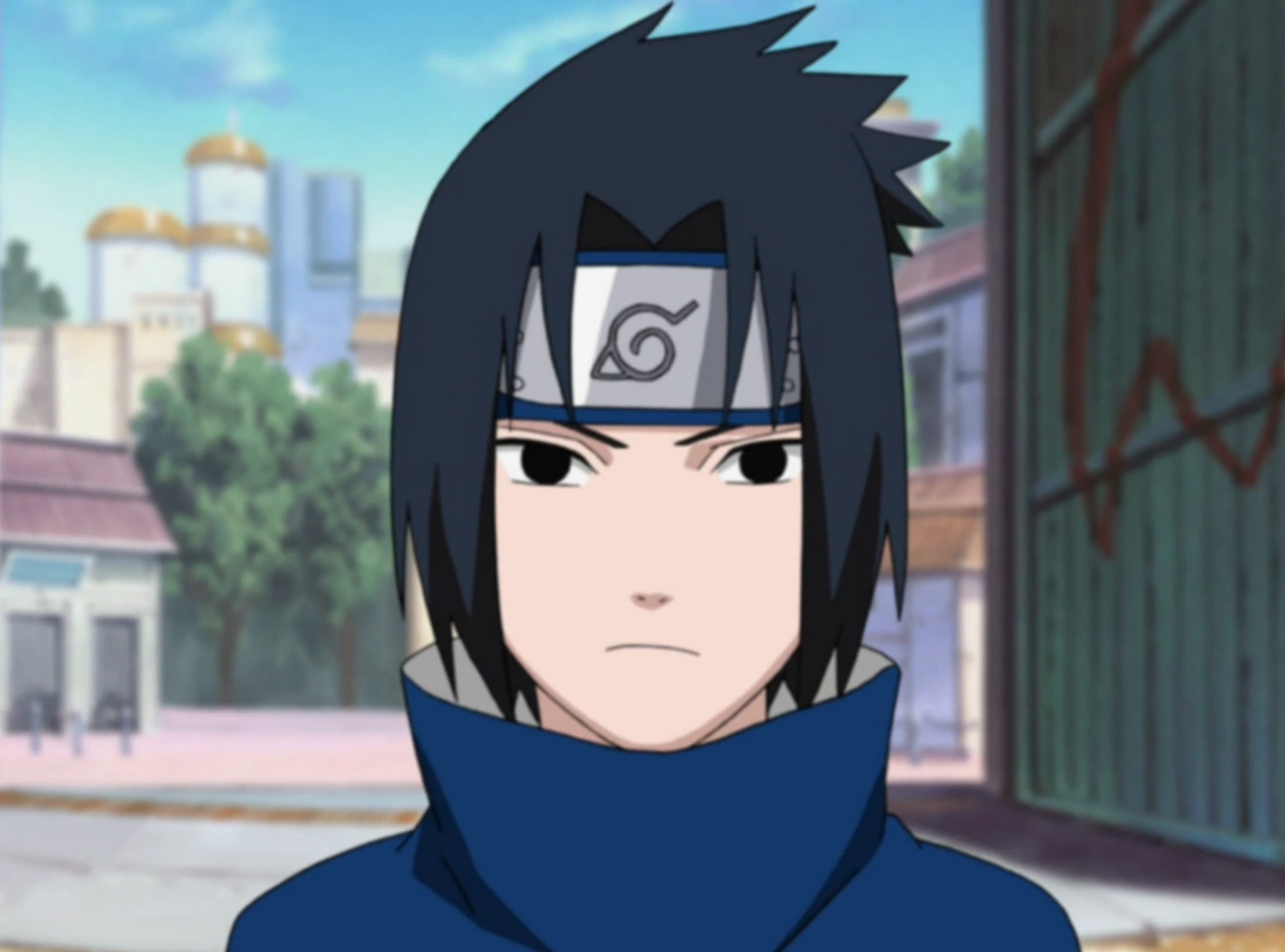
Naruto vs Sasuke vs Any MCU Fight
The final Valley of the End battle uses animation’s strengths perfectly: impossible jutsu, emotional flashbacks integrated into action, character animation expressing years of relationship. No Marvel fight matches its emotional resonance through combat.
Demon Slayer vs Marvel CGI
Ufotable’s Demon Slayer fights combine traditional animation with CGI enhancement. The result looks stunning because animation principles guide the CGI rather than CGI trying to simulate reality.
Marvel CGI simulates realistic physics. Demon Slayer CGI serves artistic vision unconcerned with realism.
One Punch Man vs Avengers
Saitama versus Boros in One Punch Man depicts power scale Marvel cannot match. The fight goes to the moon, back, and depicts planet-threatening attacks with weight and consequence.
Avengers: Endgame’s portals scene is impressive but staged for audience recognition rather than pure combat impact.
What Marvel Does Better
Accessibility
Live-action superheroes require no adjustment period. Audiences understand the visual language immediately. Anime’s conventions take time to appreciate for newcomers.
Practical Elements
When Marvel uses practical effects and real stunts, the groundedness adds weight that pure animation lacks. The best Marvel fights combine practical and digital effectively.
Budget Application
Marvel budgets enable scale anime cannot match consistently. While anime peaks may surpass Marvel, sustained production quality across films benefits from hundreds of millions in resources.
The Stakes Problem
Marvel’s Structural Issue
Marvel characters must survive for sequels. This business reality undermines fight stakes. Even “deaths” are reversible; audiences know this.
The lack of consequences makes fights feel performative rather than meaningful. Characters punch each other until the plot requires resolution.
Anime’s Advantage
Anime can kill anyone. Popular characters die unexpectedly. This possibility makes every fight potentially decisive. Stakes are real because consequences are real.
When Gon loses his nen, when Guts loses his arm, when characters face irreversible change—these moments give fights meaning Marvel rarely achieves.
Cultural Context
Different Traditions
Japanese action animation evolved from different roots than American superhero films. Martial arts cinema, mecha anime, and sports manga all contributed techniques refined over decades.
Marvel draws from American action film tradition, which emphasizes different values: quips during combat, team dynamics, individual heroism expressed through physical dominance.
Audience Expectations
Anime audiences expect and appreciate sophisticated combat. This expectation encourages investment in fight quality. Marvel audiences expect spectacle but may not notice animation quality distinctions.
The Verdict
Anime fights are often better than Marvel’s because animation enables possibilities live-action cannot match, anime tradition developed sophisticated combat vocabulary, and anime allows stakes Marvel’s business model prevents.
This does not make Marvel bad—it makes anime exceptional at this specific thing. Different strengths serve different purposes. But for pure action excellence, anime frequently surpasses Hollywood’s biggest productions with fraction of the budget.
Watch both. Appreciate what each achieves within its constraints. But recognize that Demon Slayer on television can outdo Avengers in theaters for reasons fundamental to the mediums themselves.
You Might Also Like
- Manga vs Anime: When to Read vs Watch
- Tanjiro Kamado: From Coal Seller to Demon Slayer – A Hero’s Journey
- Anime Like Demon Slayer: Similar Shows to Watch Next