
Anime fans are famously—sometimes infamously—passionate. We write thousands of words analyzing fictional characters. We learn Japanese to catch untranslatable nuances. We debate power scaling with the intensity of constitutional scholars. We cry over animated drawings. What drives this remarkable intensity? Here’s an exploration of the psychology behind anime fandom’s passionate nature.
The Structure of Emotional Investment

Long-Running Series Create Real Relationships
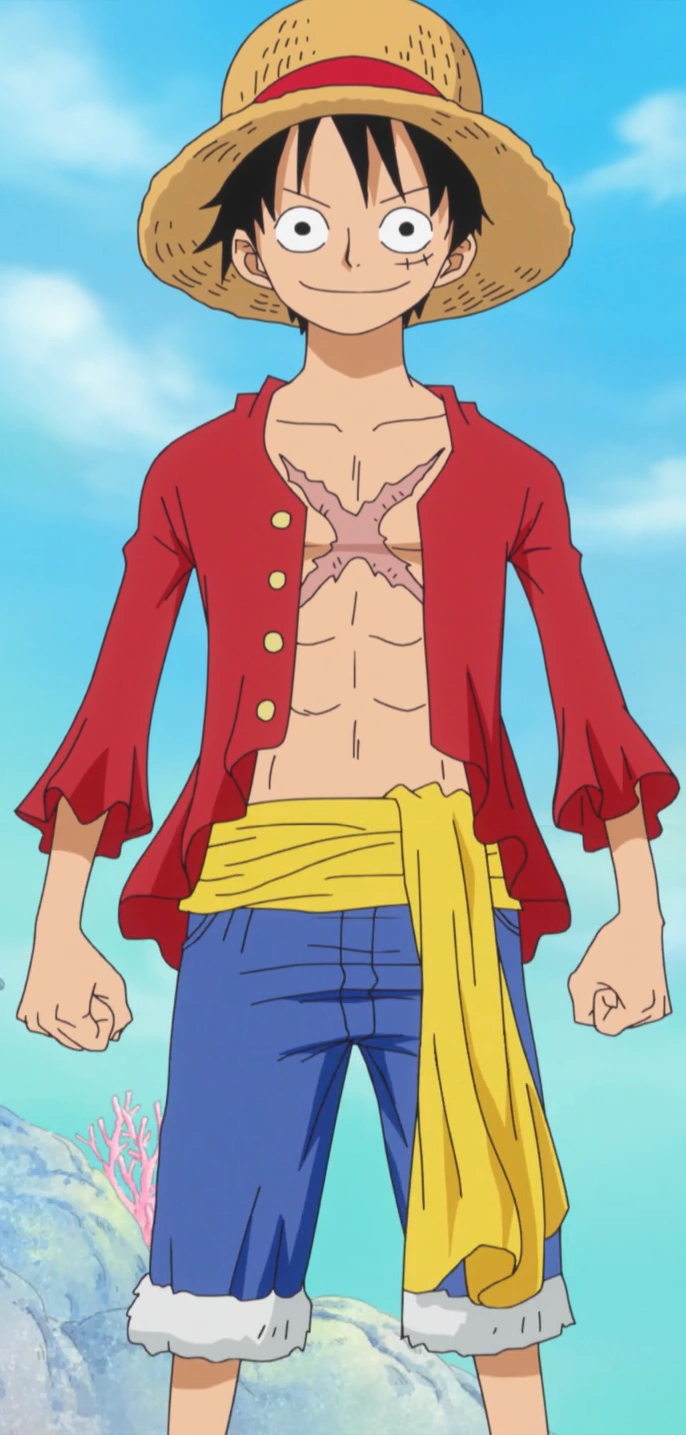
When you follow a character across hundreds of episodes spanning years or decades, something genuine happens in your brain. The parasocial relationship—a one-sided emotional connection to media figures—becomes remarkably powerful. Fans who watched One Piece from childhood have literally grown up alongside Luffy. His victories feel earned because viewers invested hundreds of hours in his journey.
This differs from Western media’s typical structure. Twelve episodes per season with uncertain renewal creates hesitancy in emotional investment. But committing to a 500-episode series means committing emotionally. The investment becomes too large to abandon—and too meaningful to dismiss.
Emotional Directness Bypasses Defenses
Anime doesn’t hide feelings. Characters cry openly, confess dramatically, rage expressively. Internal monologue makes thoughts explicit. Music swells at emotional peaks. This directness might seem over-the-top to those accustomed to Western restraint, but it serves a purpose.
By making emotion explicit rather than subtle, anime bypasses the analytical defenses that keep viewers at distance from more “sophisticated” media. You don’t need to interpret whether a character is sad—the show tells you directly and gives you permission to feel alongside them. This accessibility creates stronger emotional bonds than subtlety.
Coming-of-Age Narratives Hit Hard
Most anime features protagonists growing from childhood through adolescence. These coming-of-age stories resonate powerfully because viewers either are that age or remember being that age vividly. The struggles with identity, belonging, and purpose that define shonen and shojo anime map directly onto universal human experiences.
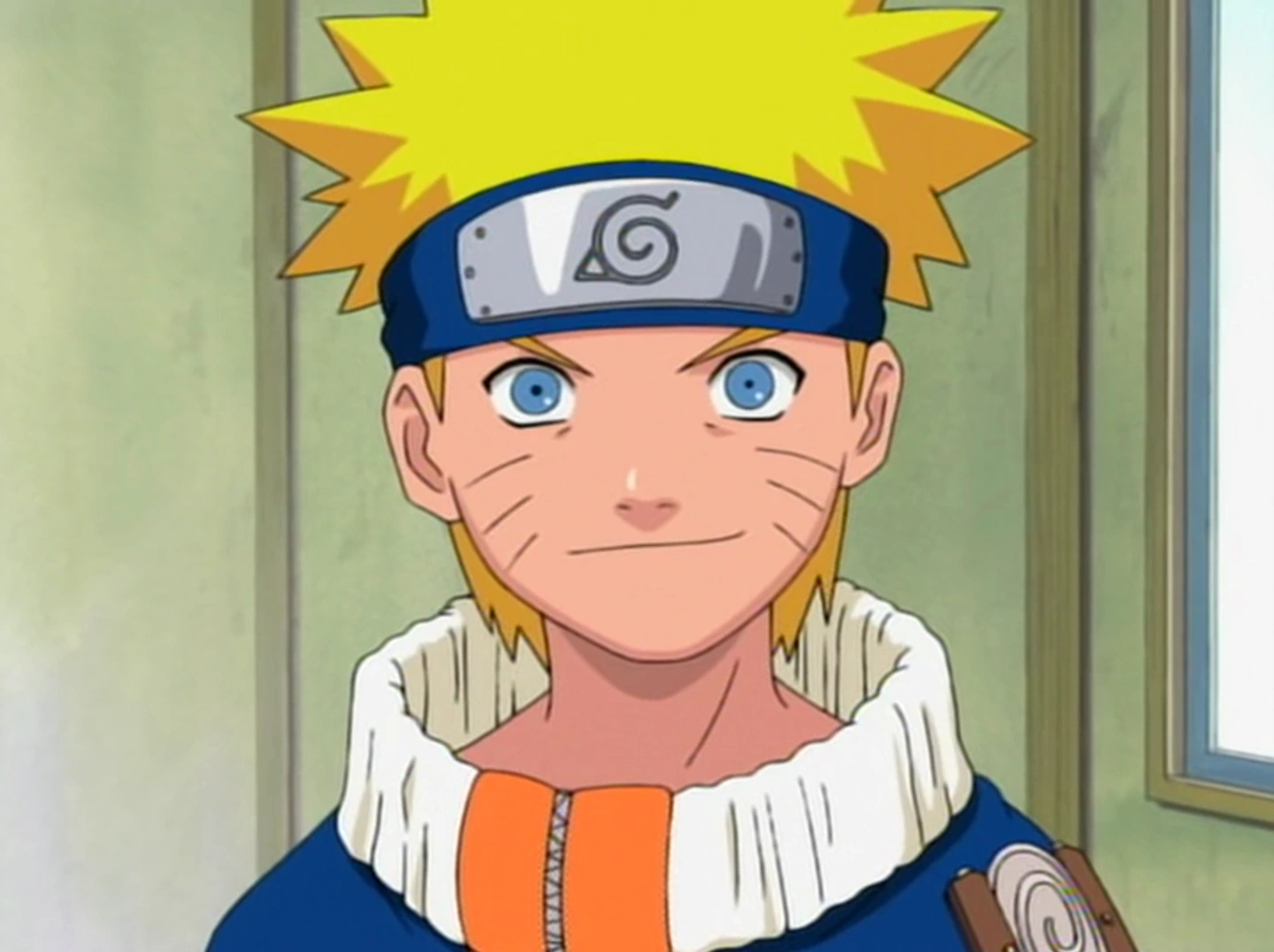
When Naruto earns the village’s respect, every viewer who ever felt like an outsider experiences vicarious validation. When Deku achieves his dreams through effort rather than natural talent, every “ordinary” person sees hope for themselves. These resonances run deep.
Community and Belonging
Finding Your People
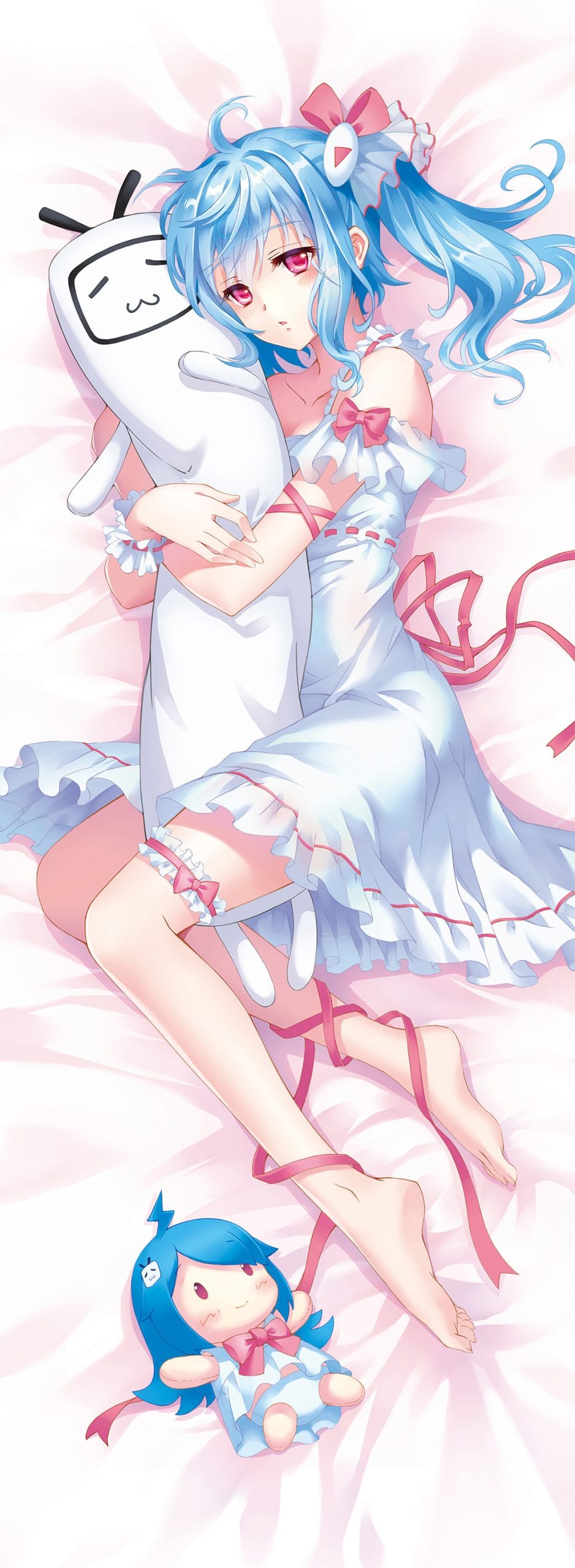
Anime fandom has historically attracted those who didn’t fit mainstream social categories. Introverts, neurodivergent individuals, those with niche interests—the anime community welcomes people who may have felt alienated elsewhere. Discovering that thousands of others share your specific passions validates what felt like personal weirdness.
This belonging is psychologically powerful. Humans are social creatures who need community. For those who struggled to find it in school hallways or workplaces, anime conventions and online forums provide genuine connection. The fandom becomes family in meaningful ways.
Always-On Online Spaces
Unlike geographically bound communities, anime fandom exists globally and perpetually. Reddit threads, Discord servers, and Twitter conversations continue 24/7 across time zones. There’s always someone awake to discuss the latest episode, debate your favorite character, or share memes.
This constant availability creates ambient community. Even lurking—reading discussions without participating—provides sense of belonging. The loneliness that can accompany niche interests evaporates when thousands of people are always available to share them.
Shared Language and References
Fandom creates its own vocabulary. “Plus Ultra,” “believe it,” references to specific characters and moments—these become shibboleths that identify fellow fans instantly. Understanding these references provides inclusion; making them provides connection.
This shared language extends to Japanese itself. Learning anime-relevant Japanese vocabulary (nakama, senpai, sugoi) creates another layer of in-group identity. Even minimal Japanese knowledge provides sense of accomplishment and deeper engagement.
Aesthetic and Artistic Appeal

Visually Distinctive Medium
Anime’s visual style—expressive eyes, distinctive hair colors, dynamic action lines—is immediately recognizable and genuinely beautiful to those who appreciate it. The aesthetic appeal provides pleasure independent of narrative. Gorgeous animation, striking character designs, and painterly backgrounds create visual experiences unavailable elsewhere.
Studios like Ufotable, MAPPA, and Kyoto Animation have pushed animation quality to heights that reward repeat viewing. Frame-by-frame analysis of sakuga (exceptional animation) has become its own hobby. The medium rewards attention in ways that encourage deeper engagement.
Music That Elevates
Anime openings and soundtracks hold special status. Hiroyuki Sawano’s epic scores, iconic openings that define series identities, emotional insert songs that trigger tears—anime music creates powerful associations. Hearing an opening theme years later can flood viewers with memories and emotions.
This musical dimension adds another layer to the attachment. Fans don’t just watch anime; they listen to it, creating playlists that extend the experience beyond viewing. The music becomes part of daily life.
Narrative Ambition and Intellectual Engagement

Taking Audiences Seriously
Anime regularly tackles themes that Western animation historically avoided: death, moral ambiguity, philosophical questions, political commentary. Series like Death Note examine justice and power. Attack on Titan explores cycle of violence and propaganda. Evangelion deconstructs heroism while exploring depression.
This thematic seriousness invites intellectual engagement. Fans don’t just enjoy anime; they analyze it. Essays, video essays, and academic papers examining anime’s themes have proliferated because the medium provides material worth examining.
Complex Power Systems
Anime’s elaborate power systems—Nen in Hunter x Hunter, Cursed Techniques in JJK, Quirks in MHA—provide frameworks for endless analysis. Understanding these systems requires attention; discussing them requires engagement. Power scaling debates, however silly they may seem to outsiders, represent genuine intellectual exercise.
Cultural Gateway
Anime introduces international audiences to Japanese culture in accessible ways. Food, festivals, social customs, historical references—viewers absorb cultural knowledge alongside entertainment. This education creates additional investment: understanding cultural context enhances appreciation, which encourages learning more.
Some fans progress from anime to Japanese language study, travel, or broader cultural exploration. The medium serves as gateway to deeper engagement with Japan itself. When your hobby connects to an entire culture’s worth of history and art, passion expands naturally.
Identity Integration
Being an anime fan becomes part of identity for many. Merchandise displays fandom publicly. Cosplay allows literal embodiment of beloved characters. References in conversation signal identity. Profile pictures, usernames, and social media aesthetics express belonging.
This identity integration raises emotional stakes. Criticism of anime can feel like criticism of self. Defending favorite series becomes defending part of identity. The personal stakes of fandom debates partly explain their intensity.
The Shadow Side
Passion becomes problematic when it tips into toxicity. Gatekeeping—demanding others prove their fandom credentials—excludes potential community members. Harassment over differing opinions poisons discussions. Parasocial attachment can become obsessive rather than enriching. Some fans prioritize anime over real-world relationships and responsibilities.
Healthy fandom requires balance. The passion is valid; channeling it constructively matters. Community benefits from inclusion rather than exclusion, discussion rather than attack, and perspective that acknowledges anime’s place alongside other aspects of life.
Embracing the Passion
Anime passion isn’t irrational—it’s a logical response to media designed to create connection. Long-form storytelling enables genuine attachment. Emotional directness creates powerful experiences. Community provides belonging. Artistic quality rewards attention. Thematic depth invites analysis.
That this passion sometimes becomes excessive doesn’t invalidate its roots. Caring deeply about stories, characters, and community is fundamentally human. Anime fandom provides framework for that caring that enriches millions of lives.
So yes, anime fans are passionate. Understanding why reveals that passion as something valuable—connection to art, community, and meaning that makes life richer. Express it positively, and anime fandom becomes one of life’s genuine goods.