
Anime is unmistakably Japanese in its essence—its storytelling rhythms, visual language, and cultural touchstones mark it as a distinctly national art form. Yet Western influence has been woven into anime’s DNA since the medium’s earliest days. From Disney’s impact on Osamu Tezuka to Netflix’s global co-productions, understanding how Western media shapes anime reveals a rich history of artistic exchange.
Historical Foundations: The Disney Connection
Osamu Tezuka and Bambi’s Eyes
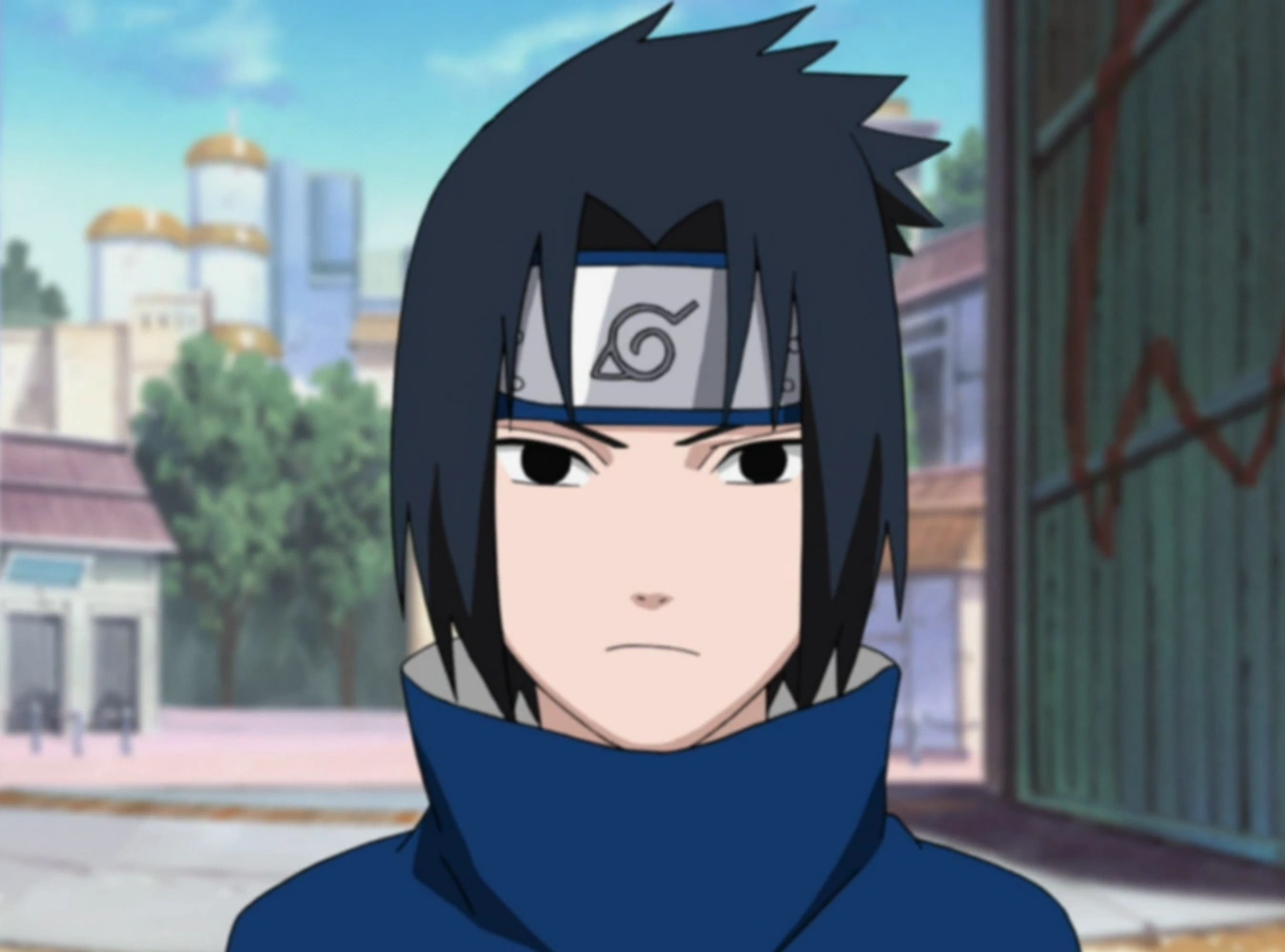
No discussion of Western influence on anime can begin without Osamu Tezuka, universally acknowledged as the “God of Manga.” Tezuka watched Disney’s Bambi over 80 times, and its influence fundamentally shaped anime’s visual language. The large, expressive eyes that define anime characters? They’re direct descendants of Disney’s animal characters from the 1940s.
Tezuka’s Astro Boy (1963), often considered the first true anime television series, established visual conventions that persist today. The simplified body proportions, the emphasis on expressive eyes over realistic detail, the fluid motion animation—all borrowed from and adapted Western animation techniques for Japanese sensibilities and production constraints.
The Fleischer Brothers’ Shadow
Before Disney dominated, the Fleischer brothers (creators of Betty Boop and Popeye) pioneered many animation techniques Japanese studios would later adopt. Their rotoscope work, rubber-hose animation style, and willingness to tackle adult themes influenced early Japanese animators who studied Western films frame by frame.
Post-War Technical Exchange
After World War II, Japanese animators had access to American films and actively studied Western techniques. The limited animation style that became anime’s hallmark emerged partly from adapting full-animation techniques to smaller budgets—a creative constraint that birthed a new aesthetic rather than merely cheaper copies.
Genre Cross-Pollination
Mecha and Western Science Fiction
Japan’s giant robot genre didn’t emerge in a vacuum. Isaac Asimov’s robot stories, Robert Heinlein’s military science fiction, and American pulp magazines fed directly into the imaginations of creators like Go Nagai (Mazinger Z) and Yoshiyuki Tomino (Gundam).
Mobile Suit Gundam’s exploration of war’s moral complexities echoes Western anti-war science fiction. Evangelion’s psychological depth draws on Western psychoanalytic traditions. The genre conversation between Japanese mecha and Western sci-fi literature remains ongoing—each influencing the other in cycles of adaptation and response.
Fantasy’s European Roots
Japanese fantasy anime overwhelmingly features European medieval aesthetics: castles, knights, dragons, and feudal hierarchies that look nothing like historical Japan. This isn’t cultural ignorance—it’s deliberate borrowing. J.R.R. Tolkien’s Middle-earth, Dungeons & Dragons, and European fairy tales provide the visual vocabulary for most isekai series.
Record of Lodoss War explicitly began as D&D campaign transcriptions. Berserk’s dark medieval world channels Western dark fantasy. Even series set in “original” fantasy worlds typically default to European architecture, naming conventions, and social structures that Western audiences recognize instantly.
Noir and Detective Fiction
Japanese detective anime owes debts to American noir and British mystery traditions. Death Note’s cat-and-mouse psychological battles echo classic noir. Monster’s European setting and psychological thriller elements draw directly from Western crime fiction conventions. The hard-boiled detective archetype appears throughout anime, from Cowboy Bebop’s Spike to Psycho-Pass’s investigators.
Modern Western-Anime Exchange
Superhero Dialogue
My Hero Academia represents the most explicit modern conversation between Japanese anime and Western superhero comics. Creator Kohei Horikoshi openly cites Marvel and DC as influences. All Might’s design channels American Golden Age heroes. The series’ exploration of heroism, legacy, and power responsibility directly engages with themes Western comics have examined for decades.
But the influence flows both ways. Western superhero films increasingly borrow anime’s visual dynamism and emotional directness. Spider-Man: Into the Spider-Verse’s animation owes obvious debts to anime aesthetics. The conversation is now truly bidirectional.
Netflix and Global Production
Netflix’s investment in anime has changed production calculations. Series like Cyberpunk: Edgerunners—produced by Studio Trigger for a Western game franchise—exemplify new hybrid productions that target global audiences from inception. Castlevania, animated by Japanese studios but created by American writers, blurs traditional categories entirely.
These productions often smooth some Japanese-specific elements while retaining anime’s visual style. Whether this represents exciting globalization or concerning homogenization depends on your perspective.
The Crunchyroll Effect
Global streaming platforms have made international audiences visible in ways they weren’t before. Japanese production committees now see real-time viewership data from worldwide audiences. This visibility influences what gets greenlit and how series are produced—Western fan preferences now factor into decisions that were once purely domestic.
Western Animation Borrowing Back
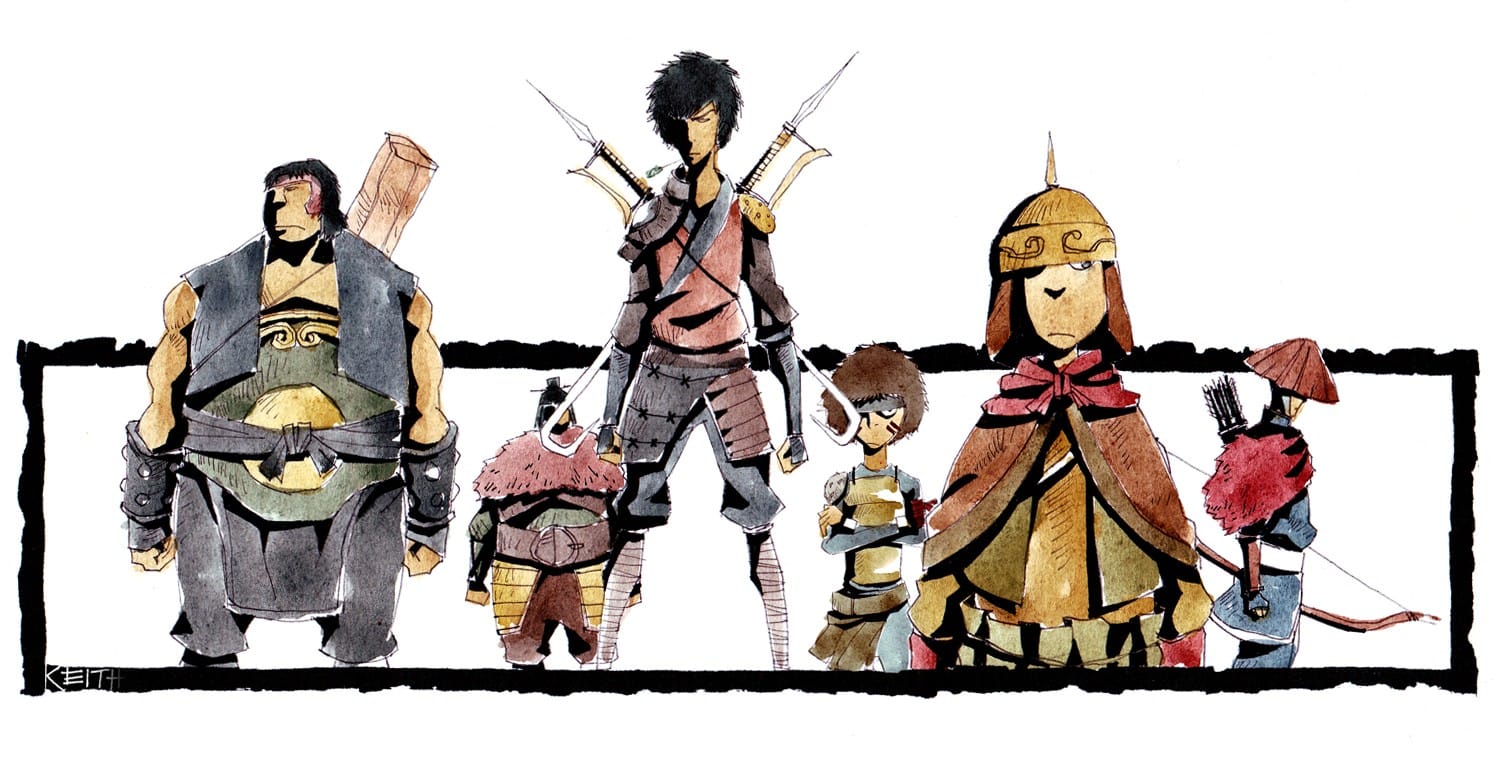
Avatar: The Last Airbender
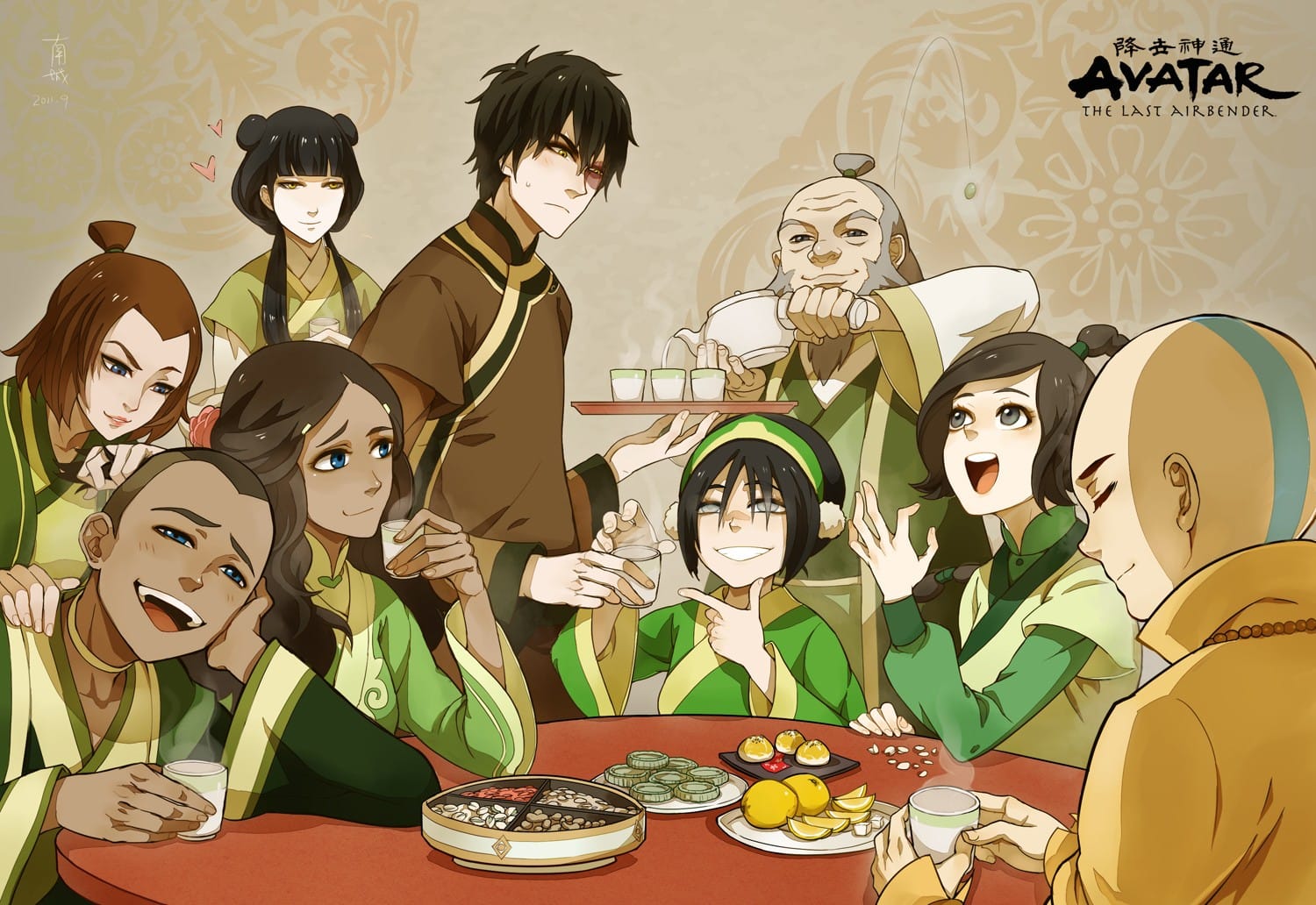
Avatar represents Western animation’s most successful adoption of anime storytelling conventions. Its serialized narrative, martial arts action sequences, and character design philosophy all draw explicitly from anime. Yet it was produced entirely by American studios, creating a new hybrid category.
The Arcane Standard
League of Legends’ Arcane demonstrated that Western studios could produce animation rivaling the best anime in visual quality while maintaining distinct identity. Its success prompted industry-wide reassessment of what Western animation could achieve—partly by learning lessons anime had taught.
Anime-Style Western Productions
Castlevania, Blood of Zeus, Dota: Dragon’s Blood—Netflix has created an entire category of anime-adjacent Western productions. These shows hire anime studios or use anime-influenced Western animators, creating works that exist in a gray zone between cultural traditions.
Co-Productions and Corporate Collaboration
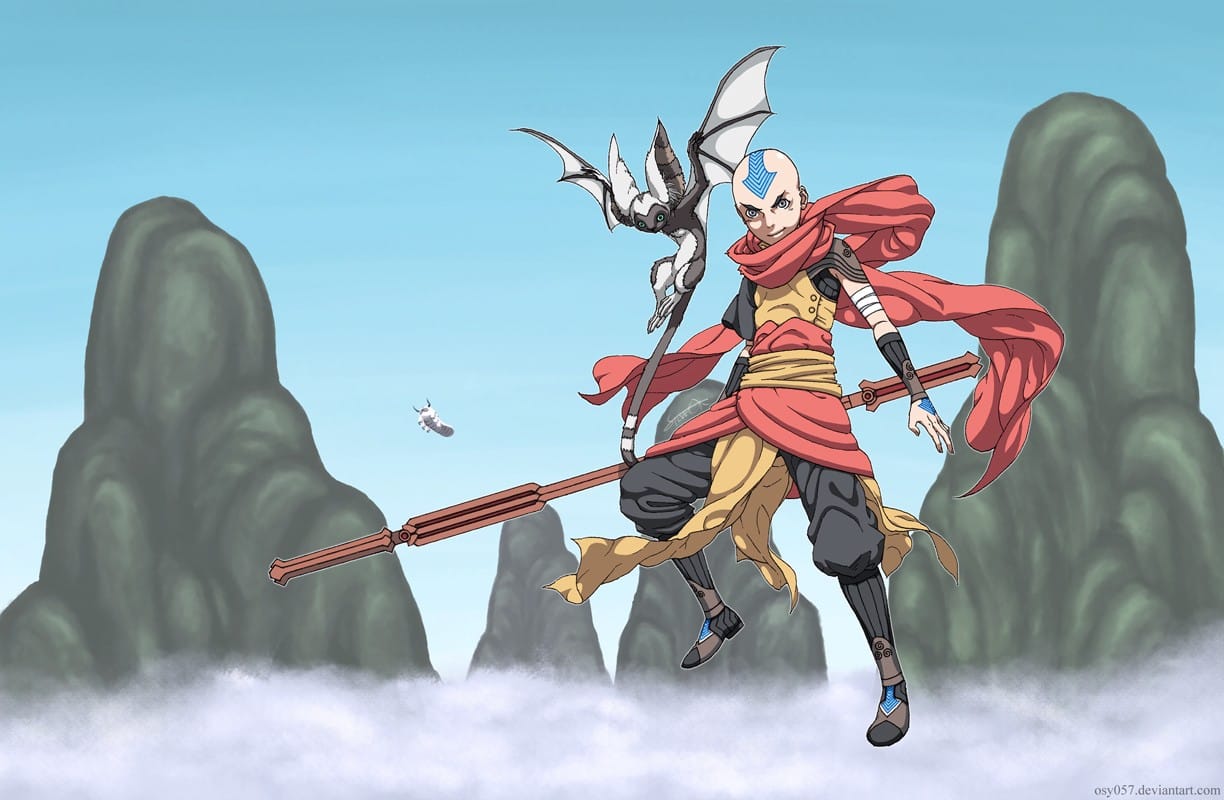
Marvel and DC have both commissioned anime adaptations of their properties. Blade, Iron Man, and X-Men received anime treatments from Japanese studios. These productions adapt Western characters to Japanese sensibilities, revealing what translates and what doesn’t across cultural lines.
Japanese studios increasingly partner with Western companies for original productions. Sony’s ownership of Crunchyroll and Funimation creates vertical integration that influences what anime gets made and how it’s distributed globally.
Cultural Translation and Loss
Some anime is now created specifically with export in mind. These productions often minimize untranslatable cultural references, adjust pacing for international audiences, and smooth elements that might confuse Western viewers. Whether this accessibility comes at the cost of authenticity is debated endlessly.
The localization industry has also evolved. Modern subtitle and dub approaches aim for cultural adaptation rather than strict translation, making series more accessible while necessarily altering their character.
Maintaining Japanese Identity
Despite decades of Western influence, anime remains recognizably Japanese. Storytelling patterns differ from Western three-act structures. Visual language communicates emotion differently. Cultural values around hierarchy, group harmony, and seasonal awareness pervade even fantasy settings.
Influence doesn’t mean homogenization. Japanese creators absorb Western elements and transform them into something distinctly their own. Batman becomes interpreted through Japanese heroic traditions. European fantasy gains Japanese narrative sensibilities. The borrowed becomes original through transformation.
The Future of Cross-Cultural Anime
Globalization will only accelerate. Chinese and Korean animation industries now contribute to the conversation. AI tools may change production economics. International co-financing makes purely “Japanese” productions increasingly rare.
The question for anime’s future isn’t whether Western influence will continue—it will. The question is whether distinct Japanese identity survives integration into global entertainment. History suggests adaptation without absorption is possible. Anime has always borrowed from the West while remaining itself.
That creative alchemy—taking Western ingredients and producing something unmistakably Japanese—is anime’s superpower. As long as Japanese creators maintain that transformative approach, Western influence enriches rather than diminishes the medium.
You Might Also Like
- Best Anime on Netflix 2026: What to Watch Right Now
- Best Anime Movies of 2026: What to Watch This Year
- Spring 2026 Anime: What to Watch This Season