
Studio Ghibli films occupy unique space in animation—artistically ambitious, commercially successful, and emotionally sophisticated enough for adults while remaining accessible to children. In 2026, decades after Spirited Away won the Academy Award and My Neighbor Totoro became a cultural icon, Ghibli’s work remains essential viewing. Here’s why these films still matter in an era of streaming abundance.
The Miyazaki Philosophy
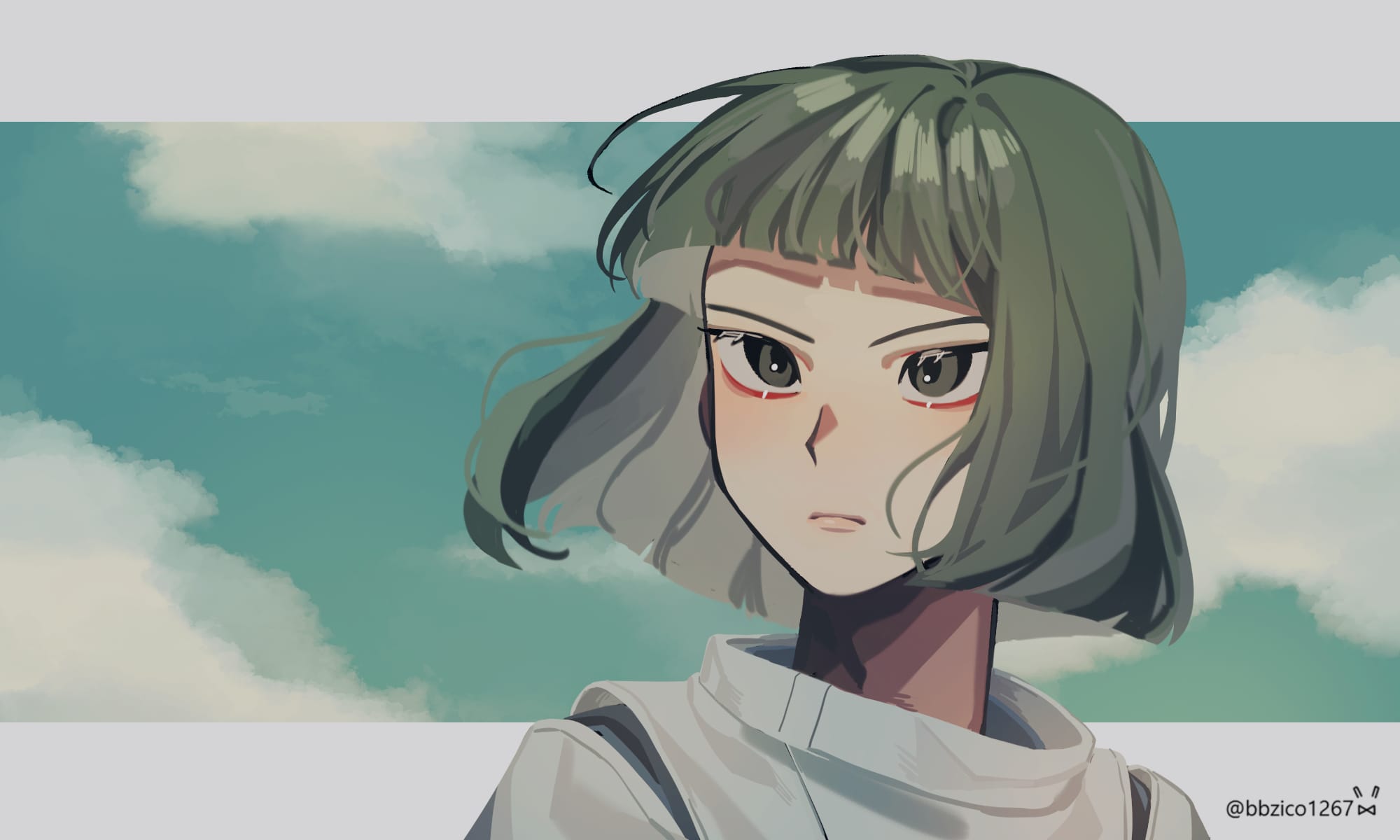
Hayao Miyazaki’s films share consistent thematic concerns that distinguish them from standard animated fare. Nature’s agency—forests, spirits, and environments that act as characters rather than backdrops—reflects environmental consciousness that feels increasingly urgent. His protagonists, predominantly young women, demonstrate competence and growth without romantic subplots defining their arcs.
Moral complexity pervades Miyazaki’s work. Princess Mononoke features no true villain; Lady Eboshi industrializes forests but also protects lepers and former prostitutes. Howl’s Moving Castle portrays war’s devastation without simplistic good-versus-evil framing. Spirited Away’s bathhouse contains exploitation but also community and growth. Easy answers don’t exist; viewers must navigate ambiguity.
This complexity respects audience intelligence regardless of age. Children absorb what they can; adults recognize deeper layers. The films reward rewatching across life stages, revealing new meanings as viewers mature. Few animated works sustain this multi-generational engagement.
The Animation Achievement
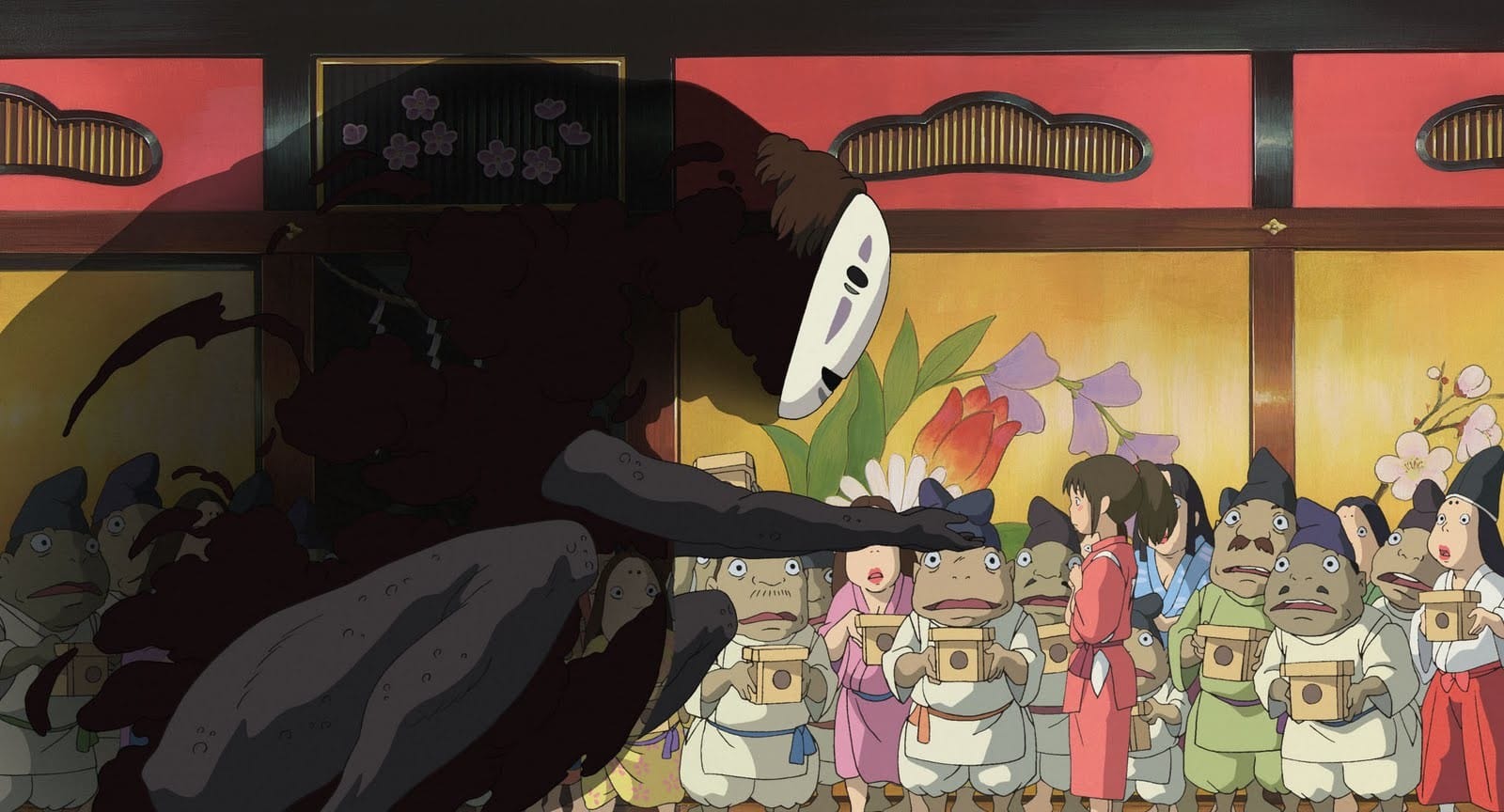
Ghibli’s hand-drawn animation represents craft that digital production hasn’t replicated despite technological advancement. The studio’s commitment to traditional techniques creates distinct visual texture—watercolor backgrounds, fluid character movement, attention to mundane details like cooking and cleaning that establish world reality.
Consider Spirited Away’s bathhouse: every room contains specific design, every spirit demonstrates individual characterization, every meal looks genuinely appetizing. The density of visual information exceeds what efficiency-focused production would include. Ghibli films feel hand-crafted because they literally are—thousands of individual drawings creating moments that CGI achieves differently.
The flight sequences particularly demonstrate animation’s possibilities. When Chihiro and Haku soar above water, when Sophie and Howl dance through clouds, when Kiki struggles against wind on her broomstick—these sequences achieve kinetic beauty impossible in live-action while exploiting animation’s specific capabilities. Ghibli understood the medium’s unique potential and consistently realized it.
The Films That Define the Studio
My Neighbor Totoro (1988): Two sisters encounter forest spirits while their mother recovers from illness. No villain exists; tension comes from family concern and childhood uncertainty. The film proves animation can tell quiet stories with enormous emotional impact. Totoro himself became Ghibli’s mascot and Japan’s cultural symbol.
Princess Mononoke (1997): Environmental allegory through war between industrializing humans and forest gods. The violence earned a PG-13 rating unprecedented for animation; the complexity earned critical acclaim. Miyazaki’s magnum opus demonstrates animation can achieve epic scale and mature themes simultaneously.
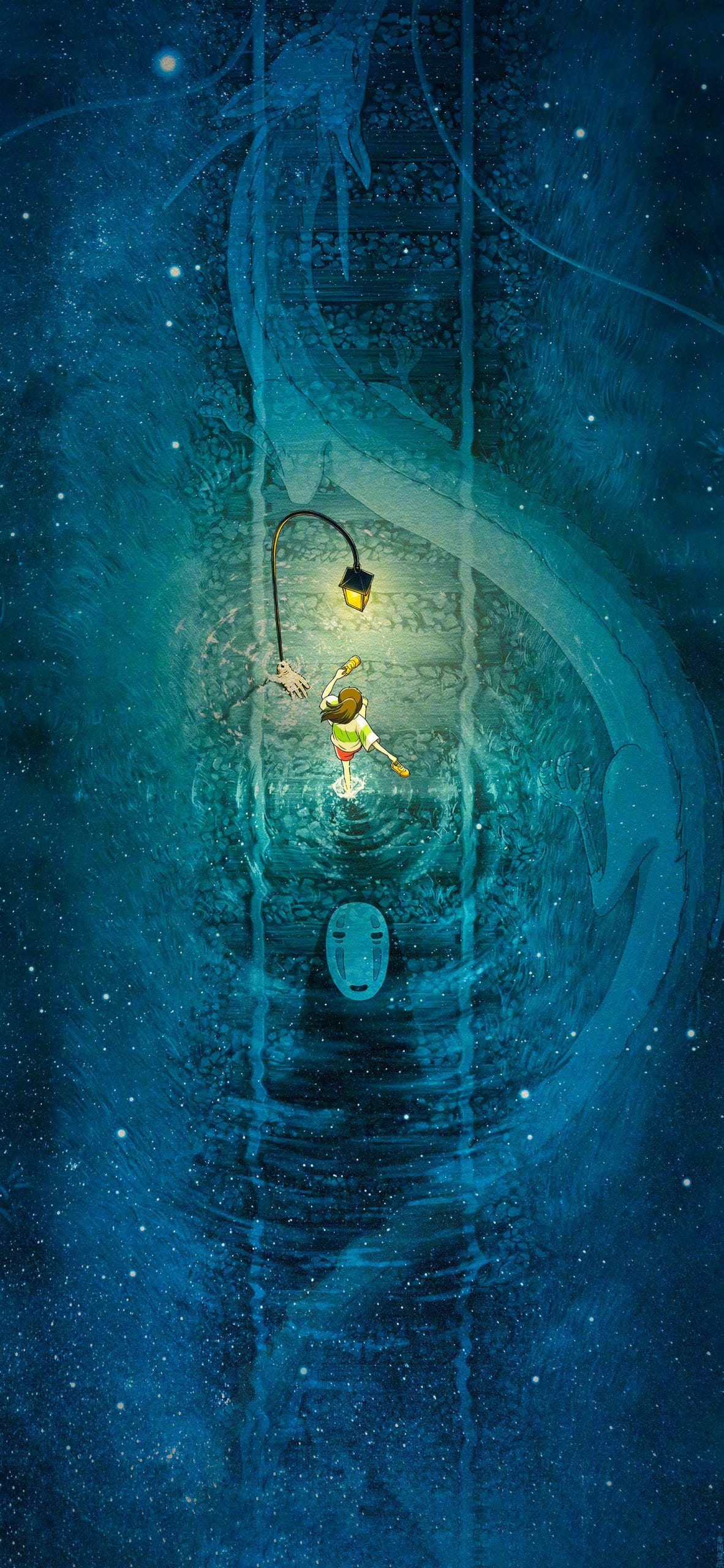
Spirited Away (2001): A girl navigates a supernatural bathhouse to save her transformed parents. The Academy Award for Best Animated Feature (the only hand-drawn non-English film to win) confirmed Ghibli’s international standing. Its imagery—No-Face, the train on water, the spirit world’s detail—remains iconic decades later.
Howl’s Moving Castle (2004): A cursed young woman ages into elderly form while joining a wizard’s mobile home. Anti-war themes, adapted from Diana Wynne Jones’s novel, provide framework for exploring vanity, courage, and love’s transformative power.
The Wind Rises (2013): Miyazaki’s “final” film before temporary retirement tells the story of airplane designer Jiro Horikoshi. The most controversial Ghibli film—a pacifist filmmaker making a sympathetic portrait of someone whose designs became World War II weapons—demonstrates the studio’s commitment to complexity over comfort.
Beyond Miyazaki: The Other Ghibli

While Hayao Miyazaki defines public perception, Studio Ghibli includes other significant directors:
Isao Takahata: Co-founder whose Grave of the Fireflies (1988) remains one of the most devastating war films ever made—animated or otherwise. His The Tale of the Princess Kaguya (2013) uses revolutionary watercolor techniques that push animation’s visual boundaries.
Hayao Miyazaki’s son Goro: Tales from Earthsea (2006) disappointed but From Up on Poppy Hill (2011) succeeded, suggesting potential despite initial struggles.
Hiromasa Yonebayashi: Arrietty (2010) and When Marnie Was There (2014) maintain Ghibli aesthetics while developing independent voice.
The studio’s identity transcends any individual, though Hayao Miyazaki’s return from retirement for The Boy and the Heron (2023) demonstrates his continued centrality. Ghibli will face genuine succession questions as its founders age.
Streaming Access in 2026

Ghibli’s films now stream on Max (HBO Max’s successor), ending years of streaming holdout. This accessibility transforms Ghibli from physical media rarities to immediately available catalog. Younger viewers can discover Totoro without DVD hunting; adult rewatchers can revisit favorites instantly.
However, streaming compression affects Ghibli more than most animation. The watercolor backgrounds, the subtle color gradations, the hand-drawn detail—these suffer from digital compression algorithms. For optimal experience, Blu-ray releases remain superior. The films deserve viewing conditions that honor their craft.
Why They Matter Now

Ghibli’s environmental themes resonate more urgently in 2026 than when created. Nausicaä’s poisoned forests, Mononoke’s dying spirits, Ponyo’s tsunami—these cautionary images feel prescient rather than hypothetical. The films’ ecological consciousness connects to contemporary climate concern without didacticism.
Their portrayal of work’s dignity also resonates. Ghibli protagonists cook, clean, and labor; Kiki delivers packages, Chihiro scrubs floors, Arrietty maintains her borrower household. This attention to mundane effort respects viewers who perform similar tasks, countering narratives that dismiss ordinary work as unworthy of attention.
The films model emotional sophistication increasingly rare in family entertainment. Characters experience complex feelings—grief, ambivalence, conflicted loyalty—without simplification. Children watching learn that complicated emotions are normal; adults watching remember that emotional range deserves representation.
The Legacy Question
What happens to Ghibli after Miyazaki? The studio’s output has slowed; its founders are elderly; its distinct aesthetic requires craft that fewer animators practice. Digital animation’s efficiency advantages make hand-drawn production increasingly economically challenging.
Yet the films remain. New generations discover Totoro; teenagers find Spirited Away; adults revisit Porco Rosso. The catalog represents permanent artistic achievement regardless of future production. Ghibli’s legacy is secure even if its future remains uncertain.
For 2026 viewers encountering Ghibli films for the first time: you’re accessing some of animation’s greatest achievements. For rewatchers: the films remain as powerful as memory promised. For everyone: Studio Ghibli matters because it demonstrated what animation can accomplish when ambition matches craft.
The magic persists. The forests still speak. The spirits still fly. Studio Ghibli still matters—and probably always will.