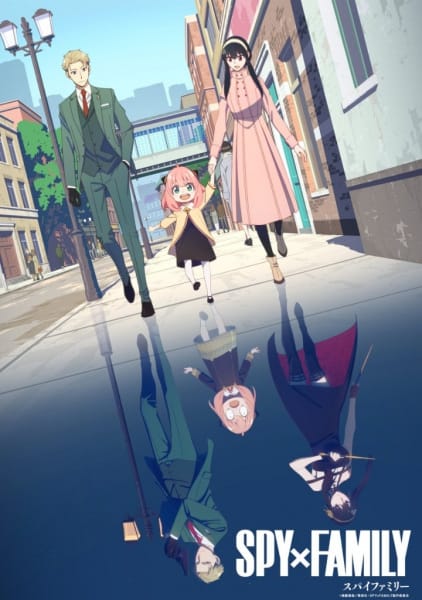
Spy x Family shouldn’t work. A found family comedy about a spy, an assassin, and a telepath pretending to be normal—the premise sounds like parody. Instead, it became one of the most beloved anime of the 2020s, proving that warmth and humor can conquer all.
The Premise
Twilight is Westalis’s greatest spy, assigned to infiltrate Ostania’s politics. To do so, he needs a family. He adopts Anya (secretly telepathic) and fake-marries Yor (secretly an assassin). None of them know the others’ secrets—except Anya, who knows everything and finds it hilarious.
Why It Works
The Comedy Engine
Every scene contains information asymmetry. Loid plans; Yor misinterprets; Anya reacts to thoughts no one said aloud. This three-way misunderstanding creates constant comedy without recycling jokes. The setup generates infinite material.
The Heart
Beneath comedy lies genuine emotion. Anya desperately wants parents. Loid discovers he cares beyond mission parameters. Yor finds family after isolation. These feelings make comedy stakes meaningful—we want them to succeed because they deserve happiness.
Cold War Charm
The fictional Cold War setting provides aesthetic without historical weight. Art deco architecture, period fashion, and spy thriller tropes combine into visual distinctiveness. The setting serves story rather than dominating it.
Animation Quality
WIT Studio (later CloverWorks) delivered consistently excellent animation. Action sequences showcase Yor’s assassin skills; comedy benefits from expressive character acting; quiet moments receive appropriate subtlety.
Anya’s Expressions
Anya’s face became internet phenomenon for good reason. Her reactions—shock, scheming, confusion—are perfectly animated. Each expression is distinct, iconic, and endlessly memeable.
Yor’s Action Scenes
When Yor fights, the animation elevates. Her cruise ship battle in Season 2 rivals action anime’s best work. These sequences remind viewers she’s genuinely dangerous beneath the awkwardness.
Character Dynamics
Loid (Twilight)
The stoic spy slowly cracking under domestic chaos provides subtle comedy. His precision planning meets Anya’s chaotic intervention constantly. Watching him adapt to fatherhood while maintaining spy competence is consistently entertaining.
Yor
The assassin learning domesticity could be dark but plays as heartwarming. Her cooking failures, social awkwardness, and genuine love for Anya humanize someone whose job is murder. The contrast never feels hypocritical.
Anya
The child who knows too much and can do too little. Her telepathy creates comedy through information asymmetry, but her inability to communicate what she knows creates tension. She’s trying desperately to help while barely understanding why things need helping.
Bond
The precognitive dog who sees the future but is still a dog. Bond’s additions bring animal comedy and occasionally critical plot assistance. His visions communicate visually, adding another information layer.
Episodic Structure
Spy x Family works episodically, with most episodes functioning independently. This structure suits casual viewing—you can enjoy single episodes without continuity burden. Larger arcs (Eden Academy enrollment, Desmond interaction) provide structure without demanding binge-watching.
Tonal Management
The series balances comedy, action, and genuine emotion without jarring transitions. A touching scene can follow violence; comedy can follow drama. These shifts feel natural because the core emotional reality remains consistent.
Music
Opening themes by Official HIGE DANdism and Ado became hits beyond anime fandom. The OST supports scenes perfectly—spy thriller tension, comedic timing, emotional swells all receive appropriate accompaniment.
Manga Fidelity
The anime adapts Tatsuya Endo’s manga faithfully, expanding some gags and trimming others for pacing. Manga readers report satisfaction with adaptation choices. New viewers experience the story as intended.
Criticisms
Slow Progression
The main plot (reaching Desmond) advances slowly. Those wanting narrative momentum may find the episodic structure frustrating. The manga similarly prioritizes daily life over mission progress.
Limited Character Growth
Characters don’t change dramatically across seasons. This consistency serves comedy but limits dramatic potential. Those wanting transformation arcs will find Spy x Family comfortable rather than challenging.
Stakes Management
Genuine threat is rare. The comedy format requires safety—audiences need to trust outcomes will be positive. This removes tension that other series might leverage.
Accessibility
Spy x Family is arguably the best entry point for anime newcomers. It’s funny, touching, family-friendly (mostly), and requires no genre knowledge. The animation quality showcases what anime can be without requiring commitment to long series.
Verdict
9/10 – Spy x Family succeeds through charm rather than ambition. It’s not trying to revolutionize anime—it’s trying to make you smile while occasionally touching your heart. That it accomplishes this so consistently, across two seasons and counting, is genuine achievement.
If you want dark themes and complex morality, look elsewhere. If you want to feel good about a fake family becoming real, Spy x Family delivers perfectly. It’s comfort anime elevated to art through execution.
You Might Also Like
- Manga vs Anime: When to Read vs Watch
- Spring 2026 Anime: What to Watch This Season
- Anya’s Powers Explained: Telepathy, Limitations, and Origin Theories in Spy x Family