Sanji represents One Piece’s most complex take on masculinity. The gentleman cook who refuses to hit women, whose dreams involve feeding people, whose power comes from legs he protects for cooking—Sanji defies shonen protagonist conventions while remaining definitively powerful. His character development across 1000+ chapters creates one of anime’s most nuanced male heroes.
The Cook Who Kicks
Fighting Style Philosophy
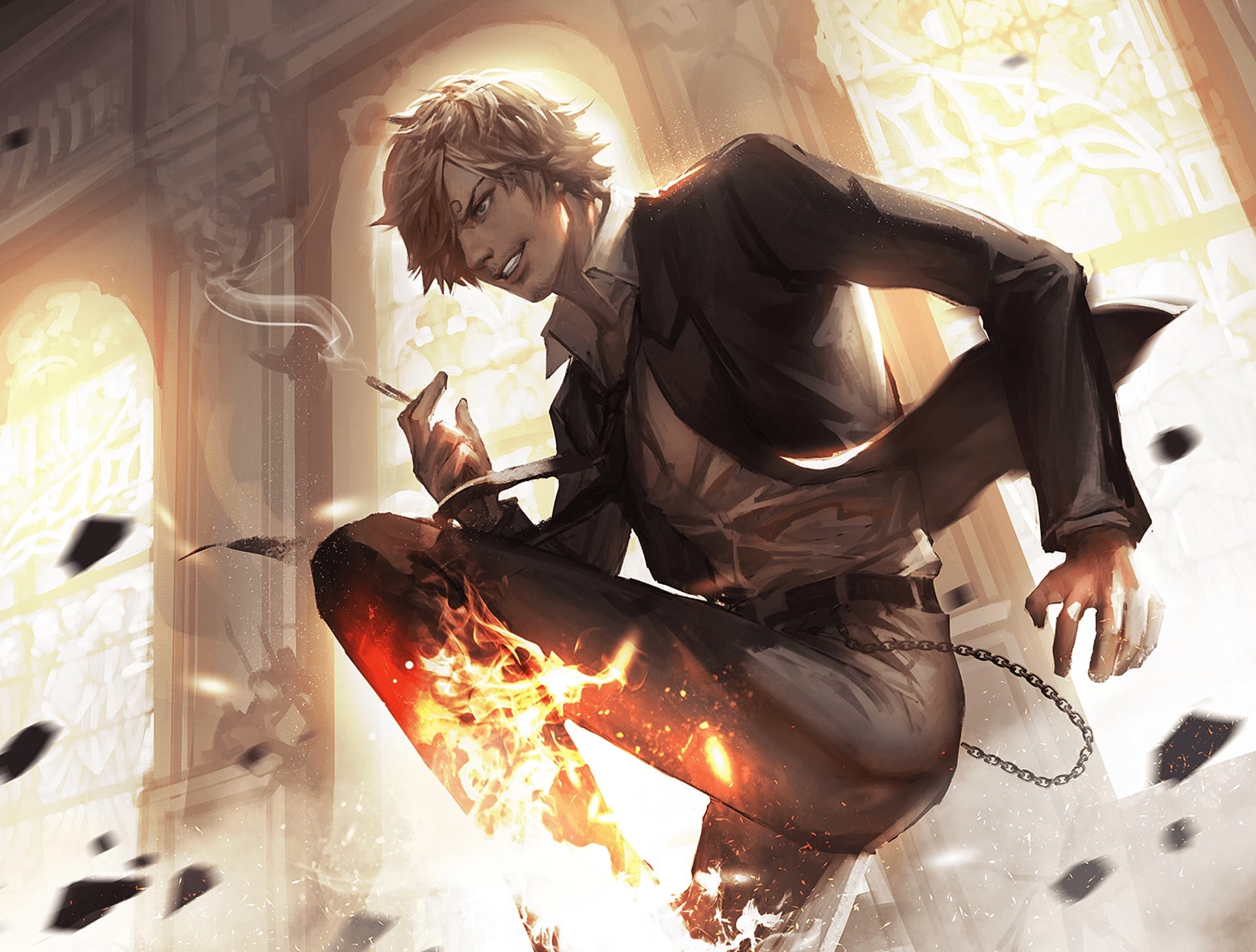
Sanji refuses to use his hands in combat because hands are for cooking. This limitation is self-imposed—a choice that defines his priorities. His legs become weapons so his hands remain tools of creation, not destruction.
This philosophy extends beyond practicality. Sanji values what he creates (food, joy, connection) over what he destroys (enemies). His fighting style is statement of values encoded in technique.
Black Leg Style
Trained by Red Leg Zeff, Sanji developed kick-based martial arts of extraordinary power. Post-timeskip additions (Diable Jambe, Sky Walk, Ifrit Jambe) demonstrate his growth while maintaining core philosophy. He becomes stronger without compromising principles.
The Dream: All Blue
What It Represents
The All Blue—legendary sea where all ocean fish gather—represents Sanji’s dream. Unlike Luffy’s Pirate King ambition or Zoro’s strongest swordsman goal, Sanji’s dream is about ingredients. He wants to cook with everything the world offers.
This dream reflects Sanji’s nature: his ambition serves others. Finding All Blue enables better cooking, which means better food for others. Even his dream is generous.
Connection to Baratie
Zeff shared the All Blue dream. The master-student relationship centers on cooking as calling, not just skill. Sanji’s pursuit honors his debt to Zeff while expressing his own passion.
The Code: Chivalry’s Complications
Refusing to Fight Women
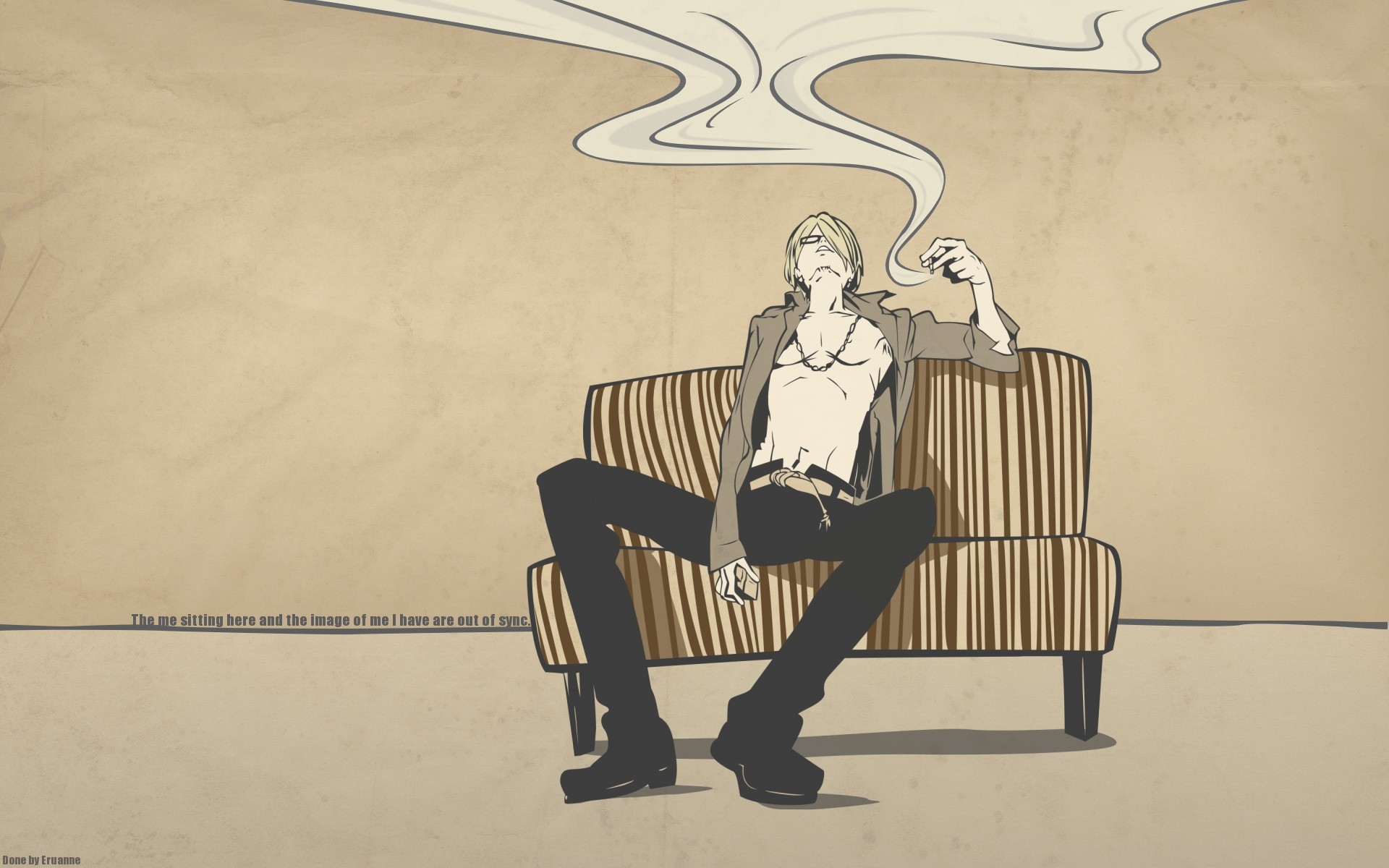
Sanji will not hit women under any circumstances. This extends to enemies actively trying to kill him—he would rather die than violate this principle. The code creates genuine tactical problems: Kalifa nearly killed him; Big Mom’s crew exploited this weakness repeatedly.
Why It Exists
Zeff taught Sanji this code. Its origin is protective intention—women should not face male violence. But the application becomes absolutist, causing Sanji genuine harm and frustrating allies.
One Piece neither fully endorses nor condemns this code. It presents it as Sanji’s principle with real consequences, letting readers form their own judgments.
Problematic Aspects
Sanji’s treatment of women has uncomfortable elements: the nosebleeds, the obsessive behavior, the perving. These tendencies undercut his chivalry claims. Oda plays them for comedy, but comedy does not erase critique.
The character is contradictory: genuine respect coexisting with objectification. Whether this reflects intended complexity or authorial blind spots remains debated.
The Vinsmoke Heritage
Origin Story
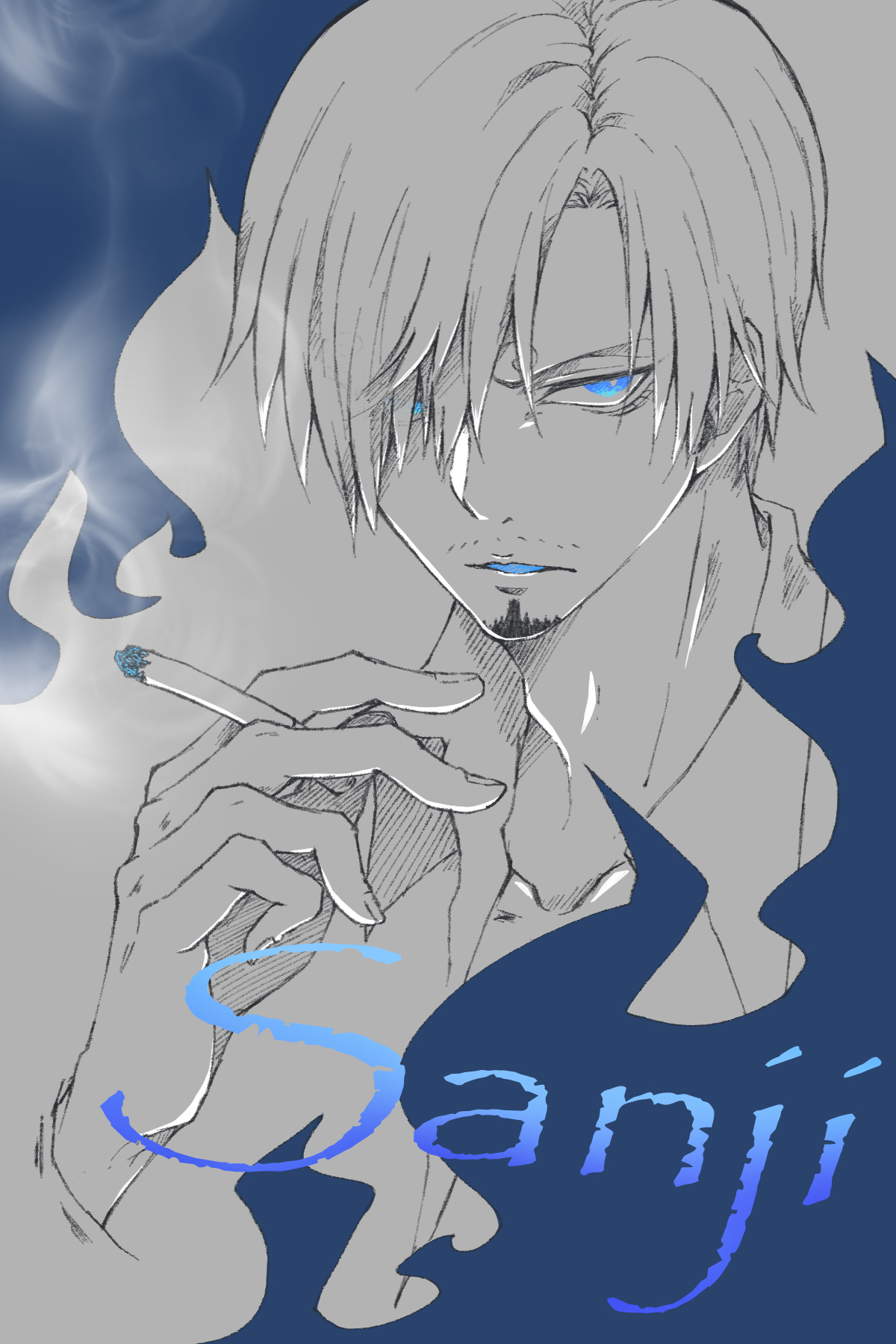
Sanji is born Vinsmoke, royalty of Germa Kingdom. His father Judge genetically modified the Vinsmoke children into emotionless soldiers. Sanji, the “failure” who retained emotions, was imprisoned and abused before escaping.
This backstory explains Sanji’s values. He knows what emotionless efficiency produces: cruelty, empty strength, family without love. His emphasis on feelings, cooking, and gentleness directly rejects his heritage.
Whole Cake Island Resolution
Forced to confront his biological family, Sanji ultimately saves them while firmly rejecting them. He is Sanji of the Straw Hats, not Vinsmoke Sanji. His chosen family matters more than blood.
Crew Dynamics
Sanji vs Zoro
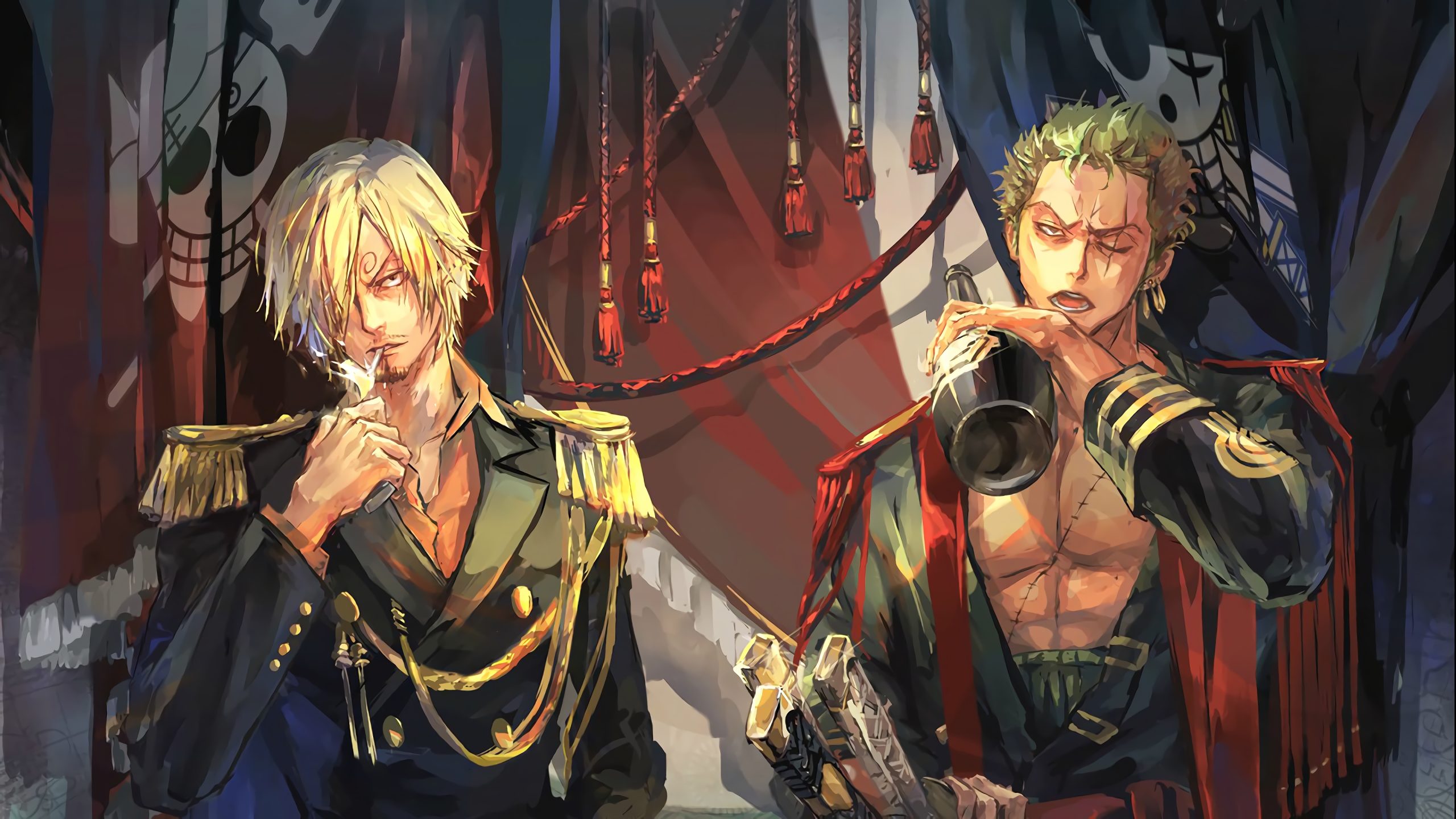
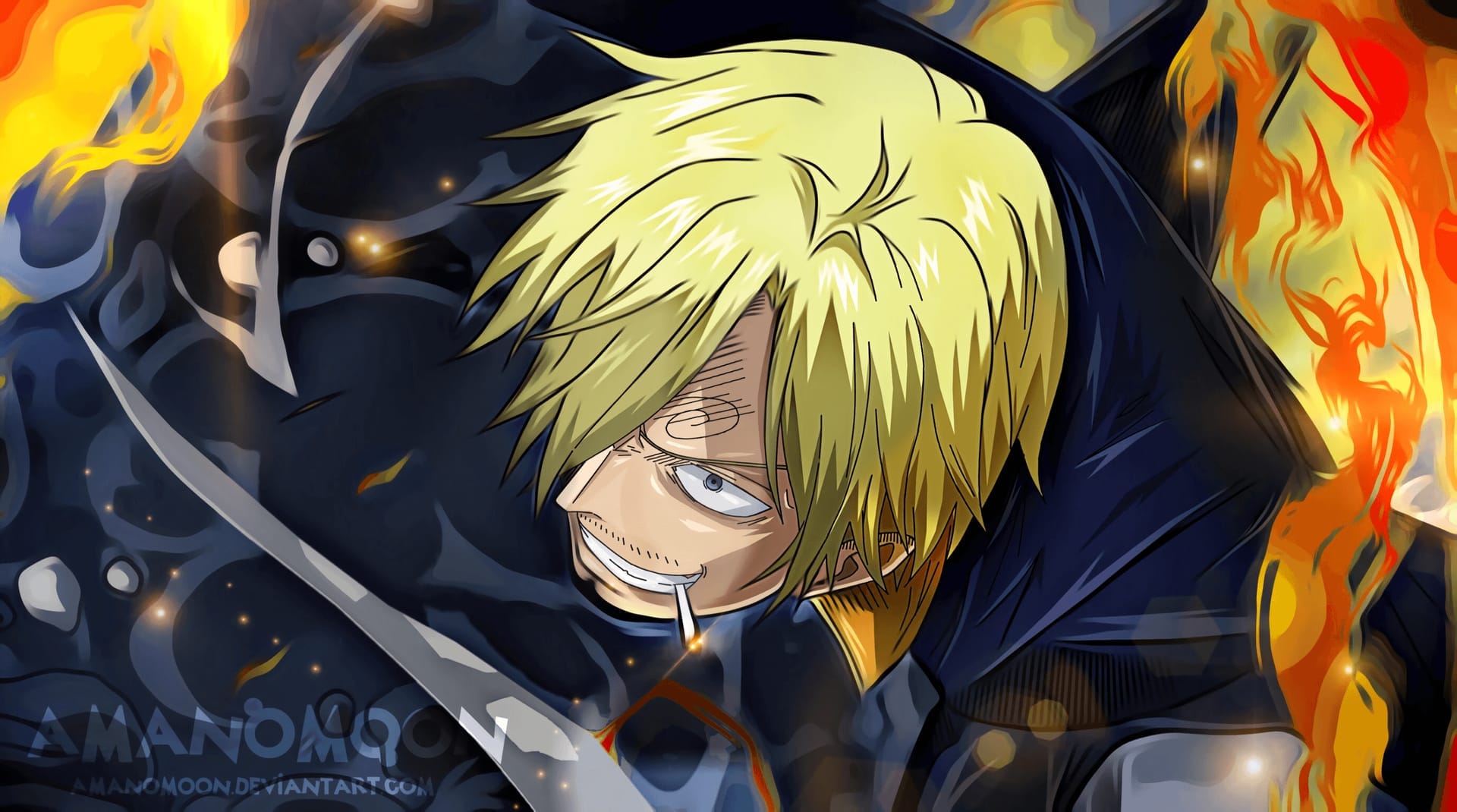
The rivalry with Zoro is constant antagonism covering genuine respect. They insult each other incessantly but would die for each other without hesitation. Their competition pushes both to greater heights.
Love for Nami and Robin
Sanji’s devotion to the female crew members is comedically excessive and occasionally creepy. But beneath the exaggeration is genuine care—he protects them, feeds them, and respects their autonomy (when not being ridiculous).
Cooking as Care
Sanji expresses love through food. His cooking for the crew is daily act of service—ensuring they are fed, healthy, and satisfied. This mundane caregiving defines his role as much as combat does.
Power Development
Pre-Timeskip
Sanji established himself as monster trio member through pure physical ability. Diable Jambe—heating his leg through friction—added elemental dimension.
Post-Timeskip
Training with Okama in the Kamabakka Kingdom (against his will) unlocked new techniques including Sky Walk (walking on air). His power increased dramatically while his comedic trauma about the experience became running joke.
Raid Suit and Exoskeleton
Accepting (briefly) the Germa Raid Suit, then manifesting his own exoskeleton awakening, forced Sanji to confront his heritage’s power. His choice to destroy the Raid Suit reflects refusal to rely on what he rejects philosophically, even when tactically advantageous.
Sanji’s Best Moments
Mr. Prince
Sanji’s infiltration of Baroque Works’ casino, operating independently while the crew was captured, established his intelligence and initiative. He is not just muscle—he schemes effectively.
Nothing Happened
While Zoro got the famous line, Sanji offered to sacrifice himself first. His willingness to die for Luffy preceded Zoro’s acceptance. Both understood what the crew means.
Bento Scene
Bringing food to Luffy while “betraying” him. Unable to let his captain starve even while trying to drive him away. His identity as cook overriding everything else.
The Verdict
Sanji is One Piece’s most contradictory character: gentleman and pervert, warrior and cook, Vinsmoke and Straw Hat. These contradictions make him interesting rather than inconsistent—human rather than archetype.
His journey from abused prince to beloved cook to power-awakened fighter demonstrates One Piece’s commitment to long-form character development. Over 25 years, Sanji has grown while remaining essentially himself: the cook who kicks, the man who feeds his friends, the gentleman whose code causes as many problems as it solves.
That complexity is why Sanji matters.
You Might Also Like
- One Piece Whole Cake Island: Sanji’s Defining Arc
- One Piece Wano Country Arc: Complete Review
- Boa Hancock: One Piece’s Pirate Empress