
Korean manhwa adaptations have become anime’s fastest-growing source material category. Solo Leveling, Tower of God, The God of High School, Noblesse—Korean webtoons are reaching global audiences through Japanese animation studios. This trend represents significant shift in anime’s relationship with its source material origins.
Why Manhwa Is Rising
Webtoon Format
Korean manhwa developed as digital-native format: vertical scrolling, full color, optimized for phones. This format reached global audiences through platforms like LINE Webtoon and Kakao before anime adaptation became viable.
The existing international readership creates built-in audiences for adaptations. Solo Leveling fans worldwide waited years for anime announcement; when it came, anticipation was immediate.
Power Fantasy Appeal
Many popular manhwa feature power fantasy narratives: weak protagonist becomes strongest through unique ability or circumstance. This premise appeals broadly and adapts well to action animation.
Solo Leveling’s Sung Jin-woo, Tower of God’s Bam, The Beginning After the End’s Arthur—these protagonists follow familiar patterns that resonate with shonen audiences.
Global Stories
Manhwa often features more diverse settings and cultural references than traditional manga. Korean, Western, and fantasy elements mix freely. This international sensibility matches anime’s increasingly global audience.
Key Adaptations
Solo Leveling
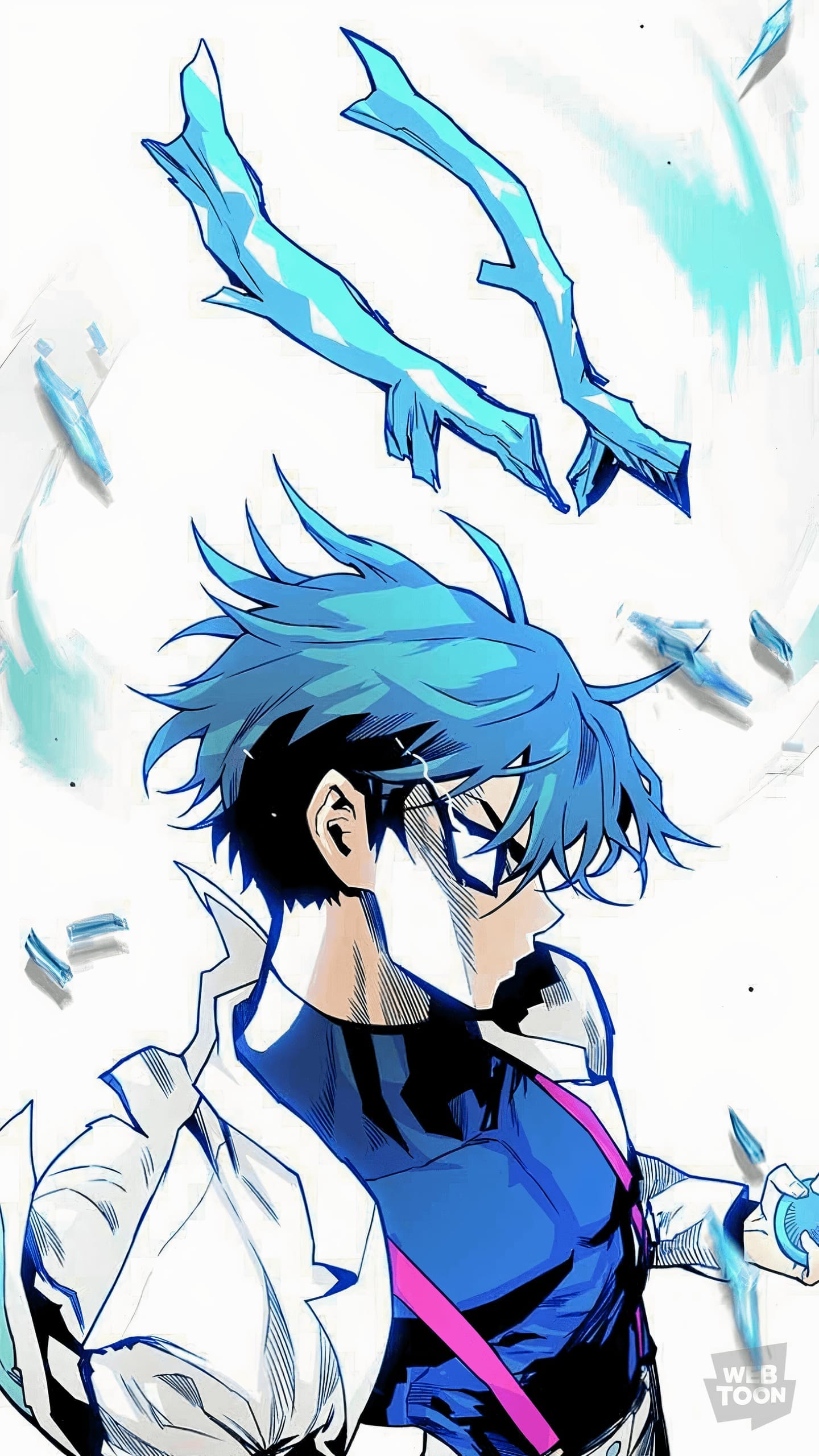
The flagship manhwa adaptation. A-1 Pictures’ production brought Sung Jin-woo’s hunter journey to animation with high production values. The series’ popularity demonstrates manhwa can anchor anime seasons.
Solo Leveling’s success will likely accelerate manhwa adaptation pipeline.
Tower of God
Crunchyroll’s early investment in manhwa adaptation. The complex world and long-running source create potential for extended anime series. Reception was mixed but demonstrated platform investment in the category.
The God of High School
MAPPA’s adaptation showcased action animation applied to manhwa source. The production was visually impressive though pacing compressed extensive source material.
Noblesse
Production I.G’s adaptation of the popular vampire manhwa. Mixed reception but continued trend of A-tier studios handling manhwa properties.
Adaptation Challenges
Format Translation
Webtoon’s vertical scroll format does not translate directly to animation. Action sequences designed for continuous scrolling must be reconceived for discrete scenes. Color palettes established in webtoon may shift in animation.
Length Management
Popular manhwa run hundreds of chapters. Compressing into anime seasons requires cuts that can frustrate source readers. The God of High School notably struggled with pacing issues from compression.
Cultural Translation
Korean cultural elements may confuse Japanese production teams or international audiences. Solo Leveling’s Korean setting required careful handling in Japanese animation production.
Art Style Differences
Manhwa art styles often differ from manga conventions. Translating these styles to anime while maintaining recognizability requires adaptation beyond simple animated recreation.
Industry Implications
Source Material Expansion
Anime studios historically relied primarily on Japanese manga, light novels, and games. Manhwa expands the source pool significantly, providing new properties to adapt when Japanese sources are unavailable or unsuitable.
Platform Investment
Crunchyroll, Netflix, and other streaming platforms invest in manhwa adaptation as differentiation strategy. Exclusive manhwa adaptations provide content competitors cannot match.
Korean Industry Development
Success of manhwa adaptations may encourage Korean animation industry development. Currently Japanese studios handle most adaptations; this could shift as Korean capabilities expand.
Audience Expectations
Manhwa readers have specific expectations from adaptations. Meeting these expectations while appealing to broader anime audiences creates production tension.
Notable Upcoming Adaptations
The Beginning After the End
Reincarnation fantasy with established international readership. Adaptation could reach Solo Leveling-level interest if executed well.
Omniscient Reader’s Viewpoint
Meta-narrative about someone who read the novel of the world they inhabit. Complex premise with devoted fanbase.
Return of the Mount Hua Sect
Martial arts manhwa with traditional cultivation fantasy elements. Potential for action-focused adaptation.
Quality Variance
High Production Examples
Solo Leveling demonstrates that manhwa adaptations can receive AAA anime production. A-1 Pictures invested appropriately in the property.
Rushed Productions
Not all manhwa adaptations receive equal treatment. Some suffer from compressed schedules, limited budgets, or mismatched studios. The source material’s quality cannot compensate for production shortcomings.
Studio Selection Importance
Which studio handles manhwa adaptation significantly affects outcome. MAPPA brought visual excellence to God of High School; another studio might have produced lesser results.
The Future
Continued Growth
Manhwa adaptations will likely increase as successes prove the model. Investment in the category encourages more adaptation announcements.
Quality Improvement
As studios gain experience with manhwa source material, adaptation quality should improve. Early experiments teach lessons applied to later productions.
Korean Animation Development
Eventually Korean studios may handle their own manhwa adaptations, keeping production domestic. This development timeline remains uncertain.
Genre Diversification
Current manhwa adaptations focus on action and fantasy. Romance, drama, and slice of life manhwa may receive adaptation attention as the category matures.
The Verdict
Manhwa adaptations represent significant expansion of anime’s source material base. The trend benefits viewers through more content and creators through expanded audiences.
Quality varies as with any adaptation category. The best manhwa adaptations match or exceed manga adaptation quality; the worst suffer from the same production and pacing issues any adaptation can face.
Watch manhwa adaptations with appropriate expectations—neither assuming quality nor dismissing potential. The category is new enough that each production helps establish what manhwa-to-anime can achieve.
You Might Also Like
- Frieren Power System Explained: Magic, Demons, and Mana
- Frieren Power System Explained: Magic, Demons, and Mana
- Manga vs Anime: When to Read vs Watch