Reiner Braun: The Tragic Warrior Analysis
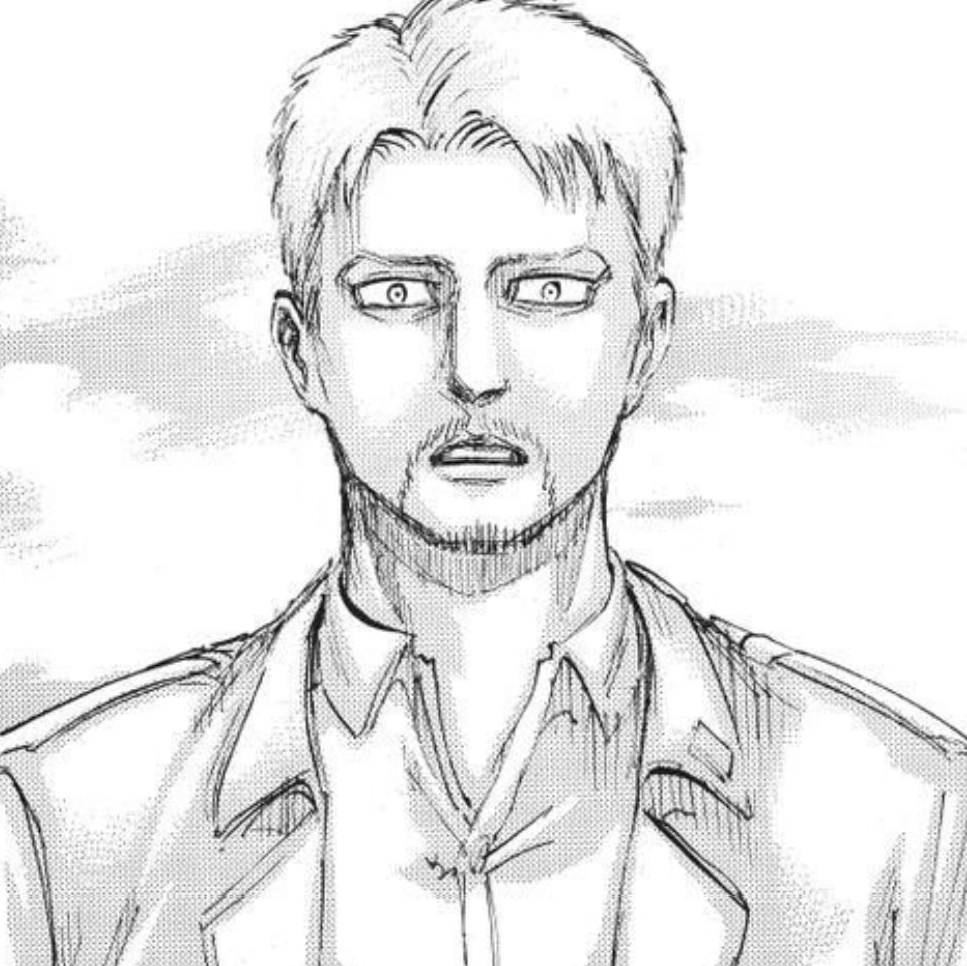
Attack on Titan has no shortage of morally complex characters, but none embody the series’ themes more completely than Reiner Braun. He’s the traitor who genuinely loved the people he betrayed. The soldier who committed atrocities while hating himself for them. The warrior who spent years wanting to die while fighting desperately to survive.
Reiner’s journey from the most hated character in Attack on Titan to its most sympathetic represents masterful storytelling. Understanding him means understanding Attack on Titan itself—a story about how systems create monsters from children, how propaganda shapes reality, and how people survive unforgivable sins.
⚠️ Spoiler Warning: This article covers the entire Attack on Titan series, including the manga ending. Major spoilers throughout.
Background & Origins
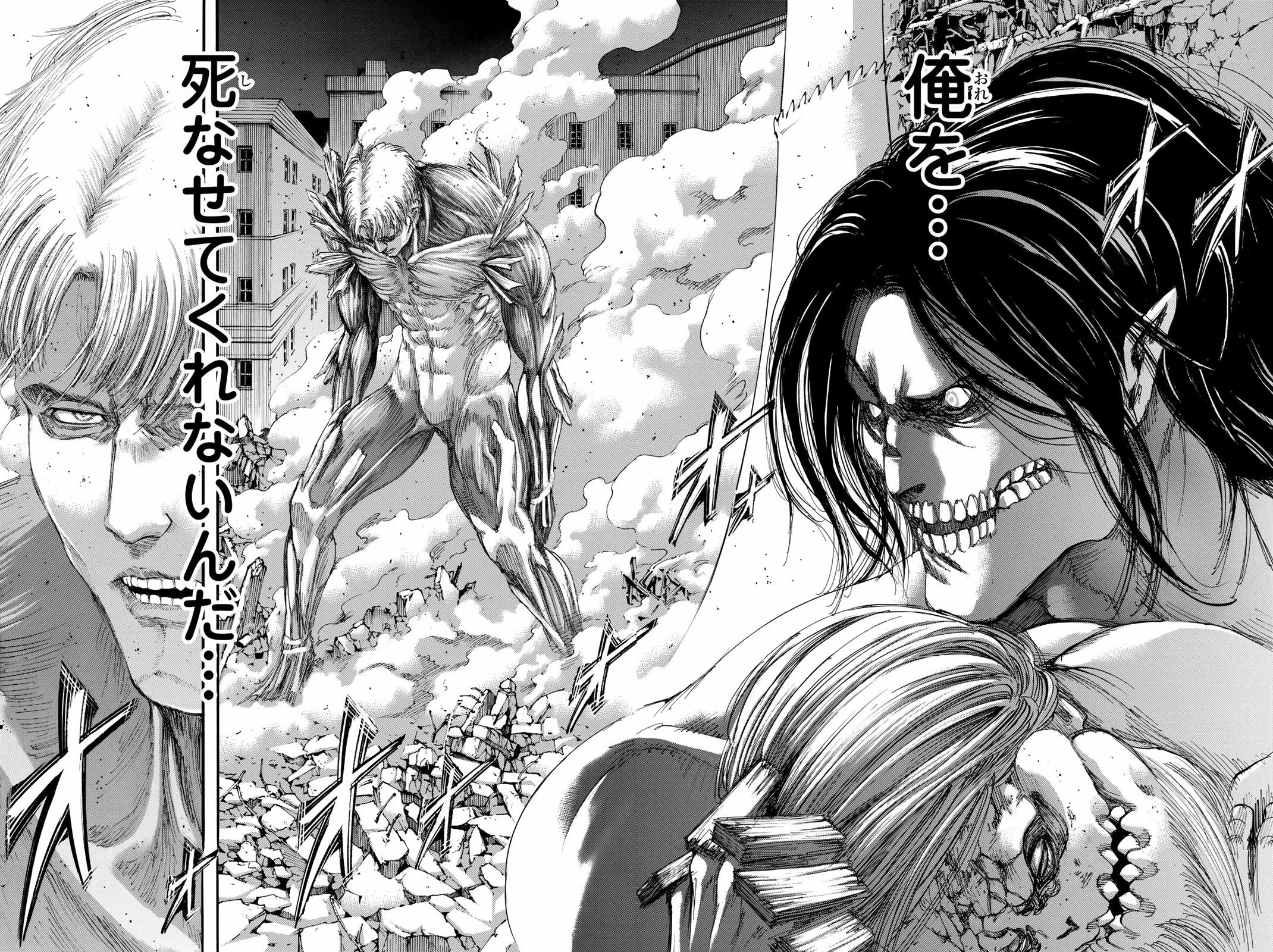
Reiner was born in Liberio, Marley’s internment zone for Eldians—the “devil’s race” blamed for ancient atrocities. As a child, he learned he was evil by blood, that his ancestors had committed genocide, and that the only path to redemption was service to Marley.
His motivation was painfully simple: Reiner wanted his Marleyan father to acknowledge him. If he became a Warrior—inheriting one of the Nine Titans—his family would become “Honorary Marleyans,” and maybe his father would finally love him.
He wasn’t the most talented candidate. Reiner’s determination exceeded his ability, but he possessed something the program valued: absolute loyalty. He believed Marley’s propaganda completely. The island Eldians weren’t people to him—they were devils who needed elimination for world peace.
At twelve years old, Reiner was chosen to inherit the Armored Titan and lead the mission to Paradis Island.
The Warriors’ Mission
The operation seemed simple: breach the walls, retrieve the Founding Titan, return as heroes. Reality proved devastating.
Reiner’s first trauma came before reaching the walls. Marcel, their team leader and Reiner’s friend, was eaten by Ymir’s mindless Titan while saving Reiner. Marcel’s death revealed he had sabotaged other candidates to ensure Reiner’s selection—making Reiner’s entire achievement a lie built on manipulation.
Already broken before the mission truly began, Reiner chose to continue. Annie wanted to abandon the operation. Bertholdt couldn’t decide. Reiner made the call that would define everything: they would complete the mission, no matter what.
The wall breach killed hundreds of thousands. Reiner watched refugees stream past, knowing he’d created every orphan, every corpse, every screaming child. These weren’t devils—they were people. And he’d killed them anyway.
The Split Identity
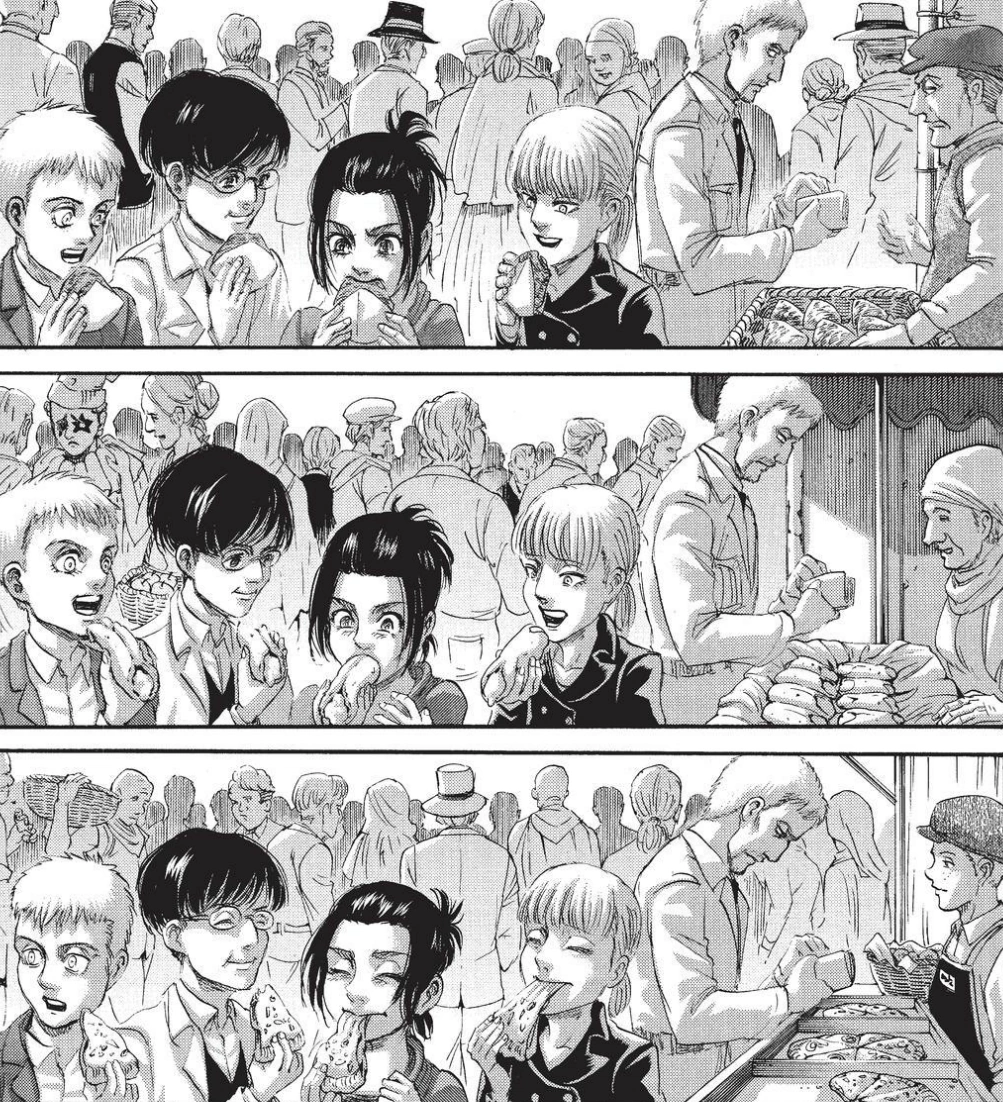
To survive psychologically, Reiner’s mind fractured. He developed two distinct personalities:
The Warrior: Cold, mission-focused, remembering his purpose. This Reiner viewed Paradis Eldians as enemies deserving death.
The Soldier: Genuine, caring, protective. This Reiner loved his comrades—Eren, Armin, Mikasa, Connie, everyone. He wanted to be the big brother figure, the reliable friend, the hero.
For five years, these personalities coexisted. Reiner would genuinely risk his life protecting people he was plotting to kill. He felt authentic friendship while concealing mass murder. The contradiction was unsustainable.
“I’m not even sure anymore… which one is the real me.”
This dissociative identity wasn’t weakness—it was survival. Reiner’s mind protected itself by separating incompatible truths. The soldier could exist only by denying the warrior’s presence.
The Revelation
When Reiner revealed himself as the Armored Titan—blurting it casually to Eren in one of anime’s most shocking scenes—he wasn’t making a tactical decision. He was breaking down.
“I’ve been here too long for my own good… three years of this… it was enough to drive a guy crazy.”
The confession was almost relieved. Maintaining dual identities had become unbearable. Some part of Reiner wanted to be stopped, punished, killed—anything to end the pretense.
The subsequent battle against his former friends showed both personalities fighting for dominance. Warrior-Reiner attacked efficiently. Soldier-Reiner hesitated at crucial moments. Neither could fully commit to destroying people the other half loved.
The Marley Arc: Full Tragedy Revealed
Returning to Marley after the failed mission completed Reiner’s psychological destruction. He’d killed countless people for nothing. Marcel was dead. Annie was crystallized. Bertholdt was eaten. The mission failed, and Reiner had to face families of the fallen, pretending to be a hero.
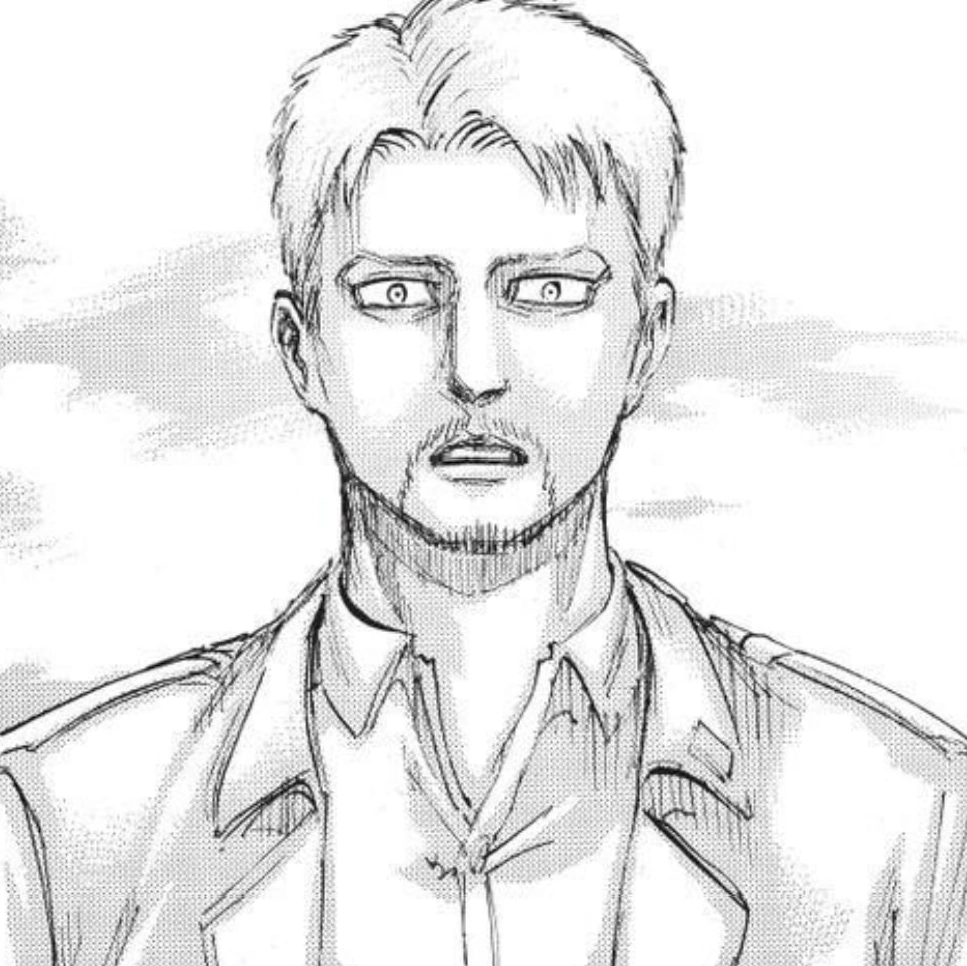
The attempted suicide scene crystallized everything. Reiner sat alone, gun barrel in his mouth, ready to end his unbearable existence. Only hearing his cousin Gabi’s voice stopped him—the reminder that someone still depended on him.
This wasn’t heroic recovery. Reiner didn’t want to live. He simply couldn’t die while others needed him. The same determination that drove him through the Paradis mission now forced him through each day.
Parallels with Eren
The Marley arc explicitly parallels Reiner and Eren. Both are child soldiers shaped by propaganda. Both committed atrocities believing they served righteous causes. Both destroyed innocent families to protect their own people.
When Eren infiltrated Marley and confronted Reiner, their conversation was devastating:
“Why did my mother have to be eaten by a Titan?”
“I’m sorry… I was just a kid. I didn’t know anything.”
“I know. We’re the same, Reiner.”
This absolution came from the victim to his tormentor—and it meant nothing. Understanding doesn’t undo the dead. Shared trauma doesn’t repair caused trauma. Reiner and Eren understood each other perfectly, and it changed nothing about what they’d done.
The Final Battle
During the Rumbling—Eren’s apocalyptic march to destroy all life outside Paradis—Reiner finally found purpose. He would stop the very genocide he’d inspired. The Armored Titan, once a tool of oppression, became humanity’s defender.
The fight against Eren’s Founding Titan brought Reiner something he’d never had: moral clarity. For the first time, his actions were unambiguously right. Protecting the world from extinction required no justification, no self-deception, no fractured identity.
“I don’t know what will happen after this… but I’m glad I got to fight alongside you.”
His fellow Warriors—once enemies who’d tried to kill each other—became brothers in arms. The violence that created them finally turned toward a cause worth dying for.
Character Analysis
The System’s Product
Reiner is what happens when children are weaponized by nations. Marley created him: selected young, trained to kill, propagandized until he couldn’t see enemies as human. Then they sent him to commit atrocities and expected him to return functional.
This isn’t excusing his choices—Reiner chose to continue the mission, chose to breach the walls, chose every subsequent action. But understanding how child soldiers are manufactured reveals that individual will operates within systemic pressure. Reiner had agency; his agency was systematically shaped toward destruction.
Survival Guilt
Reiner lives when others died. Marcel saved him and was eaten. Bertholdt followed his leadership and was killed. Annie listened to his decisions and was captured. Every survivor’s guilt imaginable accumulates on someone who also carries perpetrator’s guilt.
His continued existence feels like punishment. He wants death but can’t seek it—others depend on him. This prison of obligation keeps him moving forward through agony.
The Possibility of Living
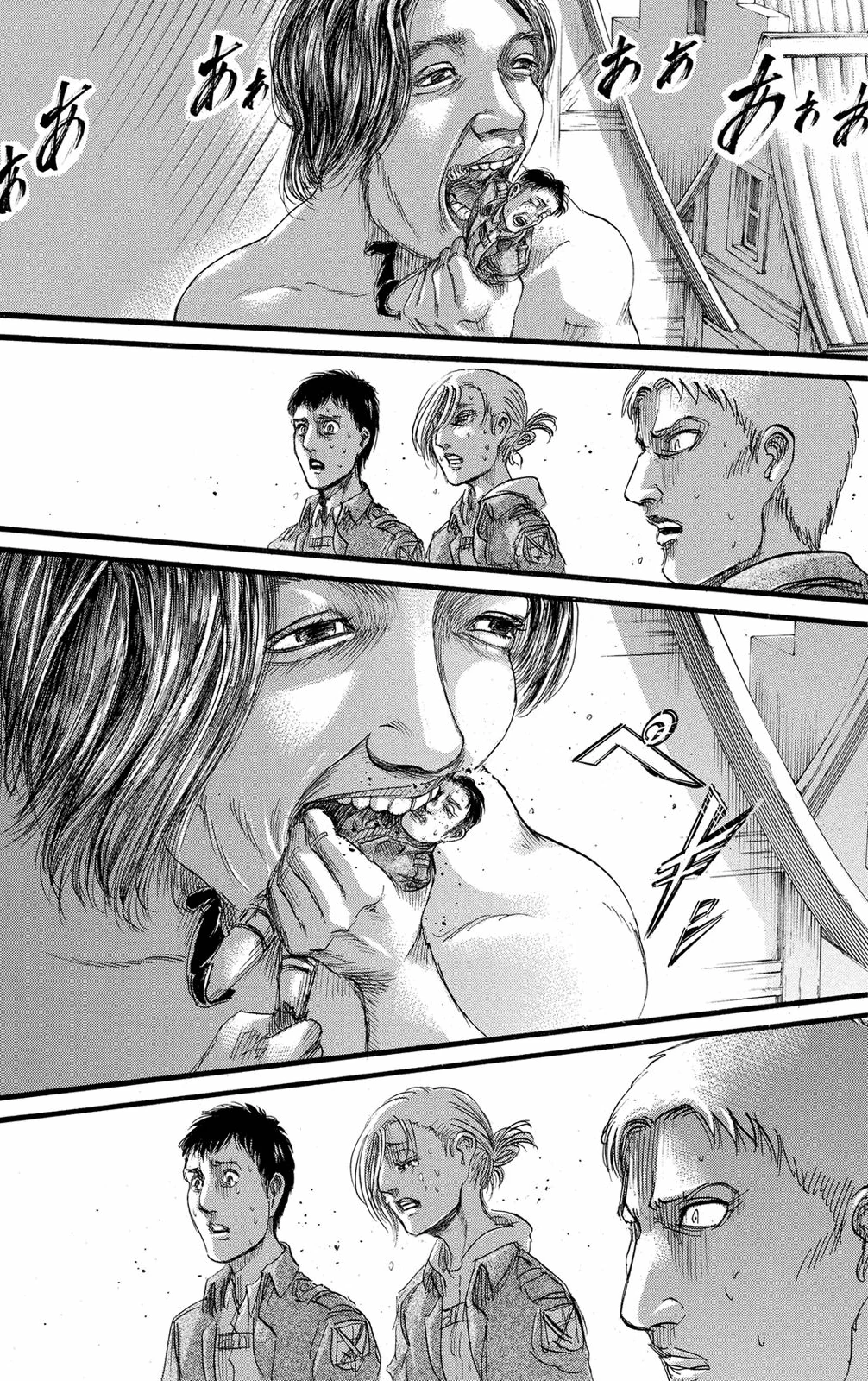
Attack on Titan’s ending offers Reiner something unexpected: a future. He survives the final battle. The world doesn’t forgive him—it barely survives him—but it continues. And somehow, so does he.
The final panels showing Reiner sniffing Historia’s letter (humorously creepy as it is) represent something profound: he’s alive. He’s feeling something other than despair. After everything, he still exists.
This isn’t redemption. Reiner can never undo what he did. But living with his sins, carrying their weight, continuing to function—that’s its own form of strength. Not every broken person gets pieced back together. Sometimes survival itself is the victory.
Legacy & Impact
Reiner Braun embodies Attack on Titan’s thesis that there are no pure villains or heroes—only people shaped by circumstances into terrible choices. His character forces audiences to confront uncomfortable empathy: understanding how someone becomes a monster while recognizing the monster’s genuine existence.
For fans experiencing Attack on Titan, our Attack on Titan Watch Order covers every season. Manga readers can explore the complete story on Amazon.
The Armored Titan who couldn’t protect himself. The soldier who loved the people he murdered. The child who wanted his father’s love and destroyed a civilization pursuing it.
Reiner Braun survives Attack on Titan—and survival, for someone who wanted only to die, is its own kind of ending.
Related: Attack on Titan Watch Order | Attack on Titan Ending Explained | Eren Yeager Character Analysis | Nine Titans Explained
You Might Also Like
- Attack on Titan Ending Explained: The Complete Breakdown
- Attack on Titan Ending Explained: The Complete Breakdown
- Levi Ackerman: Attack on Titan’s Humanity’s Strongest