Sequels in anime face unique challenges. Unlike Western TV where continuation is expected, anime often adapts incomplete source material, relies on production committees with shifting priorities, and contends with staff availability across years-long gaps. Understanding why anime sequels succeed or fail helps manage expectations and appreciate the good ones.
 naruto-anime-1771366916.webp” alt=”Naruto Uzumaki”>
Why Sequels Are Hard
The Production Committee Problem
Anime is funded by committees—coalitions of investors who must agree on sequel production. Committee members change between seasons; priorities shift. A successful first season does not guarantee sequel funding if committee composition or interests change.
This explains why popular shows sometimes never continue: the business equation changed even if audience demand remains.
Staff Turnover
Years pass between anime seasons. Directors move to other projects; key animators join different studios; writers become unavailable. Recreating the team that made the original work successfully is often impossible.
Staff changes affect continuity in subtle ways: different direction philosophy, altered visual style, changed pacing preferences. Even faithful adaptations feel different when different people make them.
Source Material Challenges
Many anime adapt ongoing manga or light novels. If source material quality declines, anime adapting it inherits those problems. Sequels sometimes arrive when the source has weakened, making the new season disappointing regardless of adaptation quality.
Types of Sequel Problems
The Rushing Problem
Tokyo Ghoul:re compressed hundreds of manga chapters into inadequate episode counts. The Promised Neverland Season 2 skipped entire arcs. When sequels rush through content, comprehension suffers and emotional impact disappears.
This usually results from business decisions (limited episode orders, budget constraints) rather than creative choices. The solution—more episodes—requires investment that committees sometimes will not provide.
The Filler Problem
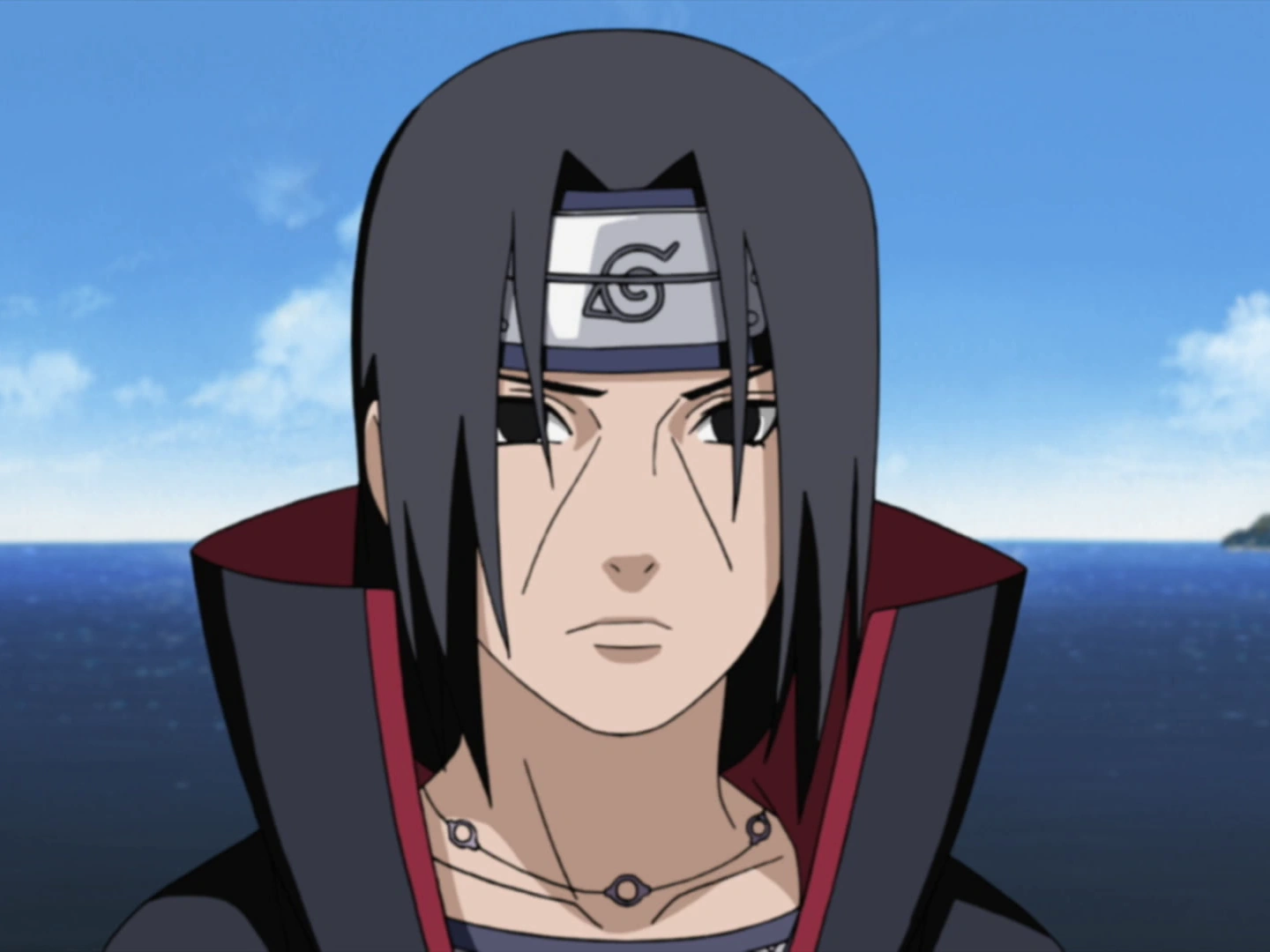
Older long-running anime (Naruto, Bleach pre-hiatus) inserted filler to avoid catching up to manga. While sometimes entertaining, filler disrupts narrative momentum and dilutes overall quality. Modern seasonal production models largely solve this but create different problems.
The Studio Change Problem
When studios change between seasons (One Punch Man going from Madhouse to J.C. Staff, for example), visual quality and directorial approach can shift dramatically. Even if the new studio is competent, differences from the original alienate viewers.
The Quality Decline Problem
Animation quality sometimes drops in later seasons. Studio schedules tighten; key staff leave; budgets constrain. Series that looked spectacular early can become average-looking over time.
Successful Sequel Examples
Attack on Titan
Attack on Titan maintained quality across four seasons and production studios (WIT to MAPPA). The transition was not seamless—visual style shifted—but narrative quality remained. Consistent source material quality and strong adaptation helped.
Demon Slayer
Ufotable’s continued involvement ensures visual consistency across seasons. Their production values actually increase as the series continues. This represents ideal sequel situation: same team, maintained quality, ongoing investment.
Mob Psycho 100
All three seasons maintained BONES’ exceptional animation and the manga’s heart. The complete adaptation demonstrated that commitment to quality across seasons is possible when stars align.
Haikyuu!!
Four seasons of consistent sports anime excellence. Production I.G’s continued involvement and the manga’s sustained quality created reliable sequel experience.
Failed Sequel Examples
One Punch Man Season 2
The studio change from Madhouse to J.C. Staff dramatically altered visual quality. Season 1’s legendary animation gave way to competent but unremarkable production. The story remained good; the presentation disappointed.
Seven Deadly Sins Later Seasons
Animation quality collapsed in later seasons. Studio Deen’s production struggled with action sequences, making the series’ fights—supposedly its highlight—nearly unwatchable at times.
The Promised Neverland Season 2
Skipping major manga arcs to rush toward an ending destroyed adaptation integrity. Even viewers unfamiliar with the manga found the pacing incoherent. This represents adaptation failure rather than quality decline—a choice to not adapt properly.
Managing Expectations
Research Before Watching
Check if sequel maintains studio and staff. Look at early reviews for quality assessments. Understanding what you’re getting into prevents disappointment.
Accept Differences
Sequels years later will feel different. Staff changes, evolved industry standards, and your own changed tastes contribute. Expecting exact replication sets up disappointment.
Judge Fairly
Compare sequels to reasonable standards, not idealized memories of the original. Nostalgia inflates original quality in memory; sequels get compared to unfair benchmarks.
The Streaming Era Impact
Faster Sequels
Global streaming revenue incentivizes faster sequel production. Popular series receive continuation announcements quickly. This addresses the long gap problem while creating potential rushing problems.
More Sequels Overall
Streaming platform demand means more anime gets continued than in physical media eras. Series that might have been abandoned get chances at completion.
Quality Pressure
Tight production schedules threaten quality. The industry’s capacity to produce anime is stretched; this affects sequel production as much as new series.
The Reality
Most anime sequels are adequate—neither spectacular nor disastrous. They continue stories competently without matching original highs. This is fine. Expecting every sequel to be exceptional sets unrealistic standards.
The exceptional sequels (Attack on Titan, Mob Psycho 100) deserve appreciation precisely because maintaining quality is difficult. The poor sequels deserve understanding of what went wrong systemically, not just criticism.
Approach sequels with reasonable expectations, appreciation for the difficulties involved, and willingness to judge them on their own terms. The good ones are worth celebrating; the bad ones are worth understanding.
You Might Also Like
- Attack on Titan Complete Watch Order 2026: From Walls to Freedom
- Attack on Titan Complete Watch Order 2026: From Walls to Freedom
- Manga vs Anime: When to Read vs Watch