For 800 chapters, Sanji existed in Luffy’s shadow. The cook. The ladies’ man. The third strongest Straw Hat (maybe). Whole Cake Island changed everything. This arc gave Sanji the character development he’d needed since Enies Lobby, confronting his past while defining his future. Here’s why WCI is essential to understanding Sanji—and One Piece itself.
The Setup: Sanji’s Departure
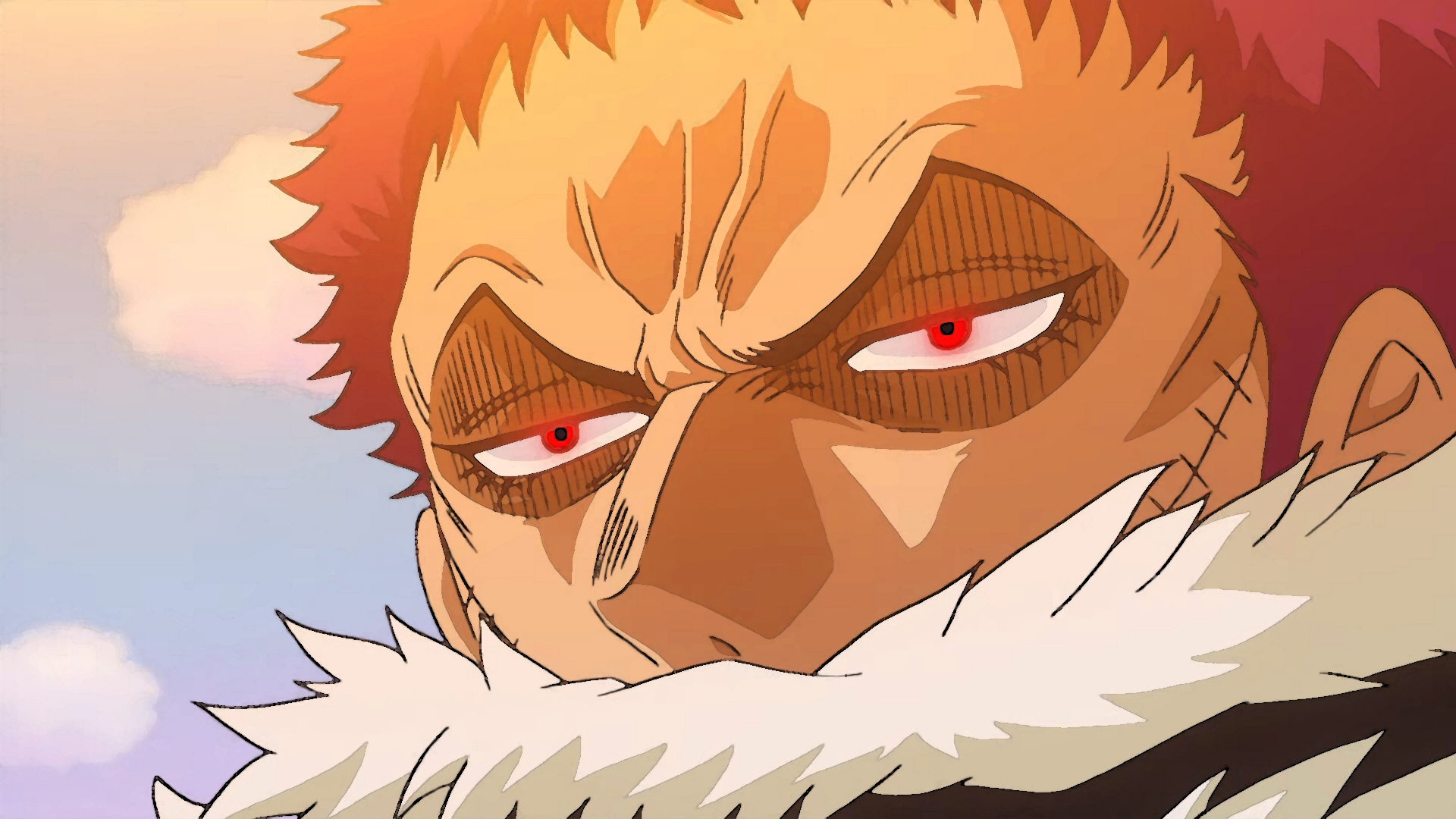
The Arranged Marriage
Big Mom wants an alliance with the Germa Kingdom—the scientifically advanced nation Sanji fled as a child. The marriage between Sanji and Pudding, Big Mom’s daughter, would seal this alliance. Sanji receives an invitation he can’t refuse: attend the wedding or his loved ones on the Baratie die.
Why Sanji Leaves
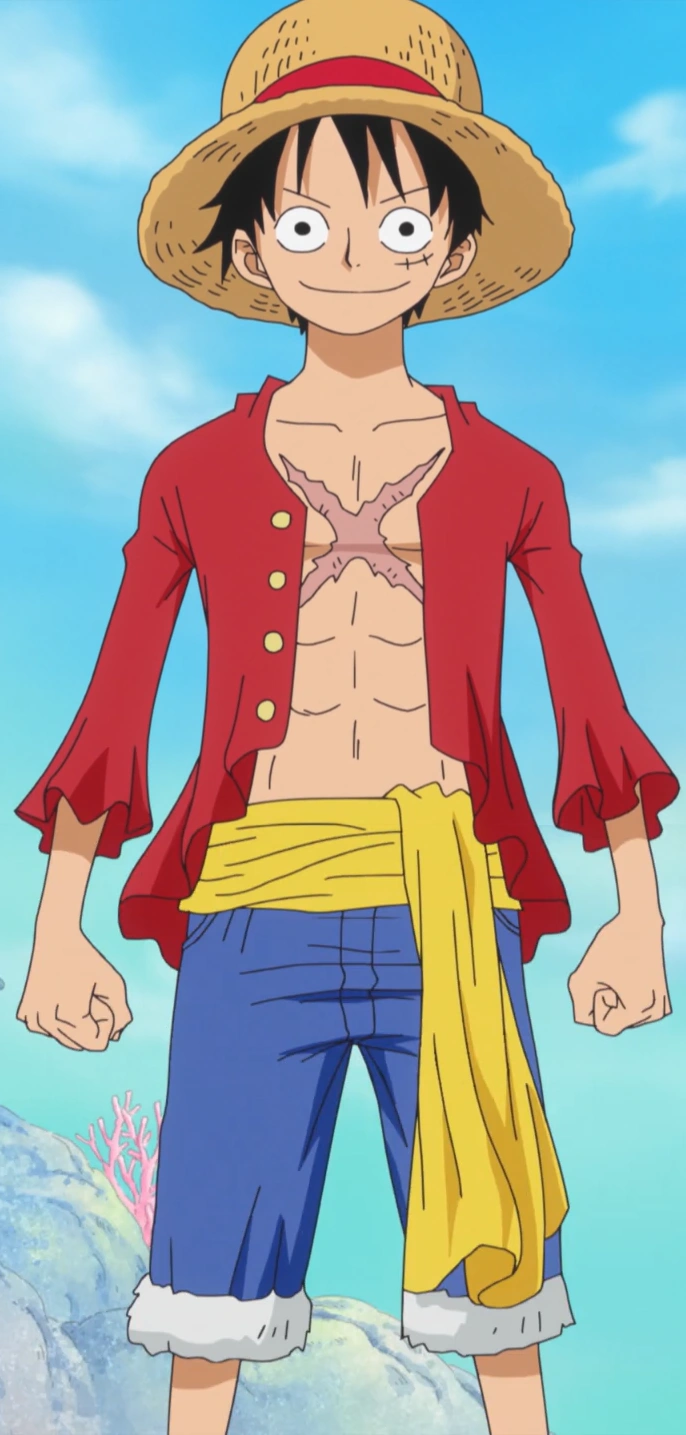
Sanji doesn’t just leave—he appears to betray. He kicks Luffy, declares he’s done with the crew, performs cruelty he doesn’t mean. His reasoning: protecting the crew by making them give up on him. Classic Sanji—self-sacrifice disguised as rejection.
The Chase
Luffy, Nami, Chopper, and Brook follow Sanji into Big Mom’s territory. The rescue mission becomes arc structure: infiltration, confrontation, escape. But the real story is Sanji’s psychology.
The Vinsmoke Family
Judge Vinsmoke
Sanji’s father wanted soldiers, not sons. He genetically modified his children into emotionless weapons. Sanji, the “failure” who retained emotions, was locked in a dungeon and written off as dead.
Judge represents everything Sanji hates: cruelty disguised as strength, dismissal of compassion as weakness. Their confrontation forces Sanji to articulate what he believes against everything he was raised to be.
The Siblings
Ichiji, Niji, and Yonji are the “successful” experiments—enhanced humans without empathy. They bully Sanji as adults just as they did as children. Reiju, the eldest, secretly retains some emotion and helped young Sanji escape.
The siblings represent paths Sanji avoided. He could have been them—emotionless weapon serving his father’s ambitions. Every interaction reminds him why he left and why he can never return.
Pudding: Love and Betrayal
The Deception
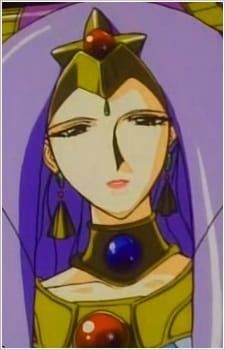
Pudding isn’t victim—she’s assassin. Big Mom’s plan requires killing the Vinsmokes at the wedding, with Pudding executing Sanji personally. Her sweetness is performance; her cruelty is trained.
The Third Eye
Pudding hides a third eye—mark of the Three-Eye Tribe. She’s been mocked for this “ugliness” her entire life, including by Big Mom. Her hatred comes from pain; her cruelty is defensive.
Sanji’s Kindness
When Pudding reveals her third eye to mock Sanji’s fear, he calls it beautiful. This isn’t manipulation—Sanji genuinely finds her fascinating. His honest kindness breaks through years of Pudding’s protective cruelty.
This moment exemplifies Sanji’s character: genuine kindness that transforms others. His “weakness”—caring about people—becomes his greatest strength.
Luffy’s Wait
The Rain Scene
After Sanji attacks him, Luffy declares he’ll wait at this spot and won’t eat until Sanji returns. He’ll starve if necessary—because Sanji is his cook and nothing Sanji says will make him believe the rejection is real.
This scene defines their relationship: Luffy’s absolute faith versus Sanji’s self-destructive sacrifice. Luffy refuses to give up because giving up on Sanji would mean Sanji’s protection worked. And Luffy won’t let Sanji protect him at the cost of Sanji’s happiness.
The Bento
Sanji brings Luffy food—even while “betraying” him, he can’t let his captain starve. His identity as cook overrides his performance as enemy. The bento scene, with Luffy declaring the food delicious while crying, is One Piece’s emotional peak.
Sanji’s Character Development
Confronting the Past
Sanji faces everything he ran from: his family, his heritage, his “failure” status. The arc forces him to process childhood trauma he’d buried under Baratie’s kitchen and Straw Hat adventures.
Choosing His Family
When offered return to biological family with status and power, Sanji chooses the Straw Hats. “The blood that runs through my veins is the blood of the Baratie.” He explicitly rejects Germa’s definition of family for his chosen one.
Remaining Kind
Despite everything the Vinsmokes do to him, Sanji saves them during Big Mom’s betrayal. This isn’t forgiveness—it’s refusal to become them. Sanji saves people. That’s who he is. Abandoning his family to death would mean they succeeded in changing him.
Big Mom as Antagonist
Overwhelming Threat
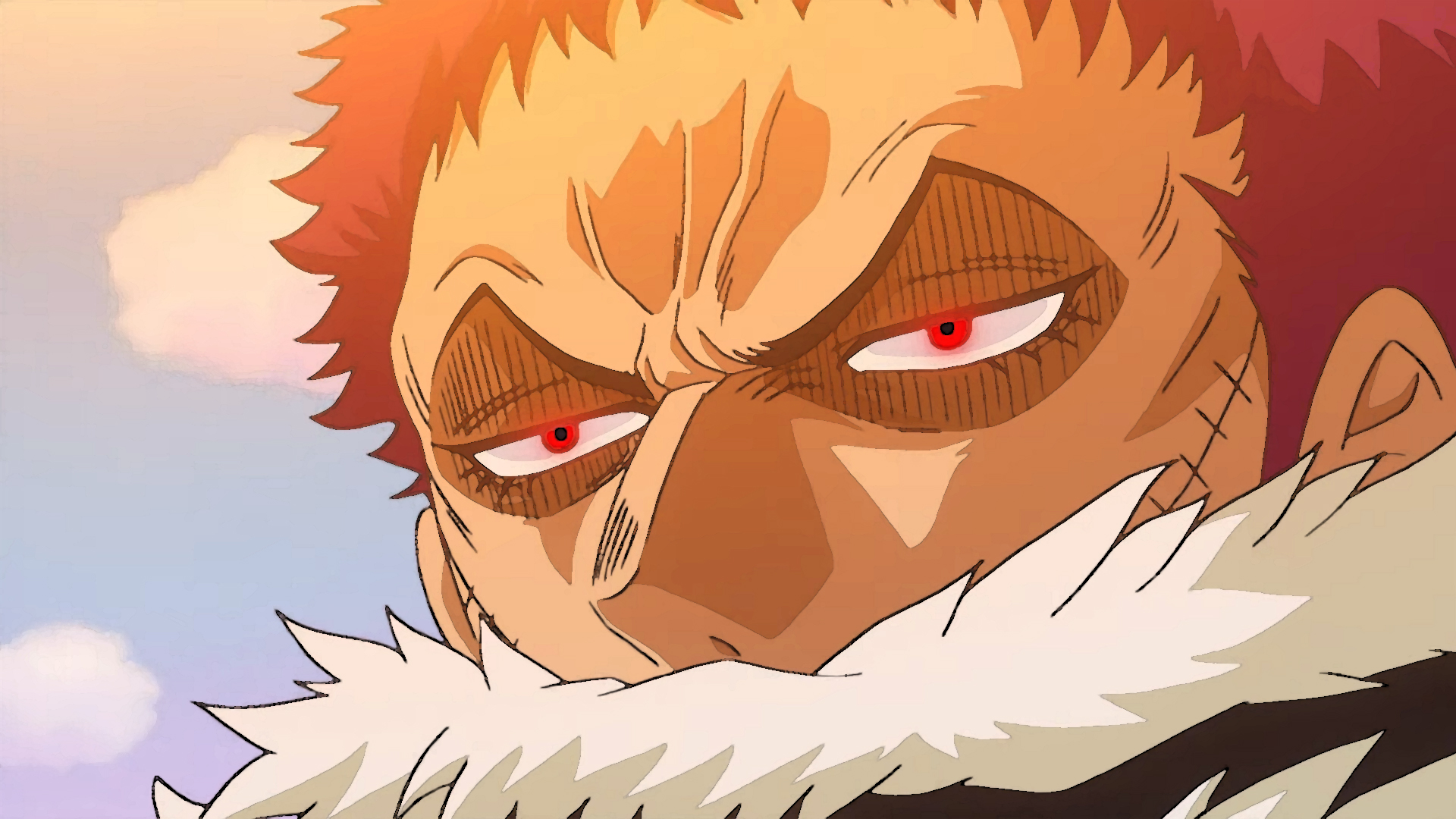
Big Mom is genuinely terrifying. Her power is beyond current Straw Hat capability. The arc isn’t about defeating her—it’s about surviving her. This vulnerability is rare for Luffy and creates genuine tension.
The Road Poneglyph
Beyond Sanji rescue, the crew copies Big Mom’s Road Poneglyph—essential for finding Raftel. The mission accomplishes strategic goals while remaining emotionally focused.
Why WCI Matters
Finally, Sanji’s Arc
After Zoro’s Nothing Happened, Robin’s Enies Lobby, Nami’s Arlong Park—everyone had their defining moment except Sanji. WCI delivers what was owed: exploration of who Sanji is and why he matters.
Themes of Family
One Piece consistently argues chosen family matters more than blood. WCI makes this explicit through Sanji’s choice. The Straw Hats aren’t crew—they’re family, and family comes to get you when you run.
Setup for Wano
WCI provides necessary preparation for Wano: the Road Poneglyph, alliance implications, and character development that pays off later. It’s transitional arc that succeeds on its own terms.
The Verdict
Whole Cake Island gives Sanji the spotlight he deserved for decades. The arc proves that even 800 chapters in, One Piece can still develop characters in meaningful ways. Sanji enters WCI as Straw Hat cook; he leaves as Sanji Vinsmoke, who chose to be Sanji of the Straw Hat Pirates.
That choice—and everything leading to it—makes WCI essential One Piece storytelling.
You Might Also Like
- Sanji: One Piece’s Gentleman Cook
- One Piece Wano Country Arc: Complete Review
- Boa Hancock: One Piece’s Pirate Empress