
The Marineford War stands as One Piece’s defining moment—the arc that transformed Eiichiro Oda’s pirate adventure into undeniable masterpiece territory. Across 33 episodes, everything the series built over 450 episodes converged in devastating fashion. Here’s why Marineford remains anime’s greatest war arc and what makes it “peak fiction.”
The Setup: Why Marineford Hits Different
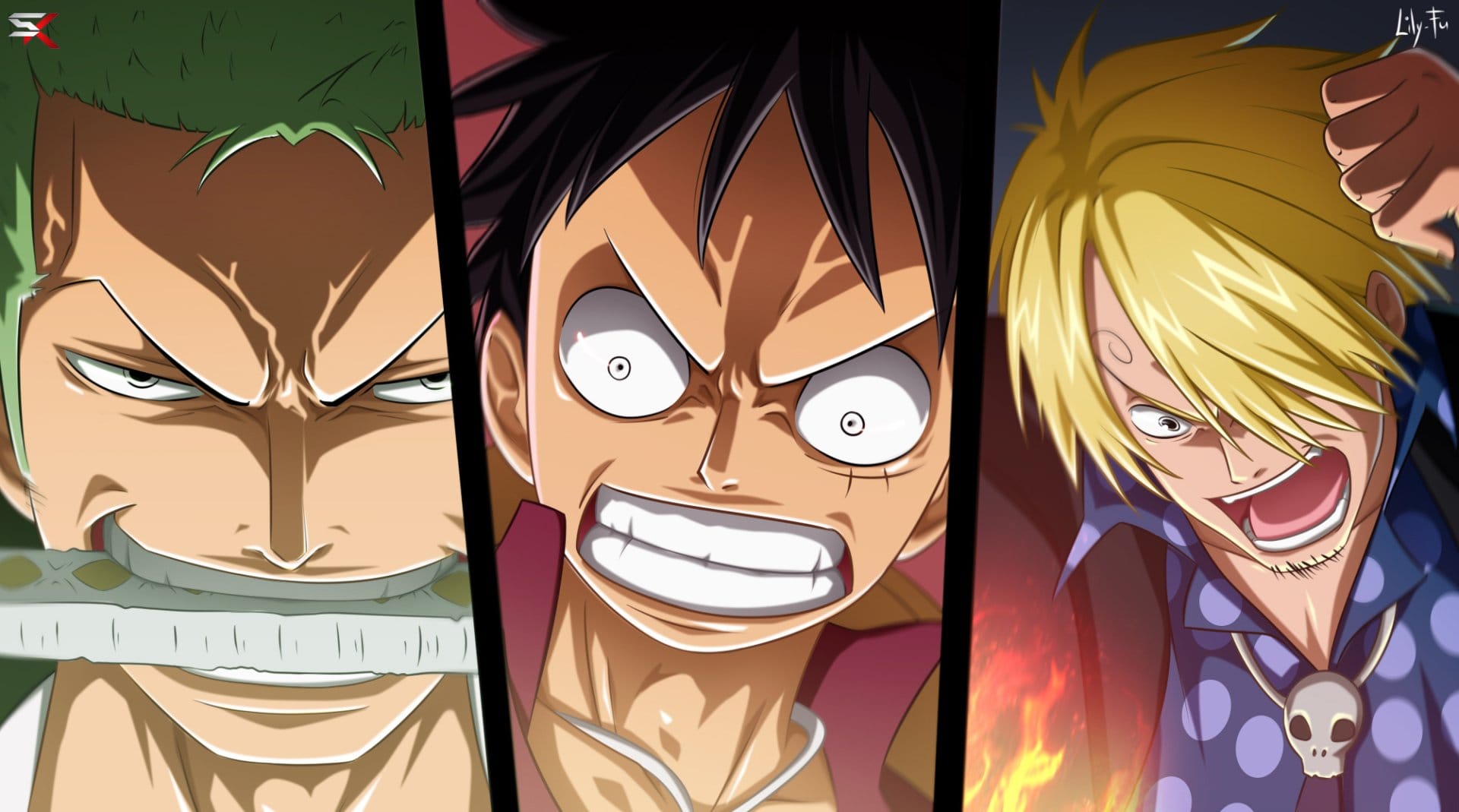
Marineford works because of investment. When Portgas D. Ace faces execution, viewers have spent 450 episodes learning why he matters—to Luffy, to Whitebeard, to the entire pirate world. His capture during the Sabaody Archipelago arc creates momentum that carries through Impel Down and explodes at Marine Headquarters.
The stakes are established perfectly: execute Ace and demonstrate Marine dominance, or fail and prove piracy cannot be suppressed. Every major power faction has reasons to fight—Whitebeard’s paternal love for his “son,” Sengoku’s duty to justice, the Warlords’ varied motivations, and Luffy’s desperate fraternal devotion.
Compare this to war arcs that simply announce “this battle matters.” Marineford earned its emotional weight through hundreds of episodes of relationship-building. When Whitebeard calls Ace his son, we understand what that means because we’ve watched their dynamic develop.
The Scale: Every Legend Appears
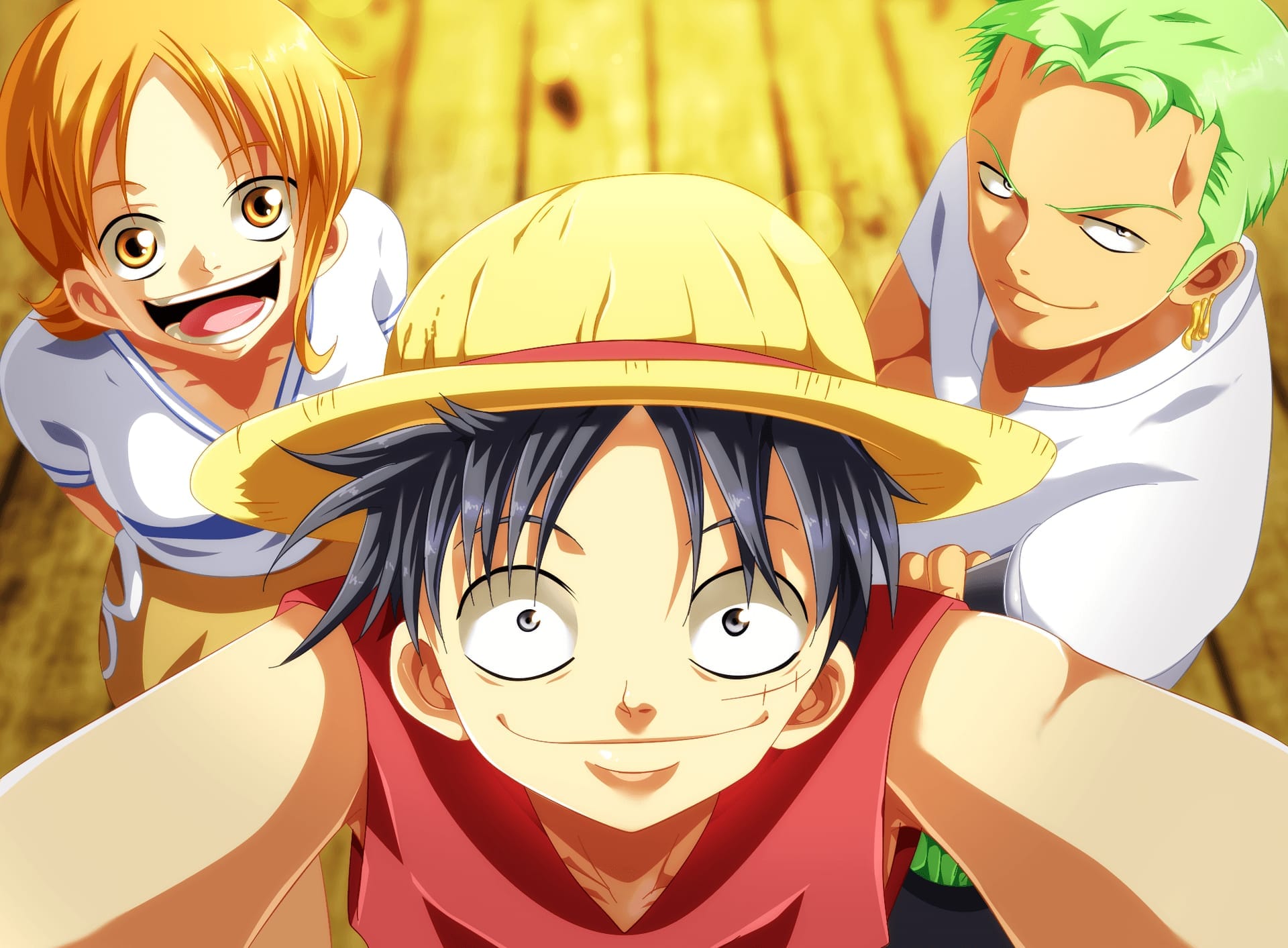
Marineford assembles One Piece’s complete power structure in one location. The Three Admirals—Akainu, Kizaru, Aokiji—demonstrate abilities that dwarf anything seen before. The Seven Warlords—Mihawk, Hancock, Doflamingo, Kuma, Moria—each contribute memorable moments. The Whitebeard Pirates’ division commanders showcase why this crew ruled the seas.
And then there’s Whitebeard himself. Edward Newgate, the “Strongest Man in the World,” finally fights at full power. His Gura Gura no Mi (Tremor-Tremor Fruit) can destroy the world itself—and he demonstrates this capability repeatedly. When Whitebeard tilts the ocean, creating tsunamis massive enough to dwarf battleships, the series establishes power levels that recontextualize everything before.
The Marine forces match this power. Sengoku’s Buddha transformation, Garp’s reluctant strength, and the Admiral trio create genuine uncertainty about outcomes. Neither side obviously outclasses the other, maintaining tension throughout the war’s duration.
Luffy’s Desperate Charge
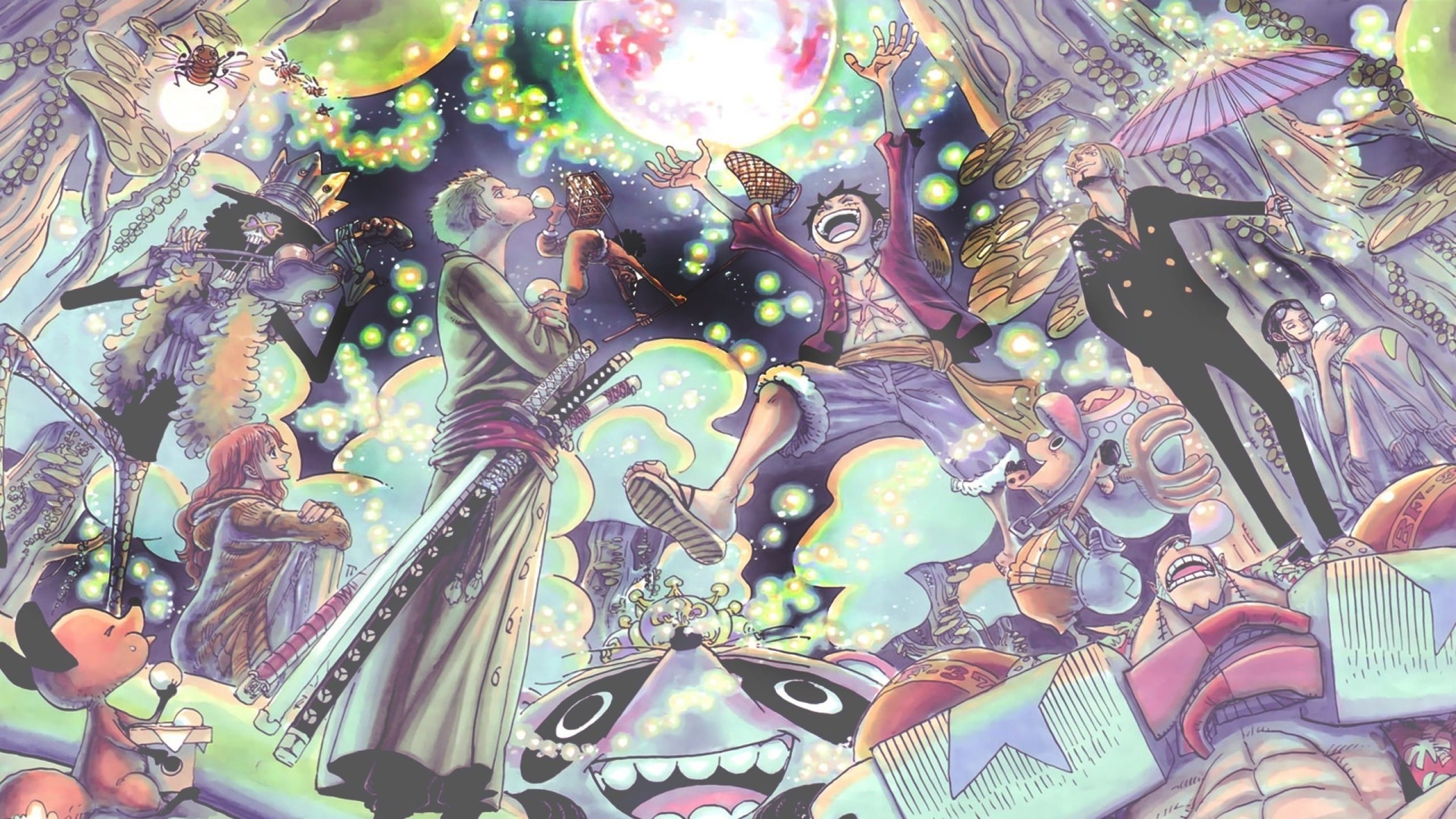
Luffy arrives at Marineford impossibly outclassed. He’s a rookie pirate facing Admirals and Warlords, with no business being on this battlefield. Yet his determination—breaking out of Impel Down, recruiting unlikely allies, charging through Marine defenses—creates the arc’s emotional through-line.
His Conqueror’s Haki awakening at Marineford changes everything. When Luffy unconsciously unleashes king’s spirit, knocking out thousands of Marines, the series reveals he’s more than determination—he’s destiny. The admirals’ recognition of his potential adds weight to what follows.
Ivankov, Crocodile, Buggy, Jinbe—Luffy’s impromptu alliance demonstrates his unique ability to turn enemies into allies. The same crew that fought him at Impel Down now protects him at Marineford. This pattern, repeated throughout One Piece, reaches its purest form here.
The Deaths That Mattered
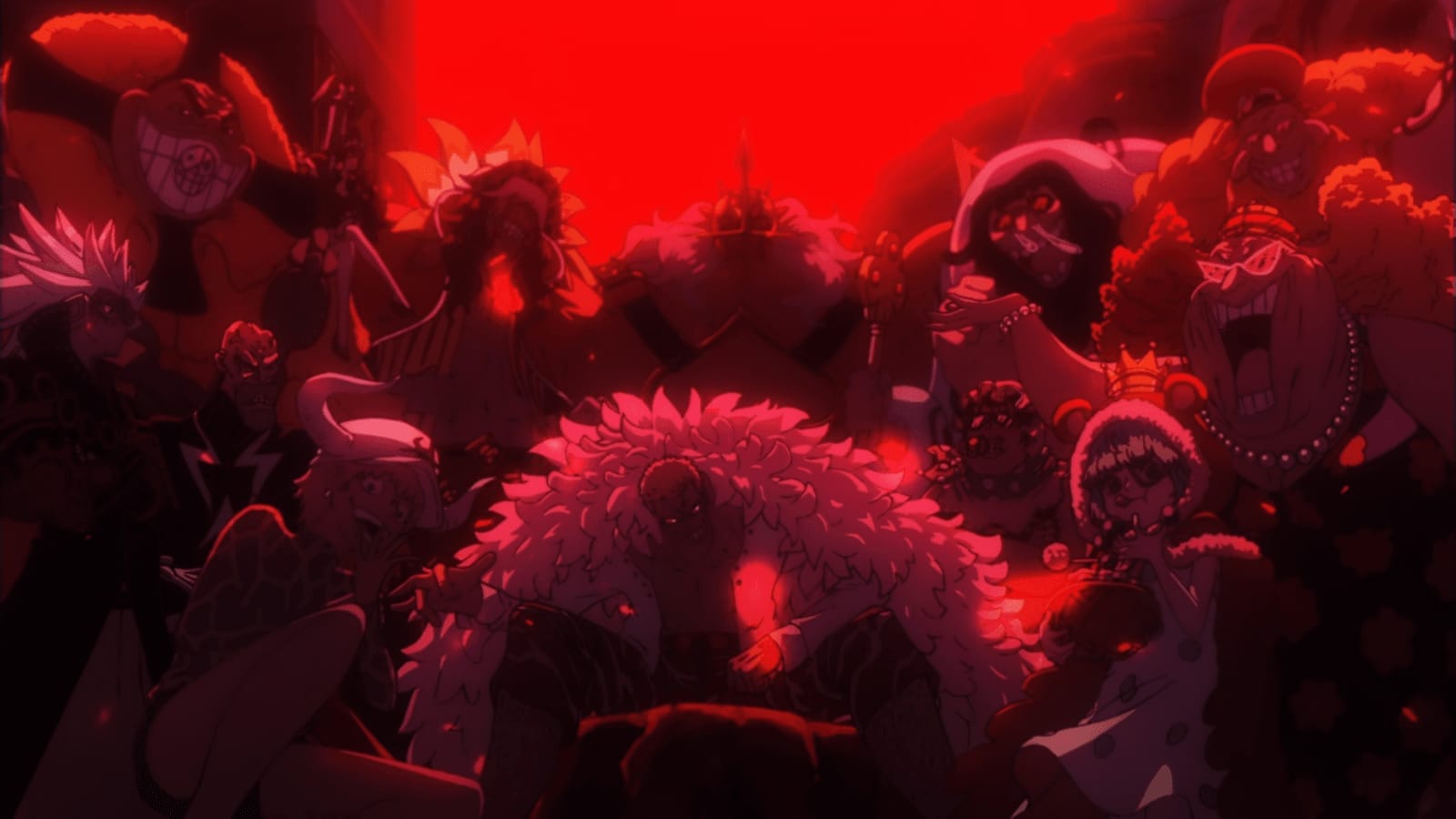
One Piece rarely kills characters—a deliberate choice that makes actual deaths devastating. Marineford breaks this pattern twice, creating the series’ most traumatic moments.
Ace’s death destroys viewers who’ve followed his journey from Alabasta’s introduction through Impel Down’s desperation. He dies protecting Luffy from Akainu’s magma fist, fulfilling his fear of being unwanted by choosing family over survival. His final words—thanking those who loved him—devastate because Ace’s entire arc centered on whether he deserved to exist. He dies knowing he did.
Whitebeard’s death ends an era. He absorbs hundreds of attacks, half his face destroyed by Akainu, pierced by swords and bullets—yet dies standing, defiant until the end. His final declaration that One Piece exists launches the new pirate age. The “Strongest Man” proves his title not through victory but through magnificent defeat.
These deaths earn their impact through investment and permanence. Neither Ace nor Whitebeard returns through convenient revival. The story respects their sacrifices by making them matter permanently.
Shanks Ends the War
Red-Haired Shanks’s arrival demonstrates ultimate authority. He stops Akainu’s attack with a single arm, challenges the entire war to continue, and receives immediate ceasefire. After 500 episodes of hearing Shanks referenced as legendary, we see why—a man whose presence alone ends the greatest conflict in Marine history.
His protection of Ace and Whitebeard’s bodies, ensuring proper burial, shows respect between pirates transcending faction. Shanks recognizes what Whitebeard accomplished and prevents desecration by opportunistic Marines. This act establishes honor codes within the pirate world.
Aftermath: The New Era
Marineford’s consequences reshape One Piece’s entire world. The power vacuum from Whitebeard’s death creates territorial wars. Blackbeard’s theft of the Gura Gura fruit establishes him as primary antagonist. Luffy’s two-year training arc stems directly from recognizing his inadequacy at Marineford.
The “Worst Generation” rises to prominence post-Marineford, with rookie pirates seizing opportunities the war created. Territories previously under Whitebeard’s protection become contested. The balance between Marines, Warlords, and Emperors shifts permanently.
For Luffy specifically, Marineford represents transformative trauma. The cheerful protagonist who never failed to save his crew failed to save his brother. His subsequent isolation and breakdown, followed by two years of dedicated training, show genuine character development beyond power-ups.
Why “Peak Fiction” Applies
Marineford earns the “peak fiction” designation through convergence—everything One Piece built over ten years paying off simultaneously. Character relationships, power systems, world-building, and thematic concerns all climax in 33 episodes of sustained excellence.
The arc trusts its audience. It doesn’t re-explain who Whitebeard is or why Ace matters—it assumes you’ve followed the journey. This trust creates density; every scene carries implications that reward long-term investment.
Animation and direction match the material. Toei’s production, while inconsistent elsewhere, delivers at Marineford. Whitebeard’s quake attacks, Ace’s fire abilities, Admiral clashes—the visual spectacle matches narrative weight.
Pacing maintains momentum despite episode count. Unlike some One Piece arcs that drag, Marineford moves relentlessly forward. Each episode advances the war’s progress while delivering character moments and combat spectacle.
The Legacy
Every One Piece arc after Marineford references it. Characters measure themselves against Marineford’s combatants. Power levels are contextualized by who performed well at the war. The event becomes the series’ central historical moment, dividing timeline into before and after.
For anime as a medium, Marineford demonstrates what investment enables. Wars in shows without One Piece’s episode count can’t achieve this impact—they haven’t earned the emotional connections. Marineford proves that length, used purposefully, creates narrative possibilities unavailable to shorter series.
Whether you’re caught up with One Piece or considering starting, Marineford represents the destination that justifies the journey. Four hundred fifty episodes lead to thirty-three that redefine what anime can achieve. That’s why it’s peak fiction—it reaches heights only possible through everything that came before.