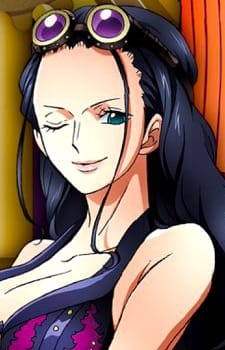
Nico Robin carries One Piece’s heaviest emotional burden—the sole survivor of a government-ordered genocide, wanted since age eight, unable to trust anyone for twenty years. Her Enies Lobby breakdown, screaming “I WANT TO LIVE!”, represents the series’ emotional peak. Here’s the complete story of One Piece’s most heartbreaking character.
The Ohara Incident: Childhood Erased
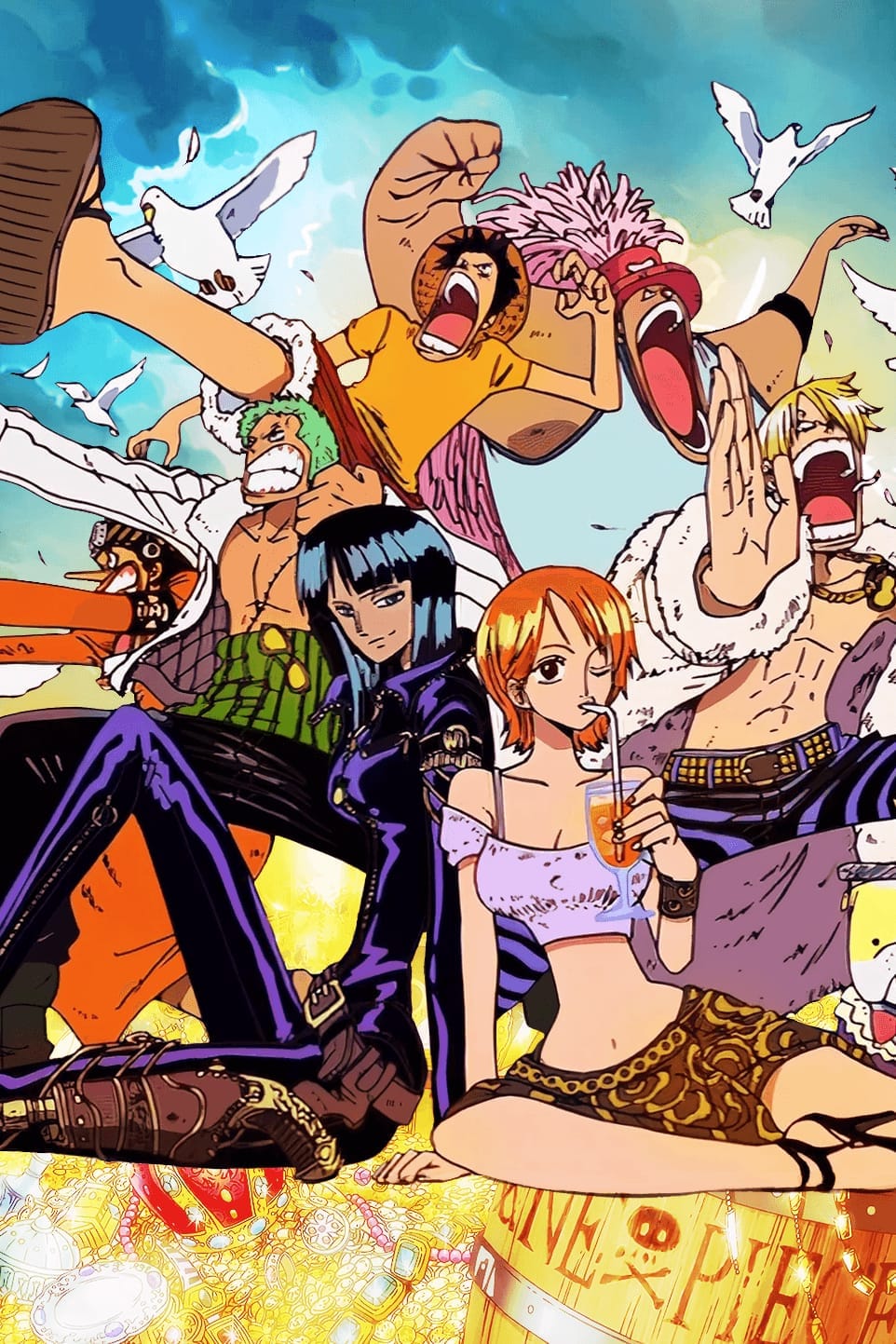
Robin was born on Ohara, an island of scholars dedicated to studying the Void Century—a forbidden period the World Government erases from history. At age eight, she’d already earned doctorate-level archaeological credentials, the youngest scholar ever to achieve such recognition.
Then the Buster Call came. The World Government, deeming Ohara’s research existential threat, deployed their ultimate weapon: complete annihilation of the island, its people, and its knowledge. Robin watched from a boat as her home burned, as her mother (whom she’d just reunited with) died in the flames, as every person who’d ever cared for her was murdered.
Her crime: existing. At eight years old, Robin became the world’s most wanted criminal—not for anything she’d done, but for knowledge she possessed. Her bounty began at 79 million berries for a child; her “Devil” designation marked her for death rather than capture. The World Government wanted her erased like the history she studied.
Twenty Years of Betrayal
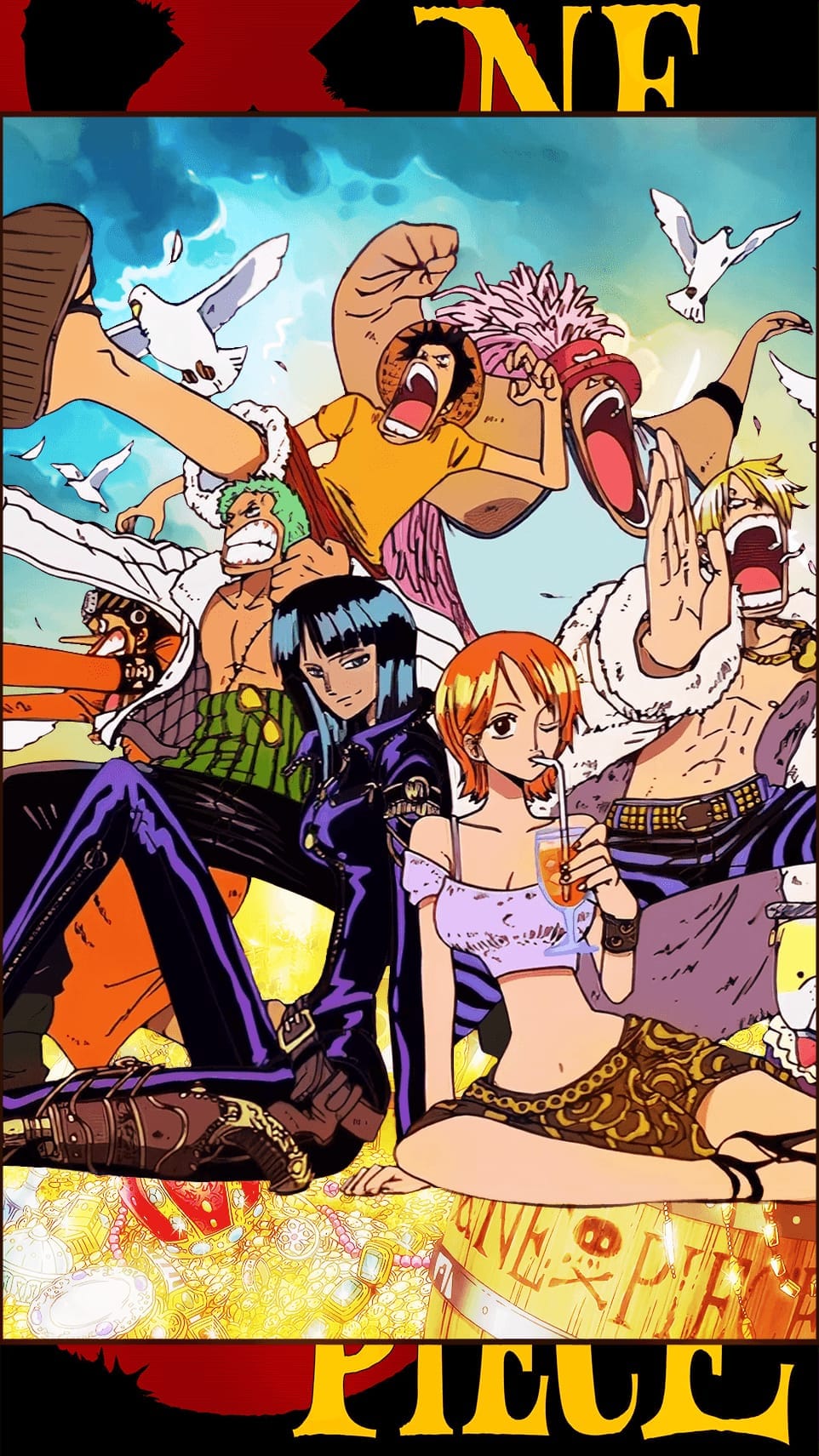
Robin’s subsequent life involved using people before they could use her. She joined pirate crews, criminal organizations, anyone who could protect her temporarily—always planning to flee before they inevitably betrayed her. Every relationship was transaction; every ally was future enemy.
This survival strategy worked mechanically but destroyed her emotionally. Robin learned that trust leads to pain, that connection invites loss, that caring about people only provides ammunition for her destruction. By the time she met the Straw Hats, she’d perfected emotional distance as protection.
Her initial infiltration of the crew—joining after Alabasta despite being their enemy—reflected standard procedure. Use them until usefulness ends, then disappear. What she didn’t expect was that they’d actually treat her as person rather than tool.
The Straw Hats: Different from Everyone
Robin’s integration into the crew happened gradually. She observed their genuine bonds, their willingness to sacrifice for each other, their absolute rejection of crew abandonment. These behaviors contradicted everything her experience taught.
The crew accepted her without demanding explanation or history. Luffy’s simple “I want you to join” required nothing in return—no services, no information, no conditional loyalty. This unconditional acceptance was entirely alien to Robin’s experience.
Her growing attachment terrified her. Every connection was vulnerability; every friendship was future loss. When CP9 appeared with threats against the crew, Robin faced impossible choice: betray friends to protect them, or stay and watch them die like everyone else she’d loved.
The Surrender: Love as Sacrifice
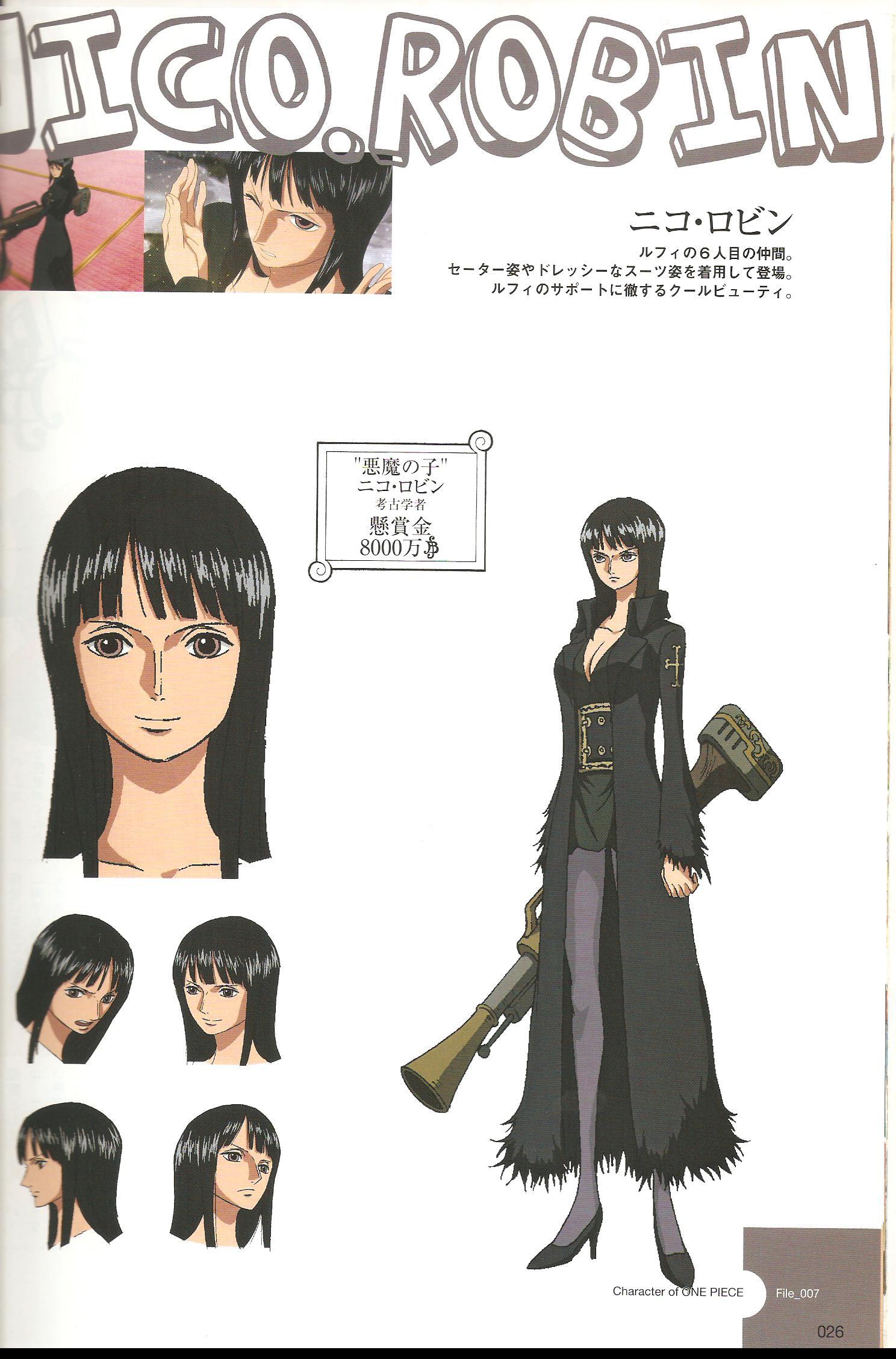
Robin’s departure at Water 7 wasn’t betrayal but sacrifice. CP9’s threat was specific: stay, and the Buster Call that destroyed Ohara would destroy the Straw Hats. Robin couldn’t watch another family burn; surrendering herself would protect them.
She told them she wanted to die—and meant it. Twenty years of survival had exhausted her will to continue. If her death could protect the first people who’d genuinely cared about her, death seemed worthwhile. Robin accepted execution as relief from decades of running.
What she didn’t understand was that the Straw Hats wouldn’t accept this logic. To them, protecting crew members didn’t mean letting them die alone—it meant fighting impossible odds together. Robin’s sacrifice, intended as gift, was rejected as insult.
“I WANT TO LIVE!”: Choosing Hope
Luffy’s demand across Enies Lobby’s gap forced Robin to articulate what she’d suppressed for twenty years: desire to survive. Not for any purpose, not for any goal—simply to exist, to have a future, to stop running toward death.
Her scream represents One Piece’s thesis. The series is about dreams, about pursuing impossible goals across endless ocean. Robin’s dream is the most fundamental: to live, to exist, to have tomorrow. Every other dream requires survival as prerequisite.
The declaration changes everything. Before, Robin passively accepted death while mechanically surviving. After, she actively chooses life while understanding its difficulty. The distinction matters: survival from habit differs from survival from desire. Robin chose to want life after twenty years of not wanting it.
The Crew’s Response: War Against the World
The Straw Hats’ response to Robin’s cry—declaring war on the World Government, burning its flag, accepting permanent criminal status—demonstrates what found family means. They don’t rescue Robin because she’s useful; they rescue her because she’s theirs.
This response validates Robin’s hope. For the first time, people she trusted actually kept trust. For the first time, connection didn’t lead to abandonment. The Straw Hats proved different from everyone who’d betrayed her before—and that proof changed what Robin could believe possible.
Post-Enies Lobby: Healing Through Belonging
Robin’s character after Enies Lobby shifts noticeably. She laughs more easily, participates in crew antics, expresses opinions rather than observing silently. The emotional armor she’d constructed for survival loosens as safety becomes believable.
Her role expands too. Robin becomes the crew’s intellectual resource—reading Poneglyphs, understanding history, providing context for islands and cultures they encounter. Her archaeological knowledge, once solely burden, becomes contribution. The skill that marked her for death now serves her family.
The revolutionary army connection (her time with Dragon’s organization during the timeskip) demonstrates continued growth. Robin spent two years actively working against the World Government that destroyed her home—no longer running but fighting back. This assertiveness would have been impossible pre-Enies Lobby.
The Dream: Finding the True History
Robin’s dream—discovering the True History recorded on the Rio Poneglyph—connects her to One Piece’s central mystery. What happened during the Void Century that required such violent suppression? What truth does the World Government fear enough to commit genocide over?
This dream links Robin’s personal tragedy to the series’ broader narrative. Ohara wasn’t random cruelty; it was systematic silencing. Robin’s survival wasn’t just personal victory; it preserved the ability to eventually reveal what power has hidden. Her existence is itself resistance.
As the Straw Hats approach Laugh Tale and the series’ conclusion, Robin’s expertise becomes increasingly essential. She’s the only person alive who can read the Road Poneglyphs necessary to reach the final island. The crew needs her knowledge; the world needs what that knowledge will reveal.
Why Robin Resonates
Robin embodies survival and its costs. Her backstory doesn’t provide easy inspiration—it documents trauma and its long-term effects. Her recovery doesn’t minimize past pain—it demonstrates that healing is possible without forgetting what required healing.
For viewers who’ve experienced loss, isolation, or trust’s difficulty, Robin offers recognition. Her struggles are serious; her recovery is gradual; her scars remain visible. One Piece doesn’t pretend that finding family erases history—it shows that found family makes history bearable.
Nico Robin carries One Piece’s heaviest weight while demonstrating its most hopeful message: even twenty years of darkness can end when someone genuinely cares. That message, delivered through her story, is why she matters—and why her scream echoes through the entire series as its defining moment.