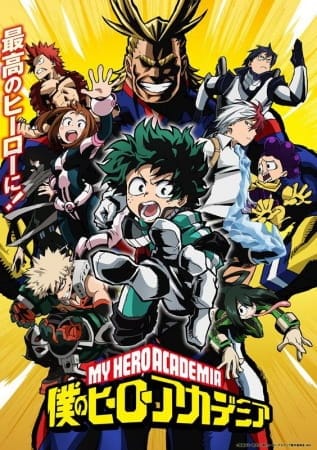
Two underdog stories dominate recent shonen conversations: My Hero Academia and Black Clover. Both feature powerless protagonists who refuse to give up. But which underdog story is better told?
Premise Comparison
My Hero Academia
Izuku Midoriya is born Quirkless in a world of superpowers. He dreams of being a hero anyway. When All Might grants him One For All, he gains power—but must master it through grueling training.
Black Clover
Asta is born without magic in a world where magic is everything. He compensates with physical training and anti-magic swords. Unlike Deku, Asta never receives traditional power—his anti-magic remains unique.
Underdog Execution
MHA’s Approach
Deku receives power but earns mastery. Early MHA shows him breaking his bones because he can’t control One For All. His underdog status comes from:
- Late start compared to peers
- Self-destructive power initially
- Lacking natural combat instincts
Criticism: Once Deku unlocks multiple quirks, the underdog narrative weakens.
Black Clover’s Approach
Asta remains magicless throughout. His anti-magic is powerful but comes from external source (devil contract). His training is purely physical—he’s strong because he worked harder than everyone.
Criticism: Asta’s anti-magic is so broken it trivializes magic users.
Better underdog execution: Black Clover (Asta stays fundamentally powerless)
Character Development
MHA’s Cast
MHA has excellent character development for:
- Deku (powerless dreamer to greatest hero)
- Bakugo (bully to ally)
- Todoroki (parental trauma to acceptance)
- Endeavor (abuser to redemption seeker)
Weakness: Too many characters, not enough time for all.
Black Clover’s Cast
Black Clover develops:
- Asta (remains consistent but deepens relationships)
- Yuno (rival who respects Asta’s effort)
- Noelle (insecure noble to powerful mage)
- Black Bulls (found family dynamics)
Weakness: Supporting characters blend together.
Better characters: MHA (more memorable individuals)
Action and Animation
MHA (Bones)
Bones delivers some of anime’s best action. All Might vs All For One, Deku vs Muscular, and Endeavor vs Hood are incredible. Consistent quality across seasons.
Black Clover (Pierrot)
Black Clover’s animation is inconsistent. The anime started rough but improved dramatically. Episode 63, 80, and 100 show peak potential, but overall quality varies.
Better animation: MHA
Story and Pacing
MHA’s Structure
MHA follows school year structure with villain arcs interrupting. Pacing is generally good, though the final war arc feels rushed. Stakes escalate naturally.
Black Clover’s Progression
Black Clover is arc-based dungeon/mission storytelling. Pacing is faster—sometimes too fast. Powerups happen rapidly. The Spade Kingdom arc delivered but exhausted some readers.
Better pacing: MHA
Themes
MHA: What Makes a Hero
MHA explores heroism as profession versus calling. It examines:
- Hero society’s flaws
- Symbol of Peace burden
- Whether villains can be saved
Black Clover: Never Giving Up
Black Clover is simpler thematically—hard work beats talent. It’s straightforward but effective. The “surpassing limits” theme is consistent.
More depth: MHA
Manga vs Anime Experience
MHA: Anime is excellent adaptation. Either works.
Black Clover: Manga is significantly better due to anime pacing and animation issues. Movie (Sword of the Wizard King) showed the series’ potential.
Final Verdict
| Category | Winner |
|---|---|
| Underdog Story | Black Clover |
| Characters | MHA |
| Animation | MHA |
| Pacing | MHA |
| Themes | MHA |
| Hype Moments | Tie |
Overall: My Hero Academia is the more polished production with better characters and themes. Black Clover is underrated and delivers excellent underdog storytelling but suffers from adaptation quality.
Both are worth watching for shonen fans. Black Clover especially deserves more credit than it gets.
Related: My Hero Academia: Is It Still Worth Watching in 2026?
You Might Also Like
- Spring 2026 Anime: What to Watch This Season
- My Hero Academia Ending Explained: What Happened to Deku?
- My Hero Academia Ending Explained: What Happened to Deku?