You’ve been warned. Major spoilers ahead for some of the greatest anime ever made.
There’s something special about anime storytelling. Maybe it’s the years-long manga source material that writers can meticulously plan. Maybe it’s the unique blend of Eastern narrative traditions with modern serialized formats. Or maybe Japanese creators just understand something fundamental about subverting expectations that Western TV writers are still trying to figure out.
Whatever the reason, anime has delivered some of the most mind-bending, keyboard-smashing, “I need to lie down” plot twists in entertainment history. These aren’t just surprising moments—they’re narrative nuclear bombs that recontextualize everything you thought you knew about a series. They spawn thousands of Reddit theories, crash streaming servers, and leave viewers staring at their screens in stunned silence.
Today, we’re diving into the 10 most shocking anime plot twists that genuinely broke the internet. These are the moments that had Twitter trending, Discord servers exploding, and fans collectively losing their minds. Grab your comfort pillow—you’re going to need it.
Attack on Titan — The Basement Reveal (Season 3)
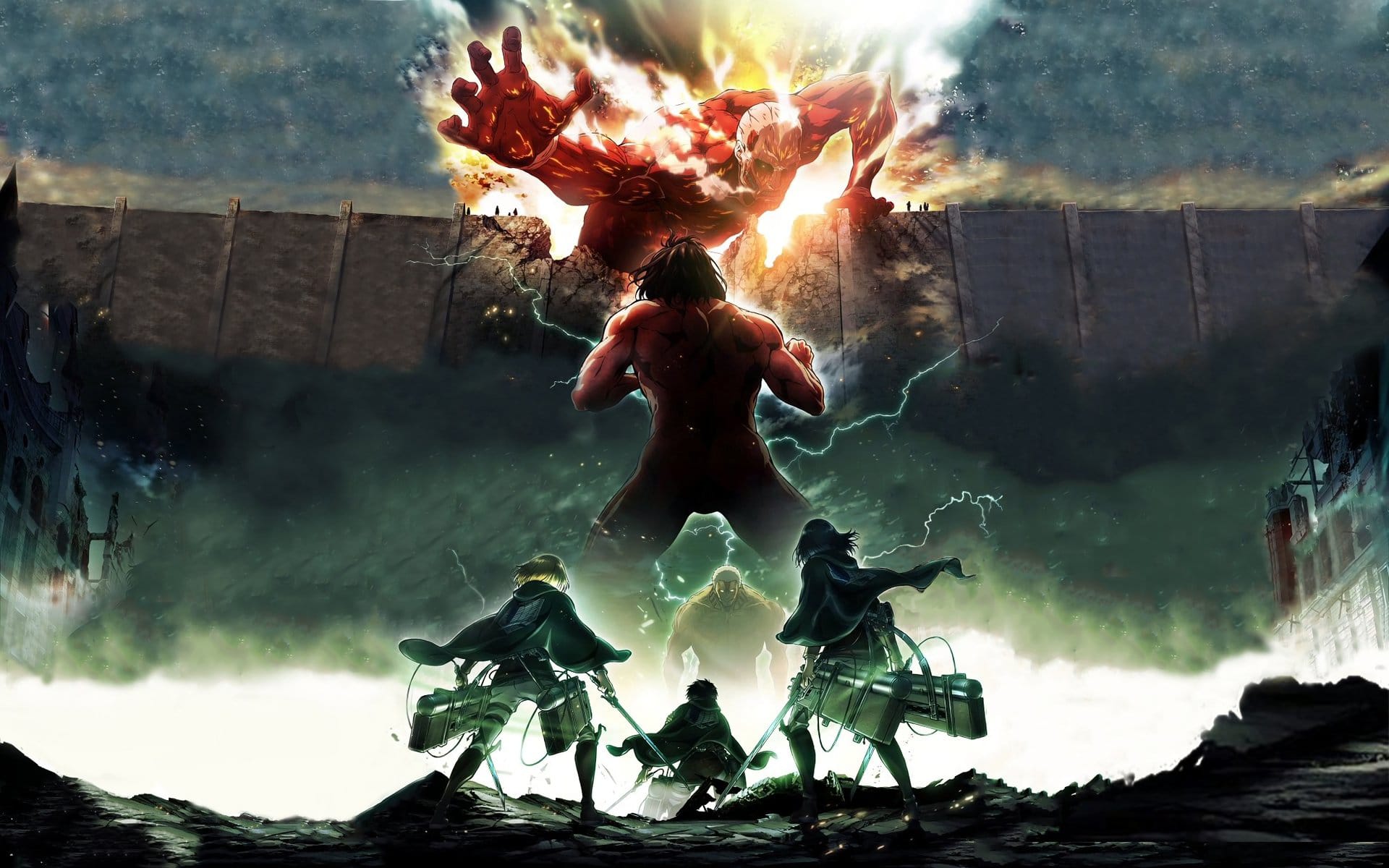
Four years. That’s how long fans of Attack on Titan waited to find out what was in Eren Yeager’s basement. Four years of speculation, theories, and intense online debate about the truth behind the Titans. When the answer finally came in Season 3’s “The Basement” episode, it didn’t just change the series—it completely redefined what Attack on Titan was even about.
The revelation that humanity wasn’t extinct outside the walls, that the world beyond was technologically advanced, and that the Eldians were an oppressed ethnic minority in a much larger world transformed the show from a survival horror into a geopolitical epic. The basement photos of the ocean and modern cities weren’t just plot points—they were paradigm shifts.
Why it broke the internet: The sheer scale of the twist was unprecedented. Fans had theorized about everything—time loops, alien experiments, genetic mutations—but almost nobody predicted the truth about Marley, the outside world, and the Eldian empire’s history. The reveal spawned hundreds of YouTube analysis videos and made “the basement” shorthand for long-delayed revelations in any medium.
Death Note — L’s Death
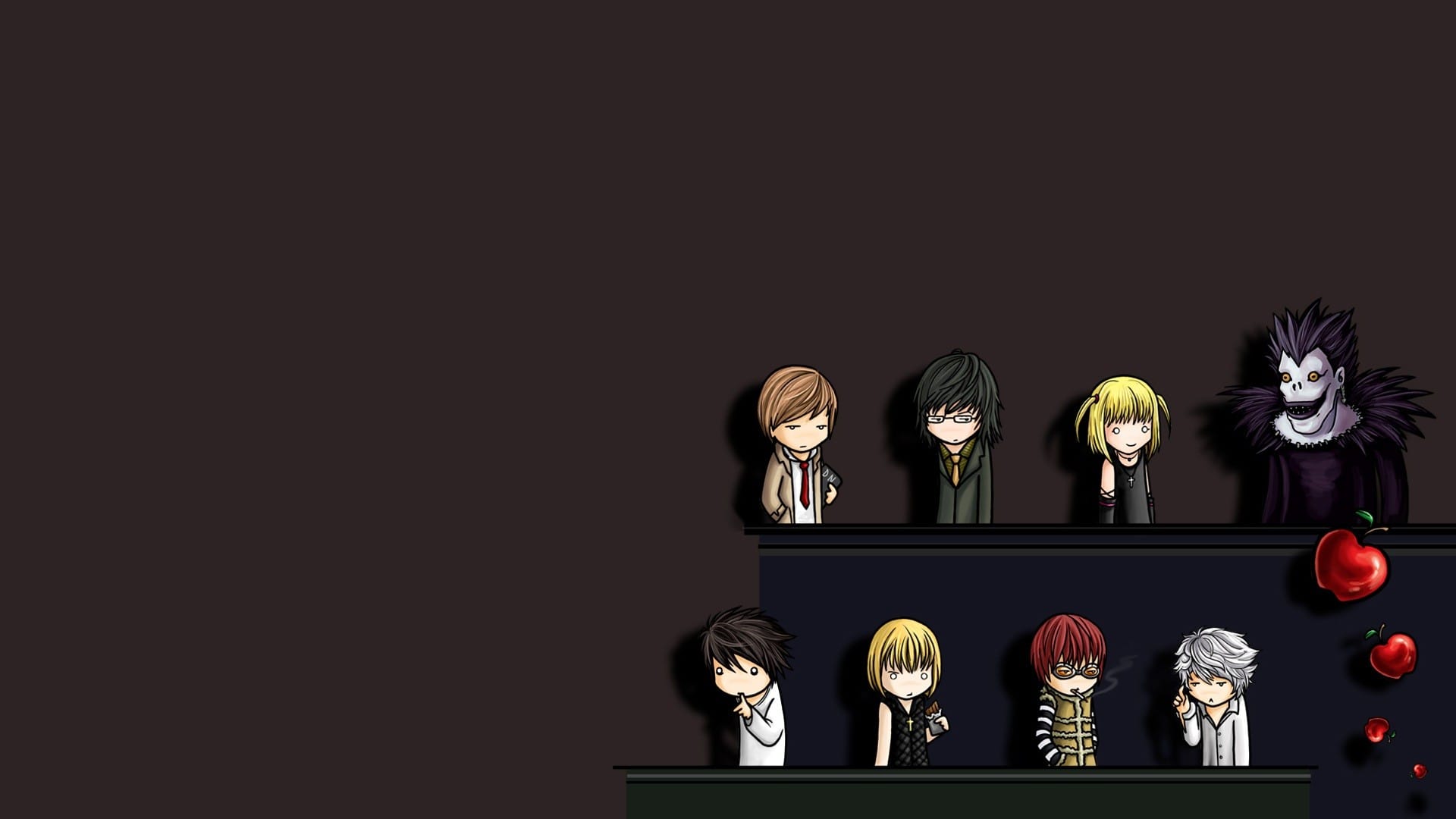
Death Note built its entire foundation on the cat-and-mouse game between Light Yagami and the mysterious detective L. Their psychological battles defined the series. Their chess-match intellects were perfectly matched. And then, halfway through the story, Light actually won.
L’s death remains one of the most shocking moments in anime history because it violated every storytelling convention. The antagonist isn’t supposed to kill the deuteragonist two-thirds of the way through. L isn’t supposed to die before catching Light. The structure of the entire series suggested this rivalry would continue until the finale.
Instead, Rem wrote L’s name in her Death Note, sacrificing herself to save Misa, and Light’s greatest obstacle crumbled. The aftermath—Light’s secret celebration while pretending to mourn—remains one of the most chilling sequences ever animated.
Why it broke the internet: L was arguably the most popular character in the series. His death sent shockwaves through the fandom, with many viewers genuinely believing it was a fake-out or that he’d somehow return. The subsequent drop in viewership for the Near/Mello arc proves how much L’s presence anchored the series.
Steins;Gate — The True Nature of D-Mails
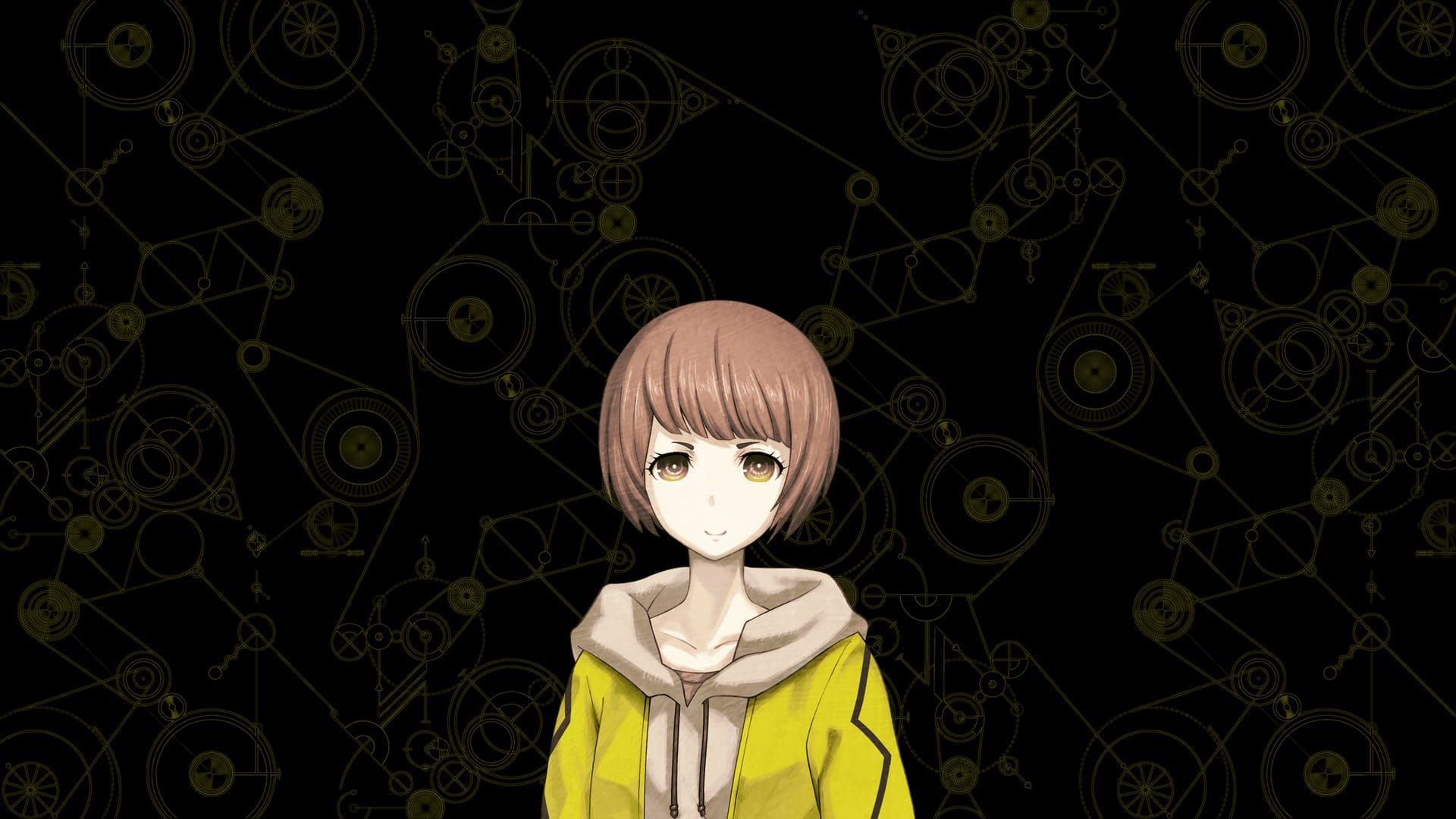
Steins;Gate starts as a quirky sci-fi comedy about a self-proclaimed “mad scientist” and his friends accidentally creating a time-traveling microwave. It’s goofy, character-driven, and charmingly weird. Then episode 12 hits, and the series transforms into a psychological horror about the consequences of playing god.
The gradual revelation that every D-Mail (time-altering text message) Okabe sent created new world lines where his friends suffered different fates—and that he was the only one who remembered the original timeline—was devastating enough. But the true twist came when Okabe realized that to save the timeline, he had to undo every single change he’d made, including preventing the death of Mayuri’s father and, most painfully, letting Kurisu die in the original timeline.
Why it broke the internet: The sheer emotional weight of Okabe’s burden, carrying memories of multiple world lines while watching his friends live different lives, created a new standard for time-travel narratives. “The choice of Steins;Gate” became a meme representing impossible decisions, and the visual novel’s multiple endings sparked endless debates about which timeline was truly “best.”
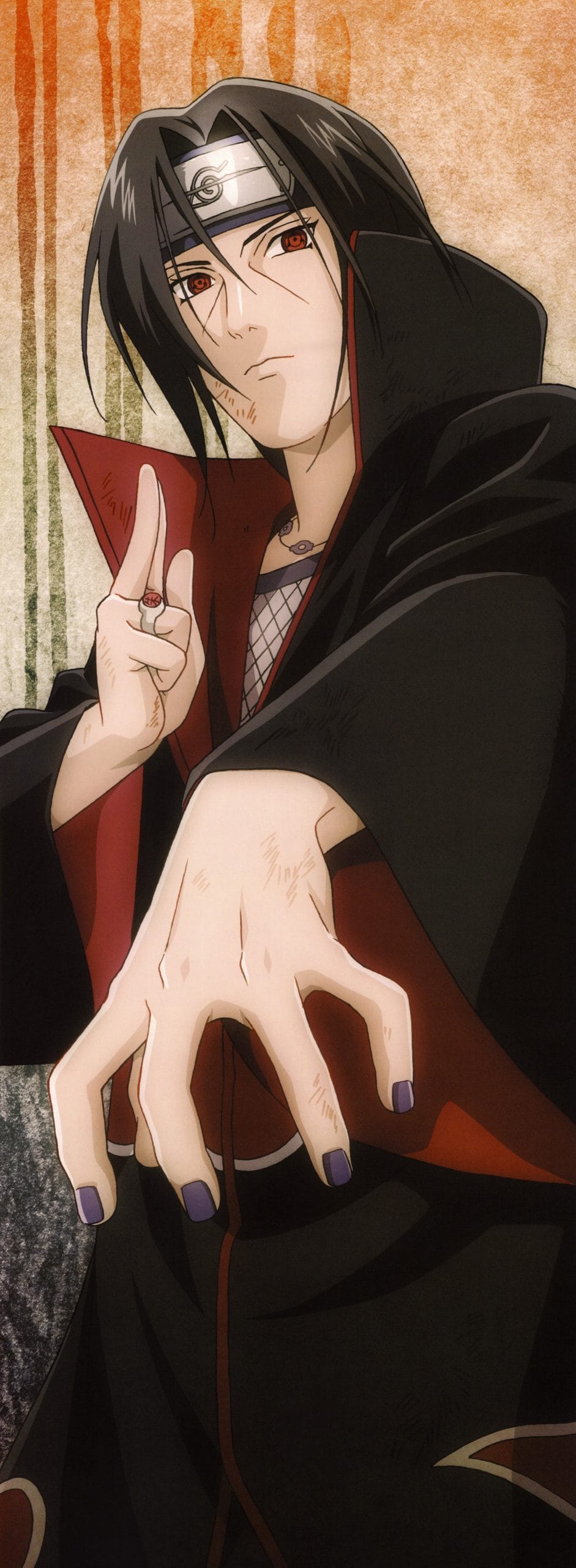
Naruto — Itachi’s Truth
For hundreds of episodes, Itachi Uchiha was the ultimate villain. He murdered his entire clan, left Sasuke alive as twisted motivation, and joined the Akatsuki to hunt jinchuriki. His emotional abuse of Sasuke was genuinely disturbing. He was irredeemable.
Except he wasn’t.
The revelation that Itachi was actually a double agent working for Konoha’s leadership, that he slaughtered his clan under orders to prevent a coup that would have started a civil war, and that he tortured Sasuke specifically to make him strong enough to kill him (and claim hero status) fundamentally rewrote the entire series. The villain who defined Sasuke’s existence was actually a tragic hero who sacrificed everything—his reputation, his family, his sanity—to protect the village he loved.
Why it broke the internet: The twist retroactively justified hundreds of episodes of Itachi’s seemingly contradictory behavior. His inexplicable decisions suddenly made perfect sense. The “Itachi was actually good” reveal spawned endless debates about whether the ends justify the means and whether Sasuke’s subsequent rage was justified or misplaced.
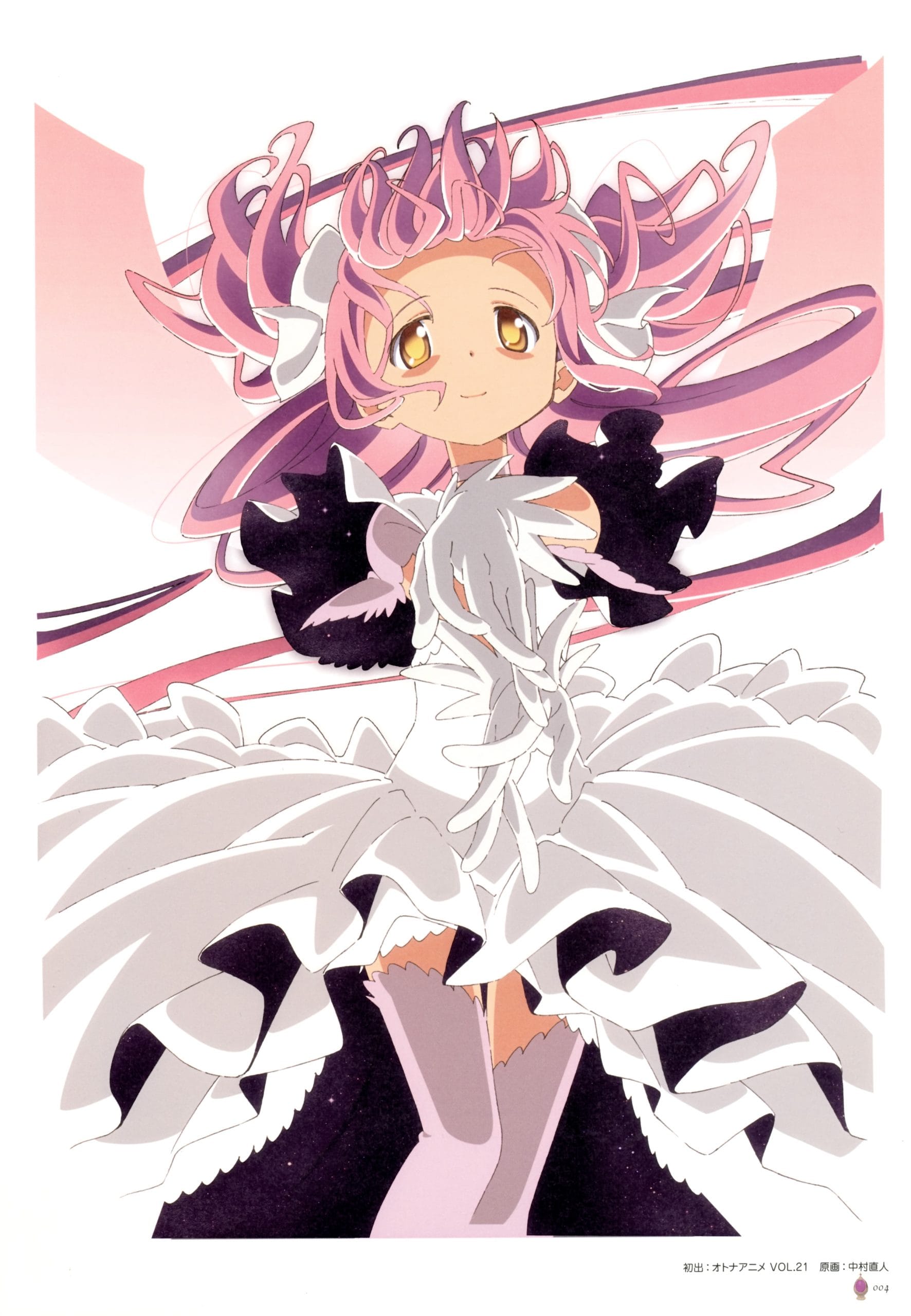
Madoka Magica — Episode 3’s Game-Changer
Puella Magi Madoka Magica presented itself as a standard magical girl anime. The art style was cute. The transformation sequences were sparkly. The opening theme was cheerful and optimistic. Studio SHAFT was just making a modern Sailor Moon, right?
Then came episode 3, and Mami Tomoe—seemingly the series’ mentor figure, the experienced magical girl who would guide the protagonists through their journey—got her head bitten off. On screen. Without warning. By a monster that looked like it crawled out of a Salvador Dalí nightmare.
The show immediately revealed its true nature: a psychological horror deconstruction of the magical girl genre where becoming a magical girl was literally a death sentence, and the cute mascot Kyubey was actually a cosmic horror entity harvesting human souls for energy.
Why it broke the internet: The genre whiplash was unprecedented. Viewers expecting Cardcaptor Sakura got Perfect Blue instead. The “Mami dies” moment became instant legend, and the series kicked off an entire subgenre of “dark magical girl” anime that continues today. “Watch until episode 3” became the standard recommendation for anyone doubting the series’ darkness.
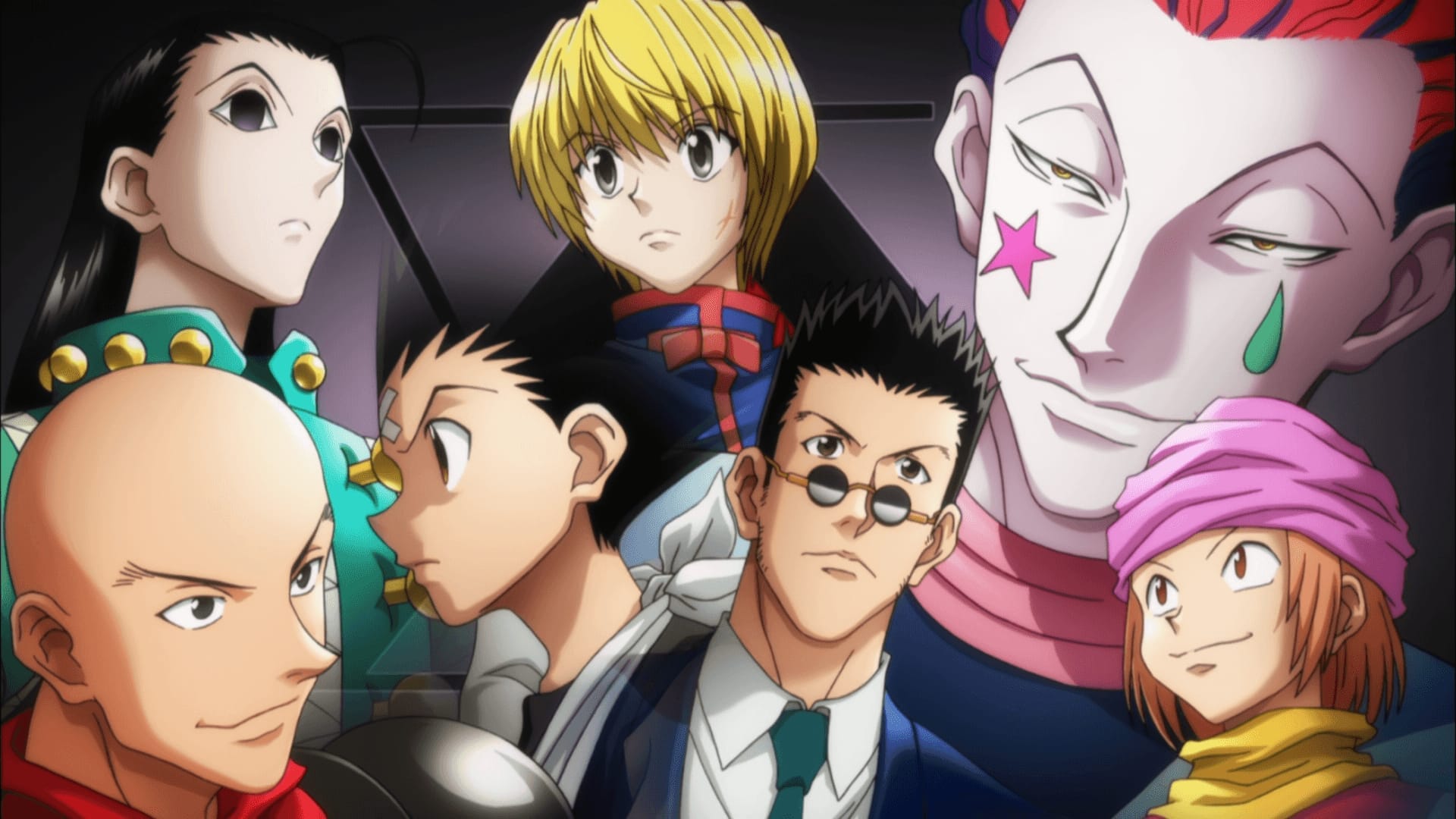
Hunter x Hunter — Meruem’s Character Arc
The Chimera Ant arc of Hunter x Hunter started as a typical shonen escalation: a new threat (human-eating mutant ants), a powerful antagonist (the King Meruem), and the heroes gearing up for an epic battle. What unfolded was something far more complex and emotionally devastating.
Meruem, introduced as a ruthless monster who literally ate children, gradually transformed through his interactions with Komugi, a blind human girl who could beat him at his favorite board game. Their relationship—initially predator and prey, eventually something resembling love—challenged every expectation about shonen villains. Meruem didn’t need defeating; he needed understanding.
The twist wasn’t a single moment but a gradual revelation: the “monster” was more human than the humans hunting him, and the “heroes” were committing genocide against a species that was evolving consciousness and morality. The poisoned rose bomb, Netero’s suicide attack, and Meruem’s final moments with Komugi remain the most emotionally devastating sequence in shonen anime.
Why it broke the internet: Shonen villains aren’t supposed to have nuanced redemption arcs that question the morality of the protagonists. The Chimera Ant arc subverted every expectation about the genre, and “Meruem and Komugi” remains shorthand for tragic anime relationships.
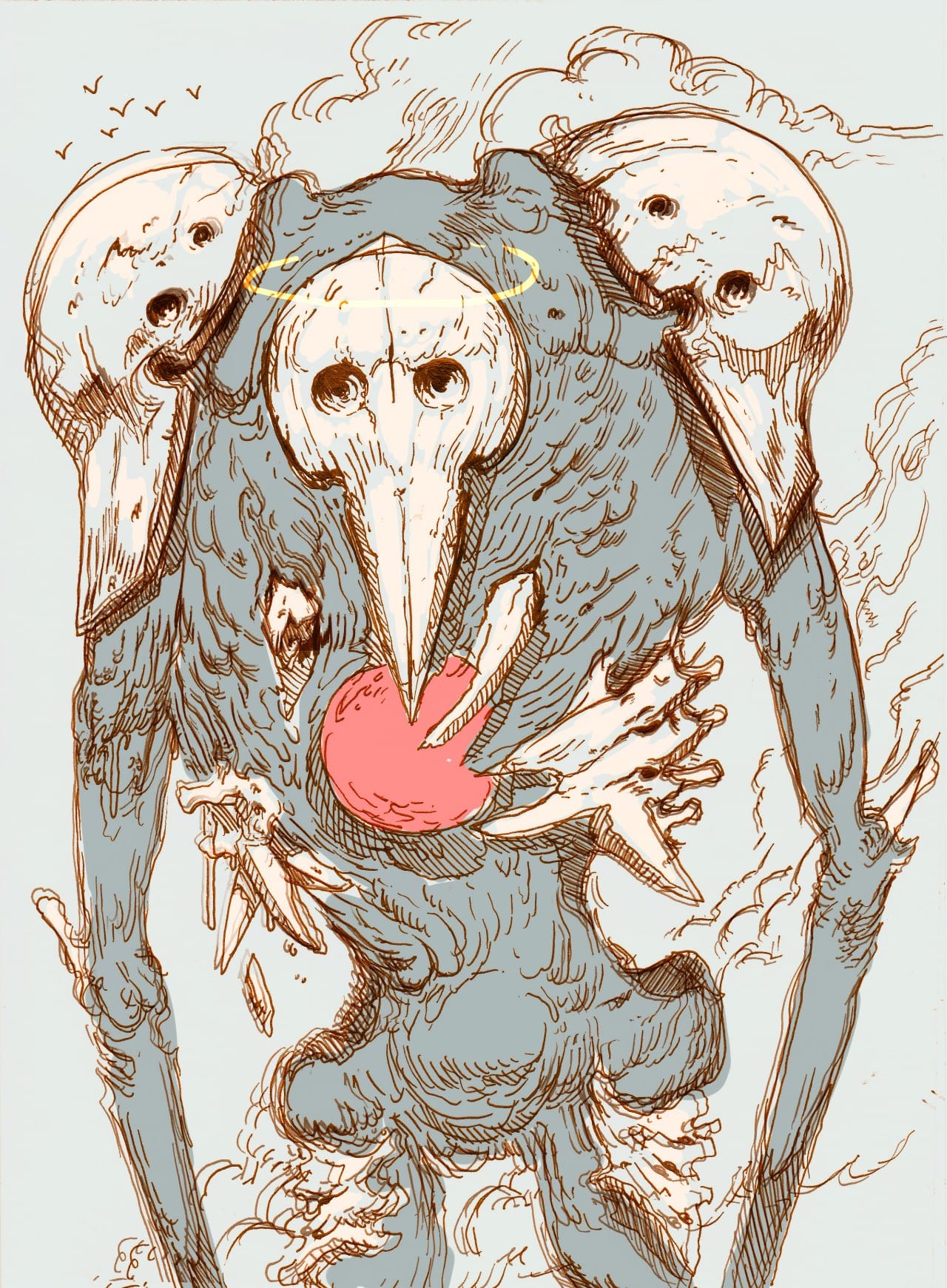
Neon Genesis Evangelion — The Human Instrumentality Project
Hideaki Anno’s magnum opus spent 24 episodes establishing a giant robot anime about teenagers fighting monsters. Then the finale pulled the rug out entirely, revealing that the real story was about depression, trauma, and the fundamental terror of human connection.
The gradual revelation of the Human Instrumentality Project—SEELE’s plan to dissolve all human individuality into a single collective consciousness—was mind-bending enough. But the true twist came when viewers realized that Evangelion wasn’t about the robots at all. The Evas were biological horrors, the Angels were humanity’s evolutionary relatives, and the entire series was an extended metaphor for psychological defense mechanisms.
Why it broke the internet: Evangelion broke anime in 1995 and hasn’t been fully repaired since. The abstract, psychological finale (episodes 25-26) and the alternate movie ending (The End of Evangelion) sparked debates that continue today. The “congratulations” scene became both a meme and a genuine emotional touchstone for viewers dealing with their own mental health struggles.
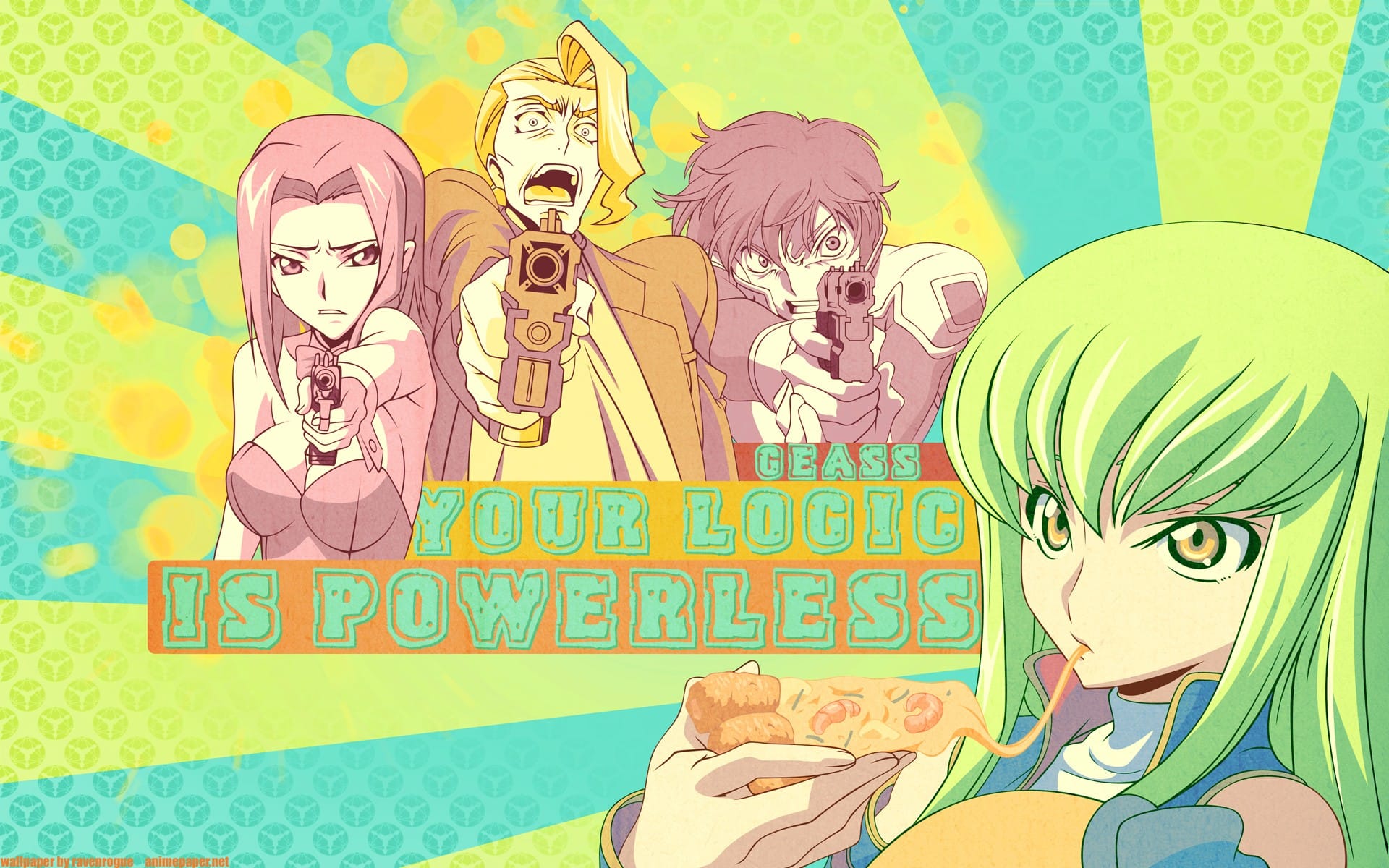
Code Geass — The Zero Requiem
Lelouch Lamperouge spent two seasons manipulating everyone around him—friends, enemies, family, entire nations—in pursuit of his goal to destroy the Britannian Empire and create a gentler world for his sister. His methods were ruthless. His body count was enormous. He became the very monster he sought to destroy.
Then came the Zero Requiem: Lelouch’s ultimate plan to become the world’s greatest villain, uniting humanity in hatred against him, and then having his best friend Suzaku (disguised as Zero) publicly assassinate him. By making himself the final enemy, Lelouch created a peaceful world through his own sacrifice, erasing the cycle of revenge and uniting humanity against a common (now dead) foe.
Why it broke the internet: The “Lelouch is dead/debate” controversy dominated anime forums for years. The ambiguity of the ending (compounded by the sequel movie’s alternate timeline) sparked endless analysis. The final episode’s montage of the world Lelouch created, contrasted with his final smile, remains one of the most emotionally powerful conclusions in anime history.
What Makes a Twist Truly Legendary?
After reliving these moments, patterns emerge that explain why certain twists become cultural touchstones while others are forgotten:
Retroactive Clarity: The best twists don’t contradict what came before—they recontextualize it. L’s death, Itachi’s truth, and the Basement reveal all make earlier scenes better on rewatch. The clues were there; we just didn’t know to look for them.
Emotional Resonance: A twist that only surprises without emotional impact is a gimmick. The Madoka episode 3 shock worked because viewers cared about Mami. Meruem’s arc worked because his relationship with Komugi felt genuine. The emotional investment makes the revelation land.
Narrative Courage: These twists work because creators were willing to take risks. Killing your most popular character (L), transforming your genre entirely (Madoka), or making your protagonist irredeemable (Lelouch) aren’t safe storytelling choices. They’re bets that paid off because the creators committed fully.
Cultural Conversation: The twists that “break the internet” create communities. They spawn theories, fan art, analysis videos, and debates that last years. They become reference points that other anime are measured against.
Conclusion: Why We Keep Coming Back
Anime plot twists hit different because anime operates on different timescales. A series can spend 50 episodes building toward a revelation. Manga source material can spend years laying groundwork. The serialization format allows for meticulous planning that movies or limited series simply can’t match.
But more than that, Japanese storytelling traditions embrace different narrative structures than Western audiences might expect. The willingness to kill major characters, to subvert genre expectations entirely, to end stories ambiguously or tragically—these choices reflect a storytelling culture that prioritizes emotional truth over comforting resolution.
The twists on this list didn’t just surprise us. They made us feel something profound about storytelling, about characters we’d grown to love, about the very nature of narrative itself. They proved that animation isn’t just “cartoons for kids”—it’s a medium capable of the most sophisticated, emotionally devastating storytelling in any format.
So what’s the next twist that will break the internet? With new seasons of Attack on Titan, Demon Slayer, and countless new manga adaptations on the horizon, the next paradigm-shifting moment is probably already in production. And we’ll all be there, screens ready, waiting to have our minds blown once again.
Because that’s the thing about being an anime fan. We know we’re going to get hurt. We know our favorite characters might die, our theories might be wrong, and the story might go places we never expected. But we keep watching anyway.
Some stories are worth the emotional damage.
Related Reading:
Check out our guide to the best psychological anime for more mind-bending series
Discover our picks for top shonen anime of all time
Looking for something off the beaten path? Browse our underrated anime gems
What’s your most shocking anime twist? Let us know in the comments which moment left you staring at your screen in disbelief!