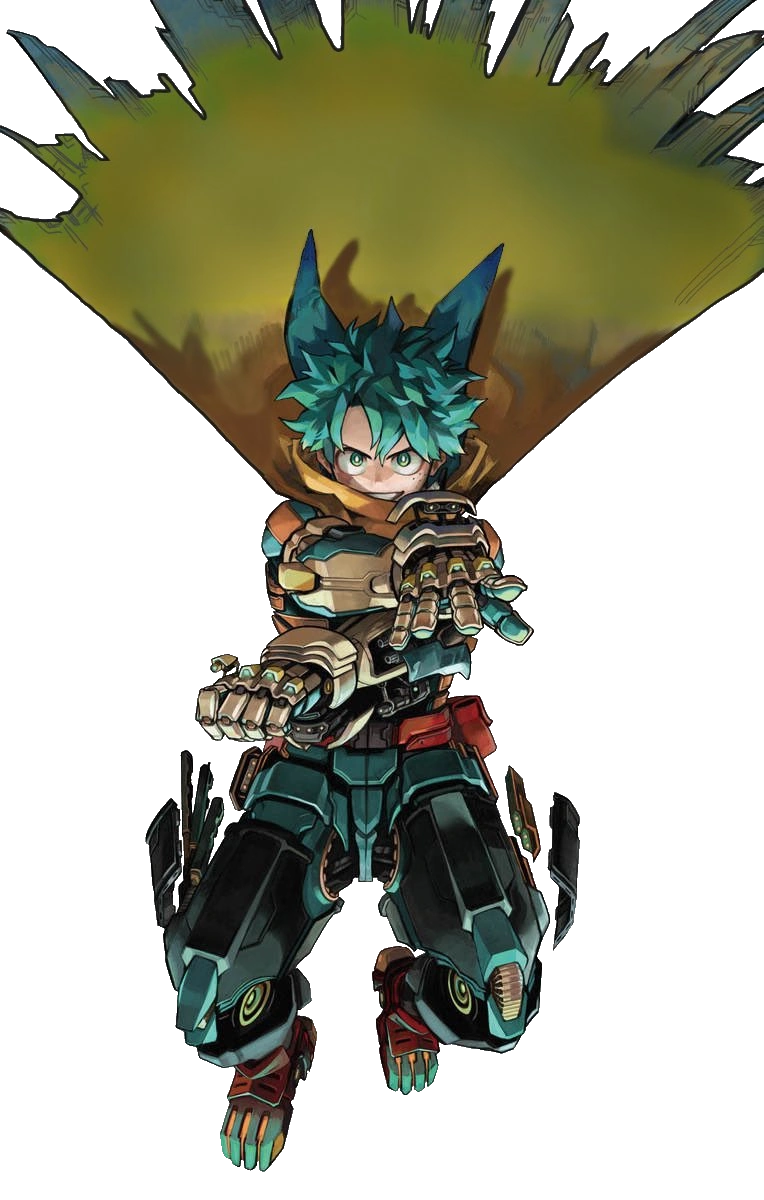
After nearly a decade of publication and multiple anime seasons, My Hero Academia has reached its conclusion. The finale left many fans emotional, some satisfied, and others confused about what exactly happened in those final chapters.
In this comprehensive breakdown, we’ll explain the My Hero Academia ending, discuss what happened to Deku and Class 1-A, and address the controversies surrounding the conclusion.
⚠️ MAJOR SPOILERS for the entire series ahead.
The Final Battle: Deku vs. All For One/Shigaraki
How the Fight Ended
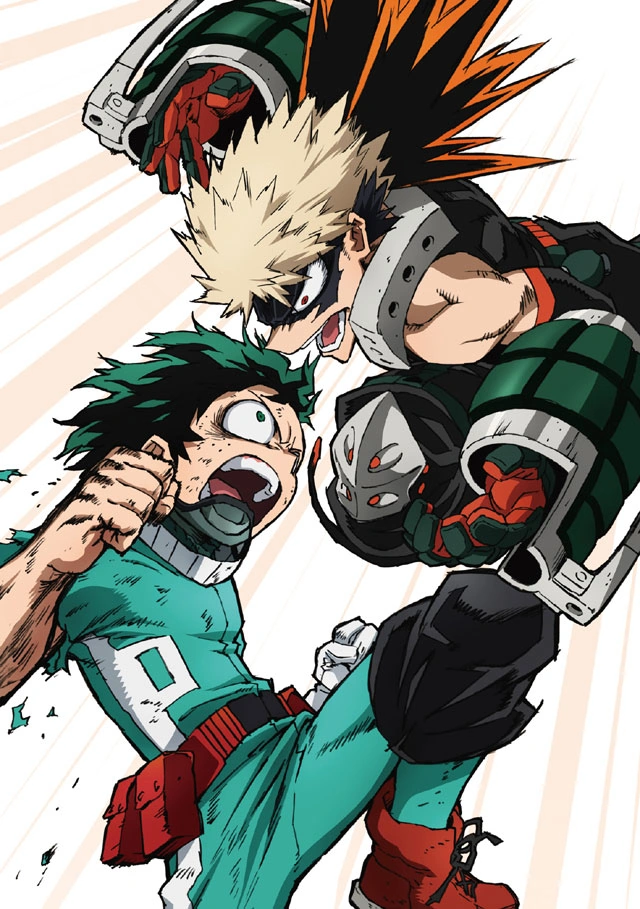
The climactic battle between Izuku Midoriya (Deku) and Tomura Shigaraki (controlled by All For One) concluded with:
- Deku’s Final Push: Using every remaining vestige of One For All, Deku delivered his ultimate attack
- Shigaraki’s Liberation: In his final moments, Shigaraki broke free from All For One’s control
- One For All’s Sacrifice: The quirk burned itself out completely, leaving Deku quirkless
- All For One’s Defeat: The villain was finally destroyed after terrorizing society for generations
The Cost of Victory
What Deku Lost:
- One For All (completely)
- All accumulated quirks from previous users
- His ability to be a professional hero
What Society Gained:
- Liberation from All For One’s shadow
- Inspiration from Deku’s sacrifice
- A new era of heroism
The Controversial Time Skip
Eight Years Later
The manga’s epilogue jumped forward eight years after the final battle. Here’s what we learned about the major characters:
Izuku Midoriya:
- Now a teacher at U.A. High School
- Teaching the next generation of heroes
- Quirkless but respected
- Initially shown without the technology suit
Katsuki Bakugo:
- Became the #1 Pro Hero
- Still explosive personality, but matured
- Maintains rivalry/friendship with Deku
Ochako Uraraka:
- Pro Hero focused on rescue operations
- Continued developing her quirk
- Implied romantic feelings for Deku (never explicitly confirmed)
Shoto Todoroki:
- Pro Hero working independently
- Reconciled fully with his family
- Found peace with his past
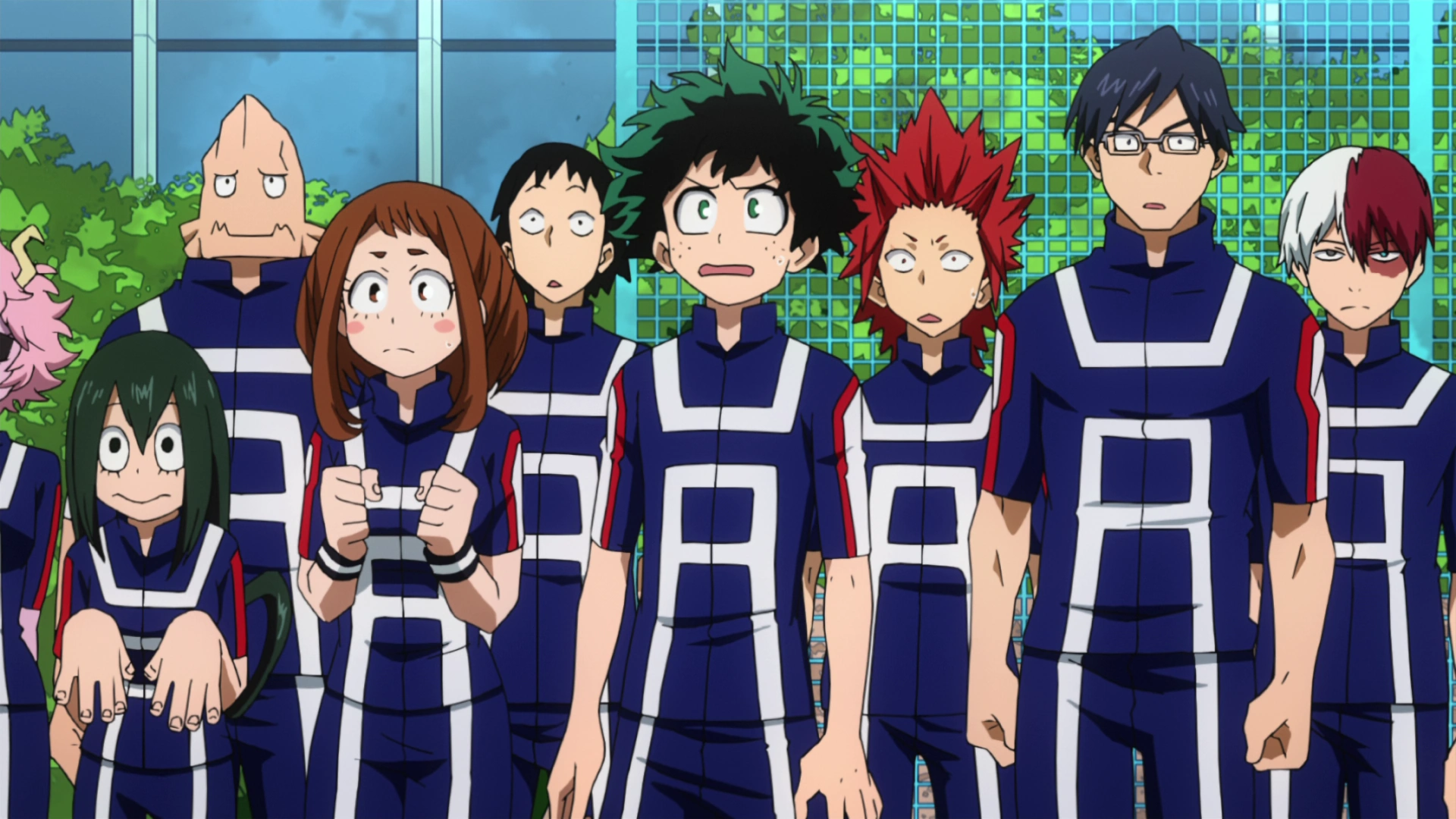
Class 1-A’s Fates
| Character | Post-Timeskip Status |
|---|---|
| Tenya Iida | Pro Hero, Ingenium name |
| Tsuyu Asui | Pro Hero, rescue specialist |
| Eijiro Kirishima | Pro Hero, Fat Gum’s agency |
| Momo Yaoyorozu | Pro Hero, equipment designer |
| Fumikage Tokoyami | Pro Hero, Hawks’ successor |
| Denki Kaminari | Pro Hero, support role |
| Mina Ashido | Pro Hero, Acid specialization |
| Kyoka Jiro | Pro Hero/musician hybrid |
The Second Ending: Deku Gets His Suit
What the Extended Epilogue Changed
Many fans were disappointed with Deku’s initial ending—a quirkless teacher seemed like an anticlimactic conclusion for the main character. Horikoshi responded with an extended epilogue that changed things:
The Gift from Class 1-A:
- All of Deku’s former classmates pooled resources
- They commissioned a high-tech hero suit
- The suit replicates hero capabilities without a quirk
- Deku can fight alongside his friends again
What the Suit Does:
- Enhances strength and speed mechanically
- Provides protection and support capabilities
- Allows Deku to participate in hero work
- Represents his friends’ belief in him
Fan Reception to the Suit
Positive Reactions:
- Deku deserved to be a hero after everything
- Friends supporting each other is thematically appropriate
- Allows for future stories/appearances
Negative Reactions:
- Undermines the sacrifice of losing One For All
- “Iron Man suit” feels like a cop-out
- Raises questions about why this tech doesn’t exist for everyone
Analyzing the Ending: Themes and Messages
The Meaning Behind Deku’s Journey
Horikoshi’s ultimate message seems to be:
“Anyone can be a hero” — but not in the way initially implied
The series started with “Can someone without a quirk be a hero?” and ended with a nuanced answer:
- Deku COULD be a hero without a quirk through determination
- But he NEEDED One For All to fight at the highest level
- His heroism inspired others to support him
- Together, they made his dream possible
The Legacy Theme
The ending emphasizes legacy throughout:
- One For All passed through generations to reach Deku
- Deku’s sacrifice inspires the next generation
- Class 1-A continues the heroic legacy
- Even without powers, Deku’s impact persists
Society’s Evolution
The post-war world shows significant changes:
- Hero society is rebuilding
- Quirk discrimination is being addressed
- Villains are getting rehabilitation options
- The next generation learned from past mistakes
Addressing Controversies
“Deku Should Have Kept One For All”
Some fans argue Deku should have retained at least some power. Counter-arguments:
- One For All burning out was established as possible
- The sacrifice adds weight to the victory
- Deku’s heroism was never just about power
- The suit provides a middle ground
“The Romance Was Never Resolved”
Deku and Uraraka’s relationship remained ambiguous. The ending shows:
- Uraraka clearly cares deeply for Deku
- No explicit confession or relationship
- Focus remained on heroism over romance
This was intentional—Horikoshi prioritized the hero narrative over romance.
“The Suit Undermines the Message”
The technology suit has been criticized for “undoing” Deku’s sacrifice. However:
- The suit is a gift from friends, emphasizing connection
- Deku earned this through his sacrifice
- It’s different from One For All (earned vs. given)
- The message shifts from “power” to “support”
“Side Characters Deserved More”
Many beloved characters got minimal epilogue coverage. This is a limitation of the ending’s scope rather than intentional neglect.
Comparing to Other Shonen Endings
Naruto
Like Naruto, MHA shows the protagonist becoming a teacher/mentor for the next generation. Both emphasize legacy over individual power.
Dragon Ball
Unlike Dragon Ball (which continues indefinitely), MHA provides closure. Deku’s journey has a definitive endpoint.
One Piece
MHA’s ending is more conclusive than One Piece’s ongoing narrative, but less ambitious in scope.
The Final Chapter: Key Moments
Deku’s Speech
Deku’s address to U.A. students encapsulates the series’ message:
- Heroes aren’t defined by quirks
- Everyone has the potential to save others
- The next generation carries our hopes
The Reunion
Class 1-A reuniting to give Deku the suit represents:
- Friendship that transcends school
- Collective heroism over individual glory
- Deku’s impact on everyone around him
Final Panel

The manga ends with Deku:
- In his new suit
- Standing alongside his friends
- Ready for new adventures
- Smiling (echoing “You can become a hero”)
What Happens Next?
The Final Anime Episode
The anime is set to adapt the finale with its own additions. A special episode in Spring 2026 will cover:
- The final battle in full animation
- The time skip
- The suit reveal
- Additional anime-original scenes
Spin-offs and Future Content
Horikoshi has indicated:
- No plans for a direct sequel
- Possible one-shots in the future
- The world is open for other stories
- Vigilantes remains ongoing
Will MHA Continue?
As of 2026:
- The main manga is complete
- The anime will conclude soon
- No MHA Shippuden/Super announced
- Future movies are possible but unconfirmed
Fan Theories That Were Confirmed/Denied
Confirmed:
- Deku would lose One For All (heavily foreshadowed)
- Class 1-A would remain friends
- Shigaraki had good in him (complicated)
Denied:
- Deku x Uraraka endgame (left ambiguous)
- Bakugo death sticking (he survived)
- All For One winning (obviously)
Conclusion: Was the Ending Good?
The ending was:
- ✅ Thematically consistent
- ✅ Emotionally satisfying (mostly)
- ⚠️ Rushed in some areas
- ⚠️ Controversial in execution
- ✅ Open to interpretation
My Hero Academia’s conclusion isn’t perfect, but it honors the journey. Deku’s story—from quirkless dreamer to symbol of hope—concludes with the message that heroism is about heart, not power.
Whether you loved or hated the ending, MHA’s impact on anime and manga is undeniable. It inspired a generation of fans and told a story about hope, friendship, and what it truly means to be a hero.
Plus Ultra. 💚
For more My Hero Academia content, explore:
- Jujutsu Kaisen category for similar anime analysis
- Best Anime Winter 2026 featuring MHA: Vigilantes
- Strongest Anime Characters 2026