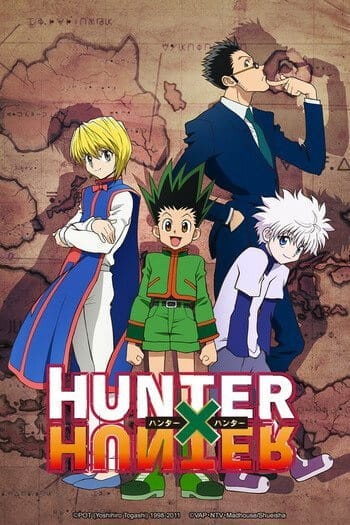
Nen is anime’s most complex power system. Created by Yoshihiro Togashi for Hunter x Hunter, it combines internal logic with infinite creativity. This guide explains everything.
What Is Nen?
Nen is life energy manipulation. All living beings have aura nodes that produce nen, but only trained users can:
- See and control their aura
- Use nen offensively or defensively
- Develop unique abilities
Opening the Aura Nodes
Two methods exist:
- Meditation (safe): Months of training to naturally open nodes
- Initiation (dangerous): Another user forces nodes open with aura attack
The Four Major Principles
Ten (Envelop)
The basic defense. Users contain their aura around their body, preventing leakage and providing protection. Without Ten, nen attacks could instantly kill.
Zetsu (Suppress)
Completely closes aura nodes. Users become undetectable to nen but are also defenseless. Used for stealth or extreme focus.
Ren (Enhance)
Intensifies aura output for offense. A powerful Ren can intimidate opponents or enhance attacks significantly.
Hatsu (Release)
Personal nen expression—this is where individual abilities come from. Each user’s Hatsu is unique based on their nen type and personality.
Advanced Techniques
Gyo
Concentrates aura in one body part. Often used in eyes to see hidden nen or in fists for powerful punches.
In
Advanced Zetsu that hides aura while still using it. Allows invisible nen attacks.
En
Extends aura as a sensory field. Masters can extend En for hundreds of meters, detecting anything within.
Shu
Extends aura onto objects. Strengthens weapons or tools with nen properties.
Ko
Concentrates ALL aura in one point. Extremely powerful but leaves rest of body undefended.
Ken
Maintains Ren over entire body. Defensive but exhausting.
Ryu
Real-time aura redistribution. Masters can shift defensive/offensive balance instantly.
The Six Nen Types
Every user has natural affinity for one type:
Enhancement
Strengthening self or objects. Simple but effective. Users are typically straightforward fighters.
- Example: Gon’s Jajanken Rock
- Personality: Simple, determined
Transmutation
Changing aura properties (texture, element, etc.). Creative and deceptive.
- Example: Killua’s electricity, Hisoka’s Bungee Gum
- Personality: Whimsical, liars
Emission
Projecting aura away from body. Ranged attacks and teleportation.
- Example: Franklin’s bullets, Leorio’s Warping Punch
- Personality: Short-tempered
Conjuration
Creating physical objects from aura. Requires intense imagination and conditions.
- Example: Kurapika’s chains, Kite’s weapons
- Personality: Nervous, high-strung
Manipulation
Controlling objects or people. Often requires conditions like physical contact or planted objects.
- Example: Illumi’s needles, Shalnark’s antenna
- Personality: Logical, argumentative
Specialization
Unique abilities that don’t fit other categories. Can’t be trained—only born into it.
- Example: Chrollo’s ability theft, Neon’s predictions
- Personality: Independent, charismatic
Conditions and Vows
Power Through Restriction
Nen abilities become stronger with conditions:
- The more restrictive the condition, the more powerful the ability
- Breaking a vow can result in death
- Conditions can be revealed or secret
Example: Kurapika’s Chains
Chain Jail only works on Phantom Troupe members. This extreme restriction makes it unbreakable against them. Using it on others would kill Kurapika.
Why Nen Is the Best Power System
- Internal consistency: Rules are followed even when inconvenient
- Creativity rewards: Unique abilities are better than raw power
- Personality reflection: Powers match characters
- Strategy over strength: Weaker users can win through preparation
- Balanced limitations: Everyone has weaknesses
Related: Hunter x Hunter vs One Piece: The Power System Debate
You Might Also Like
- Hunter x Hunter vs One Piece: The Power System Debate
- Hunter x Hunter Nen System Explained: The Most Complex Power System in Anime
- Best Isekai Anime Ranked (2026): The Ultimate Guide to Another World