
<strong>Fan service remains anime’s most polarizing element. Some viewers dismiss criticism as prudishness; others point to it as the medium’s greatest barrier to mainstream acceptance. Neither extreme captures the full picture. Here’s an honest examination of fan service—what it is, why it exists, and why the conversation matters.
Defining Fan Service

At its core, fan service is content included primarily to please the audience rather than serve the narrative. While the term technically covers any gratuitous crowd-pleasing moment—from unnecessary fight scenes to beloved character cameos—it’s become synonymous with sexual content in common usage.
This includes revealing outfits that defy physics and practicality, “accidental” compromising situations, beach and hot spring episodes, camera angles that linger inappropriately, and character designs that prioritize titillation over coherence. It’s the content that makes you nervous when someone walks past while you’re watching.
Arguments Defending Fan Service

Anime Is an Adult Medium
Defenders correctly point out that anime targets multiple demographics, including adults who can choose what to watch. The existence of seinen and josei series proves anime isn’t just for children. Adult viewers can handle mature content without requiring protection.
This argument holds for content clearly marketed to adults. It weakens considerably when applied to shonen series ostensibly for teenagers that feature sexualized characters who are themselves teenagers.
Harmless Entertainment
Fan service is fictional. No real people are harmed in its creation (unlike other forms of sexualized media). If viewers enjoy it and creators profit from it, the transaction seems mutually beneficial.
Critics respond that the effects of media aren’t confined to direct harm—normalization of objectification affects real-world attitudes. This debate echoes broader conversations about media influence that have no easy resolution.
Cultural Context
Japanese attitudes toward sexuality in media differ from Western norms. What seems excessive to American audiences may be unremarkable in Japan. Imposing Western standards on Japanese art could constitute cultural imperialism.
This argument has merit but shouldn’t be overstated. Japan also has strong conservative voices criticizing fan service. The divide isn’t cleanly Japan-vs-West; it’s more complex within both cultures.
Easy to Avoid
Nobody forces viewers to watch high-fan-service anime. Plenty of series exist without gratuitous content. If a show’s fan service bothers you, watch something else.
This is practically true but sidesteps the broader discussion. That excellent shows sometimes undercut themselves with unnecessary fan service frustrates viewers who want to enjoy the good parts.
Arguments Against Fan Service

Barrier to Entry
Fan service genuinely prevents people from engaging with anime. Recommending shows to non-anime-viewers becomes complicated when you have to warn them about uncomfortable content. How many potential fans never gave anime a chance after encountering jarring fan service in their first attempts?
The medium’s growth despite this barrier doesn’t mean the barrier doesn’t exist. Anime would likely have broader acceptance without this specific association.
Narrative Dissonance
When a series builds emotional tension then interrupts for a bath scene, it undermines its own storytelling. Fan service moments often break immersion, reminding viewers they’re watching a commercial product designed to sell merchandise.
The worst offenders are serious shows that sabotage their own dramatic weight with tonal whiplash. Fire Force’s compelling premise frequently undercuts itself with distracting fan service that even the show’s fans often criticize.
Character Objectification
Female characters in fan-service-heavy shows often exist primarily as visual objects rather than narrative agents. Their designs prioritize attractiveness over consistency with their roles; their personalities may be reduced to enabling compromising situations.
This isn’t universal—some fan service occurs with otherwise well-written characters. But the correlation between heavy fan service and poorly written female characters is strong enough to warrant acknowledgment.
Age-Related Concerns
The most uncomfortable aspect: many sexualized characters are canonically teenagers. Even when they’re drawn as adults, their stated ages create troubling implications. The “she’s actually a 1000-year-old dragon” trope exists specifically to deflect this criticism, which inadvertently highlights its validity.
This concern is difficult to dismiss. Defenders who argue these are fictional characters implicitly accept that fiction can influence attitudes—the same premise critics use to argue for concern.
The Spectrum of Fan Service
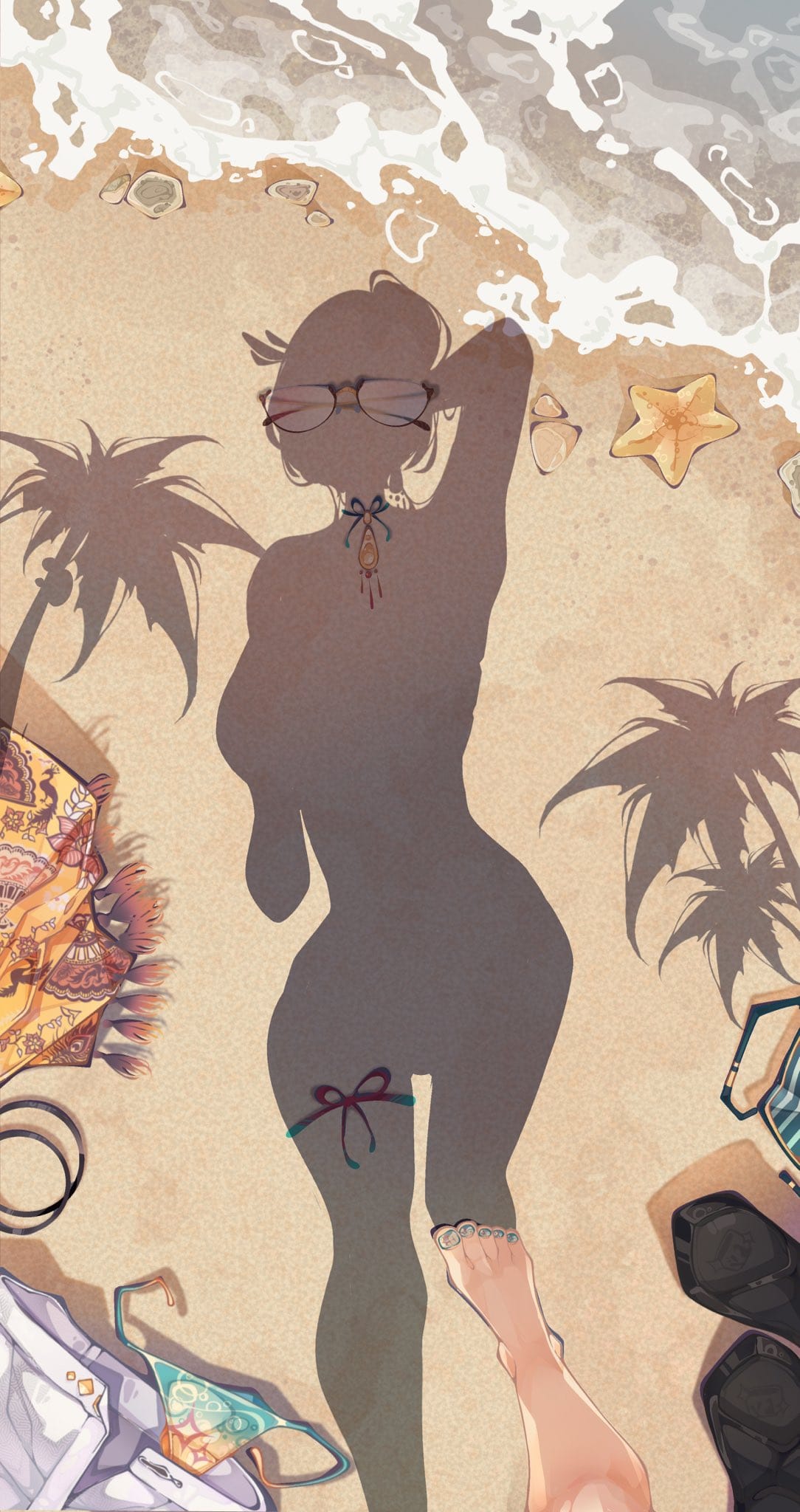
Fan service exists on a spectrum from mild to extreme. A beach episode with characters in swimwear differs substantially from gratuitous panty shots or sexualized violence. Treating all fan service identically obscures important distinctions.
Some shows integrate mild fan service without derailing their narratives. Others make it their primary selling point. The criticism level should probably vary accordingly—Fairy Tail’s relatively mild approach differs from shows designed primarily around titillation.
Economic Realities

Fan service sells merchandise. Character figures, body pillows, and other products drive anime’s economics. Studios include fan service because it works financially, not from creative conviction.
Understanding this explains fan service’s persistence without justifying it artistically. Economic pressures shape all media; anime’s specific pressures push toward certain content types.
Changing Trends
Some evidence suggests fan service is declining in mainstream anime. Modern hits like Demon Slayer, Jujutsu Kaisen, and Attack on Titan succeed without relying heavily on it. Frieren explicitly avoids the tropes despite having characters who could enable them.
Whether this represents permanent shift or temporary trend remains unclear. The isekai genre, which often includes heavy fan service, continues to dominate seasonal production. Change is happening but isn’t complete.
Navigating as a Viewer
Practically speaking, viewers should research shows before watching if fan service concerns them. Community reviews, parental guides, and anime databases note content warnings. The information exists for those who seek it.
It’s also worth developing tolerance for mild content in otherwise excellent shows rather than dismissing anything imperfect. Few anime achieve zero fan service while being completely worthwhile; flexibility helps.
The Honest Assessment
Fan service is neither harmless fun nor irredeemable corruption. It’s a commercial practice with artistic costs and genuine concerns—particularly regarding underage-coded characters—that defenders too often dismiss.
The medium would be stronger with less gratuitous content and more fully-realized female characters. But fan service’s existence doesn’t invalidate anime’s genuine artistic achievements. Both things can be true.
The solution isn’t demanding elimination or dismissing all criticism. It’s honest acknowledgment: fan service has costs. Whether those costs are acceptable depends on the specific show, the specific content, and the specific viewer. There’s no universal answer—only individual judgments viewers must make for themselves.
That’s the honest conversation anime fans should have: not defending everything or condemning everything, but evaluating thoughtfully what we’re actually watching and why.