
Escanor wasn’t supposed to work. A character whose power literally makes him invincible at noon, who speaks in flowery proclamations about his own superiority, who transforms from pathetic weakling to arrogant god daily—on paper, it sounds insufferable. Instead, Escanor became Seven Deadly Sins’ most beloved character, a testament to how execution transforms potentially annoying concepts into genuinely compelling storytelling.
The Sunshine Curse: Power as Affliction
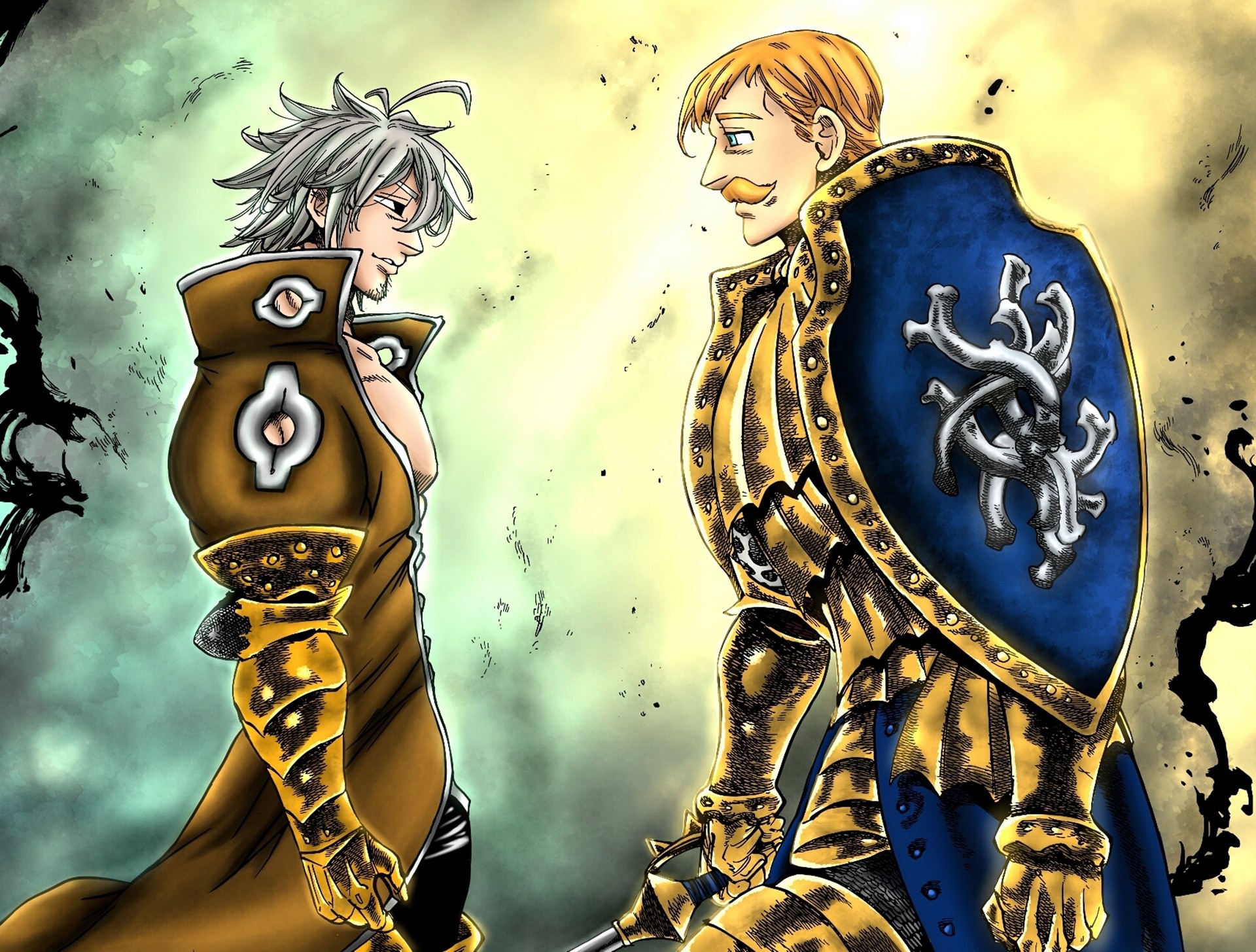
Escanor’s power—Sunshine—operates on a simple premise with complex implications. His strength waxes and wanes with the sun, reaching peak power at noon and complete weakness at midnight. This isn’t just a power system; it’s a curse that fractured his entire identity.
During daylight hours, Escanor becomes confidence incarnate. His magic power exceeds every other character, his physical strength shatters mountains, and his arrogance—though technically accurate—borders on comedy. But when the sun sets, he transforms into a timid, self-deprecating man who apologizes for his daytime behavior.
This duality creates something rare in battle shonen: a protagonist who genuinely fears his own power. Night Escanor finds Day Escanor terrifying, embarrassing, alien. He apologizes for things he’ll inevitably do again tomorrow. The disconnect between his two selves generates constant internal conflict without requiring external antagonists.
The Ultimate: When Noon Hits
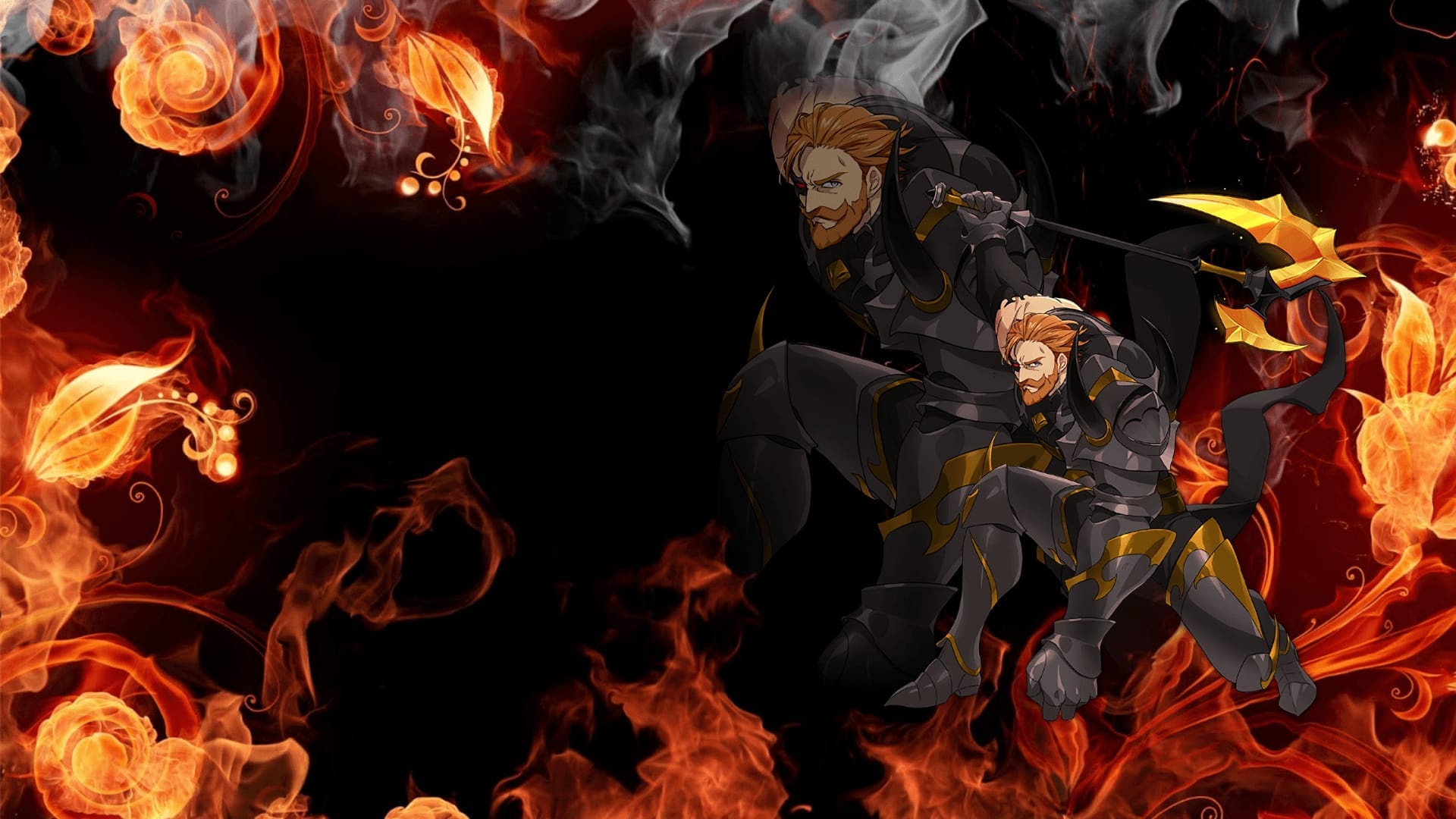
Escanor’s “The One” form—his state at exactly noon—represents power beyond comprehension. For one minute, he becomes essentially invincible, capable of matching even Demon King-level opponents. The Estarossa fight in Season 3 demonstrates this perfectly: Escanor overwhelms one of the Ten Commandments effortlessly, burning away every attack.
But The One comes with costs. Using it strains Escanor’s body beyond sustainable limits. Each noon pushes him closer to destruction, trading future lifespan for present power. This limitation grounds his godlike strength in genuine sacrifice—he’s not effortlessly powerful but paying constantly for his abilities.
The Demon King fight takes this further. Escanor forces himself beyond The One’s limits, achieving “The One: Ultimate” at the cost of his remaining life. His final battle becomes literal self-sacrifice, burning away his existence to protect his friends. Power without cost makes characters boring; Escanor’s escalation always extracts payment.
Pride: The Sin That Fits
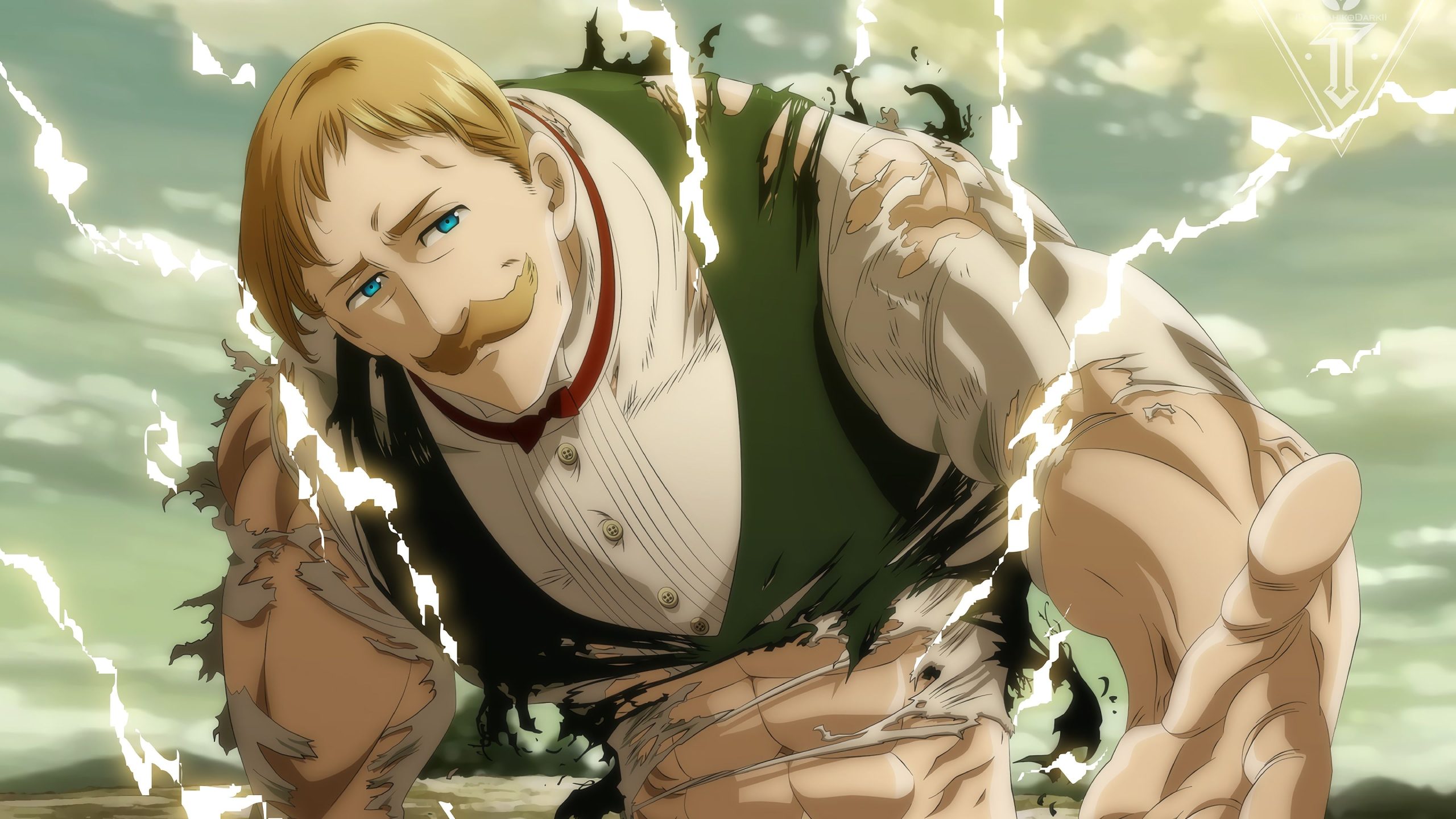
As the Sin of Pride, Escanor embodies his sin complexly. Day Escanor’s arrogance seems straightforward—he genuinely believes himself superior and has the power to justify it. But Night Escanor reveals the truth: his pride compensates for deep-seated self-loathing and fear of rejection.
Escanor was born to royalty but exiled as a child when his power first manifested. His family viewed Sunshine as demonic, casting out their own son rather than accepting his curse. This childhood trauma—powerful enough to destroy nations yet rejected by everyone who should have loved him—created both Escanors.
Day Escanor’s arrogance becomes defense mechanism. If he proclaims himself superior, rejection hurts less because he’s already elevated beyond those rejecting him. Night Escanor’s humility reveals the wound beneath—someone who still believes himself unworthy despite overwhelming evidence otherwise. The sin of Pride masks the deepest insecurity.
Merlin: The Unrequited Heart
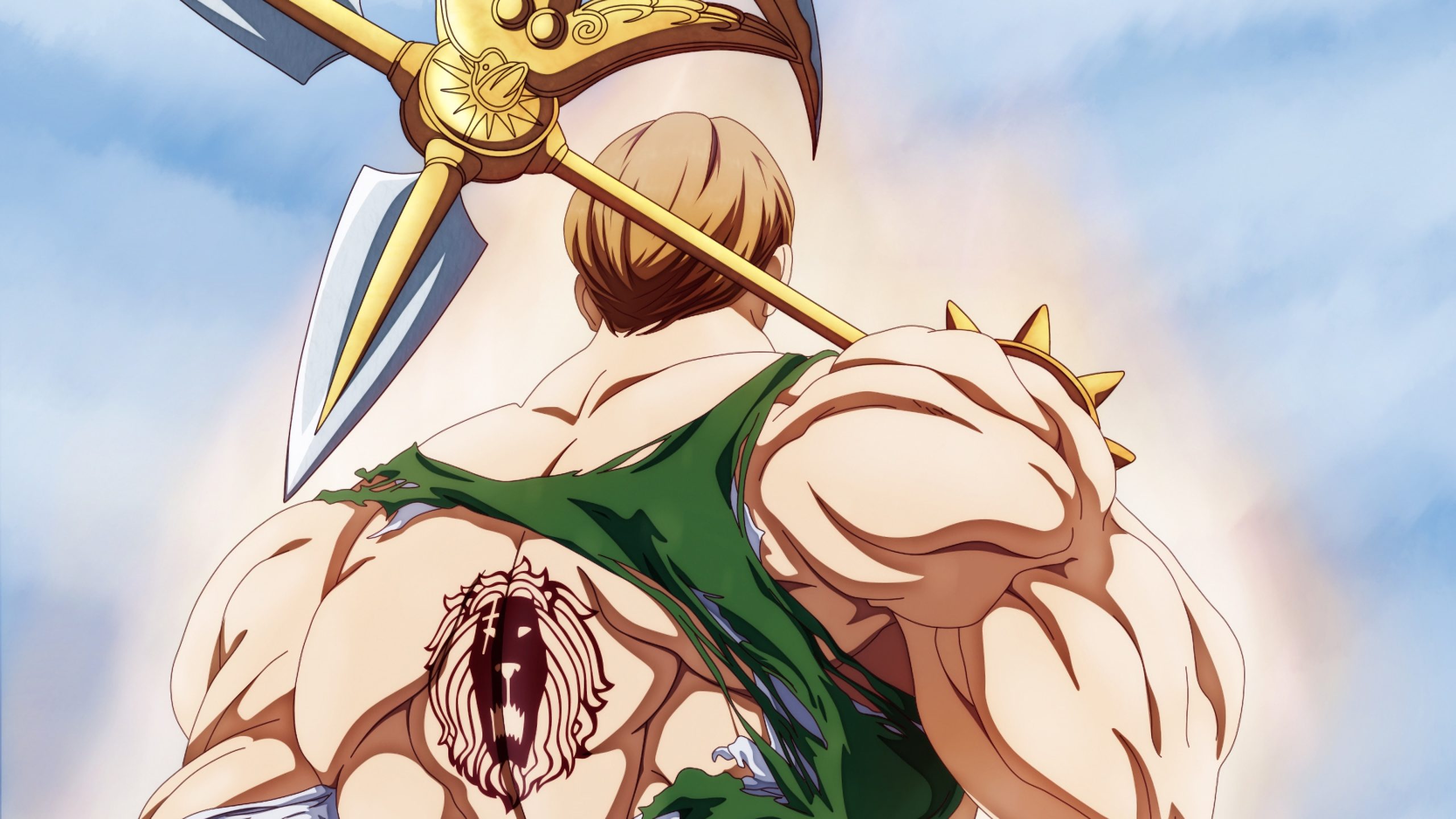
Escanor’s love for Merlin provides his emotional anchor. Unlike typical anime romance, this love is explicitly unrequited—Merlin cares for Escanor as a comrade but doesn’t return romantic feelings. Escanor knows this, accepts it, and loves her anyway.
This unrequited devotion adds depth to his character. He doesn’t expect reciprocation, doesn’t demand it, simply offers his heart freely while accepting he’ll never receive what he gives. When Night Escanor confesses his feelings, knowing rejection is certain, he demonstrates courage beyond his combat prowess.
His final moments with Merlin cement this relationship. She acknowledges his feelings genuinely, grants him the dignity of honest response rather than false comfort. Their goodbye ranks among the series’ most emotionally effective scenes—two people who care differently finding closure despite asymmetric feelings.
The Memes Made Manifest
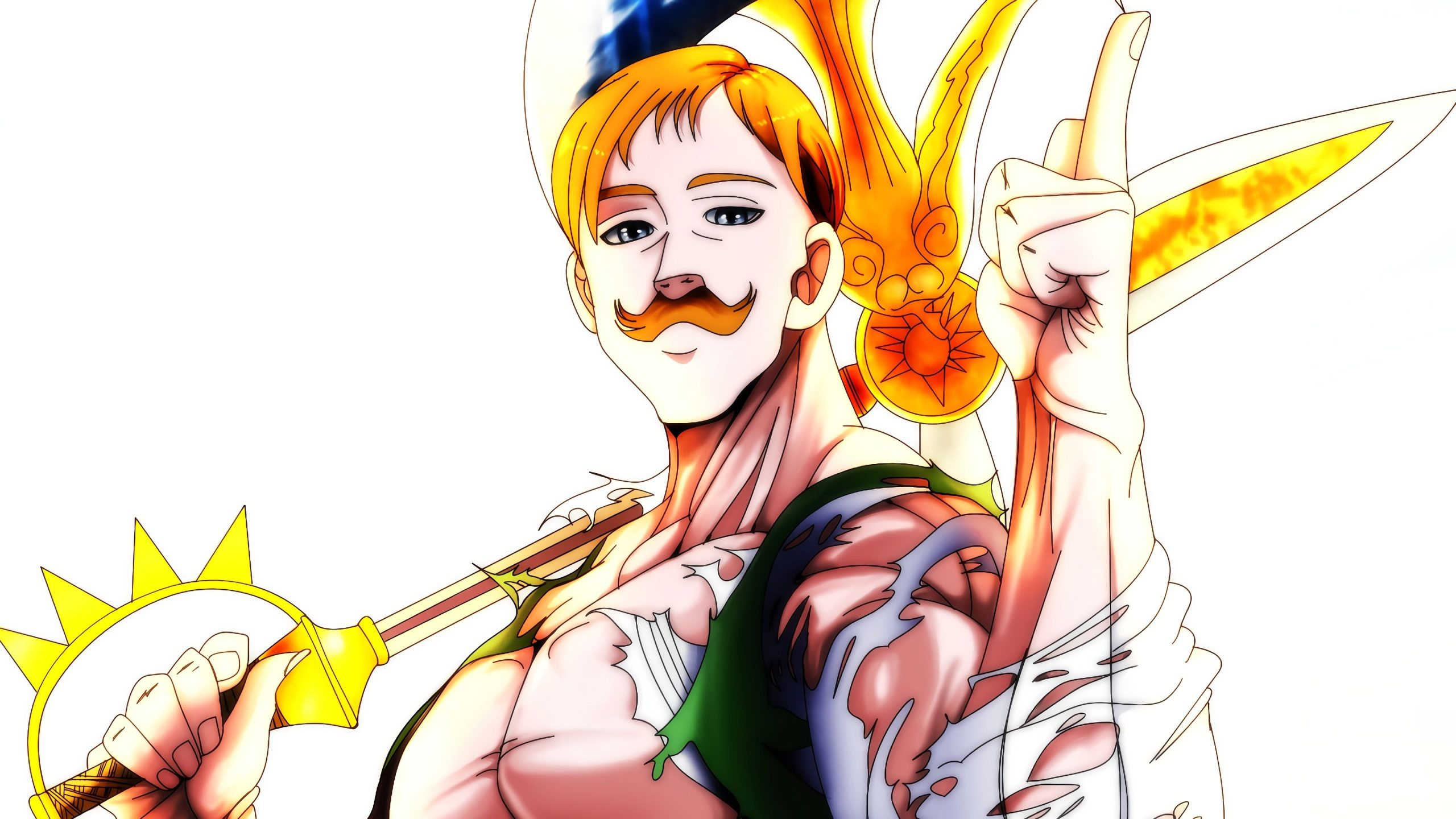
Escanor’s declarations became meme culture phenomenons. “Who decided that?”—his dismissive response to claimed superiority—spread far beyond Seven Deadly Sins fandom. His fight against Estarossa generated countless reaction images. “The One” became shorthand for overwhelming power across anime communities.
This cultural penetration reflects smart character design. Escanor’s lines work as standalone moments even without context. His confidence, delivered with absolute sincerity, creates humor through conviction rather than irony. He’s not joking when he declares himself the pinnacle of humanity—he genuinely believes it, and that belief’s earnestness makes it entertaining rather than obnoxious.
Combat Record: The Fights That Matter
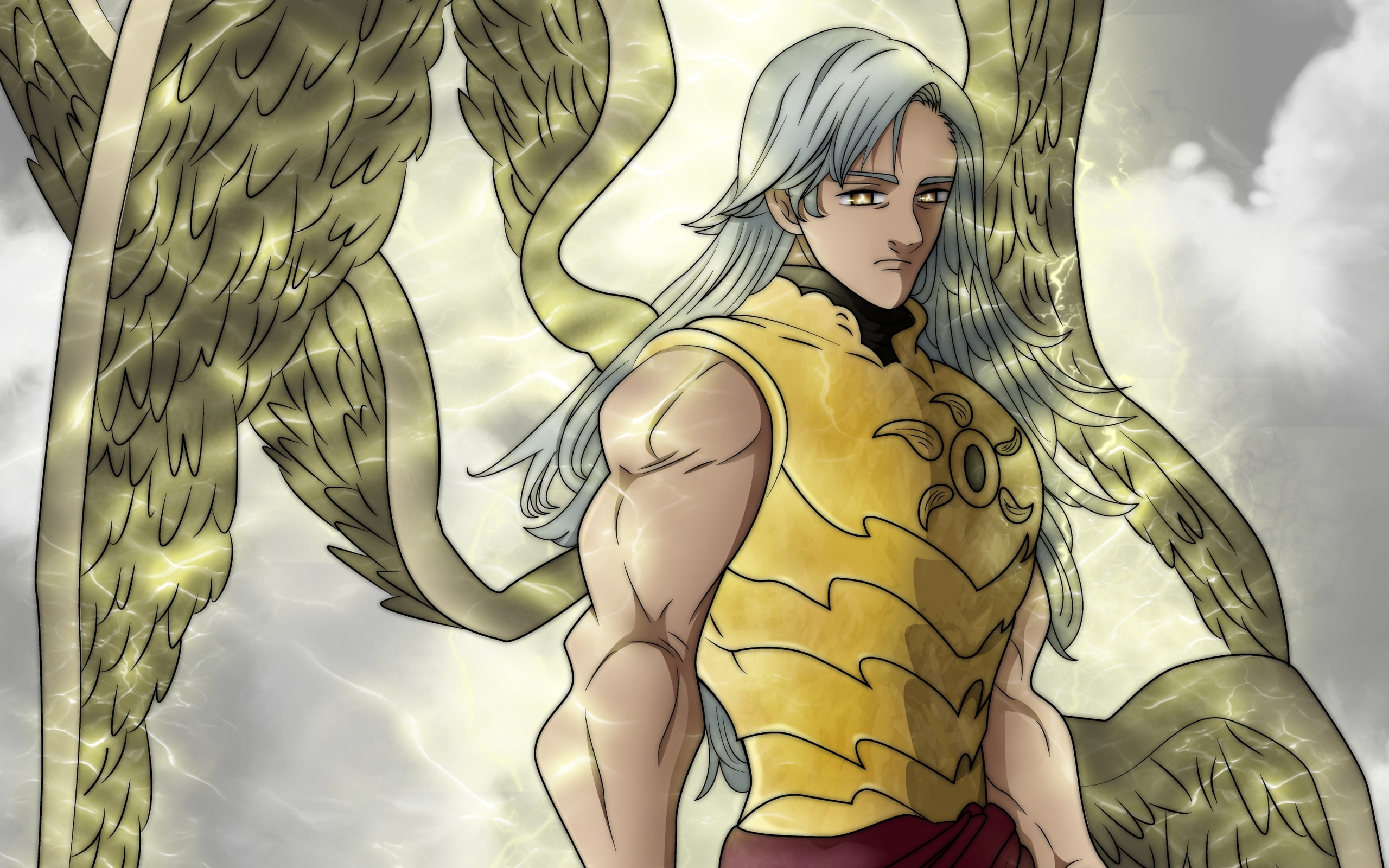
Escanor’s major battles demonstrate escalating stakes and costs:
Against Galand, he establishes his power level—casually overwhelming a Commandment who terrorized everyone else. Against Estarossa, he shows The One’s true potential, dominating a top-tier demon effortlessly. Against Meliodas (Assault Mode), he fights his own captain to a standstill, proving his peak rivals even series protagonists.
The Demon King fight represents his culmination. Escanor pushes beyond every limit, accessing power that literally consumes his life force. His grace burns through his body, transforming him into living sunfire while his physical form disintegrates. Victory costs everything—and he pays willingly.
Why Pride Incarnate Works
Escanor succeeds because his arrogance is earned, his vulnerability is genuine, and his sacrifice is meaningful. Characters who proclaim superiority without backing it become annoying. Characters who are powerful without weakness become boring. Escanor provides both justified confidence and crippling insecurity, both godlike power and fatal limitation.
His death, unlike many anime deaths, sticks. He doesn’t return through convenient resurrection or hidden survival. Escanor burns away completely, leaving nothing but impact on those who knew him. This permanence grants his sacrifice weight—he genuinely gave everything, and the story respects that gift by not cheapening it with revival.
Seven Deadly Sins has inconsistent quality across its run, but Escanor remains consistently excellent. He’s the character fans remember, the one whose moments transcend the series’ flaws. Pride incarnate—in the end, he earned every proclamation he ever made.
You Might Also Like
- Frieren Power System Explained: Magic, Demons, and Mana
- Frieren Power System Explained: Magic, Demons, and Mana
- Demon Slayer Corps Power Ranking 2026: Every Hashira and Slayer Ranked