The Final Countdown: Dr. Stone Science Future Part 3 Is Almost Here
Mark your calendars — Dr. Stone: Science Future Part 3 drops on April 2, 2026, and this isn’t just another seasonal premiere. This is the end. The final chapter. The moment millions of fans across the globe have been building toward since Senku Ishigami first cracked open an eye in a world covered in stone. If you’ve been riding with the Kingdom of Science from the very beginning, brace yourself — because the conclusion of this series is going to hit different.
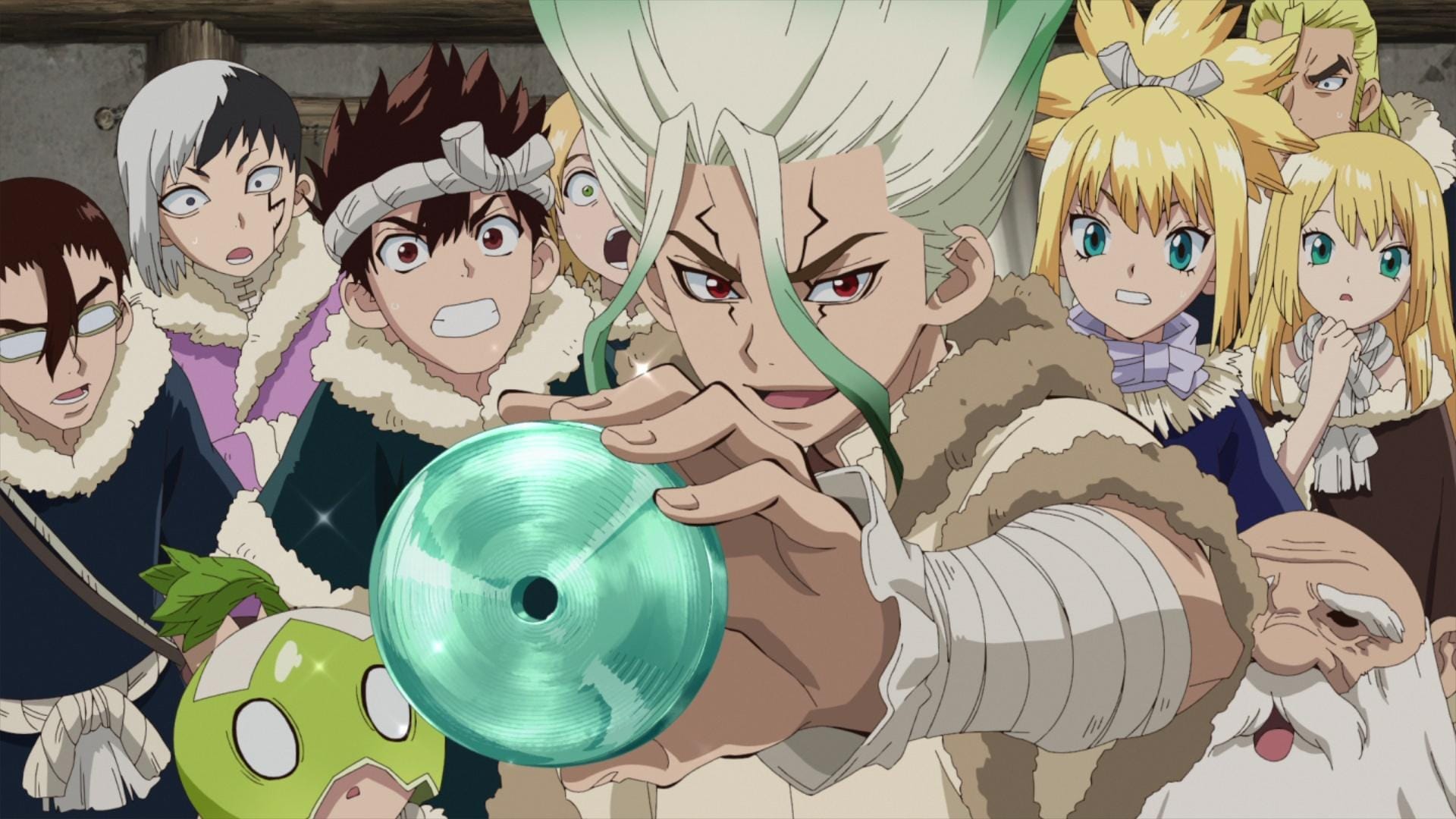
Science Future Part 3 is the last installment of the Dr. Stone anime adaptation, wrapping up what is widely considered one of the most intellectually ambitious shonen series ever produced. We’re talking rockets, the moon, a mysterious signal from outer space, and a final confrontation that will define Senku’s entire legacy. No filler arcs, no spin-off detours — just pure, high-octane scientific storytelling hurtling toward its conclusion at ten billion percent speed.
Whether you’re a long-time manga reader who already knows what’s coming or an anime-only fan going in fresh, this guide breaks down everything you need to know heading into the final stretch. The hype is real, the stakes are galactic, and the Kingdom of Science is ready to launch.
[Image placeholder: Senku with his E=MC2 pose, arms crossed, electric green hair glowing against a star-filled sky]
How We Got Here: A Journey Through Stone, War, and the Open Sea
To understand why Dr. Stone Science Future Part 3 lands so hard, you need to appreciate the ground the series has covered. This wasn’t a story that started with rockets and moon missions — it started with a teenager making nitric acid from bird droppings and declaring “get excited” while everyone else was still figuring out how to make fire.
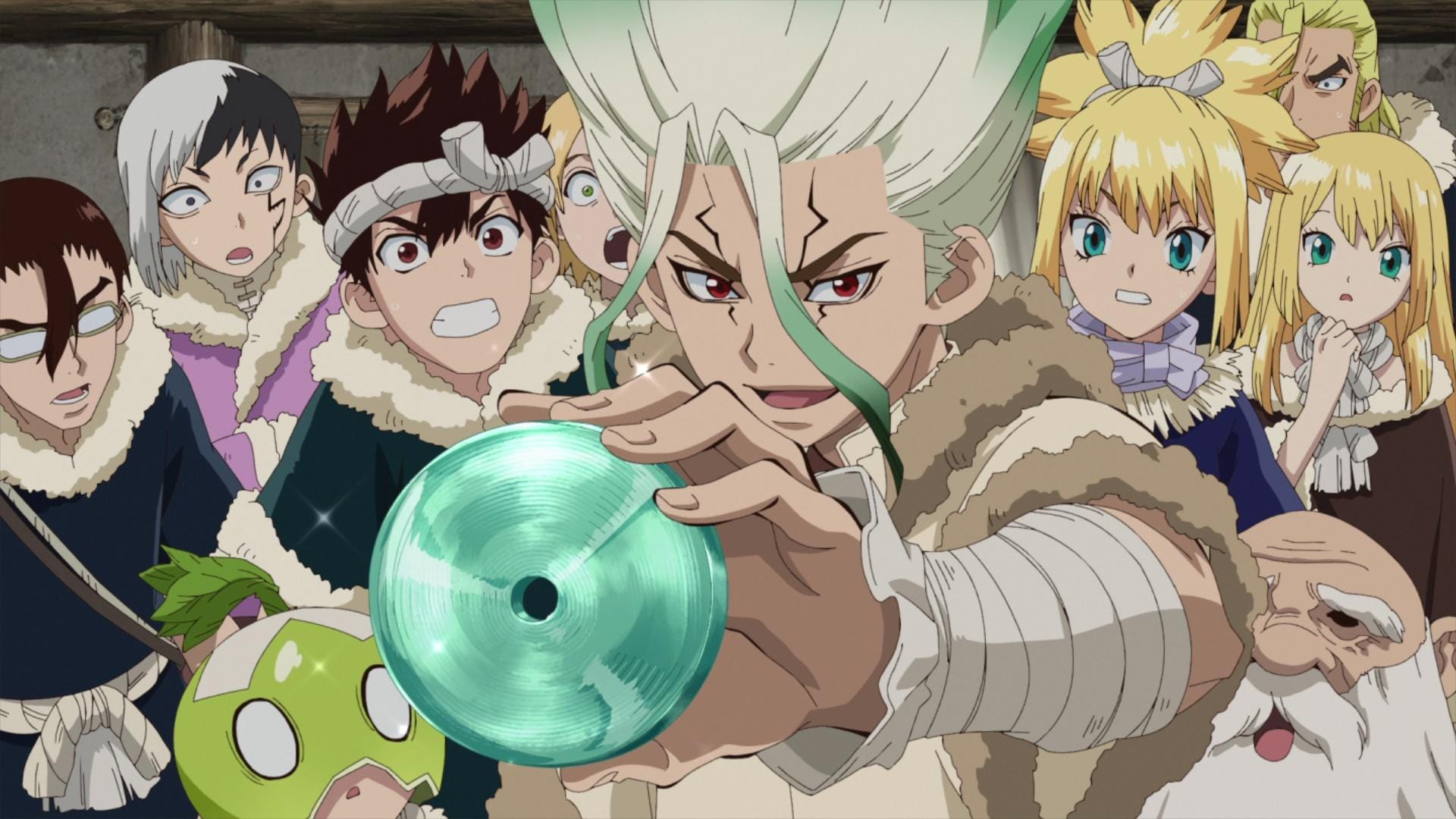
Season 1 introduced us to the Stone World — a 3,700-year future where a mysterious green light petrified every human on Earth. Senku de-petrified first, then immediately started reverse-engineering civilization from scratch. Chemistry, agriculture, medicine, electricity — he didn’t just survive the Stone World, he started *conquering* it. The Kingdom of Science was born, and with it came Chrome, Kohaku, Gen Asagiri, and a cast of characters who make you genuinely root for science education.
Season 2 gave us the Stone Wars arc — the all-out conflict against Tsukasa Shishio’s Empire of Might. Tsukasa’s philosophy (keep the world pure, only revive the young and uncorrupted) clashed directly with Senku’s vision of reviving every single person, no exceptions. The resolution of that conflict — and what ultimately happens to Tsukasa — remains one of the most emotionally resonant moments in the entire series. It’s where the show proved it wasn’t just smart, it had a heart.
Season 3 exploded the scope. The Treasure Island arc sent the Kingdom of Science out to sea, introduced the ruthless Ibara and his master Kirisame, and revealed more about the petrification devices than anyone expected. Then came the Age of Exploration — Ryusui Nanami joining the crew, the globe-spanning mission beginning in earnest, and the first tantalizing glimpses of civilization remnants scattered across the world. Senku wasn’t just rebuilding Japan anymore. The mission had gone planetary.
[Image placeholder: The Kingdom of Science’s fleet sailing open ocean, Ryusui at the helm with the Perseus crew assembled]
Science Future Part 1 and Part 2 turned the dial up even further. The global journey brought the team to America, to South America, to cities that once hummed with billions of lives now silent under stone. Suika’s revival arc — easily among the most emotionally devastating sequences in the entire series — showed just how much the show could make you feel with nothing but a watermelon-helmeted girl and an empty world. Then came the superalloy city, the Medusa weapon deep dive, and the pieces of the Why-man puzzle finally snapping into focus.
And now we’re here. Part 3. The launch window is open. The rocket is almost ready.
The Why-Man Mystery: What We Know and What the Final Arc Must Answer
If you’ve been paying attention — and with this show, you’d better be — then you know the central mystery driving Science Future isn’t just “how do we get to the moon.” It’s who is the Why-man, and why did they petrify the entire human race?
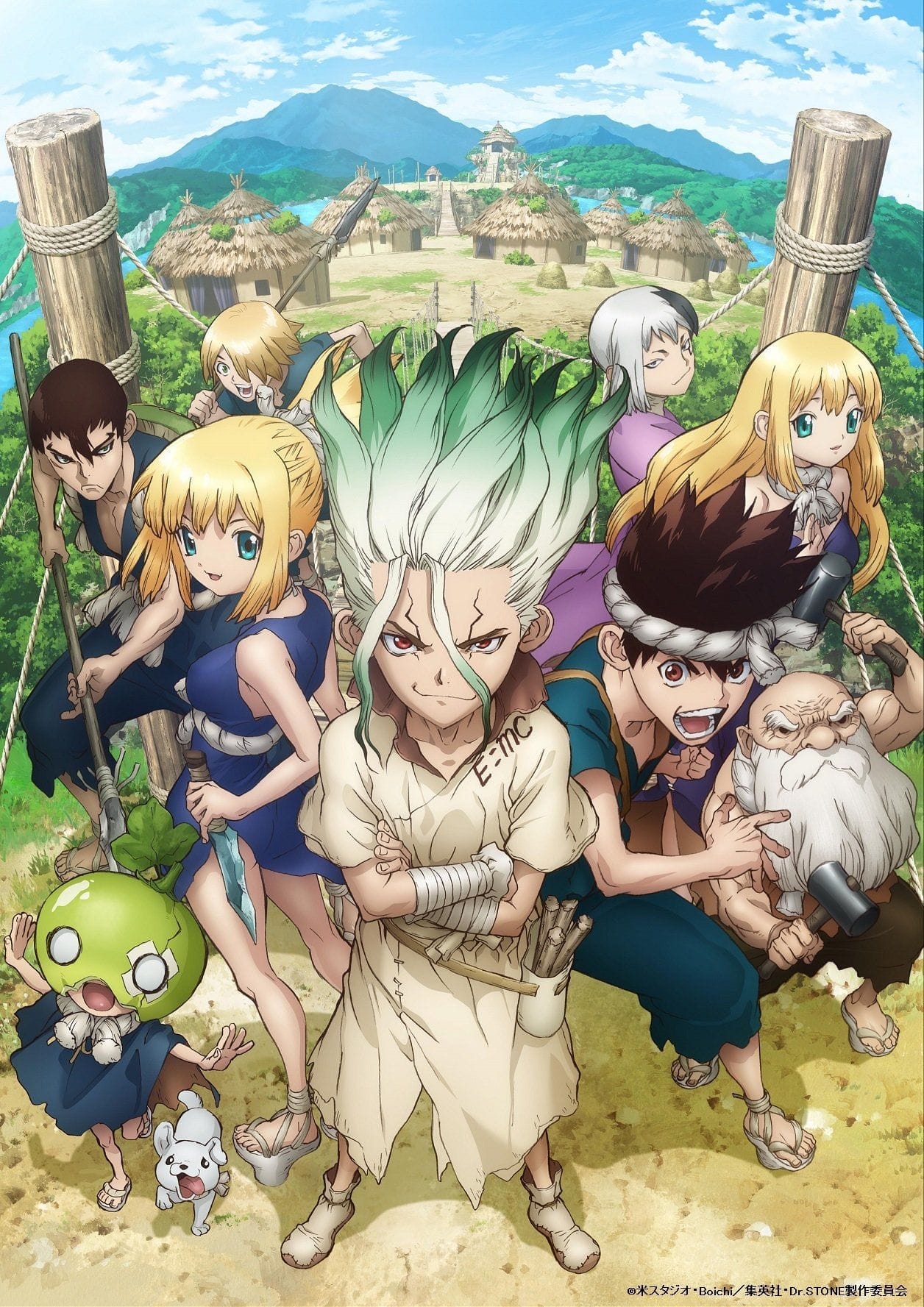
The Why-man first appeared as a radio signal. A voice broadcasting from the moon, responding to Senku’s transmissions with a single, chilling word: “Why.” Not threatening, not welcoming — just *why*. It’s the kind of mystery that feels deceptively simple until you start pulling on the thread and realize it connects to everything. The petrification event. The Medusa devices. The bizarre, almost mechanical consistency of the signal. This is the existential question at the core of Dr. Stone, and Science Future Part 3 is where it gets answered.
[Image placeholder: The Why-man signal display on Senku’s communication equipment, crackling green waveforms against a dark background]
What makes the Why-man such a compelling mystery is how it recontextualizes everything that came before. Was the petrification an extinction event? A preservation attempt? Something else entirely? The manga’s answer — which anime-only fans will experience for the first time — is genuinely unexpected and thematically rich. It ties directly back to Senku’s core belief that science isn’t just a tool, it’s the best expression of human curiosity and the desire to push beyond known limits.
For a series built around the idea that every problem has a scientific solution, the Why-man represents the ultimate problem: something beyond Earth, beyond current human capability, possibly beyond human understanding. Senku’s response, naturally, is to build a rocket and go find out. Because of course it is.
The resolution of the Why-man mystery is the kind of payoff that makes you want to restart the series from Episode 1 immediately after. Context changes everything, and Dr. Stone earns its conclusion.
Building a Rocket in the Stone Age: The Science Behind the Final Arc
Here’s the thing about Dr. Stone that separates it from every other shonen: the science is real. Not science-adjacent, not science-flavored — actual science. Riiiichiro Inagaki and Boichi built this series around legitimate chemistry, physics, and engineering principles, and the rocket arc is the ultimate expression of that commitment.
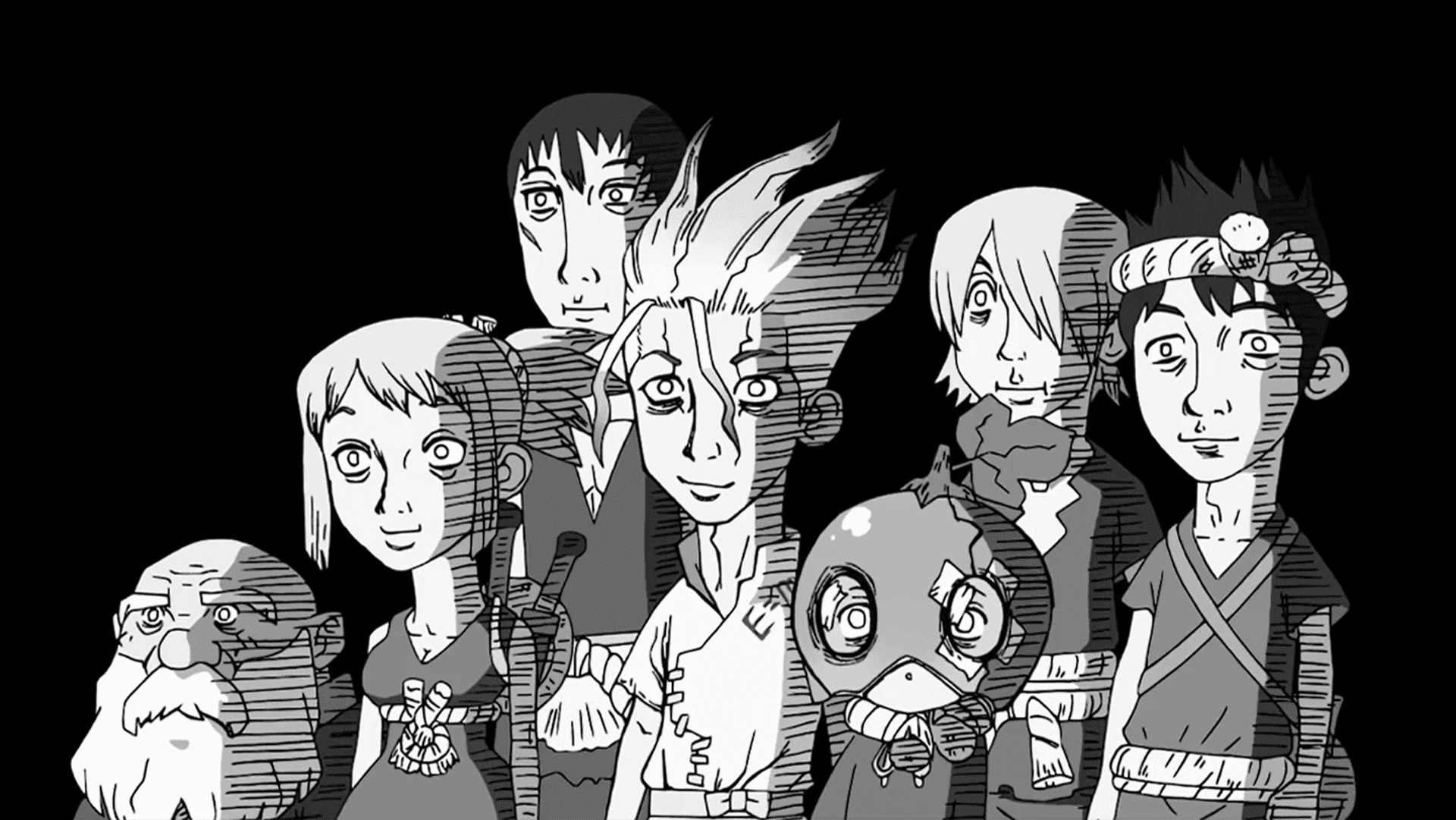
Think about what it actually takes to build a functional rocket from scratch. You need precision metallurgy — hence the superalloy city. You need liquid fuel, which requires cryogenic engineering. You need navigation systems, guidance computers, life support. You need to solve atmospheric re-entry, orbital mechanics, and the vacuum of space. Every single one of these challenges gets addressed in the manga, and every solution is rooted in real scientific principles that Senku explains in his characteristically enthusiastic, slightly unhinged way.
[Image placeholder: Kingdom of Science building rockets, the entire crew working on the launch structure, welding sparks flying in the night]
Chrome’s journey is particularly worth noting here. When we first met him, Chrome was a self-taught “sorcerer” who collected minerals and played with chemical reactions by intuition alone. Watching him grow into a genuine scientist — someone who understands not just *what* works but *why* — is one of the series’ quietest and most satisfying character arcs. By the time the rocket arc hits full stride, Chrome isn’t just Senku’s assistant. He’s a peer. And that matters enormously for where the story goes.
Kohaku remains the heart of the team’s tactical strength, her combat ability and loyalty providing the muscle that pure science can’t always supply. Gen Asagiri continues to be the most underrated character in the series — a mentalist and con artist who turns psychological manipulation into a scientific instrument for the Kingdom of Science’s benefit. And Ryusui? Ryusui Nanami was born for this arc. A man who navigates by stars and commands vessels across oceans is exactly the kind of person you want involved in a moon mission.
[Image placeholder: Chrome discovering minerals in a cave, his eyes wide with excitement as the crystals catch lamplight]
The engineering sequences in Science Future Part 3 are expected to be some of the most technically detailed in anime history. TMS Entertainment and Studio 4°C have demonstrated across previous seasons that they understand the assignment — the lab sequences, the invention montages, the triumphant moment when a new device *works* — all of it lands with genuine energy. For the final arc, expect the production to pull out everything they have.
The Full Roster: Every Key Character Heading Into the Finale
One of Dr. Stone‘s greatest strengths is its ensemble. This isn’t a story about one genius carrying everyone else — it’s a story about what happens when the right people with the right skills come together around a shared mission. Heading into Science Future Part 3, let’s run down who matters and why.

Senku Ishigami is, obviously, the center of gravity. A polymath whose knowledge of science spans chemistry, physics, biology, engineering, and medicine, Senku is the reason civilization is being rebuilt at all. But what makes him genuinely great as a protagonist is that his genius is never portrayed as magic — it’s the product of obsessive curiosity and ten billion hours of mental prep during his three thousand years of conscious petrification. His emotional range has grown substantially as the series progressed. The stone-cold logician from Season 1 has become something warmer without losing any of his edge.
Chrome represents the soul of scientific curiosity in its purest form. His arc from village “sorcerer” to genuine researcher is one of the most human stories in the series. He’s brave in ways that go beyond physical courage — Chrome will throw himself into the unknown because he genuinely needs to know what’s there. That quality is indispensable for the final arc.
[Image placeholder: Kohaku in combat stance, silver hair flying, determination blazing in her eyes]
Kohaku is the backbone of the team’s field operations. Physically the most capable warrior in the Kingdom of Science’s inner circle, she’s also shown growth as a strategist and emotional anchor for the group. In the final arc, her role shifts in ways that long-time fans will find deeply satisfying. Her relationship with the entire team — and particularly with certain key decisions — carries genuine emotional weight.
Gen Asagiri deserves a full spotlight. He joined as an opportunist, stayed because he chose to, and evolved into one of the Kingdom of Science’s most indispensable assets. His ability to read people, manage morale, and turn social situations into tactical advantages makes him the team’s invisible infrastructure. The rocket arc needs Gen — not just as comic relief, but as the human element that holds a fractured coalition together under impossible pressure.
Ryusui Nanami was custom-built for this moment. His navigation expertise, his commanding presence, his refusal to accept any outcome other than total success — everything about Ryusui screams “final arc energy.” He’s the kind of character who makes you believe the mission is actually possible.
Tsukasa Shishio — yes, the former antagonist — has one of the most compelling arcs in the entire series. His presence in the final episodes carries the full weight of everything that came before between him and Senku. The resolution of their dynamic is handled with a maturity that’s rare in shonen storytelling.
Stanley Snyder is the wildcard. One of the most dangerous humans alive in the Stone World, a former special forces soldier with abilities that make even Kohaku look cautious, Stanley’s alignment and motivations heading into Part 3 are among the most intriguing threads still dangling. Where his loyalties ultimately land will matter enormously for how the final arc resolves.
Why Dr. Stone Is the Smartest Shonen Ever Made — And Why the Finale Has to Stick the Landing
There’s a conversation worth having about what Dr. Stone actually accomplished as a series, because the finale doesn’t exist in a vacuum. It’s the closing statement of a work that genuinely changed what people thought shonen anime could be.
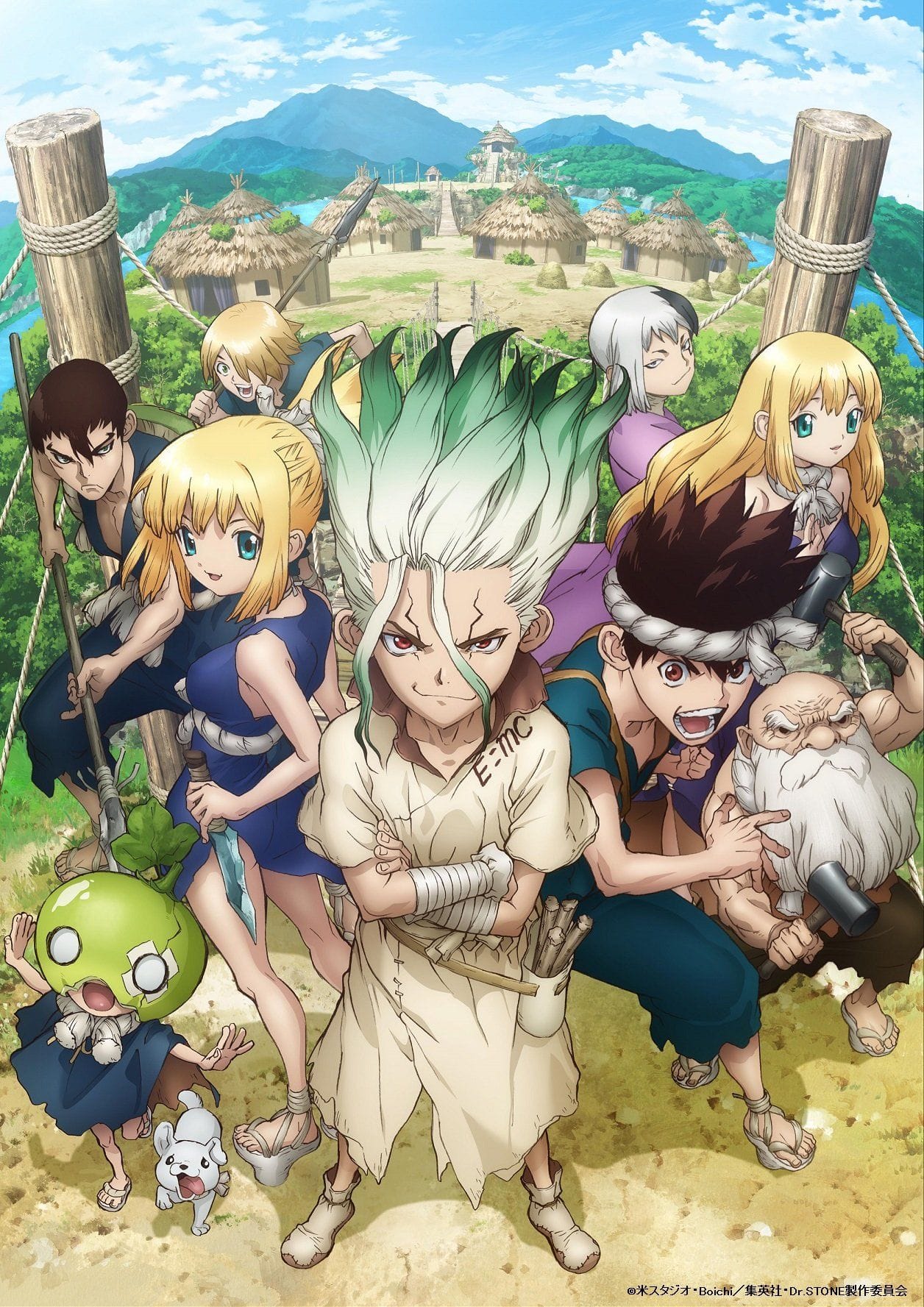
Most action-adventure shonen build their power systems around will, determination, and the unquantifiable belief that wanting something hard enough makes it real. Dr. Stone said: what if the power system was chemistry? What if the climactic moment wasn’t a new transformation but a new synthesis? What if the real tension wasn’t “will he reveal his hidden power” but “will he solve the engineering problem before the window closes?” It sounds like a hard sell, but it works — magnificently — because Inagaki understood that the excitement of discovery is just as visceral as the excitement of combat if you frame it right.
[Image placeholder: Senku and the Kingdom of Science celebrating a scientific breakthrough, everyone in frame, arms raised]
The series also handled its themes — humanity’s relationship with nature, the ethics of technological power, the question of who gets to decide civilization’s future — with genuine sophistication. The Tsukasa conflict wasn’t just a fight for survival; it was a debate about ideology. The Why-man mystery isn’t just a plot device; it’s a meditation on what drives intelligent life to reach beyond its own world.
Check out our take on why we’re living through a golden age of anime right now — Dr. Stone is Exhibit A for that argument. The show pushed the entire medium forward by proving that educational content and entertainment aren’t mutually exclusive, that you can make a globally beloved anime about the scientific method, and that “get excited” can be as emotionally loaded as any battle cry.
The pressure on Science Future Part 3 to stick the landing is immense. Manga readers who already know the ending have been largely enthusiastic — the final arc is considered a satisfying conclusion that honors everything the series built. But adapting it well, with the visual flair and emotional pacing that the anime has delivered at its best, requires TMS Entertainment an