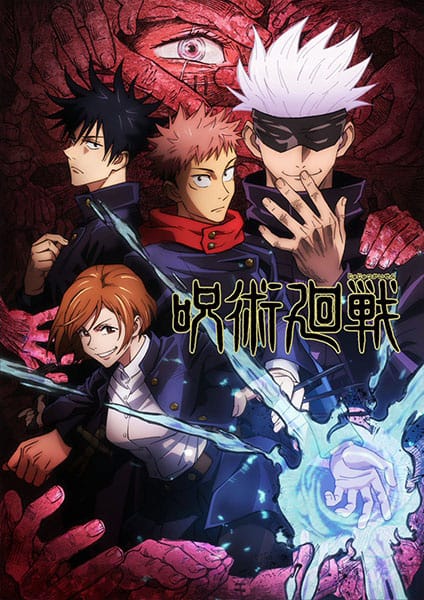
The dark shonen revolution is led by two manga giants: Chainsaw Man by Tatsuki Fujimoto and Jujutsu Kaisen by Gege Akutami. Both published in Weekly Shonen Jump, both breaking genre conventions, both extremely popular. But which one is better?
Tone and Atmosphere
Chainsaw Man: Chaotic and Absurd
CSM doesn’t take itself seriously—until it devastates you without warning. The series balances crude humor (Denji’s “dream” of touching a girl) with genuinely horrific imagery and emotional gut-punches.
It’s a punk rock manga—messy, energetic, and rebellious against conventions.
Jujutsu Kaisen: Dark but Structured
JJK is darker than traditional shonen but follows clearer narrative structures. It has humor (mostly from Gojo and Todo) but maintains a consistent serious tone. Deaths are frequent and meaningful.
It’s a refined evolution of battle manga tropes.
Power Systems
Chainsaw Man’s Devils
Powers in CSM are conceptual—Devils embody fears. The stronger the fear, the stronger the Devil. This leads to creative abilities like:
- Chainsaw Devil (Denji) – chainsaws from body
- Control Devil (Makima) – controls those who feel inferior
- Darkness Devil – embodies primordial fear of darkness
The system is creative but vague. Rules are loose, and power levels are inconsistent by design.
JJK’s Cursed Energy
JJK has one of manga’s most intricate power systems:
- Cursed Energy and Techniques
- Domain Expansions with specific rules
- Binding Vows and restrictions
- Reverse Cursed Technique
The system is complex and rewarding for readers who enjoy tactical battles.
Winner: JJK for depth, CSM for creativity
Protagonists
Denji
Denji is unlike any shonen protagonist. He’s uneducated, crude, and motivated by base desires. He doesn’t dream of being the strongest—he dreams of eating good food and finding love. His simplicity hides surprising depth.
Yuji Itadori
Yuji is more traditionally heroic but subverted. He faces existential questions about whether he deserves to live, given Sukuna inhabits him. His growth involves accepting that he can’t save everyone.
Winner: Denji – More original and memorable
Antagonists
Makima
Makima might be the best villain in modern manga. Her manipulation of Denji, her mysterious nature, and her reveal are all masterfully handled. She represents control disguised as love.
Sukuna
Sukuna is pure malevolence—a demon king who enjoys cruelty. He’s less complex than Makima but more intimidating. Every appearance raises stakes.
Winner: Makima – Better written, more impactful
Art and Animation
CSM’s Manga Art
Fujimoto’s art is uniquely chaotic. Pages flow unconventionally, action is visceral, and quiet moments are hauntingly composed. The anime (MAPPA) is gorgeous but divisive among fans.
JJK’s Art
Akutami’s art improved dramatically over the series. The anime elevates the source material significantly. MAPPA’s JJK animation is some of the studio’s best work.
Winner: Tie – Different strengths
Emotional Impact
Both series have devastating moments:
CSM deaths hit harder because of their suddenness. Characters die mid-sentence, without warning or fanfare. It’s realistic and brutal.
JJK deaths are more traditional but no less impactful. Shibuya Incident is a masterclass in escalating tragedy.
Winner: Chainsaw Man
Final Comparison
| Category | Winner |
|---|---|
| Tone | CSM |
| Power System | JJK |
| Protagonist | CSM |
| Villain | CSM |
| Action | JJK |
| Emotional Impact | CSM |
Overall: Chainsaw Man is more innovative and emotionally impactful. JJK is more accessible and has better action. Both are essential reading for modern manga fans.
Read more: Chainsaw Man: A Different Kind of Shonen
You Might Also Like
- Gojo vs Sukuna: Battle of the Strongest – Jujutsu Kaisen
- Sukuna’s True Power Explained: The King of Curses at Full Strength
- Sukuna’s True Power Explained: The King of Curses at Full Strength