CGI in anime sparks more heated debate than perhaps any other technical topic in the fandom. Some fans reject it categorically as a betrayal of anime’s hand-drawn heritage; others embrace it as necessary evolution. The truth, as usual, lies somewhere in the middle—and understanding the technology, economics, and artistry behind CG anime reveals a complex landscape that resists simple judgments.

Understanding Why Studios Use CGI
The Economics of Animation
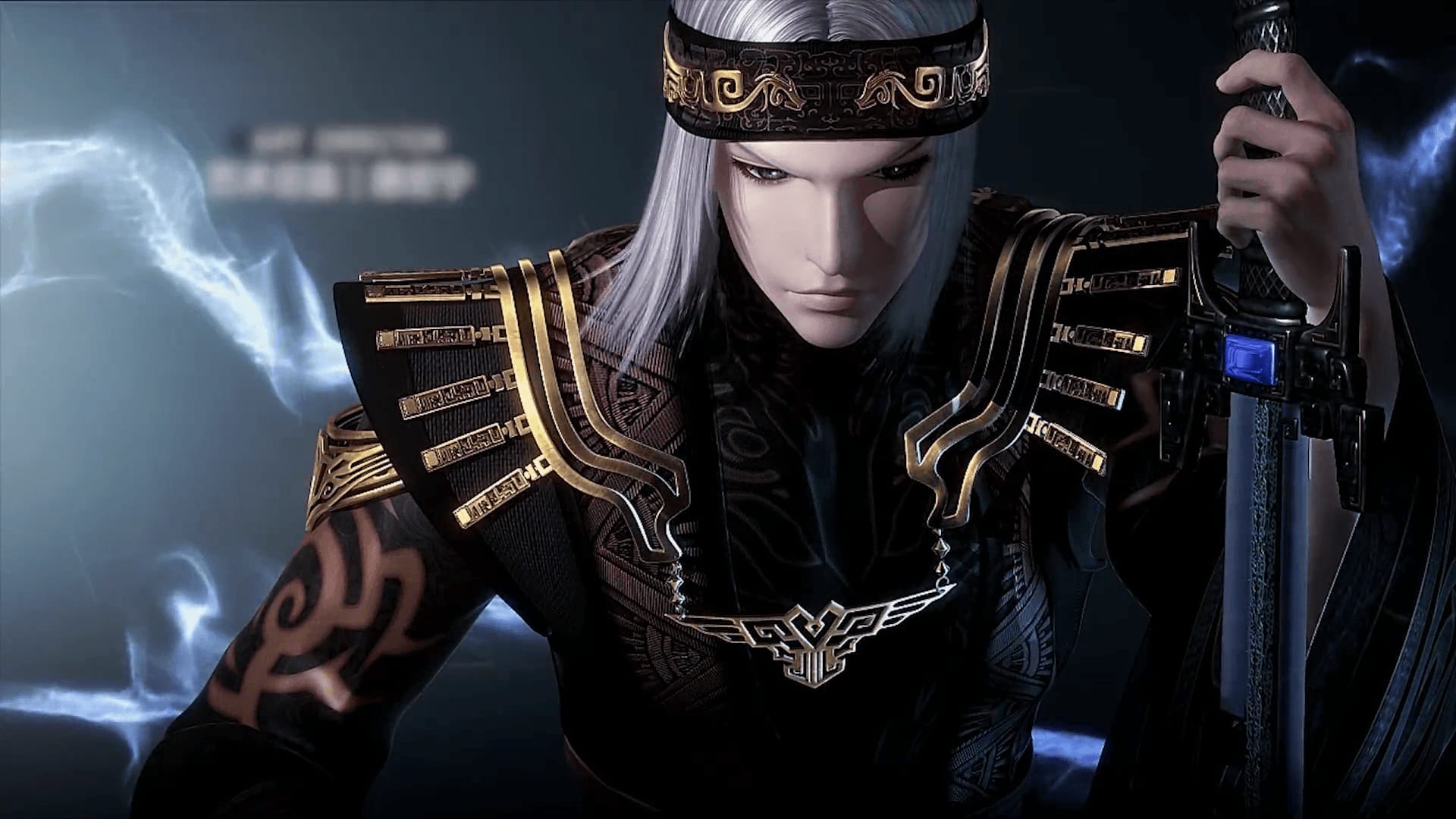
Hand-drawing complex elements is extraordinarily expensive. A single mecha transformation sequence might require thousands of drawings if done traditionally. A CG model, once created, can be reposed, relit, and reused indefinitely. For studios producing long-running series or mecha-heavy content, this economic reality is impossible to ignore.
Anime production operates on notoriously thin margins. The choice isn’t always between good CG and good 2D—it’s between some CG elements and no anime at all. This doesn’t excuse lazy implementation, but it contextualizes why studios make these choices.
Consistency Across Episodes
One underappreciated advantage of 3D models: they maintain consistent proportions regardless of which animator or studio handles a particular cut. Traditional 2D animation varies by individual animator’s style and skill. A mecha or vehicle might look slightly different in every scene when hand-drawn.
Some directors and studios value this consistency, particularly for mechanical designs where engineering precision matters aesthetically. Gundam’s mobile suits, for instance, have specific proportions that CG models maintain perfectly.
Production Schedule Pressures
Seasonal anime operates under brutal schedules. Studios often animate episodes just weeks before broadcast. CG, once the models exist, can be produced faster than equivalent 2D complexity for certain elements—crowd scenes, vehicles in motion, complex environments.
The anime industry’s scheduling problems are well-documented. CG isn’t the solution to those problems, but it’s often a necessary compromise that allows episodes to exist at all. The alternative isn’t better 2D animation; it’s delayed or cancelled productions.
Shots That Would Be Impossible Otherwise
Some camera movements and perspectives are essentially impossible to hand-draw convincingly. Complex rotations, rapid tracking shots through environments, and certain action choreography become feasible with CG that would be prohibitively difficult in 2D.
When Ufotable’s camera swoops through Demon Slayer’s action sequences, CG enables fluidity that traditional animation couldn’t achieve—or would take exponentially longer to produce.
When CGI Goes Wrong: Cautionary Examples
Berserk 2016: The Infamous Failure
No discussion of bad anime CG is complete without Berserk 2016. This adaptation of Kentaro Miura’s masterpiece manga became a case study in everything that can go wrong. Jerky, stilted movement that failed to capture weight or momentum. 3D models that clashed visually with 2D backgrounds and effects. Compositions that looked like video game cutscenes from a decade prior.
The failure wasn’t just technical—it was contextual. Berserk’s detailed, textured art style demanded either exceptional CG work or traditional animation that could approximate Miura’s linework. The series received neither. Studios Millepensee and Gemba lacked the budget, time, or expertise to do the source material justice.
The Uncanny Valley of CG Characters
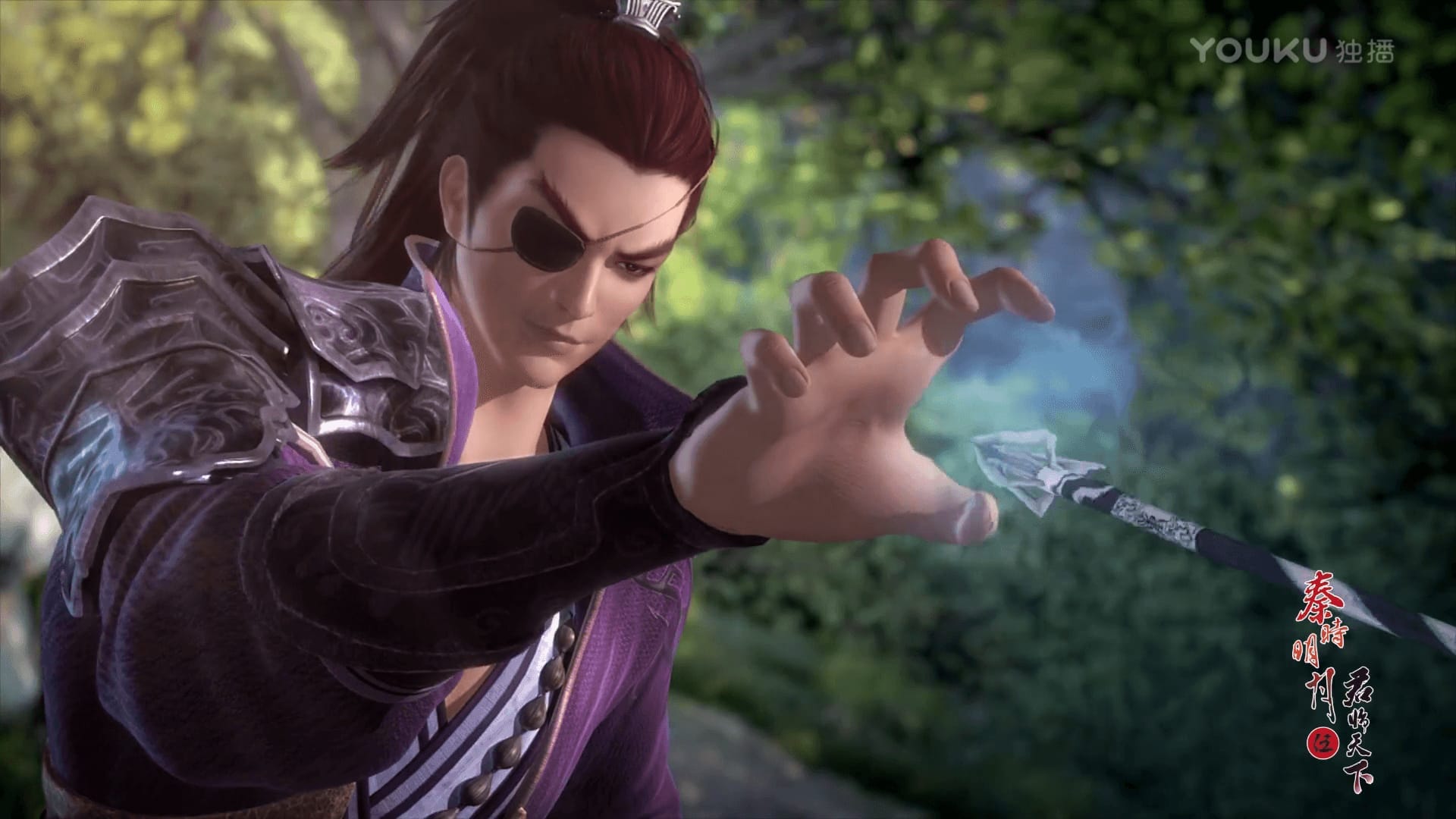
CG human characters in anime often fall into the uncanny valley—close enough to traditional anime style to invite comparison, different enough to feel wrong. Subtle facial animation, natural hair movement, and expressive eyes—the things that make anime characters lovable—are extremely difficult to achieve in 3D while maintaining anime aesthetics.
Many shows feature CG backgrounds or mecha alongside 2D characters specifically to avoid this problem. The style mismatch is preferable to uncanny CG faces.
Copy-Paste Crowd Syndrome
Even in otherwise excellent anime, CG crowds often reveal themselves through unnatural uniformity. The same model repeated with slight variations, moving in mechanically identical ways. Background crowds in stadium scenes or city streets frequently suffer from this obviously artificial quality.
This problem is improving with better technology and techniques, but it remains one of the most visible tells of CG implementation in anime.
When CGI Works Brilliantly
Houseki no Kuni: CG as the Right Choice
Studio Orange’s Land of the Lustrous (Houseki no Kuni) represents CG anime done right. Rather than trying to approximate 2D anime style, the series embraced what 3D could do uniquely: gemstone characters whose crystalline bodies refract light in ways 2D couldn’t capture, fluid action choreography that flows through three-dimensional space, and consistent character rendering that actually serves the story’s themes.
The key insight: Houseki no Kuni was designed for CG from inception. The source manga’s character designs translated naturally to 3D. The story’s aesthetics benefited from CG’s capabilities. The result is one of the most visually stunning anime ever produced—and it couldn’t have been done in 2D.
Ufotable’s Hybrid Mastery
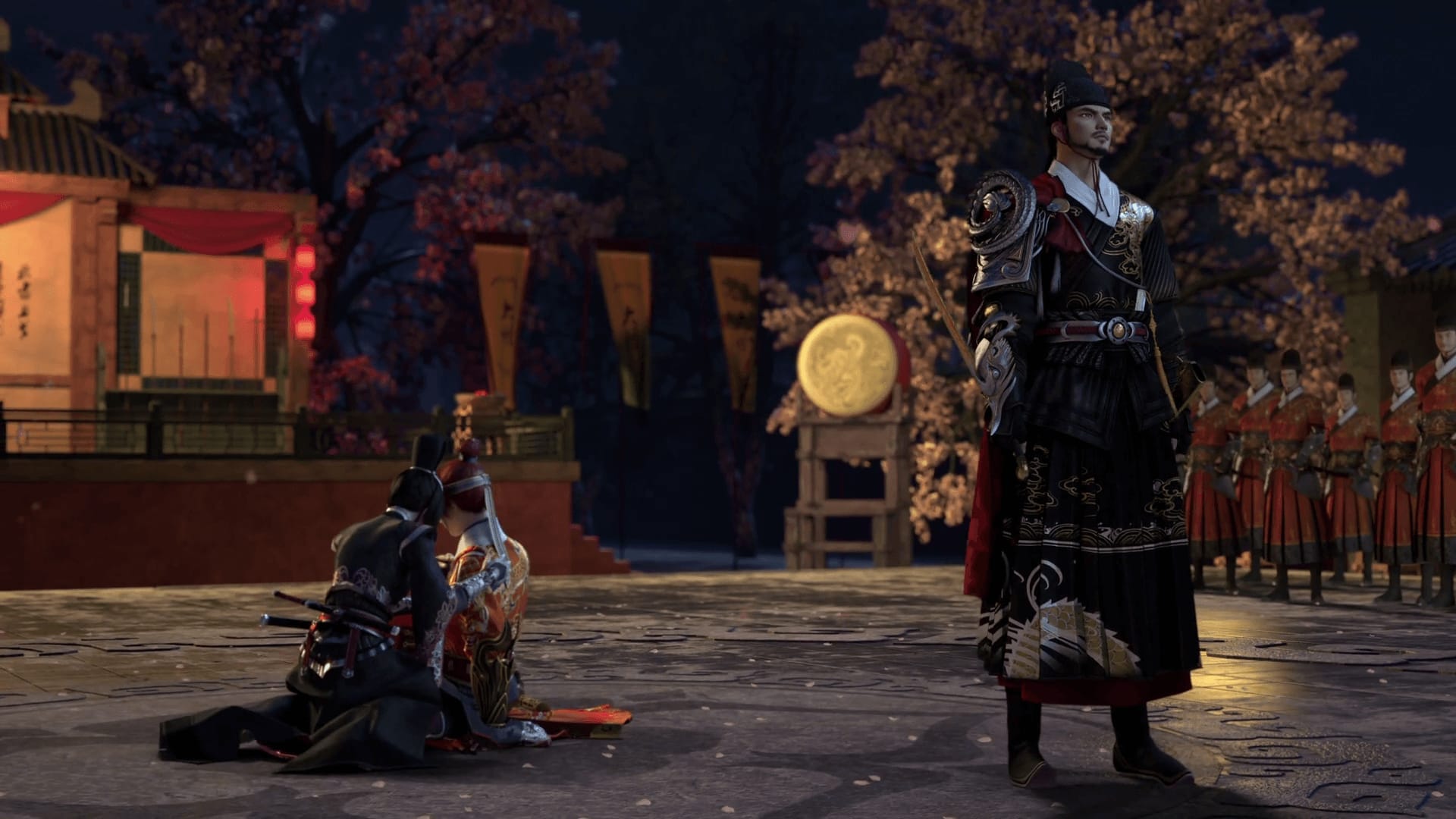
Demon Slayer represents perhaps the most successful integration of CG and 2D in anime. Ufotable’s signature style uses CG for environmental elements, camera movements, and certain effects while keeping characters in gorgeous 2D. The water breathing effects, fire patterns, and environmental destruction use CG assists that enhance rather than replace traditional animation.
Most viewers can’t identify where the CG elements are—they’re integrated seamlessly. This is the gold standard: CG as invisible tool that makes impossible shots possible without calling attention to its use.
Chainsaw Man’s Seamless Integration
MAPPA’s Chainsaw Man demonstrates how far CG integration has come. Chainsaw Man himself—a complex mechanical design that would be extraordinarily difficult to animate consistently in 2D—uses CG elements so well-integrated that casual viewers never notice. The integration between CG and 2D elements has become nearly invisible.
This invisibility is success. When you can’t tell what’s CG and what isn’t, the technology has achieved its purpose: enabling visuals that wouldn’t otherwise exist without distracting from the experience.
Fully CG Films: New Possibilities
Works like Lupin III: The First and Earwig and the Witch (Studio Ghibli’s controversial CG film) show that fully 3D anime is possible when executed with care. These productions don’t try to replicate 2D—they create new aesthetic categories that can stand on their own merits.
The Actual Problem: It’s Not CG Itself
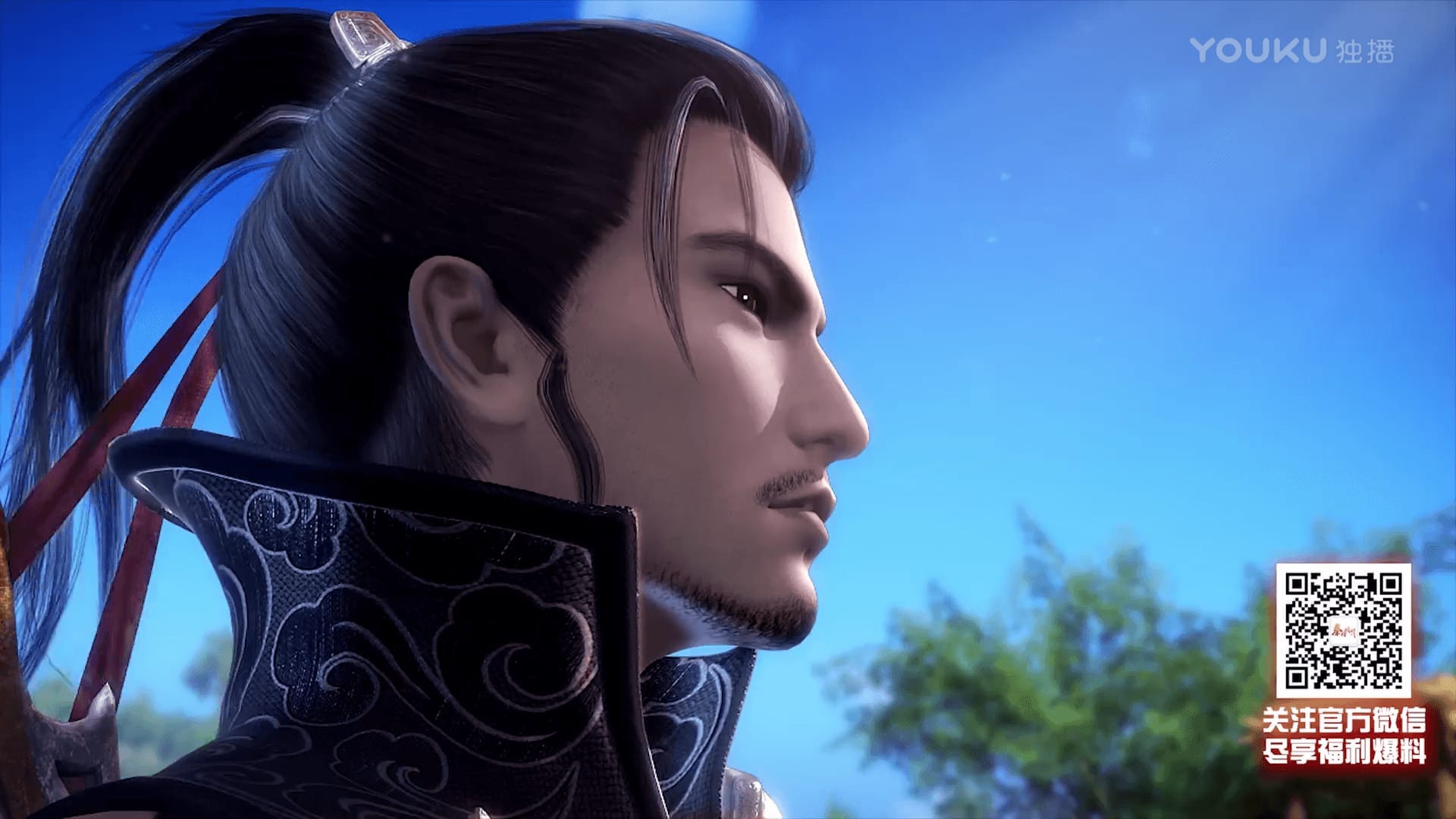
Bad CG isn’t CG’s fault—it’s the result of insufficient time, budget, or expertise applied to CG production. The same factors that create bad CG would create bad 2D animation if traditional methods were used under identical constraints.
Studios cutting corners will cut them regardless of technique. The visibility of bad CG makes it easy to blame the technology rather than the production decisions that led to poor implementation.
The Future of CG in Anime
Technology Continues Improving
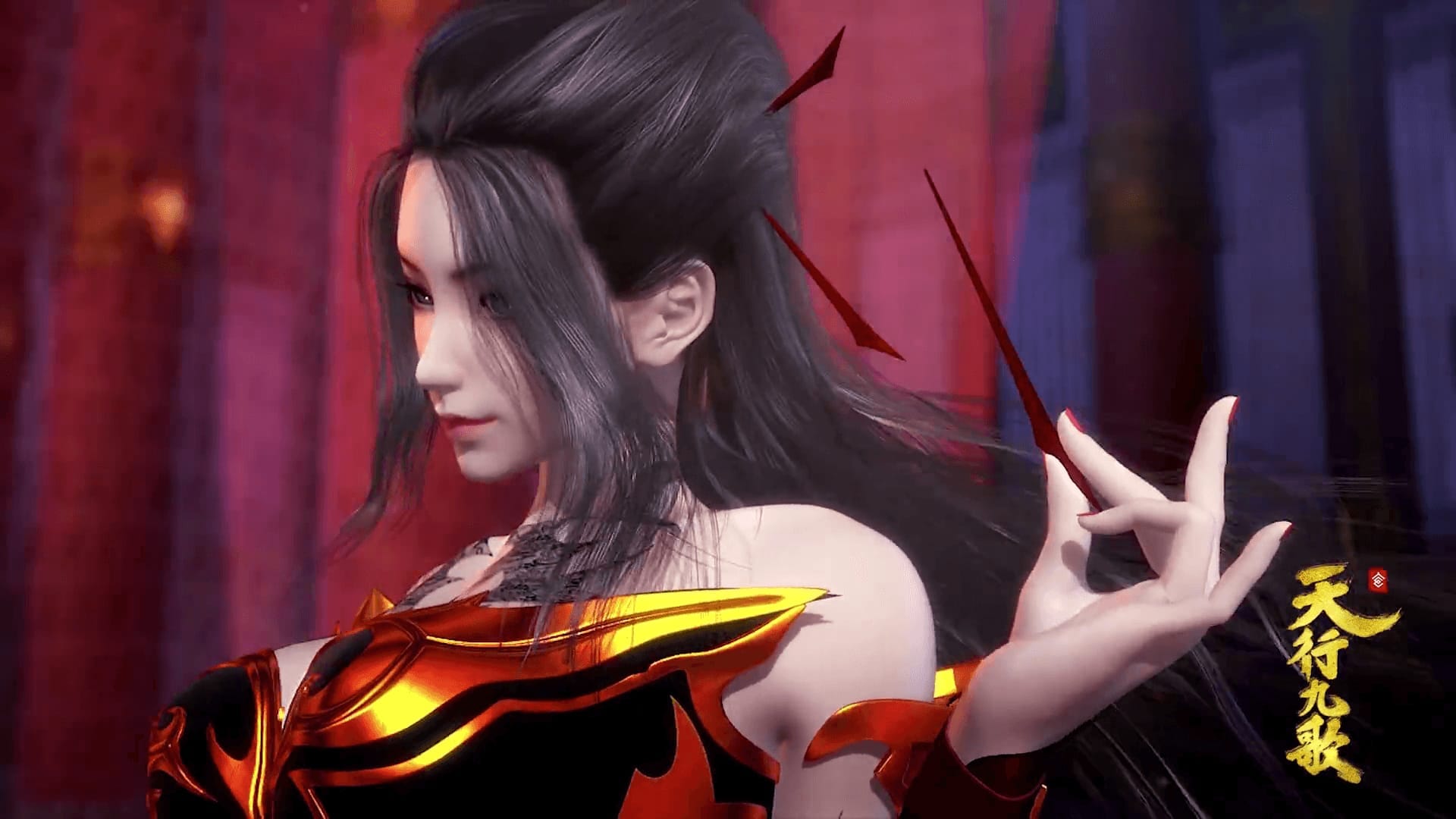
The gap between 3D and 2D aesthetics narrows every year. Software improvements, better understanding of anime-specific rendering requirements, and increasing studio expertise mean tomorrow’s CG will look better than today’s. What seems obviously CG now may become indistinguishable from 2D within years.
Hybrid Approaches Becoming Standard
Pure 2D anime, with no CG elements whatsoever, is already rare. Most modern productions use some digital effects, environmental CG, or composite techniques that blur the line between traditional and computer-assisted animation. This hybrid approach will likely become universal.
Pure 2D as Artistic Statement
Paradoxically, as CG becomes standard, purely hand-drawn animation may gain prestige as an artistic choice. Studios that invest in traditional techniques for appropriate projects will stand out. The choice to go full 2D will become meaningful rather than default.
How to Approach CG Anime
Judge CG by execution, not existence. Blanket rejection of all CG anime means missing excellent work like Houseki no Kuni. Blanket acceptance means defending genuinely poor implementations. Each production deserves evaluation on its own terms.
Ask: Does the CG serve the story? Is it integrated well? Does it enable visuals that justify its use? These questions matter more than whether CG exists at all.
Anime’s future will include more CG, better CG, and continuing debate about its place in the medium. Understanding the technology’s capabilities and limitations helps navigate that future with nuance rather than reflexive rejection or uncritical acceptance.
The verdict isn’t “CG good” or “CG bad”—it’s “CG is a tool, and like all tools, its value depends on how it’s used.”