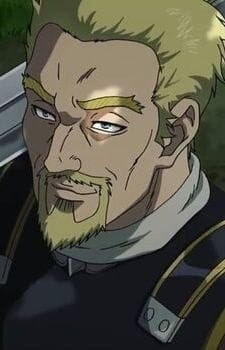
Askeladd killed Thorfinn’s father and spent years manipulating the boy. He was a murderer, a schemer, and a Viking through and through. Yet somehow, he became Vinland Saga’s most beloved character—a testament to Makoto Yukimura’s brilliant character writing. Here’s the complete breakdown of anime’s most complex antagonist.
 naruto-anime-1771366916.webp” alt=”Naruto Uzumaki”>
The Welsh Secret: A Double Life
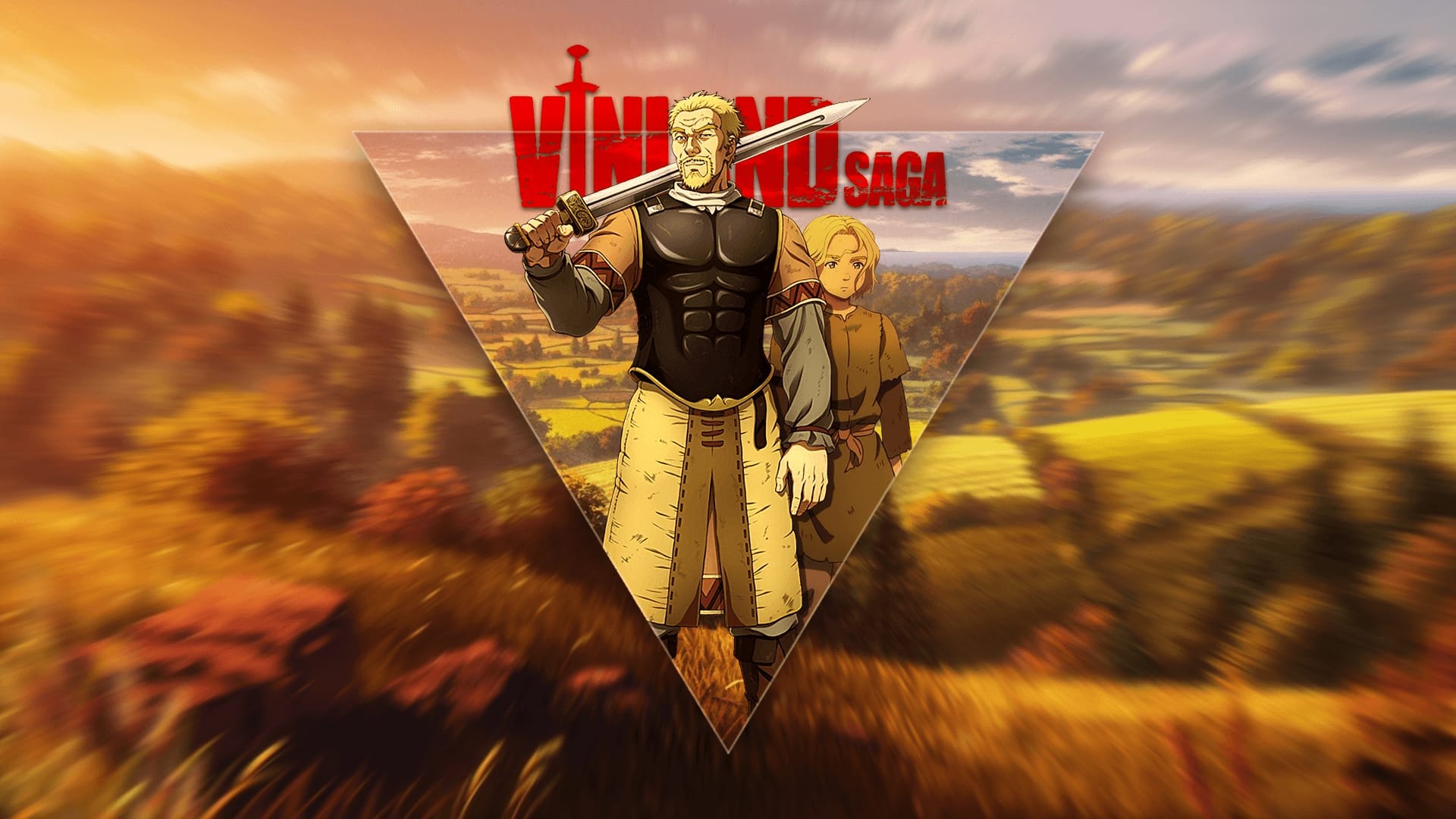

Askeladd’s defining secret transforms everything about his character: he’s not truly Viking. Born Lucius Artorius Castus to a Welsh noblewoman enslaved by his Danish father, Askeladd grew up between two worlds. His mother told him stories of the legendary King Arthur, stories that planted the seed of his life’s mission—protecting Wales from Viking conquest.
Every raid Askeladd led, every scheme he orchestrated, served this hidden purpose. He fought for Danes while secretly ensuring they’d never successfully invade his mother’s homeland. His identity became perpetual performance, playing the ruthless Viking mercenary while harboring a deeper loyalty no one suspected. This duality makes Askeladd fascinating—he’s simultaneously authentic in his cunning and concealing his true self.
Killing Thors: The Defining Sin
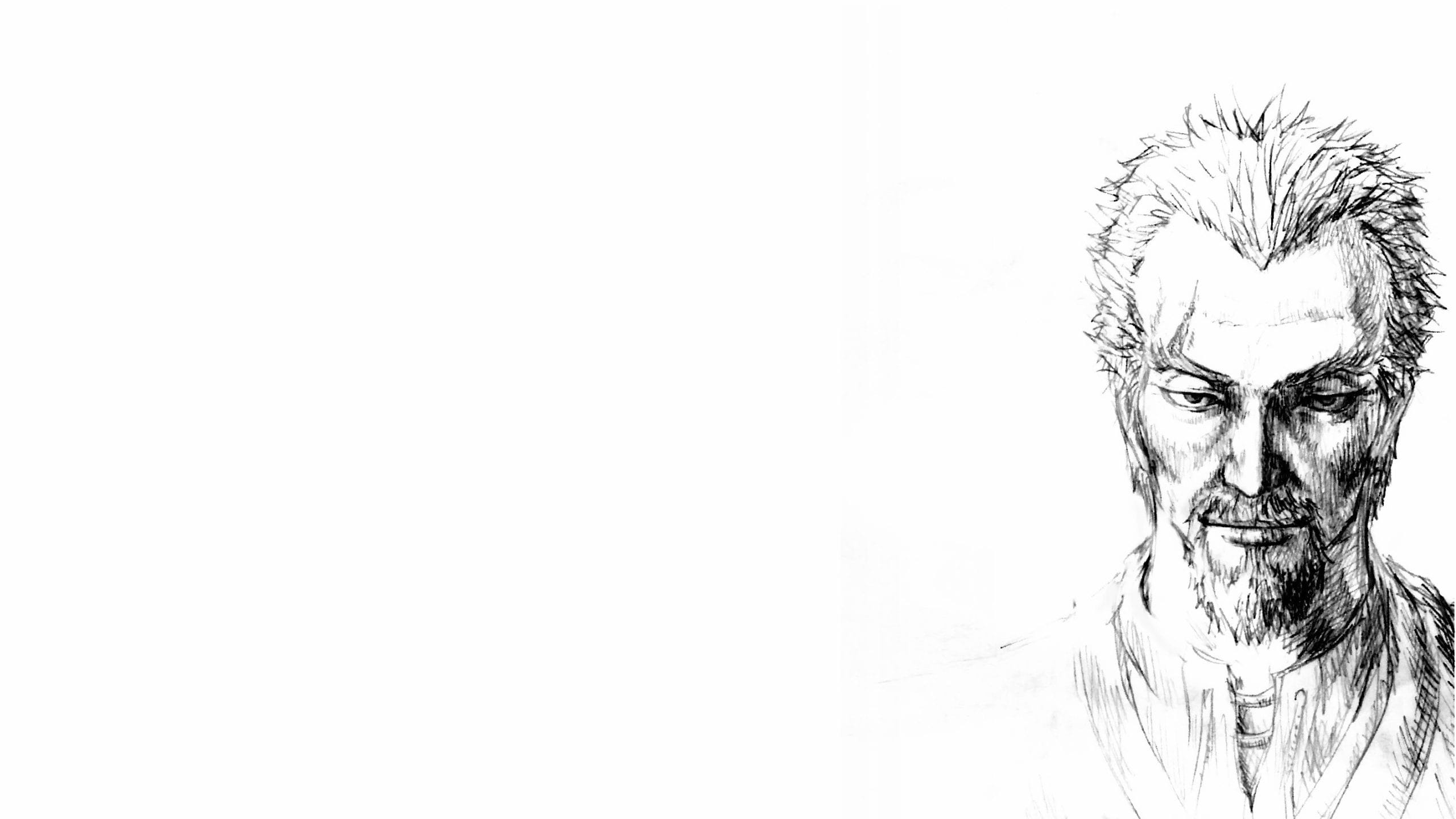
The murder of Thors—the greatest warrior who chose peace—remains Askeladd’s most controversial act. Contracted by Floki to eliminate the legendary fighter, Askeladd recognized immediately that Thors was different. Their brief encounter on those snowy shores revealed a man who’d transcended violence, achieving true strength through restraint.
Askeladd could have refused the contract, but his pragmatism won. Thors had to die for Askeladd’s band to survive and his Welsh protection to continue. Yet in killing Thors, Askeladd inherited something unexpected: the responsibility of raising his philosophy’s next vessel. Thorfinn became both Askeladd’s greatest burden and his eventual legacy.
The Twisted Father Figure
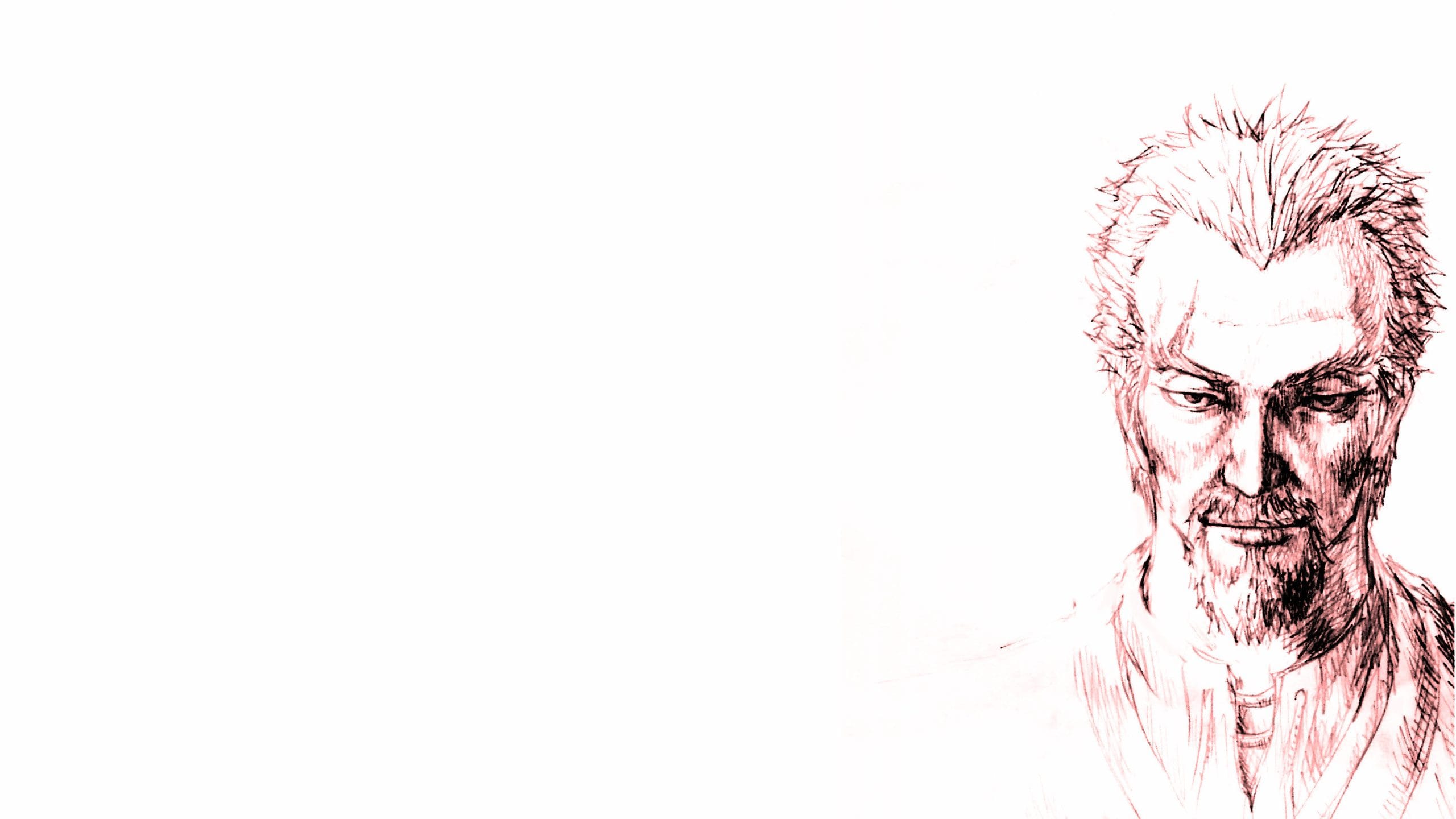
Askeladd kept Thorfinn alive not from kindness but calculated utility—an assassin motivated purely by revenge was incredibly useful. Thorfinn took impossible missions, risked death constantly, all for another chance at dueling his father’s killer. Askeladd exploited this ruthlessly.
Yet their relationship evolved beyond manipulation. Over years of traveling together, Askeladd taught Thorfinn strategy, leadership, and survival. He critiqued the boy’s fighting, pushed him to think beyond immediate combat, and challenged his worldview. Askeladd became, paradoxically, the father figure he’d taken away. The emotional complexity here is staggering—genuine mentorship built on the foundation of murder.
Watch their duels throughout Season 1, and you’ll notice Askeladd’s expressions. He’s not merely defending himself; he’s teaching. Each victory over Thorfinn comes with lessons, whether Thorfinn recognizes them or not.
Creating a King: The Canute Project
Askeladd’s manipulation of Prince Canute represents his political masterstroke. When he first met the prince—a timid, sheltered boy hiding behind his retainer Ragnar—Askeladd saw potential others missed. Denmark needed a strong ruler, one who could eventually protect Wales through diplomacy rather than conquest.
The death of Ragnar, orchestrated to break Canute’s dependence, catalyzed the prince’s transformation. Askeladd guided Canute through his breakdown, helping reconstruct him as a leader capable of ruling. Episode 18’s conversation between them is pivotal—Askeladd shares his philosophy, his cynicism about God’s love, and inadvertently shapes Canute’s revolutionary ideology.
By the arc’s end, the fearful prince has become a calculating ruler willing to challenge his own father for the throne. Askeladd created this transformation intentionally, knowing exactly what kind of king Denmark—and Wales—needed.
The Final Gambit: Death as Victory
Askeladd’s death was calculated suicide disguised as madness. When King Sweyn announced plans to invade Wales, Askeladd faced an impossible choice: let his mother’s homeland fall or sacrifice everything he’d built. He chose sacrifice.
By publicly murdering King Sweyn in front of the entire court, Askeladd forced Canute’s hand. The prince had to execute him—anything less would undermine royal authority. But in this single act, Askeladd achieved everything: he killed the king planning Welsh invasion, cemented Canute’s claim to the throne, and died having fulfilled his mother’s memory.
The brilliance lies in the layers. Askeladd appears to lose control, screaming about his true name and heritage. But rewatch the scene—every action is precise. He positioned himself exactly where Canute could strike. He died on his own terms, achieving his lifelong goal in his final moment.
“You Have No Enemies”: The Final Lesson
Askeladd’s dying words to Thorfinn—”You have no enemies”—echo Thors’ philosophy from the series’ beginning. In this moment, the twisted father figure completes his true education. Everything else—the combat training, the survival skills—was preparation for this single lesson.
Askeladd spent years showing Thorfinn the futility of revenge. Each duel denied was another lesson in letting go. By dying before Thorfinn could kill him, Askeladd removed the possibility of vengeance entirely. Thorfinn had to process his mentor’s death without the satisfaction of causing it—forcing genuine emotional reckoning rather than violent closure.
Why Askeladd Resonates
Askeladd proves that villains can be protagonists without redemption arcs or moral justification. His goals were arguably good—protecting his homeland, creating a just king—but his methods were undeniably evil. He murdered innocents, manipulated a grieving child, and betrayed allies when convenient. This tension creates someone simultaneously admirable and condemnable.
Compare him to similar complex antagonists like Pain from Naruto or Meruem from Hunter x Hunter. While those characters undergo transformations toward empathy, Askeladd remains consistently himself. His complexity comes not from change but from revelation—we understand more about who he always was.
Vinland Saga’s first season is essentially Askeladd’s story told through Thorfinn’s perspective. His death marks the end of one narrative and the beginning of another—the slave arc that follows explores what Askeladd’s lessons actually meant. The character’s influence extends far beyond his screen time, shaping everything that comes after.
For fans seeking similar character complexity, explore Vinland Saga’s manga continuation, where Askeladd’s legacy continues affecting Thorfinn’s choices decades later. His presence haunts the narrative even in death—the mark of truly exceptional character writing.
You Might Also Like
- Manga vs Anime: When to Read vs Watch
- Spring 2026 Anime: What to Watch This Season
- Vinland Saga Watch Order 2026: From Revenge to Redemption