Why Askeladd Isn’t Just Another Anime Villain
Let’s get this out of the way right now: Askeladd is the single best-written character in Vinland Saga, and honestly, he’s one of the greatest characters anime has ever produced. Not “one of the best villains.” One of the best characters, period. There’s a massive difference, and understanding that difference is exactly what makes Askeladd so compelling.
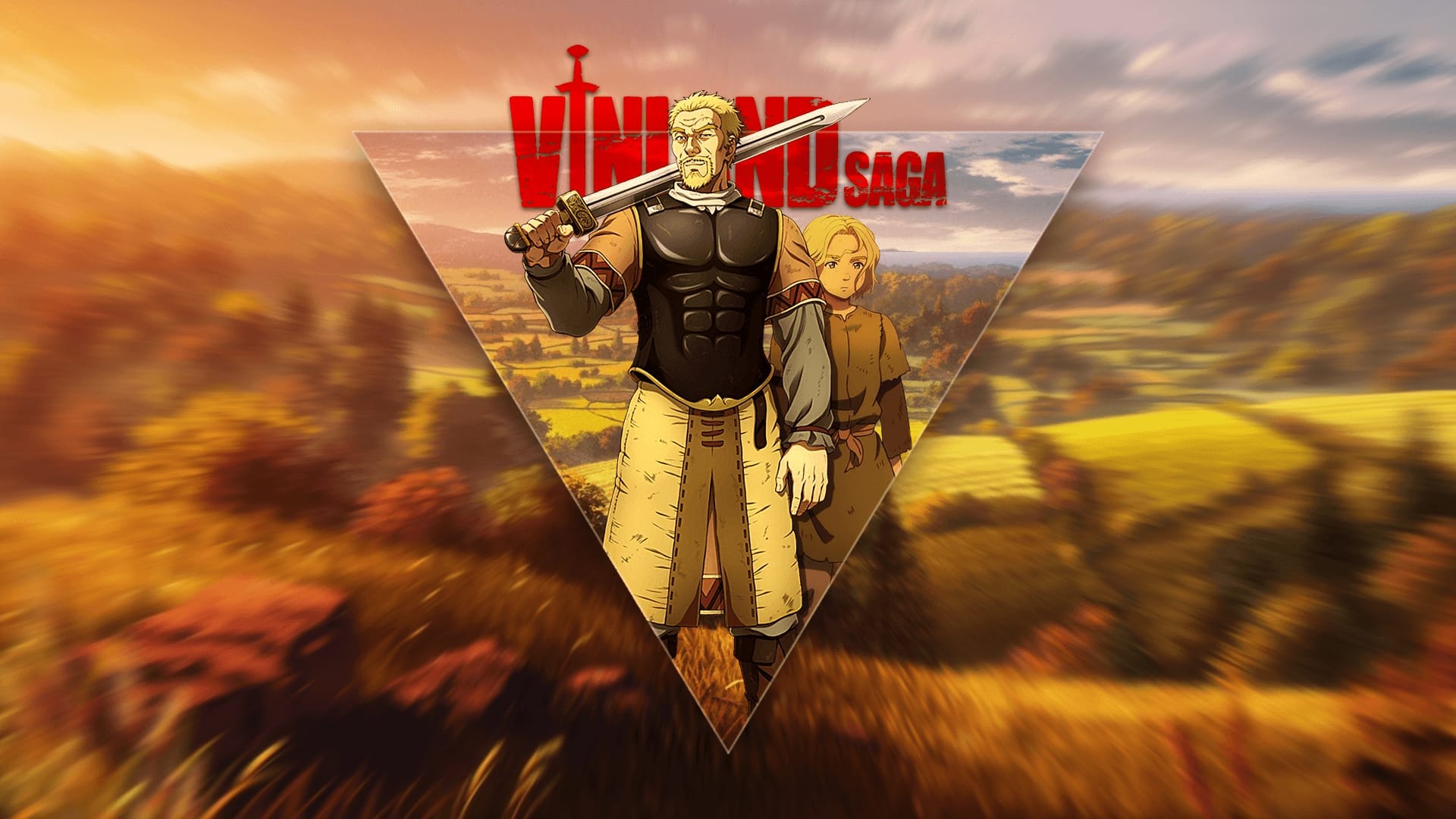
Most anime villains exist to be defeated. They show up, monologue, throw down, and get obliterated by the protagonist’s power-up. Askeladd doesn’t play that game. From his very first appearance in Vinland Saga, he operates on a level that makes every other character look like they’re playing checkers while he’s three moves into a chess endgame.
The man leads a band of Danish Vikings, manipulates kings, outthinks entire armies, and does it all with a smirk that tells you he’s already calculated your next three moves. But what makes Askeladd truly special isn’t his cunning—it’s the devastating humanity hiding underneath it.
This is a character who forces you to question every assumption you have about villains, anti-heroes, and what it actually means to be “good” in a world built on violence. Let’s break down why Askeladd from Vinland Saga completely redefined what an anime anti-hero can be.
The Master Manipulator: Askeladd’s Tactical Genius
Askeladd doesn’t fight battles—he solves them. Where other Viking warriors charge headfirst into combat swinging axes, Askeladd reads the terrain, the politics, the psychology of everyone around him, and engineers outcomes that serve his long game. His band of mercenaries follows him not because he’s the strongest fighter, but because he always has a plan.
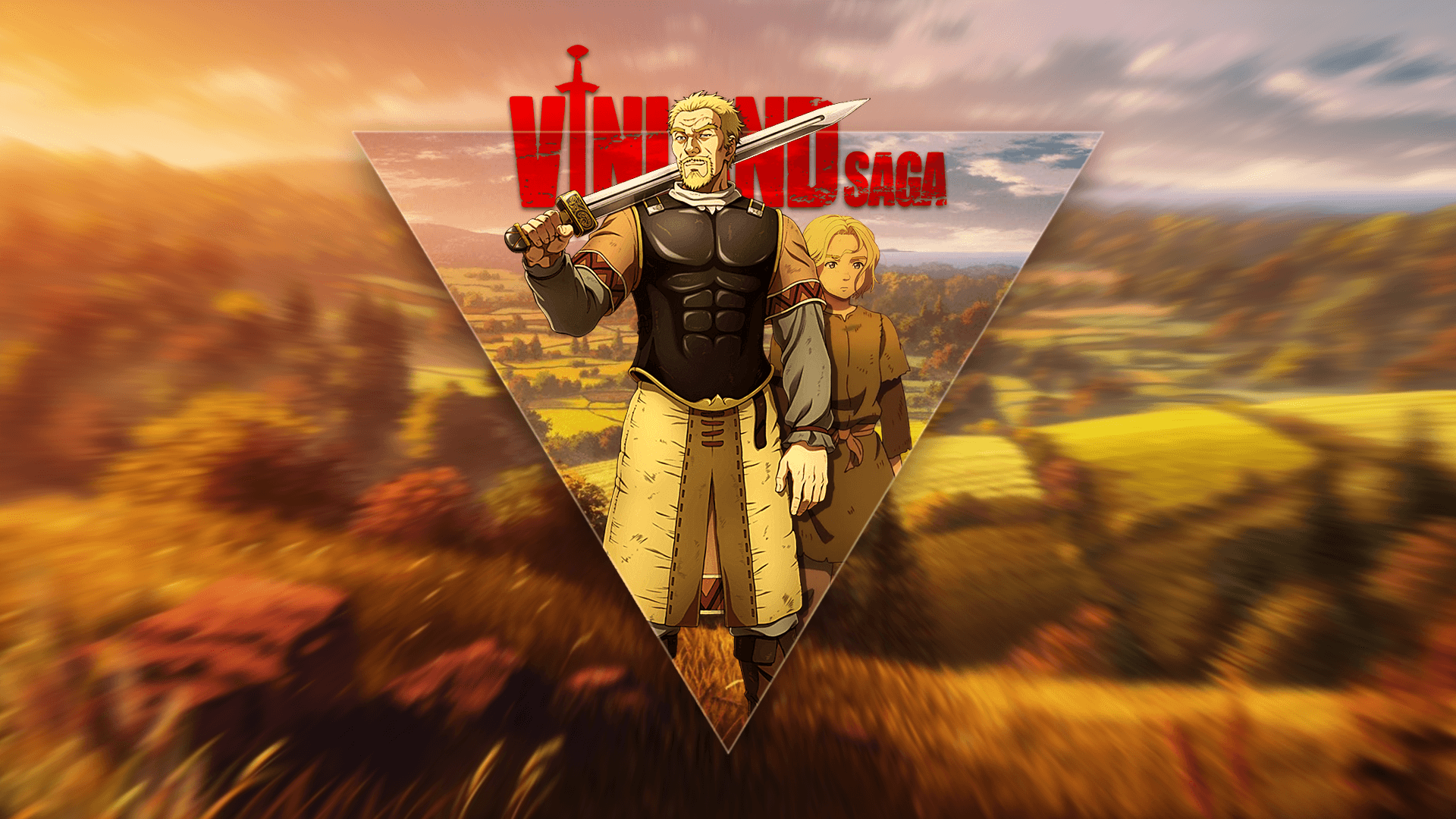
Think about how he operates in Vinland Saga Season 1. When Thorfinn demands a duel for the right to avenge his father, Askeladd doesn’t just refuse—he turns it into a bargaining chip. He dangles revenge like a carrot on a stick, keeping Thorfinn useful and close rather than creating another enemy. It’s manipulative, it’s cruel, and it’s brilliant.
His tactical mind extends far beyond individual skirmishes. Askeladd understands that raw force means nothing without strategy. He raids villages not just for plunder, but to send messages. He aligns with powerful figures like historical anime’s most cunning operators, positioning himself exactly where he needs to be in Denmark’s political arena.
What makes this more impressive is that Askeladd’s manipulation isn’t pure evil. Every move he makes, every person he uses, serves a purpose far bigger than personal gain. He’s playing a decades-long game, and the reveal of what that game actually is changes everything you thought you knew about him.
His leadership style is equally fascinating. The men who follow Askeladd aren’t just mercenaries—they’re believers. He commands loyalty through a combination of demonstrated competence, psychological manipulation, and an almost charismatic presence that makes people want to follow him. Even Bjorn, his most devoted warrior, follows him into death without fully understanding why.
The Welsh Revelation: Lucius Artorius Castus
If you watched Vinland Saga and didn’t see the Welsh revelation coming, you’re not alone. The moment Askeladd reveals his true identity as Lucius Artorius Castus—a descendant of the legendary King Arthur—it reframes everything about his character.
This isn’t a random twist thrown in for shock value. Makoto Yukimura planted the seeds from the beginning. Askeladd’s name itself is an Anglicization of “Askelladd,” a figure from Welsh legend. His mother’s stories about Avalon and the Roman legacy weren’t background flavor—they were the entire foundation of who this man became.
Understanding Askeladd as Lucius Artorius Castus transforms how you read every single scene. He’s not a Danish raider who happens to be clever. He’s a Welsh prince hiding in plain sight, using Denmark’s own violence against it, working toward the preservation of his homeland from inside the empire that threatens it. Every raid, every manipulation, every alliance—it was all in service of Wales.
This revelation also gives Askeladd something most anime villains never get: context. When you learn that his mother was a Welsh slave, that he grew up between two worlds belonging to neither, his ruthlessness stops being “evil” and starts being survival. He learned to manipulate because a half-Welsh bastard in Denmark had no other path to power.
The Arthur connection goes deeper than heritage. Like Arthur, Askeladd carries the weight of a kingdom on his shoulders. Like Arthur, he’s a leader who inspires devotion beyond reason. And like Arthur, his story ends in sacrifice rather than triumph. The mythological echoes aren’t decoration—they’re the structural DNA of Vinland Saga’s narrative.
What hits hardest is the tragedy baked into this identity. Askeladd can never openly be who he is. Every day he wears the mask of a Danish Viking, fighting for a kingdom he despises, leading men who would turn on him if they knew the truth. The isolation of that existence shapes everything about him—the detachment, the calculation, the willingness to use people as pieces. When you can’t afford to be real, you become the mask.
Askeladd and Thorfinn: The Most Toxic Mentor Dynamic in Anime
The relationship between Askeladd and Thorfinn is the emotional core of Vinland Saga, and calling it “complicated” doesn’t begin to cover it. Thorfinn wants to kill Askeladd. Askeladd uses Thorfinn as a tool. And somehow, in the mess of that dynamic, something resembling genuine care emerges on both sides.
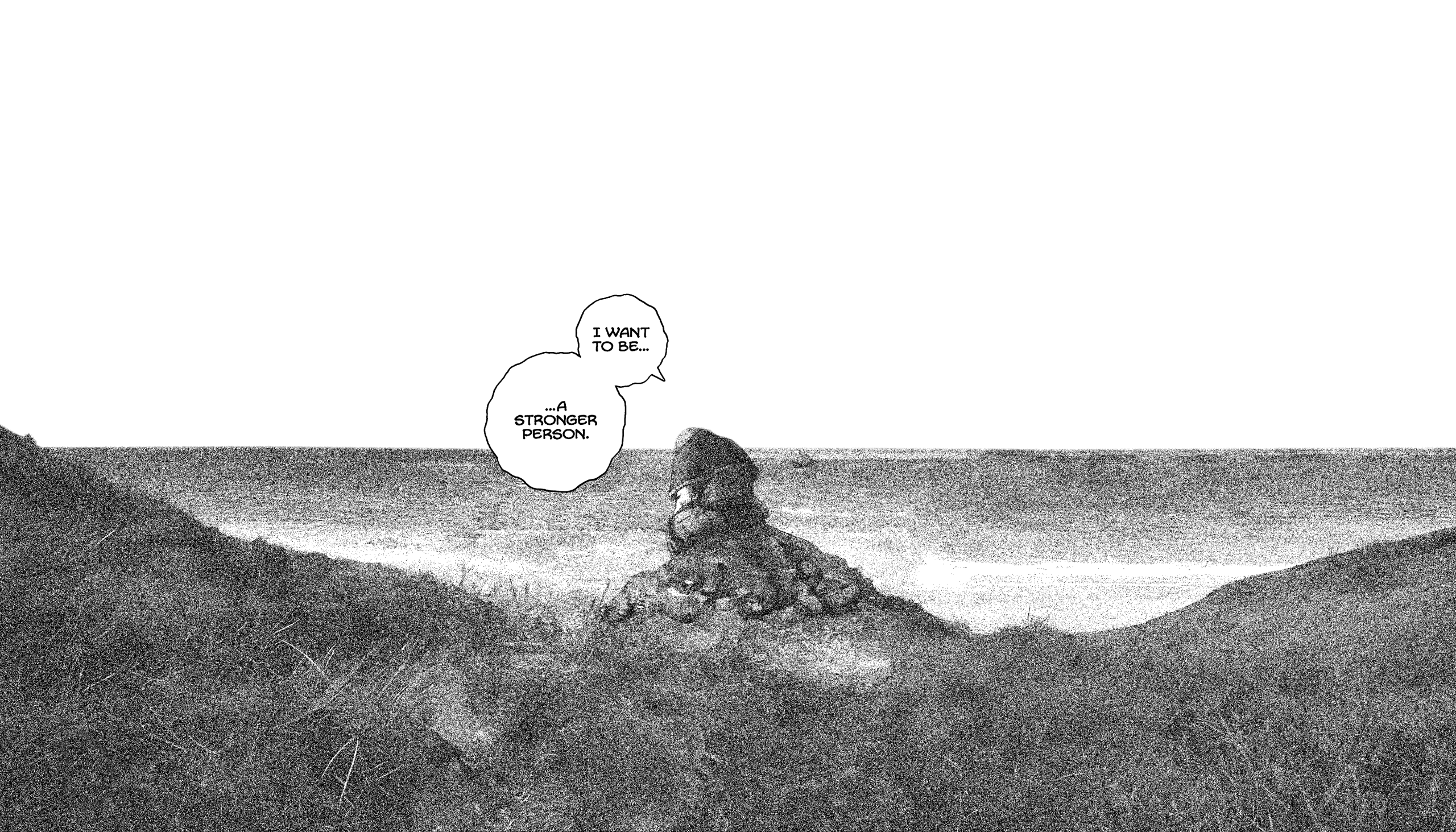
Let’s be real about what Askeladd does to Thorfinn: it’s psychological warfare. He kills Thorfinn’s father right in front of him, then keeps the boy close by dangling the promise of a duel that Thorfinn can never win. It’s monstrous. There’s no sugarcoating it. Askeladd takes a child’s grief and weaponizes it into loyalty.
But here’s where it gets uncomfortable—Askeladd also teaches Thorfinn. Not in a classroom, not with lectures, but through the brutal curriculum of survival. He shows Thorfinn how to fight, how to think, how to exist in a world that wants him dead. When Thorfinn accomplishes something genuinely impressive, you can see a flicker of something in Askeladd’s eyes that looks suspiciously like pride.
This is what makes the Askeladd Thorfinn relationship so painful to watch. It’s abusive, absolutely. But it’s also the most significant relationship either of them has. Thorfinn’s entire identity is built around his hatred of Askeladd, and Askeladd’s treatment of Thorfinn—cruel as it is—contains moments of genuine guidance that no one else bothered to offer this orphaned Viking boy.
Consider how Askeladd treats Thorfinn compared to everyone else. He lies to kings, manipulates armies, and discards allies without a second thought. But with Thorfinn, there’s a consistency that suggests something deeper. He respects Thorfinn’s stubborn refusal to give up, even when that stubbornness is aimed at killing him.
The most haunting moment might be when Askeladd tells Thorfinn about a “true warrior”—someone who doesn’t need to fight. It’s not just philosophy. It’s Askeladd, in his twisted way, trying to steer Thorfinn away from the path of endless violence that Askeladd himself was forced to walk. He’s giving Thorfinn the advice he wishes someone had given him.
And that’s what makes their dynamic the gold standard for anime character development. It’s not clean. It’s not redeeming. Askeladd doesn’t get forgiven for what he did to Thorfinn. But their relationship creates something real in the space between hatred and respect—something that reshapes both of them permanently.
The Death That Changed Everything: Killing King Sweyn
Every anime fan remembers where they were when Askeladd died. Not because it was shocking—though it absolutely was—but because it was the most perfectly constructed character ending in the medium’s history. Askeladd’s choice to kill King Sweyn and take the fall isn’t a villain’s defeat. It’s a warrior’s final masterpiece.
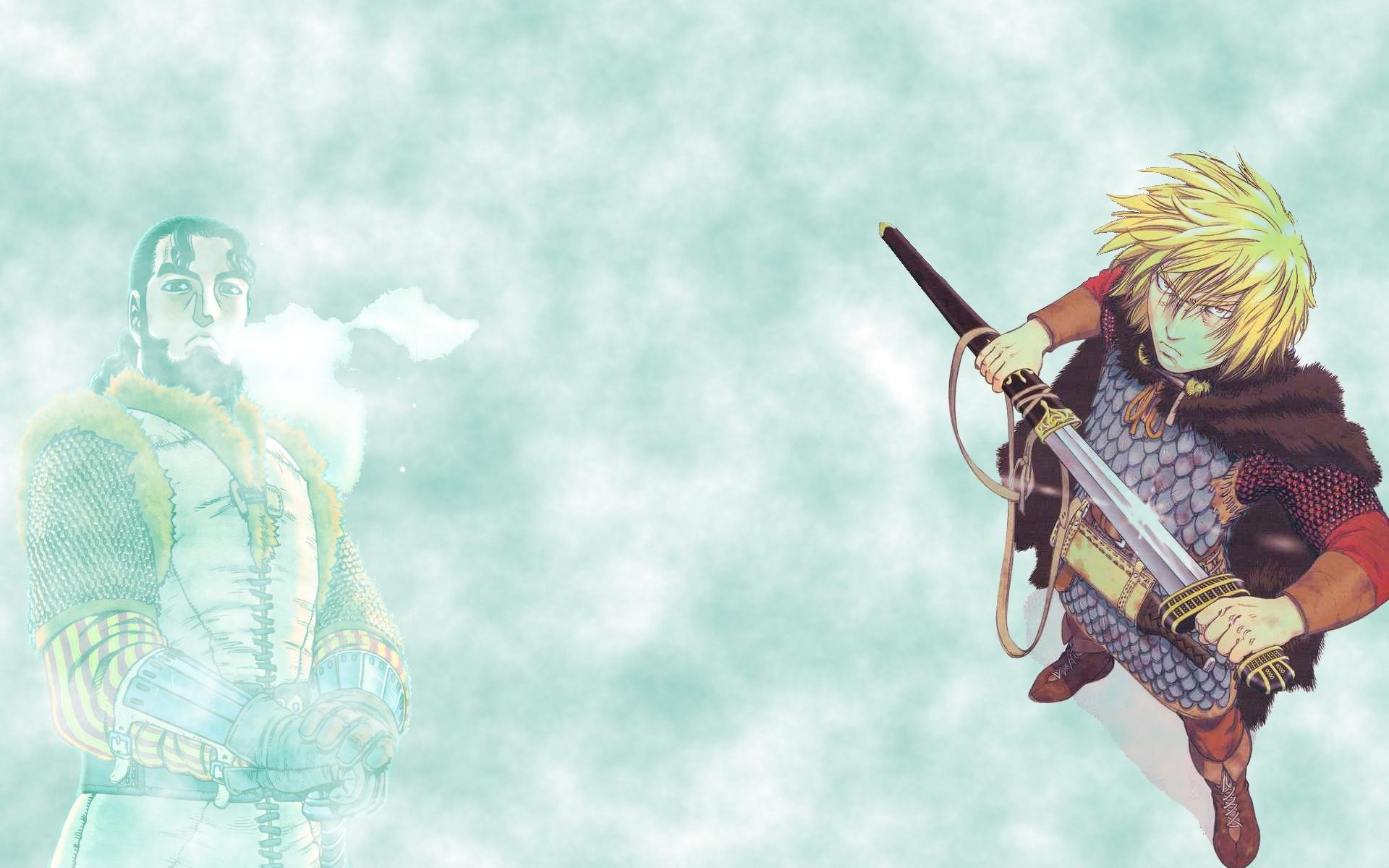
Let’s set the scene. King Sweyn has ordered the invasion of Wales—Askeladd’s homeland. The kingdom Askeladd has spent his entire life protecting from the shadows is about to be destroyed, and there’s no clever manipulation left. No political play. No escape route. Just one brutal choice: let Wales burn, or do something about it.
Askeladd chooses Wales. He walks into the king’s hall, calls Sweyn out to his face, and kills him in front of every noble and warrior in Denmark. It’s not a sneak attack. It’s not a last resort. It’s a declaration. He’s been playing this game for decades, and in one move, he sacrifices everything—his life, his reputation, his carefully constructed empire—to save the country his mother told him stories about.
The genius of Askeladd’s death is that it works on every level simultaneously. Politically, it prevents the invasion of Wales by creating chaos in the Danish succession. Canute, the prince Askeladd has been secretly cultivating, is positioned to take power. Personally, it gives Thorfinn the one thing Askeladd could never offer while alive: freedom from the cycle of revenge.
This is where the Vinland Saga Askeladd death separates itself from every other anime villain demise. Griffith falls from grace. Meruem learns humanity in his final moments. Aizen gets sealed away. Askeladd chooses his death with surgical precision, using it as the final move in a game he’s been playing since childhood. He doesn’t die defeated. He dies victorious.
The look on his face when Canute strikes him down isn’t surprise. It’s relief. Askeladd has been carrying the weight of two kingdoms his entire life, and in that final moment, he gets to set it down. He protected Wales. He saved Canute. He freed Thorfinn. And then, finally, he gets to rest.
Thorfinn’s reaction—grabbing at the air, screaming, reaching for a man he’s spent years trying to kill—is one of the most devastating moments in all of anime. Because in that instant, Thorfinn realizes that the hatred that defined him is gone, and there’s nothing left to fill the void. Askeladd didn’t just die. He took Thorfinn’s entire purpose with him.
Askeladd’s Ghost: His Legacy in Season 2
Here’s the thing about great anime villains: most of them stop mattering once they’re defeated. The hero moves on, the story shifts focus, and the villain becomes a footnote. Askeladd is the rare exception who becomes more important after death.
Vinland Saga Season 2’s farmland arc is fundamentally about Thorfinn learning to live without the hatred that defined him—and the person who defined that hatred was Askeladd. Every moment of peace Thorfinn finds on Ketil’s farm is shadowed by the ghost of the man who shaped him through violence.
The hallucination scenes where Askeladd appears to Thorfinn aren’t just dream sequences. They’re the continuation of their relationship beyond death. Askeladd’s ghost challenges Thorfinn not with violence, but with questions. “What are you fighting for?” “What kind of warrior are you?” These are the lessons Askeladd always wanted to teach but could only deliver through the mechanism of trauma.
What’s remarkable about Season 2’s treatment of Askeladd is how it reframes their entire relationship. When Thorfinn finally articulates that he wants to create a place without war—a Vinland—he’s completing the philosophy that Askeladd planted in him. The “true warrior” who doesn’t need to fight isn’t just an abstract ideal. It’s Askeladd’s dying wish for the boy he destroyed and rebuilt.
The farmland arc works because Askeladd’s influence is everywhere, even in his absence. Thorfinn’s pacifism isn’t born from moral awakening alone. It’s born from watching Askeladd die and realizing that the cycle of violence consumes everyone eventually. The farmland arc masterclass depends entirely on the foundation Askeladd built in Season 1.
Even Einar, Thorfinn’s companion on the farm, serves as a foil to Askeladd’s influence. Where Askeladd taught Thorfinn to survive through cunning and force, Einar represents the possibility of a different path. But it’s Askeladd’s voice—his ghost, his memory, his philosophy—that Thorfinn has to confront before he can truly change.
When Thorfinn finally lets go of his hatred for Askeladd, it’s not forgiveness. It’s liberation. And that distinction matters. Askeladd doesn’t deserve forgiveness for what he did to Thorfinn. But Thorfinn deserves to be free of the weight that Askeladd placed on him. That’s the quiet, devastating beauty of their dynamic extending beyond death.
Why Askeladd Redefined Anime Anti-Heroes
Let’s talk about the competition. Meruem from Hunter x Hunter discovers humanity through Komugi and dies reaching for her. Griffith from Berserk trades everything for power in the Eclipse. Aizen from Bleach reveals his betrayal and becomes an obstacle to overcome. Each of these characters is iconic, but they all follow a recognizable pattern.
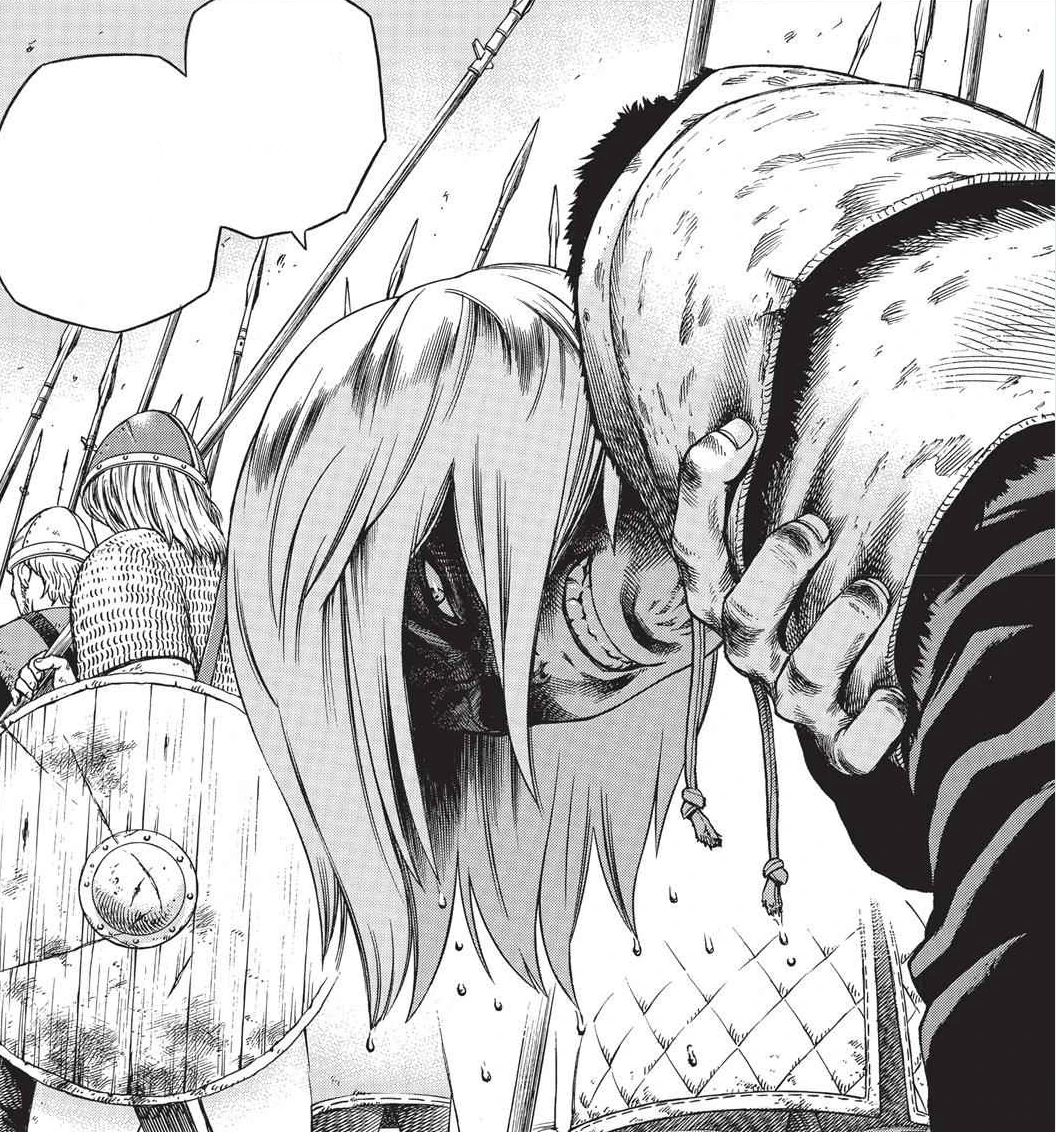
Askeladd breaks the pattern entirely. He’s not a villain who learns to care—he cared from the start, hidden beneath layers of survival. He’s not a hero who falls—he rises through sacrifice. He’s not an obstacle to be overcome—he’s a teacher whose final lesson outlives him. The Askeladd character analysis reveals someone who exists outside the traditional villain/hero binary entirely.
What makes Askeladd different from every other anime anti-hero is agency. Meruem’s transformation happens to him—he doesn’t choose to change, Komugi’s presence reshapes him. Griffith’s fall is driven by despair and desperation. Aizen’s reveal recontextualizes past events but doesn’t fundamentally change who he is. Askeladd, by contrast, makes active choices at every turn. He chooses to protect Wales. He chooses to mentor Thorfinn in his twisted way. He chooses his death.
Compare Askeladd to the most iconic anime villains, and you’ll notice something: most villains are defined by what they want. Askeladd is defined by what he’s willing to sacrifice. He doesn’t want power— he uses it as a tool. He doesn’t want glory—he operates in shadows. He doesn’t even want survival, as his death proves. What he wants is to protect something bigger than himself, and that makes him closer to a hero than most heroes.
The duality is what elevates Askeladd above characters like Gojo Satoru or Levi Ackerman—powerful characters who operate within clear moral frameworks. Askeladd has no framework. He’s a man who commits atrocities in service of protecting his homeland, who destroys a child’s life while quietly hoping that child finds a better path. He’s contradictory by design, and that contradiction is what makes him feel genuinely human.
Vinland Saga’s commitment to this complexity is what sets it apart from other character-driven anime. The show never asks you to forgive Askeladd. It never redeems him in a tidy bow. It presents him fully—brilliant and monstrous, caring and cruel, strategic and desperate—and trusts you to sit with the discomfort of understanding someone who exists in that gray space.
That trust in the audience is rare. Most anime fear ambiguity. They want you to know who to root for and who to hate. Askeladd’s existence denies you that comfort, and in doing so, he opens up a space for storytelling that most series are too timid to explore.
The Scene That Proves Askeladd Is Unmatched
There’s a scene early in Vinland Saga that encapsulates everything that makes Askeladd extraordinary. His band is cornered by a superior English force, and the situation looks hopeless. Every other Viking commander would either charge into glorious death or scramble in panic.
Askeladd does neither. He reads the terrain, identifies a thawing river as a weapon, and lures the English army onto ice that he knows will break beneath their weight. It’s not just smart—it’s poetic. He turns the terrain itself against his enemies, using knowledge that comes from years of surviving in hostile territory.
But here’s the detail that elevates this from “clever tactic” to “character-defining moment”: Askeladd doesn’t gloat. He doesn’t monologue. He watches men drown and immediately starts planning the next move. There’s no satisfaction in the killing—only the grim satisfaction of having protected his people one more day.
This scene works because it’s not showing you how smart Askeladd is. It’s showing you how exhausted he is. The constant calculation, the endless performance, the weight of being the smartest person in every room—it’s a burden, not a gift. And every tactical victory is just another day he survived instead of the day he could finally stop fighting.
Scenes like this are why Askeladd stands alone among the best anime villains. He’s not formidable because the plot requires it. He’s formidable because he’s spent a lifetime being forced to be formidable, and the cost of that forced brilliance is written into every line on his face.
Why Askeladd Will Endure as Anime’s Greatest Anti-Hero
Askeladd matters because he proves that anime can handle moral complexity without flinching. In a medium where villains often exist to be defeated and anti-heroes are just heroes with an edge, Askeladd represents something rarer and more valuable: a character whose morality can’t be categorized.
He’s a villain who saves a nation. A murderer who mentors a boy toward peace. A slave’s son who sits beside kings. Every label you try to put on him slips off, and that’s exactly the point. Askeladd from Vinland Saga refuses to be simplified, and in that refusal, he expands what anime characters can be.
The legacy is already visible. Since Vinland Saga’s anime adaptation, we’ve seen a clear shift toward more morally complex antagonists in the medium. Shows are increasingly willing to present villains with genuine motivations, sympathetic backstories, and redemptive arcs that don’t feel forced. Askeladd didn’t invent the complex anime villain, but he set a new standard for how fully such a character can be realized.
For Thorfinn, Askeladd’s legacy is personal and permanent. Every step Thorfinn takes toward peace is a step away from the path Askeladd walked. And every time Thorfinn refuses to fight, he’s honoring the lesson that Askeladd paid for with his life. The true warrior doesn’t need to fight. Askeladd lived that truth in his final moment—and in doing so, he gave Thorfinn the chance to live it for the rest of his.
That’s not a villain’s ending. That’s a hero’s sacrifice, disguised as a villain’s defeat. And the fact that Vinland Saga had the courage to present it that way, without clarification or apology, is why this story will resonate for decades.
Askeladd isn’t the hero of Vinland Saga. He’s not the villain either. He’s something more interesting than both—the man who burned everything he touched so that something green might grow in the ashes. And anime is better for having created him.
You Might Also Enjoy
If this deep dive into Askeladd left you wanting more, check these out: