The Arc That Changes Everything
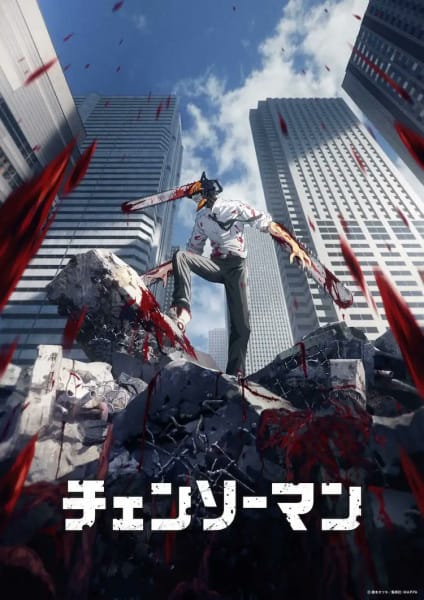
If you thought Chainsaw Man Season 1 was wild, you are not ready for what’s coming. Chainsaw Man Season 2 is here, and it’s adapting the International Assassins Arc — the storyline that turned an already-great manga into something fans call Fujimoto’s masterpiece. This isn’t just another season of fights and gore. This is the arc that rewrites the rules.
The Katana Man arc that closed Season 1 was a banger, no argument. But the International Assassins Arc is on a completely different level. It’s bigger, weirder, more emotionally devastating, and structurally ambitious in ways that most dark shonen manga never attempt. If MAPPA nails the anime adaptation — and early signs say they are — we’re looking at a serious contender for anime of the year.
So let’s break down exactly why this arc hits so hard, what makes it different from everything before it, and why anime-only viewers are about to have their minds blown.
From Monster-of-the-Week to Global Thriller
The first part of Chainsaw Man — the content covered in Season 1 and the Reze arc movie — follows a familiar rhythm. Devil appears, Denji fights it, someone gets shredded, we move on. It’s effective, brutal, and entertaining, but structurally it’s monster-of-the-week with emotional stakes layered on top.
The International Assassins Arc shatters that formula completely.
Instead of one devil threat at a time, Chainsaw Man Season 2 throws multiple hostile forces at Denji simultaneously — and they’re not just random devils. These are organized, strategic, politically motivated killers sent by governments around the world. The arc fundamentally shifts Chainsaw Man from a supernatural action series into something closer to a political thriller with body horror.
The stakes escalate because the motivations escalate. These assassins aren’t just fighting for survival or instinct. They have agendas. Nations want control of the Chainsaw Devil. Alliances form and crumble. Trust becomes a weapon. It’s Fujimoto operating at his most structurally ambitious, weaving together action, espionage, and emotional gut-punches in a way that his earlier manga arcs only hinted at.
This is what separates the International Assassins Arc from the Katana Man arc. Katana Man was personal — a vendetta with clear villains and a straightforward emotional throughline. The International Assassins Arc is systemic. It’s about how institutions and governments view Denji not as a person but as a resource to be captured, controlled, or destroyed. That shift from personal to political is what elevates Chainsaw Man Season 2 from a great follow-up season into something that could redefine the entire series.
This tonal shift is exactly why the International Assassins Arc stands out. It’s not that Chainsaw Man abandons what made it great — the chaos, the humor, the wild fight choreography. It’s that all of those elements get channeled into a story with genuine narrative weight. Every fight matters. Every death has consequences. Every character choice reverberates.
The Killers From Around the World
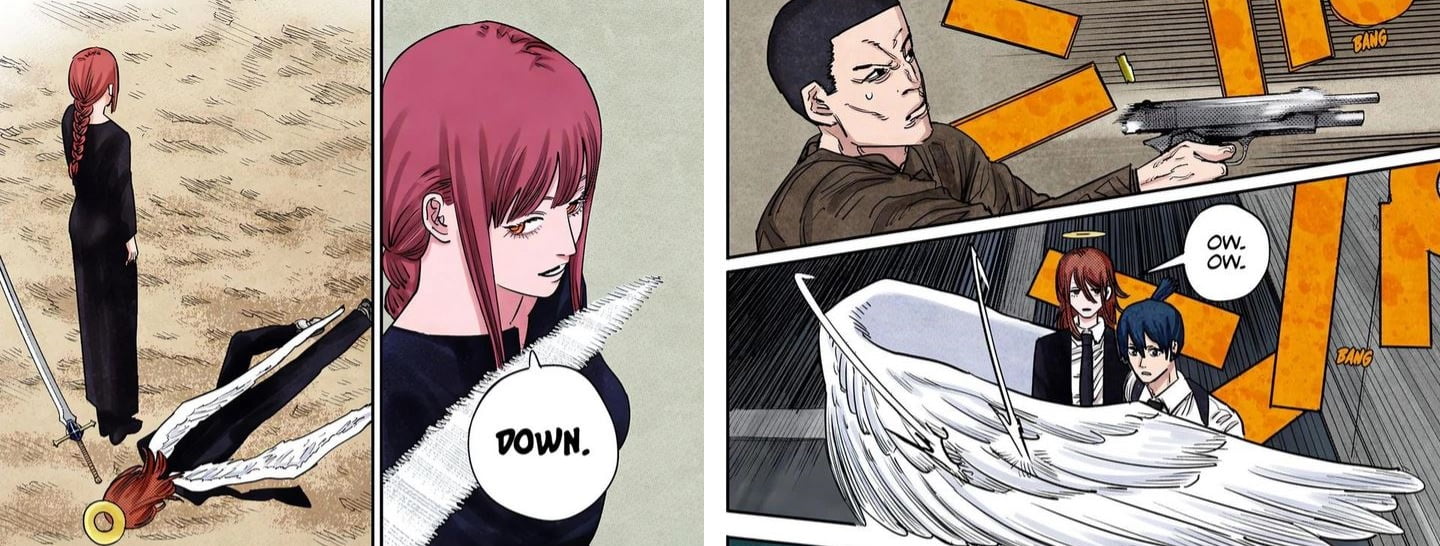
Let’s talk about the assassins themselves, because this is where Fujimoto’s worldbuilding goes from impressive to insane. The arc introduces killers from multiple countries — the Americans, the Russians, the Chinese — each with their own devil contracts, fighting styles, and twisted personalities.
The American assassins bring a cold, military precision that contrasts sharply with Denji’s chaotic brawler style. They’re organized, well-equipped, and terrifyingly professional. These aren’t villains who monologue — they operate like special forces units, and that efficiency makes them genuinely unsettling.
Then there’s Santa Claus. Yes, that Santa Claus — or rather, a devil contractor who uses the name and the imagery in the most disturbing way imaginable. Santa Claus operates through a network of puppet-people, creating an ever-expanding web of controlled humans that turns the arc into a horror movie within a horror movie. The body horror ramps up to levels that make the Katana Man fight look tame.
Santa Claus represents everything the International Assassins Arc does right: taking a familiar concept, twisting it into something deeply wrong, and making it serve a larger thematic purpose. This isn’t shock value for its own sake — it’s shock value that means something about control, manipulation, and the cost of power in Fujimoto’s world.
Each assassin group represents a different approach to power, a different philosophy about what it means to contract with devils. And watching these ideologies clash — while Denji just wants to live a normal life in the middle of it all — creates a tension that Chainsaw Man Season 2 exploits brilliantly.
The cultural diversity of the assassins also gives Fujimoto room to explore how different societies might interact with the devil system. The American approach is militaristic and corporate. The Chinese strategy is ancient and personal. The Russian methodology is brutal and pragmatic. These aren’t just different fighting styles — they’re different worldviews colliding, and Denji is stuck at the center of it all with zero political savvy and a chainsaw for a head.

Quanxi: The Character That Stole the Arc
And then there’s Quanxi.
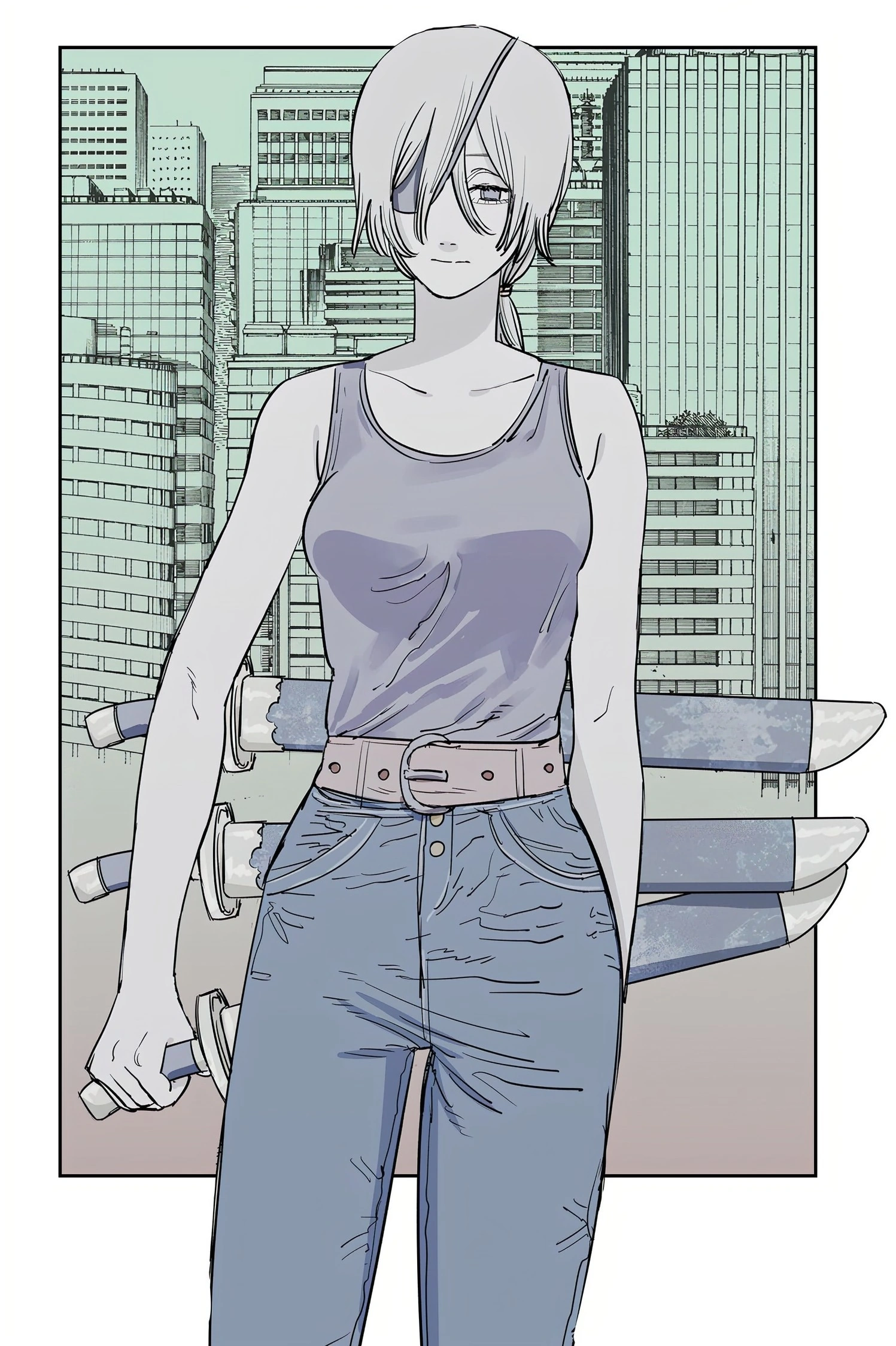
If you’ve read the manga, you already know. If you haven’t, you’re about to meet one of the most iconic characters Fujimoto has ever created. Quanxi — the first Devil Hunter from China, the Crossbow Devil contractor, a woman with an eyepatch and a harem of fiend girlfriends — is the kind of character design that makes you stop reading and just stare.
What makes Quanxi so special in the International Assassins Arc isn’t just her cool factor, though that’s off the charts. It’s how Fujimoto uses her as a thematic mirror for the broader themes of control that run through the entire series. Quanxi is powerful, yes — devastatingly so — but she’s also tired. She’s someone who’s seen too much, fought too long, and just wants to rest.
Her relationship with her fiend companions is genuinely touching in a series that rarely gives you permission to feel tender emotions. These aren’t just henchmen — they’re people she cares about, and that emotional core makes every fight she’s in carry weight beyond cool action choreography.
Quanxi’s fight scenes in the International Assassins Arc are some of Fujimoto’s absolute best. The speed, the brutality, the way every panel flows into the next — this is peak action manga. And when MAPPA brings these sequences to life in Chainsaw Man Season 2, we’re going to see some of the most jaw-dropping animation of the year.
She’s also a character who fundamentally challenges how we think about power in this world. Quanxi is stronger than most characters we’ve met, but strength alone doesn’t determine outcomes here. In a series about devils and contracts, the real weapon has always been information — and Quanxi knows things that change everything.
Fujimoto’s character design for Quanxi is a masterclass in visual storytelling. The eyepatch isn’t just an aesthetic choice — it’s a story. The crossbow isn’t just a weapon — it’s a statement about precision and lethality. Every design element tells you something about who she is before she ever opens her mouth. This is the level of craft that makes the International Assassins Arc feel like Fujimoto operating at the absolute peak of his abilities, and it’s why Quanxi has become one of the most cosplayed and fan-art’d characters in the entire series.
Body Horror Meets Dark Comedy: The Tonal Whiplash
Here’s the thing about Chainsaw Man that most people miss: the horror and the comedy aren’t separate modes. They’re the same mode. Fujimoto doesn’t switch between “scary scene” and “funny scene” — he makes scenes that are scary because they’re funny, and funny because they’re terrifying.
The International Assassins Arc pushes this further than any previous storyline. We get moments of genuine body horror — transformations that would make Cronenberg wince, violence that makes you physically recoil — interrupted by Denji asking if he can touch a boob. And somehow, it works.
This isn’t accidental. The dark shonen tone of Chainsaw Man has always been about the absurdity of living in a world where terrible things happen constantly. Denji’s cluelessness isn’t comic relief in the traditional sense. It’s a survival mechanism. It’s how someone who’s been through unimaginable trauma copes with a world that keeps trying to kill him.
In Chainsaw Man Season 2, this tonal balance becomes even more critical. The International Assassins Arc has some of the darkest content in the entire manga. Without the humor, it would be unbearable. Without the horror, the humor would feel hollow. Fujimoto walks this tightrope better than almost anyone working in manga right now.
The anime adaptation has a unique challenge here: pacing these tonal shifts so they land correctly. Rush the horror and it loses impact. Drag out the comedy and it undermines the stakes. From what we’ve seen of the season so far, MAPPA seems to understand this innately — letting scenes breathe when they need to and cutting hard when the moment demands it.
What makes this tonal balance even more impressive is how it serves the thematic core of Chainsaw Man Season 2. The International Assassins Arc is ultimately about what happens when ordinary people — or in Denji’s case, an extraordinarily messed-up person — get caught in the crossfire of powers far beyond their understanding. The comedy isn’t relief from the horror. It’s proof that humanity persists even in the most dehumanizing circumstances. That’s a distinction that separates good dark shonen from truly great storytelling, and it’s why this arc resonates long after you’ve finished reading or watching it.
This arc also introduces some of the most visually creative horror in the entire series. The puppet sequences alone — where humans are converted into extensions of Santa Claus’s will — are nightmare fuel that elevates the entire International Assassins Arc above standard shonen fare. These aren’t just fights. They’re concepts made flesh, which is what the best devil designs in Chainsaw Man have always been about.

Setting Up the Control Devil and What Comes After
Here’s where the International Assassins Arc earns its reputation as the manga’s best: it doesn’t just tell a great self-contained story — it fundamentally recontextualizes everything that came before it.
Throughout the arc, the pressure on Denji isn’t just physical. It’s psychological and political. Multiple factions want to control him, use him, or destroy him, and watching him navigate that pressure — often badly, always honestly — forces us to reconsider what we thought we knew about the world of Chainsaw Man.
And then there’s Makima. The International Assassins Arc is where the seeds of the Control Devil reveal truly take root. Makima’s presence throughout the arc — always helpful, always calm, always slightly too in control — becomes deeply unsettling on a reread. Every interaction she has with Denji during this arc takes on new meaning when you know what she actually is.
For anime-only viewers experiencing Chainsaw Man Season 2 for the first time: pay attention to Makima. Every word she says. Every smile. Every moment where things work out a little too conveniently. The International Assassins Arc is where Fujimoto starts showing his hand, and the payoff is devastating.
This arc also plants the seeds for everything that follows in Part 2 of the manga. The power dynamics it establishes, the characters it introduces, the worldview it reveals — none of this is disposable. The International Assassins Arc isn’t a detour. It’s the turning point of the entire series, the moment where Chainsaw Man stops being a story about a kid fighting devils and becomes a story about what happens when the devils are the least of your problems.
The transition from this arc into what follows is some of the most confident storytelling in modern manga. Fujimoto doesn’t ease the reader into the shift — he rips the bandage off. And Chainsaw Man Season 2 viewers are about to experience that whiplash in full animated glory.

Why Season 2 Could Be Anime of the Year
Let’s be real for a second. The bar for anime of the year is always high, but 2026’s slate makes it even harder to predict. That said, Chainsaw Man Season 2 has several factors working in its favor that no other show can match.
First: the source material. The International Assassins Arc is widely considered not just the best arc in Chainsaw Man, but one of the best arcs in modern manga period — it’s no coincidence the series sits at the top of MyAnimeList’s most popular manga rankings. The pacing, the character introductions, the escalation, the emotional beats — it’s firing on all cylinders from start to finish. When your source material is this strong, half the battle is already won.
Second: MAPPA. Love them or hate their production practices, there’s no denying that when MAPPA commits to a project, the results are extraordinary. The animation quality we’re seeing in the early episodes suggests this team understands what makes the International Assassins Arc special and is pulling out all the stops to do it justice.
Third: timing. After the Reze arc movie gave fans a taste of what Chainsaw Man looks like when it slows down and focuses on character, the hunger for more — more depth, more stakes, more of Fujimoto’s unhinged storytelling — is at an all-time high. Chainsaw Man Season 2 arrives at exactly the right cultural moment.
Fourth: the fights. We need to talk about the fights. The International Assassins Arc contains some of the most inventive, visceral combat sequences in the entire series. Quanxi alone gives us multiple fights that deserve to be on year-end best-of lists. When you combine Fujimoto’s chaotic choreography with MAPPA’s animation team at full power, the results are going to be legendary.
And finally: the emotional payoff. For all its violence and chaos, the International Assassins Arc has genuine heart. The relationships it builds, the sacrifices it demands, the quiet moments between the carnage — these are what elevate it from a great action story to a great story, period. Chainsaw Man Season 2 isn’t just giving us bigger fights. It’s giving us bigger feelings to match.
What Anime-Only Viewers Should Expect
If you’ve only watched the anime, you’re in for a ride. The International Assassins Arc doesn’t hold back. It’s more violent, more emotionally complex, and more narratively ambitious than anything in the Reze arc movie or Season 1.
Expect the pacing to shift dramatically. Where Season 1 moved in a fairly straight line — devil introduction, fight, aftermath, repeat — Chainsaw Man Season 2 weaves multiple storylines together simultaneously. You’ll need to keep track of factions, motivations, and alliances in a way the show hasn’t demanded before. Trust me, it’s worth the effort.
Expect characters who seem like one-note villains to reveal surprising depth. This is Fujimoto’s specialty — taking characters you think you understand and showing you that you were looking at them completely wrong. The International Assassins Arc is full of these moments, and they hit harder when you don’t see them coming.
Most importantly, expect to feel things you didn’t expect to feel. In a medium saturated with power fantasies and escapist formulas, Chainsaw Man’s willingness to make its characters suffer, grow, and change — often in the same scene — is genuinely refreshing. The International Assassins Arc is the pinnacle of that approach.
Chainsaw Man Season 2 is airing now, and if the International Assassins Arc gets the adaptation it deserves, we’re looking at something special. Not just a good season of anime — a defining one. The kind of arc that gets referenced years later as a turning point for the medium.
For manga readers, this is the moment we’ve been waiting for — watching anime-only friends experience the arc that made us fall in love with Chainsaw Man all over again. For anime fans experiencing it fresh, you’re about to understand why this series has dominated every manga recommendation list for years. The International Assassins Arc isn’t just good Chainsaw Man. It’s peak Chainsaw Man.
No pressure, MAPPA. But also: all the pressure.
You Might Also Enjoy
If this deep dive into the International Assassins Arc has you hyped, check out these articles: