The Chainsaw Man Reze Arc Movie Just Broke Every Shonen Fan’s Heart
It’s finally here. The Chainsaw Man Reze Arc movie hit Crunchyroll streaming on April 30, 2026, as part of their Ani-May celebration, and if you watched it, you already know — this isn’t just another anime film. This is the one that wrecks you and leaves you staring at the ceiling at 2 AM wondering why Tatsuki Fujimoto hates happiness.
The Chainsaw Man Reze Arc had its theatrical run back in fall 2025, and those of us who caught it on the big screen walked out different people. Now that it’s streaming, a whole new wave of fans is experiencing the Bomb Girl arc for the first time, and the internet is collectively losing its mind over one of the most emotionally devastating stories shonen anime has ever produced.

So let’s talk about why the Chainsaw Man Reze Arc isn’t just a great anime movie — it’s the most heartbreaking love story this genre has ever told, and why it matters for everything that comes next in the Chainsaw Man universe. Whether you’re a manga reader who’s been waiting for MAPPA to do this arc justice, or an anime-only fan experiencing the Bomb Girl arc for the first time on Crunchyroll, this one hits different.
Reze: The Bomb Devil Disguised as a Normal Girl
Every great tragedy needs a great deceiver, and the Chainsaw Man Reze Arc gives us Reze — a girl who walks into Denji’s life looking like the answer to every prayer he’s ever whispered. She works at a coffee shop. She laughs at his dumb jokes. She sees him in a way that nobody else in Public Safety ever bothered to.
But Reze isn’t just a girl. She’s the Bomb Devil, a devil-human hybrid just like Denji — and she was sent by the USSR to assassinate him and capture the Chainsaw Devil. The second you learn that, everything about the Chainsaw Man Reze Arc shifts. Every tender moment becomes a wound. Every smile becomes a question.
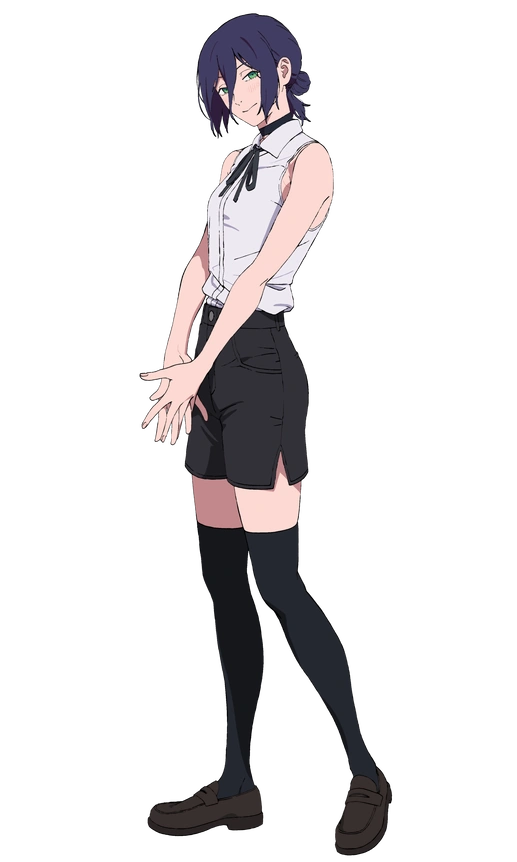
What makes Reze different from other villains in Chainsaw Man — and really, from most villains in psychological anime period — is that her deception isn’t born from malice. It’s born from the same system that broke Denji. The USSR exploited Reze the same way the yakuza exploited Denji. She was never given a choice about who she became.
Fujimoto crafts Reze as a mirror — the Bomb Girl arc works because she is Denji, just on the other side of a Cold War border. Same damage. Same dehumanization. Same desperate hunger for something real. The Chainsaw Man Reze Arc uses that parallel to gut-punch you repeatedly, because you realize that under different circumstances, these two could have saved each other.
Instead, she was sent to kill him. And that’s where the tragedy starts cooking. The Chainsaw Man Reze Arc doesn’t let you enjoy the cute coffee shop scenes without a knot forming in your stomach, because you know the clock is ticking on every smile Reze gives Denji.
The Most Heartbreaking Romance in Shonen Anime
Let me be blunt: the Chainsaw Man Reze Arc contains the most devastating romance in shonen anime, and it’s not even close. I’ll fight anyone on this. Denji and Reze’s relationship is genuine — painfully, achingly genuine — but it’s built on a lie that neither of them can escape.
Denji has spent his entire life starved for affection. Makima offers him comfort with one hand and controls him with the other, and he can’t tell the difference because he’s never known what real care looks like. When Reze shows up and treats him like a person — not a weapon, not a tool, not a pet — it’s the first time someone has looked at Denji and seen him.
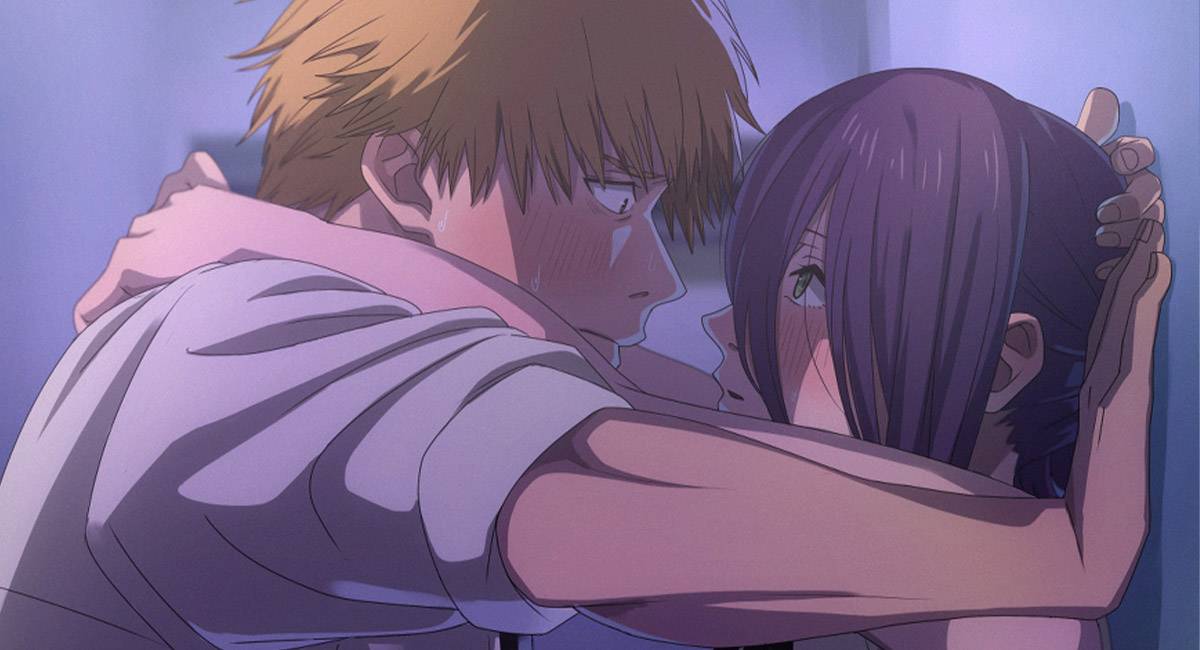
The pool scene is the emotional peak of the entire Chainsaw Man Reze Arc, and honestly one of the best scenes MAPPA has ever animated. It’s simple. They’re just two kids swimming, laughing, existing in a moment of pure uncomplicated joy. No devils. No missions. No lies. Just sunlight on water and the feeling that maybe, for once, things could be okay. Director Tatsuya Yoshihara lets this scene breathe — no dramatic camera angles, no orchestral swelling, just two people being present with each other in a way neither of them has ever experienced.
And that’s exactly why it destroys you. Because you know — even if Denji doesn’t yet — that this happiness has an expiration date. The Chainsaw Man Reze Arc lets you feel hope so it can rip it away more effectively. Makima’s villain analysis shows us someone who weaponizes love as control. Reze is the inverse — someone who discovers love despite her mission, and can’t figure out what to do with it.
Compare this to other shonen romances. Naruto and Hinata? Earned and beautiful. Edward and Winry? Wholesome and grounding. Denji and Reze? A hand grenade with the pin already pulled. The Chainsaw Man Reze Arc doesn’t give you a love story that ends well. It gives you a love story that never got the chance to become one.
That’s the difference. That’s why it hurts more. Other romances ask “will they?” The Chainsaw Man Reze Arc asks “what if they could have?” And that question — that haunting, unanswerable question — is what separates the Bomb Girl arc from every other love story shonen has attempted.
Touch Starvation and the Cruelty of Fujimoto’s Writing
Tatsuki Fujimoto doesn’t write love stories. He writes deprivation stories — narratives about people who have been denied something so fundamental that they don’t even know they’re missing it. The Chainsaw Man Reze Arc is his masterpiece of this kind of cruelty.
Denji’s original dream list is heartbreaking in its simplicity: he wants to eat good food, sleep in a bed, and touch a woman. Not romance. Not passion. Just basic human contact. He’s touch-starved in the most literal sense — his body has been used as a tool for so long that he’s forgotten it’s capable of being held. The Chainsaw Man Reze Arc gives him a glimpse of what that feels like, then snatches it away. When Reze takes his hand at the festival, you can feel the electricity of someone being touched with intention for the first time. It’s not romantic in the conventional sense. It’s survival-level need being met, and it’s devastating.
Reze is the same way. The Bomb Devil hybrid was raised as a weapon by the Soviet Union. She’s never been touched gently. She’s never been asked what she wants. When she sits with Denji and talks about running away together — going to college, eating breakfast, living a normal life — she’s describing a fantasy she doesn’t believe is possible for someone like her. The Chainsaw Man Reze Arc is cruel enough to show us that she’s right, but compassionate enough to let us grieve that fact.
This is what makes the Chainsaw Man Reze Arc so devastating. Both characters are experiencing real human connection for the first time, and both of them are too broken to recognize it before it’s gone. Fujimoto isn’t writing a twist — he’s writing a tragedy about whether love can exist when survival has been your only language your entire life. The Bomb Girl arc strips away the devil-hunting spectacle and asks a purely human question that no amount of chainsaw transformations can answer.
The answer the film gives is agonizing: maybe. Maybe it could have. But the world they live in won’t let it. The Chainsaw Man Reze Arc doesn’t punish Denji and Reze for wanting love. It punishes them for living in a world that refuses to let them have it.
And that, right there, is Fujimoto’s cruelty at its most refined. He doesn’t kill hope with spectacle. He kills it with a quiet moment at a coffee shop, a conversation about running away, a hand that almost reaches another hand but doesn’t.
MAPPA’s Visual Evolution Under Tatsuya Yoshihara
The Chainsaw Man Reze Arc movie doesn’t just tell a different story — it looks different. Tatsuya Yoshihara took over the director’s chair from Ryu Nakayama (who directed Season 1), and the visual shift is immediately noticeable and wildly controversial in the best way possible.
Yoshihara went all-in on mirroring Tatsuki Fujimoto’s manga art style. Denser linework. Reduced shading. Richer, more saturated colors. The result is a film that looks less like a polished anime production and more like Fujimoto’s panels brought to life with motion and blood. Some fans hated it on sight. The internet discourse was intense. But most fans, after actually watching the Chainsaw Man Reze Arc movie, came around hard. Because the art style isn’t just a aesthetic choice — it’s a storytelling choice that serves the material.

Here’s why the art shift matters: the Chainsaw Man Reze Arc is an intimate story. The original Season 1 cinematic sheen would have distanced you from the rawness of Denji and Reze’s relationship. Yoshihara’s rougher, more immediate style puts you inside the emotion rather than observing it from afar. It’s messier because the feelings are messier.
And then there are the fight sequences. MAPPA has always been elite at action, but the Chainsaw Man Reze Arc features some of their absolute best work. Denji riding a shark into battle against Reze’s explosive attacks is pure anime fight choreography at its most unhinged and creative. The Typhoon sequence alone — Reze detonating herself again and again while Denji refuses to stay down — is the kind of jaw-dropping spectacle that makes you forget to breathe.
Yoshihara understands something crucial about the Bomb Girl arc: the fights aren’t separate from the emotions. Every explosion is a heartbreak. Every time Reze detonates her own body to kill Denji, she’s destroying the version of herself that wanted to run away with him. The Chainsaw Man Reze Arc weaponizes its fight scenes as emotional storytelling, and MAPPA’s animation team delivers that dual purpose flawlessly. This is what separates the Chainsaw Man Reze Arc from standard shonen battle animation — the violence isn’t spectacle, it’s confession.
The attention to detail is insane. The way Reze’s neck-pin detonations echo Denji’s own ripcord transformation. The color coding — warm tones for their honest moments, cold and industrial for the mission reality. The Chainsaw Man Reze Arc movie is a masterclass in using visual language to tell the audience what words can’t.
What the Chainsaw Man Reze Arc Means for Season 2
If you’ve read the manga, you already know the Chainsaw Man Reze Arc is a setup for something much bigger. The Bomb Girl arc is the first real taste of the Assassins Arc — a story that throws killer after killer at Denji and forces him to confront what it means to be hunted for what you are rather than who you are.
Chainsaw Man Season 2, covering the Assassins Arc, has been announced for TBA 2026, and the Reze Arc movie is essentially the prologue. Everything that happens in the Chainsaw Man Reze Arc — Denji’s first experience with someone who sees him as a person, the crushing realization that connection comes with a body count — sets the emotional template for every assassin that comes after Reze.

Think about it. The Chainsaw Man Reze Arc teaches Denji that intimacy and danger can be the same thing. That the people who make you feel human might be the ones sent to destroy you. That lesson doesn’t go away after Reze. It compounds. Every new face in the Assassins Arc carries that same terrifying question: is this person real, or is this another Reze?
The manga’s Part 2 (the Academy arc and Assassins arc) is ongoing right now, and Fujimoto keeps circling back to these same themes — trust, exploitation, the cost of wanting connection when you’re a weapon people want to wield. The Chainsaw Man Reze Arc is where those themes crystallize for the first time, and the movie captures that with devastating clarity. Every new character in the Assassins Arc echoes Reze’s question: can you trust someone who was sent to destroy you?
Makima’s shadow looms over the entire Chainsaw Man Reze Arc, even when she’s not on screen. Denji’s attachment to her — a love built on control and manipulation — stands in sharp contrast to what he feels with Reze. The Makima’s villain analysis reveals just how thoroughly she colonized Denji’s emotional world. Reze is the first crack in that control, the first hint that Denji might be capable of wanting something real instead of something forced.
And then the film takes that away too. Because of course it does. This is Chainsaw Man. The same author who killed Power in the span of a single chapter. The same story that introduced a lovable dog devil only to have Makima use him as a weapon. The Chainsaw Man Reze Arc fits perfectly into Fujimoto’s philosophy: hope exists to make loss hurt more.
For fans coming fresh to the Chainsaw Man Reze Arc via the Crunchyroll stream, the movie is a perfect entry point into the darker, more emotionally complex story that Season 2 promises to tell. It’s not just a side story or a bridge. It’s the thesis statement for everything Chainsaw Man becomes after Season 1. The Assassins Arc doesn’t work without understanding what Reze meant to Denji — and what losing her did to his already fractured sense of trust.
Why the Chainsaw Man Reze Arc Is the Love Story Shonen Needed
Most shonen anime treats romance as a reward. The hero wins the fight, gets the girl, roll credits. The Chainsaw Man Reze Arc treats romance as a wound that never closes. It doesn’t reward Denji for his heroism. It punishes him for daring to want something for himself.
And somehow, that’s more honest than any love-conquers-all narrative I’ve seen in this genre. Because the Chainsaw Man Reze Arc understands something most shonen doesn’t: sometimes the tragedy isn’t that love fails. It’s that love never gets the chance to try.
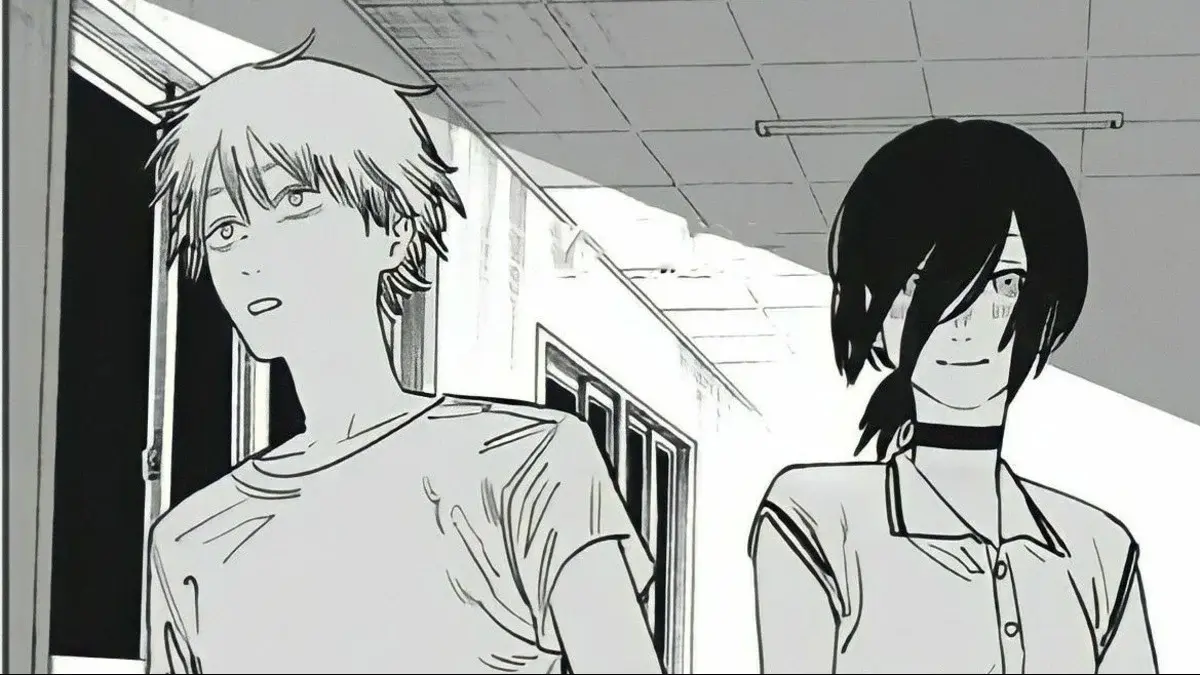
Reze came back for Denji. That’s the detail that destroys me every time. After everything — the mission, the fighting, the explosions — she came back. She chose him over her orders. She chose the fantasy they talked about over the reality she was built for. And by the time she made that choice, it was already too late.
The Chainsaw Man Reze Arc asks a question that no amount of power scaling or plot twists can answer: what happens when love arrives in a place where it’s not allowed to exist? Reze and Denji found something real in each other, and the world they live in — a world of devils, agencies, Cold War weapons programs — crushed it before it could breathe.
That’s not a plot twist. That’s a thesis about what it means to be human in a system that only values you as a tool. The Chainsaw Man Reze Arc doesn’t give you catharsis. It gives you grief, and it trusts you to sit with it. In a medium that usually resolves emotional tension with a triumphant declaration of friendship or love, Fujimoto’s refusal to offer comfort feels almost radical.
Compared to other landmark arcs in modern shonen — like the Demon Slayer Infinity Castle Arc — the Chainsaw Man Reze Arc achieves something different. Demon Slayer builds toward an epic confrontation. The Reze Arc builds toward a quiet devastation. Both are masterful. But only one leaves you mourning a love story that never happened.
Go watch it on Crunchyroll if you haven’t yet. Bring tissues. Bring a friend. Bring the hollow understanding that Tatsuki Fujimoto will never let any of his characters be happy for more than five consecutive minutes. The Chainsaw Man Reze Arc is proof that sometimes the most powerful stories aren’t about what happens — they’re about what almost did.
You Might Also Enjoy
If the Chainsaw Man Reze Arc left you emotionally wrecked and hungry for more, here are some deep dives that hit similar notes:
- Makima’s Villain Analysis — Understand the control that made Denji vulnerable to Reze in the first place
- Best Anime Fight Choreography — Where the Reze Arc’s explosive battles rank among the all-time greats
- Best Psychological Anime — More shows that weaponize your emotions instead of just entertaining you
- Best Anime for Adults — Mature stories for viewers ready for something beyond power-of-friendship endings
- Demon Slayer Infinity Castle Arc Explained — Another landmark arc that changed what we expect from modern shonen
And if you want to experience the source material, the Chainsaw Man manga by Tatsuki Fujimoto is available on MyAnimeList and through Viz Media’s official releases. The Bomb Girl arc reads just as devastatingly as it watches. Maybe worse, because your imagination fills in the moments between panels that MAPPA couldn’t animate.