Born Into Blood — Killua’s Zoldyck Origins and What They Actually Did to Him
Most shonen protagonists get a tragic backstory as a plot device — a dead parent here, a burned-down village there. Then they move on and punch things. Killua Zoldyck is different. His backstory isn’t a tragic footnote. It’s the entire foundation of who he is, why he acts the way he acts, and why every step forward he takes in Hunter x Hunter feels genuinely earned rather than handed to him by the narrative. When you understand where Killua comes from, the whole series hits differently on a rewatch — and if you’ve rewatched HxH even once, you know exactly what I mean.
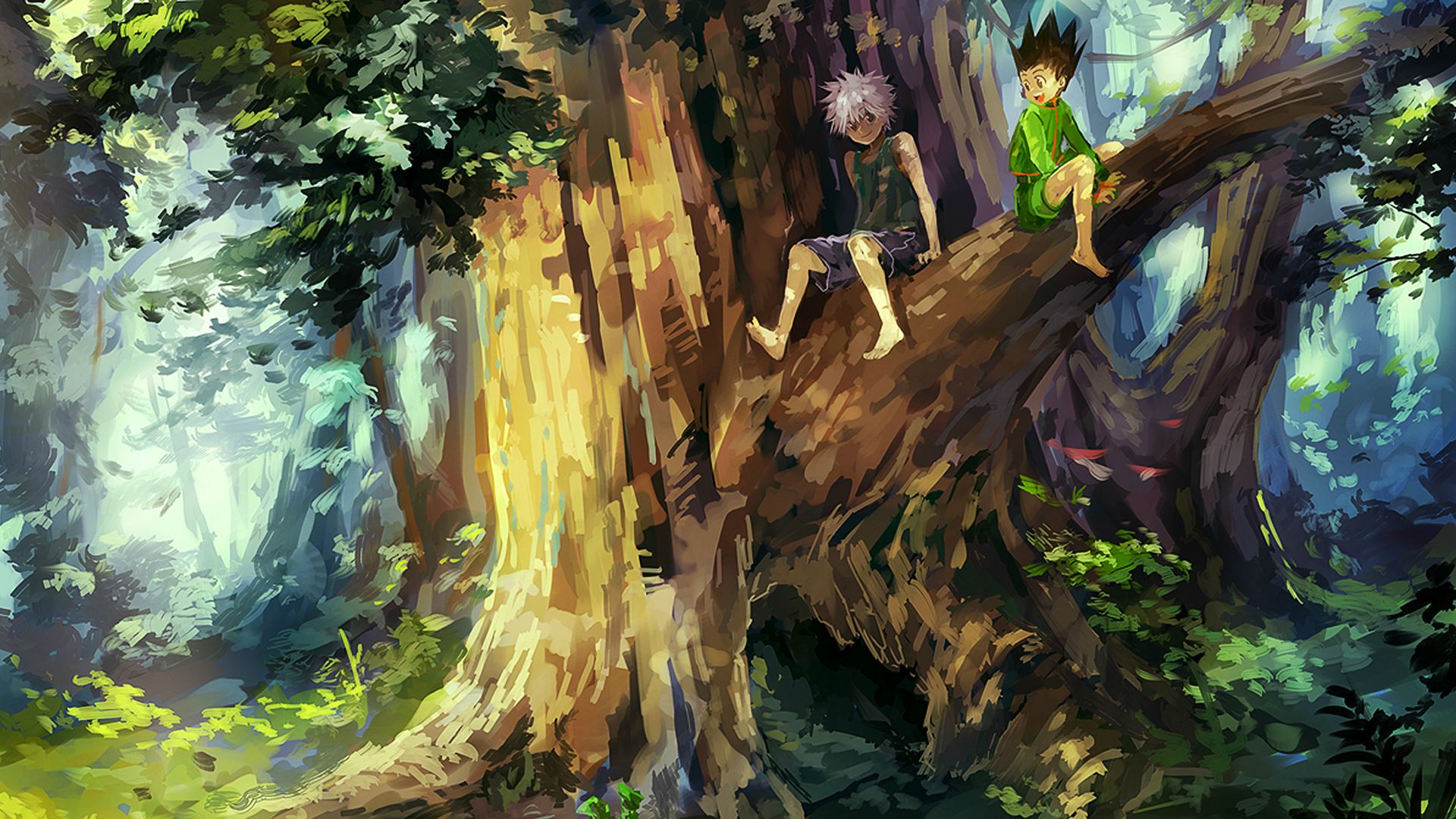
The Zoldyck family is the most feared assassin dynasty in the world of Hunter x Hunter. Silva Zoldyck, Killua’s father, is a man so powerful that even the Phantom Troupe thinks twice about direct confrontation. Kikyo, his mother, is obsessively protective in the most toxic way imaginable — she doesn’t love Killua so much as she owns him, a prized weapon to be sharpened and deployed. And then there’s Illumi, Killua’s eldest brother, the one who shaped him most deeply and most harmfully.
From birth, Killua was subjected to systematic conditioning that would break most adults before their third day. Torture wasn’t punishment in the Zoldyck household — it was curriculum. The infamous Butler’s Quarters, guarded by Mike (a beast that has killed intruders who dared approach), serves as the first line of psychological intimidation even before you get to the training grounds. Killua spent years in the estate’s underground chambers — actual torture chambers — being trained to endure pain, to kill without hesitation, and to view every human being as either a target or an obstacle.
What makes this so fascinating from a character analysis standpoint is that this training worked. By the time Killua shows up at the Hunter Exam at age 12, he’s already a complete, professional-grade assassin. He rips out a man’s heart mid-exam without blinking. He does it casually, the way a bored kid might doodle in a notebook. That moment is supposed to disturb you. It’s supposed to make you wonder what exactly you’re rooting for. Yoshihiro Togashi — the mangaka behind HxH — is specifically interrogating the “child prodigy fighter” archetype that shonen anime loves, and he’s asking: what does it actually cost to make a kid like that?
The Illumi Needle: Mind Control Disguised as Protection
The most disturbing piece of Killua Zoldyck’s origin story isn’t the torture chambers or the assassinations. It’s the needle. Illumi, under the pretense of protecting his younger brother from situations that could get him killed, implanted a Nen needle directly into Killua’s brain. The needle’s effect was insidious: it triggered a compulsive flight response whenever Killua perceived an opponent as stronger than himself. It blocked his will to fight, forcing him to run, forcing him to abandon his friends, making him believe at his core that he was a coward who wasn’t worthy of standing beside people like Gon.
This is psychological abuse coded in fantasy terms, and Togashi makes sure you feel the weight of it. Every time Killua runs during the early arcs — from Gon’s fight during the Hunter Exam, from situations in the Zoldyck Family arc — it’s not weakness. It’s a foreign will controlling him. And the most brutal part? Killua doesn’t know it. He genuinely thinks he’s just a coward. He genuinely believes the worst things Illumi ever said about him. That internalized self-doubt, that programmed inferiority, is what makes Killua’s eventual breakthrough in the Chimera Ant arc one of the most cathartic moments in anime history.
Electricity and Ice — Killua Zoldyck’s Nen Abilities Explained (Transmutation, Godspeed, Lightning Claws)
Let’s talk about what Killua Zoldyck can actually do, because his combat toolkit is one of the most elegantly designed ability sets in all of HxH — and that’s saying something in a series where Nen abilities are consistently creative and mechanically interesting. Killua’s Nen type is Transmutation, meaning he can change the quality and properties of his aura to mimic something else. In his case? Electricity.
This isn’t just a cool visual choice. It fits his character on a thematic level. Electricity is fast, unpredictable, and deadly — it can be controlled but never fully tamed. It’s both a weapon and a warning. And it mirrors Killua’s actual personality: quick-witted, sharp, capable of warmth but also capable of instant, lethal violence. The guy learned to channel electricity through his body by training himself to withstand millions of volts. That’s the Zoldyck approach to everything — just suffer through it until your body adapts.
Lightning Claws and Thunderbolt
Before Killua reaches his ultimate technique, his foundational electricity-based moves are already formidable. Lightning Claws coats his fingers in electrically charged aura, turning his hands into weapons that can slice through most opponents with terrifying speed. Thunderbolt allows him to discharge concentrated bursts of electricity at opponents — useful for stunning or dealing damage from range. These aren’t flashy desperation moves; they’re tools in a disciplined assassin’s kit, used with precision and timing.
The Heaven’s Arena arc is where we first see Killua’s Nen abilities start to crystallize. Watching him learn to weaponize his electrical resistance — something he gained through years of literal electrocution during Zoldyck training — is one of those perfect moments where Hunter x Hunter’s worldbuilding and character backstory snap together into something that feels inevitable and clever at the same time. For those interested in the craft of how best fight choreography in anime is constructed, Killua’s Heaven’s Arena sequences are a masterclass.
Godspeed: The Pinnacle of Killua’s Power
Godspeed is where Killua Zoldyck stops being “really dangerous” and becomes something else entirely. Godspeed consists of two components that work in devastating combination: Speed of Lightning and Whirlwind. Speed of Lightning bypasses conscious thought — Killua’s nervous system is literally hardwired to respond to threats at electrical speed, meaning his body reacts before his brain can even register the incoming attack. Whirlwind uses the same electrical current to move his limbs at maximum speed without conscious direction.
The result is a fighter who operates at a speed that most opponents can’t perceive, let alone react to. During the Chimera Ant arc, watching Killua engage enemies with Godspeed active is legitimately jaw-dropping. It’s not just fast — it’s conceptually fast in a way that makes you understand why speed-type fighters are so terrifying in the HxH power system. Speed of Lightning means Killua can’t be surprised. You can’t ambush someone whose nervous system is already responding before you’ve completed your attack.
Godspeed also represents something important narratively: it’s the ability Killua develops specifically to protect Gon and Alluka. It’s not built for assassination. It’s built for defense, for interception, for keeping the people he loves alive. A killer learning to fight for protection rather than destruction — that thematic arc is embedded in the very mechanics of his strongest technique.
The Gon Effect — How One Friend Rewired a Trained Killer
Here’s the thing about Killua Zoldyck that hits hardest on a rewatch: he was planning to leave the Hunter Exam. He had already decided it wasn’t worth his time. And then Gon Freecss walked into his life and ruined everything — in the best possible way.
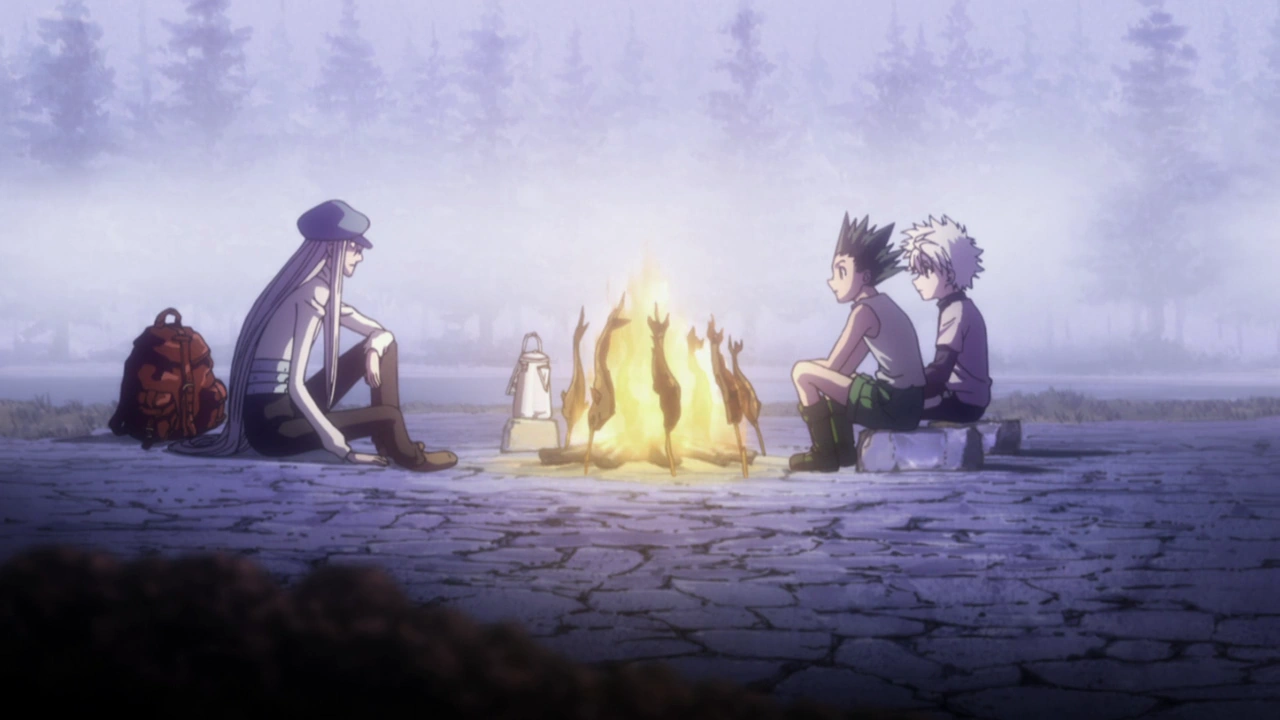
Gon’s effect on Killua isn’t subtle and it isn’t slow. From their very first meeting, Gon treats Killua like a friend — not a curiosity, not a dangerous specimen to be handled carefully, just a friend. Gon doesn’t care about the Zoldyck name or the assassination legacy or the literal murder Killua committed in front of everyone. He sees a kid who seems lonely and fun to hang out with, and he decides they’re going to be best friends. That’s it. No conditions. No suspicion. Just unconditional acceptance delivered with the confidence of someone who has never been taught to be afraid of people like Killua.
For someone whose entire life had been transactional — you train, you perform, you earn your place in the family — Gon’s friendship is genuinely disorienting. Killua doesn’t know what to do with it at first. He pushes back, tests it, does things specifically designed to make Gon stop liking him. Gon doesn’t blink. And slowly, over the course of hundreds of chapters and episodes, that unconditional acceptance starts to do something to Killua’s core programming.
Gon and Killua — The Best Duo in Shonen
What makes the Gon and Killua dynamic work so well is that they’re not just “opposites attract” in a shallow sense. They genuinely complement each other in ways that go deeper than personality contrast. Gon has limitless potential and drive but zero self-preservation instinct and questionable tactical thinking. Killua has elite skill, strategic brilliance, and professional-grade threat assessment — but no goals of his own, no sense of what he’s fighting for. Together they form something complete.
Killua is the planner, the realist, the one who calculates whether a fight can be won and pulls Gon back from the edge. Gon is the engine, the one whose determination pulls Killua forward when his own training tells him to retreat. They’re frequently cited among the best anime duos of all time, and honestly, the competition isn’t even close. The depth of their relationship — built across hundreds of hours of shared experience, near-death situations, and genuine emotional vulnerability — is something most series don’t manage in a lifetime of episodes.
There’s also Alluka to consider when understanding what friendship and love mean to Killua. His younger sister Alluka, who harbors the mysterious Nanika — a being of wish-granting power that the Zoldyck family treats as a dangerous tool — is someone Killua protects with the kind of fierce, unconditional love that mirrors what Gon gave him. Killua is the only Zoldyck who treats Alluka as a person rather than an asset. His arc in the late manga is largely about liberating Alluka from the family’s control, and it’s one of the most emotionally resonant threads in the entire series.
Killua Zoldyck’s Darkest Moments (and Why They Make Him More Compelling)
One of the reasons Killua Zoldyck resonates so deeply with fans isn’t just his charm or his cool powers — it’s that the series never lets him be simply a good person who was raised badly. His darkness is real. It’s part of him. And Togashi respects both the character and the audience enough to sit with that discomfort rather than hand-wave it away.
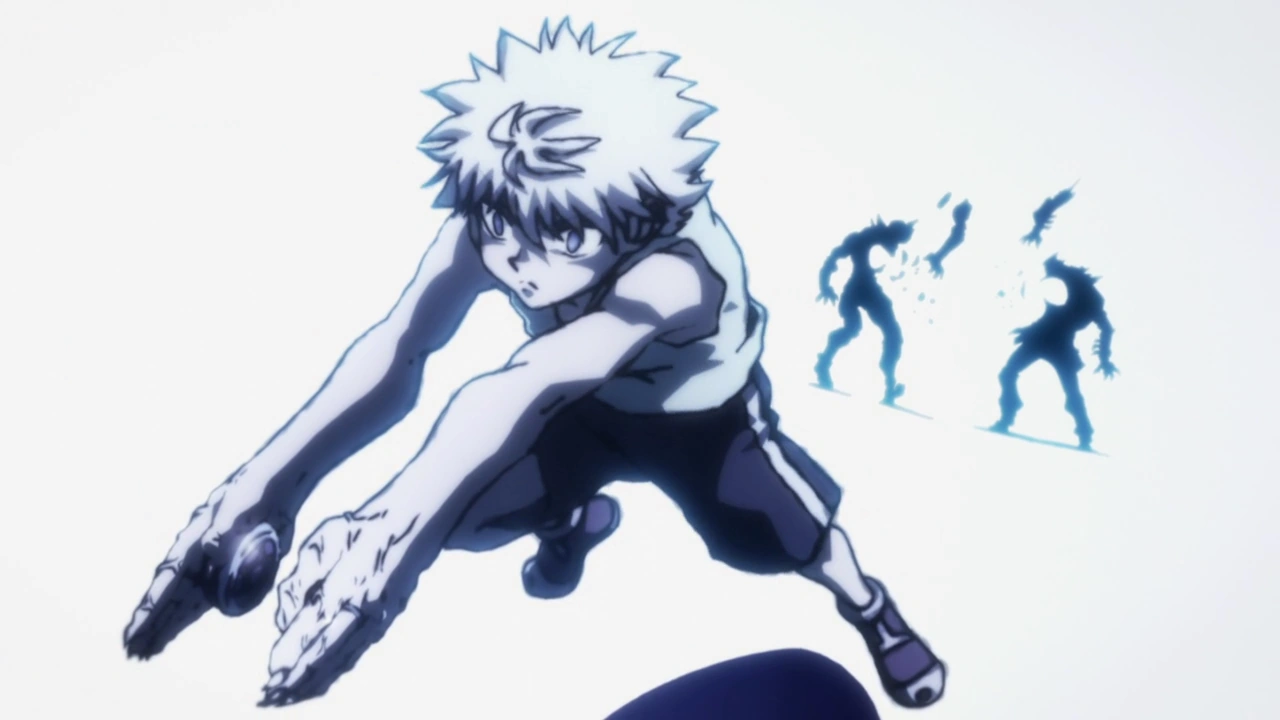
The Hunter Exam is full of these moments. When Killua kills Bodoro — a fellow exam participant — it’s shocking not because of the violence itself but because of how easy it is for him. There’s no hesitation, no conflict visible on his face. It’s the act of someone for whom killing is genuinely unremarkable. That moment gets Killua disqualified and has serious consequences for the overall exam result, but more importantly, it establishes a clear-eyed portrait of what the Zoldyck family actually produced: a child who can end a life with less emotional investment than most people use to order breakfast.
The Yorknew City Arc and the Weight of His Legacy
The Yorknew City arc puts Killua Zoldyck in proximity to the Phantom Troupe — the same Phantom Troupe that his father Silva once fought directly. Watching Killua navigate that situation, recognizing threats that most people can’t even perceive, assessing the Troupe’s power levels with the cold precision of someone who grew up surrounded by people at that tier — it’s a reminder that Killua isn’t just a talented kid. He was raised in the same world as the scariest people in HxH.
And yet the arc’s emotional core for Killua is about his limitations. He can read the Troupe. He can see how dangerous they are. And he knows — really knows in his bones in a way Gon doesn’t — that confronting them directly would get them both killed. The needle’s influence and his own trained risk assessment push him toward retreat, and he hates himself for it. That self-loathing, that gap between who he wants to be for Gon and who his programming makes him, is what drives his eventual determination to get the needle out of his head.
His relationship with characters like Chrollo Lucilfer is also fascinating to consider — both are products of brutal environments that shaped them into efficient killers, but their trajectories diverge in ways that say a lot about the role of human connection in determining who we become. Hunter x Hunter consistently positions itself as some of the best psychological anime ever produced, and Killua’s internal conflict is a huge part of why.
Rammot and the Needle — The Moment Everything Changes
The Chimera Ant arc is the crucible that burns away everything conditional about Killua Zoldyck’s development and leaves only the essential truth of who he is. When Killua faces Rammot — a Chimera Ant whose power exceeds what he should reasonably be able to handle — Illumi’s needle activates. The flight instinct kicks in. And for a moment, it looks like the same story we’ve seen play out before.
But something is different this time. Gon is in danger. The stakes aren’t abstract. And Killua reaches into his own mind — literally, in the visual metaphor the anime uses — grabs the needle, and rips it out. It’s one of the most cathartic moments in all of shonen anime, full stop. The sequence that follows, where Killua absolutely destroys Rammot with the full, unrestrained power of his transmutation nen, hits differently because you’ve been watching this character be suppressed for so long. You’ve been waiting for this. And when it finally comes, it lands like it was always supposed to.
Is Killua Stronger Than Gon? The Power Scaling Debate
If you’ve spent any time in HxH community spaces — Reddit, MyAnimeList forums, Discord servers — you’ve definitely stumbled into the Killua vs Gon power scaling debate. It’s one of those discussions that never fully resolves because the series itself is deliberately ambiguous about it, and honestly, that ambiguity is probably intentional. You can check out Killua’s character profile on MyAnimeList to see just how consistently he ranks among the most popular characters in anime history — it tells you something about how deeply fans are invested in this question.
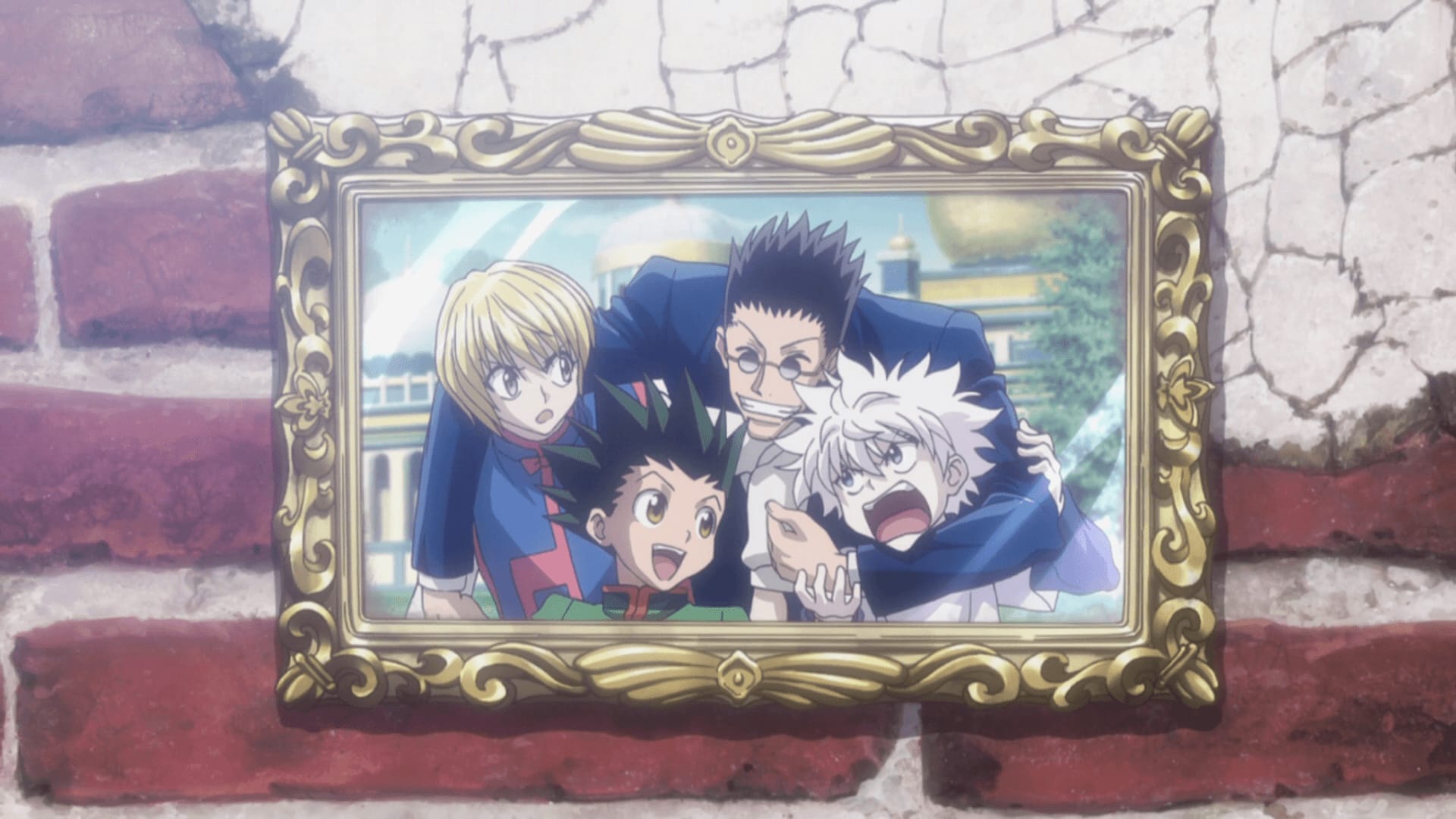
The honest answer is: Killua Zoldyck is almost certainly the faster fighter for most of the series, while Gon has higher raw potential and ceiling. Pre-Chimera Ant arc, Killua is definitively the more dangerous of the two in a straight fight — his assassin training, superior technique, and electrical abilities give him tools that Gon’s straightforward enhancement nen can’t match. During this period, Killua consistently handles threats that would overwhelm Gon.
Speed vs Raw Power
The argument for Killua being the stronger fighter comes down to his technical ceiling. With Godspeed fully activated, Killua Zoldyck is operating at speeds that make conventional combat reactions irrelevant. Most opponents can’t track him, let alone defend against him. His assassination background means he doesn’t just fight — he ends fights, exploiting openings with the efficiency of someone who was taught that prolonged combat is a failure state.
The argument for Gon comes from the Chimera Ant arc’s climax, where Gon’s sacrifice to access full-potential adult form produces a level of power that’s casually described as comparable to Meruem, the most powerful Chimera Ant. That version of Gon is clearly beyond anything Killua Zoldyck has shown. But that form nearly kills Gon and leaves him powerless — it’s not a sustainable state. It’s a one-time detonation of everything Gon will ever be.
When people ask “who’s stronger,” they’re usually really asking about their peak forms, and that conversation is endless because both characters are presented as having uncapped ceilings. What’s less debatable: for most of the actual series, in actual fights, Killua is the more reliably dangerous fighter. And that matters for how we understand his role in the duo — he’s not Gon’s sidekick or support. He’s an elite fighter in his own right who chooses to use those skills for protection rather than assassination.
Why Killua’s Arc Is One of the Most Complete in Shonen Anime
Here’s my honest take, having rewatched HxH multiple times: Killua Zoldyck has one of the most complete character arcs in shonen anime — possibly the most complete. Not because everything is resolved or everyone is healed, but because the trajectory from beginning to end represents genuine, earned transformation.
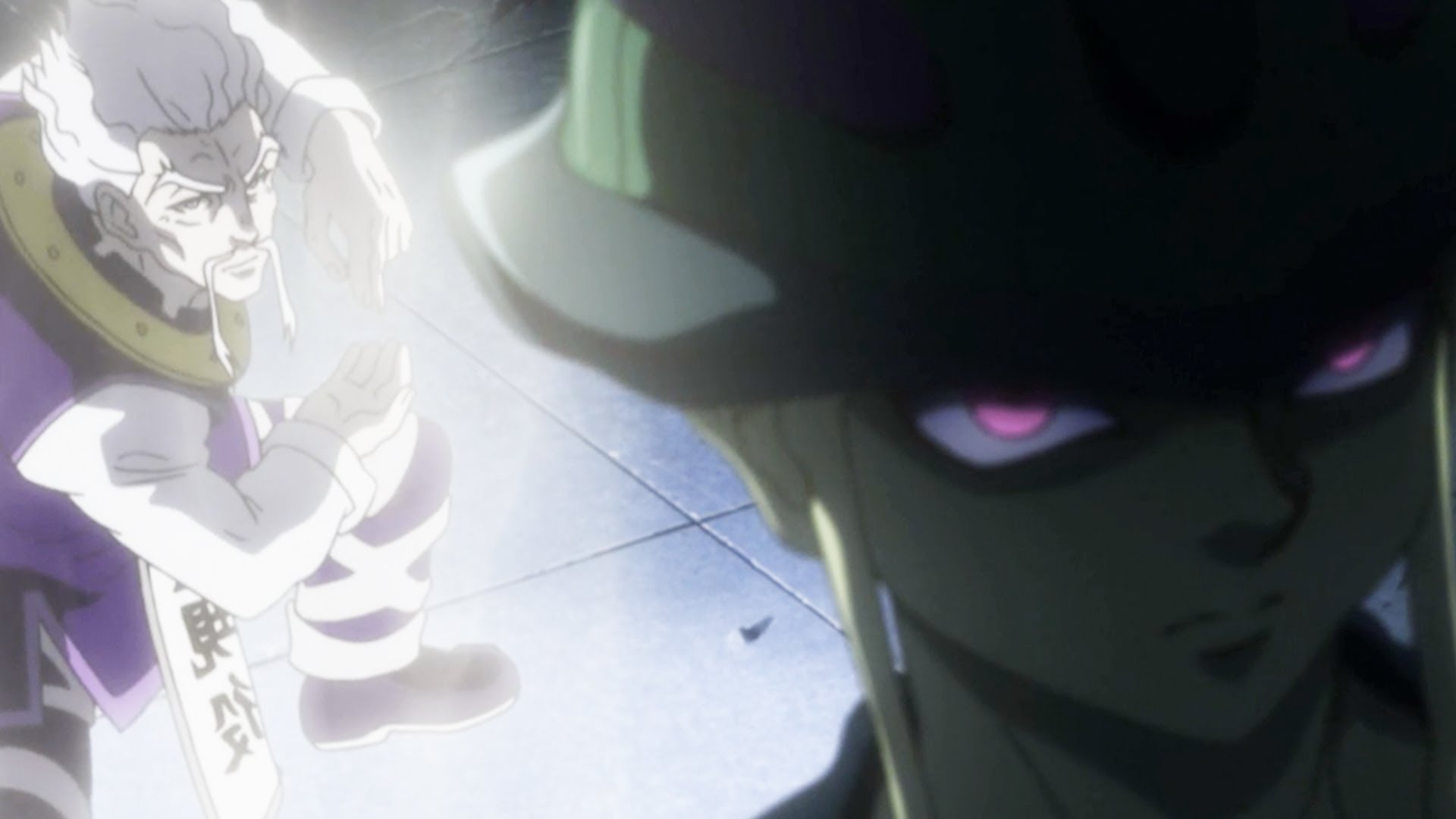
He starts the series as a weapon shaped like a child — technically brilliant, emotionally stunted, conditioned to believe that love is weakness and that his own worth is measured entirely by his capacity for violence. The Zoldyck family had comprehensively convinced him that friendship was a vulnerability to be exploited and that the only meaningful relationships were hierarchical ones defined by power.
By the end of what’s been adapted — and in the manga beyond it — Killua Zoldyck has dismantled most of that programming through lived experience rather than speeches or power-ups. He didn’t outfight his trauma. He chose, repeatedly and at cost, to prioritize connection over the self-protective isolation his training demanded. He risked his life not for victory or reputation but for Gon, for Alluka, for people who needed him specifically as a person rather than as a weapon.
The Hiatus Problem and What It Means for Killua’s Legacy
You can’t talk about Hunter x Hunter’s community without addressing the elephant in the room: the legendary Togashi hiatus. HxH has been on extended hiatus for extended periods throughout its run, with Togashi’s health being the primary reason. This has created a strange relationship between the series and its fanbase — HxH is simultaneously one of the most beloved and most frustratingly incomplete long-form anime/manga stories ever told.
Interestingly, this incompleteness has somehow enhanced Killua Zoldyck’s status rather than diminished it. Because the story remains open, fans continue to engage with his arc, theorize about where his journey goes, and discuss what his choices in the existing story mean for his trajectory. Character polls consistently rank Killua among the top five most popular anime characters globally, and there are years — decades, even — where he tops them outright. That kind of sustained fan devotion for a character in a series that’s been on-and-off hiatus for most of its publication history is extraordinary.
Killua Zoldyck’s Place Among the Greats
When people talk about the best character development in anime, the conversation usually gravitates toward characters like Eren Yeager or certain characters from Fullmetal Alchemist. Killua belongs in that conversation, and he belongs near the top of it. His development isn’t driven by a single dramatic transformation — it’s built through hundreds of small choices, quiet moments, and painful reckonings with who he was trained to be versus who he wants to become.
What separates Killua from most shonen protagonists is that his growth never feels unearned. Every step forward costs him something. Every decision to prioritize friendship over self-protection is a choice made against the grain of his conditioning. Togashi doesn’t give him a redemption arc — Killua doesn’t need redemption in the conventional sense. He needs liberation. And the series is fundamentally about watching him claim that liberation piece by piece, friend by friend, choice by choice.
His arc also subverts the standard shonen power fantasy in a meaningful way. He doesn’t become stronger through anger or grief the way most shonen protagonists do. He becomes more fully himself. The electricity in his abilities was always there — the Zoldyck training put it there. What changes is what he uses it for. That shift from weapon to protector, from isolated killer to devoted friend, is what elevates Killua Zoldyck from a great anime character to one of the genuinely important ones in the medium’s history.
The Final Verdict
If I’m being direct: Killua Zoldyck is the reason I started recommending Hunter x Hunter to people who claimed shonen anime was shallow. He’s the character you point to when someone says anime doesn’t do complex psychology. He’s the evidence you cite when someone argues that action anime can’t carry genuine emotional weight.
He’s an assassin who learned to love. A weapon that decided to become a person. A kid who was systematically broken and then, through the sheer stubborn force of one friendship and the slow accumulation of his own choices, put himself back together into something his family never intended to create: someone free.
That’s not a common story in any medium. In shonen anime, it’s almost singular. And that’s why, however long the hiatus lasts, however many years we wait for the manga to conclude, Killua Zoldyck’s place in anime history is already secure. He earned it. Every episode.