Blue Lock Season 2 Is Doing Something No Sports Anime Has Ever Done Before
Let’s skip the warm-up. Blue Lock Season 2 is not just a good sequel — it’s proof that the original wasn’t a fluke. Where Season 1 introduced the wildest premise in sports anime history (lock 300 teenagers in a facility, strip away everything except ego, and mint Japan’s next striker), Season 2 takes those ego-monsters and throws them against the wall of reality. The U-20 Japan arc asks a question that hits hard: what happens when players bred entirely on selfishness have to function as a team — against an actual team? The answer is messy, electric, and absolutely worth watching.
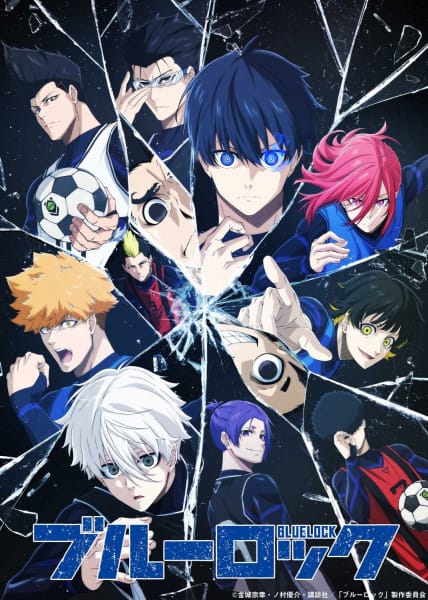
If you haven’t touched the Blue Lock anime yet, the short pitch is this: Japan’s football program is a disaster. A visionary (and possibly unhinged) coach named Jinpachi Ego drafts 300 of Japan’s top U-18 strikers, seals them in a training compound called Blue Lock, and runs them through psychological warfare disguised as soccer drills. Only one player graduates as Japan’s supreme striker. Everyone else is eliminated. The show is simultaneously a shonen battle anime, a character study in ego and hunger, and the most accurate depiction of the psychological side of elite sport you’ll find in animation. Season 2 picks up right where Season 1 ends — and then immediately makes everything harder.
You can follow along on MyAnimeList or watch streaming on Crunchyroll where both sub and dub are available. But first — let’s talk about what makes this season so special.
Blue Lock Season 2: The U-20 Arc — What’s Actually Happening
Blue Lock Season 2 centers on the U-20 Japan arc, and the setup is genuinely brilliant. The Blue Lock 11 — the surviving strikers from the facility — are assembled into a makeshift team and thrown into a match against Japan’s U-20 national squad. The U-20 squad is everything Blue Lock’s philosophy opposes: trained in traditional team-first football, coordinated, disciplined, and full of technically superior players who’ve actually played real competitive games together. The Blue Lock boys have never played as a unit. They’ve only ever played against each other.

The match structure is what gives Blue Lock Season 2 its dramatic spine. You’ve got Isagi and the facility graduates facing off against players who, on paper, should absolutely dismantle them. The U-20 squad doesn’t see the Blue Lock players as threats — they see them as a political stunt, an embarrassment to Japanese football. That dismissal makes the early stages of the match even more electric. When the Blue Lock 11 start pulling off plays that should be impossible, the crowd’s disbelief becomes the audience’s vindication.
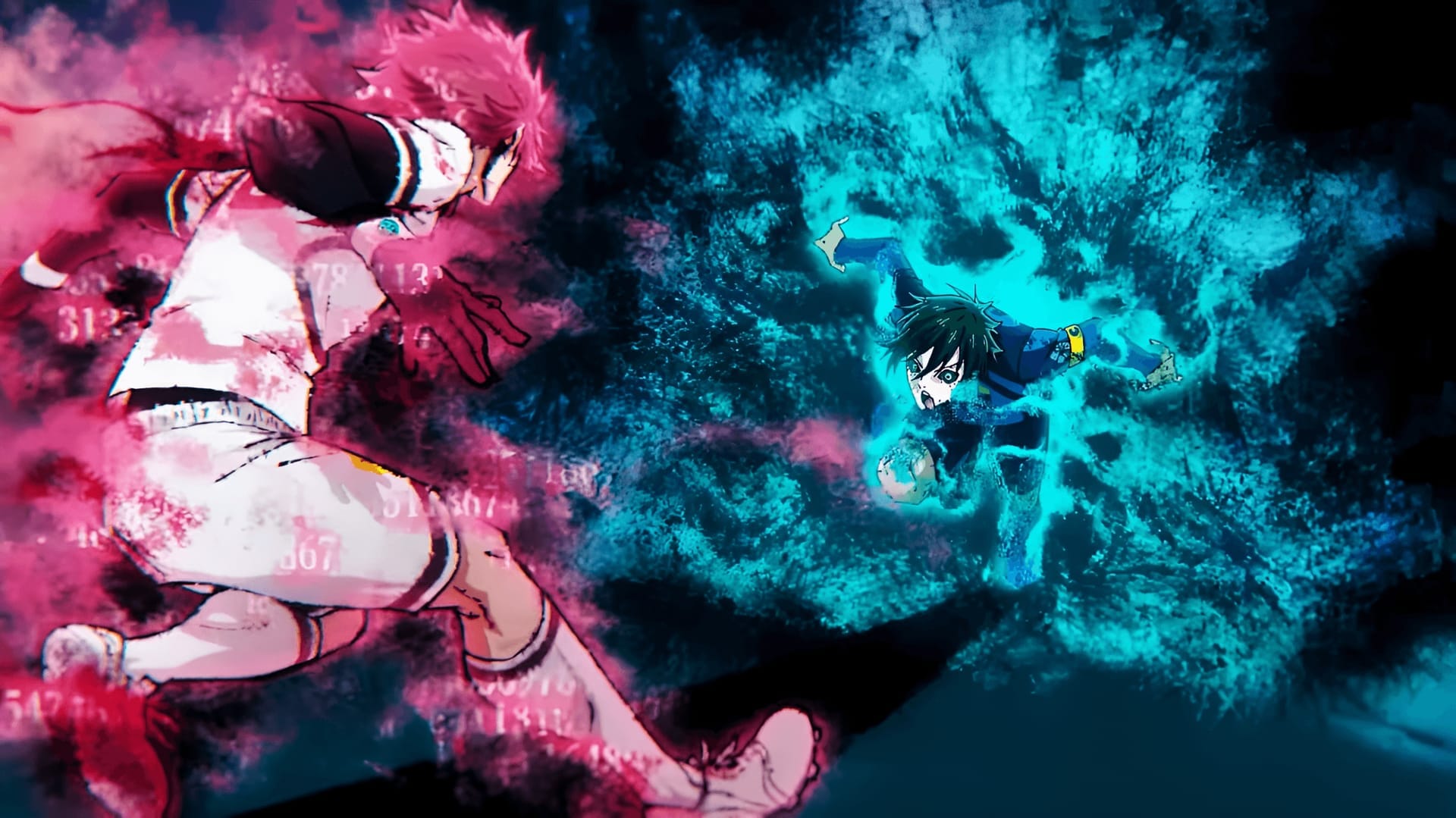
The arc also reintroduces Rin Itoshi, the ice-cold prodigy who was Isagi’s most brutal rival inside the facility. Rin ended up on the U-20 squad — the enemy side — and his presence reframes the entire match. This isn’t just Blue Lock philosophy vs traditional football. It’s Isagi vs Rin. And the history between them, including everything that happened in Season 1, charges every moment they share the pitch.
Then there’s Noel Noa, the legendary striker turned coach who oversees the Blue Lock players during this arc. Noa is the kind of mentor character who elevates the whole show — he’s not there to hand out answers or give inspirational speeches. He observes. He prods. He names what he sees in a player and then steps back to watch whether they can grow into it. His relationship with Isagi is the coaching dynamic sports anime fans dream about.
Isagi Yoichi’s Evolution: From Smart to Terrifying
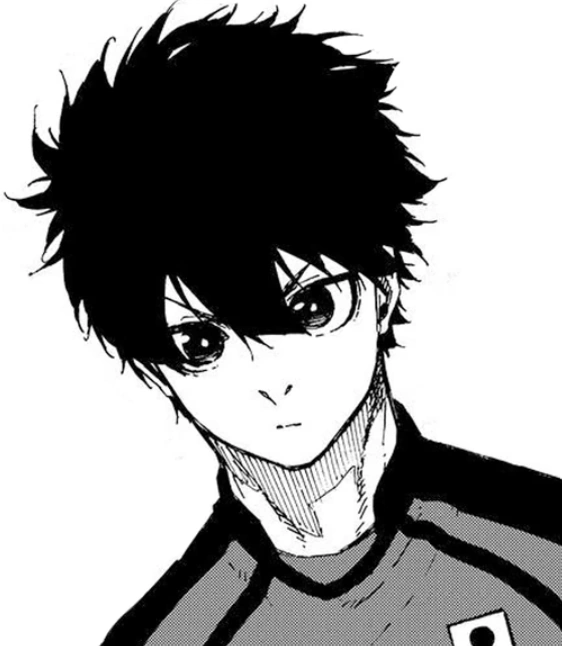
Here’s the thing about Isagi Yoichi that makes Blue Lock Season 2 work as a character study: he’s not the most talented player on the pitch. He never has been. What Isagi has is something rarer — he sees the game differently. In Season 1, this manifested as “meta vision,” a spatial awareness that let him read positions and predict plays before they happened. It’s a cognitive gift, not an athletic one. Blue Lock Season 2 starts by testing whether that gift is enough against players who have both the talent and the experience Isagi lacks.
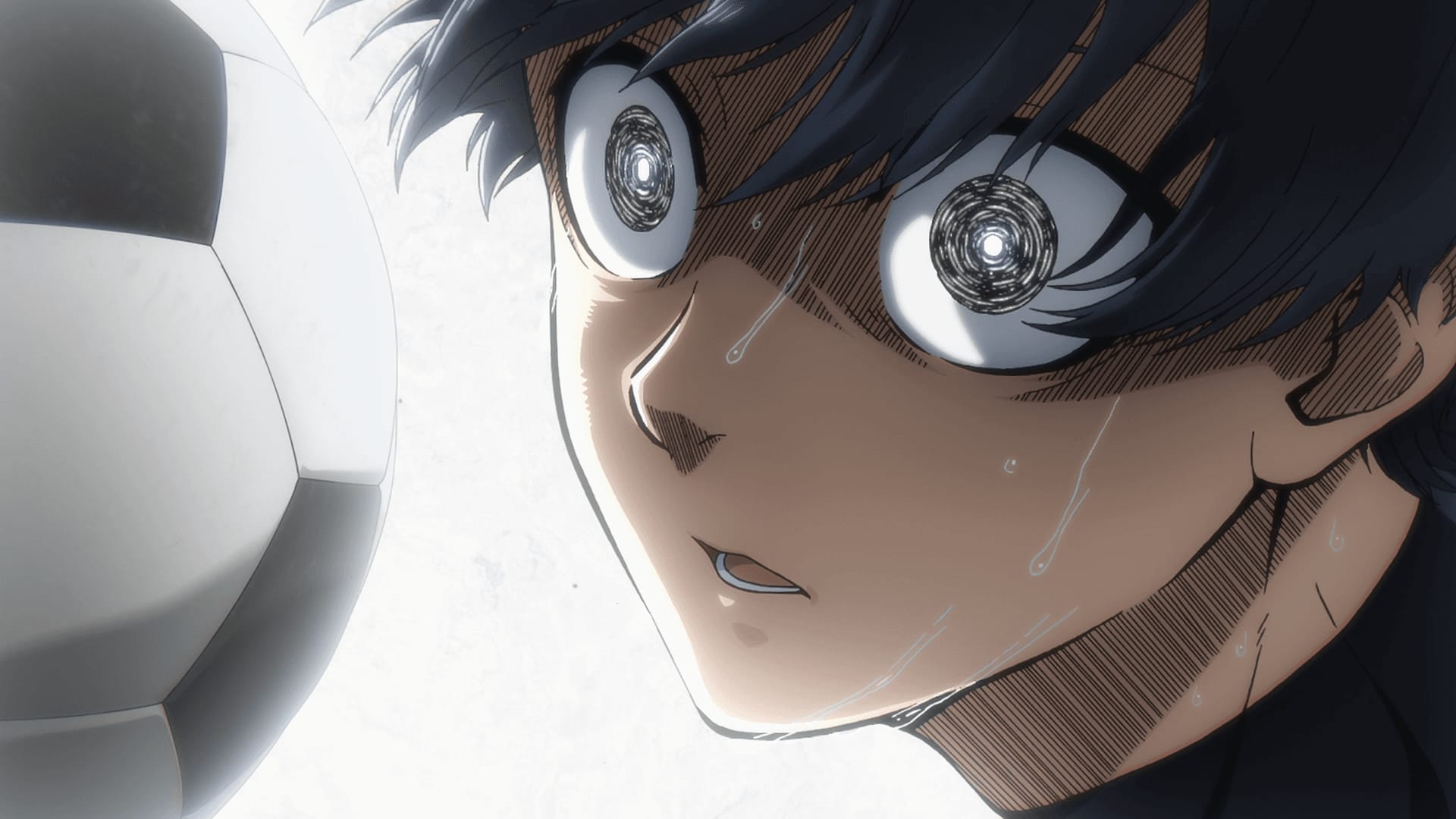
The evolution the show maps across Blue Lock Season 2 is what happens when meta vision stops being a conscious analytical process and becomes instinct. The early Isagi has to calculate — he reads the field, identifies the chain of plays, and then acts. The Isagi who emerges through the U-20 arc starts reacting before the calculation completes. The show calls this “direct drive,” a state where his football instincts have been sharpened to the point where his body moves in sync with his read of the game without the lag of conscious thought.
This arc of character development is what separates Blue Lock from lesser sports anime. Isagi’s growth isn’t about hitting the gym or learning a new technique from a master. It’s about the evolution of cognition under pressure. The U-20 match puts him in situations where his old way of playing isn’t fast enough — and watching him adapt in real-time, mid-match, is one of the most satisfying progressions in recent anime. Check out our breakdown of character development across anime for more on what makes this kind of arc work so well.
What the show does particularly well is showing the cost of this evolution. Every time Isagi levels up, he loses something — a relationship, a comfort zone, a way of seeing himself. He starts to understand what Ego meant when he designed Blue Lock. You can’t become Japan’s greatest striker and also remain the team player everyone expects you to be. The facility doesn’t just train footballers. It rewires people. Blue Lock Season 2 shows the psychological fallout of that rewiring, and it’s genuinely uncomfortable in the best possible way.
The Supporting Cast: Bachira, Kaiser, and the World Beyond the Facility
One of the best decisions Blue Lock Season 2 makes is expanding the world beyond the original 11. The Blue Lock facility was a closed system — 300 players, controlled variables, manufactured drama. The U-20 arc blows that open. Now there are players from outside the facility, players with different histories, different philosophies, different weaknesses. The contrast makes everything sharper.
Bachira Meguru — Isagi’s closest thing to a best friend inside the facility — isn’t with the Blue Lock 11 during this arc. His absence is felt, and the show uses it deliberately. Bachira’s wild, joy-driven style of play was always the counterpoint to Isagi’s calculated approach. Without him, the Blue Lock squad loses a key energy source, and the show makes sure you notice. When Bachira does appear, even briefly, the dynamic he creates with Isagi is immediately different — the facility has changed them both, and they don’t fit together the way they used to.
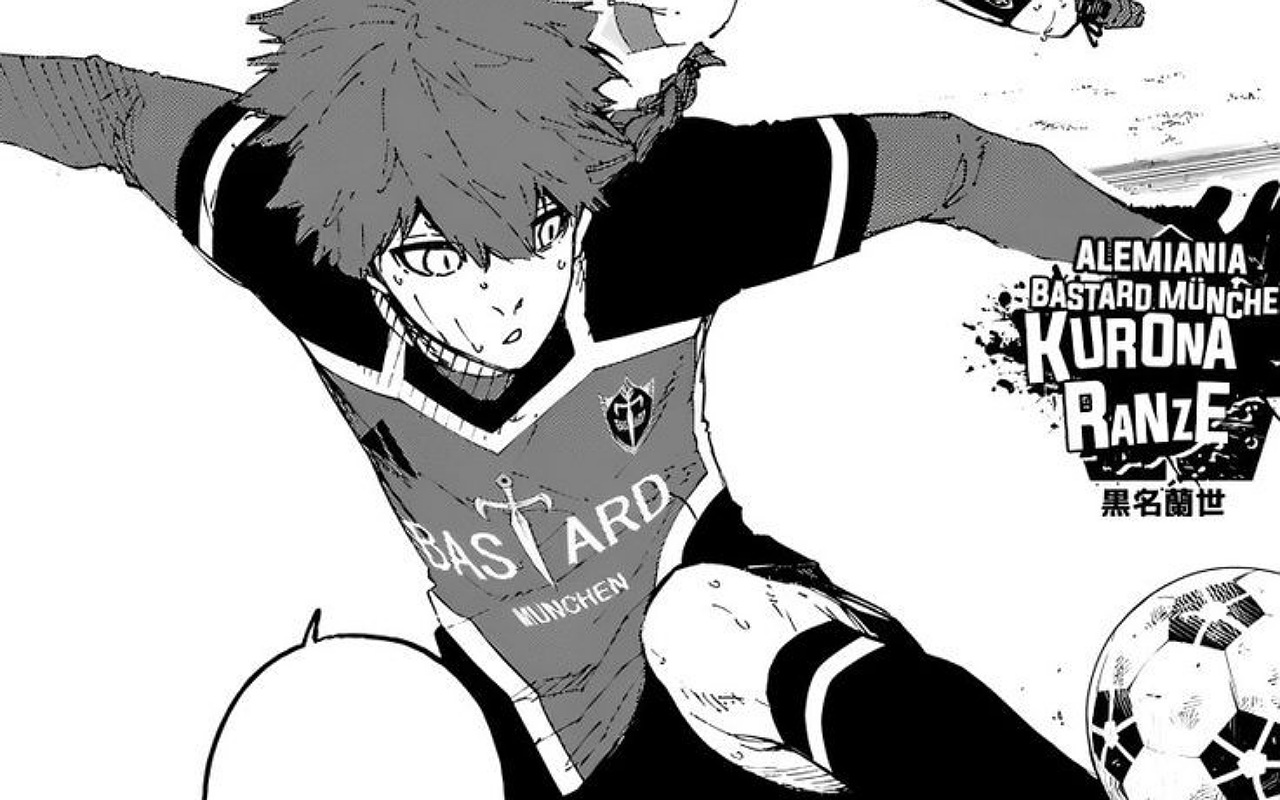
Then there’s Kaiser Michael, a foreign player with a presence so dominant he basically radiates main-character energy even when he’s an antagonist. Kaiser is what the Blue Lock philosophy produces when you apply it to someone with world-class physical ability — pure, almost sociopathic competitive drive wrapped in technical brilliance. He is not a villain in the traditional sense. He’s a mirror. He shows the Blue Lock players, and the audience, what the program’s philosophy looks like when it fully matures. It’s equal parts inspiring and unsettling.
The chemistry between this expanded cast is one of Blue Lock Season 2‘s genuine strengths. Every player feels like they have a distinct football personality — not just a distinct personality as a character, but a specific way of playing the game that reflects who they are psychologically. The show’s writers understand that football style is character. The Blue Lock manga by Muneyuki Kaneshiro (with art by Yusuke Nomura) built this framework, and the anime adaptation carries it faithfully.
The Central Tension: Ego Football vs. The Real World
The philosophical core of Blue Lock Season 2 is the collision between the facility’s ego-first doctrine and the reality that football is a team sport. Ego’s program was built on a radical premise: Japan keeps losing at the global level because Japanese football culture prioritizes selflessness, coordination, and not standing out. His solution is to breed a striker so ruthlessly self-interested that he’ll drag the whole national team to victory through sheer individual force. The U-20 arc is the first real test of whether that philosophy holds up against an actual team.
What makes Blue Lock Season 2 smarter than it might initially appear is that it doesn’t let Ego’s philosophy off the hook. The facility produces players with extraordinary individual capability. It also produces players who struggle to trust each other, who are wired to steal the ball from their own teammates if it means they get the goal. The U-20 match exposes this contradiction brutally. The Blue Lock 11 have the talent to compete, but they keep short-circuiting their own attacks because every player on the pitch is hardwired to prioritize their own shot over a better pass.
The resolution the show works toward isn’t “ego is bad, teamwork wins.” That would be boring. Instead, Blue Lock Season 2 argues that true selfishness — at a high enough level — starts to include reading your teammates well enough to use them. The best striker isn’t the one who always shoots. He’s the one who knows exactly when to shoot and when to release, because he’s calculated that the release produces a better outcome for him. It’s selfishness that has evolved to look like teamwork from the outside. That’s a genuinely interesting take on competitive sport, and it gives the show moral complexity that most sports anime don’t bother with.
Animation Quality: The Honest Take
Blue Lock Season 2 is animated by 8bit studio, the same team behind Season 1, and the honest assessment here requires some nuance. When 8bit is operating at full capacity — the climactic match sequences, the key one-on-one moments, the shots where the show is clearly spending its budget — the animation is stunning. The best anime action choreography in this show rivals anything in the sports anime space. The way they render speed, the impact physics of tackles and shots, the abstract visual language they use to represent Isagi’s meta vision — all of it is genuinely impressive. See our breakdown of best anime action choreography across the medium for context on how this stacks up.
But. There are episodes — usually the transitional ones between major match sequences — where the production clearly pulled back. Stiff character movement, static crowd shots, conversations that linger on still frames longer than they should. This is a real limitation of the season, and it’s worth being upfront about it rather than glossing over. If you’re going into Blue Lock Season 2 expecting the visual consistency of a Wit Studio or MAPPA production, you’ll notice the dips. If you’re going in for the storytelling and the match sequences specifically, the highs are high enough to carry you through.
The standout episodes are the ones where the U-20 match escalates — roughly the mid-season through the climax. These episodes have the kinetic energy and visual ambition that made Season 1 memorable. The direction in these sequences uses camera angles and shot composition that actively communicate the shifting power dynamics of the match. When Isagi’s direct drive kicks in for the first time in a real-stakes moment, the animation commits fully, and it lands exactly the way it should.
The sound design and score continue to be underrated assets for the show. The music choices in Blue Lock Season 2 are aggressive in a way that matches the tone — this isn’t a show with a warm, inspirational soundtrack. It’s sharp and slightly unsettling, which fits a series about competitive philosophy that is, at its core, a little unsettling.
Blue Lock vs. The Sports Anime Canon
Every conversation about Blue Lock Season 2 eventually comes back to comparisons. How does it stack up against the giants? The honest answer is complicated — and more interesting than a simple ranking. Haikyuu remains the gold standard for sports anime when it comes to ensemble storytelling, emotional catharsis, and making you love an entire team rather than a single protagonist. Haikyuu is the show you recommend to anyone who doesn’t think they like anime. Blue Lock is the show you recommend to someone who already thinks they know everything sports anime can do.
Kuroko’s Basketball is the more apt structural comparison. Both Blue Lock and Kurobas are built around a main character who isn’t the most physically dominant player but wins through basketball/football intelligence. Both shows are about prodigy collectives where every major matchup is as much a battle of philosophies as a battle of skills. The difference is tone: Kurobas leans into friendship and found family in ways Blue Lock actively rejects. Blue Lock Season 2 is more interested in examining what competition does to relationships than in celebrating them.
Wind Breaker has been getting a lot of buzz in the sports-adjacent anime space — check out our full breakdown of Wind Breaker — but that show’s energy is different enough that they’re not really competing for the same audience. Wind Breaker leans into the delinquent team-building genre. Blue Lock is, philosophically, the exact opposite: it’s about dismantling team-building instincts in favor of something sharper and lonelier.
Is Blue Lock Season 2 the best sports anime currently airing? For a specific kind of fan — someone who wants their sports anime to have intellectual weight, psychological tension, and a willingness to be genuinely uncomfortable — yes. Unambiguously yes. It’s not trying to make you feel warm about sport. It’s trying to make you think about what it takes to be the best at something, and what you lose in the process. That’s a rarer and more valuable thing than another underdog story.
The Blue Lock manga — written by Muneyuki Kaneshiro and illustrated by Yusuke Nomura — continues past where the anime currently sits, and if the adaptation keeps pace and quality, there is significant material ahead that pushes the show’s themes even further. The U-20 arc isn’t the apex of what Blue Lock does. It’s the foundation. Readers of the source material know the scale of what’s coming, and it makes Blue Lock Season 2 feel like the beginning of something enormous.
Should You Watch Blue Lock Season 2? The Verdict
If you finished Season 1 and are wondering whether Blue Lock Season 2 maintains momentum — it does, and in several ways it surpasses it. The U-20 arc is more structurally complex, the character work is deeper, and the philosophical stakes are clearer. Isagi’s evolution from calculating observer to instinctive playmaker is one of the best protagonist arcs in sports anime 2024, and the match itself delivers the kind of sustained tension that most sports anime can only manage in short bursts.
If you haven’t started Blue Lock at all — what are you doing? Start with Season 1. Let the premise hook you. By the time you reach Blue Lock Season 2, you’ll understand why the community treats this show with the reverence usually reserved for Haikyuu and Kuroko’s Basketball. The Blue Lock anime has earned its place in the sports anime conversation, and Season 2 cements it.
Both seasons are available streaming on Crunchyroll with both sub and dub options. The sub is exceptional — the Japanese voice cast brings the intensity of the match sequences to another level. The dub holds up better than most for a show this dialogue-dense. Either way, you’re in for one of the most distinct watches in the current anime calendar.
The Blue Lock Season 2 review consensus across the community is clear: this isn’t a filler sequel. It’s the show growing into its full ambition. The U-20 arc delivers on every promise Season 1 made, raises the stakes in ways that feel earned rather than manufactured, and leaves you genuinely hungry for what comes next. That’s what the best sports anime does. And right now, Blue Lock Season 2 is doing it better than anyone else running.
For fans of the Blue Lock manga by Muneyuki Kaneshiro and Yusuke Nomura, the adaptation continues to capture what makes the source material so compelling — the psychological intensity, the football philosophy, and the specific loneliness of being exceptional in a sport that rewards collective effort. Blue Lock Season 2 isn’t just a great anime. It’s a great argument for why the medium can do things with sports storytelling that no other format can.
You Might Also Enjoy
- Haikyuu remains the gold standard for sports anime — our full breakdown of why Haikyuu set the bar so high and what it still does better than anyone
- Best anime action choreography — ranked analysis of the most impressive movement and direction in action anime, including sports
- Character development in anime — what separates great protagonist arcs from forgettable ones, with examples across the medium
- Streaming on Crunchyroll and beyond — our 2026 guide to where to watch every major anime season
- Wind Breaker — if you want sports-adjacent anime with a completely different energy, here’s why Wind Breaker deserves your attention