
Mugen represents chaos incarnate in Samurai Champloo. The wild-haired vagabond with the unconventional fighting style embodies the series’ anarchic spirit—hip-hop energy expressed through Edo-period swordplay. Here’s a comprehensive look at one of anime’s most distinctive swordsmen.
Origins: The Outcast’s Path
Ryukyu Island Prison
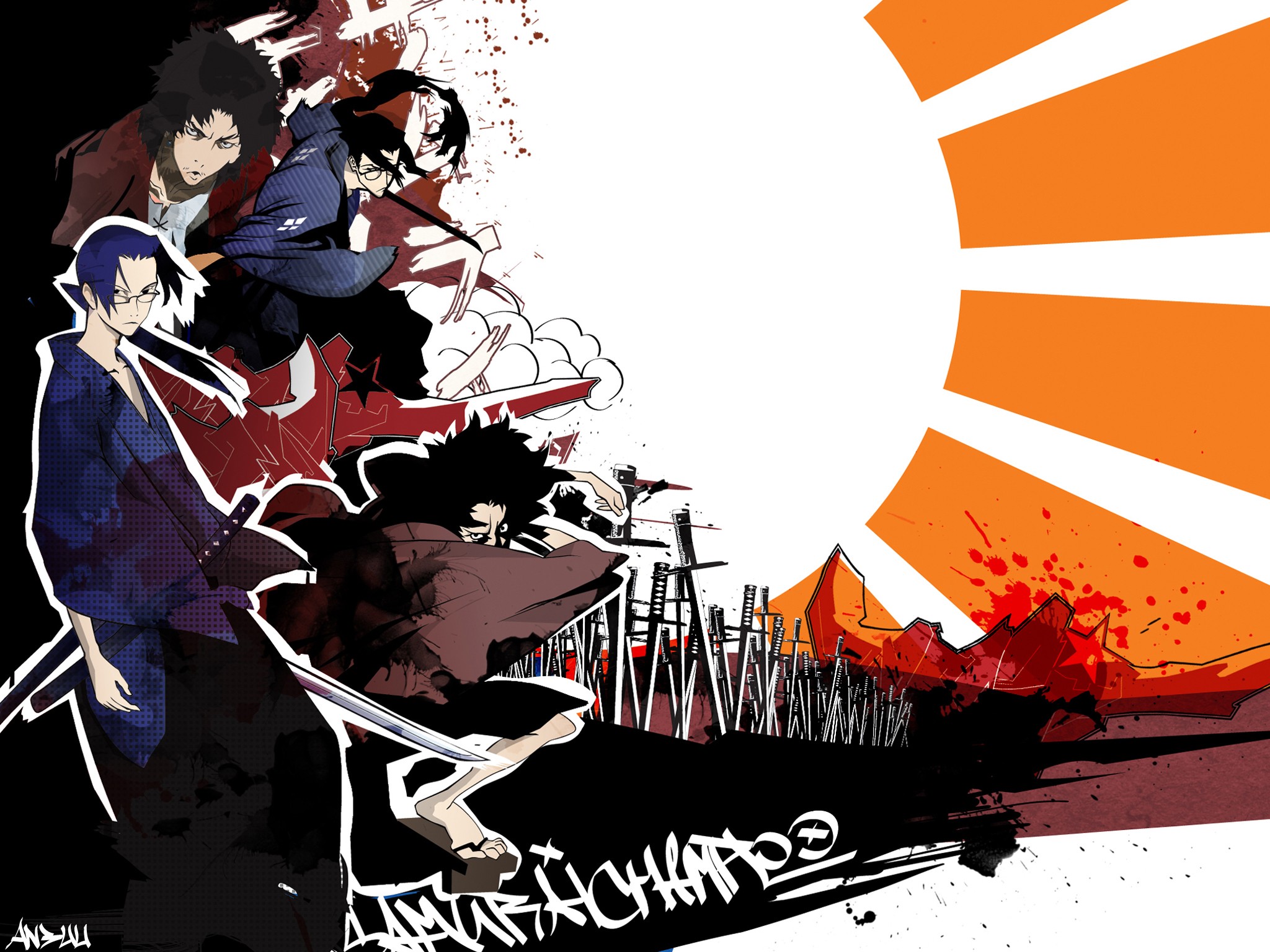
Mugen was born in the Ryukyu Islands (modern Okinawa) and spent time in a penal colony. This background explains his outsider status—he’s not from mainland Japan and carries the stigma of criminal origin. His rough upbringing produced survival skills that translate directly to combat.
The penal colony shaped Mugen’s worldview: trust no one, fight everyone, survive by any means necessary. His casual amorality stems from environments where morality was luxury. He’s not evil—he’s adapted to circumstances that didn’t reward goodness.
Pirate Connections
Before the series begins, Mugen associated with pirates. This maritime criminal element further establishes his rogueish background. He’s experienced violence as both victim and perpetrator; his combat skills developed through necessity rather than formal training.
Fighting Style: Champuru Combat
Break-Dancing With Blades
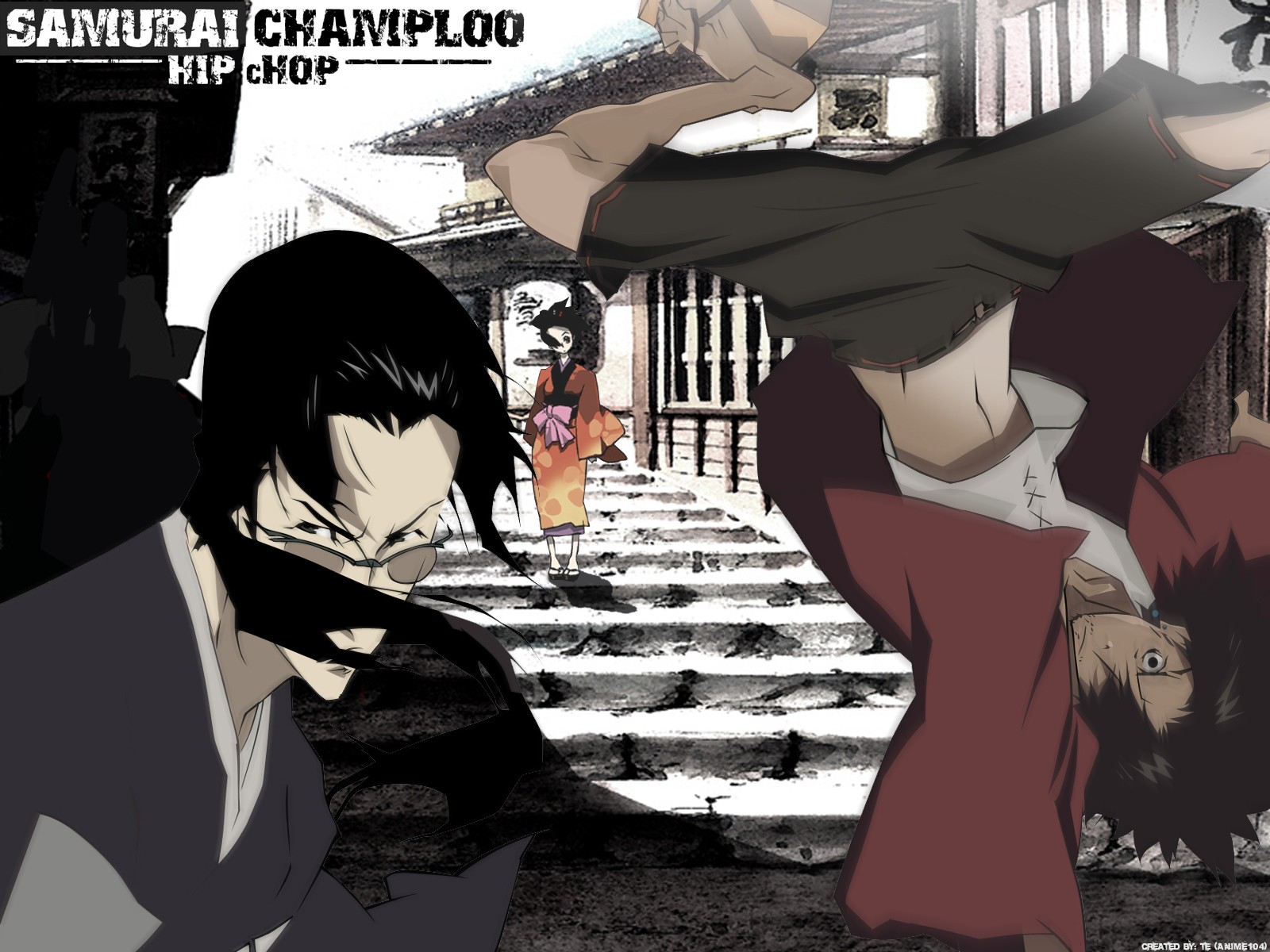
Mugen’s fighting style—which he calls “Champuru Kendo”—incorporates break-dancing movements into swordplay. Spins, flips, unpredictable angles, and constant motion create a chaotic approach that confuses trained opponents expecting traditional techniques.
This style reflects the series’ central premise: anachronistic hip-hop culture injected into samurai Japan. Mugen literally fights like he’s break-dancing—because in the show’s world, that energy exists even if the culture doesn’t yet.
Unpredictability as Strategy
Traditional swordsmen train extensively in established schools. Their techniques are refined, predictable to those who recognize the style. Mugen has no school, no tradition, no predictable pattern. His movements surprise opponents who can’t anticipate an attack they’ve never seen.
This unpredictability has limits—properly skilled opponents like Jin can read his intentions despite the chaos—but against average samurai, it’s devastatingly effective.
The Custom Sword
Mugen’s blade—with its unusual shape and hidden secondary blade—suits his unorthodox approach. The weapon enables techniques impossible with traditional katana. Like its wielder, the sword defies convention.
Personality and Philosophy
Absolute Freedom
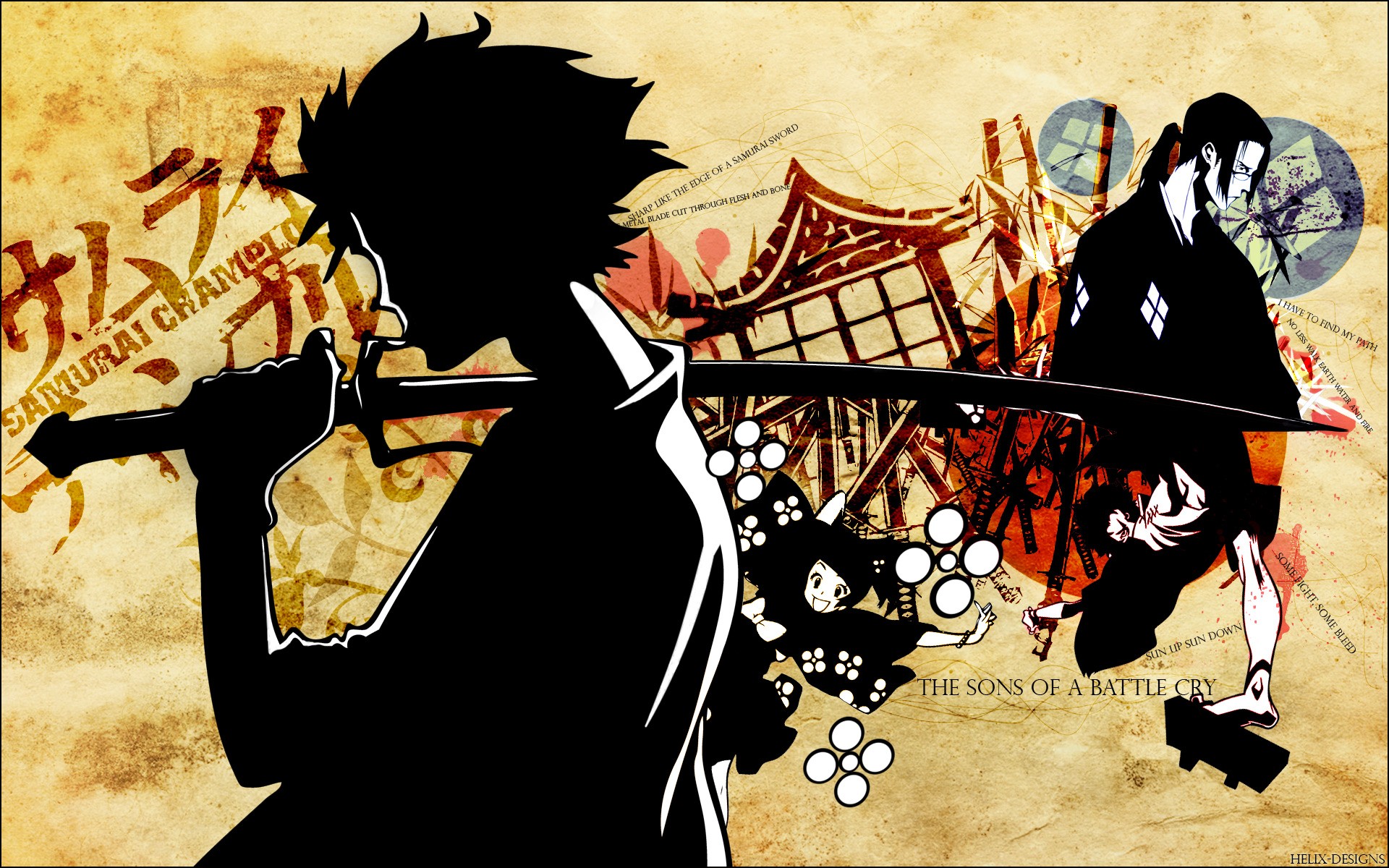
Mugen values freedom above everything. He resists any authority, any commitment, any structure that might constrain him. This isn’t philosophical libertarianism—it’s primal rejection of control born from environments where control meant death.
His agreement to help Fuu search for the sunflower samurai is notable precisely because Mugen doesn’t agree to things. That he stays despite opportunities to leave indicates connection he’d never verbally acknowledge.
Violence as Communication
Mugen communicates through fighting. Words bore him; actions clarify things. His first instinct in any conflict is physical—not from stupidity but from preference for direct resolution. Why negotiate when you can settle matters definitively?
Hidden Depth
Beneath the wildness, Mugen demonstrates surprising capacity for connection. His protective moments toward Fuu, his grudging respect for Jin, his occasional mercy toward defeated opponents—these hints suggest someone capable of more than pure chaos.
The series wisely avoids making this depth too explicit. Mugen wouldn’t tolerate being understood; his character requires maintaining the wild facade even as actions reveal more.
The Jin Dynamic
Chaos vs. Order
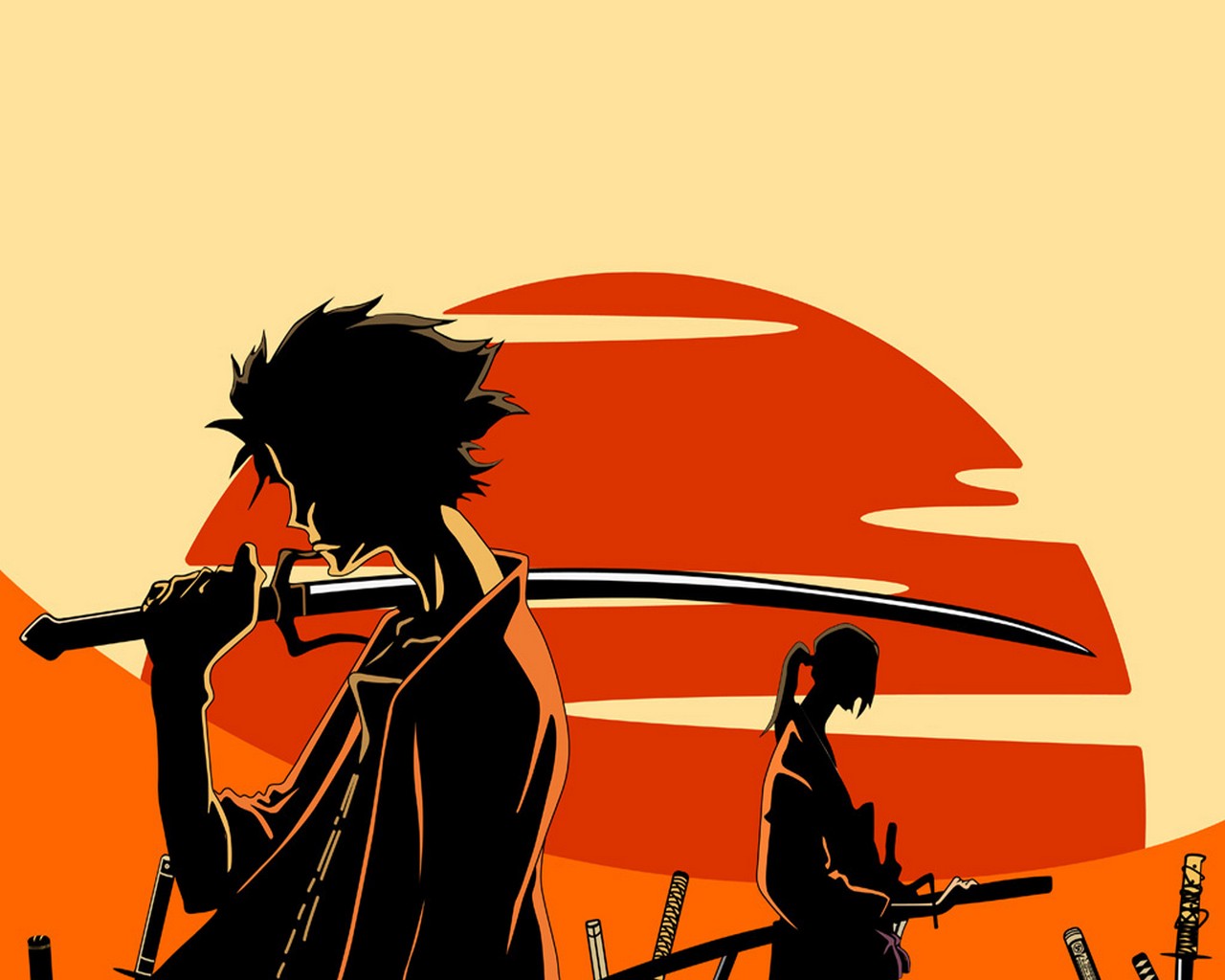
Mugen and Jin represent opposing philosophies: chaos versus discipline, instinct versus training, emotion versus control. Their initial fight—interrupted by execution and Fuu’s intervention—establishes mutual recognition of worthy opposition.
Throughout the series, they’re rivals who can’t quite commit to killing each other. They save each other’s lives repeatedly, always framed as preventing anyone else from taking “their” kill. This excuse enables connection their personalities would otherwise forbid.
Complementary Combat
When Mugen and Jin fight together, their styles complement perfectly. Jin’s precision creates openings Mugen’s chaos exploits; Mugen’s aggression forces opponents into positions Jin’s technique punishes. They’re better together than either is alone—though neither would admit it.
Character Arc
Gradual Softening
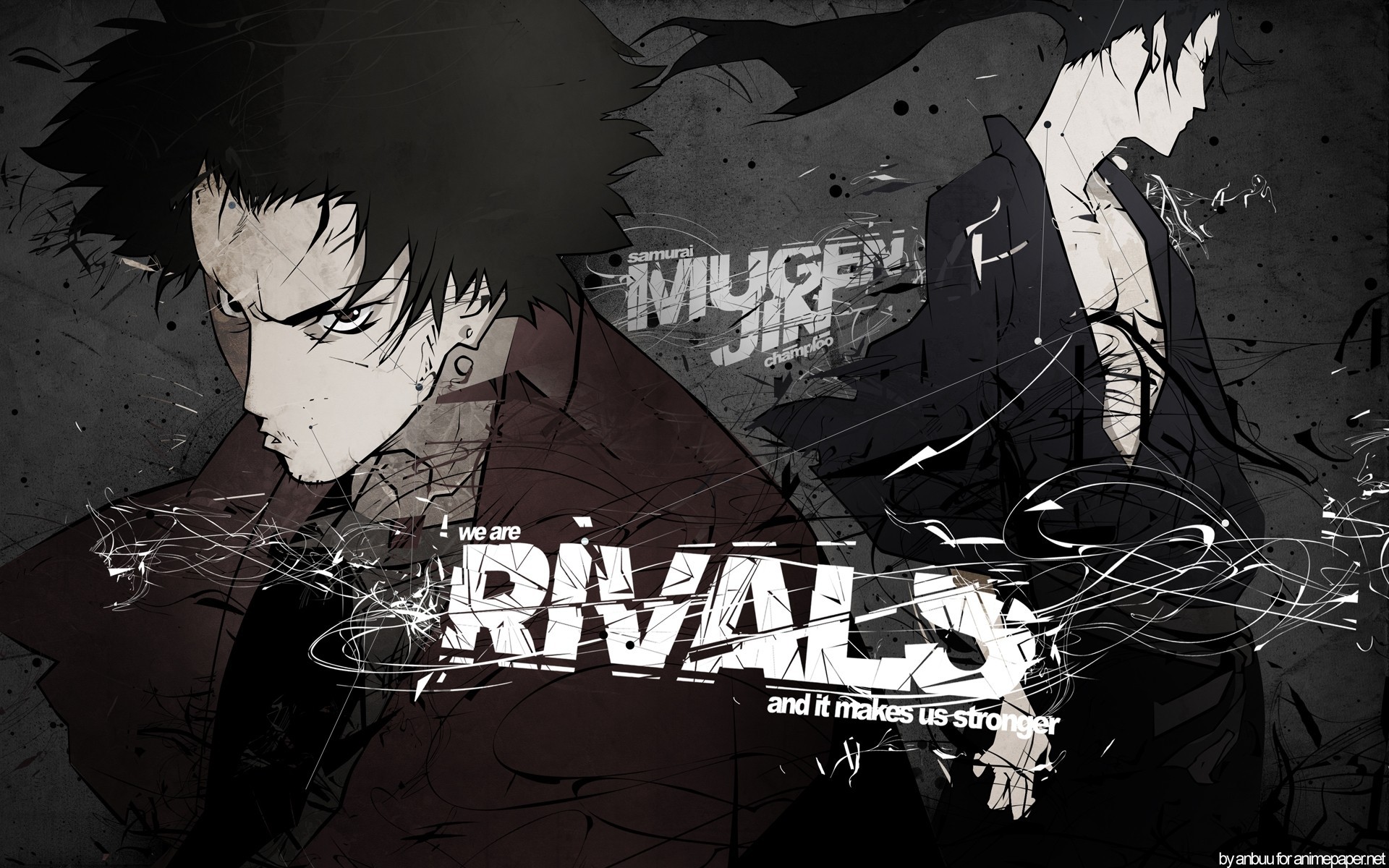
Mugen begins the series willing to kill anyone for minor reasons. By its end, he’s developed connections he’d die to protect. This change happens gradually, without dramatic revelation—Mugen would reject any moment of explicit growth.
The Final Battle
Without spoiling details, the series finale tests everything Mugen has become. His choices in those moments reveal how much the journey changed him—while maintaining the wild energy that defines his character.
Voice Performance
Kazuya Nakai (Japanese)
Nakai captures Mugen’s feral energy while enabling the character’s subtler moments. His performance balances comedy and danger, never letting Mugen become purely joke or purely threat.
Steve Blum (English)
The English dub’s Mugen benefits from Blum’s range. The gravelly voice conveys danger; the delivery enables humor. For a series where dub quality matters (given its Western music influences), Blum’s work is essential.
Cultural Impact
The Anachronism Appeal
Mugen helped establish the appeal of anachronistic anime—placing modern energy in historical settings. His influence echoes in subsequent series that mix eras for stylistic effect.
Character Archetype
The “wild swordsman” archetype existed before Mugen, but his specific blend of chaos, hidden depth, and hip-hop energy created new template. Characters clearly influenced by Mugen appear in subsequent anime.
Why Mugen Endures
Mugen works because he’s genuinely dangerous and genuinely entertaining simultaneously. He could kill anyone in the series—including protagonists—and viewers believe it. But his chaotic energy makes him fun to watch rather than threatening to enjoy.
The balance between these elements—danger and entertainment, chaos and hidden care, freedom and connection—creates character that transcends his series. Mugen is Samurai Champloo’s most distinctive creation, and decades later, he remains anime’s wildest sword.