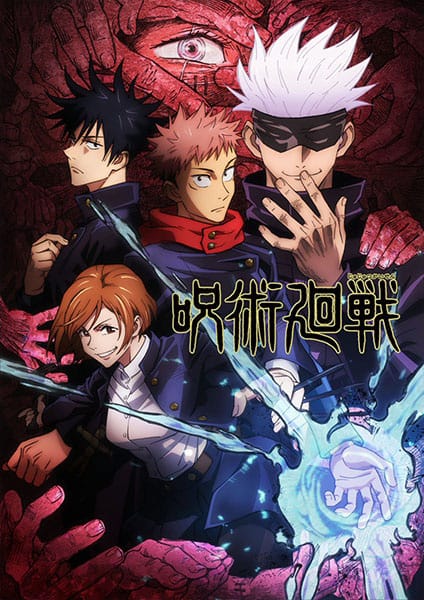
Megumi Fushiguro walks a careful line in Jujutsu Kaisen: he’s powerful enough to matter but not so powerful that he overshadows protagonists. His Ten Shadows Technique, analytical fighting style, and personal code make him one of the series’ most compelling characters—and his connection to Sukuna adds layers of tragic potential.
The Zenin Inheritance
Megumi was born a Fushiguro but carries Zenin blood through his mother. His father Toji was the “Sorcerer Killer”—a man with zero cursed energy who murdered Jujutsu sorcerers for money. This heritage gives Megumi unique perspective on the sorcerer world.
Gojo’s Intervention
Gojo found young Megumi before the Zenin clan could claim him. Rather than let the boy be absorbed into the dysfunctional clan, Gojo ensured he could grow independently. This protection shaped Megumi’s relative freedom from jujutsu politics.
The Sister
Megumi’s half-sister Tsumiki was cursed into a coma, driving much of his early motivation. His determination to save her parallels Tanjiro’s mission in Demon Slayer—sibling love as primary motivation.
Ten Shadows Technique
Megumi inherited the Ten Shadows Technique, the Zenin clan’s most powerful ability. This technique allows summoning ten shikigami through shadow manipulation, with each defeated shikigami’s power combining with survivors.
Current Shikigami
Divine Dogs: His starting pair, later merged after White’s death to create Totality—a more powerful combined form.
Nue: A bird-like shikigami useful for aerial combat and mobility.
Toad: A large amphibian for restraint and group combat.
Great Serpent: Lost against Sukuna, its power absorbed into Totality.
Max Elephant: Water-based attacks and physical power.
Rabbit Escape: Creates numerous rabbits for distraction and evasion.
Mahoraga: The Ultimate Shikigami
The Eight-Handled Sword Divergent Sila Divine General Mahoraga is the Ten Shadows’ most powerful summon—so powerful that no Zenin has ever tamed it. Its adaptation ability allows it to overcome any attack pattern after exposure.
Megumi can summon Mahoraga as a suicide tactic, gambling that both he and his target will die to the untamed shikigami. This option represents both his ace and his desperation.
Fighting Style
Unlike Yuji’s physical approach or Gojo’s overwhelming power, Megumi fights strategically. He analyzes opponents, creates favorable conditions, and uses shikigami tactically rather than simply as damage dealers.
Shadow Manipulation
Megumi can hide in and travel through shadows, create shadow weapons, and use darkness as both offense and defense. This versatility makes him unpredictable and difficult to corner.
Domain Expansion: Chimera Shadow Garden
Megumi’s Incomplete Domain Expansion floods an area with his shadows, granting unlimited shikigami summoning and shadow manipulation. Though incomplete, it proves effective against multiple opponents.
Character Philosophy
Megumi’s worldview is selectively ethical. He saves people he deems worth saving and doesn’t hesitate to let “bad people” die. This pragmatic approach contrasts with Yuji’s more universal compassion.
“I Want to Save Good People”
Megumi explicitly rejects saving everyone. He judges worthiness and acts accordingly. This philosophy draws criticism but also shows honesty—he acknowledges he can’t save everyone and makes choices others avoid.
Self-Sacrifice Tendencies
Megumi treats his own life as expendable for goals he values. His willingness to summon Mahoraga knowing it will kill him represents extreme self-sacrifice—or dangerous disregard for his own worth.
Relationships
Yuji
Megumi and Yuji’s friendship develops naturally through shared combat and mutual respect. Megumi’s decision to save Yuji at the beginning—judging him worth saving—establishes their bond’s foundation.
Nobara
The trio dynamic works because each respects the others’ capabilities. Megumi’s analytical nature complements Nobara’s aggression and Yuji’s instinct.
Gojo
Gojo sees enormous potential in Megumi—possibly seeing parallels to himself. His protection and attention to Megumi’s development suggests investment beyond normal mentorship.
Sukuna’s Interest
From their first meeting, Sukuna showed unusual interest in Megumi. This interest proves prophetic—Sukuna eventually takes Megumi’s body as his vessel, accessing Ten Shadows and using Megumi as his puppet.
Why Megumi?
Ten Shadows’ potential, combined with Megumi’s strong soul (necessary to contain Sukuna), makes him ideal vessel material. Sukuna’s long game—cultivating Megumi through events—shows patient, terrifying planning.
Possession Arc
Sukuna’s possession of Megumi during the Culling Game and afterward creates the series’ central tragedy. Megumi is conscious within his own body while Sukuna uses it for destruction, unable to stop his hands from harming others.
Potential and Growth
Megumi is explicitly described as having enormous untapped potential. Gojo compares his ceiling to his own. This potential makes his possession by Sukuna more tragic—what he could have become will never happen.
Technical Mastery
Megumi’s growth throughout JJK shows increasing technical refinement. His Domain Expansion progresses from incomplete to more functional. His shikigami combinations become more creative. Each fight shows improvement.
The Father’s Shadow
Megumi struggles with his father’s legacy—being son of the man who killed Gojo temporarily and who murdered sorcerers for money. How much of Toji’s ruthlessness exists in Megumi remains ambiguous.
Tragic Trajectory
Megumi’s arc trends toward tragedy. His sister’s death (orchestrated by Sukuna using his body), his possession, and his inability to resist Sukuna’s control combine into profound suffering.
Hope for Recovery
The series may yet offer Megumi salvation. Yuji’s determination to save him, combined with Megumi’s strong soul, suggests possible recovery. But the damage—physical, emotional, and spiritual—may be permanent.
Conclusion
Megumi Fushiguro represents wasted potential as tragedy. His abilities, philosophy, and relationships establish him as worthy protagonist material—which makes Sukuna’s possession more devastating.
He’s a character defined by choices: choosing to save Yuji, choosing his moral framework, choosing to sacrifice himself. That those choices led to Sukuna’s victory doesn’t diminish their significance—it amplifies the tragedy.
Whether Megumi emerges from possession or dies within his own body, his story demonstrates JJK’s willingness to hurt its characters genuinely. And that willingness makes every moment of his potential more precious.
You Might Also Like
- What is Gojo’s Domain Expansion? The Strongest Jujutsu Power
- Demon Slayer vs Jujutsu Kaisen: Which Anime Is Better?
- Tanjiro and Kanao: Love in the Time of Demons