Kakashi Hatake: Complete Character Analysis
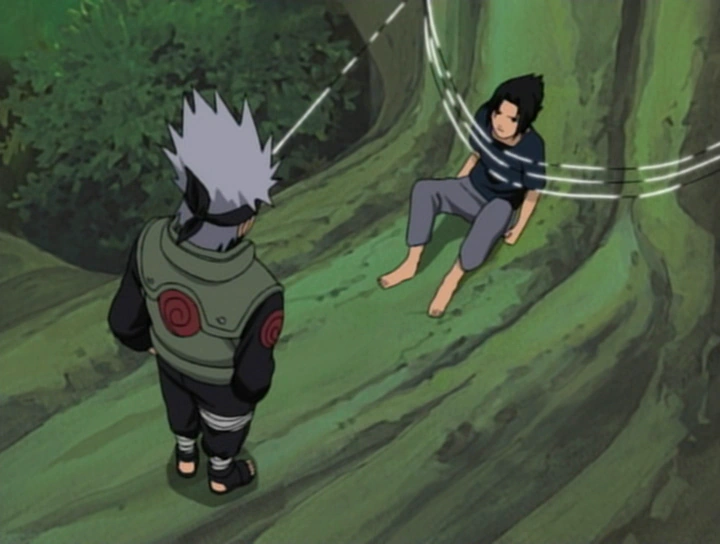
Kakashi Hatake is the rare anime character who transcends his role. Initially introduced as the cool, aloof sensei of Team 7, Kakashi’s story unfolds into one of anime’s most tragic and ultimately redemptive character arcs. The Copy Ninja. The Sixth Hokage. The man who always arrived late with ridiculous excuses but was always there when it truly mattered.
What makes Kakashi resonate so deeply with fans isn’t just his impressive combat abilities or mysterious demeanor—it’s the profound humanity hidden beneath his mask. Kakashi has experienced more loss than almost any other character in Naruto, yet he continues forward, teaching the next generation to avoid his mistakes while carrying the weight of those who fell before him. His story asks difficult questions: How do you live after losing everyone? How do you teach hope when you’ve known only grief?
This comprehensive analysis explores Kakashi’s complete journey—from prodigy child to broken ANBU operative to beloved teacher to Hokage. Understanding Kakashi means understanding Naruto’s themes of connection, loss, and the will to continue.
⚠️ Spoiler Warning: This analysis covers Kakashi’s complete story through Naruto Shippuden and Boruto. Major plot points will be discussed.
Background & Origins
Kakashi’s story begins in tragedy. His father, Sakumo Hatake—the legendary “White Fang of the Leaf”—was a ninja whose fame exceeded even the Sannin. Sakumo was respected throughout the ninja world as one of the strongest shinobi alive, and young Kakashi idolized him completely.
But when Sakumo chose to save his comrades over completing a mission, everything changed. The very people he saved turned against him, blaming him for the mission’s failure. The village that had praised him now shunned him. The subsequent shame drove Sakumo to suicide, leaving young Kakashi to find his father’s body.
The trauma of discovering his father’s corpse shaped everything Kakashi would become. He rejected his father’s philosophy entirely, becoming obsessed with rules and mission completion above all else. In Kakashi’s young mind, his father had been weak—emotions had made him fail. Kakashi would never make the same mistake.
At age 5, he graduated from the Academy. By 6, he was a Chunin. At 12, he became a Jonin—all while the Third Shinobi World War raged. Kakashi was a prodigy defined by cold efficiency and unwavering adherence to the ninja code. He followed rules because rules were safe; they couldn’t lead you to suicide in your family home.
Then came Team Minato: Kakashi, Rin Nohara, and Obito Uchiha, led by the future Fourth Hokage, Minato Namikaze. Obito was everything Kakashi despised—late, emotional, seemingly weak, and constantly talking about protecting friends over following rules. Their rivalry would change both of them forever, though neither could have imagined how.
The Kannabi Bridge Mission
The mission that transformed Kakashi remains one of Naruto’s most pivotal flashbacks. During the Third Shinobi War, Team Minato was tasked with destroying Kannabi Bridge to cut enemy supply lines. It was a standard sabotage mission until enemy ninja captured Rin.
Faced with a choice—continue the mission or rescue their teammate—Kakashi chose the mission. Rules demanded it. His father’s ghost demanded it. He would not repeat Sakumo’s mistake.
“Those who break the rules are trash,” Kakashi said, quoting ninja doctrine. Obito’s response would echo through history: “But those who abandon their friends are worse than trash.”
Obito left to save Rin alone. And Kakashi, despite everything, turned back. Perhaps some part of him remembered his father’s actual beliefs. Perhaps Obito’s words penetrated his defenses. Whatever the reason, Kakashi arrived in time to save Obito and Rin from enemy ninja—but not without cost.
In the battle that followed, Obito sacrificed himself to save Kakashi from a collapsing boulder. As he lay dying, crushed beneath rock, Obito gifted Kakashi his newly awakened Sharingan—having Rin surgically transplant it to replace Kakashi’s damaged eye.
“I’m giving you this eye… so I can see the future through you.”
Kakashi emerged from that cave fundamentally changed. Obito’s philosophy—that friends matter more than rules—had been proven through the ultimate sacrifice. The boy who rejected his father’s beliefs now carried his best friend’s eye as a permanent reminder that connection matters more than regulation.
Powers & Abilities
Kakashi’s nickname “Copy Ninja” comes from his Sharingan’s ability to memorize and replicate any technique he witnesses. He’s reportedly copied over 1,000 jutsu, making him one of the most versatile fighters in the ninja world. This versatility makes him unpredictable—enemies never know which of their own techniques might be turned against them.
The Sharingan
Unlike Uchiha clan members, Kakashi cannot deactivate his transplanted Sharingan, forcing him to cover it constantly with his headband. This limitation meant the eye drained his chakra continuously whenever exposed. Despite this handicap, Kakashi mastered the Sharingan’s abilities to an impressive degree.
The eye grants him:
- Enhanced Perception: Kakashi can see chakra flow and predict movements, making him nearly impossible to surprise in combat. He can read hand signs before jutsu are completed.
- Jutsu Copying: Any technique performed in his sight can be memorized and potentially replicated, assuming Kakashi has sufficient chakra and physical capability.
- Genjutsu Capability: The Sharingan allows casting and detecting illusions at high levels, though this wasn’t Kakashi’s specialty.
- Mangekyo Sharingan: Awakened after Rin’s death, granting access to Kamui—one of the most broken abilities in the series.
Kamui
Kamui allows Kakashi to create a dimensional rift that teleports anything in its focal point to another dimension. Offensively, he can tear portions of enemies away from reality itself. Defensively, he can phase himself or allies out of danger. The technique is nearly impossible to counter if it hits, having been used against opponents as powerful as the Ten-Tails.
The cost, however, is immense. Using Kamui multiple times exhausts Kakashi completely, sometimes leaving him bedridden for days. Unlike true Uchiha, he lacks the bloodline benefits that would reduce this strain. Every use is a calculated risk.
Lightning Style: Chidori/Raikiri
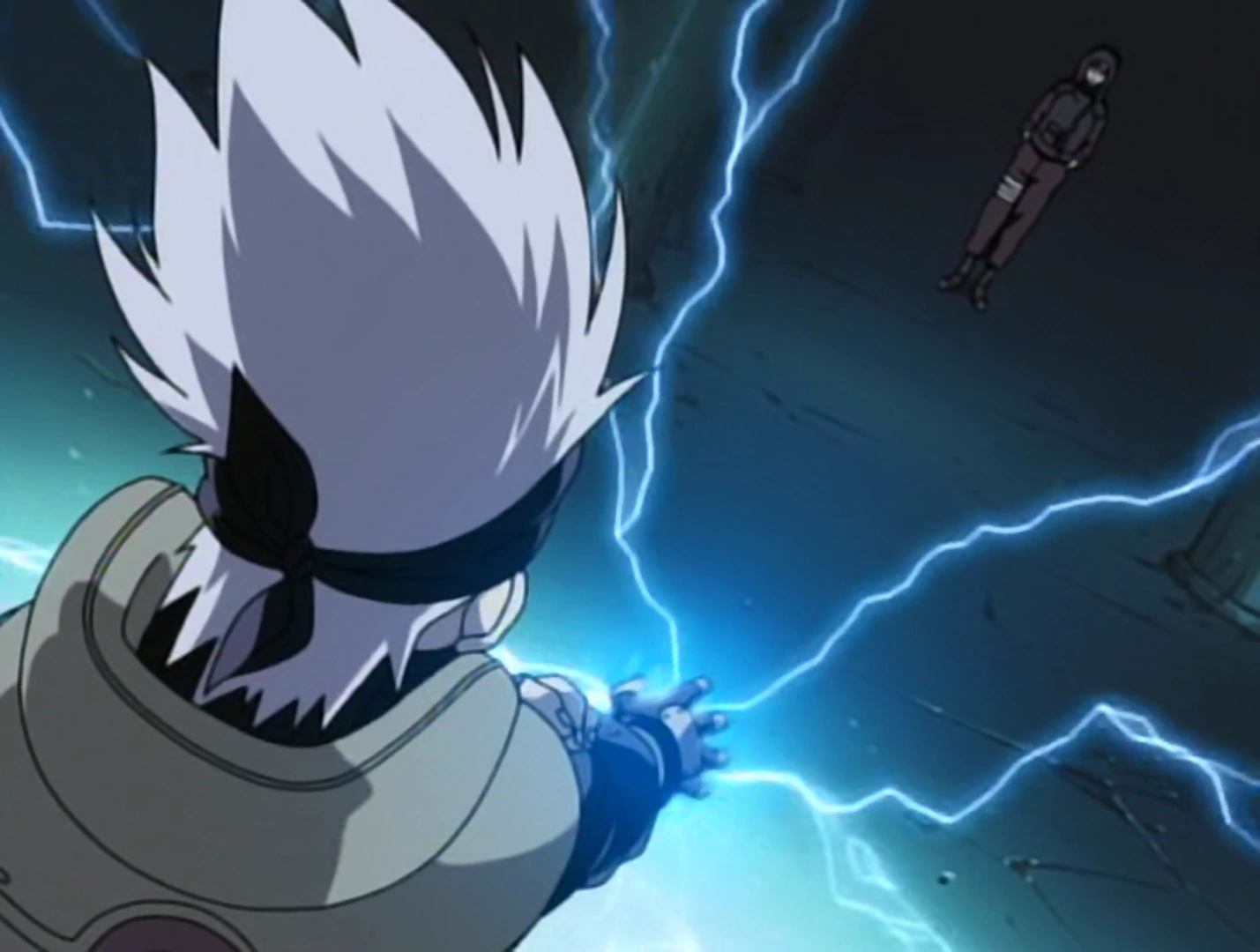
Kakashi created the Chidori in his youth, a technique involving concentrating lightning chakra into one’s hand for a devastating piercing attack. The user’s hand becomes surrounded by visible lightning, producing a distinctive chirping sound like a thousand birds.
The technique moves so fast it originally had a fatal flaw—the user’s momentum made them vulnerable to counterattack. Enemies could see you coming and strike as you charged.
Kakashi overcame this limitation using the Sharingan to predict enemy movements, allowing him to avoid counterattacks during the dash. He renamed the perfected technique Raikiri (Lightning Blade) after allegedly cutting a lightning bolt with it during a storm. This became his signature attack and the technique he would later pass on to Sasuke Uchiha.
Tactical Genius
Beyond raw power, Kakashi’s greatest asset is his tactical mind. He consistently outthinks opponents who outclass him in raw power, creating plans that utilize terrain, misdirection, and precise timing. His battles often resemble chess matches more than brawls.
Against Zabuza, he used psychological warfare and environmental awareness. Against Itachi, he recognized genjutsu instantly and planned accordingly. Even against godlike threats in the Fourth War, Kakashi’s strategies bought crucial time for allies.
Post-War Abilities
After losing the Sharingan to Madara during the Fourth War, Kakashi temporarily received both of Obito’s eyes during the final battle, allowing him to use Perfect Susanoo—an ability never before seen from a non-Uchiha. Though this power was temporary (Obito’s spirit lending aid from beyond), it demonstrated that Kakashi’s chakra control and combat sense could handle even god-tier abilities.
Currently, in Boruto, Kakashi fights without the Sharingan, instead mastering his Purple Lightning technique—a Chidori variant that doesn’t require the Sharingan’s perception enhancement. He remains formidable, proving his skill never depended solely on his transplanted eye.
Key Moments
Killing Rin
The moment that shattered Kakashi occurred during a mission after Obito’s death. Enemy ninja had sealed the Three-Tails inside Rin as part of a plan to destroy the Hidden Leaf—when she returned home, the Tailed Beast would be released, devastating the village.
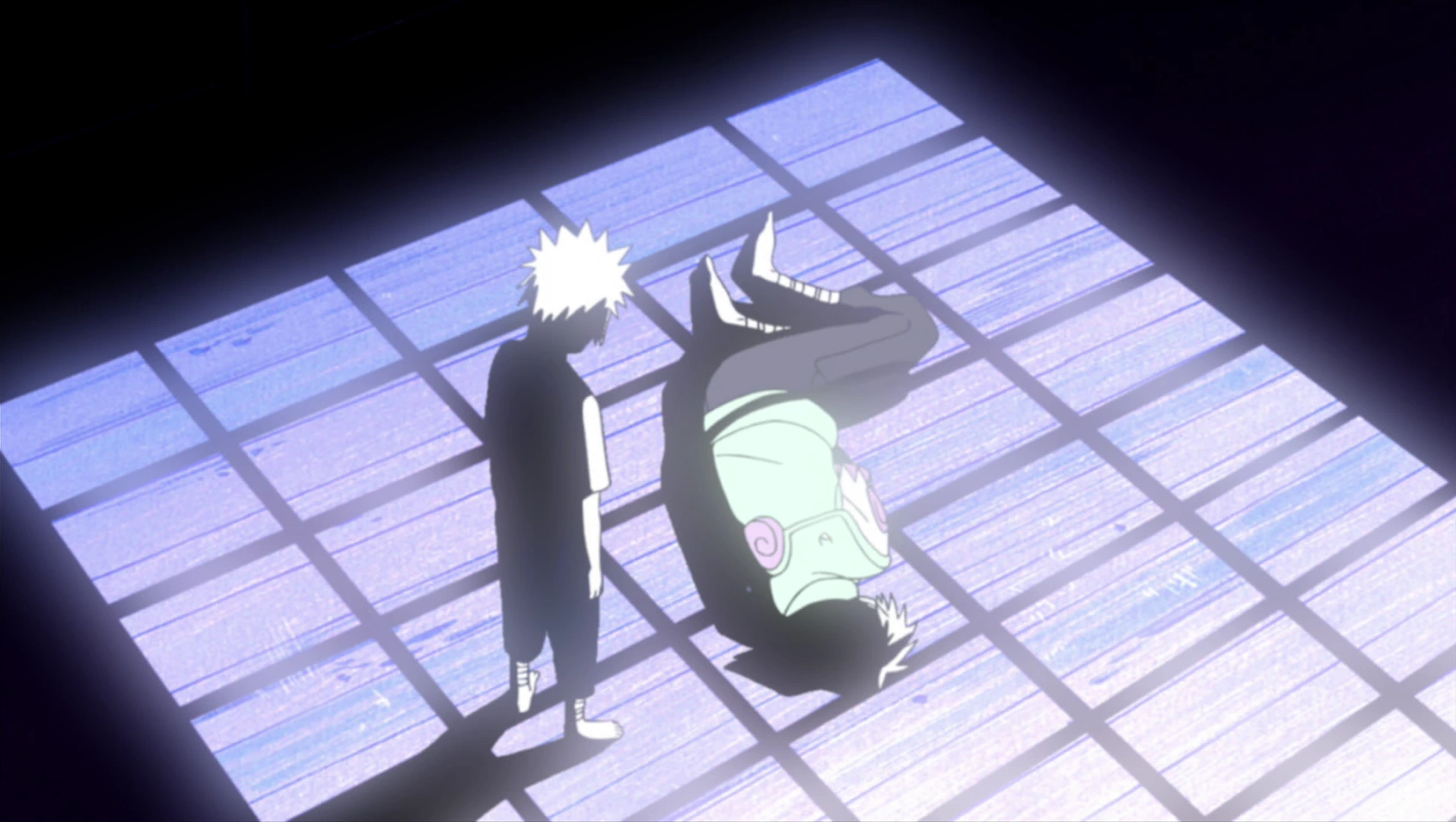
Knowing she would be used as a weapon against her home, Rin deliberately jumped in front of Kakashi’s Chidori. She chose death over becoming an instrument of destruction. Kakashi killed the person he loved, the person Obito had died asking him to protect.
His Sharingan evolved into the Mangekyo at that moment, and Kakashi’s psyche fractured. He would spend years in ANBU, taking the most dangerous missions, arguably seeking death himself. The psychological damage was profound—post-traumatic stress compounded by survivor’s guilt and the knowledge that he’d killed his teammate with his own technique.
Bell Test with Team 7
When Kakashi received his Genin team—Naruto, Sasuke, and Sakura—he administered the same bell test Minato had given his team. The test seemed impossible: three students fighting one elite Jonin for two bells, knowing one would fail.
But the real test was never about winning. It was about teamwork. Every previous team Kakashi tested failed because they prioritized individual success over cooperation.
“In the ninja world, those who break the rules are trash. But those who abandon their comrades are worse than trash.”
Quoting Obito’s words, Kakashi passed the team that reminded him so much of his own lost comrades. In Naruto, he saw Obito’s determination and loudmouth optimism. In Sasuke, he saw his younger self—the prodigy consumed by darkness and loss. In Sakura, he saw Rin’s heart and determination to prove herself.
Reunion with Obito
Learning that his childhood rival had survived and become the masked mastermind “Tobi” nearly broke Kakashi. The friend he’d mourned for decades had orchestrated countless atrocities, including the Nine-Tails attack that killed Minato and Kushina.
Their battle in the Kamui dimension was both physically and emotionally devastating—two former friends fighting with everything they had while exchanging philosophy. Obito sought to create a dream world where everyone he’d lost would return. Kakashi fought for the real world, with all its pain and loss.
“This is reality,” Obito declared. Kakashi’s response embodied his growth: “The hole in one’s heart can be filled by the feelings of your friends.”
He’d learned what Obito had forgotten: connection doesn’t require perfection, and loss doesn’t invalidate love.
Character Development
Kakashi’s arc is about learning to live again after loss. His journey from traumatized child to isolated ANBU operative to reluctant teacher to Hokage represents a complete emotional resurrection.
Teaching Team 7 forces Kakashi to engage with life again. He’d spent years pushing people away, refusing to form connections that could hurt him. But Naruto’s loudmouth determination, Sasuke’s familiar darkness, and Sakura’s earnest effort broke through his walls.
When Naruto declares he’ll become Hokage, Kakashi becomes invested—he sees what he might have been without tragedy. When Sasuke descends into vengeance, Kakashi fights to save him because he couldn’t save Obito. Every action with Team 7 is Kakashi healing himself by doing for them what no one did for him.
The Sixth Hokage
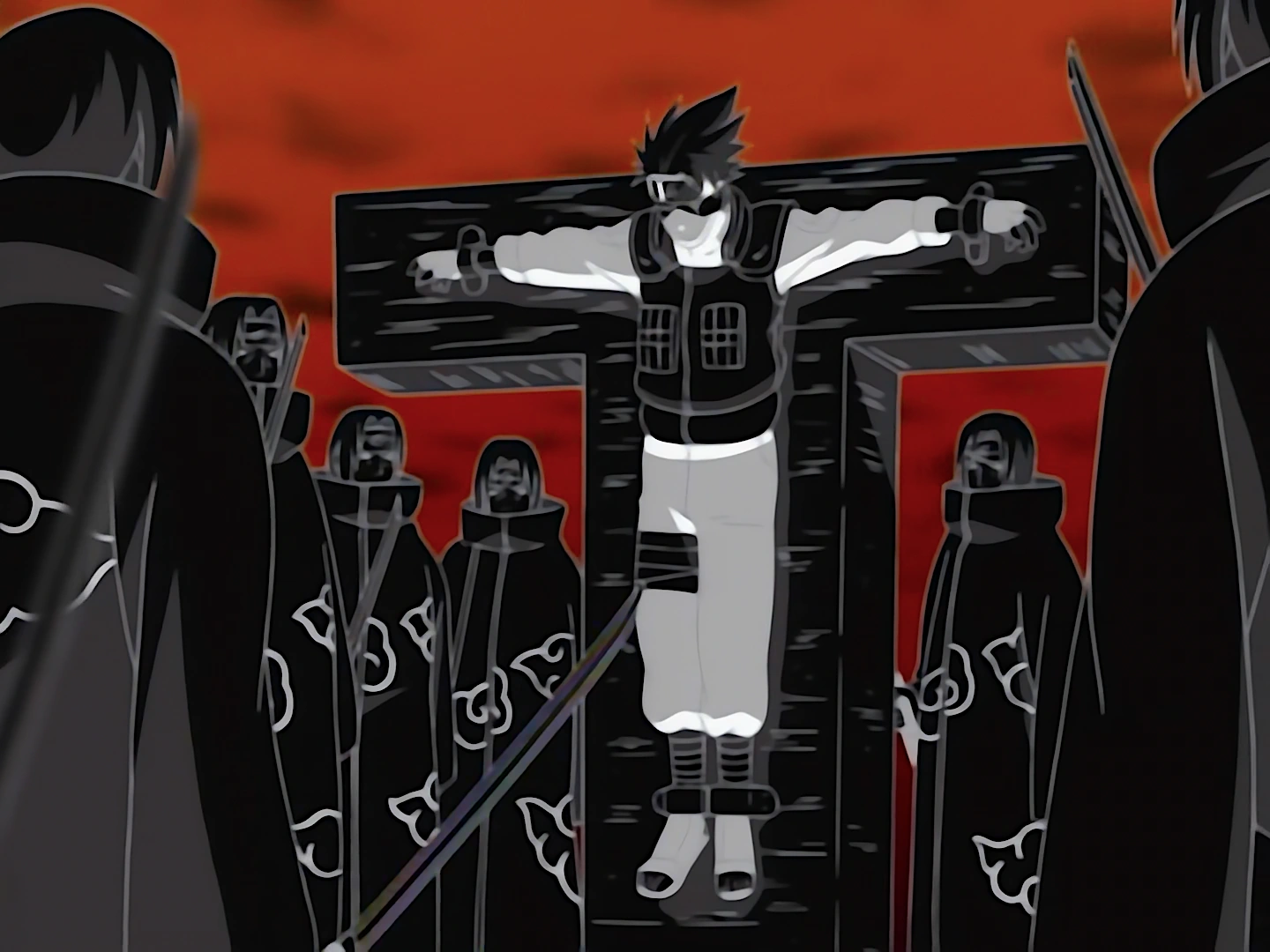
Kakashi becoming Hokage represents his complete return to life. The man who once considered himself trash for following rules over friends now leads an entire village. The ninja who spent years seeking death now protects thousands of lives.
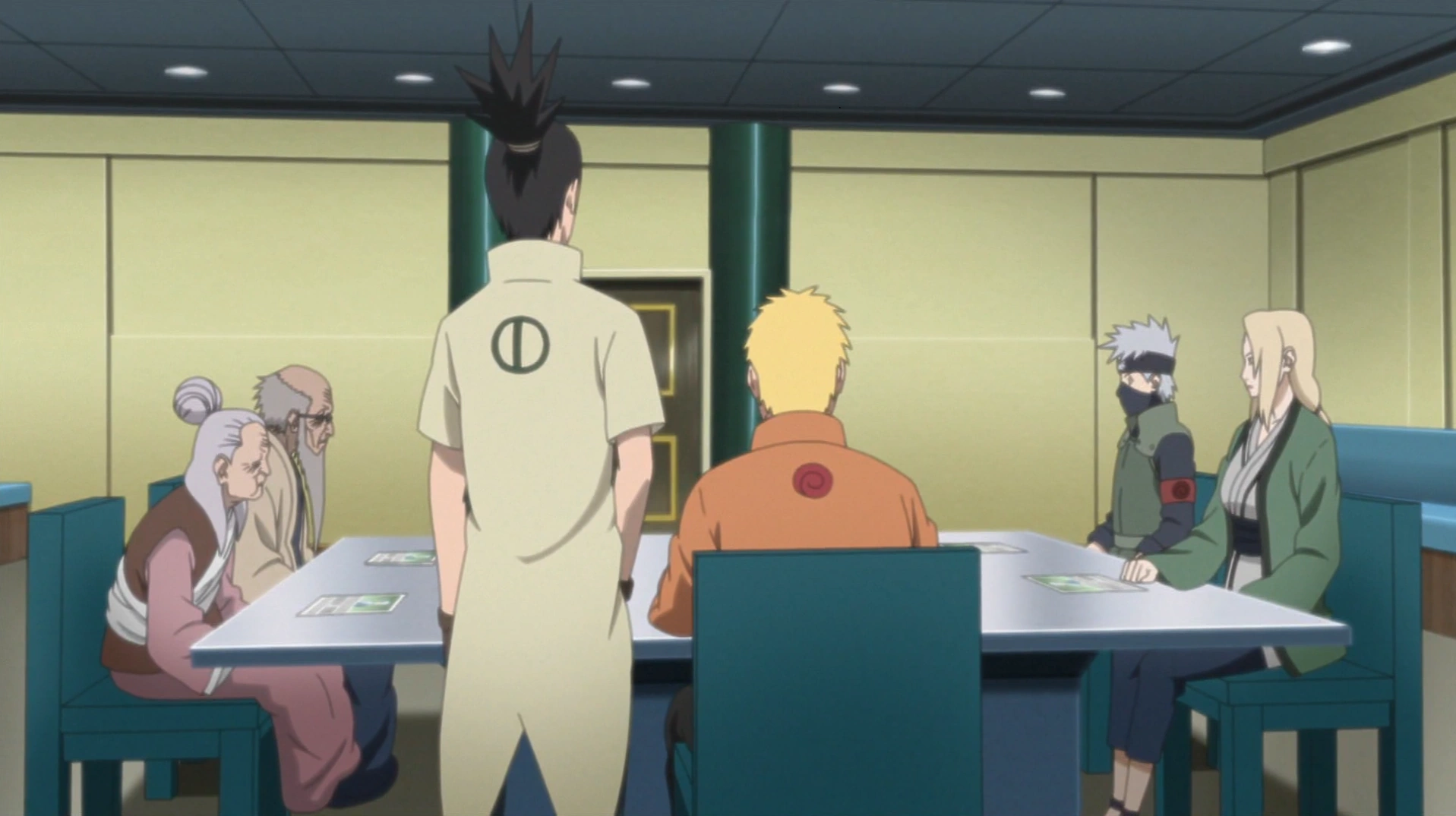
His tenure focuses on modernization and preparing Naruto for leadership—fitting for a character whose greatest joy comes from teaching rather than fighting. Kakashi’s Hokage era is relatively peaceful, allowing the village to heal from war while building infrastructure for the future.
When he passes the hat to Naruto, Kakashi doesn’t fade away. He remains involved, offering guidance while allowing the next generation to lead. This mentorship role suits him better than combat ever did.
Legacy & Impact
Kakashi Hatake stands as one of anime’s greatest mentor figures. His influence extends beyond Team 7 to every student who passed through his bell test, every mission he led, and every decision he made as Hokage. The Will of Fire that Naruto embodies was kindled partly through Kakashi’s teachings.
More than that, Kakashi represents hope for trauma survivors. His message is clear: no matter how much you’ve lost, no matter what mistakes you’ve made, redemption and connection remain possible. The people who care about you can fill the holes in your heart.
For manga readers, the Kakashi ANBU arc provides essential backstory unavailable in the main anime. Check out the light novels on Amazon for expanded content on this period.
Whether he’s showing up late with absurd excuses, reading Make-Out Paradise in public, or pulling down his mask to reveal… another mask, Kakashi remains one of anime’s most beloved characters. His journey from tragedy to triumph resonates with anyone who’s ever had to rebuild themselves from broken pieces.
The Copy Ninja. The Sixth Hokage. The teacher who never gave up on his students because his students never gave up on him.
Related: Naruto Watch Order Guide | Naruto Filler Episodes List | Strongest Naruto Characters Ranked | Itachi Uchiha Character Analysis
You Might Also Like
- Gojo vs Ichigo: Who Would Win? Battle of Superhuman Powers
- Tanjiro Kamado: From Coal Seller to Demon Slayer – A Hero’s Journey
- Demon Slayer Corps Power Ranking 2026: Every Hashira and Slayer Ranked