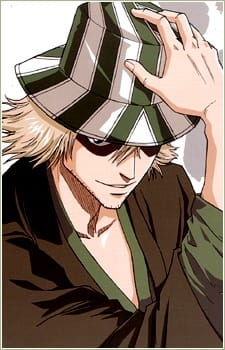
Kisuke Urahara appears as a goofy shopkeeper in a striped hat, selling candy and spiritual goods from a backstreet store. This disguise conceals one of Bleach’s most formidable minds—the former captain whose inventions shaped Soul Society’s history and whose schemes operate on timelines spanning centuries. Here’s the complete breakdown of Bleach’s greatest mastermind.
The Genius Origins
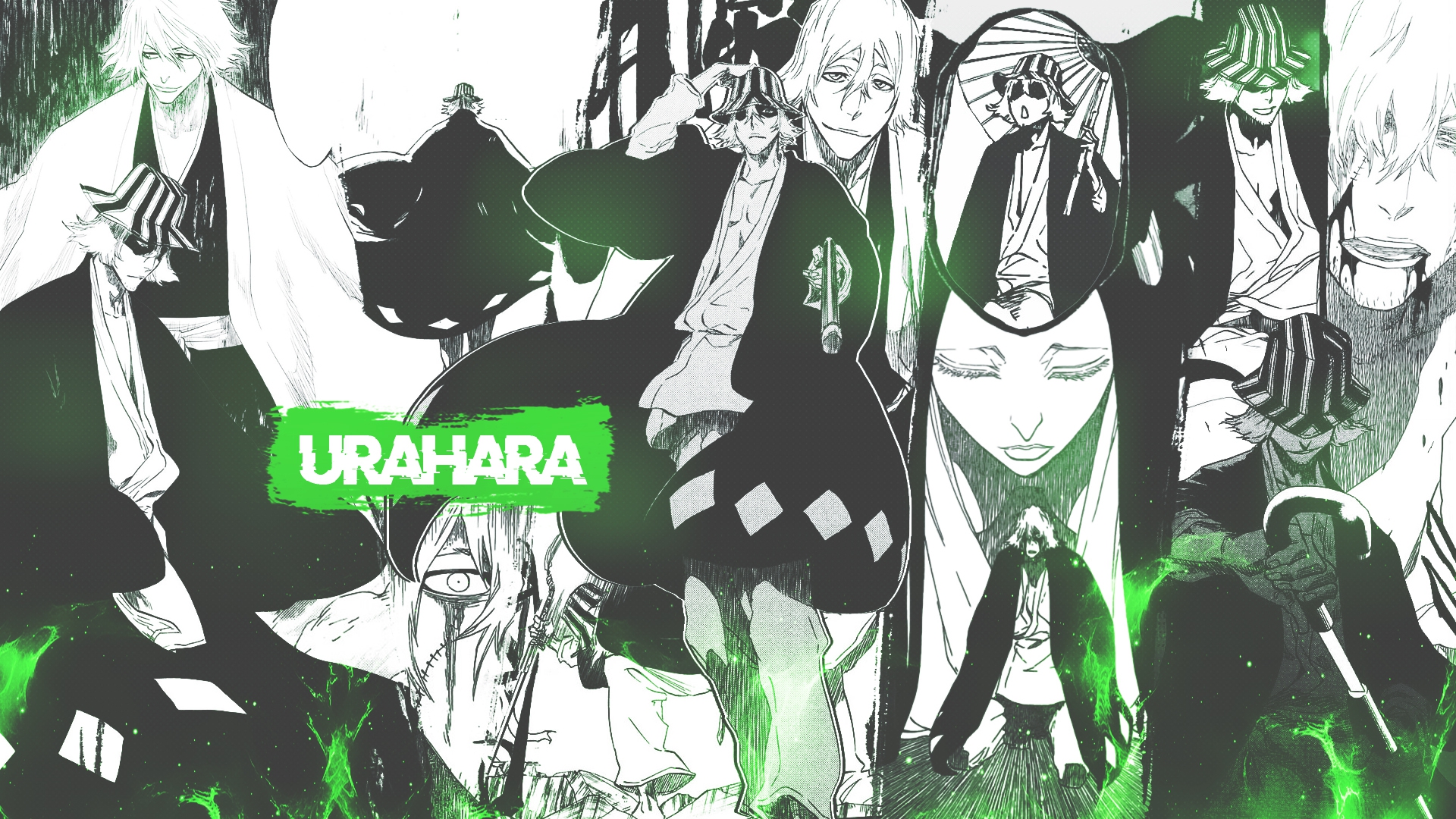
Urahara rose to prominence as founder and first captain of the 12th Division’s Research and Development Bureau. His scientific innovations revolutionized Soul Society: the Gigai (artificial bodies for Shinigami in the human world), the Hogyoku (the reality-bending sphere that drives Bleach’s plot), and countless combat inventions that appear throughout the series.
His appointment as captain came through Yoruichi Shihoin’s recommendation, bypassing traditional requirements. This political backing protected Urahara’s unconventional methods—temporarily. His willingness to experiment on souls, including himself, created innovations others feared but couldn’t replicate.
The tragedy of genius: Urahara’s greatest creation, the Hogyoku, became his downfall. Aizen Sosuke—Urahara’s intellectual rival—manipulated events to frame Urahara for the Hollowfication incident. Rather than fight the accusations, Urahara accepted exile to protect the Visoreds (the Hollowfied victims he’d actually saved, not created).
Exile to the Human World
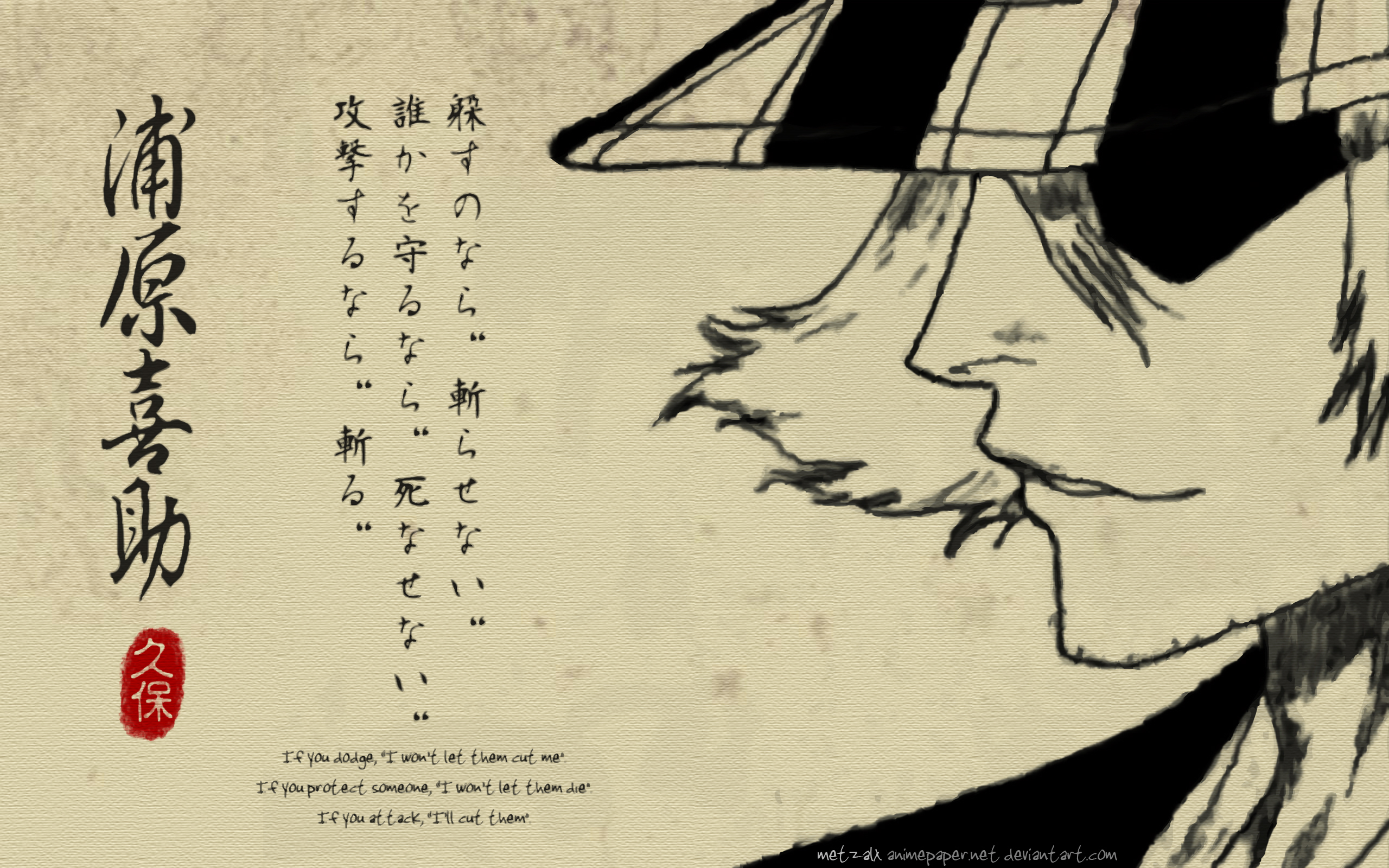
Urahara’s shop serves as front for his continued research and as sanctuary for spiritually aware humans and Shinigami. The bumbling shopkeeper persona allows him to operate unnoticed while gathering information Soul Society’s exile cut off.
His relationship with Isshin Kurosaki (Ichigo’s father) and knowledge of Masaki’s Hollow infection demonstrate planning decades in advance. Urahara anticipated Aizen’s eventual moves and positioned pieces accordingly—including Ichigo’s entire existence as potential counter.
The Hogyoku hidden within Rukia, the deliberately weakened Gigai that would drain her powers, the facilitation of Ichigo’s Shinigami awakening—every event of Bleach’s first arc reflects Urahara’s orchestration. He’s not reacting to Aizen’s plans; he’s been countering them since before the series began.
The Benihime: Hidden Devastation
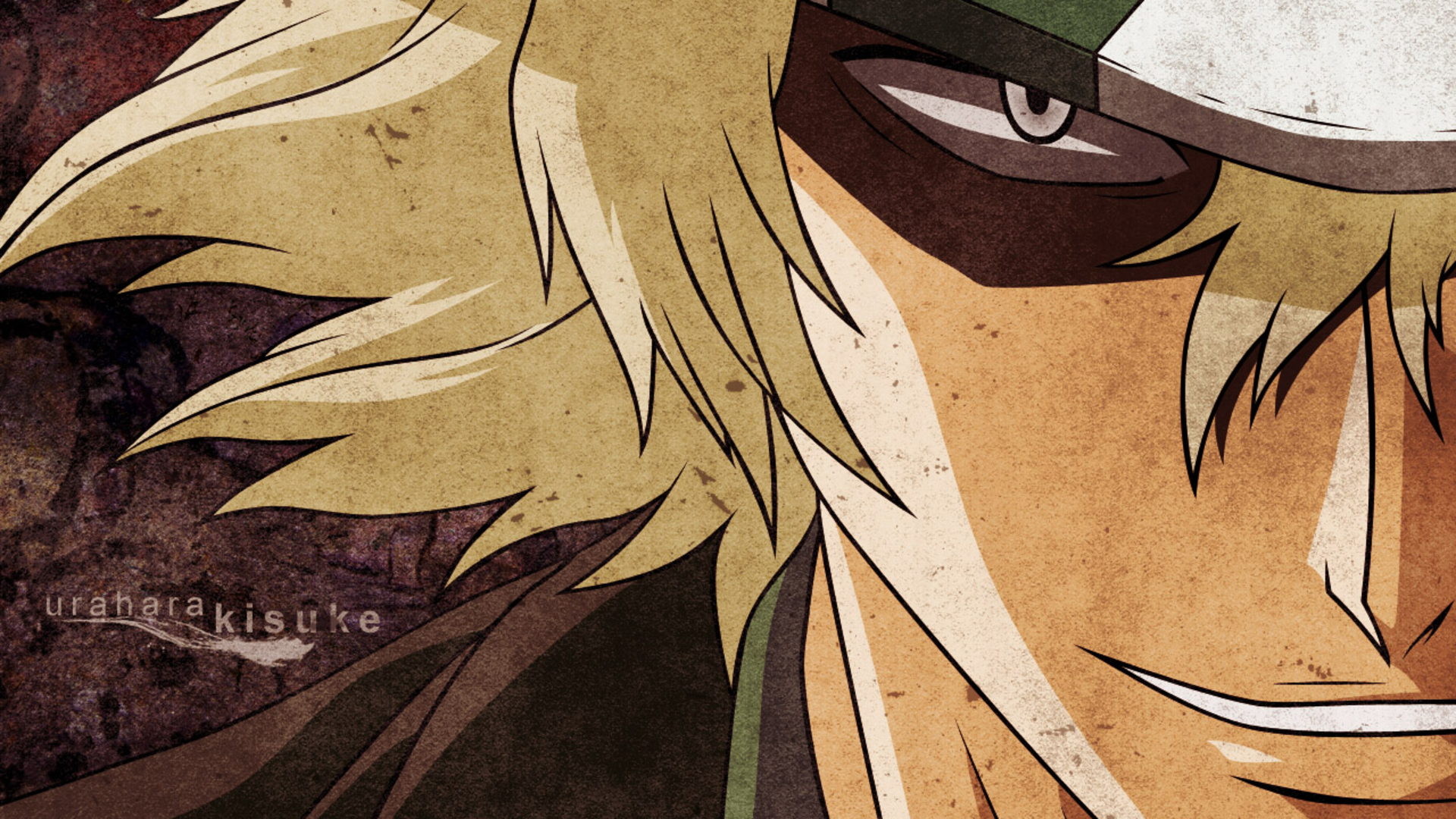
Urahara’s zanpakuto, Benihime (Crimson Princess), remains deliberately mysterious. He rarely fights at full capacity, preferring misdirection and inventions over direct combat. When he does fight seriously—against Yammy alongside Yoruichi, against Aizen, against Askin—his power level proves Captain-tier while his tactics prove singular.
Benihime’s demonstrated abilities include blood-mist shields, energy slashes, and the “restructuring” technique revealed against Askin. But Urahara explicitly states he dislikes his Bankai because of its peculiar requirements. This Bankai, shown only in the Thousand-Year Blood War arc, restructures anything within its range—including Urahara’s own body when damaged.
The Bankai’s gruesome nature—hands emerging from wounds to repair damage, restructuring opponents into vulnerable states—reflects Urahara’s pragmatic philosophy. Beautiful techniques matter less than effective ones. He’ll use any tool, however disturbing, if it achieves objectives.
Intellectual Rivalry: Urahara vs. Aizen
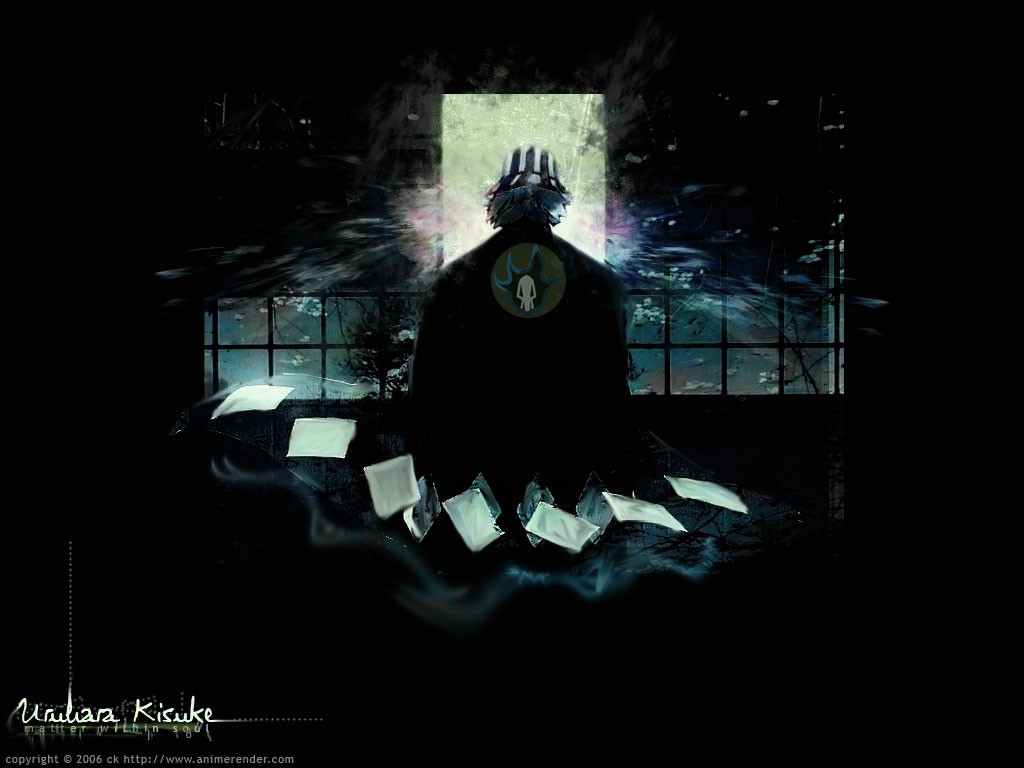
Aizen and Urahara represent contrasting genius types. Aizen’s plans assume his own superiority; he manipulates because he believes himself beyond consequence. Urahara’s plans assume his own fallibility; he creates contingencies because he knows anything can go wrong.
Their intellectual chess game spans the entire series. Aizen frames Urahara; Urahara hides the Hogyoku. Aizen retrieves it anyway; Urahara has already created counters. Aizen becomes transcendent; Urahara’s seal technology still works. Neither ever fully defeats the other because both plan for their own failure.
The difference: Aizen’s arrogance provides exploitable weakness. Urahara’s humility does not. When Ichigo questions whether Urahara’s manipulations make him as bad as Aizen, Urahara accepts the comparison without defense. He knows he’s morally compromised; that knowledge shapes his continued caution.
Relationship with Yoruichi
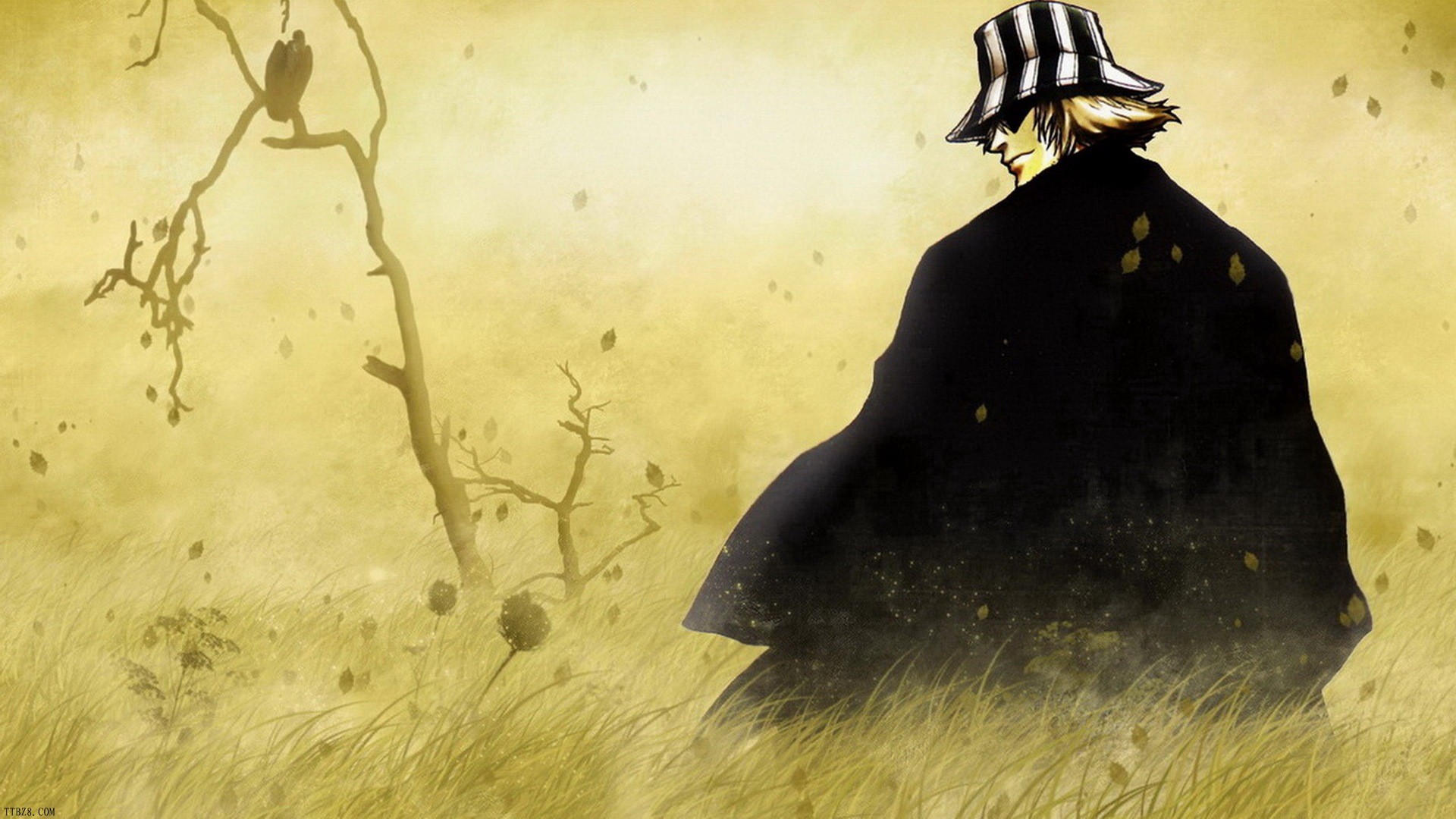
Urahara and Yoruichi’s partnership predates their exile and continues throughout Bleach. Their dynamic combines teasing friendship with absolute trust—each would die for the other without hesitation. The romantic dimension, heavily implied but never explicit, adds emotional texture to their tactical coordination.
Yoruichi’s willingness to abandon her captain position and noble family for exile demonstrates Urahara’s relational depth. She didn’t follow him from obligation but from choice—believing in him when Soul Society condemned him. This loyalty, earned through years of genuine friendship, matters more than any manipulation.
Their combat coordination, shown against Aizen and the Quincies, demonstrates why they’re so effective. Yoruichi’s speed and combat instincts complement Urahara’s tactical planning. She executes what he envisions; he creates opportunities for her capabilities. Together, they threaten opponents neither could handle alone.
The TYBW Arc: Finally Fighting Seriously
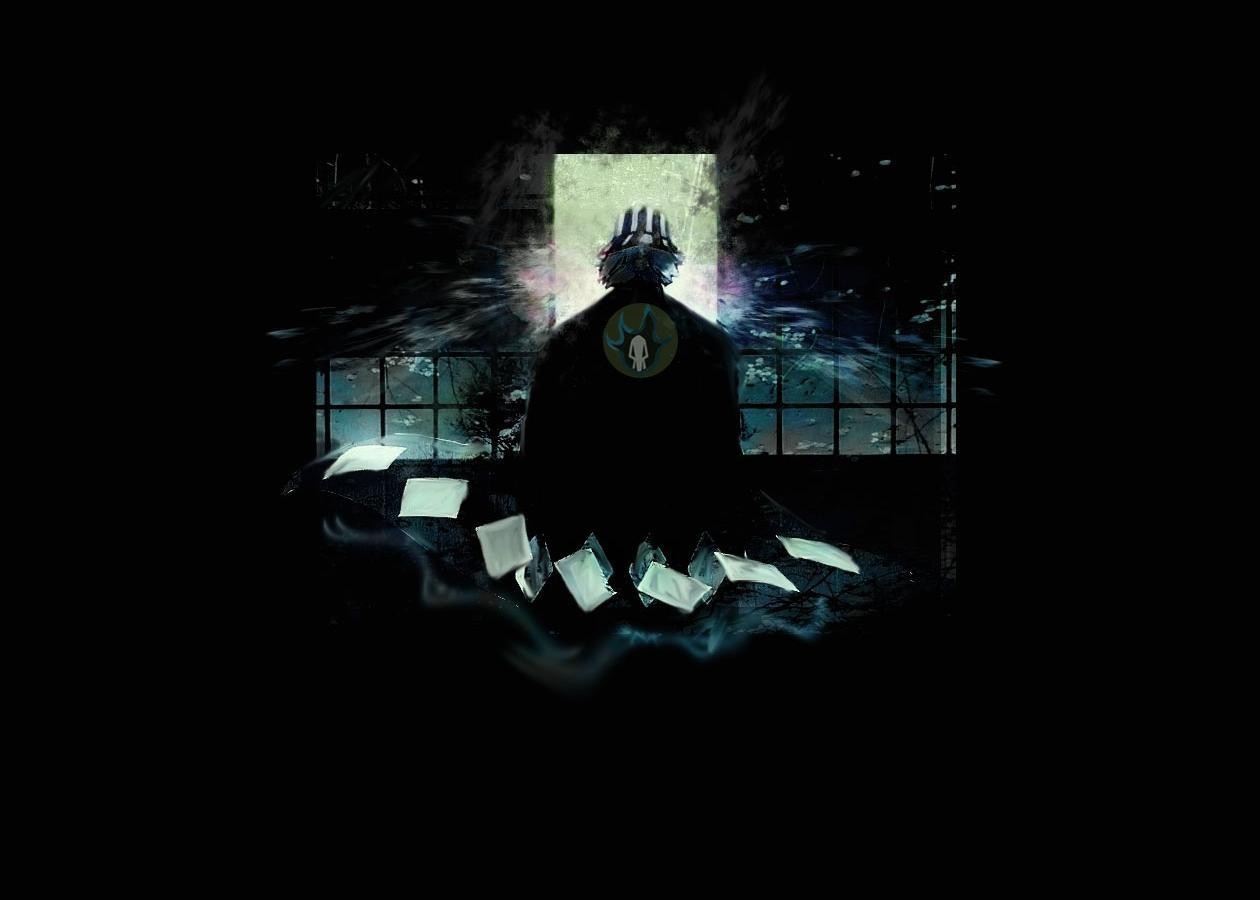
The Thousand-Year Blood War forced Urahara into direct combat against Askin Nakk Le Vaar—one of Yhwach’s Schutzstaffel elites. This fight showcased Urahara’s full capabilities for the first time, including his Bankai, Kannonbiraki Benihime Aratame.
The fight demonstrated Urahara’s philosophy perfectly. He analyzed Askin’s Death Dealing ability, identified counters, implemented them despite personal cost, and adapted when counters failed. His eventual “defeat” of Askin required poisoning himself, restructuring his own body, and accepting victory through mutual destruction.
That Urahara’s final major fight ends in technical victory through self-destruction reflects his character arc. He wins by out-sacrificing opponents, not by overpowering them. The mastermind’s ultimate weapon is willingness to pay costs others refuse.
Inventions That Shaped Bleach
Urahara’s technological contributions include:
Hogyoku: The Breakdown Sphere that blurs boundaries between Shinigami and Hollow—central MacGuffin of the series.
Gigai technology: Artificial bodies allowing Shinigami to exist in the human world, including the power-draining version given to Rukia.
Shattered Shaft: The training device that forced Ichigo’s Shinigami awakening—brutal but effective.
Tenshintai: The device that manifests zanpakuto spirits for Bankai training acceleration.
Reiatsu-concealing Gigai: Technology that hid the Visoreds for a century.
Communication devices: Various spy tech enabling coordination across dimensions.
Each invention represents Urahara’s willingness to break rules for practical benefit. Soul Society’s rigidity limits innovation; Urahara’s exile freed him to experiment without bureaucratic constraint.
Why Urahara Works
Urahara succeeds as a character because his genius is demonstrated, not merely stated. We see his plans work. We see his inventions function. We see him outthink opponents in real-time combat. The “mastermind” archetype often fails through told-not-shown genius; Urahara’s intelligence is proven repeatedly.
His moral ambiguity adds depth. Urahara manipulates Ichigo, uses people as pieces, and makes decisions with casualties he considers acceptable. Yet he acts toward good ends and protects those he can. He’s not a hero—he’s an ally whose methods discomfort while achieving necessary results.
The goofy exterior concealing devastating capability creates entertaining contrast. Every fan-service hat tip and candy sale comes from someone who could disassemble reality if sufficiently motivated. That tension—the gap between appearance and capability—makes every Urahara scene potentially explosive.
Bleach’s greatest mastermind earned the title through consistent demonstration. When Urahara appears, plans are in motion. When Urahara fights, innovation trumps raw power. When Urahara speaks, information has multiple purposes. He’s the character whose presence guarantees depth—and that guarantee never disappoints.
You Might Also Like
- Frieren Power System Explained: Magic, Demons, and Mana
- Frieren Power System Explained: Magic, Demons, and Mana
- Anya’s Powers Explained: Telepathy, Limitations, and Origin Theories in Spy x Family