If you’ve spent any time in anime communities, you already know that a Sword Art Online review is basically a grenade. Drop one online and watch the room split into two camps: fans who call it a generation-defining masterpiece and critics who use it as a punchline. The truth, as usual, lives somewhere in between. SAO anime has been airing since 2012 and still pulls millions of viewers per season. That doesn’t happen by accident. But neither does the endless criticism. So let’s cut through both sides and actually look at what this show does — the good, the bad, and the stuff nobody wants to talk about honestly.
The Aincrad Arc: When SAO Was Actually Great
The first 14 episodes of Sword Art Online remain some of the most gripping anime television of the 2010s. The premise is simple but devastating: 10,000 players log into a new virtual reality MMORPG called SAO, only to discover they can’t log out. The game’s creator, Akihiko Kayaba, announces that death in the game means death in the real world. The only way out is to clear all 100 floors of the floating castle Aincrad.
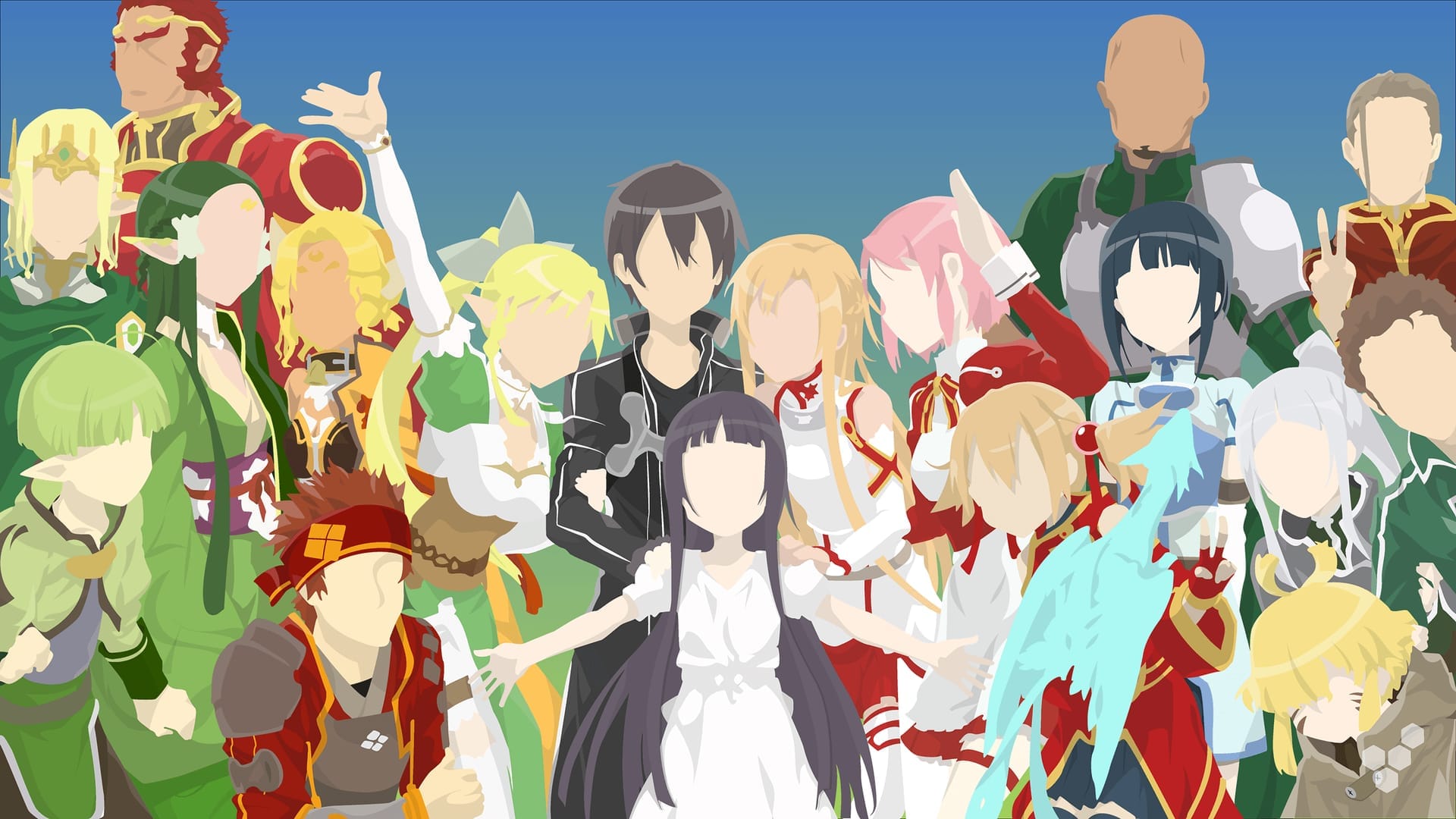
What makes this arc work so well is its willingness to skip ahead. Rather than showing every floor cleared one by one, the series jumps months and years forward, giving us glimpses of a world that has genuinely settled into itself. Players have built economies, formed guilds, and started adapting to a life they didn’t choose. That choice to skip the grind gives the arc an epic scope that would’ve taken years to build otherwise. Episode 3, “The Red-Nosed Reindeer,” is a gut punch. It introduces Sachi, a timid guild member who bonds with Kirito, and then kills her off — hard — to remind you that the stakes are real. Episodes like that stick with you.
Kirito himself works best here. The “beater” label — part beta tester, part cheater — sets him up as an outsider who takes it on himself to protect strangers from afar. He’s a loner by choice, not because the show forgot to give him friends. His relationship with Asuna develops slowly enough that you actually believe it. By the time they get a house on the 22nd floor and play at being normal, it earns its emotion because the show made you care about what normal meant to these two people trapped in a digital prison.
The Aincrad arc isn’t flawless — the boss fight pacing gets uneven and some filler episodes feel misplaced — but the emotional core is strong, the stakes feel genuine, and Kirito vs. Heathcliff is a satisfying payoff to everything that came before it. This stretch of episodes is the reason the franchise still exists today.
Fairy Dance: Where It All Goes Wrong
And then came ALfheim Online.
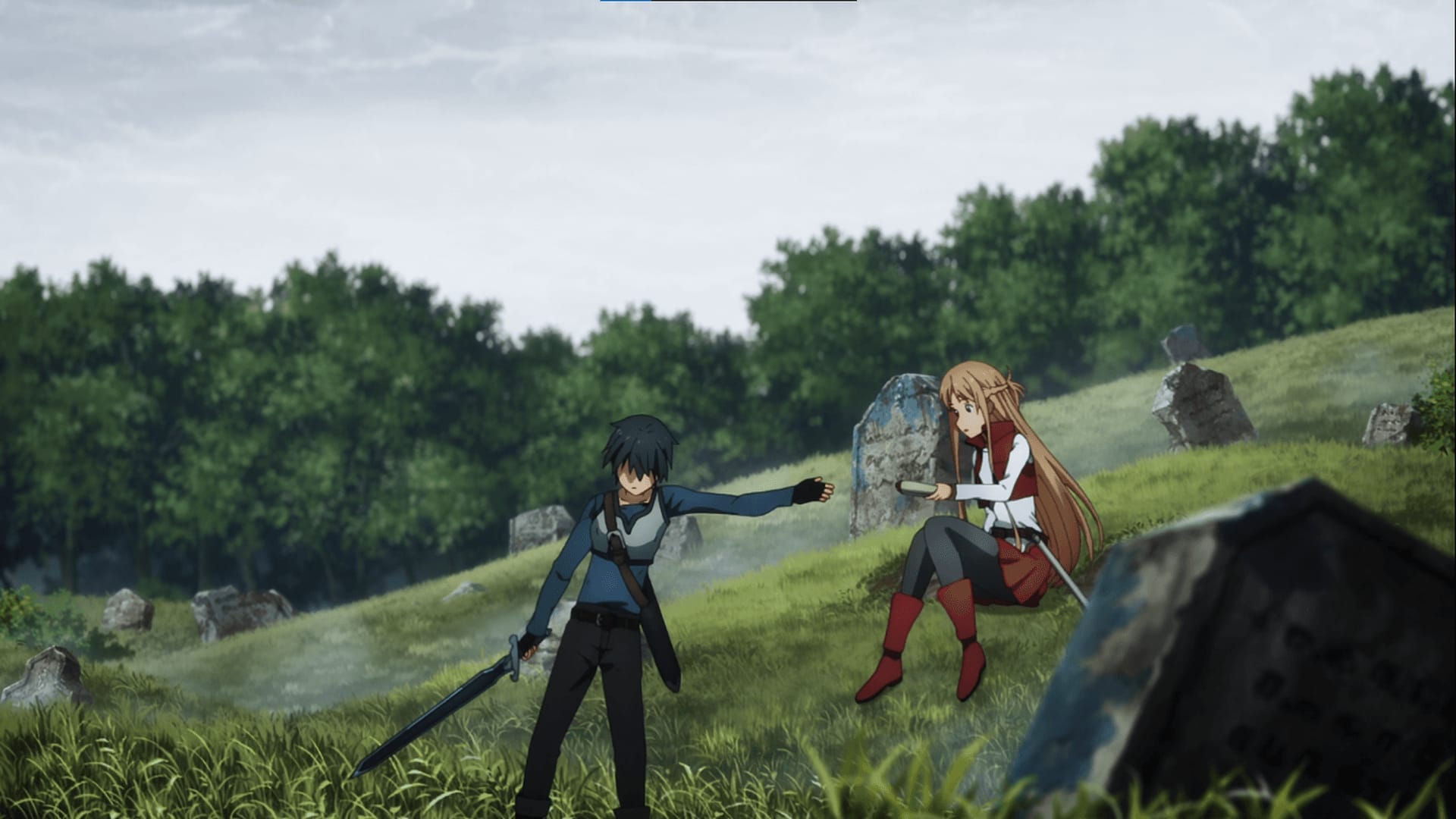
The Fairy Dance arc (episodes 15–25) follows Kirito discovering that Asuna and 300 other SAO survivors are trapped in a new game, ALfheim Online, by a villain named Sugou Nobuyuki who is conducting illegal brain experiments on them. It’s a setup that could’ve worked, but the execution is a disaster in almost every direction.
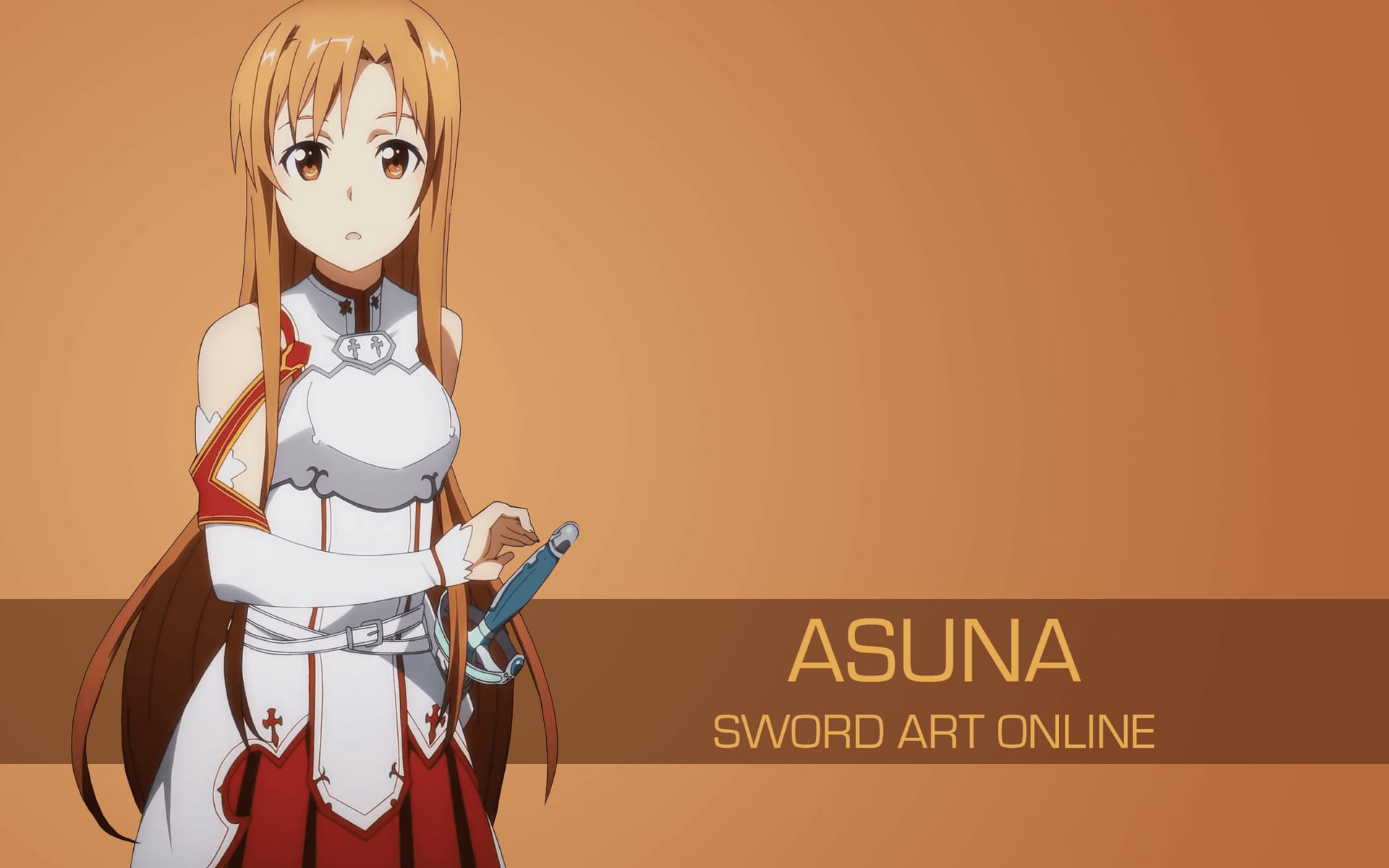
The first problem is Asuna. Coming out of Aincrad, she was a genuine co-lead — skilled, assertive, emotionally complex, and capable of matching Kirito in a fight. In Fairy Dance, she spends the arc literally imprisoned in a birdcage while Kirito goes on a solo quest to rescue her. She gets one brief moment near the end where she breaks free temporarily, but it’s too little too late. The story fundamentally demoted a great character into a passive prize, and that’s a hard thing to forgive.
The second problem is Sugou. He’s a one-dimensional creep whose villainy is played up through disturbing scenes that feel gratuitous rather than meaningful. Kayaba had menace because his motives were strange but compelling — he built a dream and let it become a death trap. Sugou is just gross. He exists to be hated, which isn’t the same as being a good villain.
Third: the fairy wings. ALO has a lighter, more colorful aesthetic that clashes badly with the tone Aincrad built. Stakes that felt life-and-death now feel like a side quest. Even Kirito’s power levels in this arc become a narrative shortcut — he’s overpowered almost immediately, which drains any sense of tension.
Fairy Dance is the arc that gave SAO its reputation problem. The criticism it attracts is largely fair. It’s not unwatchable, but it squanders the goodwill Aincrad built and sets some bad precedents for how the series handles its female characters going forward.
GGO and Alicization: Can SAO Find Its Footing Again?
Gun Gale Online, the third major arc, is a genuine course correction — and a lot of fans who checked out after Fairy Dance never gave it a chance.
GGO introduces Sinon, a player dealing with real-world trauma tied to gun violence. She’s the best-written character the show has produced outside of the Aincrad era — her arc deals with PTSD in a way that’s actually thoughtful, and her dynamic with Kirito works because they’re equals in this game’s world. Kirito’s GGO avatar (accidentally female-presenting) creates some genuinely funny moments without the show being cruel about it.
The Death Gun mystery — a player who seems to be murdering people in real life by shooting them in-game — brings back the life-or-death stakes that Fairy Dance lost. It’s not as emotionally resonant as Aincrad, but it’s tight, well-paced, and has a satisfying resolution. Sinon’s climactic confrontation with her real-world trauma is one of the most well-handled character moments in the entire franchise. If you gave up on SAO after Fairy Dance, GGO is worth revisiting.
Alicization is where the series gets genuinely ambitious — and where your mileage will vary based on how much you enjoyed the original premise.
Set in a full-dive artificial intelligence world called the Underworld, Alicization follows Kirito helping to raise two AI children, Alice and Eugeo, over a span that covers years in-game. It’s a long, slow build — the arc ran for four cours and roughly 48 episodes — but it’s attempting something more thematically serious than any prior arc. Questions about what constitutes consciousness, free will vs. programmed behavior, and whether a digital person’s suffering is “real” get actual screen time.
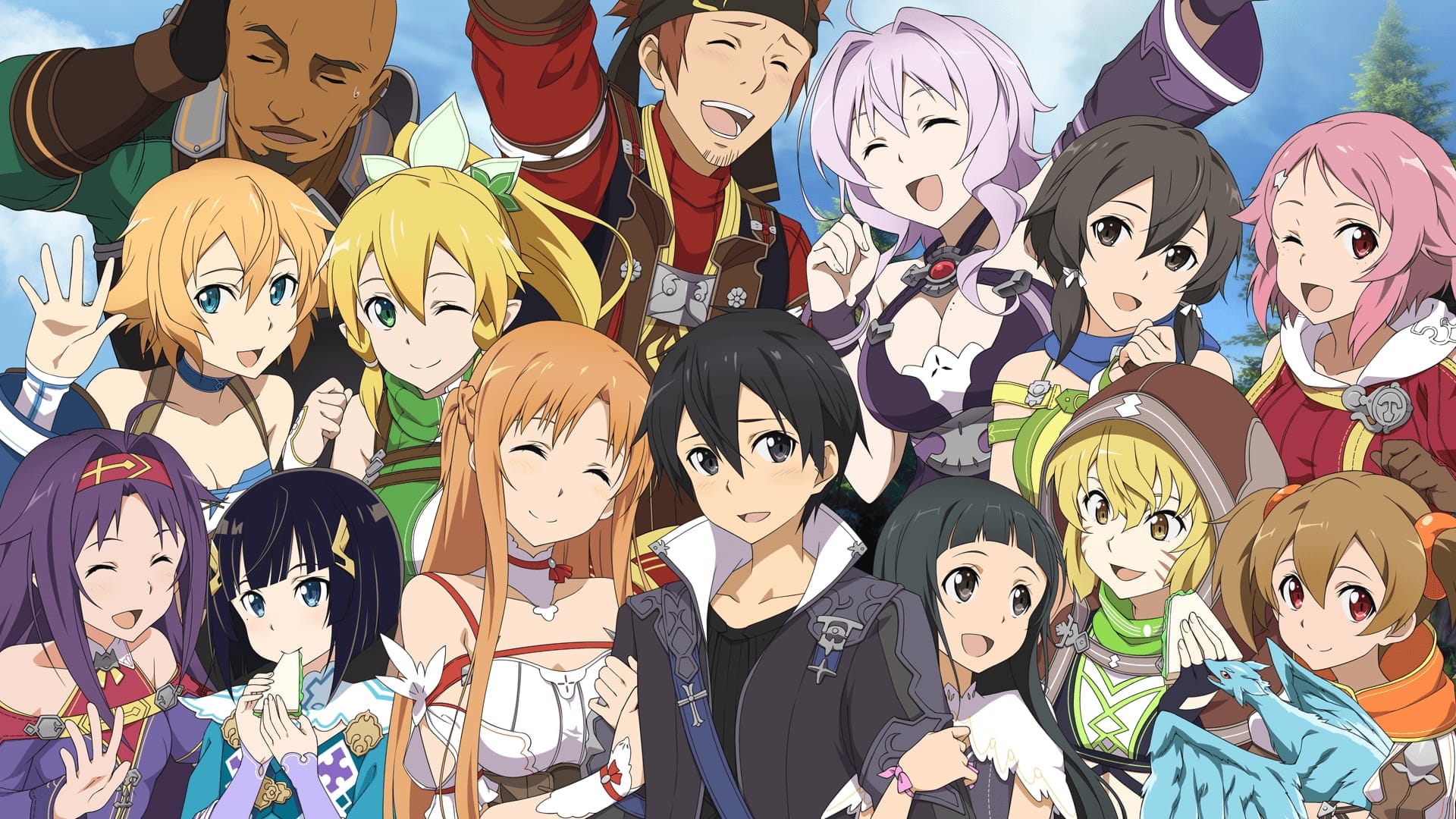
Eugeo is the best male supporting character in the franchise. His friendship with Kirito feels earned, his motivations are clear, and his arc has weight. The problem is runtime. Alicization stretches to the point where War of Underworld — its second half — loses momentum badly. The villain Quinella is excellent; the follow-up villains less so. And the final arc, Alice being hunted across the real world, is rushed in ways that make the long Underworld build feel unbalanced.
Progressive, the theatrical film series retelling Aincrad floor by floor, is worth mentioning here. It fixes almost every structural issue with the original Aincrad arc by letting relationships build slowly and giving Asuna her agency back from episode one. If you want the best version of early SAO, Progressive is now the answer.
What SAO Actually Gets Right
Here’s where the honest criticism gets balanced out: Sword Art Online is genuinely good at several things that don’t get enough credit in the ongoing discourse.
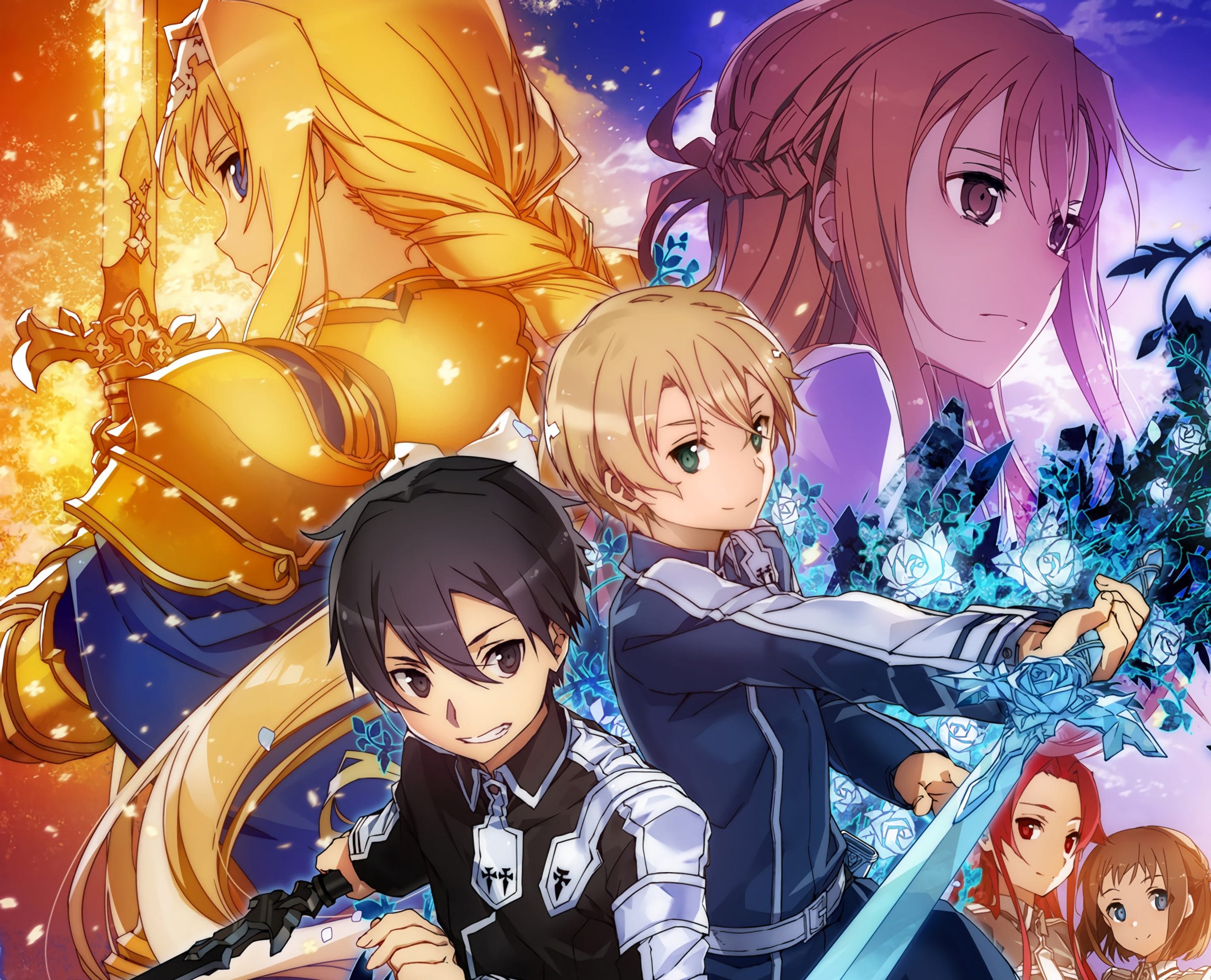
The virtual reality anime worldbuilding is consistently excellent. Every game world the series enters has its own logic, aesthetic, and social structure. Aincrad’s floor-by-floor dungeon economy, GGO’s post-apocalyptic wasteland rules, the Underworld’s celestial hierarchy — each one feels like a place that was designed rather than just sketched. The show respects that players adapt to their environments, build communities, and develop relationships that feel real even inside artificial ones. That’s not easy to pull off across multiple distinct settings.
The isekai anime conversation often dismisses SAO, but SAO helped define what isekai became. Before SAO, the template for “person transported to another world” stories didn’t have the virtual reality hook. The trapped-in-a-game variant — with all the RPG mechanics, guild politics, and leveling stakes — became its own genre because SAO made it work at scale. Like it or not, this show shaped a massive slice of anime over the past decade.
The production quality has always been high. A-1 Pictures animated the series with consistent effort, particularly in action sequences. Kirito’s dual-wielding sword style — the Black Swordsman fighting two-handed — remains one of the most visually distinctive character designs in shonen-adjacent anime. The fights in Aincrad, GGO, and Alicization are kinetic and readable in a way a lot of battle anime isn’t. You always know where you are in a fight.
Yuki Kajiura’s soundtrack deserves its own paragraph. “Swordland” is one of the great anime battle themes of the past 15 years. Her work across every arc sets tone and raises emotional stakes in ways the writing sometimes fails to do on its own. Put on the SAO OST without watching the show and you’ll understand why people keep coming back.
And yes, Asuna in Aincrad is worth defending. She’s competent, has genuine pride in her skill, pushes back on Kirito when he’s wrong, and the romance between them develops naturally from rivalry and mutual respect. The show did have a well-written female lead — it just didn’t hold onto that version of her consistently.
The Valid Criticisms (Yes, They’re Valid)
SAO’s defenders sometimes treat all criticism as bad-faith attacks from elitist anime fans. That’s not accurate. The problems with this show are real, specific, and worth laying out clearly.
Kirito is power fantasy made flesh. Especially post-Aincrad, he gains abilities at the exact moment the plot requires them, often without earning them through visible struggle. His GGO avatar has “Incarnation” powers that bend the rules of the simulation through pure willpower. His Underworld abilities escalate to the point of absurdity. This is a feature for some viewers and a bug for others — but it’s hard to argue the writing doesn’t lean heavily on deus ex machina solutions.
The harem problem is real. As seasons progress, Kirito accumulates a growing circle of female characters who are defined almost entirely by their attachment to him. Suguha, Sinon, Alice, Eugeo’s old friend Ronye — they all orbit the same gravitational center. The show isn’t as bad as some internet posts claim, but the pattern is undeniable and it does flatten characters who deserved more room.
Pacing inconsistency across the franchise is significant. The original 25-episode run crams an ending that needed more time. Alicization stretches way beyond what the story needed. Progressive moves at the right pace but only covers two films so far. The series has never found a consistent rhythm for translating Reki Kawahara’s light novels.
The villain problem never fully gets solved. Kayaba is compelling. Sugou is not. Quinella is excellent. Death Gun is serviceable. The final Alicization villains — a corporate mercenary faction — are forgettable. The franchise’s quality correlates almost directly with the quality of its antagonist in any given arc.
The treatment of death as a plot device is inconsistent. Aincrad uses death carefully — Sachi’s death means something, it changes Kirito, and the show doesn’t walk it back. But as the series progresses, deaths get reversed or softened through game mechanics, healing magic, or digital resurrection. When death stops being permanent, the stakes that made Aincrad work stop working. Alicization tries to thread this needle by making Eugeo’s sacrifice feel final, and it largely succeeds, but the franchise’s relationship with consequences is shakier than it should be for a story built around a death game.
The light novel origins show in ways that don’t always translate. Reki Kawahara wrote SAO as a web novel before it was published, and some of the structural quirks — rapid arc changes, power escalations, an expanding cast — make more sense in a long-form reading format than in serialized animation. When you’re reading at your own pace, skipping through Kirito’s in-game victories feels natural. When it’s animated and you’re watching him win within minutes of facing a challenge, the pacing feels off. The adaptation has improved over time at managing this, but it’s an inherent tension the show never fully resolves.
None of these criticisms mean SAO is uniquely bad. A lot of long-running shonen-adjacent franchises share these same problems. But that’s also the honest point: SAO is a mainstream franchise with mainstream franchise problems. It’s not high art, but it’s not garbage either.
The Verdict: Who Should Actually Watch Sword Art Online
After 14 years and multiple seasons, SAO has earned its complicated reputation. It launched a genre, built a massive fandom, produced some genuinely great episodes, and also produced some genuinely frustrating ones. Neither side of the discourse gets to claim total victory here.
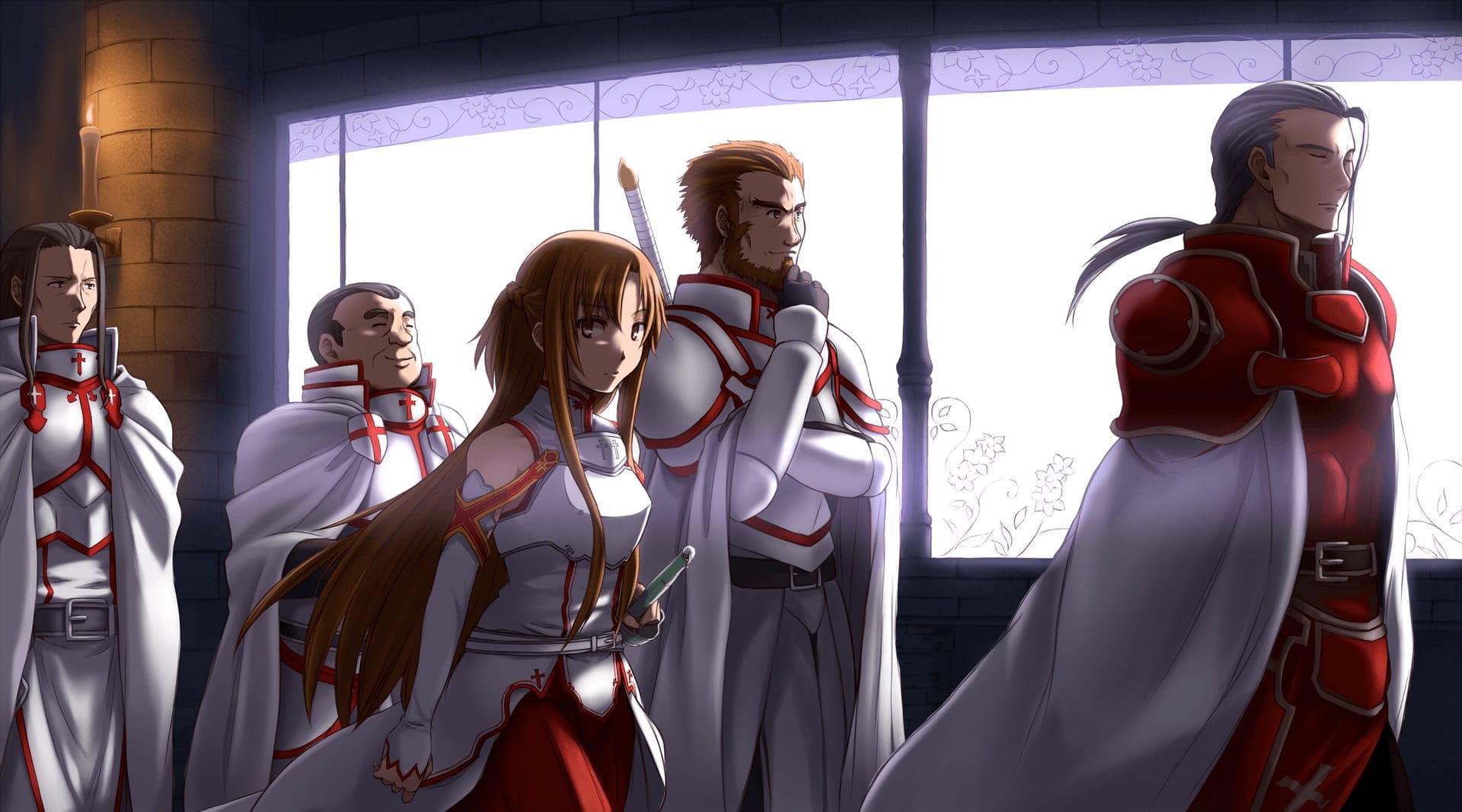
Watch it if you’re drawn to virtual reality anime and want to understand where the genre came from. Watch Aincrad for the stakes and the romance. Watch GGO for Sinon. Watch Alicization for Eugeo. Watch Progressive if you want the most polished version of the premise.
Skip Fairy Dance if you’re sensitive to how female characters get treated, or at least go in knowing what you’re getting. It won’t ruin the experience if you push through, but it is the weakest chapter in the franchise by a significant margin.
If you’ve already watched SAO and dismissed it after 2013, it might be worth revisiting GGO and Progressive with fresh eyes. The show grew up a little. Not all the way, but enough to matter.
The bottom line on this Sword Art Online review: it’s a flawed franchise with a brilliant first arc, an infuriating second, and a mixed but often genuinely good rest. If you can hold those things at the same time, you’ll get more out of it than either the hardcore fans or the permanent haters ever will.
Overall Rating: 7/10 — Aincrad is a 9. Fairy Dance is a 4. Everything else hovers around a 7. Average it out and you’ve got a franchise worth your time with appropriate expectations in place.
You Might Also Enjoy
- Log Horizon Review: The Isekai That Actually Thought About Economics
- Re:Zero Review: What Happens When the Isekai Hero Can’t Win
- Overlord Review: The Dark Side of Being Overpowered in Another World
- No Game No Life Review: Smart, Stylish, and Completely Unhinged
- Accel World Review: SAO’s Forgotten Sibling From the Same Author