Why Sung Jin-Woo Is the OP Protagonist Done Right
If you’ve spent any time in the anime community lately, you already know the name. Sung Jin-Woo character analysis posts flood Reddit, Discord servers light up on every episode drop night, and the Solo Leveling fandom keeps growing like an S-rank gate that never stops spawning. But this isn’t just hype. This is a genuine case of a protagonist who earns every single power-up — emotionally, narratively, and in terms of pure storytelling craft. In this Sung Jin-Woo character analysis, we’re breaking down everything: his origin story, his completely unique power system, his surprisingly layered personality, and why he connects with millions of fans worldwide in ways that most overpowered protagonists simply don’t.
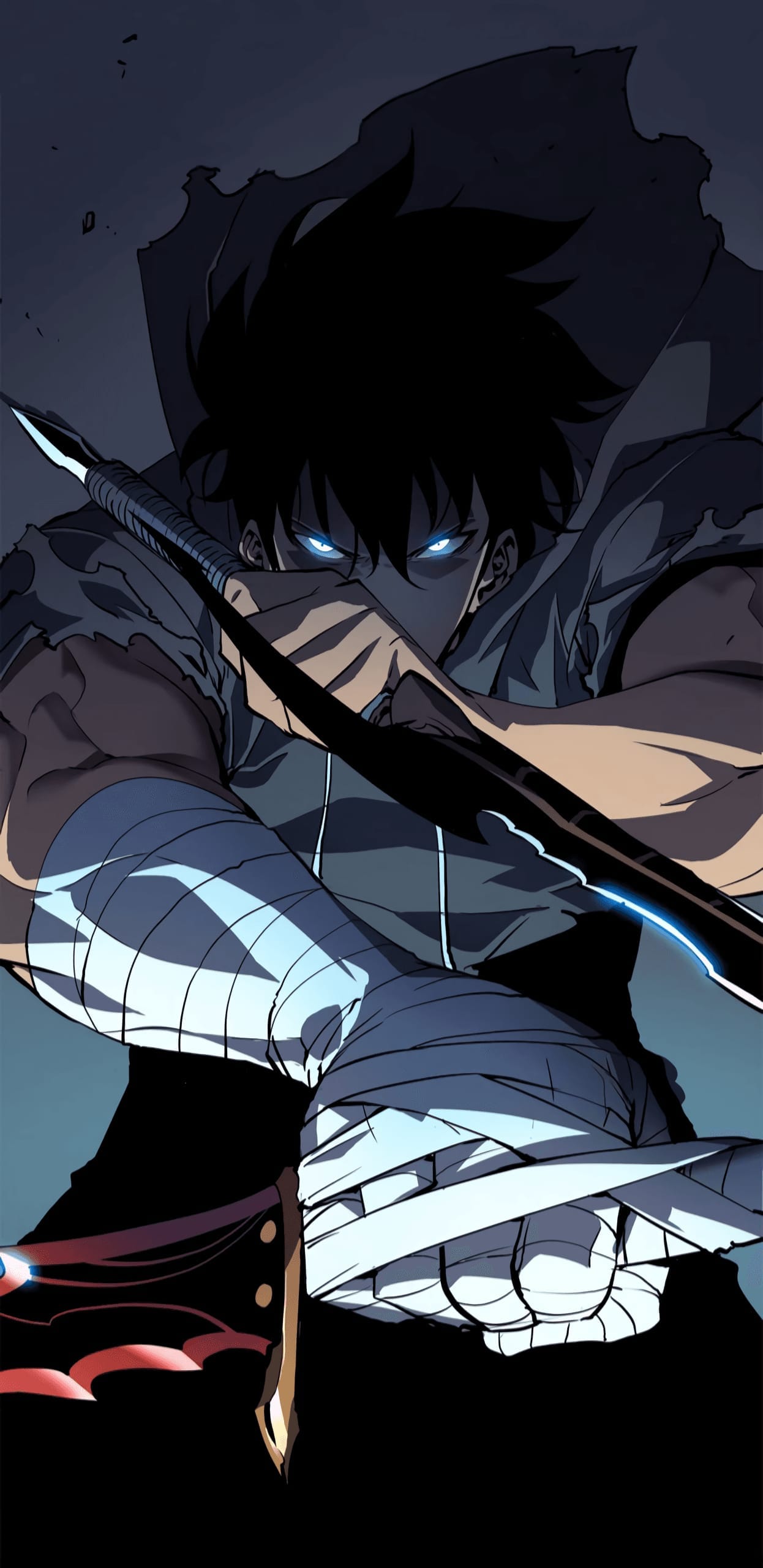
Whether you came in through the manhwa adaptation or jumped straight into the A-1 Pictures anime, Sung Jin-Woo’s journey hits different. This isn’t your standard “guy gets transported to another world” story. This is a man who nearly died — repeatedly — in his own world, was given a second chance by forces beyond his comprehension, and chose, every single day, to use that chance to protect the people he loves. The scale eventually becomes cosmic. The soul stays personal. Let’s get into it.
From E-Rank to Shadow Monarch: The Origin Story
The starting point of any great character is their lowest moment, and for Sung Jin-Woo, that low point is painted with painful precision. He’s introduced as the “World’s Weakest Hunter” — an E-rank hunter in a world where magical gates randomly tear open and humans with awakened abilities are humanity’s only defense against what pours out. Sung Jin-Woo isn’t just bad at his job; he’s dangerously bad. He keeps raiding low-level dungeons to scrape together enough money for his comatose mother’s hospital bills and to support his younger sister Jinah. He gets hurt constantly. He’s mocked by peers. He shows up anyway.
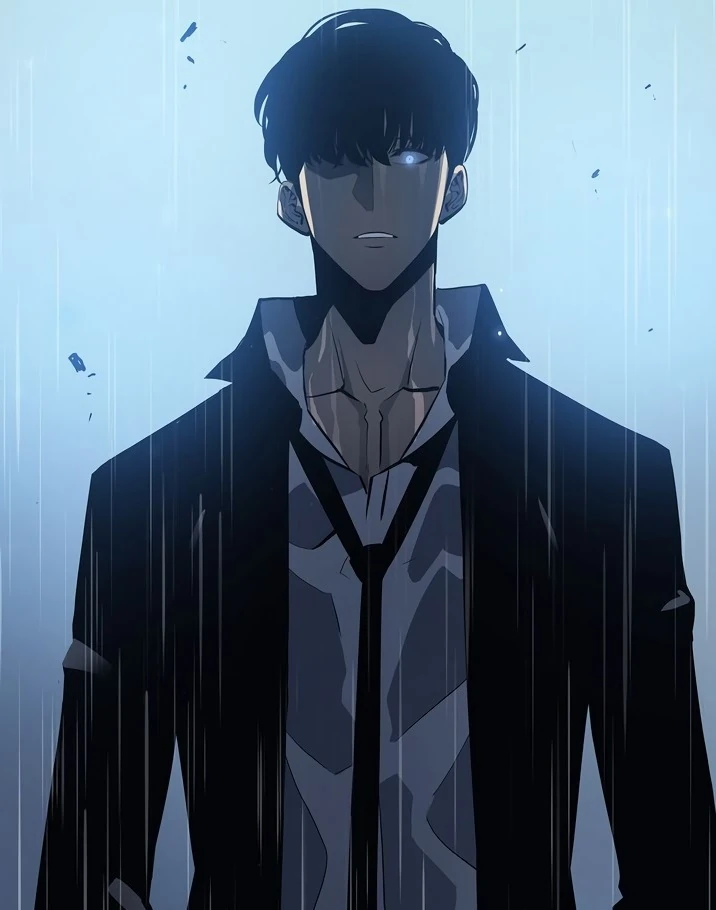
That context matters enormously when doing a proper Sung Jin-Woo character analysis. The story — based on Chugong’s original web novel — spent serious time establishing how dire his situation was before anything changed. This was not a chosen one narrative. Nobody believed in Sung Jin-Woo. The Hunter’s Association viewed him as a liability. Fellow hunters pitied him at best, used him as cannon fodder at worst. His courage wasn’t born from confidence. It was born from desperation and stubborn love.
Then comes the Double Dungeon — a hidden ancient dungeon within a dungeon — where a routine raid turns into a massacre. Hunters die around him. Sung Jin-Woo should die. Instead, something chooses him. The System appears: a game-like interface only he can perceive, presenting him with a penalty quest that kicks off the most extraordinary transformation in modern manhwa history. He wakes up in a hospital bed and realizes the world — his world, his real world — has overlaid itself with a framework no one else can see.
What matters here is that Sung Jin-Woo doesn’t immediately transform into an unstoppable beast. He grinds. He completes quests the System assigns him at midnight. He does push-ups until he collapses in his apartment. He fails penalty dungeons and nearly dies again, more than once. The early arc is a grinding, exhausting upward climb — and it feels earned because we watched where it started. That foundation, that rock-bottom E-rank beginning, is what makes every subsequent power spike satisfying rather than hollow.
The System and What Makes Sung Jin-Woo’s Power Unique
Here is where Sung Jin-Woo diverges from basically every other isekai protagonist in the genre — and the divergence is significant. He’s not transported to another world. He doesn’t wake up as a reincarnated hero in a fantasy kingdom. He doesn’t receive a cheat ability from a bored god in some white void. The System came to him. In his world. In his own apartment. And even the System’s true origins — explored in depth across Season 2 and the full manhwa adaptation run — turn out to be something far more cosmological and tragic than a simple “power-up mechanic.”
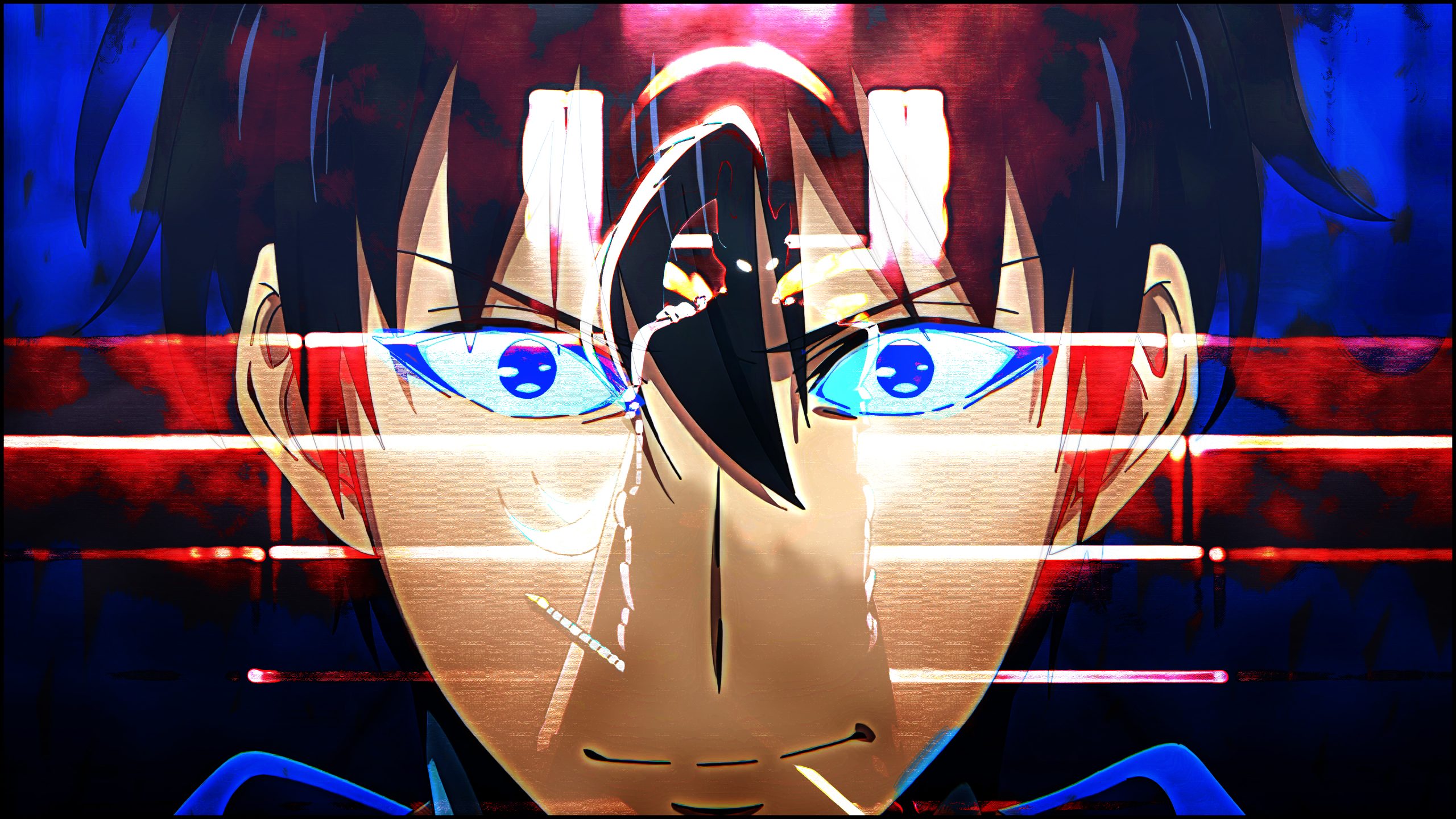
As a system user, Sung Jin-Woo gains stats, acquires skills, and progresses through what appears to be an individually tailored growth path. No other hunter in the world has this. It’s not a standard awakening ability handed out when gates first appeared. It’s a completely separate framework existing outside the normal rules of the Solo Leveling universe. That exclusivity creates narrative tension and mystery that the series milks brilliantly across both its seasons.
But the truly unique element — the thing that separates Sung Jin-Woo from every stat-screen protagonist in manhwa history — is his Shadow Army. As he progresses and gains the Shadow Extraction skill, he can resurrect fallen enemies as loyal soldiers bound permanently to his will. He builds an army. Not just a power boost — an army. And his soldiers carry personality echoes of who they were in life. Beru, the fearsome Ant King turned loyal general, becomes one of the most beloved characters in the entire series precisely because of the dynamic relationship he develops with Sung Jin-Woo. It’s not just power accumulation — it’s worldbuilding woven directly into his character kit.
By the time Sung Jin-Woo fully awakens as the Shadow Monarch — the ruler of all death, the inheritor of Ashborn’s ancient power — the System’s true purpose becomes clear. It was a vessel: a training mechanism designed to prepare a human body and soul to contain and eventually exceed the power of a Monarch-class being. That revelation recontextualizes his entire journey and gives his power a narrative weight that very few anime power systems ever achieve. For a detailed breakdown of how this plays out in Season 2, check out our piece on Solo Leveling Season 2: Sung Jin-Woo’s New Powers & The Monarchs War Explained.
Sung Jin-Woo’s Personality: Cold Exterior, Burning Interior
Here’s where casual viewers sometimes misread Sung Jin-Woo: they see the stoic expression, the flat tone in the face of monsters, and the complete absence of panic during S-rank fights, and they call him a flat character. That reading misses the entire point of who he is. Sung Jin-Woo is not emotionless — he is extraordinarily controlled. There is a massive difference, and the story earns that distinction across dozens of quiet character moments.
Every action Sung Jin-Woo takes filters through one core motivation: protect his family. His mother. His sister Jinah. Eventually, the people who have stood beside him. He doesn’t fight because he loves combat — though he does develop a genuine hunger for real challenges as his power grows. He fights because weakness cost him everything in the early days and nearly cost humanity everything later. That quiet intensity — “I will never be helpless again” — drives him in every scene, whether he’s grinding solo dungeons at 3 AM or standing between Earth and an army of Monarchs.
A real Sung Jin-Woo character analysis also has to track how his personality evolves across the arc. The E-rank Sung Jin-Woo was self-sacrificing in a resigned, almost fatalistic way — showing up to dangerous raids because the money was needed, not because he thought he’d survive them. Post-System, he becomes methodical, strategic, and eerily calm under pressure. But genuine warmth is still there: his teasing dynamic with Beru, his protectiveness toward Cha Hae-In, his absolute devotion to his mother even during the months she didn’t recognize him. These moments aren’t decoration — they’re the emotional proof that the power and the person are growing together.
He also carries survivor’s guilt and a weight of responsibility that never fully lifts. The Double Dungeon cost lives. The Jeju Island raid cost lives. Every catastrophic threat that emerges — and in Solo Leveling, they come in waves — eventually lands on Sung Jin-Woo’s shoulders because he is increasingly the only person capable of handling them. That is not a power fantasy. That’s a meditation on what it actually means to be the last line of defense for everyone you care about. The anime’s quieter character beats — most of which Solo Leveling Season 1 handled with genuine care — sell this internal life better than any monologue ever could.
His Greatest Battles and How They Shaped Him
Sung Jin-Woo’s combat history is a roadmap of his growth — not just in raw power, but in who he is as a person. Each major fight tells us something essential about where he is mentally and emotionally at that specific moment in his journey. Solo Leveling uses battle as character development in ways the best shonen have always aspired to, but with a precision that’s distinctly tied to its Korean narrative DNA.
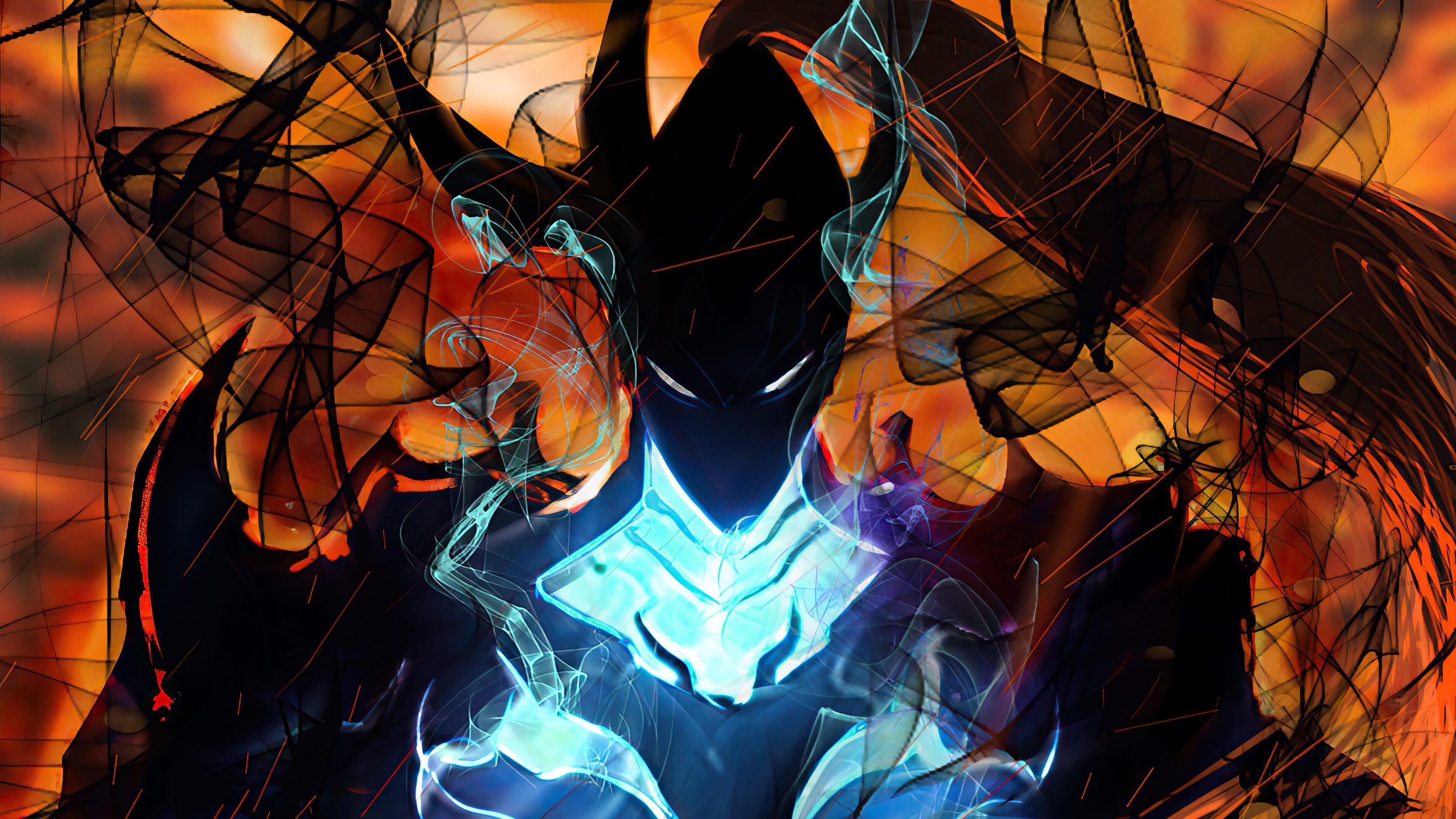
The Double Dungeon is ground zero. It’s the fight he couldn’t win, the moment that redefined everything that came after. Watching Sung Jin-Woo choose to stay behind and buy time for the other hunters — even knowing he’d almost certainly die — shows you exactly who he was before the System changed him: a man with no power but completely genuine courage. That selflessness doesn’t disappear as he grows stronger. It becomes the steel core under all that shadow energy. Every Monarch he faces later is ultimately facing that same stubbornness, just with infinitely more firepower behind it.
The Demon Castle arc is where Sung Jin-Woo starts becoming something mythological. Fighting through 100 floors of increasingly powerful demons, essentially alone, with the entire hunter world unknowingly watching — this sequence in the manhwa adaptation was one of the most-discussed story arcs in recent memory. Every floor is a test not just of strength, but of resolve. By the time he reaches the top, Sung Jin-Woo isn’t just powerful. He’s terrifying in the way that only absolute commitment can be.
Thomas Andre is the fight fans were building toward — the clash with the world’s strongest active hunter, a National Level Fighter from the United States who had never been seriously challenged. This battle matters because it’s the first time Sung Jin-Woo is pushed in a way that genuinely costs him, and it forces him to reach a new gear entirely. It’s also significant because Thomas Andre’s arc — moving from antagonist to reluctant ally who develops real respect — says something important about how Sung Jin-Woo holds power. He doesn’t humiliate. He doesn’t gloat. He’s too focused on the next threat. For context on where these sequences rank among the genre’s finest, our list of Best Anime Fight Choreography is worth a look.
The Monarchs War — the defining arc of Season 2 (2026) and the culmination of the entire series — is where Sung Jin-Woo operates on a genuinely cosmic scale. Fighting ancient Monarchs who have existed for millennia, protecting not just Korea but the entire human race, resetting timelines to undo catastrophic losses — this is Sung Jin-Woo at his absolute ceiling. And yet even here, the emotional core doesn’t shift. He is still doing all of this to protect specific faces. The scale is different. The motivation never changes.
Sung Jin-Woo vs Other Overpowered Protagonists
The overpowered protagonist genre is genuinely crowded. Every season produces another MC who wakes up with a broken ability and proceeds to stomp everyone in their path while the plot rearranges itself around their inevitability. So where does Sung Jin-Woo sit in that conversation, and why does this Sung Jin-Woo character analysis argue he’s operating on a completely different tier when it comes to emotional weight?
Start with Saitama from One Punch Man. Saitama is a brilliant parody of the overpowered protagonist — his entire arc is built around the existential joke that being completely unbeatable is its own kind of hell. He can’t feel the thrill of a real fight. He’s disconnected, lonely, and perpetually underwhelmed. That’s excellent satire. But satire and genuine emotional stakes serve different purposes. When Saitama punches something, we feel the comedy. When Sung Jin-Woo goes full Shadow Monarch, we feel the entire weight of what it took to get there — every dungeon run, every near-death experience, every night grinding quests while his sister slept. Those are entirely different emotional registers.
Kirito from Sword Art Online is a more direct comparison in the “skilled fighter suddenly in mortal danger” space. Kirito gains power from dedication and in-game mechanics, same as Sung Jin-Woo in broad strokes. But Kirito’s emotional complexity is frequently criticized as thin — his relationships function rather than feel, and his power growth lacks the grinding, costly quality of Sung Jin-Woo’s journey. There’s no equivalent to the Double Dungeon in Kirito’s story: no foundational moment of total helplessness that his entire subsequent arc gets built on top of. The cost is missing, and without cost, victory doesn’t land the same way.
Rimuru Tempest from That Time I Got Reincarnated as a Slime is the most interesting comparison because Rimuru actually is emotionally developed for an isekai protagonist. He builds communities, forms genuine bonds, and his power growth connects directly to relationships rather than solo grinding. But Rimuru’s story is fundamentally about construction — building a nation, building alliances, building civilization. Sung Jin-Woo’s story is about transformation. The before-and-after contrast is sharper, the personal cost is higher, and the action sequences are considerably more visceral. Fans who want both emotional depth and hard-hitting combat consistently land on Sung Jin-Woo as the superior package. Our roundup of 10 Anime with the Best Character Development covers where Solo Leveling stands in that larger conversation.
For a broader sense of how the manhwa adaptation compares to the wider field, Best Isekai Anime of 2026 Ranked is worth bookmarking. Sung Jin-Woo and Solo Leveling consistently rank near the top of that list despite the series being technically a “returner” narrative rather than a classic portal fantasy. That distinction matters: Sung Jin-Woo never leaves Earth. The catastrophe came to him. That keeps the stakes personal in a way that transported-hero stories often can’t sustain across long runtimes.
The comparison that arguably matters most, though, is against the wave of Korean manhwa protagonists that Solo Leveling directly inspired. Sung Jin-Woo set a template that dozens of subsequent titles tried to copy — the Level Up system, the shadow and darkness aesthetic, the stoic-but-devoted personality type — and very few have matched the original’s emotional depth. You can copy the black armor and the glowing eyes. You can’t copy the fifty chapters of genuine suffering that give them meaning.
Why Sung Jin-Woo Resonates With Millions of Fans
Numbers don’t lie. Solo Leveling broke streaming records when it debuted on Crunchyroll, and the manhwa adaptation was one of the most widely read Korean webcomics in existence before the anime ever aired. When Season 2 dropped in early 2026 and tackled the Monarchs Arc, fandom discourse hit levels that hadn’t been seen since the Attack on Titan finale. But viral success alone doesn’t explain why Sung Jin-Woo specifically hits so hard as a character. Let’s actually break that down.
First and most obviously: the underdog origin. There’s a reason “weakest to strongest” is one of the most durable fantasies in fiction. Humans are built to root for underdogs. But what makes Sung Jin-Woo’s specific underdog story work where so many others feel cheap is that his weakness was genuine and costly before the rise. We watched him get hurt. We watched him swallow his pride and take dangerous jobs for money he desperately needed. We watched him quietly make peace with a short, brutal life because that’s what reality offered him. When the power-up finally comes, it doesn’t feel like wish fulfillment. It feels like justice.
Second: the family motivation. Sung Jin-Woo is not fighting to be the best. He’s not chasing abstract glory or personal strength for its own sake. His mother is sick. His sister needs stability. His father vanished on a dungeon raid years ago. Every power-up, every solo grind session, every near-death experience in some pitch-black dungeon connects back to specific faces he is trying to protect. That is universal. Anyone who has ever worked a job they hated to take care of someone they love will feel it in their gut. It’s also something fans who understand why Itachi’s sacrifice hits as hard as it does — check out our Itachi Uchiha: The Complete Character Analysis — will immediately recognize.
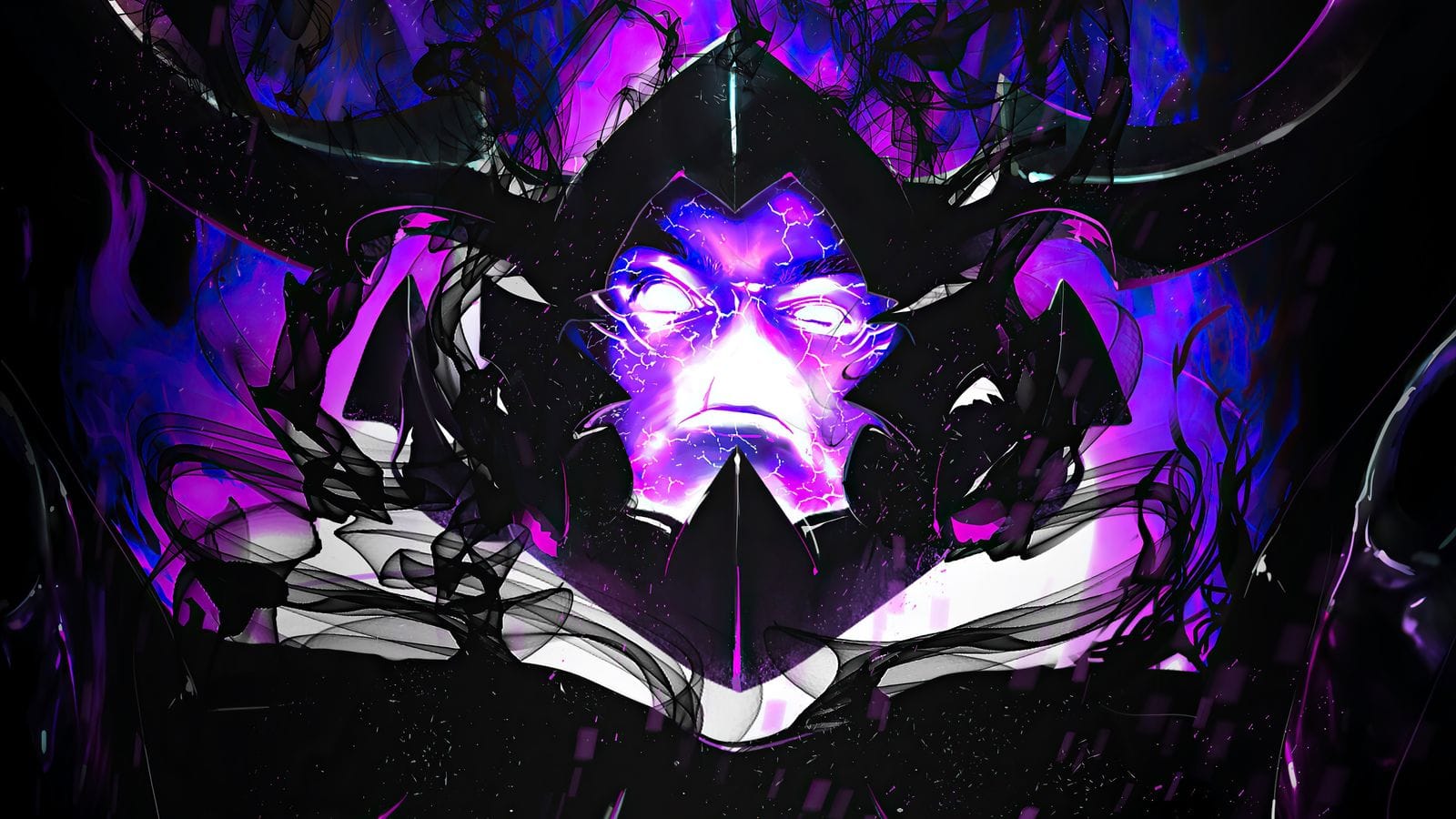
Third: the aesthetics are genuinely elite. The shadow aesthetic — black tendrils, glowing purple eyes, an army of darkness loyal to one quiet man — is visually distinctive in a genre where most power systems blur together after a season or two. A-1 Pictures knew what they had and animated it accordingly. The Monarch awakening sequences in Season 2 are among the best-produced anime moments of 2026 by any metric. Looking good on screen amplifies emotional investment; it doesn’t replace it, but it absolutely enhances it.
Fourth: Sung Jin-Woo rewards long-term fans. The manhwa readers who followed the series from its early web novel days were not just patient — they were right. Every payoff the story promised eventually delivered. When the anime caught up to those moments, the community reaction wasn’t “that was fine,” it was complete detonation. That sense of a story that actually follows through on its promises, that actually earns its climaxes — it builds a loyalty in audiences that no amount of marketing can manufacture.
Finally, consider what Sung Jin-Woo’s story actually says. Not the surface message — “work hard and you’ll succeed” — but the deeper one: that the most important reason to become strong is so that no one you love ever has to suffer for your weakness. That’s not empty shonen philosophy. That’s something people carry into adulthood. Sung Jin-Woo became one of the defining Solo Leveling figures not because he’s the most powerful character in anime, but because the reason he chose to be that powerful still feels completely, painfully human.
According to MyAnimeList, Solo Leveling consistently ranks among the highest-scored action anime of its era — a reflection of not just the fandom’s passion, but the quality of the storytelling underneath the spectacle. Sung Jin-Woo is the reason that score holds up on rewatch.
You Might Also Enjoy
If this Sung Jin-Woo character analysis hit the spot, these are worth your time next:
- Solo Leveling Season 2: Sung Jin-Woo’s New Powers & The Monarchs War Explained — The full breakdown of his Season 2 arc and every new ability revealed in the Monarchs War
- Solo Leveling Season 1 Review — Where it all began and how A-1 Pictures handled the origin arc
- Itachi Uchiha: The Complete Character Analysis — Another protagonist whose true depth only becomes clear once the full picture is visible
- Eren Yeager: From Boy to Monster — The other great “transformation protagonist” debate of modern anime
- Best Isekai Anime of 2026 Ranked — Where Solo Leveling stands among the year’s strongest entries