The Premise and the Patience It Demands
If you dropped into a Steins Gate review looking for instant validation of this show’s reputation, here’s your first data point: the first eight episodes are deliberately, almost stubbornly slow. That’s not a bug. It’s the entire architecture. Steins;Gate, the 2011 anime adaptation of 5pb. and Nitroplus’s visual novel, opens in Akihabara with Okabe Rintaro — self-styled mad scientist and founder of the “Future Gadget Laboratory” — ranting about a conspiracy that nobody around him takes seriously. He’s eccentric, loud, and possibly unhinged. His lab is a cramped apartment above a CRT shop. His inventions mostly don’t work. The first few episodes feel like a slice-of-life comedy set inside a particularly nerdy group chat.

But this slowness is load-bearing. Every throwaway joke, every character quirk, every seemingly irrelevant conversation in those early episodes is a brick being placed in a wall you can’t see yet. The show is building its world at the precise speed it needs to in order to make what comes later land with maximum force. Director Hiroshi Hamasaki understood that you can’t shortcut emotional investment. You have to earn it the hard way — by making viewers genuinely care about these people before you start tearing their world apart.
The central hook arrives gradually: Okabe discovers that a modified microwave oven can send text messages to the past. Small changes at first. A text here, a shifted memory there. The device, christened the “Phone Microwave (name subject to change),” becomes the axis around which the entire story rotates. What begins as giddy experimentation — sending lottery results back, trying to win big, reshuffling small moments — curdles into something far darker once the gang realizes the implications of what they’ve built. The premise of Steins;Gate is deceptively simple: what happens when a bunch of otaku accidentally invent time travel? The answer is devastating.
The visual novel adaptation is remarkably faithful, and it shows. The storytelling has the layered, branching quality of a game where every dialogue choice matters — because in the source material, it did. Characters feel like complete people rather than archetypes because the writers had hundreds of thousands of words of source material to pull from. Mayuri Shiina, Okabe’s childhood friend, seems like comic relief at first. She makes cosplay, says “tutturu,” and worries about everyone. She is also the moral center of the entire story. Itaru “Daru” Hashida cracks embarrassing jokes and eats too much. He is also the most technically competent person in the room and arguably the character with the most quietly affecting subplot. Nothing in these early episodes is wasted.
The Time Travel Mechanics: Actually Coherent, Actually Scary
Time travel anime lives or dies by its internal logic. Too loose and you lose tension — characters can just undo anything. Too rigid and you lose narrative flexibility. Steins;Gate threads this needle better than almost any sci-fi property in any medium, animated or otherwise. The show builds its mechanics out of real theoretical physics — specifically John Titor’s internet mythology and theories about divergence values and attractor fields — and uses them to construct a time travel system that is both coherent and genuinely terrifying.
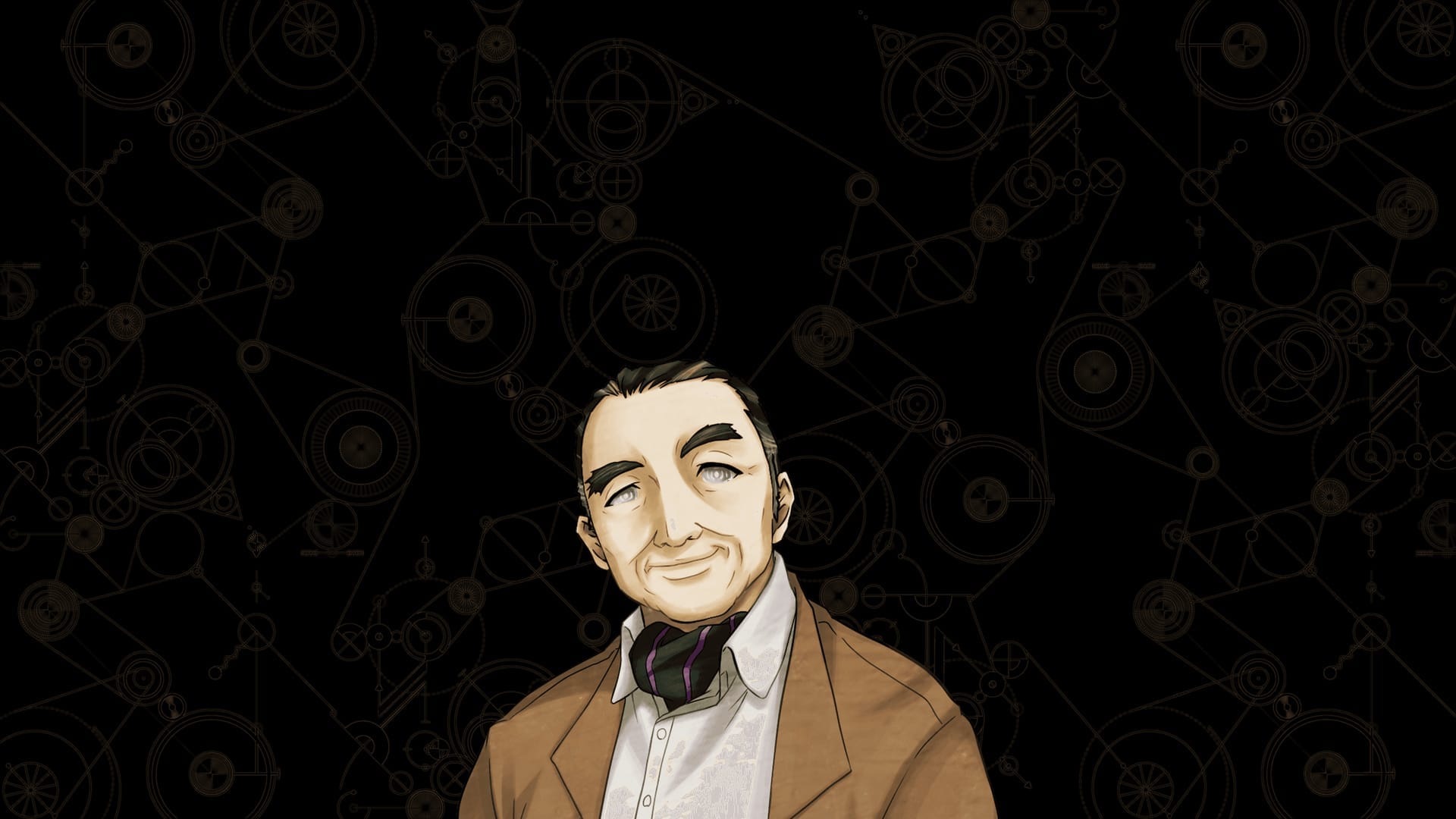
The key concept is the divergence meter: a value expressed as a percentage that represents how far a given timeline has diverged from a baseline. The “attractor field” theory holds that history has gravity — certain events will happen regardless of small interventions, because causality bends back toward fixed points. This single mechanic transforms the show’s mid-section from hopeful to horrifying. Okabe and his friends realize that no matter how many D-mails they send, no matter how many small changes they make, certain outcomes keep reasserting themselves. The universe, it turns out, doesn’t negotiate.
The show introduces a second, more visceral form of time travel roughly at the midpoint: “Leap,” which allows Okabe to transfer his consciousness into a past version of himself. Unlike D-mails, which change history from the outside, Leap puts Okabe directly into the past, watching himself, watching everyone around him, knowing what’s coming. It’s an extraordinary narrative device because it weaponizes dramatic irony. We’ve already lived through these scenes once. Now we watch Okabe — and through him, the audience — experience them again with full knowledge of what each moment means. A throwaway joke becomes a eulogy. A goodbye becomes unbearable.
What makes the Steins;Gate time travel mechanics genuinely impressive is their consistency. The show never cheats. Every rule it establishes, it honors. Every paradox it sets up, it resolves. The solution to the central time loop, when it finally arrives, is hidden in plain sight from the beginning — and when it clicks into place, it feels like the most inevitable thing in the world. For a genre that frequently waves its hands at its own logic, Steins;Gate treats its science fiction premises with the respect of actual science fiction literature. This is a show that read the Heinlein and the Clarke and thought carefully about what it wanted to say about causality and choice and the price of knowledge.
Okabe Rintaro: The Weight of Knowing
Okabe Rintaro is one of the great anime protagonists, and the reason is counterintuitive: he starts as someone you’re not entirely sure you like. His “Hououin Kyouma” persona — the self-aggrandizing mad scientist routine, the dramatic phone calls to no one, the declarations about the “Organization” — reads as affectation at best and delusion at worst. He’s performing a character he invented for himself, and the performance is exhausting for the people around him. That’s intentional. The performance is armor. Understanding why he needs that armor is the spine of his entire arc.
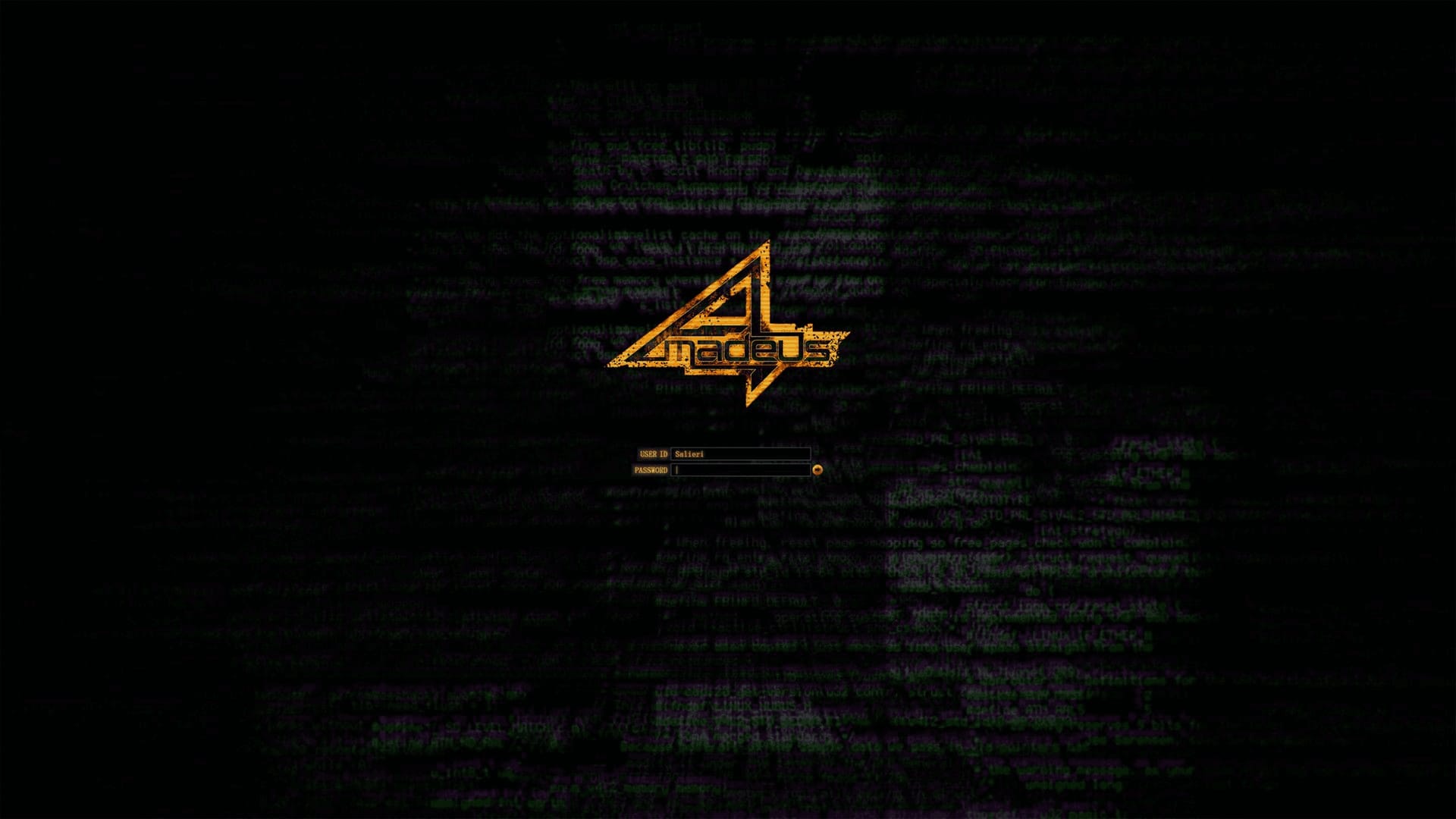
When the show pivots from comedy to tragedy, Okabe becomes the vessel through which Steins;Gate explores something genuinely painful: the experience of being the only person who remembers. Every time he leaps, everyone he cares about has no memory of the timeline he just left. They haven’t lost anything. He has lost everything — and he has to watch them be happy in their ignorance while he carries the weight of every version of events he’s already lived. The show gives this a clinical name (Reading Steiner — his ability to retain memories across timeline jumps) but the experience it depicts is something closer to grief.
The writers make a crucial choice around episode 12 that recontextualizes everything that came before. I won’t spoil it here for those coming to this Steins Gate review fresh, but the pivot point transforms the show’s genre entirely. What was a quirky sci-fi comedy becomes a desperate, agonizing survival story — and Okabe’s response to that transformation is the performance of a lifetime for voice actor Mamoru Miyano. The shift in how Miyano plays Okabe before and after the midpoint is the kind of acting that makes you forget you’re watching animation. The character goes from theatrical to shattered in a single scene, and you believe every second of it.
Okabe’s arc is ultimately about the cost of caring. His “Hououin Kyouma” persona was never really about delusion — it was about keeping people at arm’s length while still keeping them close. The tragedy of the story forces him to confront how much he actually loves these people, and forces him to act on that love in ways that cost him enormously. By the end of Steins;Gate, Okabe Rintaro has earned his place among anime’s most fully realized characters — not because of what he does, but because of what it costs him to do it, and because we were there for all of it.
The Emotional Payoff: A Show That Earns Every Tear
Steins;Gate doesn’t manipulate you into feeling things. It constructs the exact circumstances required for feeling things and then steps back and lets them happen. There’s a meaningful difference, and it matters enormously. Lesser shows shortcut emotional payoff with swelling music and close-ups of tears. Steins;Gate does the hard work of building genuine attachment — to Mayuri’s quiet warmth, to Kurisu’s prickly intelligence, to the specific texture of the lab’s cramped happiness — and then it puts those things in danger with surgical precision.

The middle episodes of Steins;Gate constitute one of the most sustained emotional gauntlets in anime. Okabe is trapped in a time loop, trying to find a path through an attractor field that keeps snapping back to the same terrible outcome, and each failed attempt requires him to undo a change that gave someone in the lab something meaningful. One episode requires him to undo a change that gave Ruka Urushibara a different life. Another asks him to betray Faris NyanNyan’s trust in a way that seems petty until you understand what he’s taking back. Each rollback costs something real. The audience feels it because the show has made us feel the worth of what’s being lost.
The relationship between Okabe and Kurisu Makise is the emotional heart of the series, and it’s handled with a delicacy that most romance anime can’t achieve. They antagonize each other. They respect each other. They fall in love in the margins of conversations about time theory and in the spaces between arguments, without either of them ever quite saying so directly. The show understands that the most affecting romances are the ones where the audience is acutely aware of what the characters feel before the characters are. By the time the story requires them to reckon with what they mean to each other, the audience is already devastated on their behalf.
The final arc resolves with one of the most ingeniously constructed payoffs in the genre. The solution to Steins;Gate’s central tragedy requires Okabe to do something that is simultaneously practical and heartbreaking — a loop that folds back on itself in a way that makes the ending feel inevitable and earned rather than convenient. And then, in the last minutes, the show allows itself a moment of grace that hits with the force of everything that preceded it. If you watched those early episodes wondering whether the slow build was worth it: yes. Unconditionally yes.
Steins;Gate 0: The Road Not Taken
Steins;Gate 0 occupies a strange position in the franchise’s legacy. A sequel that’s also a midquel — set in an alternate timeline where Okabe failed to save Kurisu and gave up — it’s darker, messier, and more structurally complex than its predecessor. It’s also, in its best moments, just as affecting. Understanding it requires a different set of expectations, and approaching it without those expectations is the reason many viewers bounce off it.
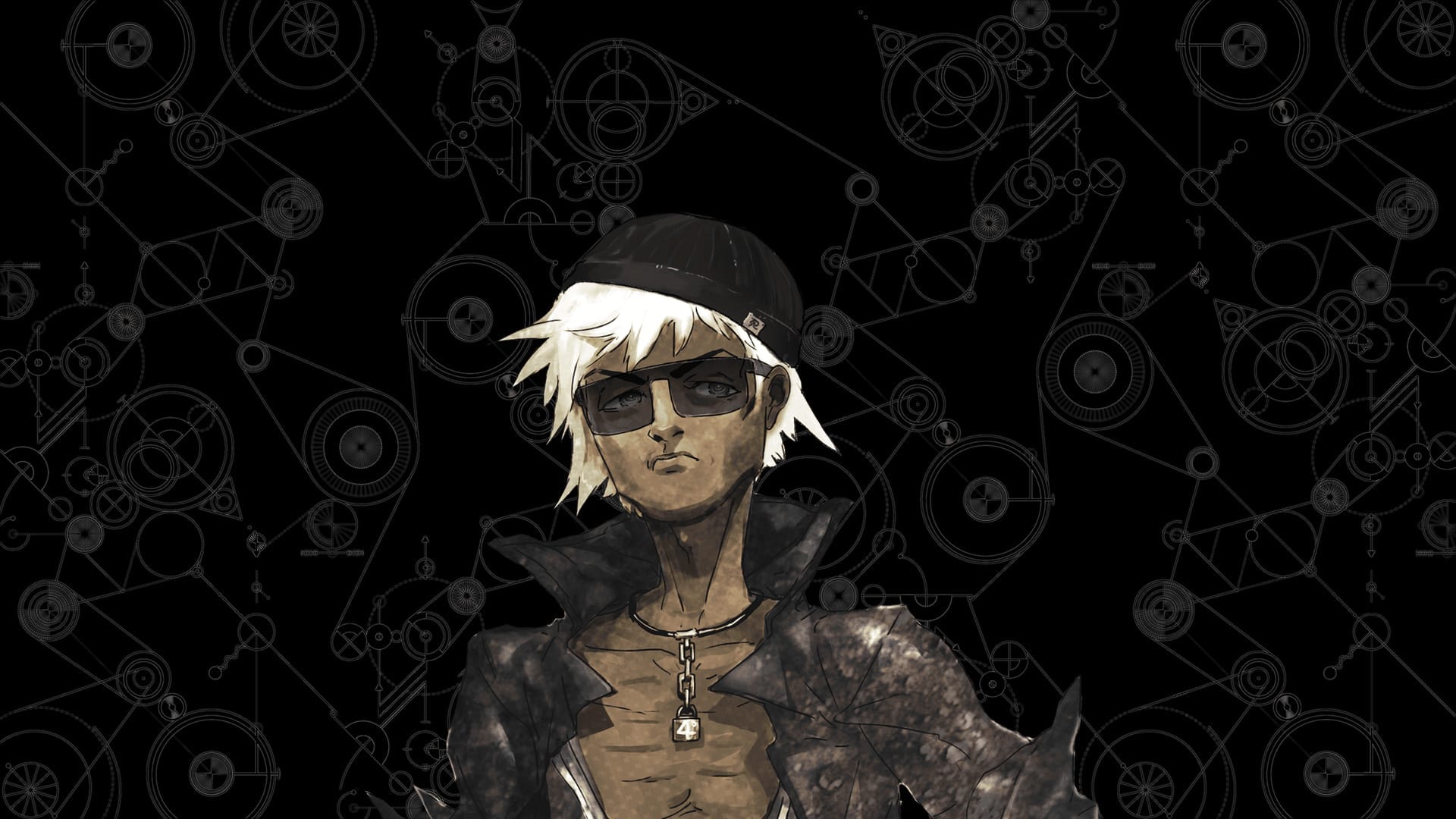
The 0 timeline’s Okabe is a genuinely new character study. He’s abandoned the Hououin Kyouma persona entirely, trying to become a normal person, suppressing the memories of the timelines he’s abandoned. The show introduces Amadeus — an AI built from Kurisu’s memories — as both a plot device and an ethical minefield. Okabe interacting with an AI that speaks and thinks like the person he loved and lost is excruciating in exactly the way the show intends. It asks hard questions about consciousness and identity and grief that the original series didn’t have time for.
Steins;Gate 0 is more fragmented than its predecessor. Its plotting is deliberately obscure in places, and it requires patience that even fans of the original’s slow burn might find challenging. But it rewards close attention. The glimpses of the dystopian future war that frames the entire Steins;Gate mythology add genuine weight to what would otherwise be abstract stakes. And the moments where 0 connects back to the original series — when you start to see how these events led to the Okabe who could attempt the “Operation Skuld” ending — are some of the most satisfying puzzle-piece moments in sequel storytelling.
Is Steins;Gate 0 essential? Yes, if you want the complete picture. Is it as good as the original? No — few things are. Think of it as the flipside of a record: not the A-side, but something you’d miss if you never flipped it over.
Why Steins;Gate Is the Best Sci-Fi Anime Ever Made
The “best ever” claim invites argument, and that’s fine. Steins;Gate earns the argument. As a sci-fi anime, it does something rare: it uses its genre mechanics not as window dressing but as the actual substance of its emotional storytelling. The time travel isn’t a cool backdrop for character drama — it IS the character drama. The rules of how time travel works in this world directly generate the moral and emotional dilemmas that define every character’s arc. That integration is what separates genuine science fiction from science fiction aesthetics.
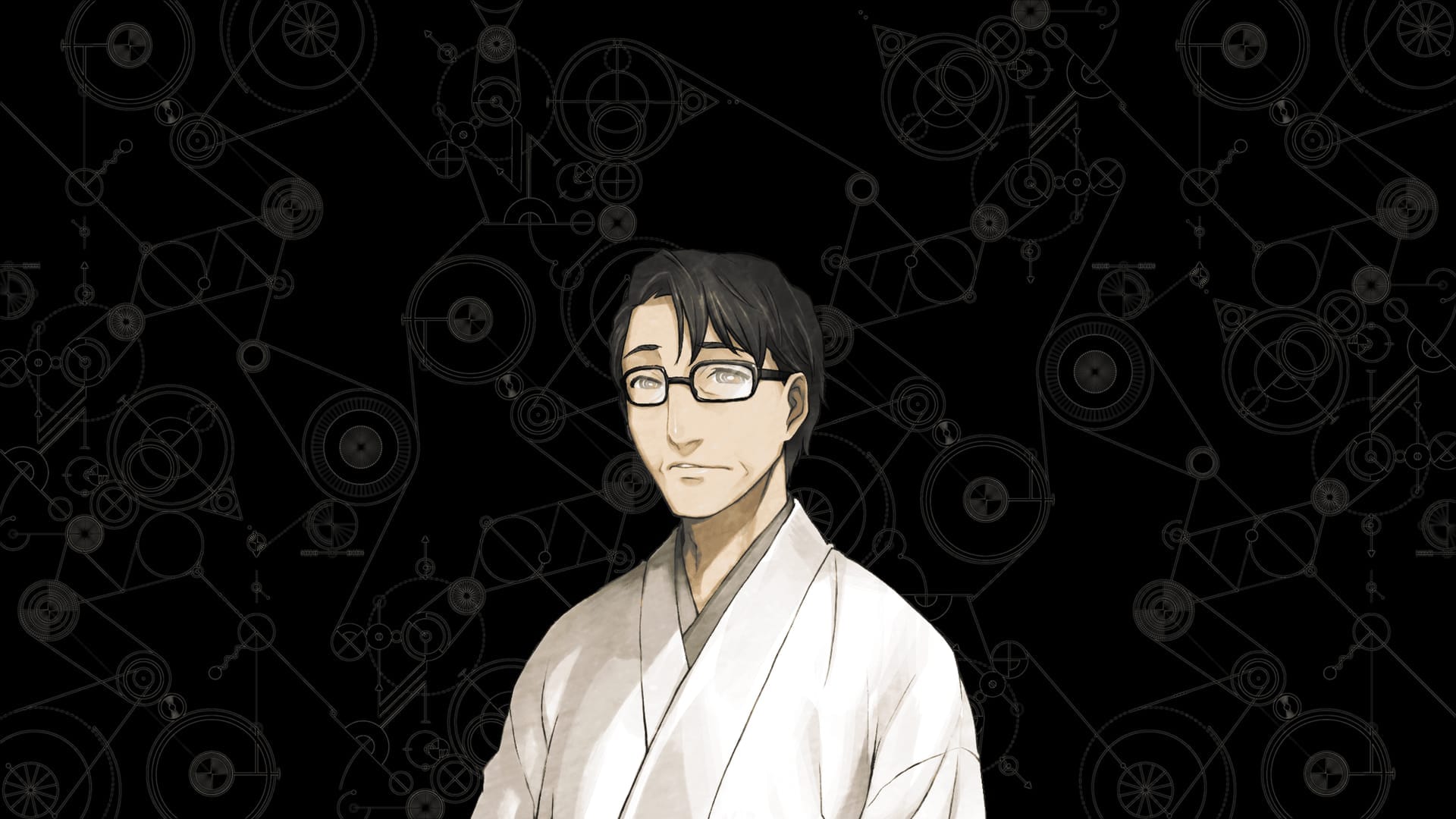
Compare it to other acclaimed sci-fi anime and the distinction becomes clear. Neon Genesis Evangelion is about psychology and despair, with mecha as metaphor. Ghost in the Shell is philosophy rendered as thriller. Fullmetal Alchemist: Brotherhood uses fantasy alchemy as a framework for a story about consequence and redemption. These are all genuine works of science fiction, and all are legitimate candidates for the best in the genre. But Steins;Gate is unique in how completely its specific sci-fi mechanics and its specific emotional story are unified. Remove the time travel and there is no story. The mechanics ARE the story.
It also clears a bar that many ambitious anime fail: it sticks the landing. The resolution of Steins;Gate’s central conflict is coherent, emotionally satisfying, and internally consistent with every rule the show established. It doesn’t require you to forgive a betrayal of its own logic. It doesn’t leave its emotional threads dangling. It ends, completely, in a way that honors what came before it. In a medium where endings are notoriously difficult — where many beloved series famously collapse under the weight of their own setup — Steins;Gate’s final episodes are a lesson in how to close a story properly.
The visual novel adaptation also brought something to anime that the medium needed: genuine puzzle-box plotting that trusts its audience completely. Steins;Gate never explains more than it needs to. It assumes you’re paying attention. It assumes you remember things from ten episodes ago. It assumes you’re smart enough to sit with uncertainty until the show is ready to resolve it. That trust is reciprocal — when the show asks you to invest, it promises it will pay off, and it keeps that promise.
Verdict: Watch It, Then Watch It Again
A definitive Steins Gate review has to grapple with what makes the show different on a second viewing. Because Steins;Gate is one of the rare anime that rewards rewatch in a specific and structural way: when you know what’s coming, the early episodes transform. Jokes that seemed like throwaway gags become foreshadowing. Character moments that seemed incidental reveal themselves as the emotional infrastructure for everything the show later builds. The slow burn doesn’t just make sense in retrospect — it becomes beautiful in retrospect, because you can see the craftsmanship that was invisible on first watch.
White Fox’s production holds up. The Akihabara setting is rendered with a loving specificity that makes it feel like a real place rather than an anime backdrop — you could navigate the neighborhood from this show’s geography. Takeshi Abo’s score is one of anime’s great soundtracks: Kanako Itou’s “Hacking to the Gate” is an OP that gets better every episode as you understand what the lyrics mean, and the instrumental tracks thread through the series with the precision of a composer who understood exactly what each scene needed emotionally.
The voice cast is extraordinary across the board. Miyano Mamoru’s Okabe is a career-best performance in a career full of strong work. Asami Imai’s Kurisu captures the character’s defensive prickliness and hidden warmth with perfect calibration. Kana Hanazawa brings Mayuri to life with a guilelessness that never tips into saccharine — you believe in Mayuri’s gentleness because it never feels performed.
Who is Steins;Gate for? Anyone who has patience for a story that takes its time and rewards that patience exponentially. Anyone who finds most anime time travel frustratingly vague and wants something that actually thinks through its logic. Anyone who wants to be genuinely moved by a show that takes its characters seriously enough to put them through something real. Anyone who has ever wondered whether the slow builds are ever worth it — and wants proof that they can be.
Steins;Gate is a masterpiece. It earns that word the hard way, through two cours of careful construction and the courage to trust its audience through all of it. If you haven’t watched it, clear your schedule. If you have, you already know. El Psy Kongroo.
Score: 10/10 — One of the finest pieces of science fiction storytelling in any medium.
You Might Also Enjoy
- Re:Zero – Starting Life in Another World Review: When Isekai Gets Brutal
- Erased (Boku dake ga Inai Machi) Review: The Crime Thriller That Broke Everyone
- Vivy: Fluorite Eye’s Song Review: The Hidden Gem Sci-Fi Anime You Missed
- Fullmetal Alchemist: Brotherhood Review: The Gold Standard of Shonen
- Neon Genesis Evangelion Review: Still the Most Discussed Anime Ever Made