Two seasons. Twelve months apart. Dozens of heavy hitters. And one question that’s been tearing anime Twitter apart since the Winter 2026 simulcasts wrapped: did Spring 2026 actually top it, or did Winter hold the crown? We’re settling this once and for all — category by category, show by show, hype point by hype point. Buckle up.
Before anyone comes at us in the comments — yes, we watched everything. Yes, we have opinions. No, we’re not sorry. This is the most stacked back-to-back stretch of anime seasons in recent memory, and it deserves a proper breakdown.
The Lineups: What Each Season Brought to the Table
Let’s set the stage. Both seasons had serious firepower, but the rosters look very different when you line them up side by side.
Winter 2026 came out swinging with continuations fans had been begging for. Solo Leveling Season 2 picked up right where the first cour left off — Sung Jinwoo leveling up past anything we thought was possible. Dandadan returned with its chaotic, genre-bending energy fully intact. And Sakamoto Days exploded out of nowhere to become a genuine mainstream hit, with Taro Sakamoto’s retired-assassin action sequences earning comparisons to peak-era Spy x Family meets Jujutsu Kaisen. Winter wasn’t just good — it was the kind of season that reminded people why they got into anime in the first place.
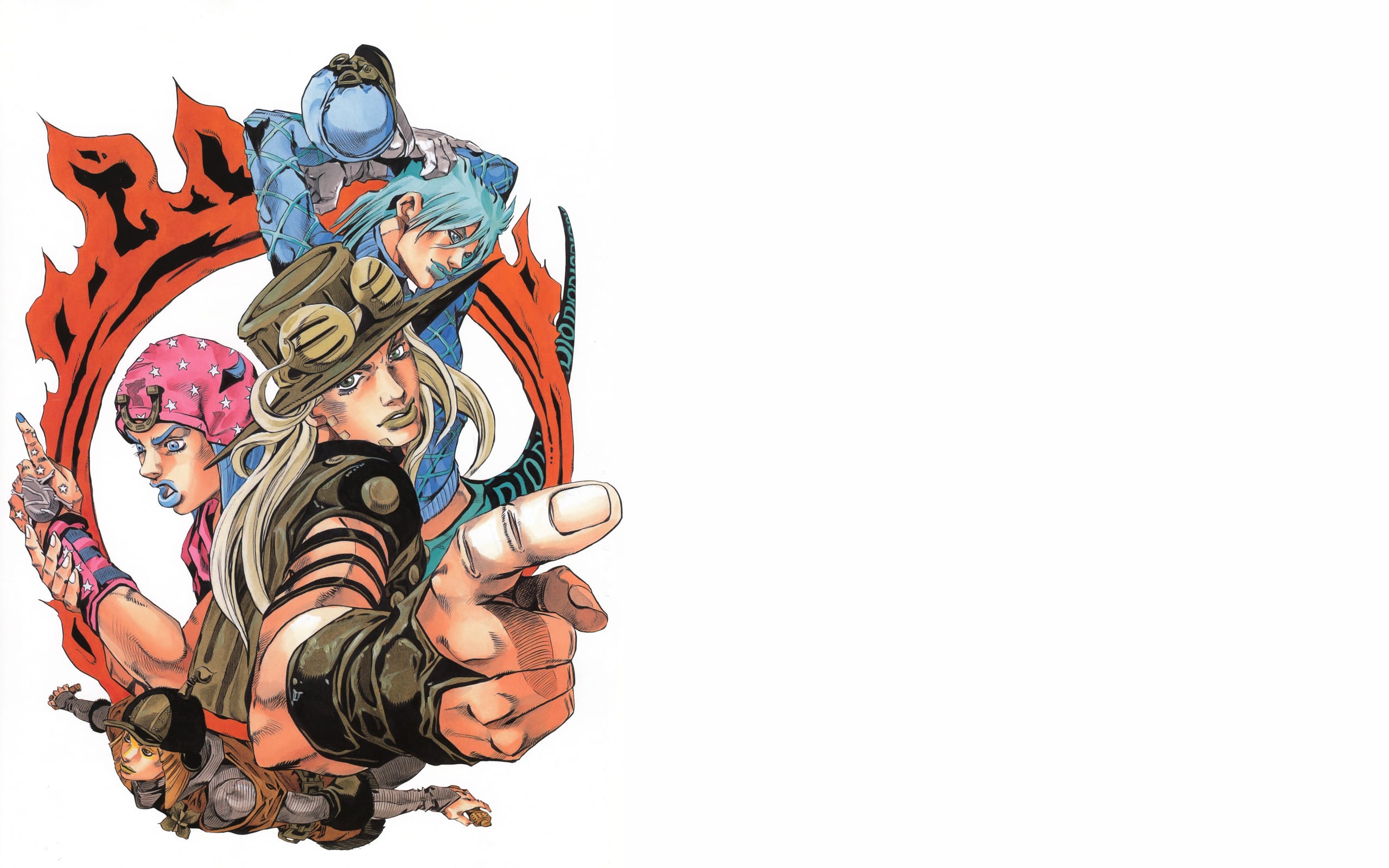
Spring 2026 answered with arguably the most anticipated lineup in years. Re:Zero Season 3 finally — finally — brought the Sacred Vollachian Empire arc to screens. Bleach: Thousand-Year Blood War Season 4 continued its streak of being the best-looking shonen on television. Steel Ball Run (yes, really) launched to the kind of reception JoJo fans had been dreaming of for a decade. And That Time I Got Reincarnated as a Slime Season 4 rolled in to clean up the isekai bracket.
On paper? Spring looks like the heavier hitter. But paper and reality don’t always agree. Winter 2026’s best shows punched well above their weight.
Sheer Hype Factor: Which Season Had the Louder Room
Hype isn’t everything. But it’s something — and it tells you a lot about what people actually cared about watching in real time.
Winter 2026 built its hype from momentum. Solo Leveling Season 2’s premiere broke Crunchyroll’s trending records for the third consecutive cour. Every new Dandadan episode was a Twitter event, with fans dissecting the mythology references and shipping wars running at full volume. Sakamoto Days was the breakout — the show that turned non-readers into manga buyers overnight. The Winter hype was loud, constant, and community-driven in a way that felt genuinely grassroots.
Spring 2026 had a different kind of hype: the unstoppable-freight-train kind. Steel Ball Run alone had been one of anime’s most-requested adaptations for over a decade. The trailer views, the pre-season Reddit threads, the “is the animation studio up to it?” discourse — it was a months-long event before episode one even aired. Re:Zero S3’s premiere was appointment viewing for hundreds of thousands of fans who’d been sitting on the source material for years. Bleach TYBW continued to quietly be one of the best-produced shows airing, full stop.
Edge: Spring 2026. Steel Ball Run discourse alone could fill a season. But Winter had the better grassroots energy, which counts for something.
Animation Quality: Who Actually Delivered Visually
This is where things get spicy, because both seasons had genuinely exceptional production work — but for very different reasons.
Winter’s crown jewel was Dandadan, which featured some of the most inventive visual direction of the entire year. The studio leaned into the manga’s chaotic panel layouts and translated them into kinetic, almost dizzyingly creative sequences. Sakamoto Days also deserves mention — the fight choreography was fluid in a way that surprised everyone who came in expecting a mid-tier action comedy. Solo Leveling’s production remained consistently clean and high-budget, though some felt the animation peaked in Season 1’s later episodes.
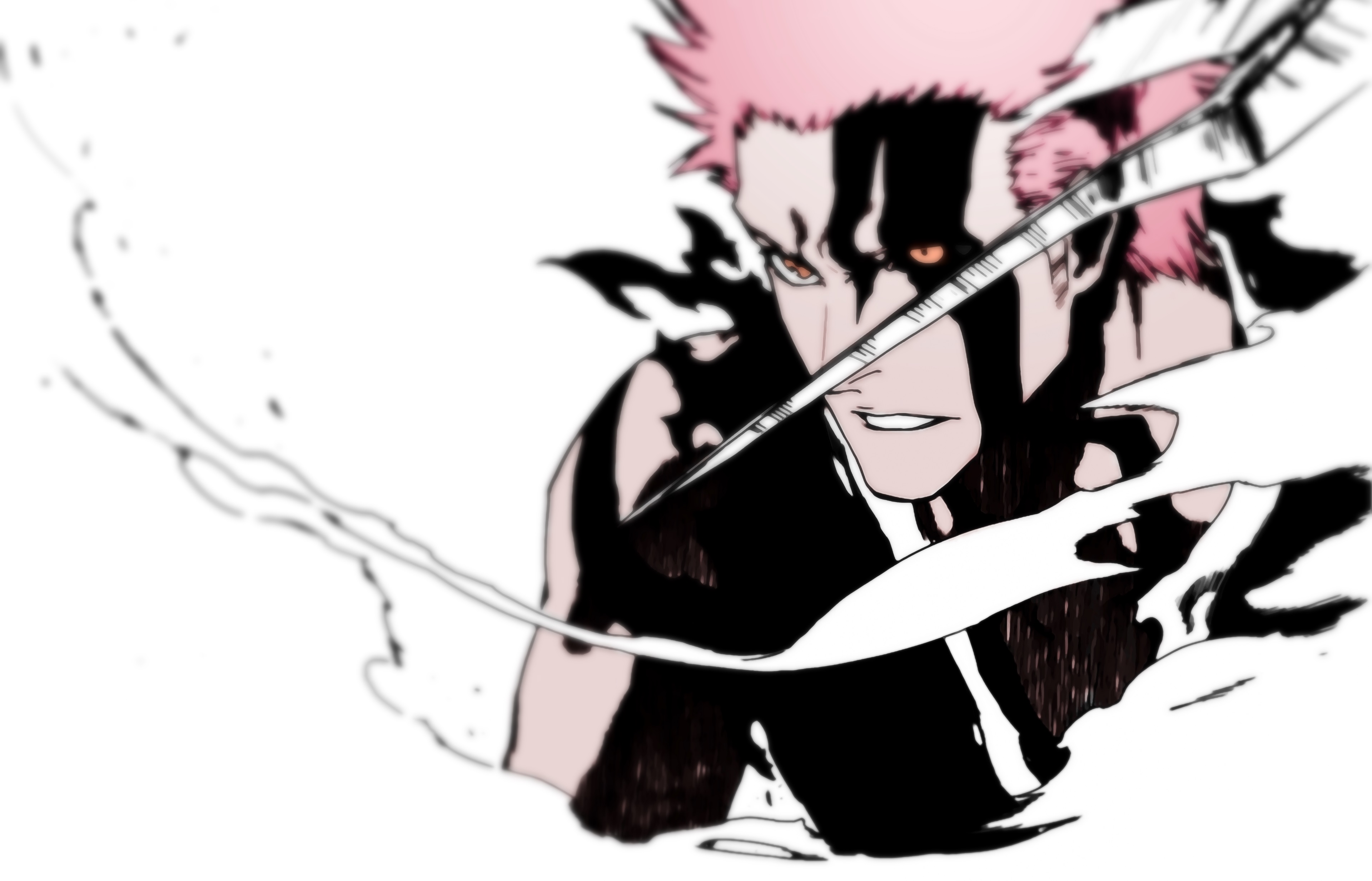
Spring countered with Bleach TYBW, which has been operating as something close to a flex for its production house since Season 1. Every major fight is a statement. The particle effects, the lighting work, the way it handles fast cuts — it’s almost unfair how good it looks on a season-to-season basis. Steel Ball Run’s premiere got the treatment fans hoped for: the JoJo aesthetic rendered in a way that felt cinematic rather than serialized. Re:Zero’s visual upgrade from S2 was also notable — the Vollachian Empire arc has a grittier color palette that suits the source material well.
Edge: Spring 2026. When Bleach TYBW and Steel Ball Run are both in their primes, it’s hard to beat. But Dandadan remains one of the most visually creative shows of either season.
Story and Writing: Depth, Drama, and Staying Power
Animation fades from memory. Story is what you’re still talking about two years later. So — which season gave us better narrative goods?
Winter 2026’s strongest story achievement was arguably Sakamoto Days. What could have coasted as a dumb-fun action romp instead built out a surprisingly layered world with genuine stakes. The flashback sequences revealing Sakamoto’s past hit harder than anticipated, and the pacing was tight in a way that shonen adaptations often struggle with. Dandadan’s emotional core — awkward teenage love at the center of supernatural chaos — remained strong, though some felt the second season lost a little of the first’s structural cohesion. Solo Leveling continued to be exactly what it always was: peak power fantasy, narratively unambitious but enormously satisfying in its lane.
Spring’s writing was more uneven but hit higher highs. Re:Zero S3 delivered the Vollachian political intrigue that novel readers had been anticipating for years — and it’s genuinely complex, morally murky stuff that rewards attention. Subaru’s arc in this cour is some of the character’s best writing across the entire series. Steel Ball Run is — and this is not hyperbole — one of the greatest manga storylines ever written, and the adaptation did it justice in the opening episodes. Slime S4 remained reliable isekai comfort viewing; well-constructed, if not particularly daring. Bleach TYBW’s storytelling remains more about spectacle than nuance, but the Quincy lore payoffs landed.
Edge: Spring 2026. Re:Zero S3 and Steel Ball Run provide genuine narrative depth that’s hard to match. Though Winter’s Sakamoto Days writing deserves more credit than it gets.
Breakout Moments: The Scenes That Broke the Internet
Every great season has its moments — the episode ends you screamed at, the fight sequences that got clipped ten thousand times, the plot twists that sent Reddit into meltdown. Let’s score by those.
Winter 2026’s best moments:
- Sakamoto’s full-speed highway fight in episode 6 — immediate “scene of the year” contender conversations
- Solo Leveling’s Sung Jinwoo summoning the Shadow Army in the mid-season battle — exactly as hype as advertised
- Dandadan episode 8’s emotional gut-punch, which genuinely caught the fanbase off-guard given the show’s usual tone
Spring 2026’s best moments:
- Steel Ball Run episode 3’s opening race sequence — the kind of anime moment that makes non-fans stop scrolling and ask “what is this”
- Bleach TYBW’s Yhwach confrontation in the late cour — production values so high it felt like watching a feature film
- Re:Zero S3 episode 9, which we won’t spoil except to say: Emilia fans had a very bad/excellent time
Both seasons delivered legitimately iconic moments. But Steel Ball Run’s debut and Bleach TYBW’s late-cour fireworks had a scale that Winter couldn’t quite match.
Edge: Spring 2026. Narrowly. Sakamoto’s highway fight would be scene of the year in almost any other season.
Isekai Bracket and Genre Diversity
One thing worth noting: Winter 2026 had broader genre diversity. You had supernatural horror-comedy (Dandadan), political thriller-adjacent shonen (Sakamoto Days), and portal fantasy action (Solo Leveling). No single genre dominated.
Spring 2026 was heavier on legacy shonen and isekai. That’s not a complaint — when the shonen and isekai on offer are Bleach TYBW, Steel Ball Run, Re:Zero, and Slime, you’re not exactly slumming it. But viewers who prefer variety in their seasonal diet may have found Winter more satisfying as a complete package.
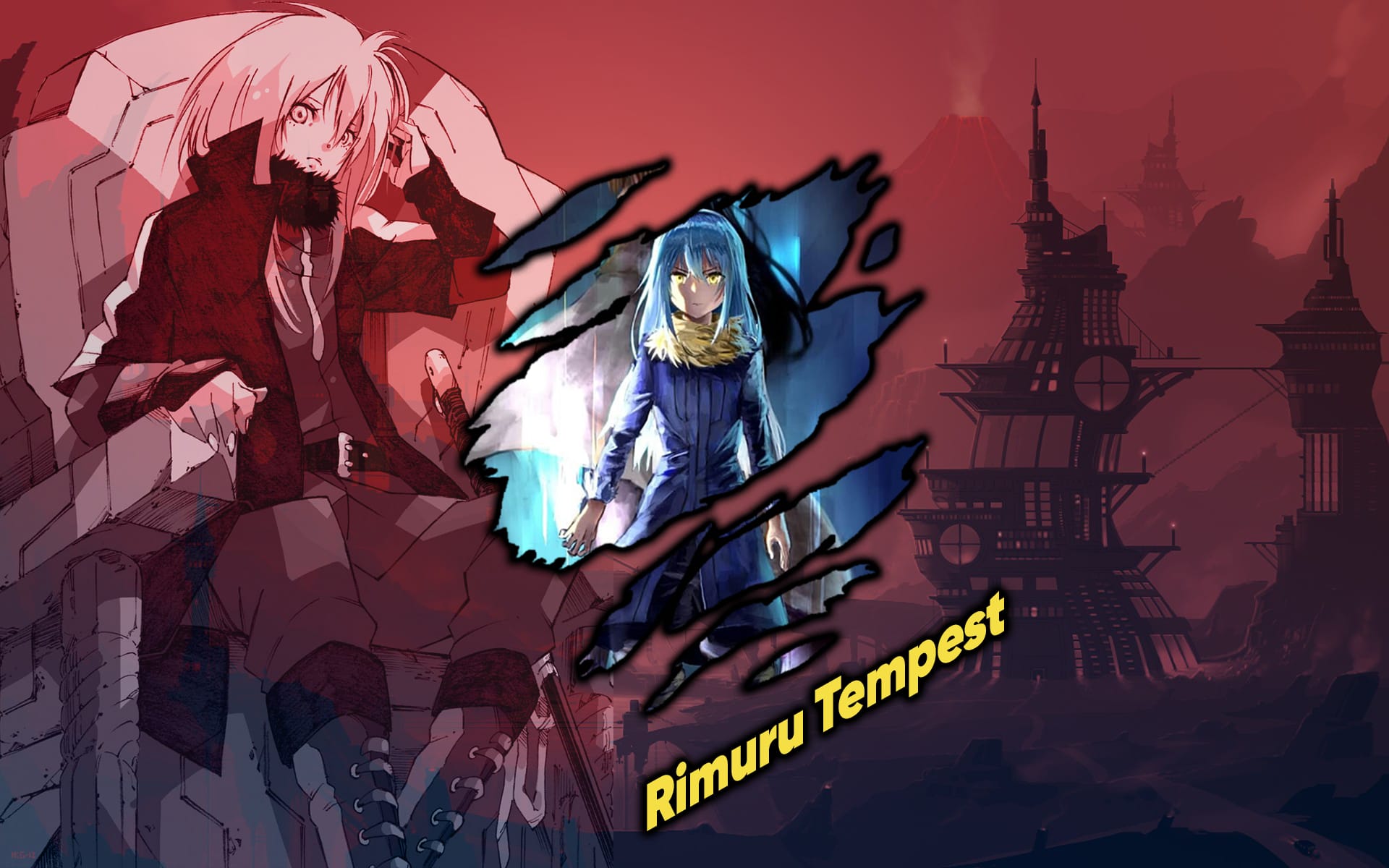
Slime S4 continued to be the best-in-class isekai production — Rimuru’s political maneuvering in the later arcs is genuinely interesting, and the show has always had better world-building than its premise suggests. It won’t pull in casual viewers the way Solo Leveling does, but the fanbase is deeply loyal for good reason.
For a full breakdown of what Spring brought across all genres, the Spring 2026 ranked hype list has every major show covered.
Edge: Winter 2026. Genre diversity matters, and Winter had it.
Rewatchability and Long-Term Legacy
Here’s a question that matters more than real-time hype: five years from now, which season are people still going back to?
Solo Leveling is enormously rewatchable in the same way action blockbusters are — you know what you’re getting, it’s fun every time, and it’s a great entry point for getting non-anime friends into the medium. Dandadan will be a cult classic; the kind of show that gets rediscovered by new viewers every few years and sparks the same “why isn’t everyone talking about this?” energy. Sakamoto Days has genuine staying power if it maintains its quality trajectory.
Steel Ball Run has a ceiling that almost no other show in Spring can match — if the adaptation holds its quality, it has a legitimate shot at being discussed alongside the all-time greats. Re:Zero S3 rewards rewatches in the way that complex political dramas always do; you notice things the second time. Bleach TYBW is already being talked about as one of the best anime redemption stories in franchise history.
Honest take: Spring 2026 has more potential legacy entries. Steel Ball Run and Re:Zero S3 both have the depth to sustain long-term discussion. But Winter punched harder than expected on this metric — Sakamoto Days in particular feels like a show people will be recommending for years.
For deeper takes on how these seasons compare to anime history, MyAnimeList’s seasonal rankings have been tracking the community consensus in real time.
Edge: Spring 2026. Steel Ball Run alone tips the scales.
The Verdict: Which Season Actually Wins?
Alright. Scorecard time.
| Category | Winter 2026 | Spring 2026 |
|---|---|---|
| Hype Factor | — | ✓ |
| Animation Quality | — | ✓ |
| Story & Writing | — | ✓ |
| Breakout Moments | — | ✓ |
| Genre Diversity | ✓ | — |
| Long-Term Legacy | — | ✓ |
Spring 2026 wins. 5-1.
But here’s the thing — that scoreline flatters Spring a little. Several of those categories were decided by the thinnest of margins. Winter 2026 was a genuinely exceptional season that would have dominated almost any other year. Sakamoto Days was the surprise of the decade. Dandadan was appointment viewing every week. Solo Leveling delivered exactly what its fanbase came for, at consistent quality.
Spring 2026 wins because Steel Ball Run and Re:Zero S3 are simply operating at a different tier of source material depth, and Bleach TYBW’s production is in a class by itself. When those three are all firing at once, it’s almost impossible to compete with.
But Winter? Winter deserves flowers. Don’t let the final score make you sleep on what it delivered.
Final call: 🏆 Spring 2026 — but Winter 2026 was the better underdog story, and if you skipped any of Sakamoto Days or Dandadan, fix that immediately.