Spring 2026 isn’t just a stacked season — it’s a stress test for some of the most important studios in the industry. We’re talking about eight major titles from seven different animation houses, several of which are carrying franchises with massive fandoms and even bigger expectations. Re:Zero. Slime. Bleach. JoJo. Hell’s Paradise. If even two of these land the way they should, Spring 2026 goes down as one of the defining seasons of the decade.
But “who’s making what” matters more than most casual fans realize. A great source material in the wrong hands is still a disaster. A mid story elevated by the right studio becomes a cultural moment. So before the season drops, let’s break down every major studio in the mix, their history, their track record, and exactly what they’re bringing to Spring 2026. Check out our full Spring 2026 anime season complete guide if you want the exhaustive episode-by-episode breakdown — this piece is specifically about the studios behind the curtain.
White Fox — Re:Zero Season 3: The Studio That Built a Masterpiece Once, and Has to Do It Again
White Fox has an unusual position in the anime scene: they’re not prolific, but when they show up, they tend to show up hard. Founded in 2007 by ex-Satelight staff, the studio built its name on Steins;Gate, one of the most revered visual novel adaptations ever produced. That series set a standard for how you handle dense, emotionally complex source material without losing the thread — a lesson White Fox clearly internalized.
Then came Re:Zero. When the first season dropped in 2016, it broke the internet in the best possible way. The Return by Death mechanic paired with Subaru’s genuinely flawed psychology created something TV anime almost never delivers: a protagonist you simultaneously root for and cringe at. White Fox’s direction made that complexity land. The pacing in Season 1 was surgical. Season 2 — split across 2020 and 2021 — doubled down on psychological horror and delivered the Sanctuary arc in full, which is one of the most emotionally exhausting stretches of anime in recent memory.
Season 3 picks up with the Sword Saint arc and everything that comes after it. White Fox has had time to prepare, and the source material — Tappei Nagatsuki’s light novels — gives them incredible raw material. The real question is whether the studio can maintain the tension and intimacy that made the early seasons work while scaling up the scope. The battles get bigger. The emotional stakes get somehow higher. White Fox has proven they can do this. Spring 2026 is the confirmation.
Track record score: Exceptional. If you care about Re:Zero at all, you should be sleeping easy knowing White Fox is still on it. Read our deep-dive on Re:Zero Season 3 — everything you need to know before the season starts.
8bit — Slime Season 4: The Studio That Turned Isekai Into an Empire
8bit doesn’t get the same hype as MAPPA or ufotable, and that’s genuinely a shame, because this studio has been quietly excellent for over a decade. Their earlier catalog includes Infinite Stratos and Rewrite, but the studio found its true footing when it locked in the That Time I Got Reincarnated as a Slime franchise. What started as a somewhat comfort-food isekai about an overpowered slime building a monster nation turned into a sprawling political and military epic — and 8bit has scaled with it every single season.

The challenge with Slime is production volume. This franchise moves fast, releases OVAs, movies, and spinoffs alongside the main series, and the main series itself demands consistent quality across massive ensemble casts and world-building that rivals some fantasy novels. Season 3 stumbled slightly in pacing around its middle cour — a criticism that even dedicated fans acknowledged — but the animation quality held, and the Demon King arc paid off in ways that justified every slow episode that came before it.
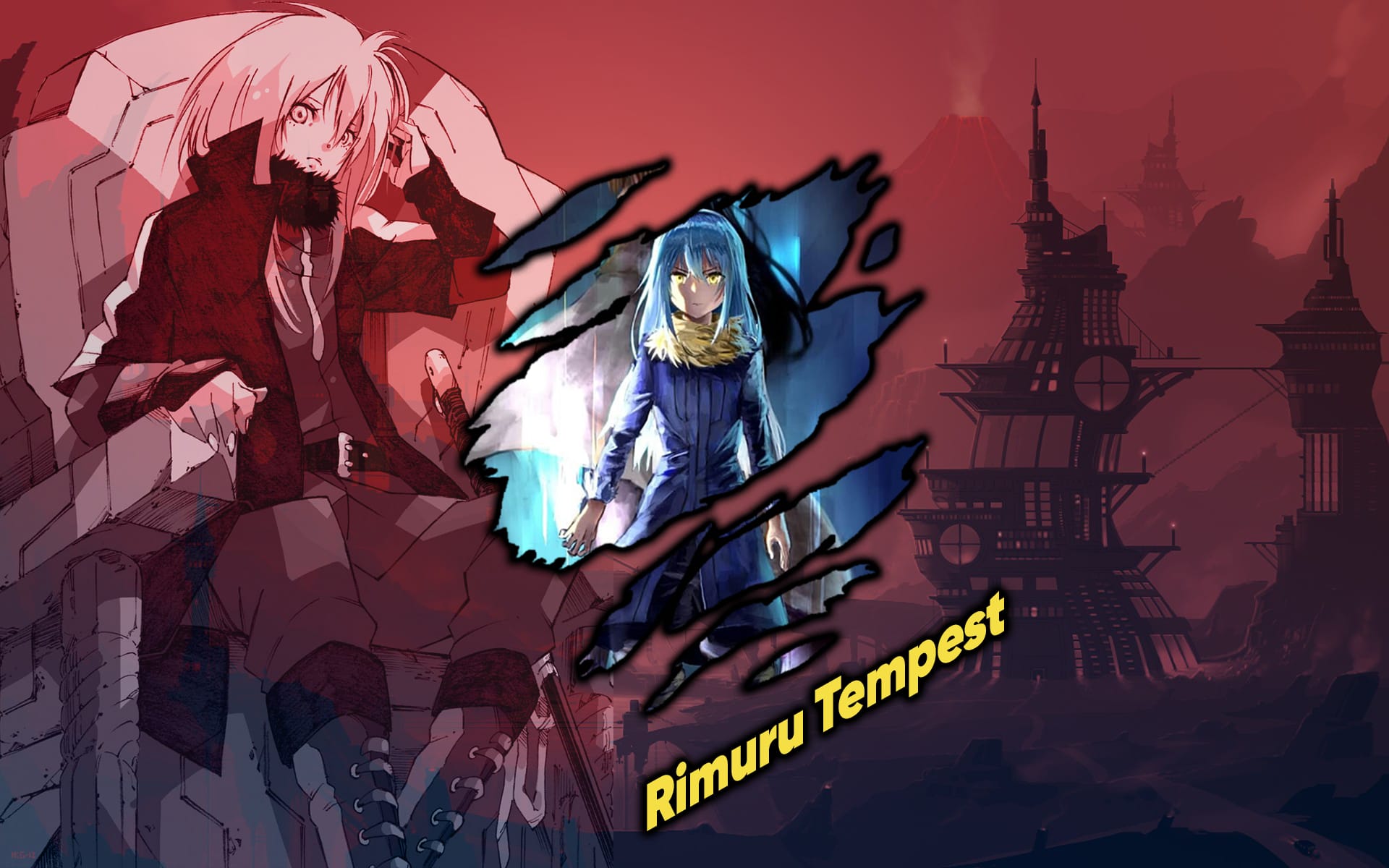
Season 4 takes Rimuru and company into territory that fans of the light novels have been waiting years to see animated. 8bit’s visual identity — warm color palettes, clean character designs that don’t get muddy even in crowd scenes — suits this material perfectly. The studio also has a habit of putting real craft into its insert songs and OST integration, which matters more than people admit when you’re dealing with triumphant moments that need to land emotionally.
Track record score: Consistent and underrated. 8bit earns its keep every season. Slime fans have no reason to be nervous.
Lerche — Classroom of the Elite Year 2: Prestige Presentation for a Prestige Series
Lerche occupies an interesting corner of the industry. They’re not the biggest studio. They don’t have the action prestige of MAPPA or the legacy weight of Pierrot. What they have is taste. Assassination Classroom. Danganronpa. Asobi Asobase. These aren’t obvious choices for a single studio portfolio — they span genres wildly — but what they share is a commitment to character interiority and smart visual storytelling that doesn’t rely on sakuga flexing to make an impression.
Classroom of the Elite is arguably the franchise where Lerche has done its most important work. The series — based on Syougo Kinugasa’s light novels — is essentially a psychological chess match masquerading as a school drama. The protagonist, Kiyotaka Ayanokoji, is one of the most compelling sociopaths in modern anime, and Lerche has consistently nailed the visual language that makes his detachment read as menacing rather than flat. The lingering shots. The almost deliberately boring framing during moments of extreme calculation. It’s a stylistic choice that rewards attention.
Year 2 continues a streak of quality that the series built through its first season and the OVAs. The material gets denser, the political maneuvering inside Class D gets more complex, and Ayanokoji’s true capabilities start coming into sharper focus. Lerche’s restrained aesthetic is exactly right for this story. You don’t want a flashy studio on COTE — you want a studio that understands understatement.
Track record score: Strong and consistent for this franchise specifically. Lerche and COTE are a match that keeps getting better.
TMS Entertainment — Dr. Stone Part 3 and Rent-a-Girlfriend: One Studio, Two Very Different Assignments
TMS Entertainment is one of the oldest studios in the industry — founded in 1964, they produced Lupin III, Anpanman, and a catalog that spans decades of Japanese animation history. Modern fans probably know them better from Detective Conan, Fruits Basket, and the two very different franchises they’re carrying into Spring 2026.
Dr. Stone Part 3 continues the science-versus-brute-force saga that has consistently been one of the smartest action-adventure anime of the past decade. Riichiro Inagaki and Boichi’s source material is genuinely unusual — it respects its audience’s intelligence, integrates actual scientific concepts, and wraps all of it in shonen energy that never feels cynical. TMS has handled the adaptation with care since Season 1, with strong character animation and a visual approach that makes the craft and invention sequences feel genuinely exciting rather than just expository.
Part 3 goes deep into territory that raises the global stakes considerably. TMS has earned trust on this franchise. The question isn’t whether they’ll do it justice — they will — it’s whether the budget remains where it needs to be for the sequences that demand it.
Rent-a-Girlfriend is a different beast entirely. The series — based on Reiji Miyahara’s manga — has always been a polarizing watch because the protagonist, Kazuya Kinoshita, operates at a level of self-sabotage that tests viewer patience. TMS’s adaptation has been serviceable: the character designs are clean, the comedic timing is fine, the drama lands when the writing allows it to. Season 4 won’t convert anyone who checked out early, but for fans still in, TMS will deliver what they came for.
Track record score: Dr. Stone — excellent. Rent-a-GF — competent. Two different expectations, both should be met.
MAPPA — Hell’s Paradise Season 2: The Studio Under the Microscope
No studio in contemporary anime generates more discourse than MAPPA. The arguments are real on both sides. On one hand: Jujutsu Kaisen, Chainsaw Man, Attack on Titan The Final Season, Yuri!!! on Ice. MAPPA has produced some of the most visually ambitious anime of the past decade, and their action sequences — when they’re on — are as good as anything the industry produces. On the other hand: the labor concerns, the overextended release schedule, the inconsistency in episode quality that sometimes reads as a studio running on fumes.
Hell’s Paradise: Jigokuraku Season 1 was a case study in MAPPA doing things right. The Edo-period death-row ninja premise gave the studio space to flex its action chops while the horror-fantasy island setting allowed for genuinely unsettling visual design. Yuji Kaku’s manga is brutal and beautiful in equal measure, and MAPPA’s adaptation captured that duality. Season 1 was one of 2023’s best-looking shows, full stop.
Season 2 continues the Shinsenkyo arc and moves into increasingly unhinged supernatural territory. The source material escalates hard, which means MAPPA’s animation department has to escalate with it. If the studio has managed its workload well going into Spring 2026, this could be a landmark season. If they’re stretched thin — which has happened — it’ll show.
The honest read: MAPPA’s quality ceiling is higher than almost anyone else in the industry. Their floor is unpredictable. Hell’s Paradise specifically has been a passion project for the team assigned to it, which historically has been the variable that separates MAPPA’s best work from their merely adequate output. Cautiously optimistic is where most serious fans seem to land, and that feels right.
Track record score: High ceiling, inconsistent floor. Season 1 was excellent. Season 2 has every reason to match it.
David Production — Steel Ball Run: The Most Important Adaptation in Years
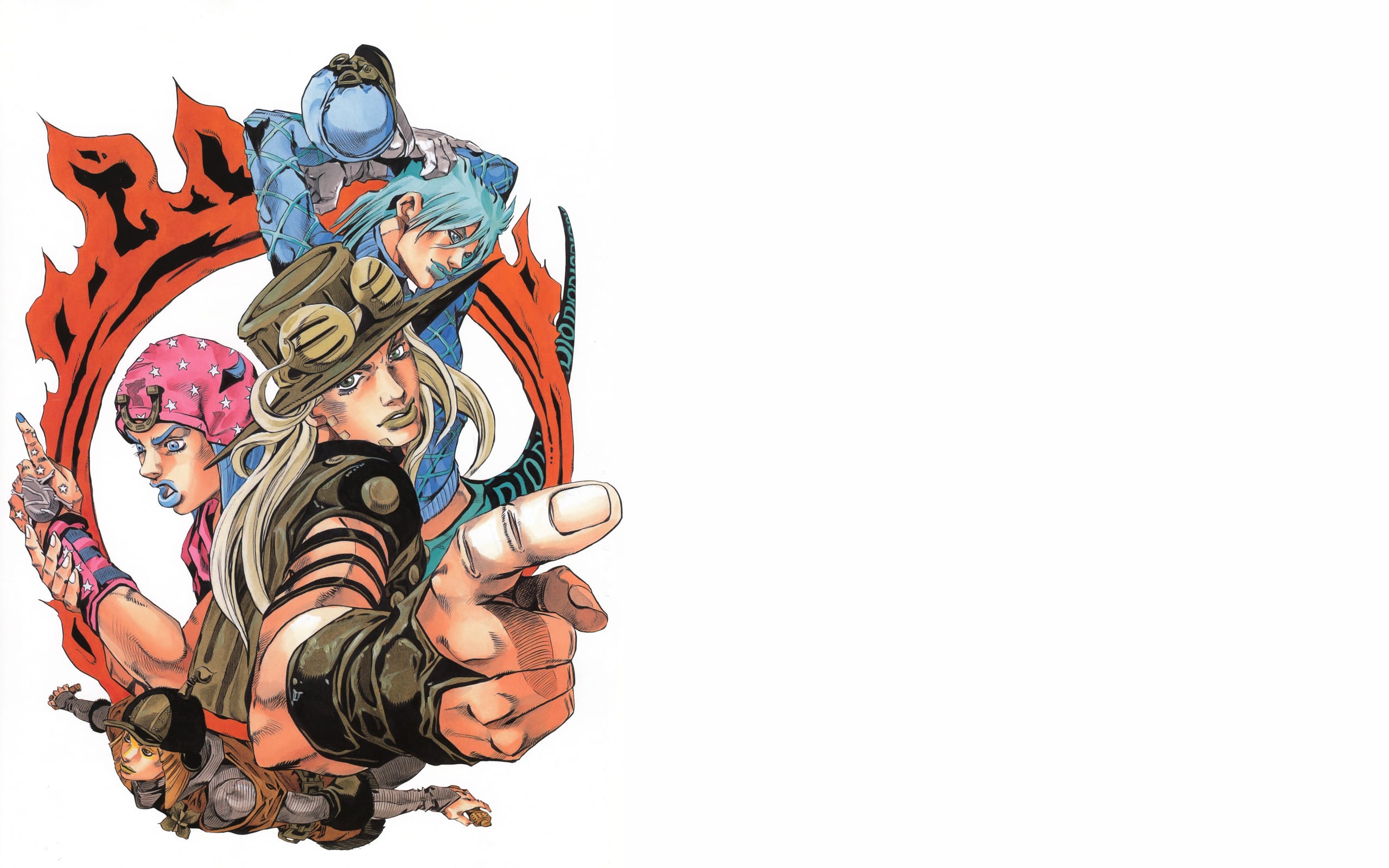
If you’ve been following the current golden age of anime, you already know what Steel Ball Run means to this community. Hirohiko Araki’s Part 7 of JoJo’s Bizarre Adventure is routinely cited as one of the greatest manga ever written — not just in shonen, not just in action, but across the entire medium. The trans-continental horse race. Johnny Joestar’s redemptive arc. Funny Valentine as one of manga’s most genuinely frightening villains. The Spin ability and its relationship to the Golden Rectangle. Steel Ball Run is a masterwork, and David Production has been building toward it since they started animating JoJo with Part 1 back in 2012.

David Pro’s history with this franchise is borderline inseparable from the franchise itself at this point. They elevated Part 1 and 2 from cult manga into mainstream anime events. They made Stardust Crusaders work despite pacing challenges in the source material. They turned Diamond is Unbreakable’s Morioh into one of the most lovingly constructed fictional towns in anime history. Golden Wind was visually daring in ways that still get screenshotted daily. Stone Ocean wrapped a deeply unusual story with care and ambition.
For Steel Ball Run, the studio faces its biggest challenge yet: the setting is Meiji-era America, the visual language needs to shift significantly from previous parts, and the emotional complexity of Johnny and Gyro’s relationship needs to be handled with a delicacy that David Pro hasn’t explicitly needed before. But everything in their history suggests they understand exactly what Araki was doing, and exactly how to translate it.
Read our full breakdown at Steel Ball Run anime guide — it covers everything from casting expectations to which arcs deserve the most screen time. Spring 2026 might be the most anticipated premiere in the entire JoJo fandom’s history.
Track record score: Elite. David Production and JoJo are synonymous at this point. Steel Ball Run is their magnum opus — and they’ve earned the chance to prove it.
Studio Pierrot — Bleach: Thousand-Year Blood War Part 4: Legacy Studio, Legacy Franchise, Final Stretch
Studio Pierrot has a complicated legacy. They’re the studio responsible for the original Bleach run — including the infamous filler arcs that tested fan loyalty to breaking point. They’re also responsible for Naruto, Black Clover, and Tokyo Ghoul, franchises with similarly mixed histories of exceptional highs and prolonged lows. For a long time, “Pierrot” was practically a warning label among anime fans.

Then Bleach: Thousand-Year Blood War happened, and Pierrot changed the conversation entirely.
The Yhwach war arc — Tite Kubo’s final manga arc, which originally ended the series in 2016 after running since 2001 — finally got the animation it always deserved starting in 2022. Pierrot brought everything: upgraded art direction, sakuga sequences from some of the best animators currently working, music direction that elevated the source material, and pacing that refused to pad or stall. TYBW Part 1 through Part 3 have systematically dismantled the narrative that Pierrot can’t do prestige anime. They absolutely can. They just had to want it badly enough.
Part 4 is the endgame. The final battles. The resolution of arcs that fans have been waiting 20+ years to see properly concluded. Pierrot knows this. The team assigned to TYBW has treated the material with genuine reverence, and Part 4 carries the weight of being the culmination of everything they’ve been building since the revival began. The production pipeline appears stable, the key animation staff has remained consistent across parts, and Kubo himself has been involved in the adaptation at a level that exceeds typical mangaka oversight.
Bleach TYBW is one of the great anime comeback stories — right up there with Berserk’s eventual proper adaptation and Hunter x Hunter 2011. Part 4 wrapping in Spring 2026 feels like the close of a chapter not just for a franchise, but for Studio Pierrot’s reputation. It’s the passing of a test they failed for years and are now acing in front of the whole class.
Track record score: TYBW-era Pierrot — excellent. They’ve earned back trust through execution, not promises.
What Spring 2026 Says About the State of Anime Production
Step back and look at this slate as a whole and something interesting emerges. Spring 2026 is heavily weighted toward established franchises with devoted fanbases — Re:Zero, Slime, JoJo, Bleach. That’s not a coincidence. The post-pandemic production scene has accelerated a trend toward safe sequel bets over original IP, and studios are increasingly structured around anchor franchises that guarantee viewership and revenue.
That’s not necessarily a bad thing, especially when the sequels are as good as these. But it does mean that original anime — the kind of programming that built these studios’ reputations in the first place — is getting harder to find in a single season. White Fox built its name on original adaptations of VNs before sequels became the safer call. MAPPA’s most talked-about original content goes back further than most people realize. Studio Pierrot outside of its Big Three has largely disappeared as a creative entity.
The good news is that the sequel wave has forced studios to level up technically. When you’re returning to a franchise after a multi-year gap, you can’t afford to look worse than you did before. The audience remembers. The comparison screenshots will be everywhere within hours of the first episode dropping. That competitive pressure — social-media-amplified and fandom-enforced — has been one of the genuine quality drivers in recent anime production. Every studio on this list knows they’ll be benchmarked against their own prior work from day one.
For viewers, the calculus is simple: Spring 2026 has sequels for almost every major ongoing franchise, plus the Steel Ball Run premiere that might be one of the most culturally significant anime events since Attack on Titan The Final Season. You could reasonably follow four or five shows this season and have a legitimately great time with all of them.
The industry analysts at Anime News Network have called Spring 2026’s production slate one of the most financially significant in recent memory — and when you add up the combined fanbases of these eight titles, that’s not an exaggeration. The streaming wars have been good for anime production budgets, and Spring 2026 might be the clearest proof point yet.
Final Rankings: Which Studio Has the Most to Gain — and Lose
Most to gain: MAPPA. Hell’s Paradise Season 2 is a chance to silence the critics and demonstrate that the studio can sustain quality across a full production cycle without the labor controversy noise that has followed them. A clean, well-animated season does more for their reputation than any press release.
Most to lose: David Production. Steel Ball Run is the crown jewel of the manga they’ve been adapting for 14 years. If they nail it — and every data point suggests they will — it’s the defining achievement of an already remarkable studio run. If they fumble it, it overshadows everything they built. The stakes couldn’t be higher. The confidence level should also be near-maximum.
Biggest surprise potential: Studio Pierrot. Nobody expected TYBW to be this good. Part 4 could solidify a full reputation reversal that few would have predicted in 2020.
Steadiest bet: White Fox on Re:Zero. This studio has done this story before. They know what they’re doing. The only risk is the source material itself, and Nagatsuki hasn’t written anything that deserves less than full effort since the series began.
Spring 2026 is the kind of season that reminds you why following anime production — not just anime — is worth your time. The studios aren’t just vehicles for source material. They’re creative entities with track records, artistic identities, and something to prove every single time the first episode of a major title drops. This season, seven of them are about to show their hand at once.
We’ll be covering each premiere closely. For the full seasonal breakdown with airdates, streaming platforms, and episode guides, head to the Spring 2026 complete anime season guide. And if you want context on how this season fits into the broader trajectory of the medium, we’re living in a golden age of anime — and Spring 2026 is Exhibit A.