
“I don’t care about sports—why would I watch sports anime?” This common objection misunderstands what sports anime offers. The genre provides some of anime’s best character development, most hype moments, and most emotionally resonant storytelling. You don’t need to care about the sport—you just need to care about the characters. Here’s your guide to starting the genre.
Why Sports Anime Works

Built-In Stakes
Sports provide natural narrative structure: clear goals (winning), objective measures of success (scores), and built-in tension (competition). Writers don’t need to invent stakes—sports provides them automatically.
Character-Driven Drama
Great sports anime isn’t about the sport—it’s about people using sports to grow, connect, and express themselves. The sport is vehicle for character development, not the destination.
Underdog Narratives
Sports anime excels at underdog stories. Watching characters overcome disadvantages through effort and teamwork creates emotional investment that transcends interest in the actual sport.
Hype Moments
The combination of animation, music, and stakes creates “hype” moments that rival any action anime. A decisive point in a match can be as thrilling as any battle sequence.
Best Entry Points
Haikyuu!! (Volleyball)
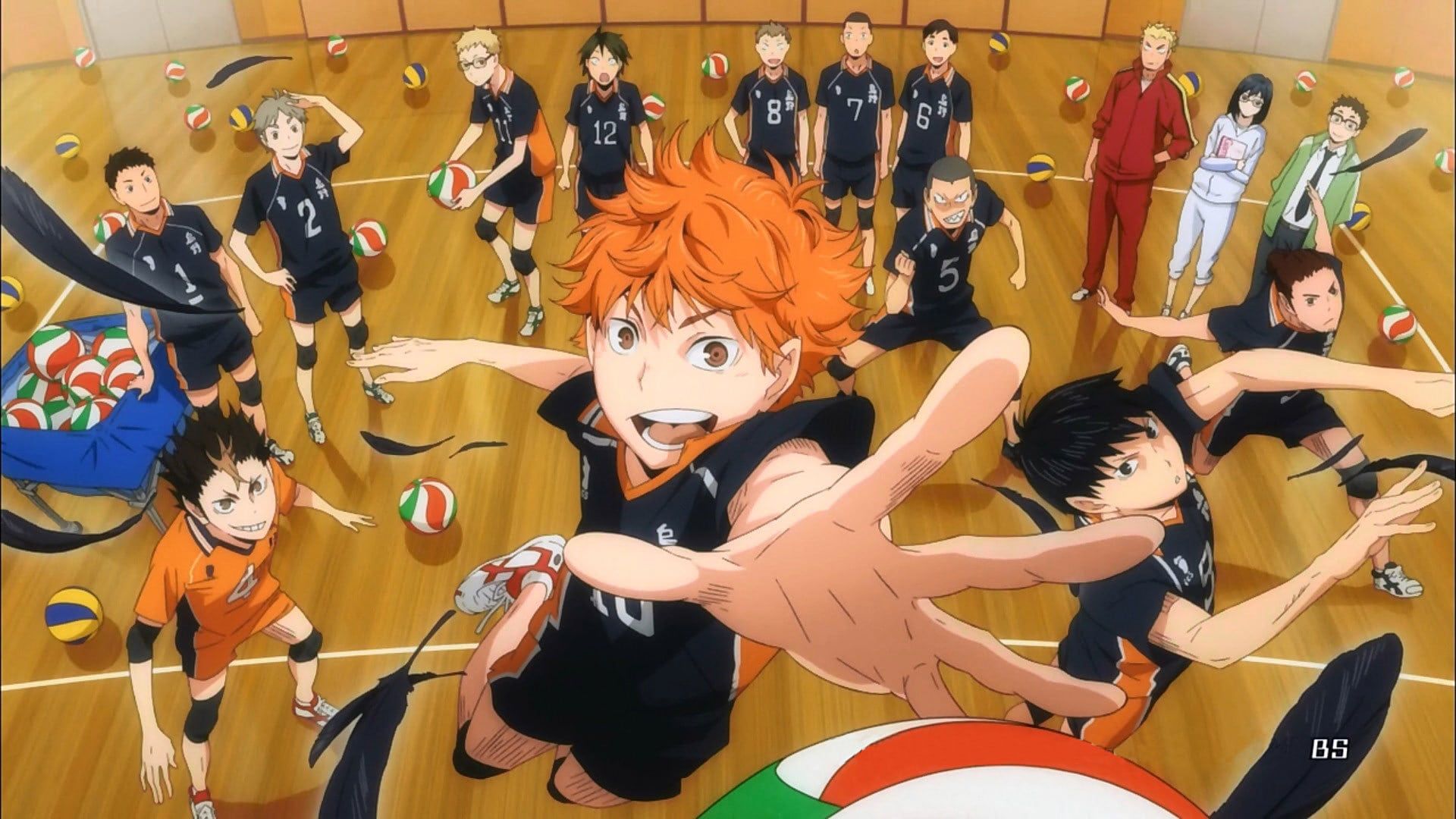
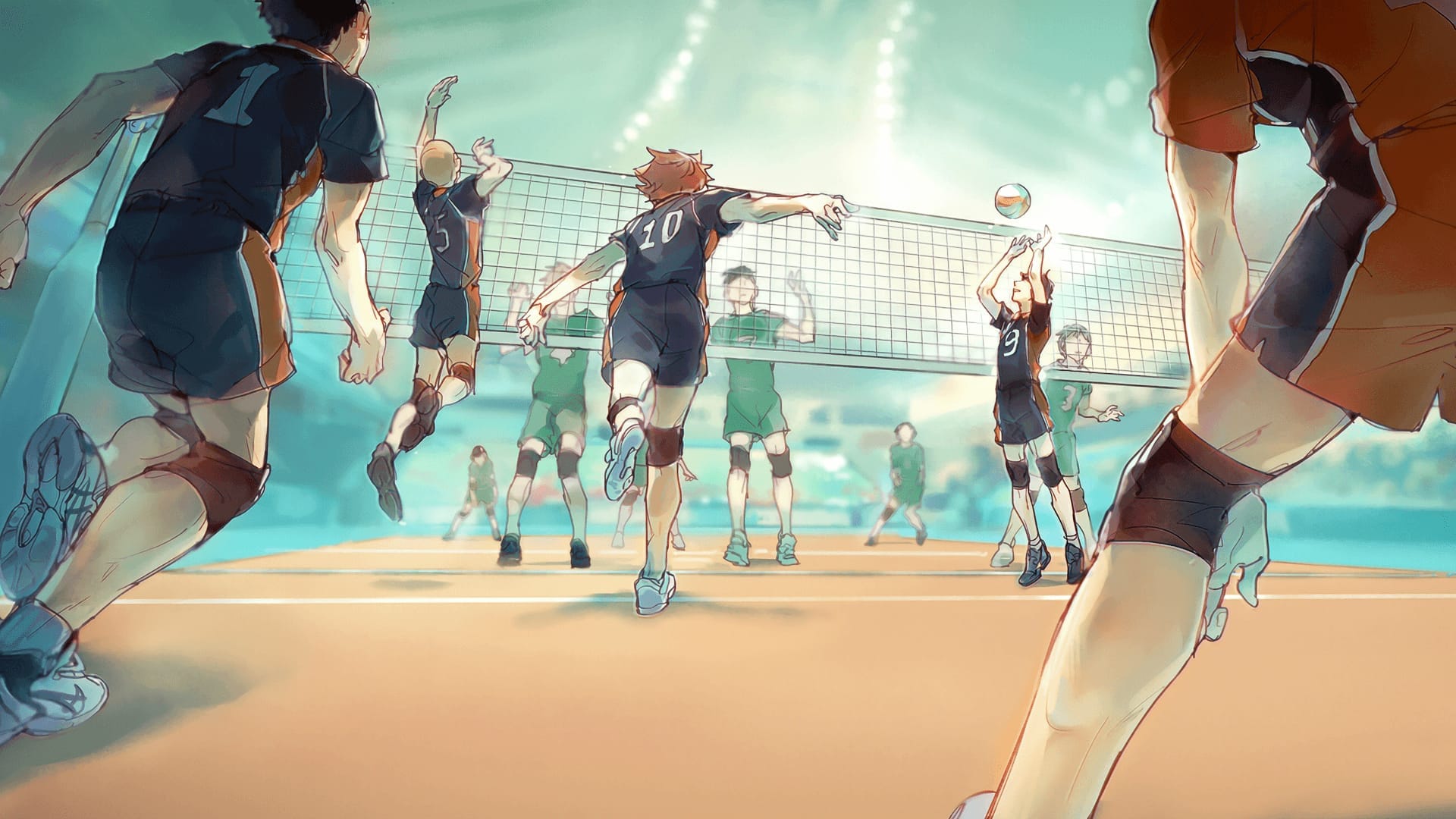
The modern sports anime gold standard. Hinata, a short player with incredible athleticism, joins a high school volleyball team determined to reach nationals. Haikyuu excels at everything: character development, team dynamics, opponent characterization, and match tension.
Why start here: Volleyball rules are simple to grasp; the show explains what you need to know. Character arcs are satisfying. Animation quality is consistently excellent. If you like Haikyuu, you’ll like sports anime.
Commitment: 4 seasons (85 episodes) plus ongoing movies. Complete story arc.
Blue Lock (Soccer)
Unconventional sports anime about creating the world’s best striker through survival-game-style elimination. Blue Lock inverts typical sports anime values—it’s about ego rather than teamwork, individual excellence rather than collective effort.
Why start here: If traditional sports anime’s “power of friendship” themes don’t appeal, Blue Lock’s edge might. It’s sports anime for people who thought sports anime was too wholesome.
Commitment: 1 season (24 episodes) with more coming. Ongoing story.
Slam Dunk (Basketball)
The classic that made basketball popular in Japan. Hanamichi Sakuragi, a delinquent, joins basketball to impress a girl and discovers genuine passion. Comedy, drama, and some of manga’s most iconic matches.
Why start here: The 2022 film provides accessible entry point. The original anime (101 episodes) is available but dated. Manga is the definitive version.
Commitment: Film (2 hours) for taste; manga (31 volumes) for full experience.
Kuroko’s Basketball (Basketball)
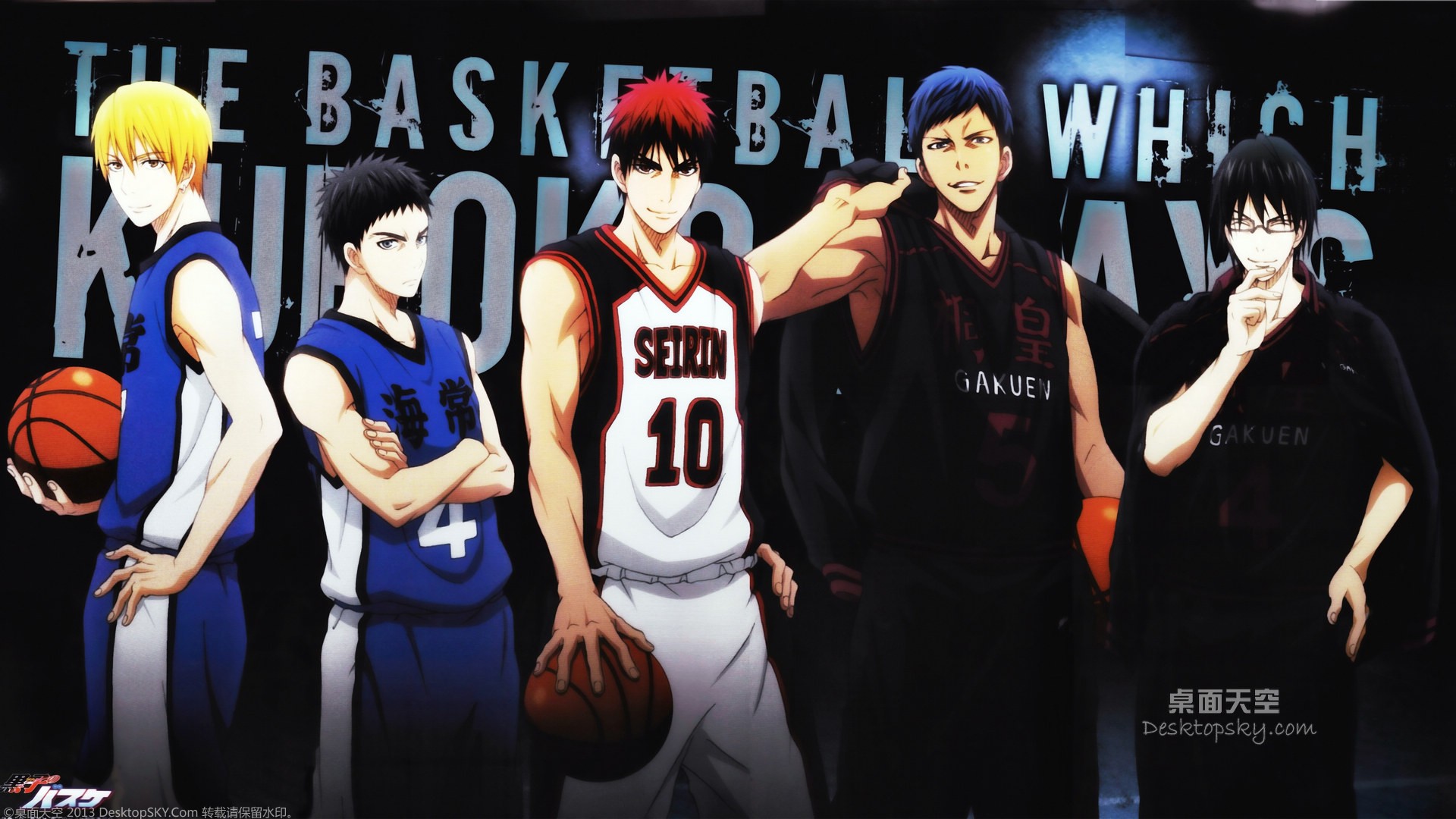
Supernatural abilities meet basketball. The “Generation of Miracles”—players with impossible skills—and the invisible sixth member who enables teammates rather than dominating. Less realistic than Slam Dunk, more spectacular.
Why start here: If you want flashy, over-the-top sports action rather than realistic depiction. The abilities are absurd and entertaining.
Commitment: 3 seasons (75 episodes). Complete story.
By Sport
Team Sports
Soccer: Blue Lock (egoist focus), Ao Ashi (tactical realism), Captain Tsubasa (classic, superpowers)
Basketball: Slam Dunk (realistic drama), Kuroko’s Basketball (supernatural abilities), Ahiru no Sora (underdog realism)
Volleyball: Haikyuu!! (definitive version), Attack No. 1 (classic)
Baseball: Major (long-running saga), Ace of Diamond (high school focus), Big Windup (anxiety-focused protagonist)
American Football: Eyeshield 21 (from Death Note creators)
Individual Sports
Boxing: Hajime no Ippo (definitive boxing anime), Megalo Box (cyberpunk boxing), Ashita no Joe (classic)
Tennis: Prince of Tennis (supernatural tennis), Baby Steps (realistic approach)
Running: Run with the Wind (college relay team)
Cycling: Yowamushi Pedal (otaku becomes cyclist)
Swimming: Free! (competitive swimming, popular with different demographic)
Figure Skating: Yuri!!! on Ice (artistic sport, romance elements)
Badminton: Love All Play (recent, accessible)
Unconventional “Sports”
Go: Hikaru no Go (board game treated as sport)
Karuta: Chihayafuru (Japanese card game as competitive sport)
Dance: Ballroom e Youkoso (competitive ballroom dancing)
Music: Your Lie in April (music competition as sport-adjacent)
Common Elements Across Sports Anime
The Rival
Almost every sports anime features a rival who pushes the protagonist. This relationship drives growth and creates stakes. The best rivalries involve mutual respect.
Training Arcs
Improvement through practice is genre staple. Training arcs show characters working to overcome specific weaknesses. Done well, they create investment in eventual success.
Tournament Structure
Many sports anime organize around tournaments: qualifiers through finals, elimination brackets, nationals as ultimate goal. This structure provides natural pacing and escalating stakes.
Team Dynamics
Even in individual sports, supporting cast matters. Teammates, coaches, and support staff provide relationships that enrich protagonist’s journey.
What If I Actually Hate Sports?
Focus on Characters
The sport is setting, not substance. If character drama, growth, and relationships interest you, sports anime delivers regardless of athletic interest.
Try Unconventional Options
Chihayafuru (about Japanese poetry cards) and Hikaru no Go (about a board game) apply sports anime structure to non-athletic activities. The genre formula works beyond physical sports.
Start With Films
The First Slam Dunk or Haikyuu movies provide condensed sports anime experience. If films work for you, series become easier commitments.
The Beginner Path
- Start with Haikyuu Season 1 – if you like it, you’ll like sports anime
- Try different sport – variety helps find your preference
- Explore classics – Slam Dunk, Hajime no Ippo for historical context
- Find your niche – realistic vs. supernatural, team vs. individual
Sports anime is gateway to some of anime’s most satisfying stories. The genre’s structure, character focus, and emotional payoffs work regardless of athletic interest. Give it a chance—you might discover you love watching animated people play games you’d never watch in real life.