The Blue Slime Is Back: Reincarnated as a Slime Season 4 Is Almost Here
Mark your calendars, Tensura fans — Reincarnated as a Slime Season 4 officially premieres on April 1, 2026, and it is absolutely not an April Fool’s joke. Rimuru Tempest and the Jura Tempest Federation are returning to screens worldwide, and if the source material is any indication, this is the season that takes everything we love about this series and cranks it up to a level we’ve never seen before. The hype in the community right now is real, and it is completely justified.
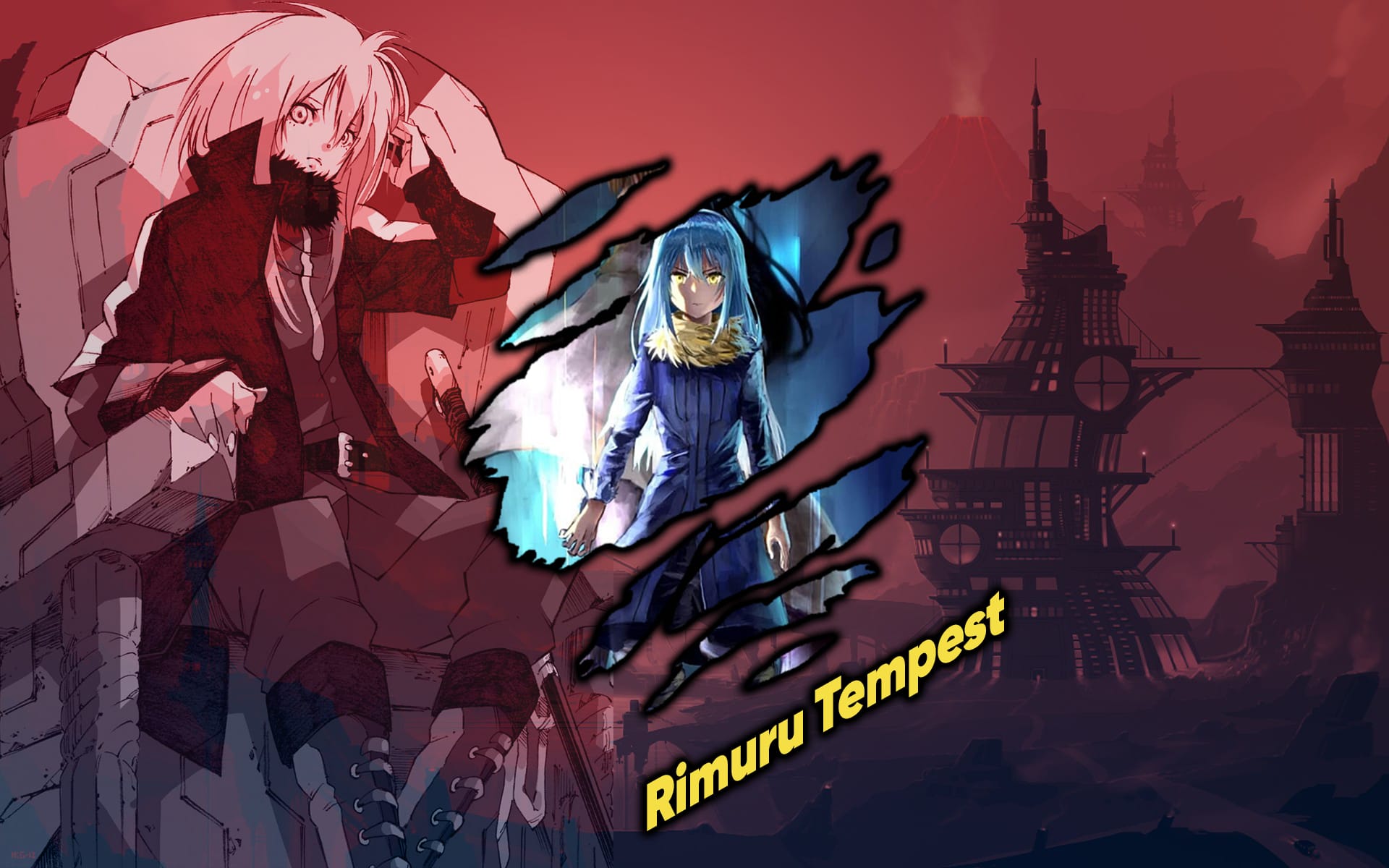
Whether you’ve been following Tensura since it first aired back in 2018 or you binge-watched the previous three seasons last month to get caught up, Season 4 is shaping up to be a landmark entry in the isekai genre. Studio 8bit is back at the helm, Crunchyroll is handling international streaming, and the source arc that’s about to be adapted? Let’s just say light novel readers have been waiting for this moment for years. This is the guide you need before Episode 1 drops.
In this article, we’re going to break down everything — the release details, the story arcs most likely to be adapted, the key characters (old and brand new), the antagonists who might finally push Rimuru to his absolute limits, and why That Time I Got Reincarnated as a Slime Season 4 could be the most action-packed, emotionally charged season in the entire run. Let’s get into it.
If you want a broader look at what’s airing this spring, check out our Spring 2026 Anime Season Complete Guide — Tensura S4 is just one of many big shows dropping this cour, but it’s easily at the top of the most-anticipated list.
The Story So Far: A Quick Recap of Seasons 1–3
Before we dive into what’s coming, let’s do a fast recap for anyone who needs a memory refresh — or who powered through all three seasons and just wants to relive the highlights. The That Time I Got Reincarnated as a Slime anime has covered enormous ground since Satoru Mikami died in a random Tokyo street stabbing and woke up as a slime in a fantasy world. Here’s the condensed version.
Season 1 introduced us to Rimuru’s new life: bonding with the Storm Dragon Veldora, learning the world’s rules, and building the monster village of Tempest from the ground up. He recruited Gobta, Shion, Shuna, Benimaru, and a growing family of monsters who became one of the most wholesome found-families in all of anime. The season ended with Rimuru defeating the Orc Disaster and establishing the Jura Tempest Federation as a legitimate force on the continent.
Season 2 was where everything changed. Rimuru lost his children — the students from the Farminus school — to a brutal attack orchestrated by Clayman, one of the Demon Lords. That loss broke something in Rimuru, and what came next was one of the most talked-about arcs in recent isekai history: Rimuru performing a mass harvest to gather enough souls, ascending to True Demon Lord status, and annihilating an entire kingdom’s army with terrifying efficiency. Then came Walpurgis, the Demon Lords’ council, where Rimuru exposed Clayman’s schemes and ended him in front of everyone. Rimuru was no longer a monster leader playing diplomacy — he was a Demon Lord in his own right.
Season 3 expanded the scope dramatically. The Western Holy Church launched a crusade against Tempest, backed by political machinations from human nations threatened by a monster nation’s growing power. Rimuru navigated war, diplomacy, and his evolving relationship with Luminous Valentine — one of the oldest and most powerful Demon Lords. Tempest survived, grew stronger, and Rimuru cemented alliances that would matter for the battles ahead. By Season 3’s end, the Jura Tempest Federation wasn’t just surviving — it was thriving. And the next storm on the horizon is the biggest one yet.
What Arcs Will Reincarnated as a Slime Season 4 Cover?
Here’s where it gets exciting — and for light novel fans, deeply satisfying. Based on the pacing of previous seasons and where the manga/light novel adaptation currently stands, Season 4 is widely expected to adapt two major arcs: the Labyrinth Arc and the beginning of the Eastern Empire Arc. Both of these are enormous in scope, and together they represent the most ambitious storytelling the series has attempted.
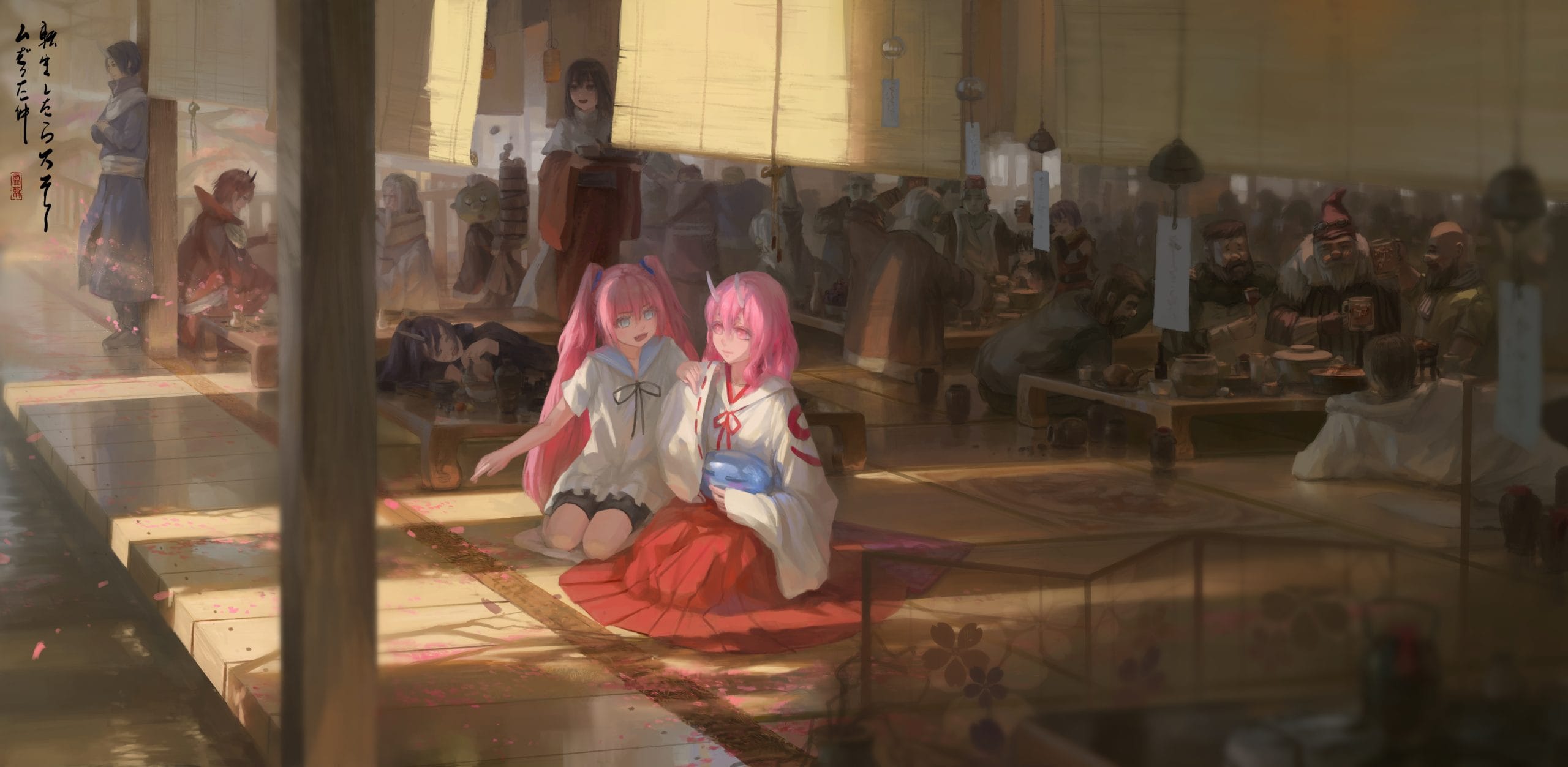
The Labyrinth Arc centers on Tempest constructing an enormous dungeon — a strategic move that will generate massive revenue, attract adventurers from across the continent, and serve as both a training ground for Tempest’s forces and a political chess piece. What starts as a seemingly economic and world-building focused arc quickly becomes something far more intense, with threats lurking in the dungeon’s depths and rivalries that push Rimuru’s allies to their breaking points. It’s also where we get some of the best character development for the supporting cast — particularly Diablo, who gets to flex in some gloriously unhinged ways.
Then there’s the Eastern Empire Arc — and this is the one that light novel readers have been eagerly anticipating. The Nasca Namrium Ulmeria United Eastern Empire is the single largest military power in the world of Tensura. Unlike previous antagonists who relied on scheming, political manipulation, or magical supremacy, the Eastern Empire brings something terrifying: overwhelming, organized military force. We’re talking an empire that has spent generations conquering nations, developing anti-monster weapons, and operating under the leadership of a man who may be one of the most complex antagonists the series has ever written.
This is the arc that makes Rimuru’s earlier victories look like warm-up rounds. The threats are bigger, the stakes are civilizational, and the action sequences — if Studio 8bit delivers the way they should — will be the kind that define an anime generation. For fans who’ve been asking when Tensura would truly test Rimuru and his people, Season 4 is the answer.
The Antagonists: Velgrynd, Rudra, and the Eastern Empire
Every great arc needs great villains, and Reincarnated as a Slime Season 4 delivers in a massive way. Let’s talk about the people standing between Tempest and peace, because they are not your average fantasy bad guys.

Rudra Nam Ul Nasca, the Emperor of the Eastern Empire, is one of the most fascinating antagonists in the entire Tensura universe. He isn’t simply evil — he’s a man carrying an unimaginable burden, one with a history that stretches back to the world’s creation itself. His motivations are layered, his relationship with power is complicated, and his personal connection to certain characters we’ve already met adds emotional weight to every confrontation. Rudra is the kind of villain who makes you feel things you weren’t expecting to feel about someone on the wrong side of a war.
Then there is Velgrynd — the Scorch Dragon, one of the four True Dragons, and arguably one of the most powerful beings in the entire world. If Veldora is chaotic and lovable, Velgrynd is focused, ruthless, and devastating. Her power set is built around heat and destruction at a scale that dwarfs most of what we’ve seen in the series, and her role in the Eastern Empire arc is deeply personal. The fight sequences that Velgrynd is involved in are the kind that light novel readers describe in hushed, reverent tones. If Studio 8bit animates her properly, she’ll instantly join the best anime villains of all time conversation.
Beyond Rudra and Velgrynd, the Eastern Empire comes with an entire military apparatus worth dreading. The empire’s generals — the Imperial Executors — are each powerful enough to threaten Tempest individually. Together, they represent a coordinated military campaign designed specifically to neutralize monster nations. They’ve studied Rimuru. They’ve built countermeasures. And they are coming prepared in a way that Clayman or the Western Holy Church never were.
What makes the Eastern Empire antagonists so compelling isn’t just their raw power — it’s the fact that they force Rimuru to think differently. He can’t just evolve faster or absorb a new skill. He has to outthink, outmaneuver, and lead. That’s a different kind of Rimuru than we’ve seen, and it’s absolutely gripping to watch.
Key Characters and Who to Watch in Season 4
One of Tensura’s greatest strengths has always been its cast, and Season 4 is set to give nearly every major character a meaningful moment. Here’s who you should have on your radar going into the new cour.

Rimuru Tempest is, of course, the centerpiece — now operating as a fully realized True Demon Lord with his evolved Great Sage, now known as Ciel (or Raphael, depending on how the anime handles the naming). Ciel brings a new dynamic to Rimuru’s decision-making: a pseudo-personality within his skill that is coldly rational in ways Rimuru himself sometimes can’t be. Their relationship — and the question of what Ciel truly is — becomes one of the season’s most intriguing threads. Rimuru in Season 4 is more powerful, more politically astute, and more burdened by leadership than ever before.
Diablo is going to have an absolutely massive Season 4. The former primordial demon — one of the oldest, most powerful entities in existence, now loyally serving Rimuru with barely contained glee — gets extended screen time in the Labyrinth Arc, and the results are spectacular. Diablo’s combination of terrifying power, impeccable aesthetic, and absolute devotion to Rimuru makes him the most entertaining character in the show’s ensemble. If you’re a Diablo fan, this is your season.
Benimaru, the Ogre-turned-Kijin general of Tempest’s army, steps into an even larger leadership role as the military threat from the East becomes undeniable. Benimaru’s evolution from loyal warrior to strategic commander is one of the more satisfying character arcs in the series. He doesn’t just fight — he leads, and watching him direct Tempest’s forces against organized military opposition is exactly the kind of content the show has been building toward since Season 1.
Shion and Shuna both get significant moments — Shion’s battle instincts and impossible durability make her indispensable in high-intensity combat situations, while Shuna’s growth as both a mage and a political figure within Tempest continues to add emotional texture to the nation-building side of the story. Don’t sleep on either of them.
On the broader Demon Lord side, Guy Crimson — the oldest and arguably most powerful Demon Lord, with his icy silver aesthetic and unknowable motives — remains a fascinating presence. His relationship with Rimuru is one of careful, mutual respect edged with competition. Guy doesn’t involve himself in conflict unless it serves his purposes, and when he does move, the results are apocalyptic. Season 4 teases at his deeper involvement in the world’s larger conflicts in ways that set up incredible things down the road.
Luminous Valentine, the Demon Lord who controls the Western church (and was Season 3’s most fascinating character reveal), continues to play a role in the broader political scene. Her alliance with Rimuru — grudging, complex, and built on mutual self-interest — is one of the series’ best relationships. New Eastern Empire characters also debut this season, and several of them are compelling enough to stand alongside the show’s existing ensemble without feeling like imports.
Studio 8bit, Animation Quality, and What to Expect Visually
Let’s talk production. Studio 8bit has been the studio behind Tensura since the beginning, and their consistency with the series is genuinely impressive. They know these characters, they know this world, and they’ve developed a visual language for Tensura that feels distinctive — the ethereal glow of Rimuru’s transformations, the chaos of large-scale monster battles, the contrast between Tempest’s warm, village-festival aesthetic and the cold brutality of open warfare.
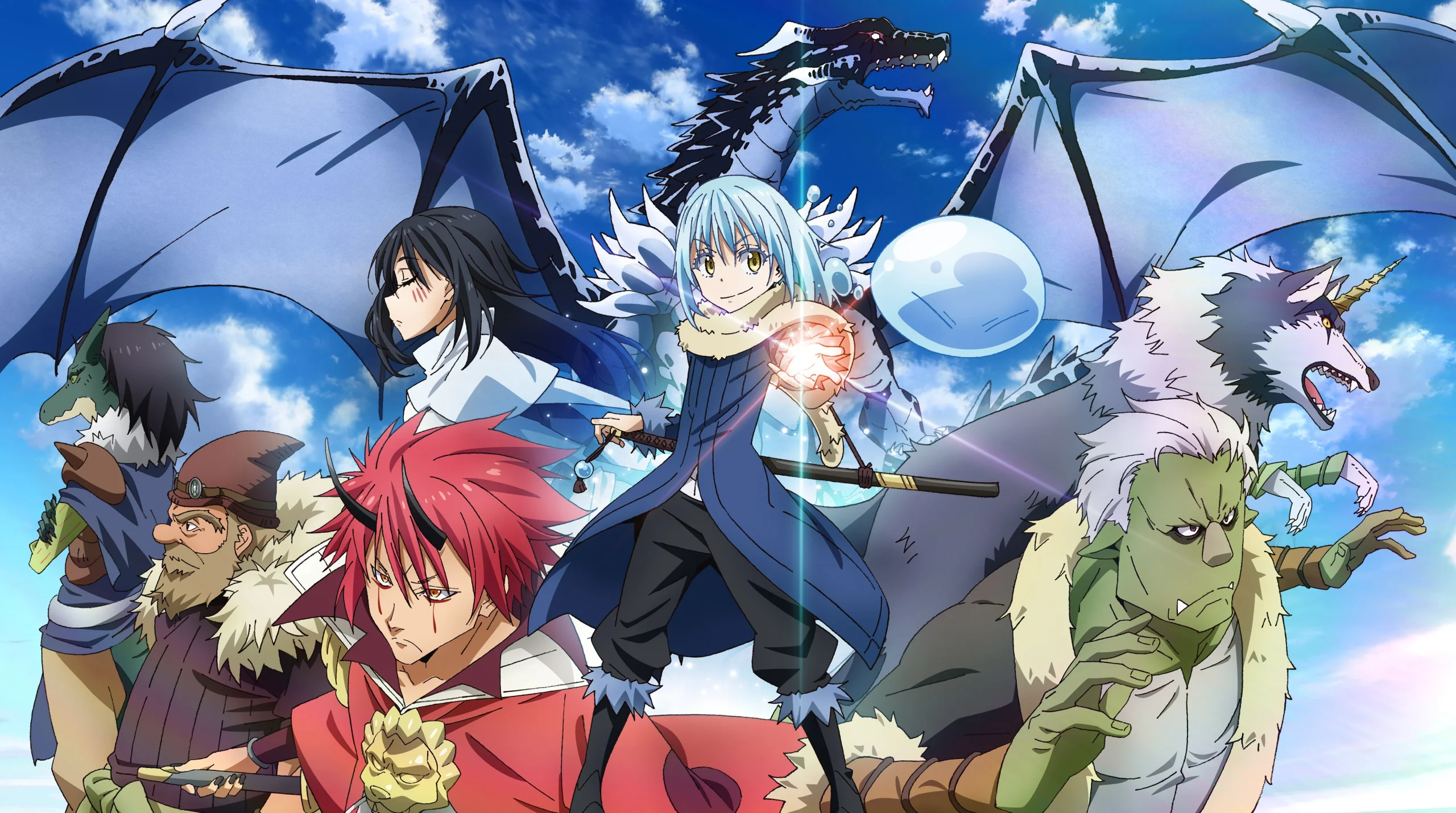
The key question going into Season 4 is whether Studio 8bit can scale up for the Eastern Empire Arc’s most demanding sequences. The Labyrinth Arc is one thing — it’s intense, but its scope is manageable. The Eastern Empire invasion sequences are another level entirely. We’re talking coordinated military operations, dragon-scale destruction, and multi-faction battles happening simultaneously across different locations. That is a production challenge.
Based on what Studio 8bit delivered in the back half of Season 2 — particularly Rimuru’s mass harvest sequence, which remains one of the most haunting and visually striking moments in recent isekai anime — there’s real reason for optimism. They’ve shown they can execute when the material demands it. The hope is that Season 4 gets the same level of care and resources, because the source material absolutely deserves it.
Crunchyroll handles international streaming, which means simulcast access for fans worldwide. Given that this is one of the most anticipated sequels in the spring 2026 lineup — and it absolutely belongs on the most anticipated anime of Spring 2026 list — expect the Crunchyroll servers to get a workout on premiere night.
Why Season 4 Could Be the Most Action-Heavy Slime Yet
Here’s an argument worth making: That Time I Got Reincarnated as a Slime has always been more of a nation-building, political intrigue, and character ensemble story than a pure action series. Seasons 1 through 3 had incredible fight sequences — Rimuru vs. the Orc Disaster, Rimuru vs. Hinata, the Walpurgis showdown — but the show’s identity was never built purely on action. It was built on the joy of watching a community grow and the satisfaction of seeing good people (and monsters) succeed.
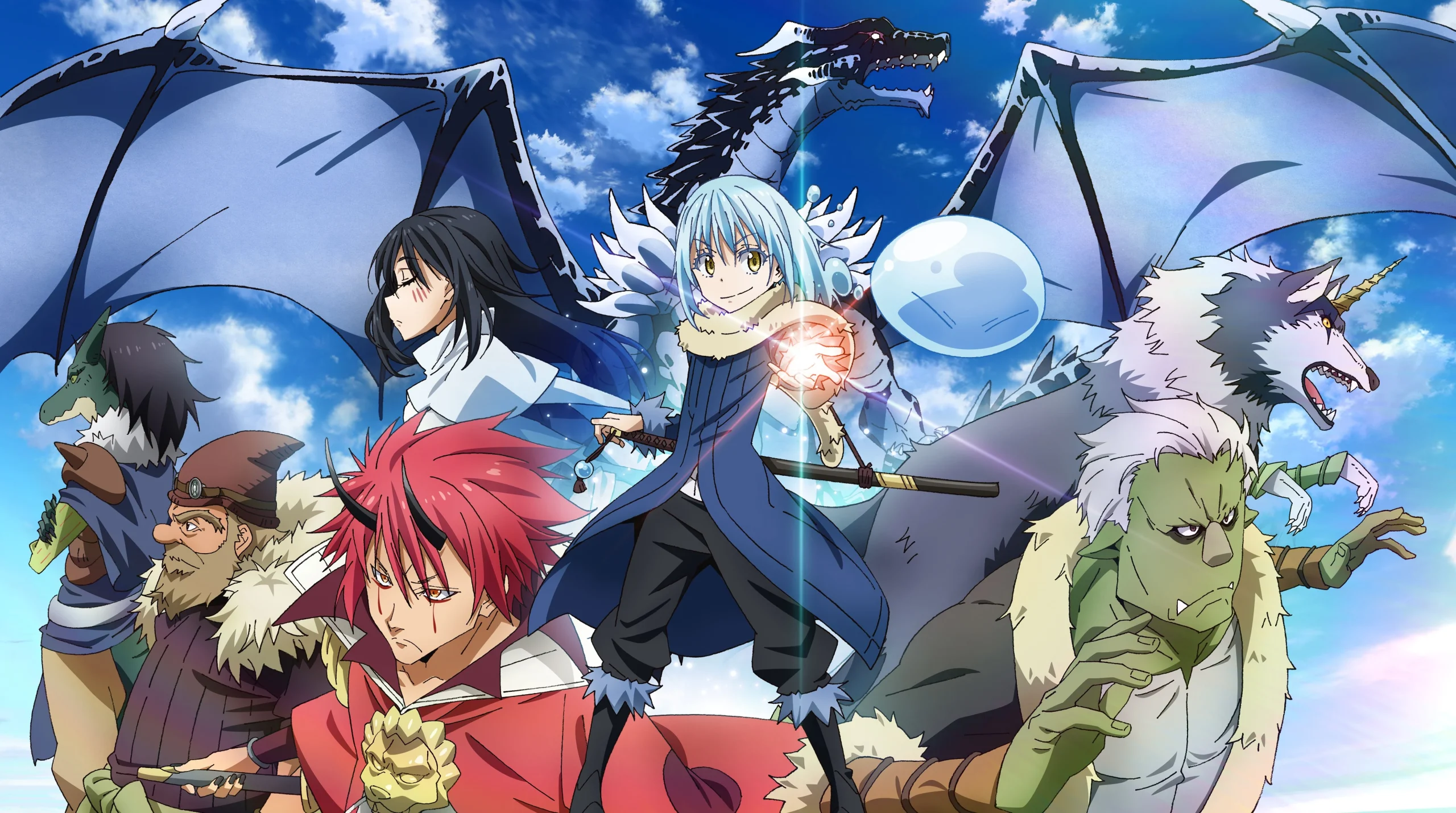
Season 4 does not abandon that identity. But it does raise the action stakes to a level the series has never touched. The Eastern Empire Arc features prolonged military conflict, individual powerhouse clashes involving characters at the absolute top of the power scale, and confrontations that are emotionally complex rather than straightforwardly cathartic. These aren’t fights where Rimuru just overpowers someone weaker — they’re fights where the outcome is genuinely uncertain, where allies can fall, and where victory comes at a cost.
That’s the energy that produces all-time great anime moments. The kind of sequences that end up on best anime fights of all time lists for years afterward. If Studio 8bit sticks the landing, we may be talking about Tensura Season 4 in those terms by the time the season wraps.
It’s also worth noting that Season 4 arrives at a moment when the isekai genre is extraordinarily crowded. Spring 2026 is stacked with isekai entries, each competing for audience attention and community buzz. But Tensura occupies a unique position: it’s one of the few isekai properties with genuine crossover appeal, a fandom that spans casual viewers and deep-lore obsessives, and a story that has consistently evolved rather than repeating the same formula. That puts it in rare company among the anime we’re watching during this golden age.
Tensura Season 4 vs. the Spring 2026 Isekai scene
Spring 2026 is genuinely stacked for isekai fans. Multiple high-profile properties are airing simultaneously, and the competition for your weekly attention is real. So how does Reincarnated as a Slime Season 4 stack up against the field?
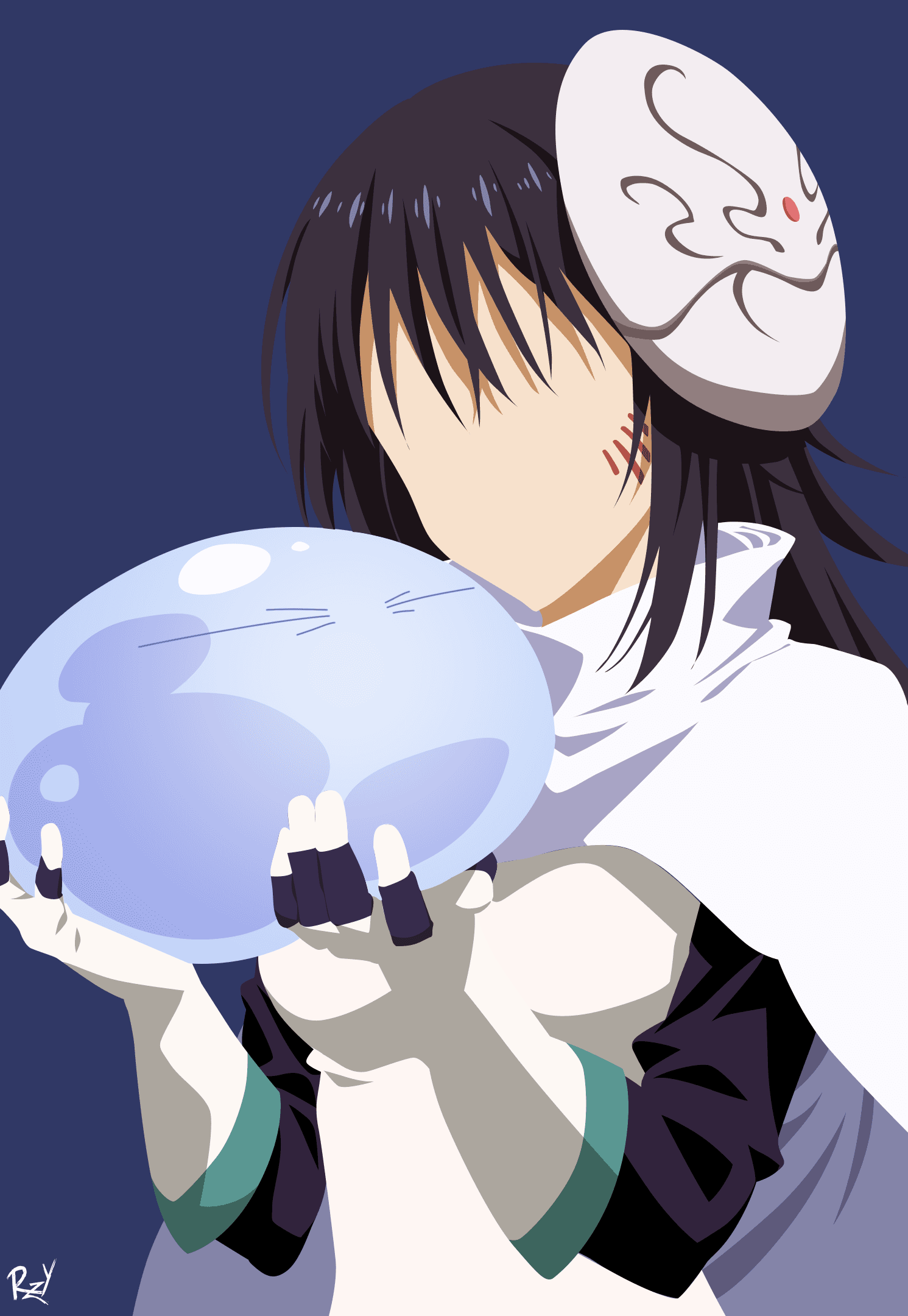
The short answer: it’s in a different tier. Not because the other shows aren’t good — several of them are excellent — but because Tensura is a fully established, multi-season franchise arriving at its most ambitious story arc, with a massive built-in audience that has been waiting years for this adaptation. That combination of established fanbase, high-quality source material, and genuine narrative stakes puts it on a different level than most seasonal debuts, regardless of how strong those debuts might be.
What makes Tensura particularly well-suited to a crowded seasonal field is its accessibility. If you haven’t watched the previous seasons, you genuinely won’t follow Season 4 — but the show has been on Crunchyroll for years, and catching up is a legitimate option. The community around the series is welcoming and enthusiastic, and this season is exactly the kind of event that pulls lapsed viewers back in and converts curious newcomers into devoted fans.
For a full look at what else is worth watching this cour alongside Tensura, the Spring 2026 Complete Guide has everything you need ranked and organized by hype level, genre, and must-watch priority.
What Rimuru’s Growth Means for the Story Going Forward
One of the most interesting things about Tensura entering its fourth season is the position Rimuru occupies as a protagonist. He started the series as a curious, adaptable slime learning a new world’s rules. He became a monster village chief, then a federation leader, then a True Demon Lord. Each transformation brought new responsibilities, new complications, and new questions about who Rimuru Tempest actually is.
The version of Rimuru we meet in Season 4 is carrying all of that history. He’s powerful enough that most opponents can’t challenge him directly — which creates its own narrative problem. How do you generate dramatic tension with a protagonist who can dissolve most threats at will? The Eastern Empire Arc solves this brilliantly by introducing threats that aren’t just stronger — they’re different in kind. Enemies who force Rimuru to think, to delegate, to accept the limits of what he can personally control.
Ciel — the evolved consciousness of Rimuru’s Great Sage ability — becomes a fascinating foil in this context. Where Rimuru leads with empathy and relationship, Ciel processes information with crystalline logic. Their internal dynamic mirrors the tension between what Rimuru wants for his people (safety, growth, flourishing) and what the world keeps demanding (sacrifice, strategic brutality, hard choices). It’s compelling character writing wrapped in an action-fantasy package.
Rimuru’s relationships with the established Demon Lords also deepen in Season 4. His standing among them has shifted — he’s no longer the upstart who stumbled into their world. He’s a peer, one with a growing power base and increasingly unavoidable geopolitical influence. Guy Crimson, Luminous, and the other Demon Lords each respond to that shift differently, and tracking those relationships adds a layer of political drama that Tensura has always done well but rarely gotten full credit for.
The broader mythology of the Tensura world — the rules governing True Dragons, Demon Lords, Skill evolution, and the ancient history that shaped the current era — also comes into clearer focus in Season 4. For viewers who’ve been casually enjoying the series, this is the season where the lore depth either clicks into place or becomes too dense to ignore. For deep-lore fans, it’s deeply rewarding.
Everything You Need Before April 1: Your Pre-Season Checklist
With the premiere just around the corner, here’s how to make sure you’re fully ready for Reincarnated as a Slime Season 4 when it drops.
Catch up on Seasons 1–3. This is non-negotiable. Season 4 does not hand-hold you through prior events — it assumes you know who Diablo is, why Clayman mattered, what happened in Walpurgis, and what the Western Holy Church conflict resolved. All three seasons are on Crunchyroll. Budget yourself about 60 hours total for a complete rewatch, or 20 hours if you’re power-watching at higher speed.
Read the light novel if you want to go deep. The Tensei Shitara Slime Datta Ken light novel by Fuse (illustrated by Mitz Vah) is where the source material lives. Yen Press handles the English release, and the Eastern Empire arc in the LN is exceptional. The manga adaptation by Taiki Kawakami is also excellent and closer to finished if you prefer that format. If you want to know what’s coming without caring about spoilers, MangaUpdates has comprehensive series information to help you navigate the adaptation differences.
Join the community. The Tensura fan community across Reddit, Discord, and anime forums is active, welcoming, and absolutely buzzing right now. Season 4 premiere discussions are going to be massive, and being part of a live-reaction community is one of the great pleasures of seasonal anime watching. Just be careful about spoilers — the community is generally good about tagging them, but proceed with awareness.
Set up your streaming queue. Crunchyroll simulcast means new episodes will drop weekly in line with the Japanese broadcast schedule. Figure out your time zone offset from JST and plan your watch schedule accordingly. This is a first-watch-experience show — don’t get spoiled by social media before you’ve seen the episode.
Final Verdict: Should You Be Hyped for Tensura Season 4?
Yes. Unreservedly, enthusiastically, absolutely yes.
Reincarnated as a Slime Season 4 arrives at the exact right moment: a series that has spent three seasons building a world, a cast, and an audience, now set to pay off everything it’s established with its most ambitious, most action-heavy, most emotionally complex story yet. The Eastern Empire is the threat that the series has been quietly foreshadowing for years. Velgrynd and Rudra are antagonists worthy of everything Rimuru and Tempest have become. And the question of who Rimuru truly is — beneath the power, the titles, and the responsibilities — gets its most searching examination here.
Studio 8bit has the track record. Crunchyroll has the infrastructure. The source material is outstanding. And the community is ready. This is exactly the kind of seasonal anime event that defines a year of watching — the show you’ll be talking about in December, the fights you’ll be rewatching in clips for years, the character moments that land and stick.
April 1, 2026. Don’t sleep on it. Tempest is ready. Are you?