
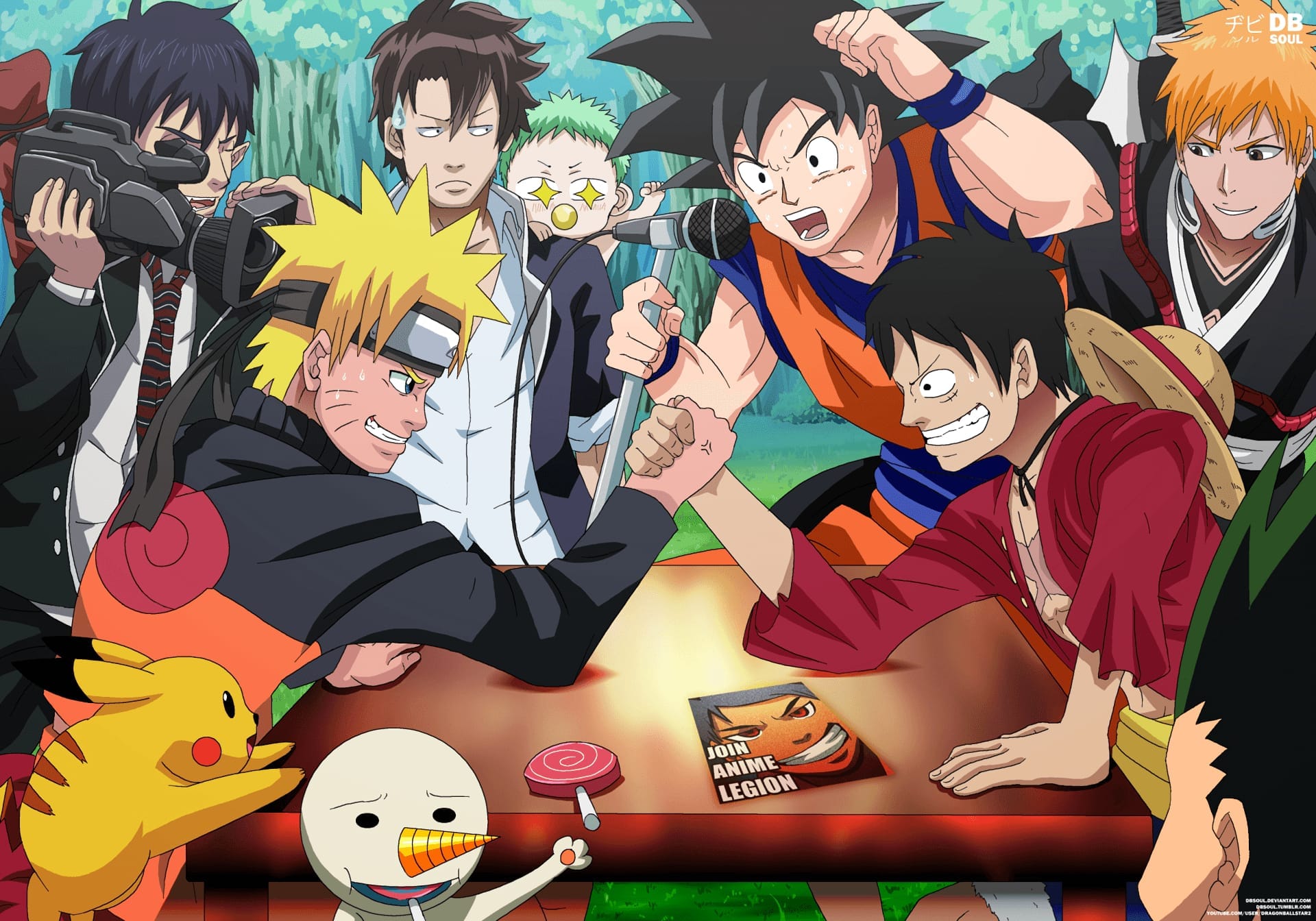
The Big Three of Shonen Jump—One Piece, Naruto, and Bleach—defined a generation of anime fans. These series dominated the 2000s, introducing millions to anime and establishing tropes that every subsequent shonen either follows or deliberately subverts. But how do they compare, and does the “Big Three” designation still matter in 2026?
What Made Them “Big”
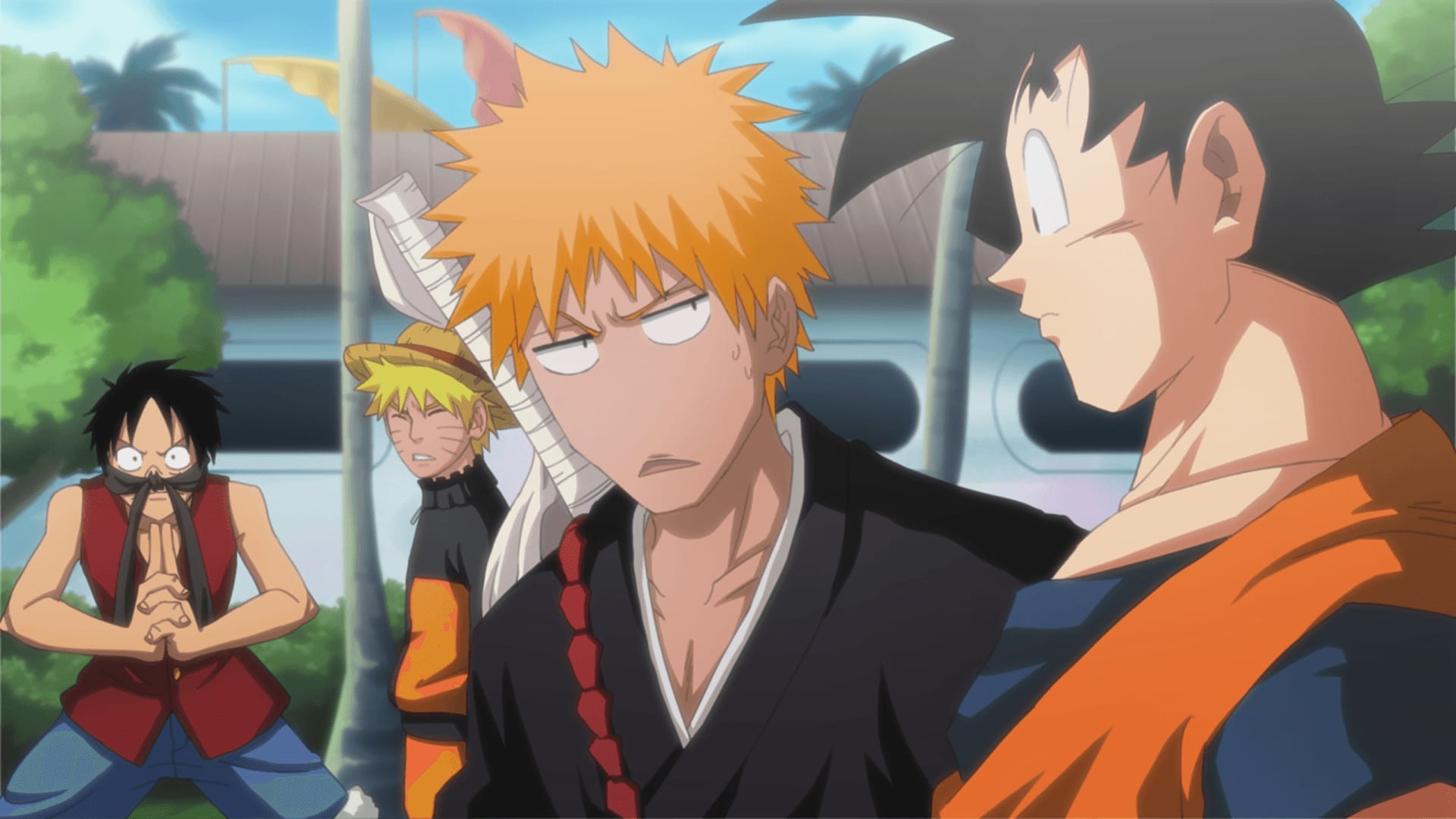
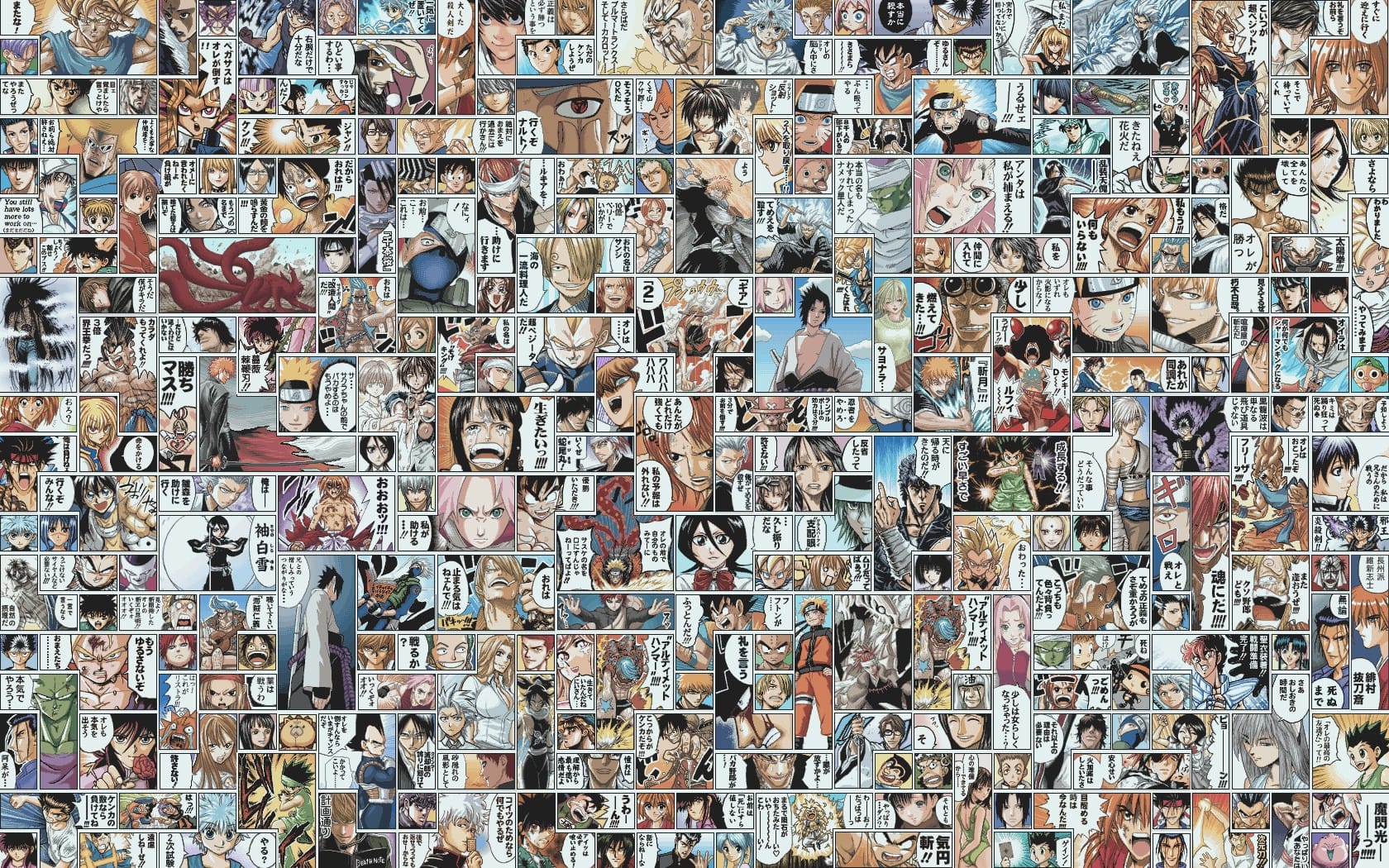
The Big Three earned their status through simultaneous peak popularity in Shonen Jump magazine and their respective anime adaptations. During the mid-2000s, these three series consistently occupied the top circulation spots, each selling millions of volumes while their anime dominated television ratings.
Importantly, they were big together. Earlier Shonen Jump hits like Dragon Ball and Yu Yu Hakusho preceded them; later hits like My Hero Academia and Demon Slayer followed. But only One Piece, Naruto, and Bleach shared their peak simultaneously, creating a specific cultural moment.
Their Western penetration particularly cemented the designation. Toonami’s broadcast of Naruto and Bleach introduced American audiences to anime beyond Dragon Ball. One Piece’s manga success built devoted international fandom. The Big Three were gateway drugs for an entire generation’s anime addiction.
One Piece: The Marathon Champion
Eiichiro Oda’s pirate epic started in 1997 and continues through 2026—nearly three decades of continuous storytelling. One Piece’s longevity alone distinguishes it from the other Big Three, both of which concluded years ago.
Strengths: World-building without peer in shonen manga. Oda’s interconnected mysteries, foreshadowing decades in advance, and emotional payoffs reward long-term investment. The Straw Hat crew’s dynamics remain compelling across 1000+ chapters. Major arcs like Marineford and Wano demonstrate sustained quality despite length.
Weaknesses: That length intimidates newcomers. Pacing issues in the anime (thanks Toei) dilute manga content. The art’s exaggerated style alienates viewers who prefer more realistic designs.
Legacy: One Piece broke manga sales records that may never fall. It proved that serialized storytelling could maintain quality across decades. Its eventual conclusion will be an industry-wide event.
Naruto: The Completed Journey
Masashi Kishimoto’s ninja saga ran from 1999-2014, concluding definitively (before Boruto complicated things). Naruto’s structure—underdog protagonist, clear power progression, found family themes—became the template countless shonen replicate.
Strengths: Character development across a complete arc. Naruto’s journey from village pariah to Hokage resonates emotionally. The Pain arc represents shonen peak. Kishimoto’s fight choreography, particularly in the manga, influenced the entire medium.
Weaknesses: The Fourth Great Ninja War drags significantly. Power escalation in later arcs undermines earlier tactical combat. Excessive flashbacks and padding in the anime tested patience. Boruto’s existence retroactively diminishes the original’s conclusion.
Legacy: Naruto introduced “Talk no Jutsu” as both technique and critique. Its influence appears in every subsequent shonen protagonist who converts enemies through empathy. The shadow clone remains iconic.
Bleach: The Stylish One
Tite Kubo’s Soul Reaper story ran 2001-2016, with the Thousand–Year Blood War arc finally receiving proper anime adaptation in 2022. Bleach prioritized aesthetic and cool factor over tight plotting—a choice with both benefits and costs.
Strengths: Character design unmatched in shonen. Kubo’s fashion sense translated into distinctive silhouettes for every character. The Soul Society arc remains a masterpiece of shonen storytelling. Bankai reveals created hype moments the series consistently delivered.
Weaknesses: Post-Soul Society arcs never recaptured that peak. The Arrancar saga stretched excessively. The original anime ending (before TYBW) felt incomplete. Kubo’s plotting often sacrificed coherence for coolness.
Legacy: Bleach proved that style can carry substance. Its influence appears in every shonen that prioritizes visual design and transformation reveals. TYBW’s modern adaptation rehabilitated the series’ reputation significantly.
Direct Comparisons
World-Building: One Piece dominates. Naruto’s ninja world is functional but limited. Bleach’s Soul Society has style but lacks the depth of One Piece’s Grand Line.
Character Development: Naruto wins through completion. We see the full arc from child to adult. One Piece’s ongoing status means incomplete development; Bleach’s rushed ending truncated character potential.
Power Systems: Naruto’s chakra/jutsu system provides the clearest rules. Bleach’s spiritual pressure is vibes-based. One Piece’s Devil Fruits allow creative freedom but inconsistent scaling.
Peak Arc: Contested. Marineford (One Piece), Pain (Naruto), and Soul Society (Bleach) all have passionate advocates. Objectively measuring across series proves impossible.
Anime Adaptation Quality: TYBW Bleach now leads through sheer production value. One Piece’s Toei adaptation is notoriously padded. Naruto Shippuden’s filler percentage is criminal.
The New Generation’s “Big Three”
Fans debate whether a new Big Three exists. Candidates include:
My Hero Academia: Succeeded as shonen standard-bearer after Naruto’s end. Nearing conclusion with declining popularity from peak.
Demon Slayer: Achieved unprecedented commercial success but shorter length means less cultural penetration over time.
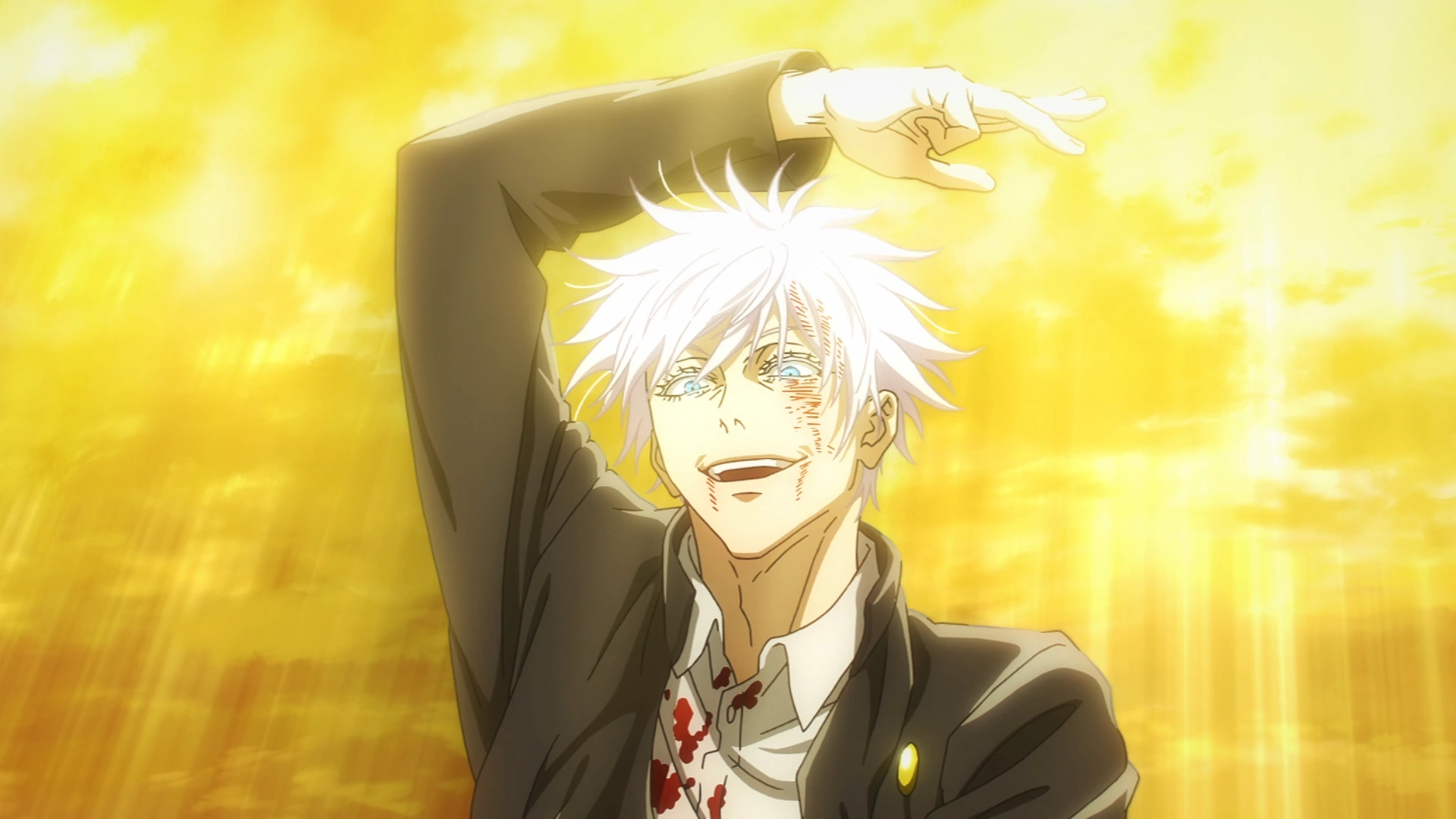
Jujutsu Kaisen: Currently peak popularity with critical acclaim. Strong candidate for long-term legacy.
The fundamental problem: modern anime doesn’t replicate the Big Three’s conditions. Simultaneous dominance over a decade requires factors that fragmented media landscapes don’t support. The Big Three were products of their era—an era that’s passed.
Which Should You Watch?
The honest answer depends on what you value:
Choose One Piece if: You want maximum world-building, don’t mind massive time investment, and appreciate long-term payoffs. Best for viewers who treat anime as ongoing hobby rather than specific media to complete.
Choose Naruto if: You want a complete story with clear beginning/middle/end, connect with underdog narratives, and don’t mind filler-skipping. Best for viewers wanting classic shonen experience with definitive conclusion.
Choose Bleach if: You prioritize style and cool factor, prefer shorter arcs with immediate satisfaction, and can forgive plotting issues for aesthetic excellence. Best enjoyed now that TYBW provides proper conclusion.
You can also watch all three—they’re not mutually exclusive. But if time constraints force choice, match series strengths to your preferences.
The Lasting Impact
The Big Three matter because they shaped what shonen means. Every tournament arc, every power-up transformation, every Talk no Jutsu moment exists in their shadow. Modern anime either builds on their foundations or deliberately rejects them.
Calling any series “Big Three-level” establishes a standard, whether that comparison is warranted or not. The designation transcended the specific series to become shorthand for shonen excellence—a benchmark against which everything gets measured.
In 2026, with One Piece continuing, TYBW reviving Bleach, and Naruto’s influence in every subsequent protagonist, the Big Three remain relevant. Not because they’re the best anime ever made—that’s subjective—but because they defined what “shonen” means for an entire generation. That legacy, whether you’ve watched them or not, shapes everything you watch today.