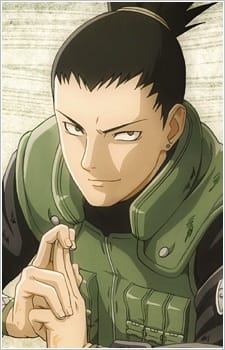
Shikamaru Nara is canonically the smartest character in Naruto—IQ over 200, strategic genius, capable of defeating opponents far more powerful through pure tactics. Yet he’s also the laziest, constantly complaining about effort and preferring cloud-watching to training. This contradiction creates one of anime’s most compelling tacticians. Here’s the complete analysis of Konoha’s greatest strategist.
The Genius Who Hates Working
Shikamaru’s laziness isn’t affectation—it’s genuine personality. He finds most activities “troublesome,” prefers minimal effort paths, and would happily spend life doing nothing. His dream of becoming an average ninja, marrying an average woman, and dying an average death reflects sincere desire for unremarkable existence.
Yet circumstances continuously force engagement. His intelligence can’t ignore problems it sees solutions to. His loyalty won’t abandon friends facing challenges he could address. Shikamaru’s arc involves accepting that his abilities create responsibilities he can’t ethically avoid—the burden of genius.
The tension between capability and desire generates both comedy and pathos. Shikamaru sighing while devising plans that save his team, Shikamaru complaining about leadership while leading brilliantly, Shikamaru wishing for simple life while navigating complex political situations—the gap between preference and reality defines him.
Shadow Possession: The Perfect Tactical Ability
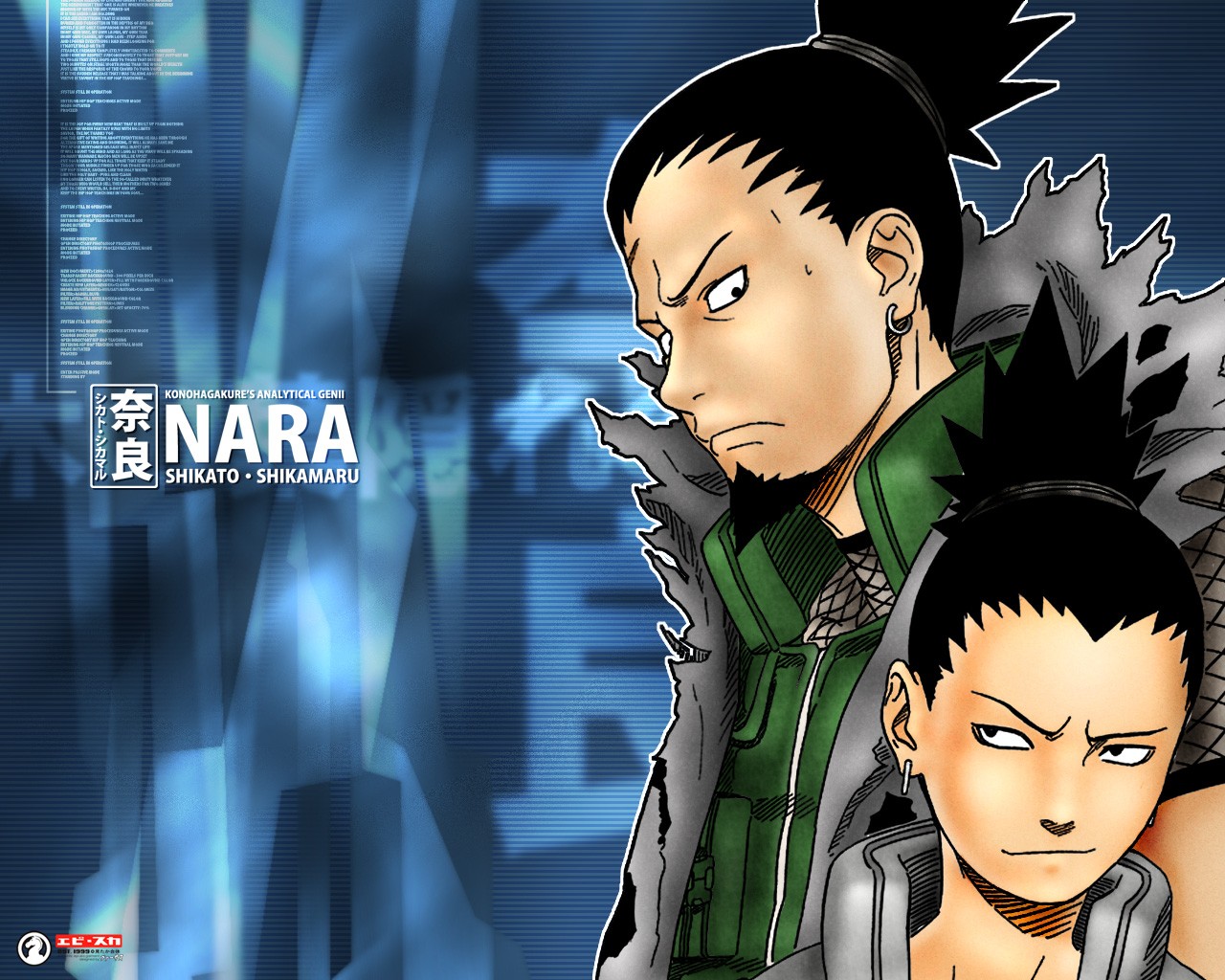
The Nara clan’s Shadow Imitation Technique fits Shikamaru perfectly. It’s not powerful through raw force; it requires setup, environmental awareness, and clever application. Shadows must connect physically, limiting range and requiring light sources. These constraints transform every fight into puzzle-solving.
Shikamaru’s battles demonstrate tactical excellence:
Vs. Temari (Chunin Exams): He orchestrates elaborate multi-stage strategy to capture her shadow, demonstrates complete victory capability, then forfeits due to chakra exhaustion. The match proves his genius while establishing his physical limitations.
Vs. Hidan (Immortal Akatsuki member): Facing an opponent who can’t be killed through conventional means, Shikamaru develops a plan involving prepared battlefield, shadow manipulation, and knowledge of Hidan’s abilities to trap and bury him permanently. Victory through intelligence, not power.
Fourth Great Ninja War: Coordinating strategies for entire divisions, Shikamaru’s tactical abilities scale to army-level operations. His analysis saves thousands while his individual combat remains limited.
Asuma’s Death: The Turning Point
The Hidan and Kakuzu arc represents Shikamaru’s defining moment. Asuma Sarutobi—his sensei, mentor, and father figure—dies protecting him from Hidan’s curse technique. Shikamaru watches, unable to prevent it, forced to carry Asuma’s final messages to his family.
His grief manifests as obsessive planning for revenge. The normally disengaged genius spends days analyzing Akatsuki’s abilities, preparing specialized weapons, and designing a strategy specifically to kill an immortal. His father’s intervention—beating him at shogi to demonstrate emotional compromise—provides necessary reality check.
The revenge mission succeeds through everything Shikamaru learned from Asuma: teamwork, preparation, and accepting that victories have costs. Burying Hidan alive rather than attempting impossible killing reflects pragmatic genius—solving problems through available means rather than demanded methods.
The Father Figure Dynamic
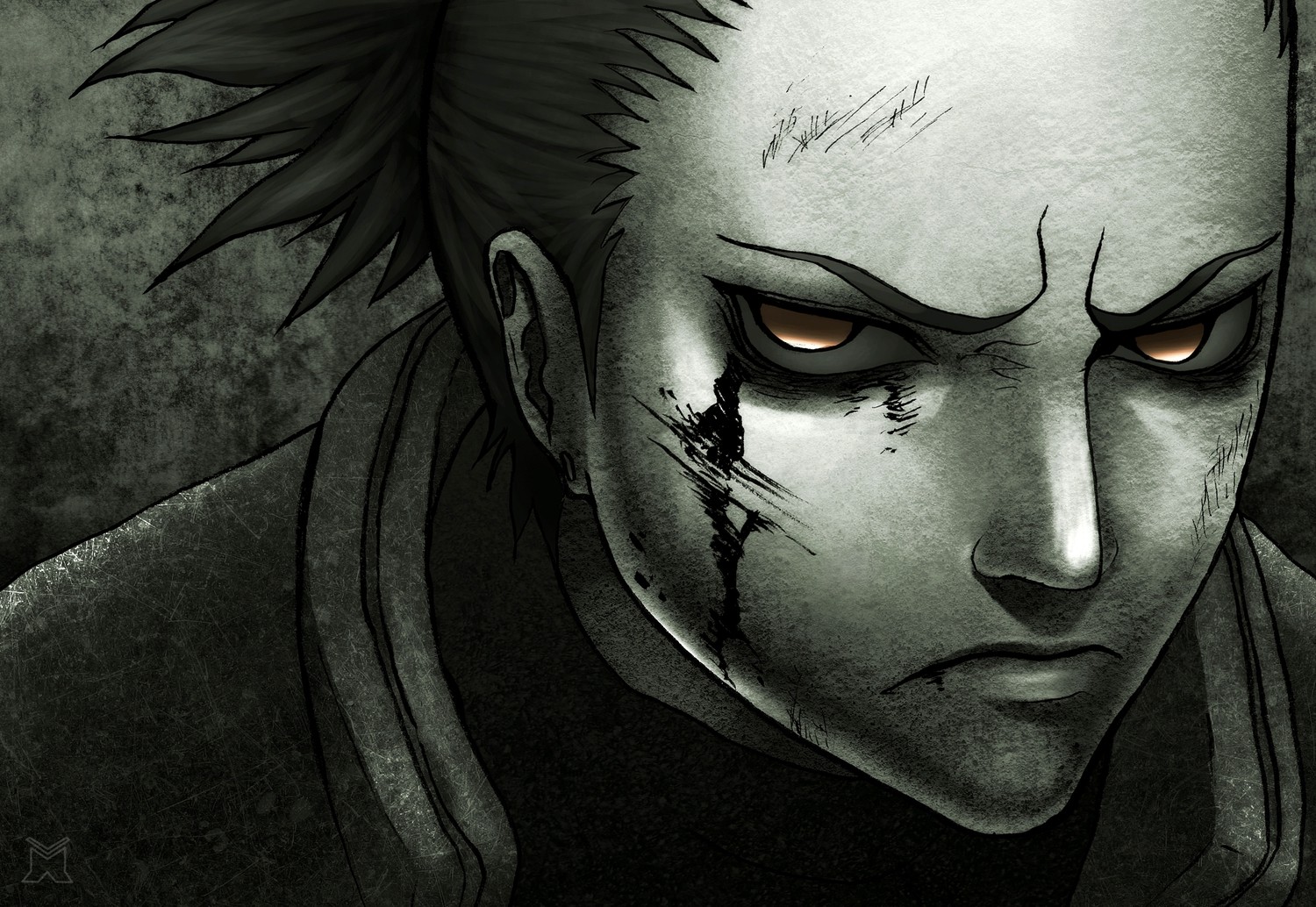
Shikaku Nara, Shikamaru’s father and Konoha’s Jonin Commander, provides both genetic inheritance and direct mentorship. Their shogi games establish father-son communication through competition—emotional conversations encoded in strategic matches.
Shikaku’s death during the Fourth Great Ninja War, killed by the Ten-Tails’ attack while transmitting final strategy, forces Shikamaru into his father’s role. The tactical burden transfers directly: Shikamaru must now serve as Konoha’s strategic mind. His resistance to responsibility becomes impossible to maintain.
The generational parallel with Asuma deepens this. Shikamaru loses two father figures to war, inheriting responsibilities from both. His eventual role as Naruto’s advisor fulfills what both Asuma and Shikaku prepared him for—leadership he never wanted but can’t avoid.
Relationship with Team 10
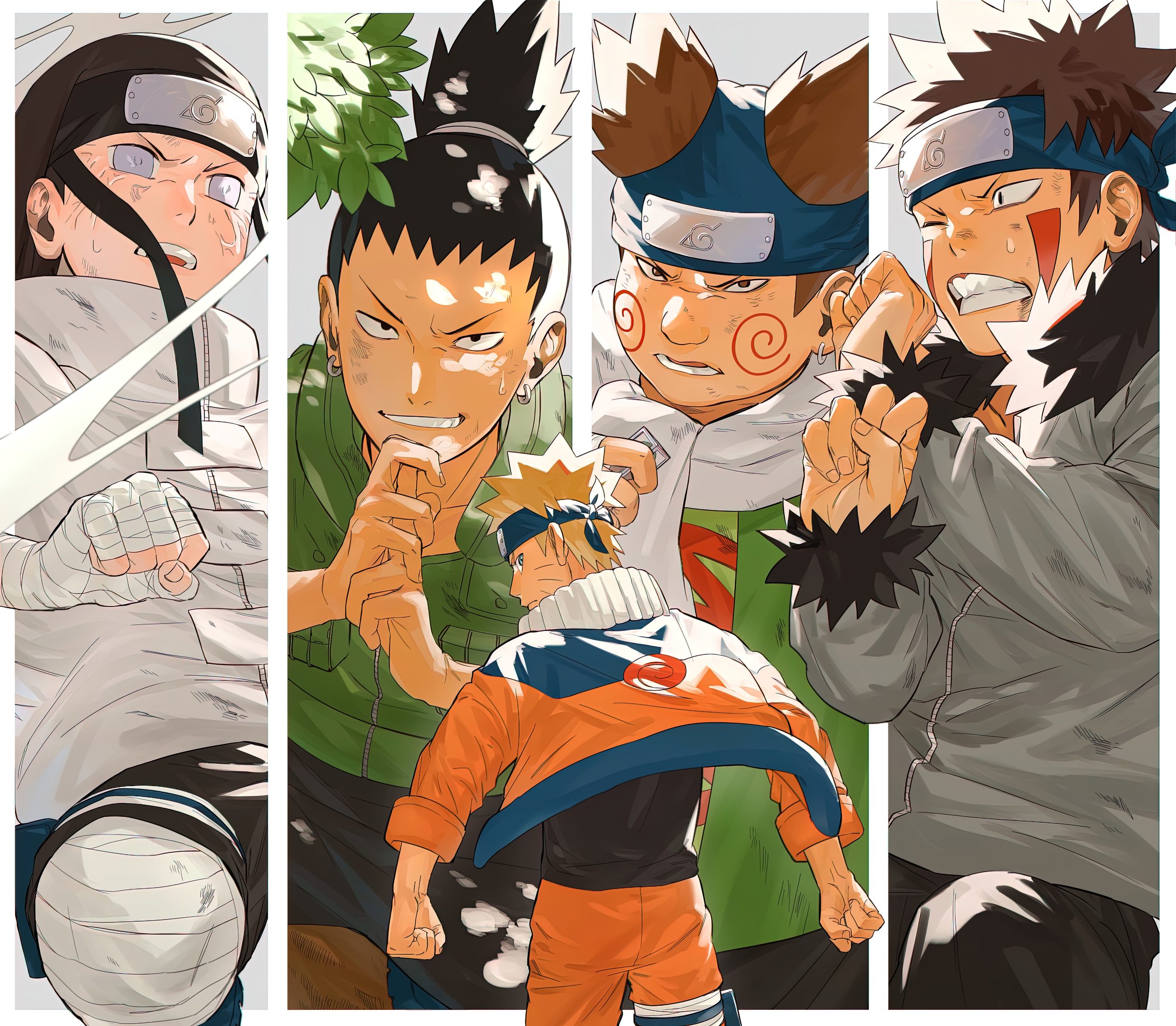
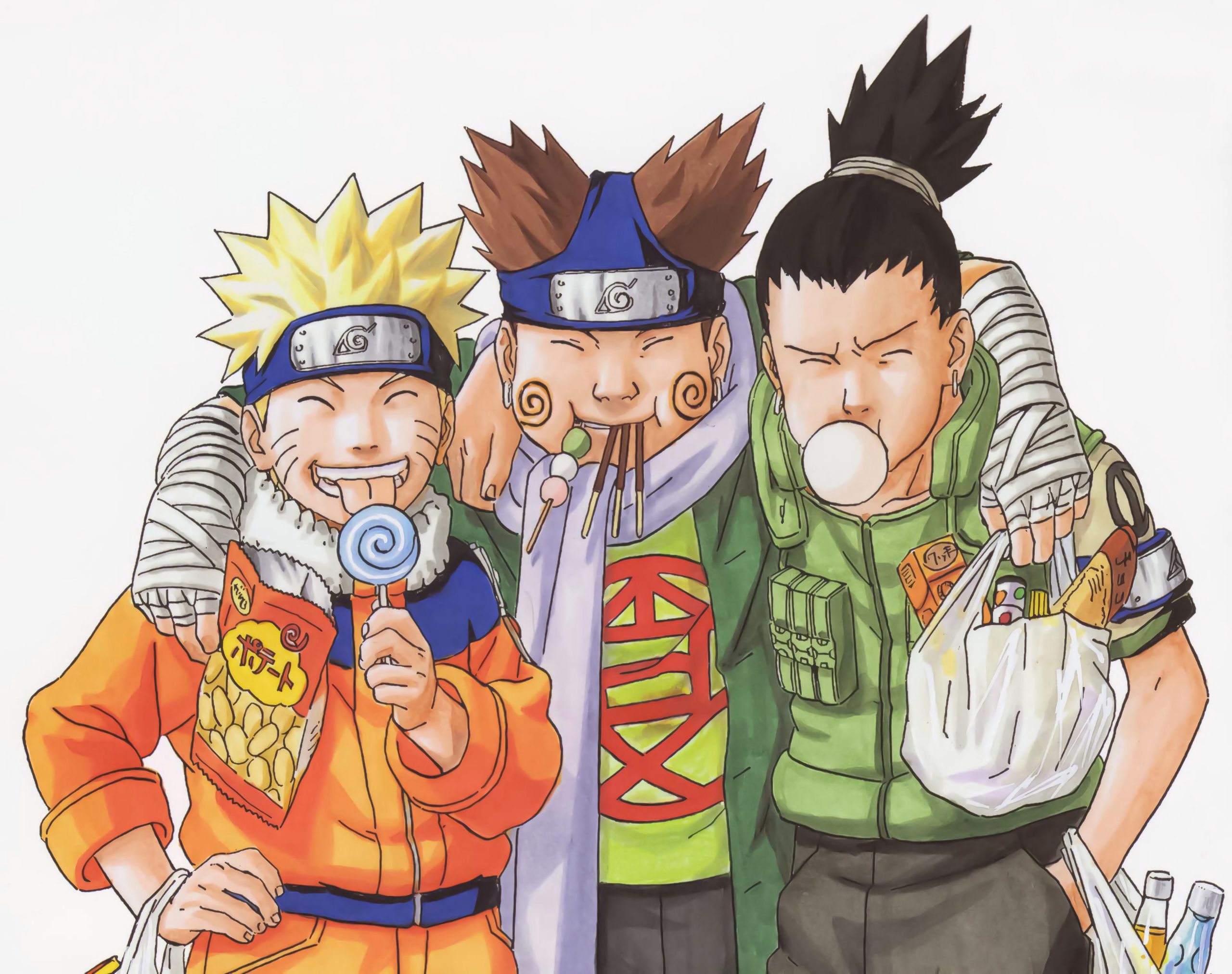
Ino-Shika-Cho—the generational team combining Yamanaka, Nara, and Akimichi clan abilities—provides Shikamaru’s combat foundation. Their techniques complement perfectly: Ino’s mind transfer, Shikamaru’s shadow possession, Choji’s physical expansion. Together they accomplish what none could alone.
Shikamaru’s leadership of the team, despite being equally ranked with Ino and Choji, reflects natural authority through competence. He doesn’t seek command; it falls to him because his plans work. The team dynamic models his broader relationship with Konoha: reluctant leadership validated by results.
His friendship with Choji deserves specific mention. Shikamaru defended Choji during childhood bullying, establishing loyalty before any team assignment. Their bond transcends mission partnership—they’re genuine friends whose connection exists independent of ninja duties.
The Chunin Exams Performance

Shikamaru’s Chunin Exams arc establishes his character efficiently. Facing Kin in preliminaries, he demonstrates shadow technique creativity. Facing Temari in finals, he shows strategic depth across an extended battle while also revealing his limitations through voluntary forfeit.
His promotion to Chunin after forfeiting demonstrates Konoha’s values. The judges recognized that his strategic display outweighed the technical loss—leadership potential matters more than individual victory. Shikamaru’s promotion while Naruto (who won his fight) wasn’t promoted sends a clear message about what Konoha needs.
This early promotion creates narrative purpose. As Chunin, Shikamaru can lead missions; as acknowledged strategist, he can advise higher-ranked ninja. His subsequent leadership of the Sasuke Retrieval mission and later tactical roles depend on this promotion’s credibility.
Post-War Role: Naruto’s Shadow
Adult Shikamaru serves as Naruto’s advisor and right-hand—the intelligence behind the Hokage’s authority. This role suits him perfectly: influence without public responsibility, strategic impact without formal leadership burden. He advises decisions he won’t have to personally execute.
His marriage to Temari, the woman who defeated him philosophically (she never accepted his forfeit as real loss), completes his personal arc. Their son Shikadai continues the Nara legacy while Shikamaru guides Konoha from the shadows—literally and figuratively.
Boruto-era Shikamaru demonstrates mature genius: still complaining about troublesome situations, still solving them anyway. The character consistency across decades reinforces that growth doesn’t require personality transformation. Shikamaru remains lazy, remains brilliant, remains essential.
Why Shikamaru Resonates
Shikamaru appeals to viewers who recognize themselves in his reluctance. Capability doesn’t automatically create desire to use it. Talent doesn’t eliminate preference for easy paths. Shikamaru’s resentment of his own gifts, and gradual acceptance of their demands, mirrors real experiences of intelligent people who’d rather not bear intelligence’s burdens.
His tactical victories satisfy in ways power-based wins don’t. When Naruto overwhelms enemies through Nine-Tails chakra, it’s impressive but expected. When Shikamaru defeats Hidan through cemetery preparation and improvised wire techniques, it’s earned through visible cleverness. The audience follows his reasoning and appreciates the solution’s elegance.
The lazy genius represents a specific fantasy: being smart enough that minimal effort still achieves excellent results. Shikamaru embodies this while demonstrating its limits—eventually, circumstances force full engagement. His compromise between fantasy and reality makes him relatable where pure wish-fulfillment characters aren’t.
In a series full of hard workers (Naruto, Lee) and natural talents (Sasuke, Neji), Shikamaru occupies unique space: the talent who’d rather not, forced by circumstances and conscience to engage anyway. That space—between capability and desire—is where his character lives, and it’s a space many viewers understand intimately.