Rimuru Tempest: How a Slime Became Anime’s Most OP Character
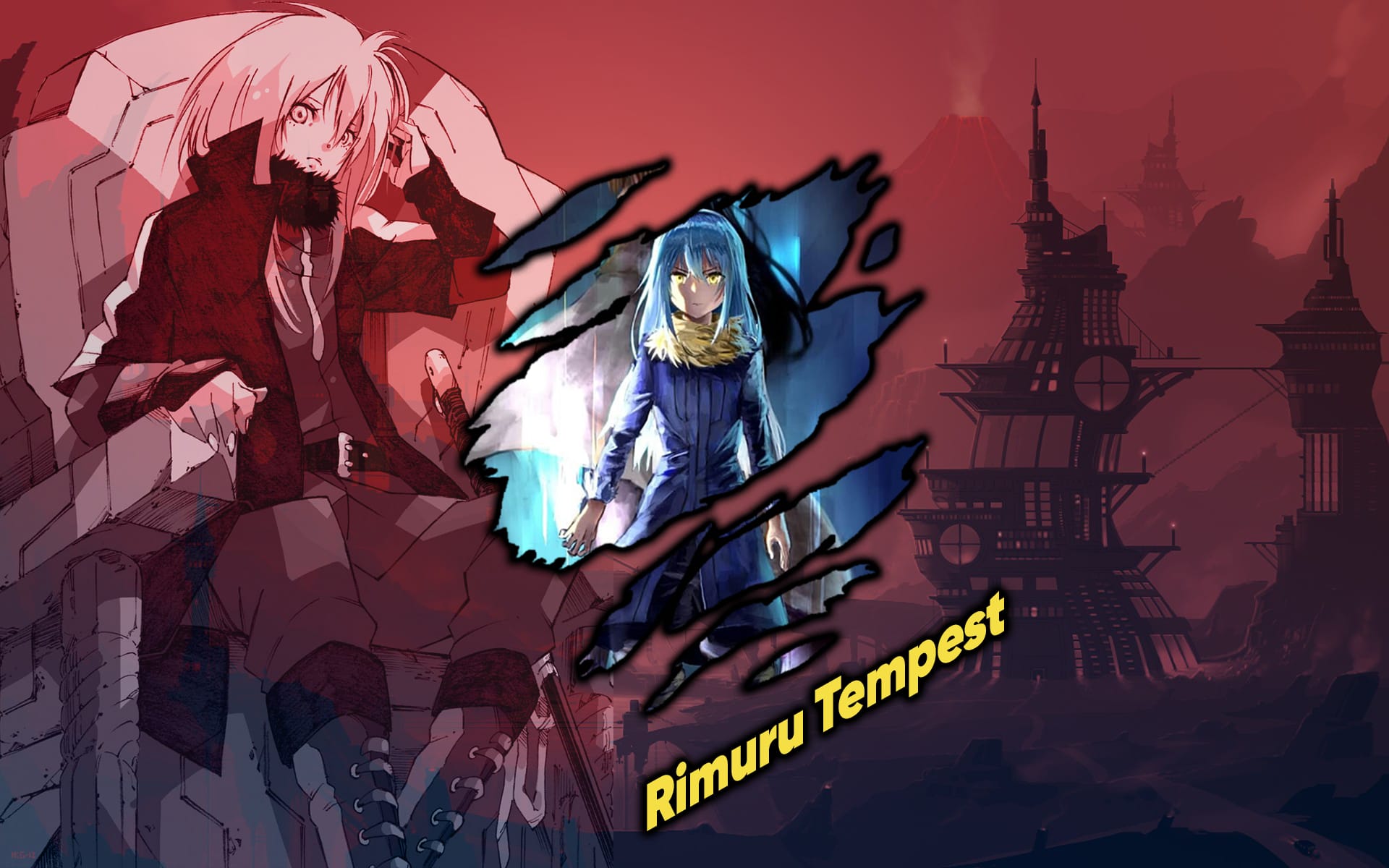
Let’s be honest for a second. When you first heard the premise — “guy dies, gets reincarnated as a slime” — you probably laughed. Maybe you skipped it for a few seasons. Maybe your friend had to drag you into watching it. And then somewhere around episode three, something clicked, and you realized you were watching one of the most quietly revolutionary isekai protagonists ever written.
This is a full Rimuru Tempest character analysis — and we’re not holding back. We’re covering the complete arc from terrified storm drain blob all the way to True Demon Lord, breaking down the mechanics of Great Sage, Raphael, and Ciel, and asking the big question every fan eventually wrestles with: why does an absurdly overpowered character like Rimuru Tempest stay compelling when so many OP isekai protagonists crash and burn?
Strap in. This is going to be thorough.
Jump To a Section
- The Origins: Death by Stabbing, Reborn as a Blob
- Power Scaling — From Predator to Storm Dragon’s Equal
- Great Sage → Raphael → Ciel: The Intelligence Evolution
- The Leadership Style That Actually Makes Sense
- Building the Jura Tempest Federation
- Why Rimuru Works When Other OP Protagonists Don’t
- Rimuru vs. The Isekai Crowd
- Verdict: The Slime We Deserved
The Origins: Death by Stabbing, Reborn as a Blob
Rimuru Tempest starts life as Satoru Mikami — a 37-year-old corporate drone in Tokyo who gets fatally stabbed in what has to be one of the most unceremonious death scenes in isekai history. No epic battle, no grand sacrifice. Just a random mugging while covering for a colleague’s date. The universe, apparently, found this funny.
He wakes up as a slime — physically the weakest creature in most fantasy taxonomies — in a pitch-black cave. No body. No eyes. No way to process the world except through sensation and a rapidly activating unique skill called Predator. Most writers would treat this as a brief humiliation phase before handing the hero a human body and a sword. Fuse, the light novel’s author, had a different idea entirely.
What makes this origin so effective is that Rimuru Tempest doesn’t rage against the slime condition. There’s no desperate scramble to become human again. Within hours of waking up, Rimuru is cataloguing the cave’s thermal properties and figuring out how Predator works. This is the first signal that we’re dealing with a different kind of protagonist — pragmatic, curious, and weirdly at peace with reality as it is.
The encounter with Veldora Tempest in that same cave sets everything in motion. Veldora — a genuine catastrophe-class Storm Dragon who has been sealed for 300 years — is lonely. Rimuru is unexpectedly good company. Their friendship is the emotional core of the entire series, and it also kicks off Rimuru Tempest‘s first major power acquisition: the name “Tempest” itself, absorbed Dragon-energy, and the foundation of what will become an empire.
Power Scaling — From Predator to Storm Dragon’s Equal
The Rimuru Tempest power scaling arc is one of the most satisfying in shonen-adjacent fiction — and it’s worth mapping it properly because the manga and anime compress certain steps in ways that can make it feel like Rimuru just keeps getting randomly buffed.
It isn’t random. Every major power jump is tied to a story consequence.
Phase 1: The Slime Toolkit
Starting gear: Predator (absorb and replicate), Great Sage (analytical AI), and a body that feels no pain and has no temperature sensitivity. Rimuru immediately starts stacking abilities by consuming creatures in the cave — the Centipede, the Black Spider, fire and water serpents. This early phase establishes the core loop: face problem, absorb solution, iterate.

Phase 2: Named and Dangerous
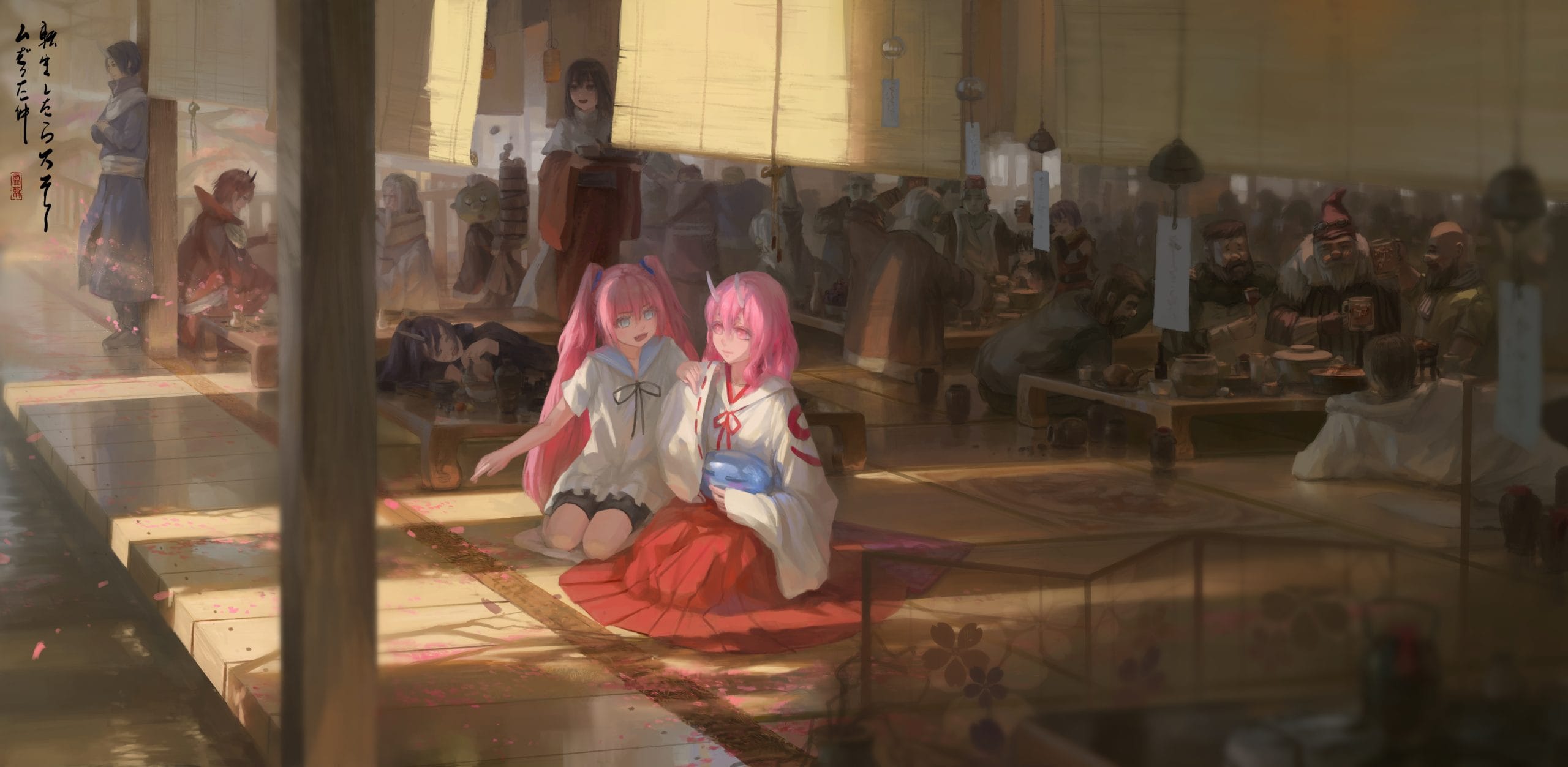
Naming monsters in this world grants them power — and costs the namer magicules. Rimuru Tempest doesn’t realize this at first and burns through enormous reserves naming the Goblin village, the Direwolves, and the Dwarves. The resulting physical exhaustion introduces the “female form” humanoid body — and permanently reframes how other characters relate to Rimuru. It’s not played for cheap fanservice. It’s a turning point in how the world reads Rimuru as a political entity.
Phase 3: Awakening the Demon Lord
The Falmuth Kingdom massacre — where human soldiers slaughter the inhabitants of Rimuru’s city — is the darkest and most consequential moment in the series. Rimuru Tempest‘s grief and fury trigger a condition that was always latent: Harvest Festival, the evolution ritual for Demon Lords. To save the dead, Rimuru must kill 10,000 humans to generate enough magicules to complete the evolution. Rimuru does it.
This is a hard moment in the story and the anime doesn’t flinch from it. Rimuru Tempest becomes a True Demon Lord not through training montages but through genuine tragedy and a moral line crossed. The power gain is enormous — new resistances, tripled magicule output, the evolution of every ability — but it costs something that can’t be taken back.
Phase 4: Post-Demon Lord Growth
After the Demon Lord awakening, Rimuru Tempest‘s ceiling effectively becomes narrative rather than mechanical. The ongoing light novel continues to push the scale — Rimuru’s Ultimate Skills, the conflict with Luminous Valentine and the Western Holy Church, clashes with other Demon Lords — but the core character is largely set by this point. The remaining growth is about scope, not ability.
Great Sage → Raphael → Ciel: The Intelligence Evolution
If you want to understand what makes Rimuru Tempest fundamentally different from most isekai power-trippers, look no further than the evolution of the in-head AI companion.

Great Sage starts as exactly what it sounds like: a powerful analysis engine. It processes incoming information faster than a human brain can, identifies weaknesses in enemies, calculates optimal battle strategies, and provides a kind of safety net against Rimuru’s more impulsive decisions. It’s the reason a baby slime with no combat training can hold its own in the early game — Rimuru has essentially a supercomputer advising every move in real time.
But Great Sage isn’t just a calculator. It develops. Slowly, across dozens of significant battles and decisions, the Sage starts offering opinions rather than just calculations. There are moments — especially during Rimuru’s emotional crises — where the communication starts to feel less like querying a database and more like talking to someone.
After the Harvest Festival and Rimuru Tempest‘s evolution into True Demon Lord, Great Sage evolves into Raphael, Lord of Wisdom. The upgrade is staggering. Raphael doesn’t just analyze — it can act semi-autonomously, manage multiple processes simultaneously, and in the light novel, even steps in to protect Rimuru during periods of incapacitation. The shift from tool to entity is one of the more philosophically interesting threads in the whole story.
And then there’s Ciel — the name Rimuru eventually gives to this evolving presence, acknowledging it as a separate personality that has genuinely grown alongside the shared experience. The Rimuru Tempest-Ciel dynamic is arguably the most unique relationship in the entire series: a protagonist and their inner strategic intelligence developing something resembling genuine companionship. It’s not romantic, not parental, not quite friendship — it’s its own category entirely, and the story is better for it.
The Leadership Style That Actually Makes Sense
Here’s something isekai often gets wrong about power fantasies: they confuse “everyone defers to the protagonist” with “the protagonist is actually a good leader.” The two are not the same thing, and most series are too busy showcasing the former to bother building the latter.
Rimuru Tempest is a surprisingly realistic leader for a fantasy story.
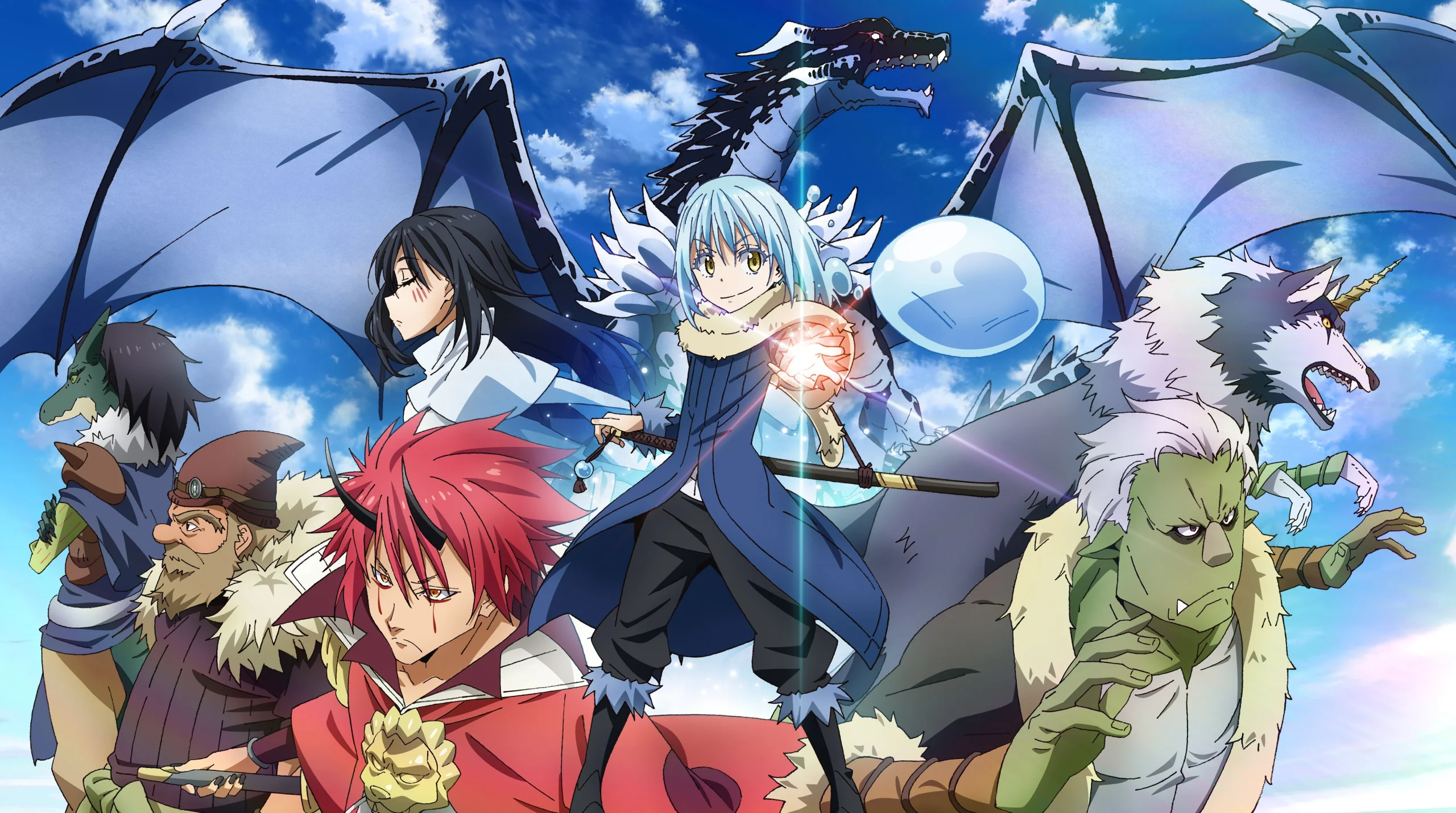
The foundation is delegation. Rimuru identifies talent early and builds an organizational structure around it. Benimaru handles military command. Souei runs intelligence and infiltration. Shuna manages domestic and cultural affairs. Shion handles close-guard duties (with mixed results, initially). Rimuru’s role is not to be the best fighter in every room — it’s to be the person who points all these exceptional individuals in the right direction and removes obstacles between them and their goals.
This is backed up by consistent emotional intelligence. Rimuru Tempest actually listens. When Benimaru expresses concerns about military strategy, Rimuru adjusts. When Gobta (consistently underestimated by everyone including the reader) shows unexpected competence, Rimuru notices and promotes him. The leadership style is meritocratic and attentive in a way that feels genuinely earned rather than just asserted.
There’s also a transparency that most fictional leaders lack. Rimuru tells the Jura Tempest Federation’s citizens when things are bad. The Falmuth attack happens, and Rimuru doesn’t spin it — the leader stands in front of the community, explains the situation, and takes personal responsibility for vengeance and reconstruction. It’s the kind of moment that reminds you this is a 37-year-old office worker’s soul running the show, not a naive teenage hero.
The leadership also has a blind spot worth noting: Rimuru Tempest is too emotionally attached to those under command. The Shion death arc hits as hard as it does precisely because Rimuru had stopped treating her as just a soldier. This attachment is both a moral strength and a tactical vulnerability — and the story acknowledges both sides honestly.
Building the Jura Tempest Federation
The Jura Tempest Federation is one of anime’s most interesting fictional nation-building projects, and it wouldn’t exist without the specific personality of Rimuru Tempest at its center.
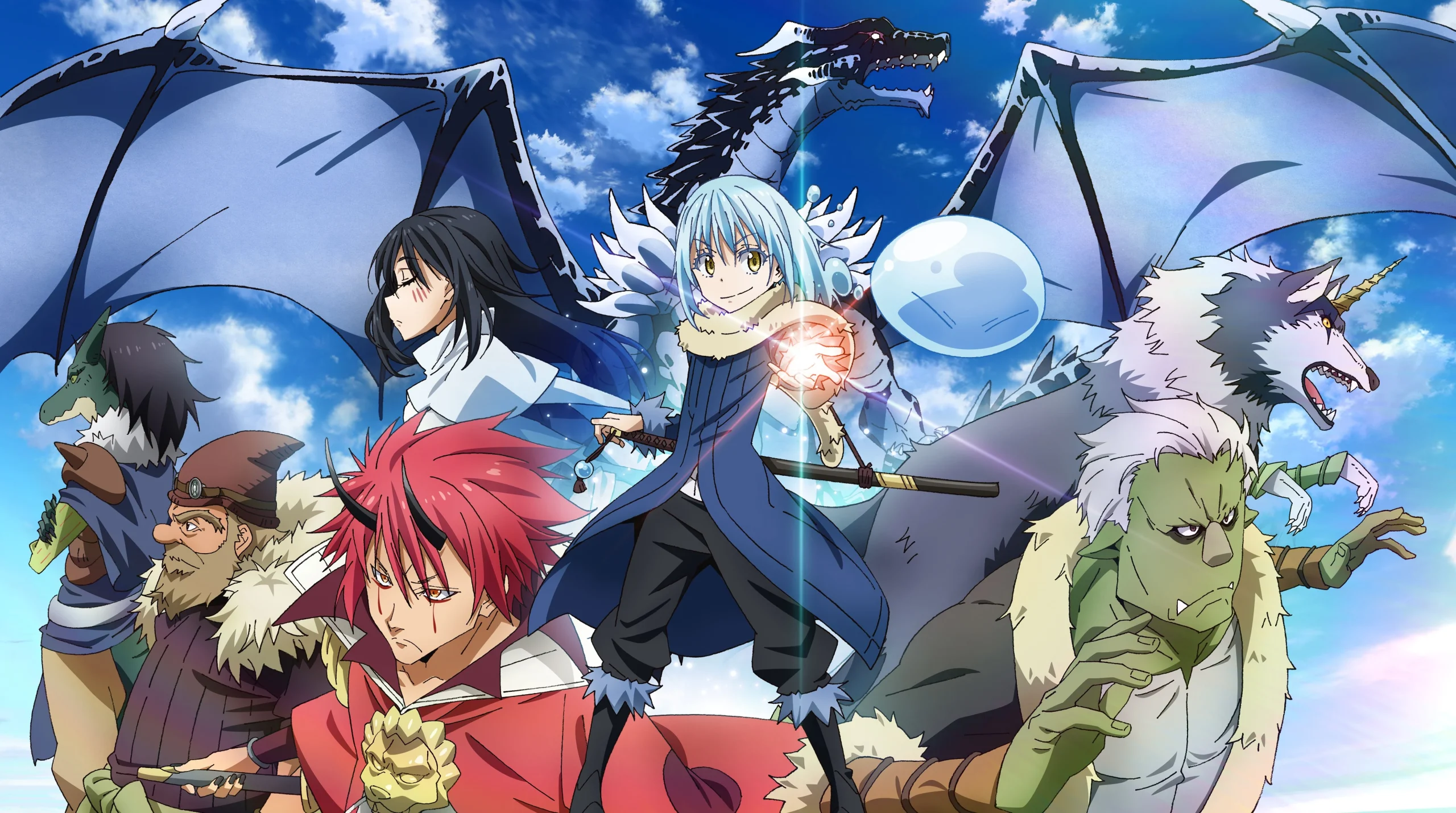
Most fantasy nation-building stories focus on conquest — the hero builds an army, wins wars, claims territory. Rimuru’s approach is almost entirely diplomatic and economic. The Goblin village gets walls, food production knowledge, and defense training in exchange for labor and community. The Direwolves are integrated as cavalry. The Lizardmen become allies after a war Rimuru deliberately ends short of total destruction. The Dwarven Kingdom of Dwargon is approached as a trade partner, not a target.
The Federation’s founding principle — that monster-kind deserves peaceful coexistence and a legitimate place in the world’s political order — is radical in its setting. Human kingdoms treat monsters as vermin or weapons. Rimuru Tempest builds an alternative model and then forces the world to take it seriously through a combination of demonstrated prosperity, overwhelming military deterrence, and shrewd political maneuvering.
What makes this believable is that Rimuru Tempest brings genuine knowledge advantages from modern Japan. Urban planning concepts, supply chain thinking, basic public health ideas, educational philosophy — these 21st-century frameworks, applied to a medieval fantasy setting, are why the city grows so rapidly. It’s the isekai “modern knowledge advantage” trope used in its most coherent form: not “protagonist knows how to make gunpowder and win wars” but “protagonist understands how societies function and builds a better one.”
The Federation also benefits from Rimuru’s personal brand. Other Demon Lords, powerful spirits, ancient beings — many of them maintain relationships with Rimuru Tempest that they wouldn’t offer a traditional ruler. Milim Nava, arguably the most powerful Demon Lord in the world, considers Rimuru her best friend. That relationship alone is a strategic deterrent that no army could replicate.
For a complete breakdown of where things stand in the current anime timeline, check out our That Time I Got Reincarnated as a Slime Season 4 Complete Guide — especially if you want to see how the Federation’s political situation evolves into the Tenma War arc.
Why Rimuru Works When Other OP Protagonists Don’t
This is the central question, and it deserves a direct answer.

Overpowered protagonists fail for one of two reasons: either they stop facing genuine stakes (nothing can hurt them, nothing can threaten anyone they care about), or their power is uncoupled from any coherent internal logic (they win because the story needs them to win, not because of anything they specifically did).
Rimuru Tempest avoids both failure modes.
On stakes: the Shion death arc, the Falmuth massacre, Veldora’s prolonged absence, the political pressure from the Western Holy Church — these are not fake danger. The series has demonstrated willingness to let the consequences of Rimuru Tempest‘s world be genuinely brutal. The emotional stakes remain high because the story has earned them with real losses.
On internal logic: every ability Rimuru uses was acquired through a traceable process. Predator consumed it. A named skill was leveled through use. Evolution was triggered by specific conditions. Even when the power levels feel absurd, you can draw a line from action to consequence to capability. There’s no deus ex machina because the whole system is explained up front and followed consistently.
There’s also a psychological dimension that’s easy to miss. Rimuru Tempest doesn’t want power for its own sake. The motivation throughout is security and community — protect the people who depend on Rimuru, build a world where they can flourish. This is a fundamentally different motivational engine than “become the strongest” or “gain recognition,” and it creates different decisions. Rimuru regularly turns down power or status that would be strategically useful because it would compromise the community’s values or Rimuru’s own sense of self.
The closest real-world analogy is a founder mentality: the person who builds the company doesn’t want the CEO title, they want the thing they built to work. That orientation — toward the thing rather than toward personal aggrandizement — is what keeps Rimuru Tempest sympathetic even after the power level becomes cartoonishly large.
Rimuru vs. The Isekai Crowd
The isekai genre has an OP protagonist problem. Let’s address it head-on by stacking Rimuru Tempest against a few contemporaries.
Rimuru vs. Ainz Ooal Gown (Overlord)
Ainz is the most interesting comparison because both are genuinely powerful and both lead monster-centric societies. The difference is internal psychology. Ainz is a corporate employee trapped in a role, performing competence he doesn’t always feel, increasingly detached from any human moral framework. Rimuru Tempest is a corporate employee who brings that framework into the new world and lets it evolve organically. Ainz gets darker over time; Rimuru gets more grounded. Neither is “better” — they’re exploring different questions about the genre.
Rimuru vs. Kirito (Sword Art Online)
Kirito’s overpoweredness is largely narrative convenience — he wins when the plot needs him to win. The mechanics rarely feel rigorous. Rimuru Tempest wins through consistent application of an established system. Rimuru also has 37 years of adult life experience shaping decisions; Kirito is a teenager. The gap in decision-making maturity is enormous and shows up constantly in how each protagonist builds relationships.
Rimuru vs. Subaru (Re:Zero)
Subaru is not OP — he has the worst ability in isekai (die repeatedly, remember everything, tell no one). But he’s worth mentioning because he and Rimuru Tempest are both isekai protagonists who lean hard into emotional intelligence rather than pure combat. The difference is that Subaru’s growth is explicitly traumatic and hard-won; Rimuru’s is more naturally progressive. Fans of Re:Zero often underestimate Slime because it’s tonally lighter — but that tonal choice is intentional and the character depth is there if you look for it.
Rimuru vs. The One-Punch Man Problem
One-Punch Man solves the OP protagonist problem by making the overpowered-ness the tragedy — Saitama wins every fight instantly and finds no satisfaction in it. Rimuru Tempest takes a different approach: the satisfaction comes not from the fights but from what the fights protect. This is a more sustainable premise for a long-running story, and it explains why Slime can run to multiple seasons without the core premise feeling exhausted.
Curious how other powerful characters from the dark side of isekai stack up? Our roundup of best anime villains of all time includes several figures from the Slime universe who give Rimuru Tempest genuine competition — and understanding the antagonists is essential to understanding why Rimuru’s choices matter.
Verdict: The Slime We Deserved
Here’s the honest assessment after everything: Rimuru Tempest is one of the best-designed isekai protagonists in the genre’s history, and the show doesn’t get enough credit for how carefully that character was engineered.
The slime framing is not a gimmick. It’s a statement of intent. By starting Rimuru Tempest in the least impressive form possible — invisible, immobile, incapable of speech — the author establishes that this story is about what you build, not what you’re given. Every ability acquired has meaning. Every relationship formed is earned. Every political structure created came from real decisions with real costs.
The adult mindset transplanted into a new world matters enormously. Satoru Mikami didn’t have an exciting life before reincarnation, but he had a mature one — 37 years of navigating office politics, managing relationships, understanding how organizations fail and why they succeed. Rimuru Tempest applies that accumulated human wisdom to a fantasy context and the results feel grounded in a way that younger protagonists simply can’t replicate.
The Great Sage-to-Ciel evolution adds a layer of psychological complexity that’s rare in the genre — the question of what it means to develop an internal intelligence as a genuine relationship rather than just a tool is the kind of philosophical thread that keeps theorists busy in fan forums years after the episodes air.
And ultimately, the Jura Tempest Federation is the payoff that justifies all of it. Rimuru Tempest doesn’t just win fights — Rimuru builds something. A nation, a culture, a way of organizing power that challenges the world’s existing assumptions. That ambition, that scope, is what separates this story from the hundred other “isekai protagonist gains power” premises that debut each season.
If you’ve been sleeping on this series, there’s never been a better time to catch up — season 4 is bringing some of the manga’s biggest arcs to the screen. And if you’re already deep in the lore and want to see what else the spring 2026 anime slate is offering in the high-stakes fantasy space, our Spring 2026 Anime Season Complete Guide has everything mapped out.
The slime that started as a joke is now the standard by which a genre measures itself. That’s not an accident. That’s Rimuru Tempest.
Rimuru Tempest — Frequently Asked Questions
How strong is Rimuru Tempest compared to other Demon Lords?
After the Harvest Festival evolution, Rimuru Tempest ranks among the top Demon Lords in the world — by some measurements at the very top. Milim Nava is often cited as a peer, while older Demon Lords like Guy Crimson and Luminous Valentine represent genuine competition. The Tensura wiki’s detailed power tier breakdown is the most comprehensive external resource for where Rimuru Tempest sits in the full cast ranking.
What is the difference between Great Sage, Raphael, and Ciel?
Great Sage is the original analytical skill Rimuru Tempest awakens at reincarnation. After the Demon Lord evolution, Great Sage evolves into Raphael, Lord of Wisdom — a more autonomous and powerful version. Ciel is the name Rimuru Tempest eventually gives to the personality that has developed inside Raphael, acknowledging it as a genuine companion rather than just a system skill.
Why does Rimuru Tempest have a female-appearing humanoid form?
When Rimuru Tempest first generates a humanoid form after naming the goblin village, the body is modeled on Shizue Izawa, a human woman whose cells Rimuru had absorbed. The magic shaping the form pulled from that reference point. Rimuru Tempest is generally presented as having no strong gender preference in the new life, which the story treats as a natural consequence of reincarnation rather than a punchline.
Is Rimuru Tempest the strongest character in the series?
In the anime’s current scope, Rimuru Tempest is among the series’ most powerful beings, but not definitively “the strongest” — the light novel introduces characters and situations that remain open questions. What makes the Rimuru Tempest character analysis interesting isn’t really peak power level; it’s that Rimuru’s most important victories are diplomatic and economic, not just combat-based.