What Is Oshi No Ko Season 3 About?
If you haven’t been keeping up with the anime world lately, let me stop you right there — Oshi No Ko Season 3 is currently airing and it is absolutely not to be skipped. Premiering on January 14, 2026, with new episodes dropping every Wednesday at 23:00 JST, this third season picks up roughly half a year after the events of “POP IN 2.” and wastes absolutely zero time reminding you why this series has always hit different from every other idol anime out there. We’re already at Episode 8 as of this writing, and the fandom is collectively losing its mind — and for very good reason.

For anyone new to the franchise — first of all, welcome, and second of all, you’ve got some catching up to do. The story follows Aqua Hoshino and Ruby Hoshino, twin siblings who are the secret children of Ai Hoshino, Japan’s most beloved idol who was tragically murdered in Season 1. Both Aqua and Ruby were reincarnated from past lives — Aqua was a doctor named Gorou, Ruby was his terminally ill patient Sarina — and both carry their past memories into this new existence as Ai’s children. Aqua has been laser-focused on one thing since Season 1: finding and destroying the man responsible for his mother’s death. Ruby, for her part, has been channeling her devotion to Ai into becoming an idol herself, honoring her memory through performance.
Season 3 opens with B-Komachi — the idol group that includes Ruby, Kana Arima, and the tireless Mem-cho — on the precipice of their biggest moment yet. Mem-cho’s grueling behind-the-scenes work is finally paying off. The group is gaining real traction. Aqua is stepping into his own as a variety personality with genuine charisma. Akane is leveling up as a stage actress. Everything looks like things are coming together. And then, as Oshi No Ko Season 3 loves to do, the show pulls the rug out from under you completely. The early episodes establish a false sense of momentum and warmth before the darkness starts bleeding through the cracks. Episodes 1 through 3 do masterful setup work — there’s genuine fun and energy in the idol scenes, the character dynamics feel lived-in and real, and the humor lands. But underneath all of it, you can feel the story tightening, the noose drawing closer around Aqua’s neck as his plan for revenge accelerates and the consequences of that plan start rippling outward to everyone he cares about.
This is a manga adaptation written by Aka Akasaka and illustrated by Mengo Yokoyari — the same creative duo behind Kaguya-sama: Love is War — and if that tells you anything, it’s that these creators know exactly how to layer comedy and tragedy into something that makes you feel everything all at once. Studio Doga Kobo is handling the animation this season, and honestly? They’ve been delivering. The production values are consistent, the performance scenes pop, and the emotional beats land with the kind of weight they deserve. Check out the MyAnimeList page for Oshi No Ko Season 3 — it currently sits at an impressive 8.58 score from over 23,000 ratings, and a staggering 213,154 members are tracking it. That’s not just popular. That’s one of the most-watched shows of the entire season.
Aqua’s Revenge Arc: Cold Calculation Takes Over
Let’s talk about Aqua Hoshino, because Oshi No Ko Season 3 has fully committed to showing us the most frightening version of this character yet. In previous seasons, Aqua’s pursuit of revenge was always lurking beneath the surface — a cold engine running behind his eyes while he smiled for cameras and played the supportive brother. But in Season 3, the mask is slipping. The calculation has become more visible. And it’s deeply unsettling in the best possible way.

Aqua’s growth as a variety show personality this season is genuinely compelling to watch. He’s charming, he’s quick, he reads the room perfectly. But there’s always this undercurrent — you know that every connection he makes, every relationship he cultivates, every smile he flashes is being filtered through the question: does this help me find the man who killed my mother? It gives every scene with Aqua this layered, almost thriller-like tension. You’re watching him succeed at life in real-time while simultaneously watching him hollow himself out from the inside. The show doesn’t let you feel purely good about his wins because it keeps reminding you what they’re costing him.
The decisions Aqua makes this season reflect someone who has genuinely started to believe that the ends justify the means — not just in abstract terms, but in ways that directly hurt the people around him. The Episode 8 incident is the clearest example of this (we’ll get to that in the Ruby section), but it’s not an isolated moment. It’s the culmination of a pattern. Aqua has been quietly making these kinds of calculations all season — sacrificing privacy, comfort, and emotional safety — his own and others’ — in service of the larger mission. His logic isn’t wrong exactly. But the coldness of it is chilling. This is a revenge anime at its core, and Season 3 is not letting you forget that revenge has a price tag, and Aqua has been running up the bill for years.
What makes this arc work so well in this third season is that the show never makes Aqua a villain. He’s sympathetic. You understand him. You want him to get what he’s after. But you can also see — more clearly with each episode — the damage he’s leaving in his wake. The story is approaching its conclusion, and the tension of “will Aqua get his revenge, and what will be left of him when he does?” has become genuinely urgent. This isn’t the slow burn of early seasons. This feels like a fuse that’s been lit. The danger has amped up considerably — the season has already shown us a killer operating in the background, which makes the whole thing feel less like an idol drama and more like a thriller wearing idol anime clothing. No way they did that in an idol show. Except they absolutely did, and it rules.
For fans wondering about the opening theme situation: Episode 1 opened with “B no Revenge (Bのリベンジ)” by B-Komachi, which is such a perfect choice for a season centered on revenge that it almost feels like a thesis statement. From Episode 2 onward, the OP switched to “TEST ME” by CHANMINA, which hits with an entirely different energy — edgier, more assertive, perfectly matched to the darker tone the season quickly settles into. The ending theme “Serenade (セレナーデ)” by natori (used from Episode 2 onward, with “TEST ME” serving as the first episode’s ED too) is quietly devastating in the way only a good anime ending theme can be. The music direction this season is doing a lot of storytelling work on its own.
Ruby’s Dark Turn: When the Idol Facade Cracks
Ruby Hoshino has always been the emotional heart of this series — the one whose love for Ai Hoshino is purest, most uncomplicated, most raw. In Seasons 1 and 2, Ruby’s devotion to her mother’s memory was expressed through her dedication to being an idol, to carrying on Ai’s legacy through performance and love for her fans. It was beautiful. It was pure. And in this third season, we are watching that purity get tested in ways that are genuinely painful to witness.
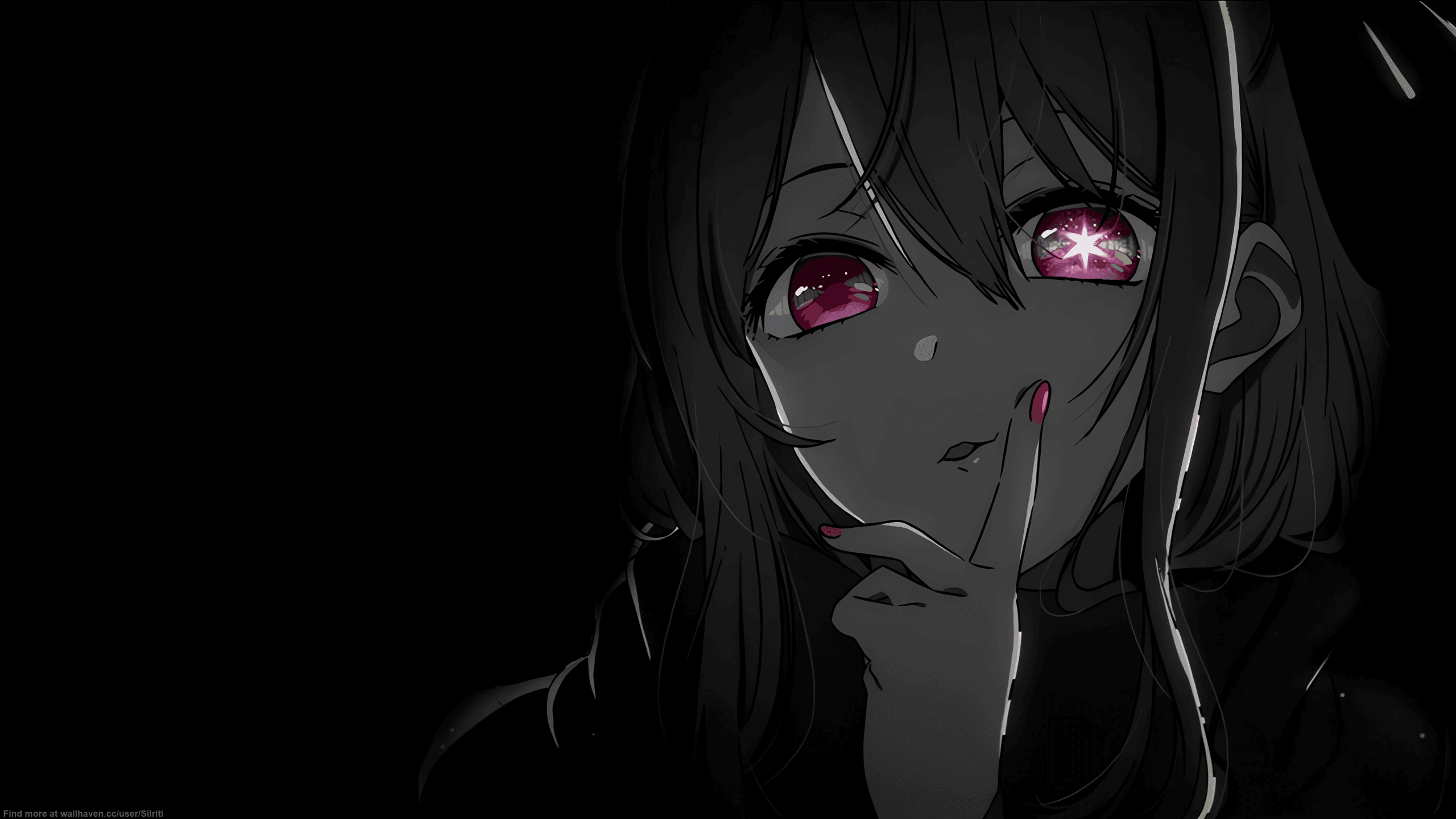
Ruby’s arc this season has been building quietly in the background of the bigger, louder storylines — which, honestly, is exactly how the show wants it. You almost don’t notice how much she’s changing until Episode 8 drops and suddenly you’re staring at a version of Ruby you’ve never seen before. She’s heading somewhere darker. The warmth that used to radiate off her idol persona feels increasingly like a performance — and not in the fun, theatrical way it used to. It feels like a coping mechanism. Like she’s wearing the smile so she doesn’t have to feel what’s underneath it.
And then Episode 8 happens. Let’s talk about Episode 8, because it is one of the best single episodes this show has produced and honestly one of the best of the entire franchise. Here’s what goes down: Aqua, in his cold, calculating way, publicly revealed that he and Ruby are Ai Hoshino‘s children — something they’d kept secret for years — in order to bury a tabloid scandal that threatened to derail Kana Arima‘s career. From Aqua’s perspective, this is pure utilitarian logic. The secret was going to come out eventually anyway. Using it to protect Kana costs something, but it protects someone living who he cares about. His exact words, as reported by fans: “Ai’s secrets ought to be used to help the living.” Cold. Logical. And completely understandable from a purely strategic standpoint.
Ruby does not see it that way. And she is absolutely right to be furious. The confrontation between Ruby and Aqua in Episode 8 is one of the most emotionally loaded scenes in recent anime memory — and this is a show that has given us some absolute gut-punch moments. For Ruby, their mother’s privacy wasn’t just a strategic asset to be deployed when convenient. It was sacred. It was the last thing they could protect. Aqua didn’t just make a decision about his own secret — he made a decision about hers, about their shared history, about their mother’s legacy. He took something that belonged to both of them and used it without asking. The betrayal runs deep, and the show earns every second of Ruby’s anger.
But then — and here is where Oshi No Ko Season 3 proves it’s operating on another level — Ruby doesn’t just scream and cry and leave. She drops a bomb of her own. She tells Aqua that she’s not going to be an idol much longer. That what she truly loves isn’t performing as an idol. What she truly loves is acting. Let that sink in for a second. Ruby Hoshino — the girl who became an idol entirely to honor her mother, who poured every ounce of her past life’s regret into becoming the next Ai — is stepping away from that path. It’s not a rejection of Ai’s memory. It’s something more complicated and more real: a person discovering who they actually are separate from who they became in service of someone else’s legacy. The feels on this scene are absolutely unreal. It’s a massive character moment that reframes everything we know about Ruby going forward. This is dark anime storytelling at its finest.
Kana Arima and the Supporting Cast
Kana Arima is having her season, and if you’ve been sleeping on her character, Oshi No Ko Season 3 is going to wake you up fast. Kana started the series as a former child actress — once wildly celebrated, then quietly shelved by the industry when she stopped being a novelty. Her arc across all three seasons has been about reclaiming herself: her talent, her identity, her ability to be seen for what she actually is rather than what she was or what people expected her to be. Season 3 puts her right at the center of the action, and she handles it beautifully.
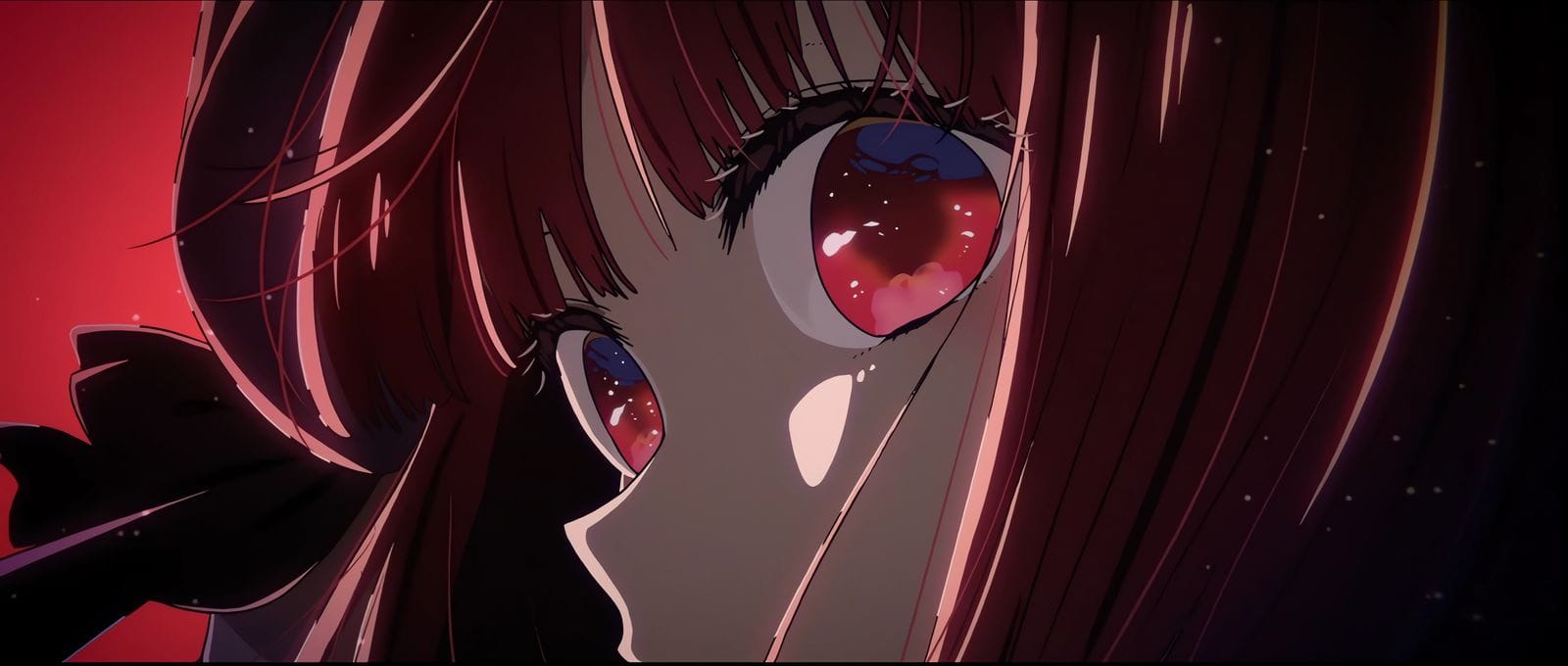
The tabloid scandal storyline that catalyzes the Episode 8 confrontation between Ruby and Aqua centers on Kana, and the way the show handles it says a lot about how much it values her character. Kana isn’t a passive victim of the situation — she has her own agency, her own complicated feelings about being protected and about what that protection costs other people. There’s a maturity to how Kana is written this season that makes her one of the most interesting characters in the entire show. She’s navigating the treacherous intersection of fame, authenticity, and relationships with the kind of emotional intelligence that makes you root for her hard.
Mem-cho, as always, is the unsung engine keeping B-Komachi running. Her behind-the-scenes hustle doesn’t get as much screentime as the dramatic heavy hitters, but the show is very deliberate about acknowledging that without Mem-cho’s tireless work, none of the group’s momentum would exist. She’s the kind of character that makes the idol anime genre feel real — not just the sparkle and the performances, but the grinding, unglamorous labor that makes the sparkle possible. Give Mem-cho all the credit she deserves.
Akane’s advancement as a stage actress this season is also worth celebrating. She and Aqua have one of the most complicated relationship dynamics in the show — built on performance, on the recreation of Ai Hoshino’s mannerisms, on a mutual understanding that runs deep but is also perpetually complicated by Aqua’s single-minded focus on revenge. Watching Akane grow into her craft independent of Aqua’s shadow is one of the quieter pleasures of this season. She deserves her own wins, and this season is giving them to her.
The supporting cast as a whole feels more purposeful this season than in previous ones — every character who appears feels like they’re contributing to the larger story rather than just filling space. This is what happens when a manga adaptation is this faithful to source material that was always heading somewhere specific. The manga by Aka Akasaka and Mengo Yokoyari has always known where it’s going, and Season 3 — with the story approaching its conclusion — benefits enormously from that clarity of direction.
How Season 3 Compares to Seasons 1 and 2
Okay, let’s be honest about something: Season 1 of Oshi No Ko was a phenomenon. That 90-minute premiere episode was absolute cinema — the kind of opening that gets people who don’t even watch anime to pay attention. It set an incredibly high bar. Season 2 was good, maybe great in parts, but there was a widespread sense that it was in a transitional phase — building toward something bigger, laying groundwork, setting up pieces on the board. So where does Oshi No Ko Season 3 land in comparison? Confidently above Season 2, and in some ways already matching or exceeding the peaks of Season 1.

The single biggest difference between Oshi No Ko Season 3 and what came before is the tone. The show has always had dark underpinnings — the murder of Ai in the very first episode made sure of that — but the surface presentation was often warmer, more comedic, lighter. The idol world scenes had genuine energy and fun. Even when things got heavy, there was always a sense that the show was still playing in a register that included brightness and humor. Season 3 has significantly darkened the overall atmosphere. The humor is still there, but it’s rarer and feels more like a pressure release valve. The tension is constant. The danger feels real in a way it didn’t before — a killer has been shown operating in this season, and that element shifts the genre undertones from idol drama into something that feels more like a thriller.
The character writing has also leveled up. In Season 1, many characters were defined primarily by their relationship to Ai and to the mystery of her death. In this season, every major character has a rich independent interiority. Ruby’s revelation about acting, Kana’s navigation of scandal, Akane’s artistic growth, Aqua’s increasingly compromised moral calculations — these are all developments that feel organic and character-driven rather than plot-driven. The story is making good on years of investment in these people.
Technically, Doga Kobo has been consistent throughout, but Season 3 feels like they’re reaching a bit higher for the dramatic sequences. The performance scenes continue to be high points — the animation during B-Komachi’s performances is genuinely impressive — but what stands out more this season is the quality of the quieter character moments. The timing on emotional beats, the use of silence, the way the show knows when to hold on a face instead of cutting away — these choices have matured from previous seasons. This is anime 2026 doing what anime at its best can do: using the medium’s specific strengths to tell a story you couldn’t tell as effectively in any other format.
If there’s a criticism to be made about Oshi No Ko Season 3 relative to earlier seasons, it’s that the high episode count means some moments get slightly rushed compared to the measured pacing of Season 1’s extended premiere format. With 11 episodes and a ton of story to cover — the plot is heading toward a conclusion, remember — some beats that might have benefited from more breathing room get compressed. But honestly, this is a minor complaint against a backdrop of consistent excellence. For the full picture of where Season 3 sits historically, check out the Spring vs Winter 2026 anime comparison — this season stacks up favorably against some very strong competition.
Is Oshi No Ko Season 3 Worth Watching?
Let me be completely direct with you: yes. Oshi No Ko Season 3 is absolutely worth watching, and if you’ve been on the fence about catching up on the series, this is your sign to go do it right now. With an 8.58 on MyAnimeList and over 213,000 members tracking it, the numbers back up what fans have been saying in every comment section and Discord server for weeks — this season is delivering. It’s one of the most-discussed shows of anime 2026, and the conversation around each new episode is the kind of engaged, emotional, theory-heavy discourse that only the best shows generate.

Who is Oshi No Ko Season 3 specifically for? If you’re already a fan of the series, this is not even a question — you’re watching it, you’ve been watching it, and you’re anxiously counting down the days until Episode 9 drops like the rest of us. If you’re new to the franchise: you absolutely need to watch Seasons 1 and 2 first. This is not a show you can drop into mid-stream. The emotional payoffs of Season 3 depend entirely on the investment built across the earlier seasons. But if you’re someone who loves dark, psychologically complex anime that doesn’t pull its punches — if you appreciated shows like Vinland Saga, March Comes In Like a Lion, or Nana — then this is your kind of show. It’s an idol anime on the surface and a dark anime at its core, and it refuses to apologize for either half of that identity.
For newer anime viewers who want to understand why the community is so hyped on this franchise right now, our Spring 2026 beginner’s guide has a solid breakdown of the season’s biggest titles and where to start. And if you want to know how Oshi No Ko fits into the wider picture of this year’s best returning shows, check out our breakdown of the best anime sequels of Spring 2026 — Oshi No Ko earns its place at the top of that list.
Where to watch: Oshi No Ko Season 3 is streaming on Crunchyroll with new episodes dropping weekly. The season runs through March 25, 2026, so there are still episodes left to air — which means you can catch up and join the live watch-and-discuss experience in real time. There’s something special about watching a show like this weekly as it’s happening, being part of the community that processes each new episode together. Don’t sleep on that. With the story heading toward what feels like an imminent, climactic conclusion, the remaining episodes are going to be genuinely unmissable. The whole thing has been building to something massive, and we’re almost there. Brace yourself.
If you’ve been looking for your next big anime 2026 obsession — or if you’re a long-time fan of the franchise who wants to read more analysis as the season unfolds — bookmark this page. And if you want more of those plot twist moments that have had the whole fandom screaming into the void, you’re going to want to read our list of the most shocking anime plot twists — the show has already earned multiple entries on that list and we’re not even done yet.
You Might Also Enjoy
Oshi No Ko Season 3 is the crown jewel of the current anime season, but there’s plenty more worth watching right now. Here’s where to go next:
- Best Anime Sequels of Spring 2026 — it leads the pack, but there are plenty of other incredible returning shows this season. Don’t miss the full list.
- Spring 2026 Beginner’s Guide — New to seasonal anime? This guide breaks down everything airing right now and where to start, including the best entry points for first-time viewers.
- Most Shocking Anime Plot Twists — the show has already delivered multiple twists that belong on this list. From Ruby’s acting revelation to Aqua’s cold calculation in Episode 8, the series keeps finding new ways to gut-punch you.
- Spring vs Winter 2026 Anime Comparison — How does this season stack up against Winter 2026? We break it all down — episode counts, quality highs, genre diversity, and which season truly delivered.
- Best Anime on Netflix Right Now — Not everything you want is on Crunchyroll. If you’re browsing Netflix for your next watch, this is the list to bookmark.
Still craving more Oshi No Ko Season 3 content? Drop a comment below with your hot takes on Episode 8. Were you Team Aqua or Team Ruby on the big confrontation? And are you buying Ruby’s acting revelation as genuine character growth, or do you think there’s more going on beneath the surface? The discourse is just getting started, and we are here for every second of it.