The wait is almost over. One Punch Man Season 3 has been confirmed for 2026, and the anime community is absolutely losing it — for good reason. This isn’t just another sequel season. One Punch Man Season 3 is adapting the Monster Association arc, widely considered the greatest storyline in the entire manga, and the payoff to years of careful setup. If you’ve been following Saitama since he threw his first boring, effortless punch, you already know what’s at stake. And if you’re new to the One Punch Man anime, get ready — because this is the arc that changes everything about what you thought this series was.
What Is One Punch Man Season 3 About?
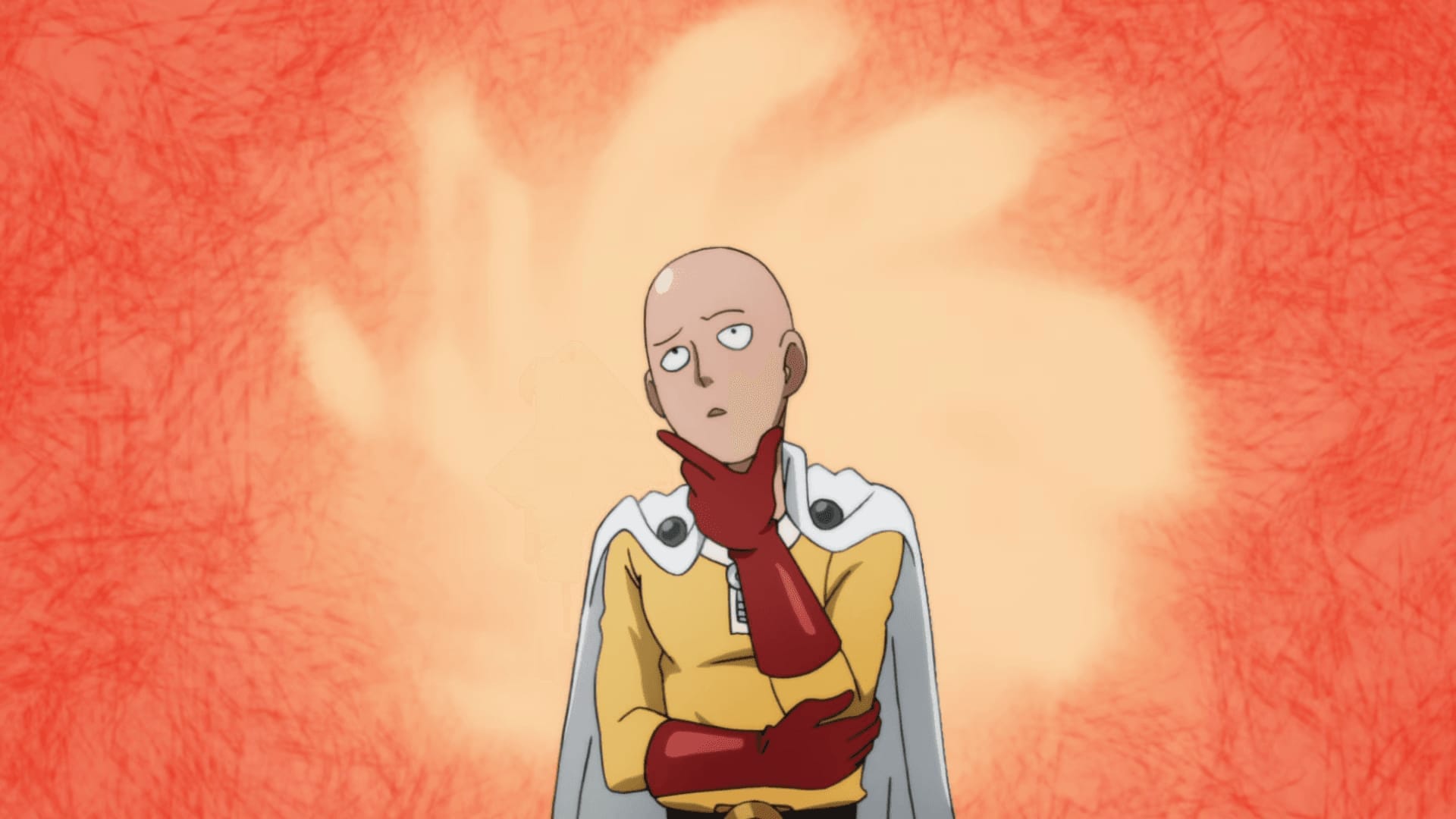
At its core, One Punch Man Season 3 is about what happens when the Hero Association finally faces a threat they can’t spin, suppress, or ignore. The Monster Association — a massive underground organization of powerful, organized monsters — has been growing in the shadows while S-class heroes were busy squabbling over rankings and public image. Now they’ve kidnapped a child named Tareo, thrown down a direct challenge, and forced every hero capable of fighting into a desperate all-out war against an enemy they’re not sure they can beat.
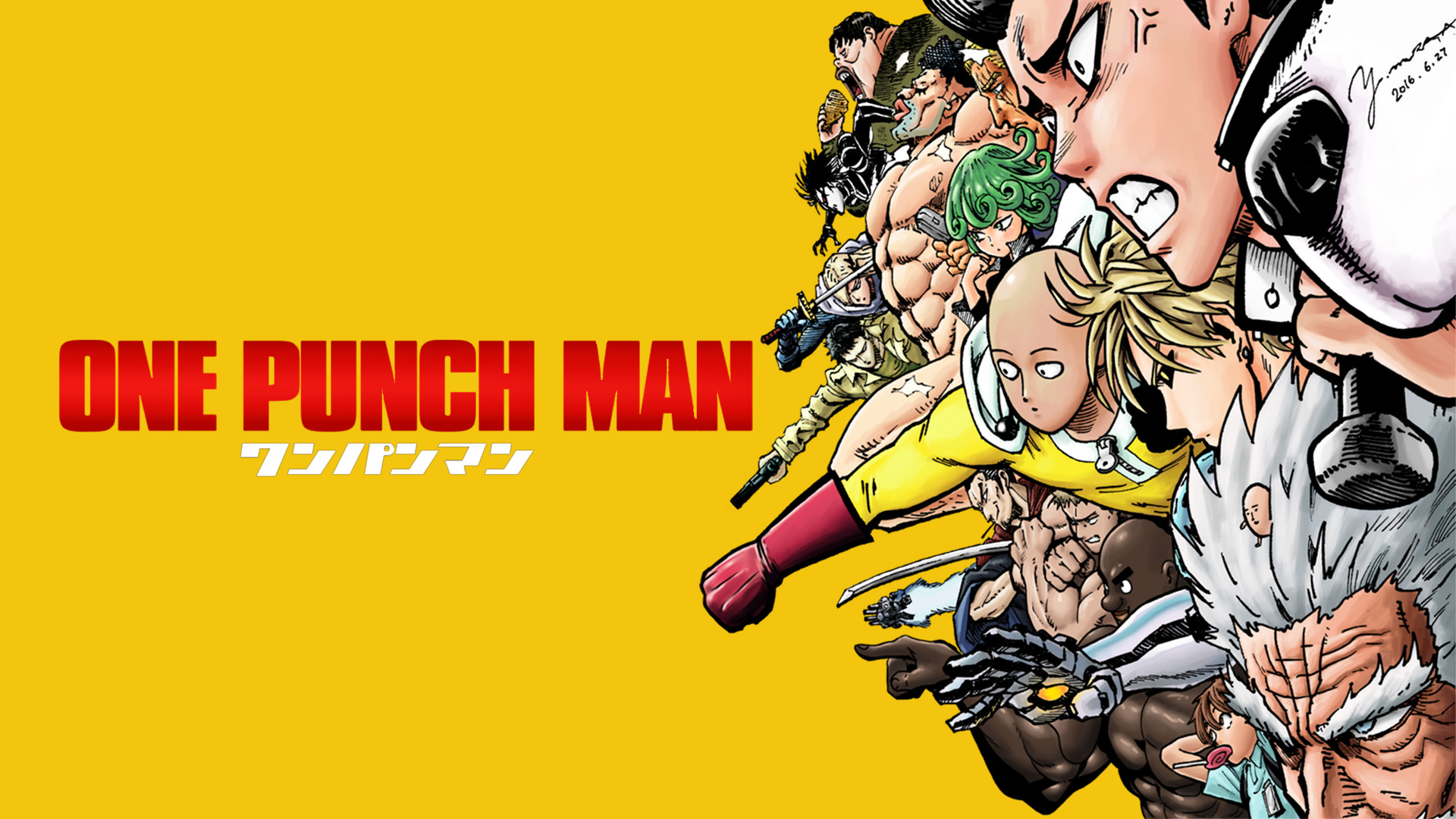
But the real beating heart of OPM Season 3 is Garou. The “Garou hero hunter” arc reaches its climax here. The man who spent Season 2 hunting heroes and growing stronger with every defeat has fully crossed the line between human and monster, transforming into something that terrifies even the most elite heroes in the world. His internal struggle — desperately trying to become the ultimate evil while still clinging to human ideals he can’t entirely abandon — makes him the most compelling character in the arc by a significant margin.
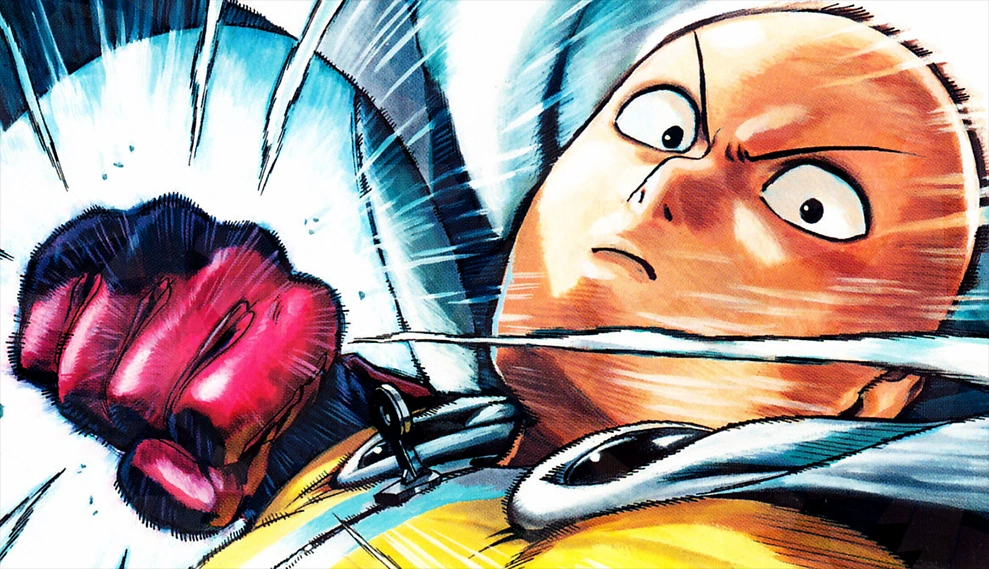
At the end of it all, he and Saitama are on a collision course that promises to be the most emotionally charged confrontation in the entire One Punch Man anime. This is the fight the series has been building toward since Garou first appeared on screen. One Punch Man Season 3 puts Saitama in situations where even his completely peerless strength can’t solve the emotional problems at play — and that’s the genius of the Monster Association arc. It’s not just about the punching. It’s about what power means, what heroism actually looks like, and whether someone like Garou can still be reached before he’s gone too far to come back.
Saitama is still Saitama, of course. Bored, overpowered beyond any reasonable comprehension, still annoyed about sales at the supermarket. But One Punch Man Season 3 forces him into genuine emotional territory that earlier seasons only hinted at. You’re going to watch him think in ways you haven’t seen before.
Release Date and Where to Watch
One Punch Man Season 3 has been officially confirmed for 2026, with J.C.Staff continuing as the animation studio. As of March 2026, an exact premiere date hasn’t been publicly locked in, but all signs point to this being a Spring 2026 anime release or a mid-2026 drop. The community has been tracking every production update, teaser visual, and staff interview obsessively — and honestly, that’s just what happens when you’ve been waiting this long for an arc this good.
For streaming, expect One Punch Man Season 3 to land on Crunchyroll as the primary international platform, following the same pattern established by Seasons 1 and 2. One Punch Man on MyAnimeList is your best bookmark right now for official premiere date announcements. Previous seasons aired simultaneously with Japan broadcast via simulcast, and there’s every reason to expect One Punch Man Season 3 to follow the same model, letting international fans watch in real time as each episode drops.
Netflix may also pick up rights depending on regional agreements, as they did with portions of the back catalog, but Crunchyroll remains the safe bet for day-one access wherever you’re watching.
Now, the elephant in the room: J.C.Staff. They handled Season 2 and drew a very divided reaction from the fanbase. The animation quality sparked serious, ongoing conversation — some of it harsh — because Season 1 under Madhouse set a genuinely elite standard. But here’s the thing: with the Monster Association arc being this high-profile and this important to the franchise’s legacy, J.C.Staff clearly has something to prove with OPM Season 3. The production team knows what’s expected of them. Every S-class hero getting their extended showcase, Garou’s multiple stages of transformation, and the final Saitama confrontation — these sequences need to be extraordinary. The source material demands it. The fanbase demands it. There’s no room to coast.
The Monster Association Arc Explained
The Monster Association arc covers roughly chapters 56 through 170+ of ONE and Yusuke Murata’s manga, making it by far the longest and most elaborate arc in the series. If you found Season 2’s pacing aggressive, prepare yourself — the Monster Association arc is a sprawling, multi-front war with simultaneous battles happening across different parts of an underground fortress, constant power escalations, and character moments that genuinely redefine what you understand about nearly everyone in the cast. Murata’s artwork during this arc reaches levels that have to be seen to be believed.
Here’s the essential setup: Psykos, an immensely powerful psychic, is the true architect and brain behind the Monster Association. Monster King Orochi is the terrifying face — a dragon-like amalgamation of raw power that makes most S-class heroes look like warm-up fights. The Association kidnaps Tareo, the young boy who befriended Garou during his rampage, using him as bait to draw heroes into an underground fortress packed with Dragon-level threats on every floor.
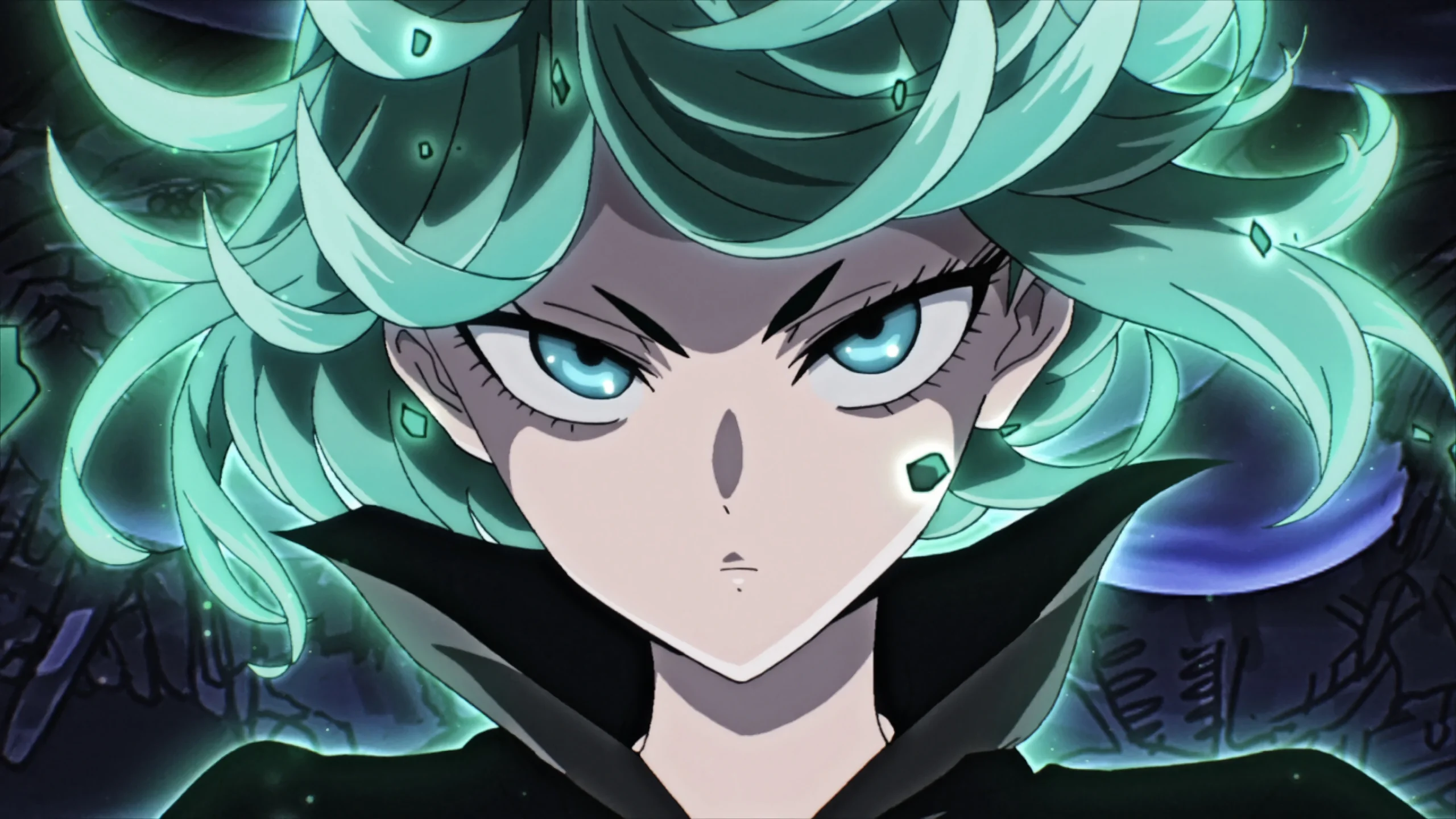
The Hero Association’s response is a full-scale raid. S-class heroes including Tatsumaki, Bang, Genos, Zombieman, Pig God, Sweet Mask, Atomic Samurai, and more all descend into the monster base simultaneously. Each hero gets their own extended fight sequence — and this is where One Punch Man Season 3 has the potential to absolutely deliver on every promise the series has made. Tatsumaki’s arc in particular is stunning. Her backstory, her raw psychic power at full release, and her prolonged clash with Psykos gives her more character depth in this single arc than she received across the entire first two seasons combined.
The underground base itself is almost a character — a claustrophobic labyrinth filled with Dragon-level monsters, failed experiments, and the kind of escalating threat levels that make the earlier “Demon-class” villains feel quaint by comparison. The heroes can’t coordinate properly. They can’t communicate effectively. They’re fighting in the dark, literally and figuratively, against enemies who know every corner of the battlefield.
And then there’s Garou. The former disciple of Bang, the self-proclaimed Hero Hunter who defeated dozens of heroes on his own terms, has been evolving throughout Season 2 — but in the Monster Association arc, he goes through a full monster transformation. Multiple stages. Each one more powerful than the last. Each one pulling him further from the humanity he keeps insisting he’s already abandoned. The S-class heroes can’t handle him. The monsters don’t fully accept him either — he’s too human in all the ways that matter. He’s caught between two worlds, which makes every fight he’s involved in feel like it carries weight far beyond just who wins the exchange.
New Characters and Power Levels in Season 3
One Punch Man Season 3 introduces the most expansive roster of new characters the series has had since Season 1’s initial S-class lineup. The Monster Association has been quietly assembling an army of Dragon-level threats — the highest tier of monster classification below the almost mythical “God” category — and watching them animated for the first time is going to be something else entirely. Here’s a breakdown of the major new players and the returning heroes who finally get their defining moments in OPM Season 3.
| Character | Role | Why They Matter in Season 3 |
|---|---|---|
| Garou (Full Monster Form) | Anti-hero / Primary antagonist | Multiple transformation stages leading to “God Garou” — the emotional core of the entire arc |
| Orochi | Monster King | The most powerful monster the Hero Association has ever formally faced; his fight scenes will be spectacular |
| Psykos | True Monster Association leader | Psychic powerhouse with a shocking personal history connected directly to Tatsumaki |
| Tatsumaki | S-class hero, rank #2 | Gets her definitive arc, her complete backstory, and the most powerful display of her abilities in the entire series |
| Sweet Mask (Amai Mask) | S-class hero / internal enforcer | His true nature is finally revealed during the raid — and it significantly complicates the hero/monster binary |
| Fuhrer Ugly | Dragon-level monster | One of the arc’s most memorable fights, going up against multiple S-class heroes simultaneously |
| Evil Natural Water | Dragon-level monster | One of the most bizarre and conceptually dangerous threats in the entire underground sequence |
| Gums | Dragon-level monster | Horrifying in the most straightforward way imaginable — Pig God’s opponent in what promises to be a memorable fight |
| Homeless Emperor | Dragon-level monster | One of the more philosophically interesting monster antagonists, with a backstory that actually makes you think |
| Zombieman | S-class hero, rank #8 | Finally gets extended fight time after being largely in the background; his immortality creates fascinating fight dynamics |
The S-class hero roster finally gets the attention it deserves in One Punch Man Season 3. Characters like Zombieman, who barely appeared in Seasons 1 and 2 beyond brief acknowledgments, get extended sequences that demonstrate exactly why they hold their rank. Bang (Silver Fang), one of the three most powerful heroes alive, faces off against his former disciples — including a Garou who has completely surpassed him in raw power. The emotional weight of that confrontation — a master watching his greatest student become something he never wanted and can no longer stop — is one of the best-written character moments in the entire series.
Power level discourse around One Punch Man Season 3 gets genuinely wild. The Monster Association arc discards the standard threat-level framework almost entirely. Multiple Dragon-level threats are fighting simultaneously across different parts of the base. Garou at his peak exists in a category the threat-level system wasn’t designed to measure. And somewhere above all of it, “God” — an entity referenced earlier in the manga and hinted at more directly here — begins to enter the picture, laying groundwork for whatever the series builds toward next. For a companion look at how another series in the same era handled its power scaling, our breakdown of Mob Psycho 100: Complete Character Power Rankings shows just how rare it is for a series to make power feel meaningful rather than arbitrary.
What Happened in Season 2 (Quick Recap)
If it’s been a while since you watched Season 2, or you’re catching up before One Punch Man Season 3 drops, here’s what you need to have fresh in your head. Season 2 introduced Garou as the central antagonist: a former martial arts prodigy who idolizes monsters and villains because he believes “heroes” are just bullies with better PR. He starts hunting heroes, defeating B-class and A-class fighters while growing progressively stronger with every single fight — a martial artist who evolves by surviving beatings that would destroy anyone else.
Season 2 also expanded the Hero Association’s internal politics in more uncomfortable detail. Sweet Mask functioned as an internal enforcer, killing monsters (and sometimes making decisions about heroes) who didn’t meet his rigid standards. The corruption and image-management problems within the organization started to feel less like background flavor and more like a genuine structural failure that was going to matter. Meanwhile, the Monster Association began making coordinated moves in the background — recruiting powerful monsters, orchestrating strategic attacks, and building toward something the heroes weren’t prepared for.
The season ended with several major threads deliberately left open. Garou, after being pushed to his physical limits and ultimately defeated by the combined force of Bang, Bomb, and Genos, was captured by the Monster Association and dragged underground — exactly where they needed him to be for their plans. His transformation had only just begun. Tareo, the young boy who had formed an unlikely bond with Garou during his hero-hunting rampage, was kidnapped and taken underground as bait. The Hero Association, rattled, underprepared, and scrambling to respond to a threat on a scale they’d never dealt with before, began planning their desperate counter-raid.
One major criticism of Season 2 was animation quality compared to Madhouse’s extraordinary Season 1. That conversation is not going away as One Punch Man Season 3 approaches, and it shouldn’t. Season 1 had some of the most fluid, dynamic, and genuinely inspired fight animation the medium had produced — our deep look at Best Anime Fight Choreography: 20 Scenes That Pushed Animation Limits gives full context on just how high that bar actually was. Season 2 had moments of real quality but also noticeable limitations that fans felt were especially unfortunate given the material being adapted. Season 3 with the Monster Association arc has everything on the line. The community will be watching frame by frame.
One Punch Man Season 3 vs Manga: Where We Are
For manga readers, One Punch Man Season 3 is the adaptation you’ve spent years hyping to anime-only friends who can’t understand why you get so excited every time the topic comes up. The Monster Association arc in the manga is genuinely extraordinary — Yusuke Murata’s artwork during the major Garou fights and the final confrontation with Saitama includes some of the most detailed, energetic, and emotionally expressive battle illustration ever committed to the medium. Watching it become animated is either going to be pure joy or a deeply anxious experience, depending on how much faith you have in J.C.Staff to honor the material.
The arc covers chapters approximately 56 through 170+, though the exact stopping point for One Punch Man Season 3 hasn’t been officially confirmed in terms of chapter count. Smart money says Season 3 will cover the full Monster Association raid up through Garou’s complete “God Garou” transformation and his final confrontation with Saitama — which would be a natural and satisfying narrative endpoint that gives the season a complete story rather than stopping mid-arc.
For anime-only viewers, the single most important thing to understand going in is this: everything the series has been building toward comes together here. Our piece on Saitama: One Punch Man’s Existential Hero gets at the fundamental problem at the heart of the series — a hero who has achieved everything and feels nothing, for whom victory is always meaningless because it never costs him anything. The Monster Association arc doesn’t resolve that problem. But Garou’s story forces Saitama to confront questions about what heroism actually means at a level he’s never engaged with before. The final confrontation between them carries more genuine emotional weight than any fight Saitama has been in across both previous seasons.
The manga has continued well past the Monster Association arc into the “Neo Heroes” saga and beyond, but that territory is firmly Season 4+ material. One Punch Man Season 3 has more than enough content to fill a full cours — possibly two cours — and still leave audiences floored at what they just watched.
One thing manga readers should prepare anime-only friends for: the scope of simultaneous events. The Monster Association arc isn’t a linear story where characters take turns fighting. It’s a full-scale war happening across multiple locations at the same time, with heroes and monsters both making desperate choices under pressure. The manga handles this through its pacing and Murata’s ability to cut between scenes with cinematic precision. How J.C.Staff structures these parallel threads in animation will be one of the most interesting creative decisions in One Punch Man Season 3.
Why Season 3 Could Be the Best OPM Season Yet
Bold claim. Season 1 is considered one of the greatest single anime seasons ever made — Madhouse went all-out, the direction was electric, and the fight sequences set a standard the community still references years after the fact. So how could One Punch Man Season 3 possibly top it? Here’s the actual case, and it’s stronger than you might expect.
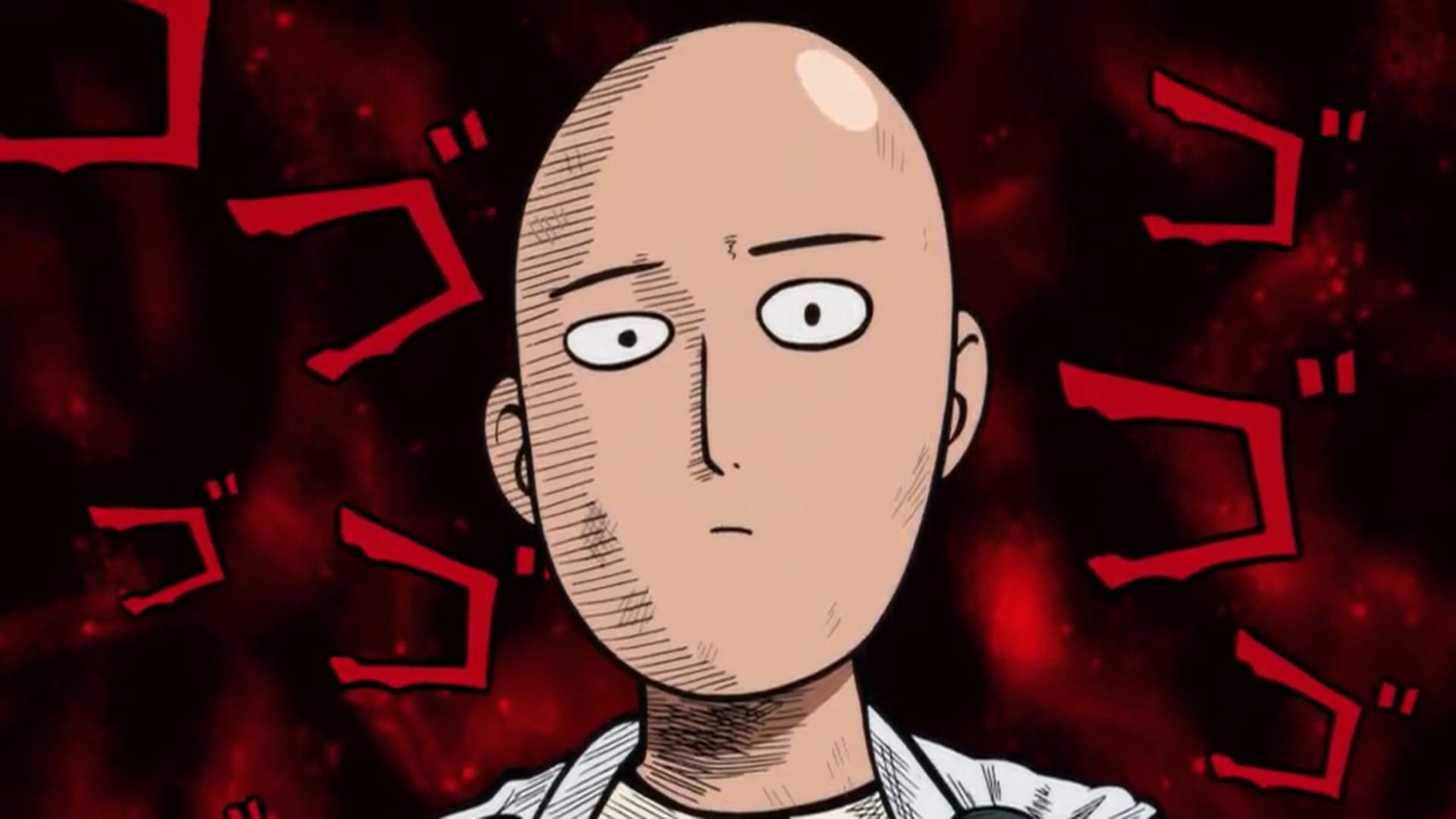
Season 1 had spectacle and genuine subversion of the shonen format. It introduced a brilliant concept — what if the strongest hero was also the most bored? — and executed it with incredible craft. But the story was relatively contained: Saitama punching increasingly powerful bad guys while remaining completely unbothered. Season 3 has everything Season 1 had, plus a genuinely moving narrative about Garou that adds real emotional stakes the earlier seasons only gestured toward.
The Monster Association arc gives every major character a defining moment that the series had been promising for years. Tatsumaki gets a complete arc that reframes her arrogance and coldness as something earned and painful rather than just a character quirk. Bang faces his greatest failure in a way that lands because we understand what Garou meant to him. Genos continues evolving in ways that deepen his relationship with Saitama beyond simple mentor-student dynamics. Sweet Mask’s true nature forces a genuine reckoning with what “hero” and “monster” mean in this world. When you look at where OPM sits within the best anime of the 2010s, it was already operating at a landmark level — Season 3 in 2026 has the chance to cement the entire franchise’s legacy once and for all.
The fight choreography potential in One Punch Man Season 3 is genuinely off the charts. Multiple S-class heroes fighting simultaneously against Dragon-level opponents, Garou’s martial arts style evolving in real time across different transformation stages, Tatsumaki unleashing the full scope of her psychic abilities in an extended battle that covers an enormous amount of space — if J.C.Staff brings their absolute best, specific sequences in Season 3 could rank among the best-animated fights in modern anime. The source material is that strong. The question is entirely about execution, and with this much riding on it, the incentive to deliver is as high as it’s ever been.
There’s also the matter of emotional payoff, which is ultimately what separates good anime from great anime. OPM has always been a series about meaning and meaninglessness — a hero who has everything and feels nothing, whose greatest strength is also his greatest isolation. Exploring similar themes from a different angle, Kaiju No. 8 Season 2 digs into what it costs to become something beyond human in order to protect people. OPM Season 3 takes those questions even further — Garou’s complete arc, from arrogant hero-hunter to something approaching a force of nature to finally facing Saitama, is one of the best character studies in shonen anime, and it hits hardest if you’ve been watching since the beginning.
The community energy around One Punch Man Season 3 is unlike anything since the original announcement of Season 2. Manga readers who’ve been sitting on this arc for years, waiting to finally show anime-only fans what all the hype was about, are visibly struggling to contain themselves. Casual viewers who bounced off Season 2’s animation quality are being called back in by people they trust. New fans who discovered the One Punch Man anime recently through algorithmic recommendations are getting swept up in real-time hype they don’t fully understand yet but are already feeling. This is a genuine franchise moment.
One final point worth making: even if J.C.Staff doesn’t perfectly nail every single sequence — even if there are moments where you feel the gap between what the manga showed you and what made it to screen — the story being told in One Punch Man Season 3 is strong enough to carry the season on its own weight. Garou’s complete arc is exceptional writing. The confrontation between him and Saitama is the series at its thematic best. You are going to feel things watching this season, which for a show built entirely around a protagonist who has lost the ability to feel anything anymore — that’s kind of the entire point. That’s what OPM has always been about. And Season 3 is where it all pays off.