What Is One Piece Gear 5? The Short Answer
If you were watching the Wano arc and suddenly felt like you were seeing a completely different anime, you weren’t imagining things. One Piece Gear 5 is Monkey D. Luffy’s most powerful form to date — the awakened state of his Devil Fruit, which turns out to be not a Paramecia rubber fruit at all, but the Mythical Zoan fruit of the Sun God Nikka, called the Hito Hito no Mi, Model: Nika. This wasn’t just a power-up. It was a complete recontextualization of everything we thought we knew about Luffy’s abilities, his destiny, and One Piece itself.
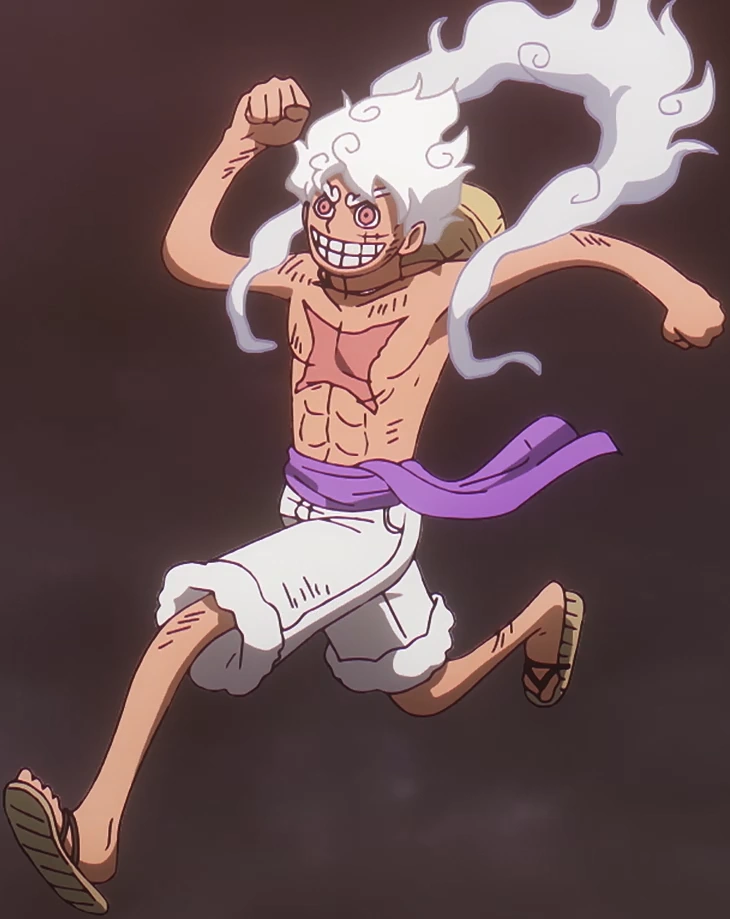
When One Piece Gear 5 debuted during Luffy’s climactic battle against Kaido on the rooftop of Onigashima, it broke the internet. White hair, glowing eyes, a giant rubbery body, and combat that looked like it was ripped straight out of a 1940s Looney Tunes cartoon — fans had never seen anything like it in Shonen anime history. The World Government had been hiding the true nature of this fruit for centuries, suppressing its name and its history specifically because they feared what would happen when someone awakened it.
Understanding One Piece Gear 5 means understanding not just a power level, but a philosophy. It’s the answer to a question Oda has been building toward for over 25 years: what does freedom actually look like? The answer, as it turns out, is a laughing, rubber-bodied god who fights like a cartoon and liberates everyone around him just by existing.
If you want the full context on how we got to this moment, check out our full Wano Country arc review. But if you’re here to get deep into the mechanics and meaning of Gear 5 specifically, let’s go.
The Origin Story: Sun God Nikka and the Mythical Zoan
The World Government officially classified Luffy’s fruit as the Gomu Gomu no Mi — a simple Paramecia-type that grants the user a rubber body. That was a lie. The fruit’s true name is the Hito Hito no Mi, Model: Nika, and it’s one of the rarest classifications in the entire Devil Fruit system: a Mythical Zoan. These are Zoans based on legendary beings, more powerful and rarer than even Ancient Zoans. And the Nika fruit? It had been hunted by the World Government for 800 years.
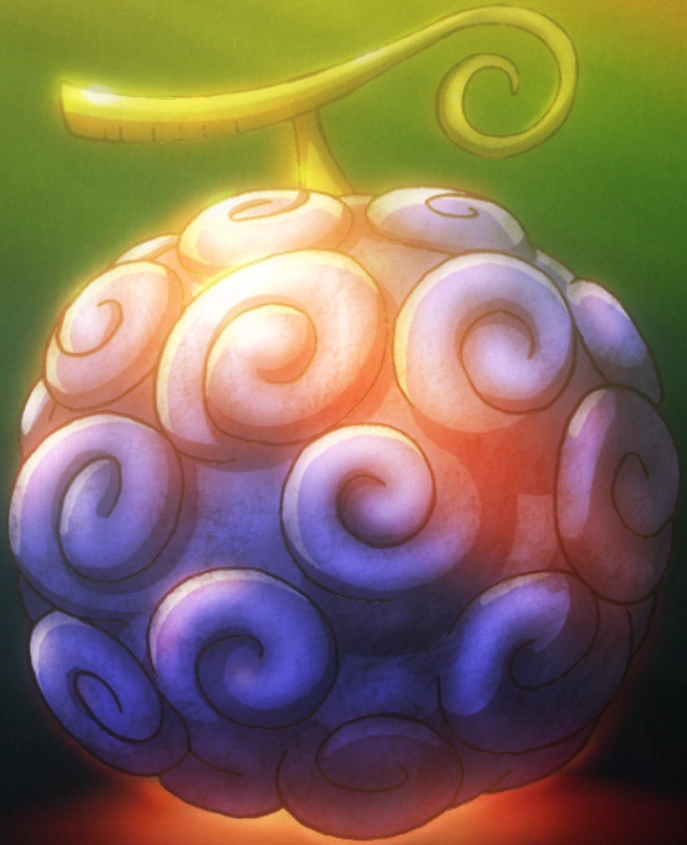
The Sun God Nikka is a figure from ancient mythology within the One Piece world — a deity said to have been a slave who freed those around him through laughter and the power of rubber. The One Piece Wiki’s breakdown of the Hito Hito no Mi, Model: Nika confirms that this fruit was documented under a different name in Gorosei records and that its awakening was considered catastrophic enough to be classified as a national security threat.
This is where the Joy Boy connection hits. Joy Boy was a figure from 800 years ago, during the Void Century, who is now understood to be the previous user of the Nika fruit — or at least someone whose spirit and role are tied directly to it. When Luffy’s heart restarted after his brief death during the Kaido fight and his Devil Fruit awakened, Zunesha — the massive elephant who carries Wano’s neighboring island — sensed it immediately. His exact words: “I can hear it. The Drums of Liberation. He’s here. Joy Boy has returned.”
The World Government’s framing of this as merely a “Paramecia rubber fruit” was a deliberate cover-up, confirmed by the Five Elders during their conversation about the awakening. They knew. They had always known. And for 800 years, they waited in dread for someone to awaken the Sun God Nikka form and the rubber devil fruit awakening that comes with it. That person turned out to be the kid from Foosha Village who just wanted to be King of the Pirates.
How Gear 5 Works: The Physics of Cartoon Combat
Here’s what makes One Piece Gear 5 genuinely unlike any other power system in Shonen manga. The awakening of a Mythical Zoan doesn’t just make you stronger — it gives you the properties of the legendary being you’ve become. For Luffy, that means he now embodies Nika, the god of liberation and laughter. And Nika, as the mythology goes, fought using a body like rubber that brought joy and freedom to all who watched. In practical combat terms, this means Luffy’s Gear 5 powers operate on cartoon logic.
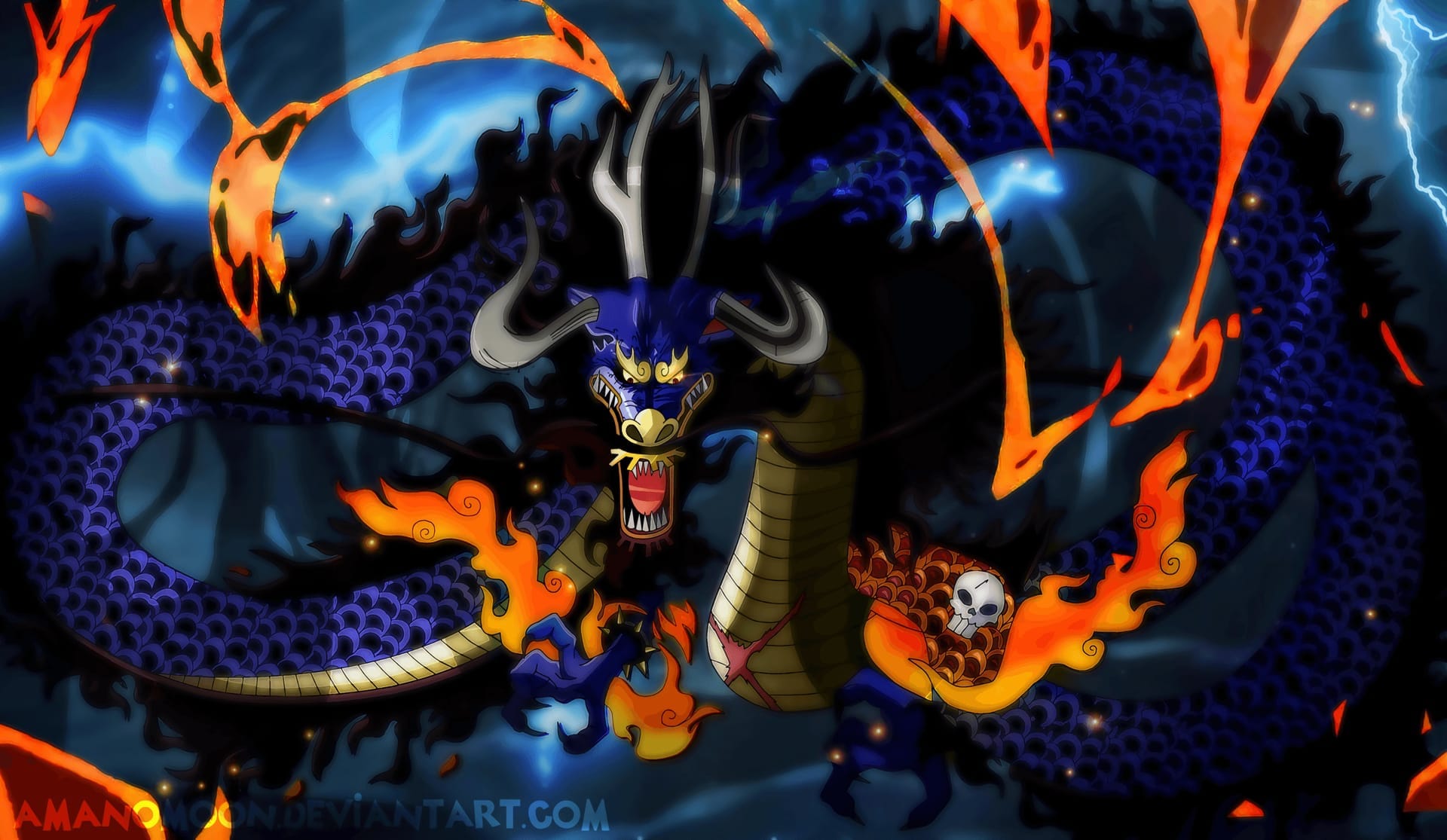
Before One Piece Gear 5, Luffy’s rubber properties were governed by something approximating real physics. His body stretched, compressed, and launched attacks based on elastic tension. With Gear 5, those rules are completely thrown out. He can now make anything he touches rubber — the ground, the clouds, other people, even lightning. This is the awakened state at work: in standard Devil Fruit awakenings, Paramecia users can affect their environment with their fruit’s properties. Luffy does this too, but with the full absurdity of a Mythical Zoan backing it up.
The visual language Oda chose for One Piece Gear 5 was extremely deliberate. The white hair, the glowing eyes, the steam rising off his body — these are aesthetic signatures of the awakening. But the actual combat animations that Toei put together for the anime adaptation leaned so hard into classic rubber-hose cartoon animation that fans were immediately comparing it to old-school Mickey Mouse shorts. That was the point. Nika’s power is literally described as “the most ridiculous power in the world” by the Five Elders, and the cartoon physics are an expression of that ridiculousness made real.
One key mechanic: One Piece Gear 5 is powered by Luffy’s “Drums of Liberation” — his heartbeat, which those with Haki or similar sensitivity can hear when the form is active. The form is physically demanding and burns through his stamina at an extreme rate, which is why we see Luffy revert to an exhausted, aged-looking state multiple times during the Kaido fight. The Luffy awakening isn’t a permanent state — it’s a peak form he can sustain for limited bursts, and pushing through the limit ages his appearance temporarily. This keeps it balanced within the story’s power scaling.
Every Gear 5 Ability and Technique Explained
Let’s break down exactly what One Piece Gear 5 brings to the table in terms of specific techniques and capabilities. Oda has shown us a solid suite of attacks during the Kaido fight, and the Gear 5 powers that have been demonstrated so far are genuinely unlike anything from Luffy’s previous arsenal.
Gomu Gomu no Gigant (Giant Body) — Luffy can inflate his entire body to an enormous scale, becoming a giant capable of going blow-for-blow with Kaido in full dragon form. This isn’t the simple inflation from Gear 3, which inflated a single limb. This is full-body expansion at a scale that makes him comparable in size to a sea king. The visual of giant Luffy fighting giant dragon Kaido in the sky above Onigashima became one of the most iconic images in modern anime.
Gomu Gomu no Dawn Whip — Luffy grabs lightning and uses it as a whip, wrapping it around himself to enhance an attack. The fact that lightning becomes rubber in his hands and he can weaponize it as a flexible strike is pure Sun God Nikka energy — total environmental mastery through the prism of cartoon logic. In the Wano arc, this was one of the first moments the full scope of his Gear 5 powers became clear.
Gomu Gomu no Bajrang Gun — This is the finishing blow of the Kaido fight. Luffy winds his arm back from massive altitude, coating it in advanced Conqueror’s Haki and inflating it to the size of a building, then brings it down on Kaido with everything he has. The name “Bajrang” is a reference to the Hindu deity Hanuman, the monkey god — which fits the Sun God Nikka thematic of divine mythological parallels. It’s the attack that ended the Wano arc‘s central conflict.
Environmental Rubber Manipulation — Perhaps the most strategically deep Gear 5 powers are the ones that affect terrain and objects. Luffy turns the ground into a trampoline. He wraps his rubber arms around the clouds and slingshots himself. He grabs Kaido’s body and stretches it like taffy. The battlefield itself becomes a tool in a way that no previous gear ever allowed. This is the awakening mechanic working exactly as it should — extending his power beyond his own body and into the world around him.
The Cartoon Invincibility Effect — One of the most striking aspects of One Piece Gear 5 that fans noticed during the Kaido fight is that Luffy seems to survive things that should be lethal by simply laughing them off, almost like a cartoon character. Kaido bites him in half. Luffy bounces back. Kaido slams him through the ground. Luffy pops back up grinning. This isn’t just Luffy being tough — it’s a manifestation of Nika’s nature. The ancient being who brought joy and freedom was said to never stop fighting as long as the people needed him. The Luffy awakening makes this literal.
Gear 5 vs. Previous Gears: How Far Luffy Has Come
To truly appreciate One Piece Gear 5, you have to understand the arc that got us here. Luffy’s Gear system has been one of the most satisfying power-scaling progressions in all of Shonen, precisely because each form had clear costs, clear limits, and clear logic. They weren’t arbitrary power-ups — they were engineering solutions to a specific problem: how do you, a rubber man, hit harder and move faster?
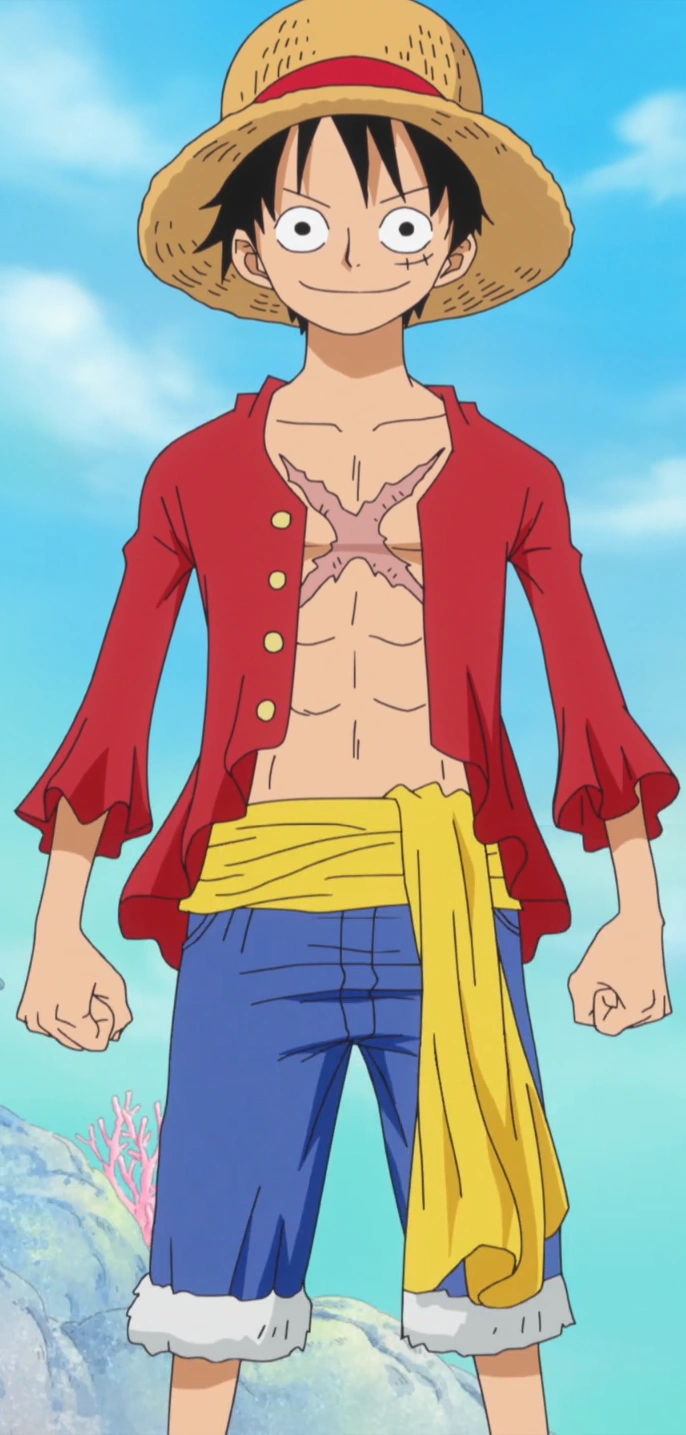
Gear 2, introduced during the Enies Lobby arc, was about speed. Luffy pumped blood through his body faster, raising his metabolism and body temperature to produce bursts of incredible velocity. The cost was serious physical strain and shortened lifespan with overuse. At the time, it was terrifying. Against the Kaido-tier opponents in One Piece Gear 5‘s context, it’s barely a warm-up.
Gear 3 gave Luffy bone-crushing power by inflating his bones with air, creating giant-limb attacks. The tradeoff was that he briefly shrank to child size after use. It solved the raw power problem but created a significant vulnerability window. The Gigant techniques from Gear 3 were precursors to what One Piece Gear 5 does at full-body scale.
Gear 4 was the closest predecessor to Gear 5 in terms of conceptual DNA. By blowing air into his muscles and coating himself in Haki, Luffy created Boundman, Tankman, and Snakeman — three sub-forms each optimized for power, defense, or speed respectively. Gear 4 was genuinely awesome and carried Luffy through some of the series’ best fights, including Doflamingo, Cracker, and the early Kaido encounters. But it had a timer: after the Haki ran out, Luffy needed ten minutes of recovery before he could use Haki again.
One Piece Gear 5 exists at a completely different tier from any of these. The previous Gears were mechanical adaptations — clever uses of a rubber body’s properties. Gear 5 is a divine awakening. It doesn’t have the same kind of structured limitations as the previous forms; its constraint is stamina and the temporary aging effect from pushing too hard. More importantly, it operates on a different philosophical axis. The earlier Gears asked “how do I hit harder?” Gear 5 asks “what are the rules of this fight?” and then answers by deciding there aren’t any.
The Nika Mythology: What “Freeing People” Actually Means in One Piece
The thematic core of One Piece Gear 5 isn’t the power — it’s the meaning. Nika is described as a warrior who freed slaves, brought laughter to the oppressed, and whose very presence made people feel liberated. In the context of One Piece as a story about freedom versus tyranny, this is enormous. The series has always been fundamentally about the question of who gets to determine what the world looks like, and the Sun God Nikka mythology answers that question with a fist wrapped in joy.
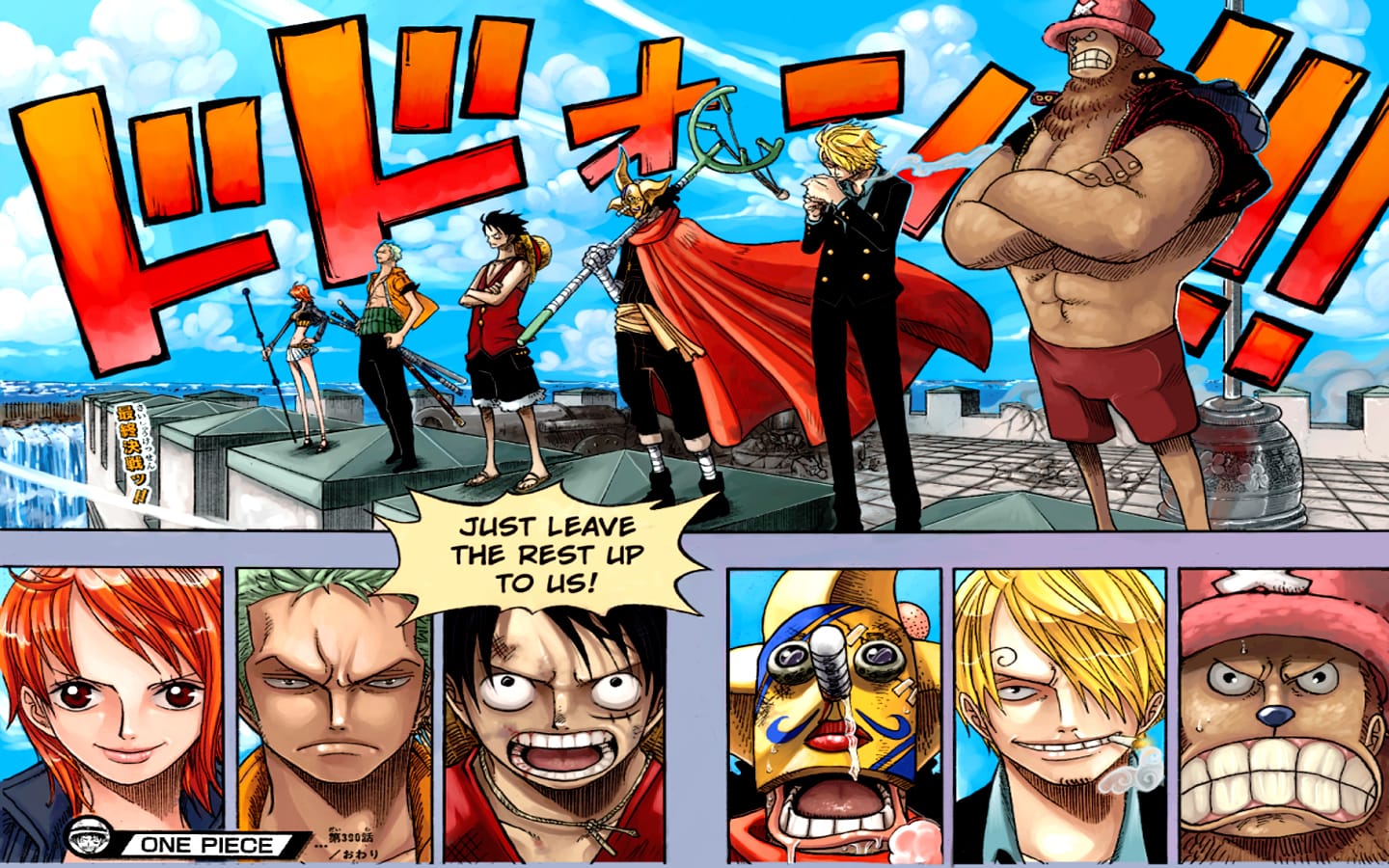
Consider the Fisher Tiger connection. The Sun Pirates, the Fishman Island arc, the enslaved fishmen under Celestial Dragons — the “Sun” symbol that freed slaves carried was named after Nika. The thread has been woven through the entire story from way earlier than most fans realized. When Luffy activates One Piece Gear 5 and becomes Nika incarnate, he’s not just winning a fight. He’s the fulfillment of a promise made 800 years ago to people who had nothing but that symbol of hope.
Joy Boy is the crucial link here. Joy Boy left the One Piece at the end of the Void Century, promising to return and fulfill a commitment to Fishman Island that he couldn’t keep at the time. The Poneglyphs, the Road to Laugh Tale, the Ancient Weapons — all of it circles back to Joy Boy’s unfinished business. When Zunesha announces that Joy Boy has returned upon hearing the Drums of Liberation, the implication is clear: Luffy, through the Luffy awakening, has become the vessel for Joy Boy’s will.
This is also why the Five Elders are so terrified. The Mythical Zoan Nika fruit doesn’t just make someone powerful. It makes them a symbol. It makes them a walking refutation of the World Government’s 800-year grip on history. Every time One Piece Gear 5 is used, it’s a living, laughing declaration that the Void Century’s truth cannot be suppressed forever. Compare this to how power works for antagonists — for a phenomenal look at how opposing forces are constructed in manga, our best anime villains breakdown puts the Five Elders’ fear in great perspective.
The “freeing people” aspect also plays out literally in how Luffy fights with Gear 5 powers. His battles aren’t just survival — they’re performances. People who watch Luffy fight in Gear 5 laugh. Onlookers at Onigashima who were cowering in fear started laughing at the absurd cartoon spectacle of Luffy vs. Kaido. The joy is contagious. That’s not accidental narrative choice; that’s Oda encoding the mythology directly into the combat choreography. Nika frees people through laughter, and One Piece Gear 5 does exactly that, even in the middle of a life-or-death battle.
Why Gear 5 Changes Everything for One Piece’s Story
We’re in the Final Saga now. The Egghead arc is pushing the story toward its endgame at a pace that even the most enthusiastic fans are struggling to keep up with. And One Piece Gear 5 sits at the center of all of it as the confirmation that the story is moving into its true final phase. Luffy’s rubber devil fruit awakening wasn’t just a plot beat — it was Oda cashing a check he’s been writing since chapter one.
Think about what the reveal means structurally. For over 1000 chapters, readers and characters within the story believed Luffy had a Paramecia-type fruit. The World Government’s cover-up worked — even on the audience. Oda pulled off a retcon that wasn’t a retcon at all: every rubber ability Luffy ever demonstrated is fully consistent with the Nika fruit’s nature. The only thing that changed is the name and classification, and with it, the entire meaning of who Luffy is.
The power ceiling question is also worth addressing directly. With One Piece Gear 5, some fans worried Luffy had become invincible. Oda answered this carefully: the Gorosei have now shown in the Egghead arc that they themselves have Mythical Zoan powers of their own, and their ability to reform from seemingly fatal damage suggests we’re going to see One Piece Gear 5 tested against opponents who are categorically beyond what Kaido represented. The Wano arc was the introduction of the ceiling. The Final Saga is going to break through it.
The Kaido fight and the Wano arc also established something important about how One Piece Gear 5 fits into Luffy’s broader strength. He doesn’t rely on it for every fight. In Egghead, we’ve seen him use standard Gear forms and Haki against enemies before escalating. Gear 5 is the nuclear option — the form that comes out when the stakes are existential and Luffy’s back is against the wall. That restraint in how Oda deploys it keeps it feeling special rather than becoming a default mode that loses impact.
For context on how this fight stacks up against the all-time greats, the Kaido fight with One Piece Gear 5 absolutely belongs in any serious conversation about the best anime fights of all time. And the thematic weight of the Luffy awakening draws fascinating parallels to other anime power systems — like Yhwach’s Almighty in Bleach, which similarly rewrites the rules of what combat is even supposed to be.
One more dimension worth highlighting: what One Piece Gear 5 means for the other Straw Hats and the broader world. The awakening was felt across Wano and by Zunesha miles away. As Luffy’s crew and allies become aware of what he truly is — not just a rubber man with ambition, but the living reincarnation of a divine figure tied to the world’s deepest history — the dynamics of the entire alliance shift. Even within the crew, characters like Robin, who studies the Poneglyphs and understands the Void Century better than anyone, must be processing this information on a level the anime hasn’t fully explored yet.
The Boa Hancock dynamic is also worth thinking about in this context — as someone who worships Luffy and has been aware of his extraordinary nature longer than most. If you want a deeper look at how devotion and power intersect in One Piece’s character writing, our Boa Hancock deep dive is worth reading alongside this piece.
Bottom line: One Piece Gear 5 isn’t the end of the power scale story — it’s the opening of the final chapter. Oda has spent 25+ years laying the groundwork for the Sun God Nikka mythology, the Joy Boy return, the Void Century’s secrets, and the World Government’s existential terror. The Luffy awakening made all of it real and visible. The most ridiculous power in the world, wielded by the most joyful pirate in the world, fighting for the freedom of everyone in it. That’s not a coincidence. That’s the whole point of One Piece.
If there was ever any doubt that Oda has had a complete vision from the beginning, One Piece Gear 5 and the Sun God Nikka reveal should put that doubt to rest permanently. The Mythical Zoan fruit, the 800-year cover-up, the Drums of Liberation, the return of Joy Boy — every piece of it fits. Not because it was retrofitted to fit, but because it was always there, hiding in plain sight as a simple rubber fruit that made a kid from a small island smile every time he used it.
That’s what One Piece Gear 5 truly is. Not just the strongest form in the series. Not just the coolest visual Oda has ever put on a page. It’s the moment the entire story exhaled and revealed its true shape. And we were lucky enough to be there when it happened.