The Kid Who Changed Everything — A Complete Naruto Uzumaki Character Analysis
Look, if you’re here, you already know Naruto hits different. But have you ever sat down and really thought about why this loud, ramen-obsessed knucklehead became one of the most beloved characters in anime history? This naruto uzumaki character analysis is going to break down every phase of his growth — from the lonely kid painting the Hokage faces for attention to the man who actually became one. Whether you’re a day-one fan or someone who just finished their first watch-through, strap in. We’re going deep on what makes Naruto Uzumaki tick, where Kishimoto absolutely nailed the writing, and yeah, where things get a little shaky too.
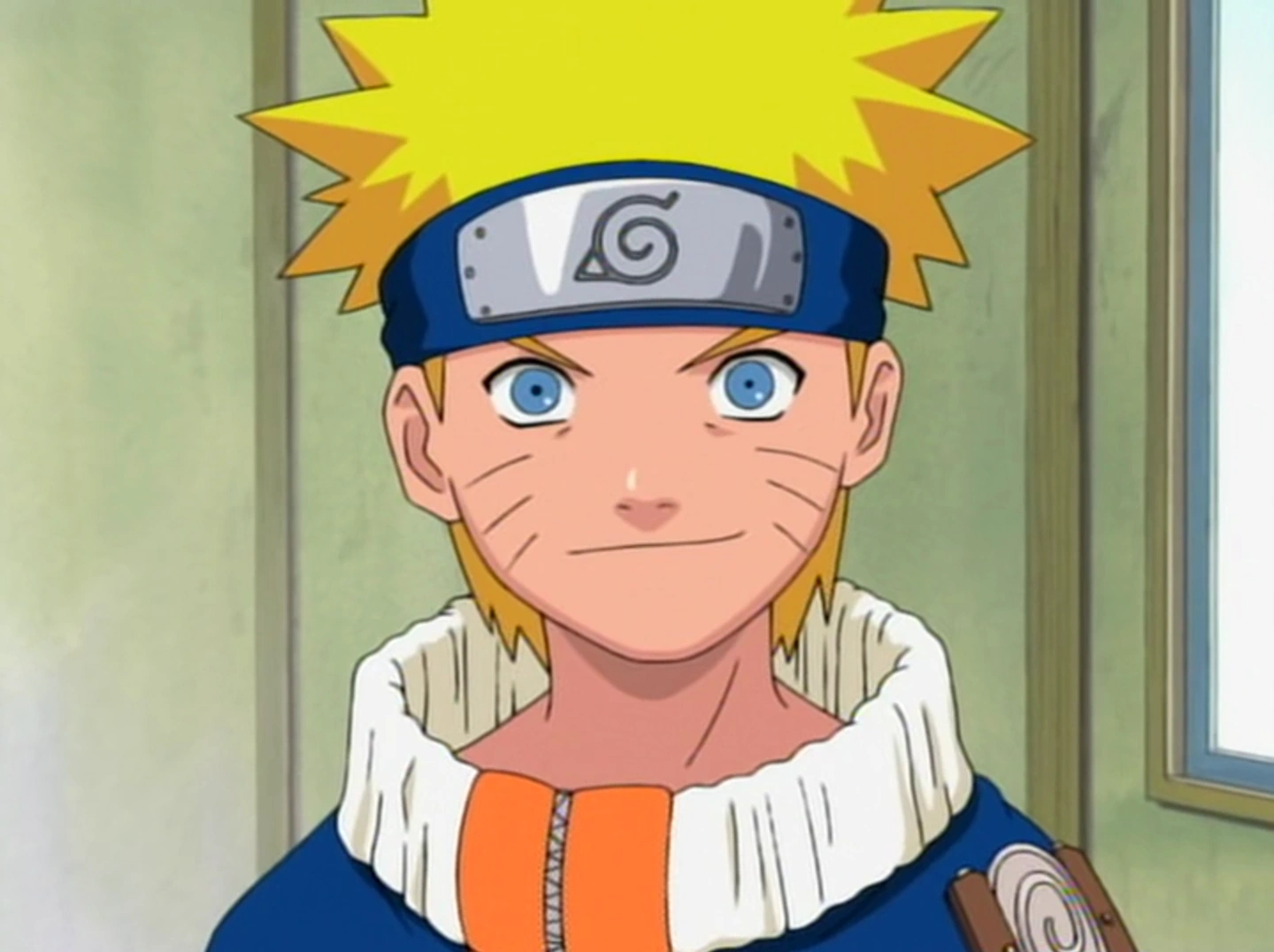
This isn’t just a recap. This is a full naruto uzumaki character analysis that looks at the themes, the emotional beats, and the moments that turned a shonen protagonist into a cultural icon. If you’ve ever argued about Talk no Jutsu in a comment section at 2 AM, this one’s for you.
The Outcast Who Refused to Stay Down
Naruto’s story begins in the darkest place imaginable for a kid: complete and total rejection. The entire Hidden Leaf Village sees him as a monster because the Nine-Tails — a fox demon that nearly destroyed everything — is sealed inside him. He’s a Nine-Tails jinchuriki, and nobody lets him forget it. Parents pull their kids away from him. Shopkeepers won’t serve him. He grows up in an empty apartment with no family, no friends, and absolutely zero understanding of why everyone hates him.
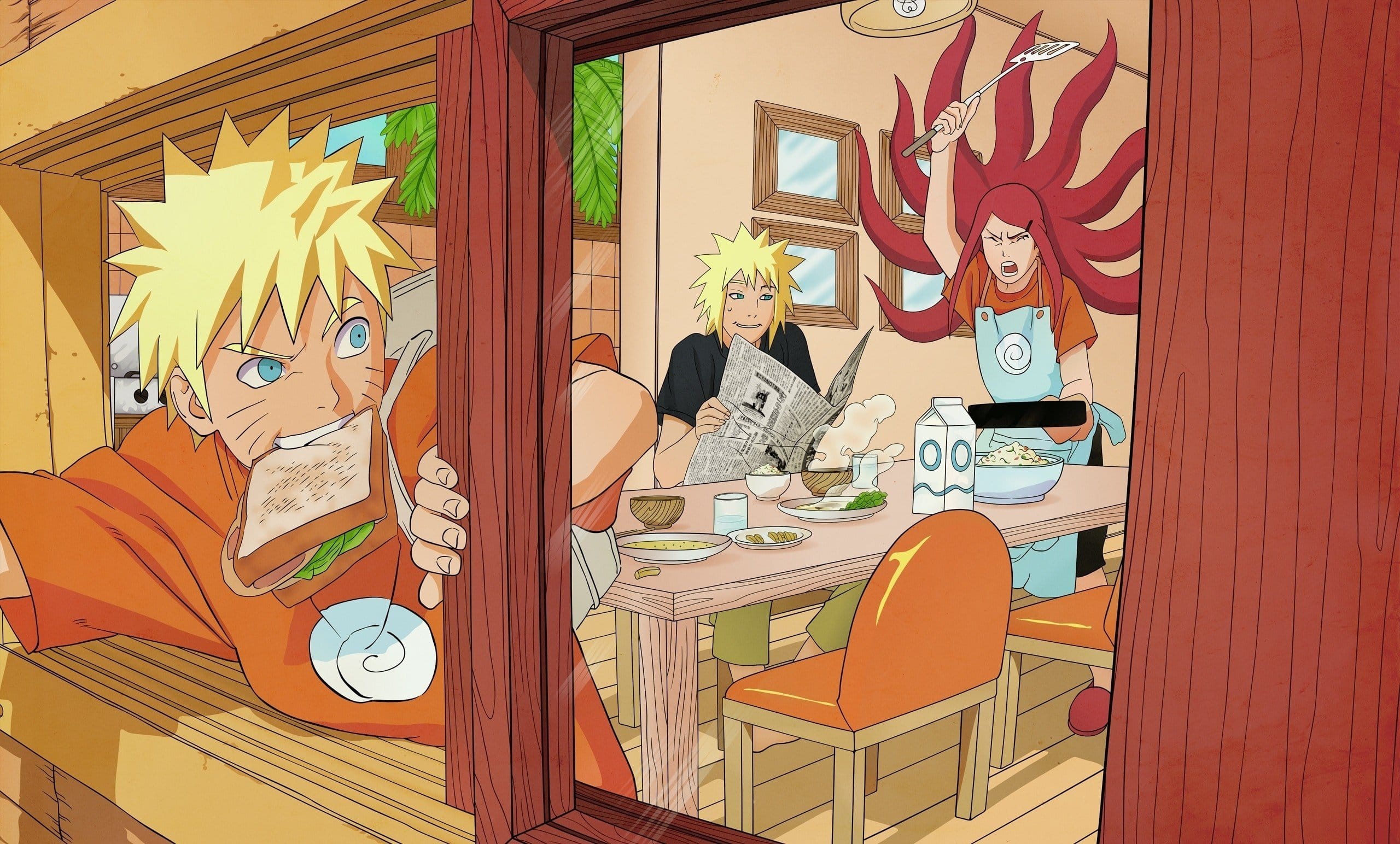
And here’s what makes this naruto uzumaki character analysis so compelling right from the start — Naruto doesn’t turn bitter. Think about that for a second. A kid who has every reason to hate the world instead decides he’s going to make the world acknowledge him. That’s not just stubbornness. That’s an insane level of emotional resilience that most adults don’t have. The Naruto character development starts here, in this pain, and it never stops building.
Then there’s Iruka. Man, Iruka-sensei doesn’t get enough credit. He’s the first person who sees Naruto as a human being and not a vessel for a demon fox. When Iruka puts his headband on Naruto after the Mizuki incident, that moment is genuinely one of the most important in the entire series. It’s the first time someone says “you matter” to this kid. Every naruto uzumaki character analysis has to start here because without Iruka, there is no Hokage. Period.
And let’s talk about “believe it” — or “dattebayo” in Japanese. Yeah, it gets memed to death, but the catchphrase actually carries weight. It’s Naruto’s way of affirming himself in a world that constantly tells him he’s nothing. Every time he says it, he’s basically saying “I exist, I matter, and I’m not going away.” Once you understand that context, the catchphrase stops being annoying and starts being kind of heartbreaking.
The foundation of Naruto as a shonen protagonist is built entirely on loneliness and the desperate need for connection. Kishimoto understood something powerful: the best heroes aren’t the ones born strong. They’re the ones who find strength because they’ve suffered. And in any honest naruto uzumaki character analysis, you have to acknowledge that this origin story is basically perfect.
Growth Through Pain — The Academy to Chunin Exams
Once Naruto graduates and gets placed on Team 7, the real Naruto growth arc kicks into gear. Suddenly he’s not alone anymore — he’s got Sakura, Sasuke, and Kakashi Hatake as his sensei. But it’s his dynamic with Sasuke that becomes the engine driving the entire story forward.
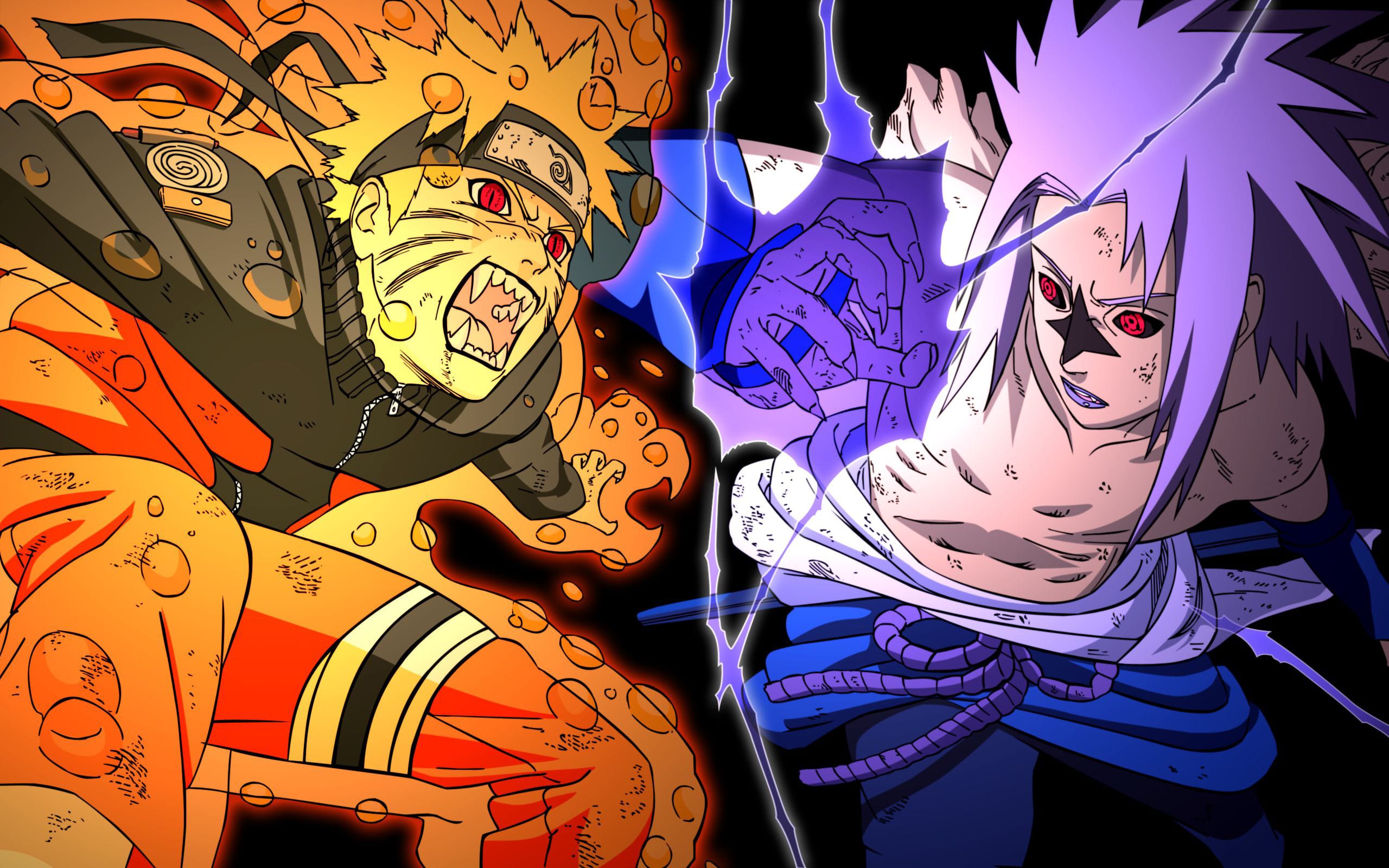
Naruto and Sasuke are mirrors of each other, and the writing is so good here. Both are orphans. Both carry immense pain. But where Naruto channels his loneliness into seeking bonds, Sasuke channels his into severing them. Their rivalry isn’t just “who’s stronger” — it’s a philosophical clash about how to deal with suffering. This is naruto uzumaki character analysis at its most thematic, because Naruto vs Sasuke isn’t really a fight. It’s an argument about the meaning of strength.
The Chunin Exams arc is where Naruto announces himself to the world — and honestly, to the audience too. If you want to understand why the Chunin Exams arc is perfect, just look at what it does for Naruto. He fights Kiba and wins through sheer unpredictability. He inspires Hinata to stand up during her fight with Neji. And then he beats Neji — the genius who said destiny is fixed — by proving that hard work and willpower can overcome natural talent. That fight isn’t just cool. It’s a thesis statement for the entire series.
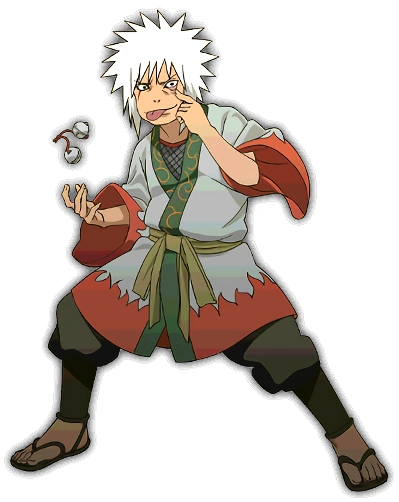
Then comes Jiraiya. If Iruka gave Naruto his first connection, Jiraiya gave him a father. The Pervy Sage is messy, flawed, and absolutely legendary, and the bond between Naruto and Jiraiya is the emotional backbone of everything that follows. Jiraiya teaches Naruto the Rasengan — expanding his naruto uzumaki powers significantly — but more importantly, he teaches him that being strong means protecting what you love. The naruto jiraiya relationship is one of the most authentic mentor-student dynamics in all of anime.
By the end of Part 1, Naruto has gone from a class clown nobody believed in to someone who’s earned real respect. He’s still rough around the edges, still loud, still impulsive — but he’s growing. And that growth feels earned, which is the hardest thing for any shonen to pull off. Every moment in this naruto uzumaki character analysis builds on the last because Kishimoto understood that character development has to be gradual to feel real.
The Pain Arc — When Naruto Truly Became the Hero
Alright, let’s talk about it. The naruto pain arc is, in my opinion, the single greatest arc in all of Naruto and one of the best in shonen anime history. This is where every thread of Naruto’s character development comes together in the most devastating and triumphant way possible. If you haven’t read our Pain arc complete analysis, go do that after this — but let me break down why this arc is the peak of any naruto uzumaki character analysis.
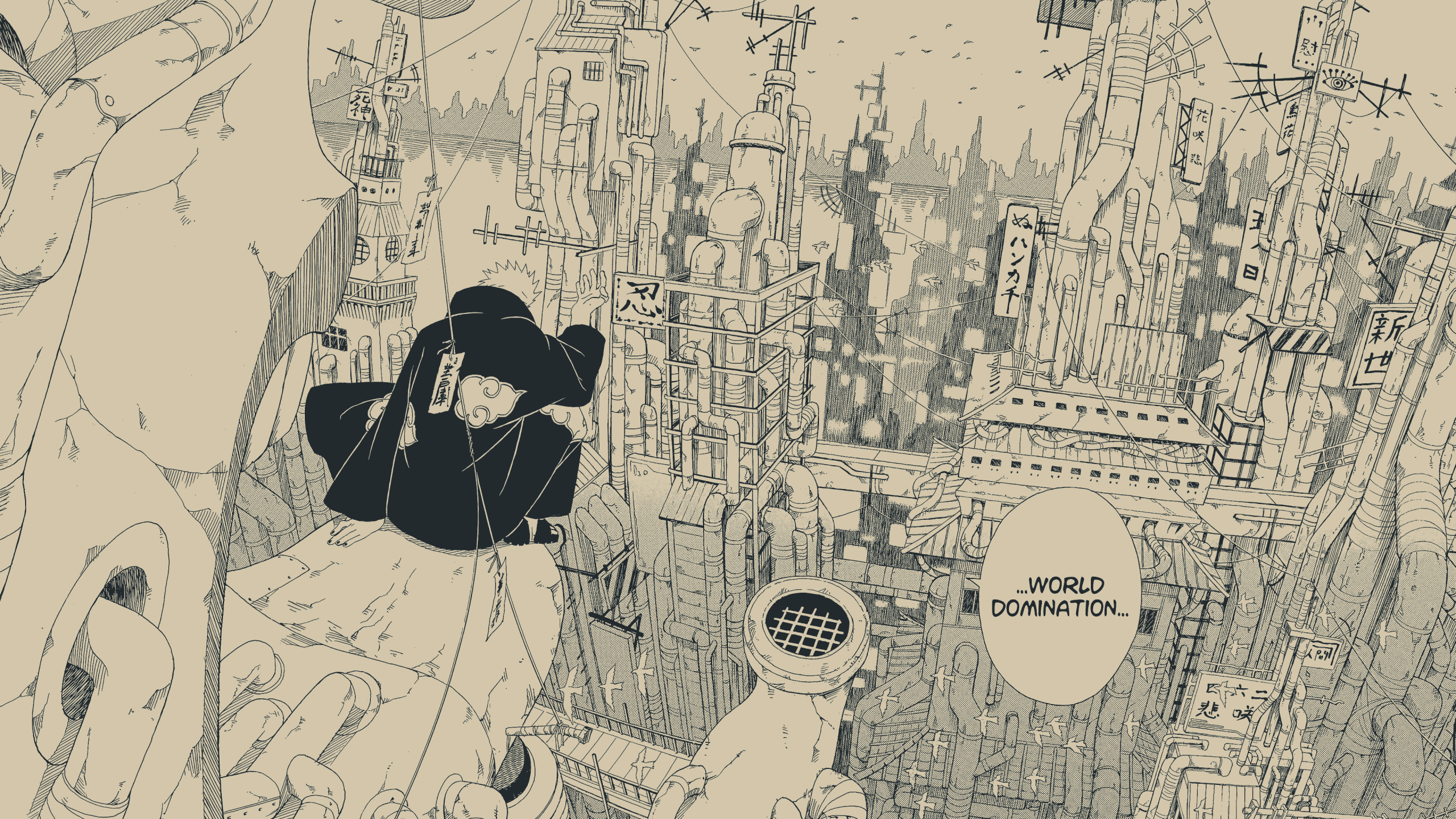
It starts with Jiraiya’s death. And honestly? This still wrecks me. Jiraiya goes to face Pain alone, knowing he probably won’t come back, because he needs to gather intel to protect the village — to protect Naruto. When Naruto finds out, he doesn’t scream or rage immediately. He sits on a bench with an ice cream bar melting in his hand, and he just… breaks. That quiet devastation is so much more powerful than any dramatic outburst could have been. The naruto jiraiya bond was the deepest emotional anchor in the series, and losing it forces Naruto to become something more.
What follows is Naruto mastering Sage Mode — a power-up that feels earned because it requires the exact kind of patience and stillness that Naruto has never been good at. He has to grow as a person just to access the power. That’s brilliant writing. His naruto uzumaki powers aren’t just getting bigger numbers; they’re reflections of his internal growth.
Then Pain destroys the Hidden Leaf. The entire village. And Naruto arrives like an absolute legend. The entrance alone — summoning toads, Sage Mode activated, cape flowing — this hit different on a level that’s hard to describe if you weren’t watching weekly. But the real masterpiece comes after the fight. Naruto tracks down Nagato, the real Pain, and instead of killing him… he talks to him. He acknowledges Nagato’s pain. He admits he doesn’t have all the answers. But he refuses to continue the cycle of hatred.
This is the moment Naruto becomes the hero. Not because he’s the strongest — he’s not, not yet — but because he chooses empathy over vengeance. The “change the world” moment, where he tells Nagato he’ll find a way to break the cycle of hatred, is the emotional peak of the entire series. It’s the culmination of everything this naruto uzumaki character analysis has been building toward: a kid who was hated by everyone choosing to answer hate with understanding.
Nagato believes him. He revives everyone he killed. And the village finally — finally — sees Naruto not as the Nine-Tails jinchuriki, but as their hero. After hundreds of episodes of rejection, watching the villagers throw Naruto into the air and cheer for him is genuinely cathartic. If you didn’t get emotional during that scene, I don’t know what to tell you.
From Knucklehead to Hokage — Naruto’s Character Arc Completed
The Fourth Great Ninja War is where Naruto steps into his final form — not just in terms of power, but as a character. He befriends Kurama, the Nine-Tails fox that’s been sealed inside him since birth, and this is probably the most underrated piece of Naruto character development in the whole series. The monster that ruined his life becomes his partner. The thing everyone feared becomes his greatest strength. If that’s not a perfect metaphor for accepting the parts of yourself that others reject, I don’t know what is.
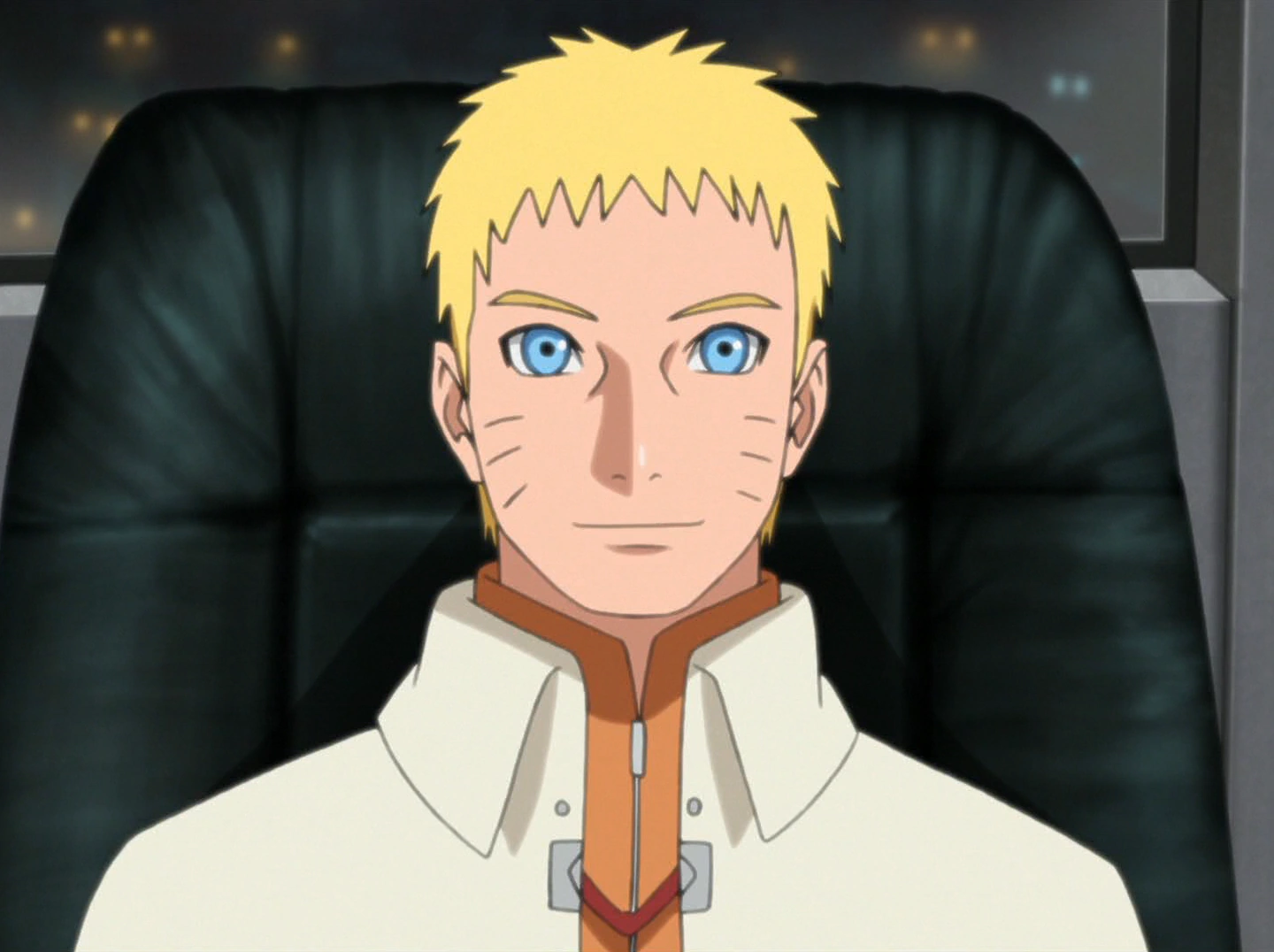
During the war, Naruto becomes the linchpin of the entire Allied Shinobi Forces. His shadow clones are literally everywhere, saving people across every battlefield. He’s not just fighting — he’s inspiring. Characters like Shikamaru Nara and countless others rally around him not because of his power, but because of who he is. The kid nobody wanted is now the person everyone is counting on. That’s the Naruto growth arc in its most satisfying form.
And then there’s the final battle. Naruto vs Sasuke at the Valley of the End is everything. It’s a callback to their first fight at the same location. It’s the resolution of the series’ central relationship. And it’s the ultimate expression of what makes Naruto who he is — he fights not to defeat Sasuke, but to save him. Even after everything Sasuke has done, Naruto refuses to give up on his friend. He’d rather lose both arms than lose Sasuke.
When they’re lying in the rubble, arms blown off, and Sasuke finally admits defeat — not in strength, but in ideology — that’s the real climax of the naruto uzumaki character analysis. Naruto’s entire philosophy, the belief that bonds are worth fighting for, that people can change, that understanding beats hatred — it wins. Not through some power of friendship power-up, but through years of consistent, unwavering dedication to a single idea.
Naruto becoming the Seventh Hokage is the most satisfying payoff in shonen anime. This isn’t a protagonist who was destined for greatness from birth (yes, his parents were important, and we’ll address that). This is someone who earned it through pain, growth, empathy, and an iron will that never once bent. The boy who painted faces on the Hokage monument for attention now has his own face up there. That’s an arc. That’s naruto uzumaki character analysis at its most complete.
What Makes Naruto Uzumaki a Great Character (And Where He Falls Short)
Let’s get real for a second. Any honest naruto uzumaki character analysis needs to talk about both the highs and the lows. So let’s start with what makes Naruto genuinely special as a shonen protagonist, and then we’ll address the elephant in the room.
Naruto’s emotional intelligence is off the charts. This is his real superpower, not the Rasengan or Sage Mode or even Kurama. Naruto has this ability to see through people’s anger and pain and connect with the wounded person underneath. He does it with Gaara, with Neji, with Nagato, with Obito, and ultimately with Sasuke. He doesn’t beat his enemies into submission — he understands them into changing. For a naruto uzumaki character analysis, this is the defining trait. His empathy is what separates him from nearly every other shonen protagonist.
His refusal to give up is legendary, and unlike some protagonists, it actually costs him. Naruto doesn’t just power through obstacles with a smile. He gets beaten down, he bleeds, he cries, he doubts himself. But he always gets back up. The Naruto character development never lets him become invincible emotionally — he always feels the weight of his choices and losses, which keeps him relatable even as his naruto uzumaki powers reach godlike levels.
Now, the criticism. Talk no Jutsu. Yeah, we gotta talk about it. The running joke in the fandom is that Naruto’s greatest ability is talking villains out of being villains, and… it’s not entirely wrong. There are moments where a speech from Naruto feels genuinely earned — like with Nagato or Gaara. But there are also moments where it feels like the writing takes a shortcut, where a character with years of established ideology just… flips because Naruto gave an inspiring monologue. The Talk no Jutsu debate is fair, and any thorough naruto uzumaki character analysis should acknowledge it.
There’s also the “Child of Prophecy” issue. Early Naruto was powerful because it was about a nobody proving everyone wrong. But as the series goes on, we learn Naruto is the son of the Fourth Hokage, the reincarnation of Ashura, and literally a prophesied savior. That undercuts the “hard work beats talent” theme that made the early arcs so compelling. It doesn’t ruin the character — his emotional growth is still earned — but it does muddy the thematic waters.
How does he stack up against other shonen protagonists? Against Goku, Naruto wins in emotional depth — Goku is iconic but has minimal character development past the original Dragon Ball. Against Luffy (and for that full comparison, check out our Naruto vs Luffy ultimate showdown), it’s closer — both are emotional leaders who inspire loyalty, but Naruto’s arc is more internal and psychologically rich. Against Deku from My Hero Academia, Naruto has the advantage of a completed arc and a more consistent thematic throughline. As a shonen protagonist, Naruto Uzumaki sits comfortably in the top tier, flaws and all.
Legacy — Why Naruto Still Matters in 2026
It’s 2026 and Naruto is still everywhere. New fans are discovering the series on MyAnimeList and streaming platforms daily. The memes are still going strong. Cosplayers still do the Naruto run at conventions. And the influence on modern anime is absolutely massive.
Look at the biggest shonen of the last decade. My Hero Academia’s entire structure — an outcast kid who dreams of being the greatest hero — is basically Naruto’s DNA with a superhero coat of paint. Jujutsu Kaisen’s Yuji Itadori carries a cursed entity inside him and tries to save people despite being seen as a threat — sound familiar? Even Blue Lock, which isn’t a traditional battle shonen, carries themes of proving the world wrong through sheer will that trace directly back to what Naruto popularized. The naruto uzumaki character analysis template — outcast to hero through emotional growth — became the blueprint for an entire generation of shonen protagonists.
Then there’s Boruto. Love it or hate it, watching Naruto as a father and as the Seventh Hokage adds fascinating new layers to his character. He’s not perfect at it — he struggles to balance being Hokage with being a dad, and that’s actually great writing because it shows that even after achieving your dream, life doesn’t stop being complicated. Naruto in Boruto is a different kind of naruto uzumaki character analysis: what happens to the hero after the story ends?
But honestly, the biggest reason Naruto still matters is because his story is universal. The feeling of being left out. The desperate need to be seen and acknowledged. The hope that if you just keep going, keep trying, keep believing in yourself and in others, things will get better. That resonates whether you’re watching in 2002 or 2026. New fans connect with Naruto today for the same reason we did — because his pain is real, his growth is inspiring, and his heart is impossibly big. If you’re just starting out, check our guide on how to watch Naruto in order to get the full experience.
This naruto uzumaki character analysis could honestly go on forever because there’s always another angle to explore, another moment to break down, another theme to unpack. That’s the mark of a truly great character — they give you more the more you look. Naruto Uzumaki isn’t just a great shonen protagonist. He’s one of the greatest fictional characters of our generation, and his story about turning pain into purpose will keep inspiring fans for decades to come.
You Might Also Enjoy
- Pain arc complete analysis — a deep dive into the arc that defined Naruto’s entire story
- Naruto vs Sasuke final fight breakdown — the emotional and thematic weight of their last battle
- Kakashi Hatake character analysis — the sensei who shaped Team 7
- Itachi Uchiha: Naruto’s most tragic hero — the man behind the massacre
- Madara Uchiha breakdown — the greatest villain in Naruto history